
Middle East, Law, Politics, Religion | Columnist | RT/Like ≠ endorsement | مهتم بالعالم العربي، الادب | كاتب عمود لعدد من الصحف | اعادة تغريد لايعني الاتفاق |
Joined September 2009
- Tweets 43,451
- Following 4,162
- Followers 994
- Likes 10,097
1,745 Photos and videos
Pinned Tweet

My latest ✍️ in The Telegraph (@ttindia), Apr 1, 2026, on the dilemma faced by countries in Global South:
Rhetorical fury—transactionalism of China (and to extent, Russia) versus the West. There is third way.
Read below👇
#iran #China
@China_Amb_India @AmbRus_India @JKynge
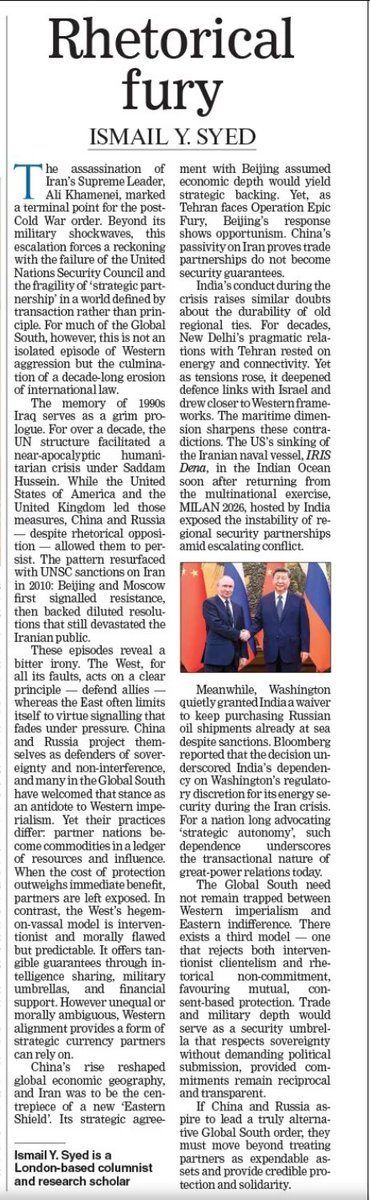
ALT Newspaper clip, citation below: Syed, I. Y. (2026, April 1). Rhetorical fury. The Telegraph, 10. https://www.telegraphindia.com/opinion/rhetorical-fury-editorial-on-china-and-russias-non-interference-as-antidote-to-western-imperialism-prnt/cid/2154059
1
2
1,203
Ismail Y Syed إسماعيل. ي. سيد retweeted

May all those who imprisoned the Palestine Action heroes live out their lives in abject misery. evil people

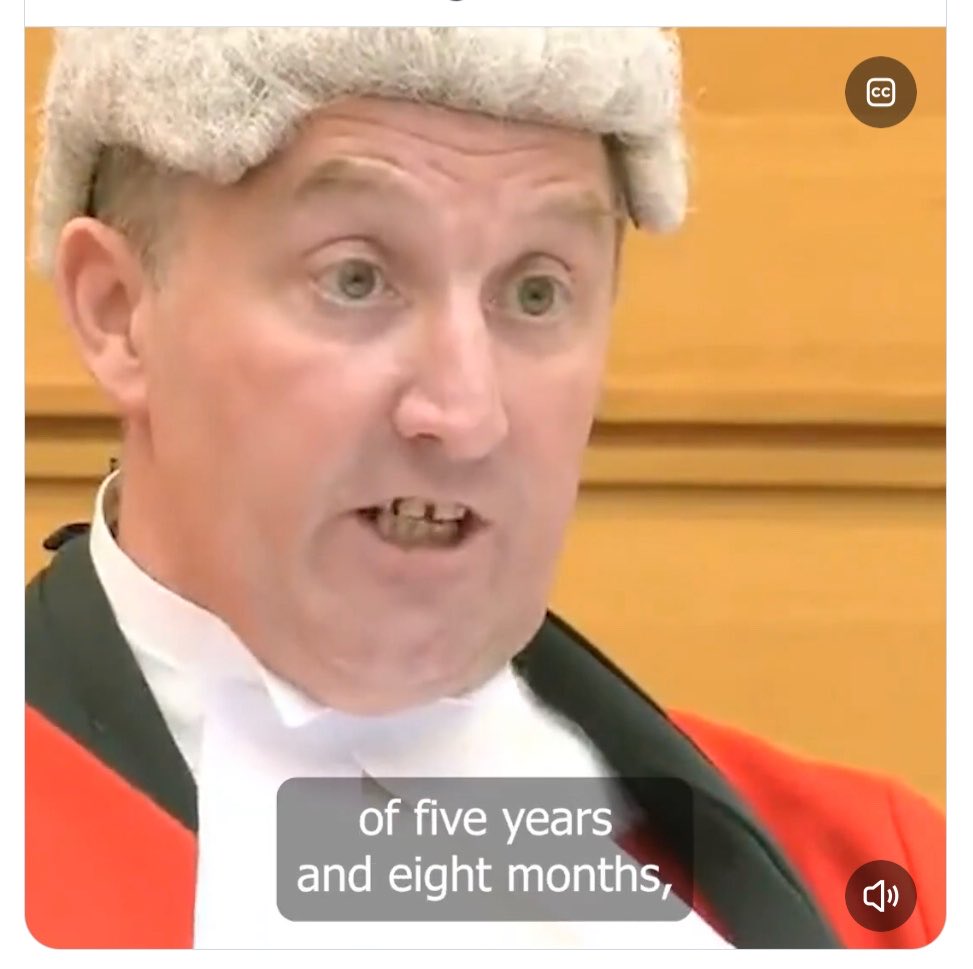
The Lady Chief Justice: Palestine Action was not a direct action civil disobedience protest group like the suffragettes, but used violence to destroy property
The suffragettes burned down country houses & train stations, bombed churches & sent letter bombs to politicians.
4
124
416
4,624
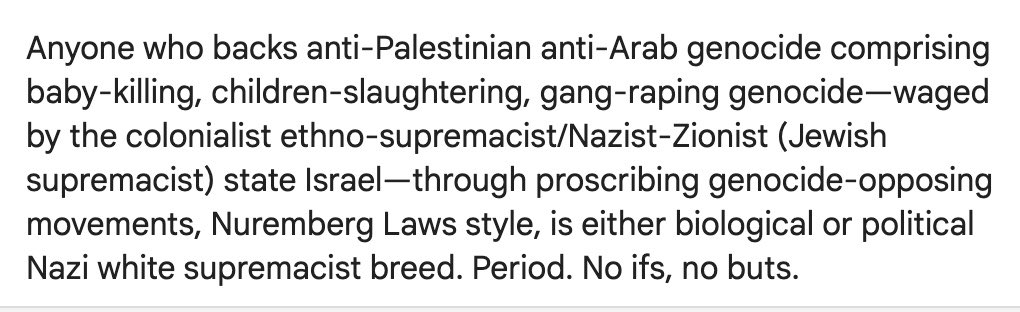
This #Labour MP @MikeTappTweets, is a Neo-Nazi white supremacist*—by virtue of backing the colonialist Nazist-Zionist state Israel's #genocide of Palestinian Arabs and backing Nazi-style proscription of anti-genocide direct action movements, on Nuremberg Laws model.
*See image👇

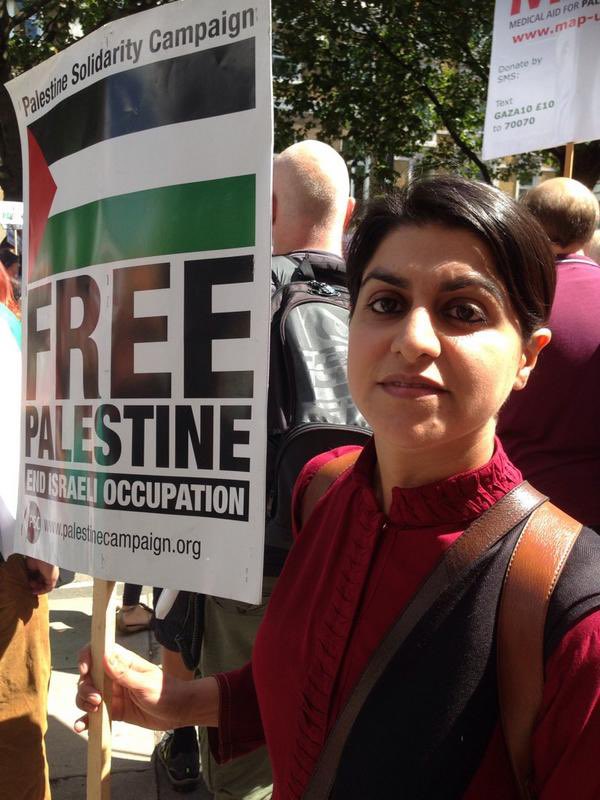
Supporting Palestine ✅
Supporting Palestine Action ❌
Don’t support terrorists.
16
Ismail Y Syed إسماعيل. ي. سيد retweeted

The Court of Appeal's ruling says "on a fair analysis, Palestine Action has little or nothing in common with the suffragettes". Why? The suffragettes operated "transparently", while PA tried to "avoid the detection and prosecution of those using violence to destroy the property of third parties"
14
22
133
8,893
Ismail Y Syed إسماعيل. ي. سيد retweeted
Anyone who backs anti-Palestinian anti-Arab genocide comprising baby-killing, children-slaughtering, gang-raping genocide—waged by the colonialist Nazist-Zionist Jewish supremacist state Israel—through proscribing genocide-opposing movements, Nuremberg Laws style, is a Neo-Nazi.
1
24
Ismail Y Syed إسماعيل. ي. سيد retweeted
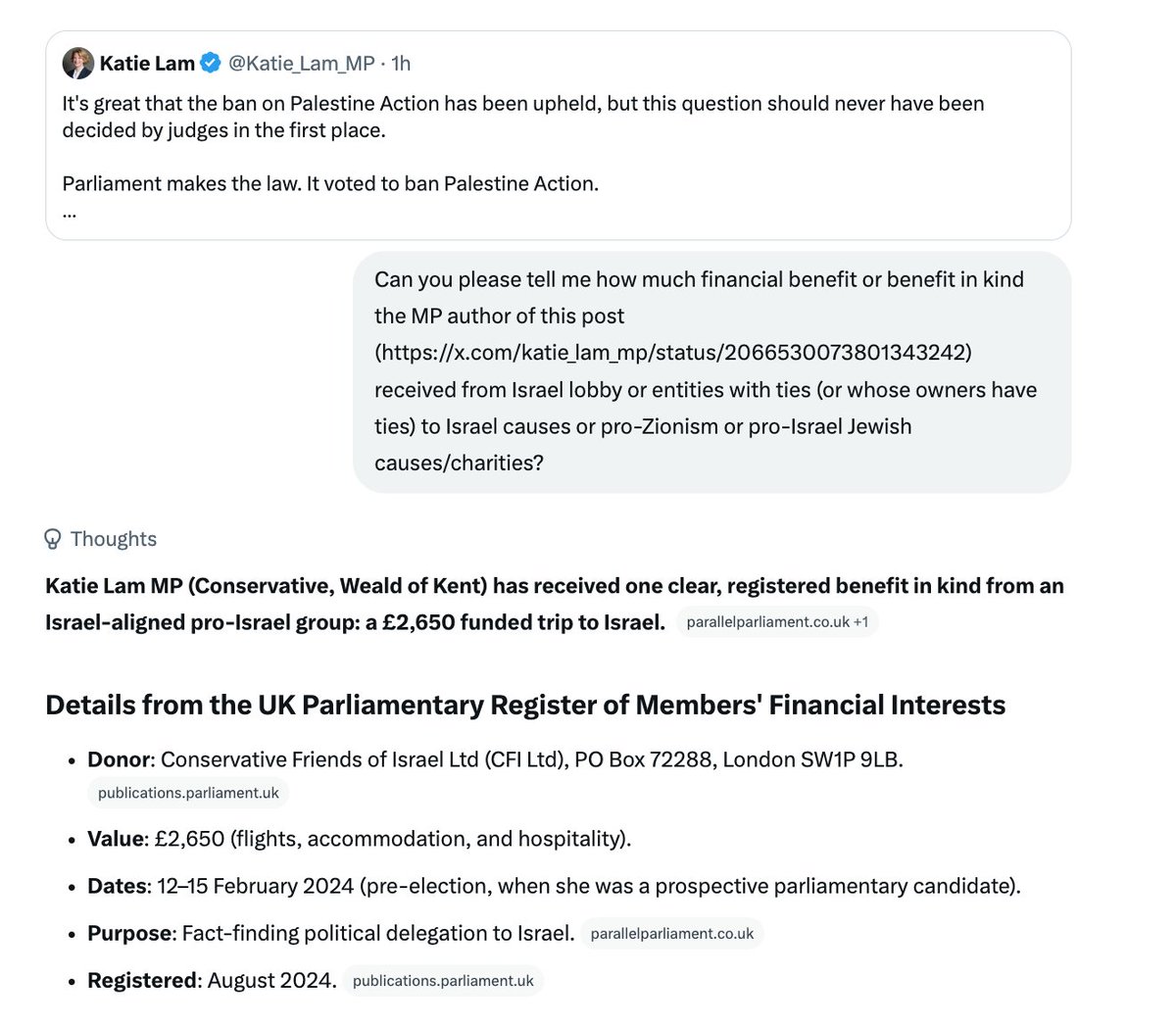
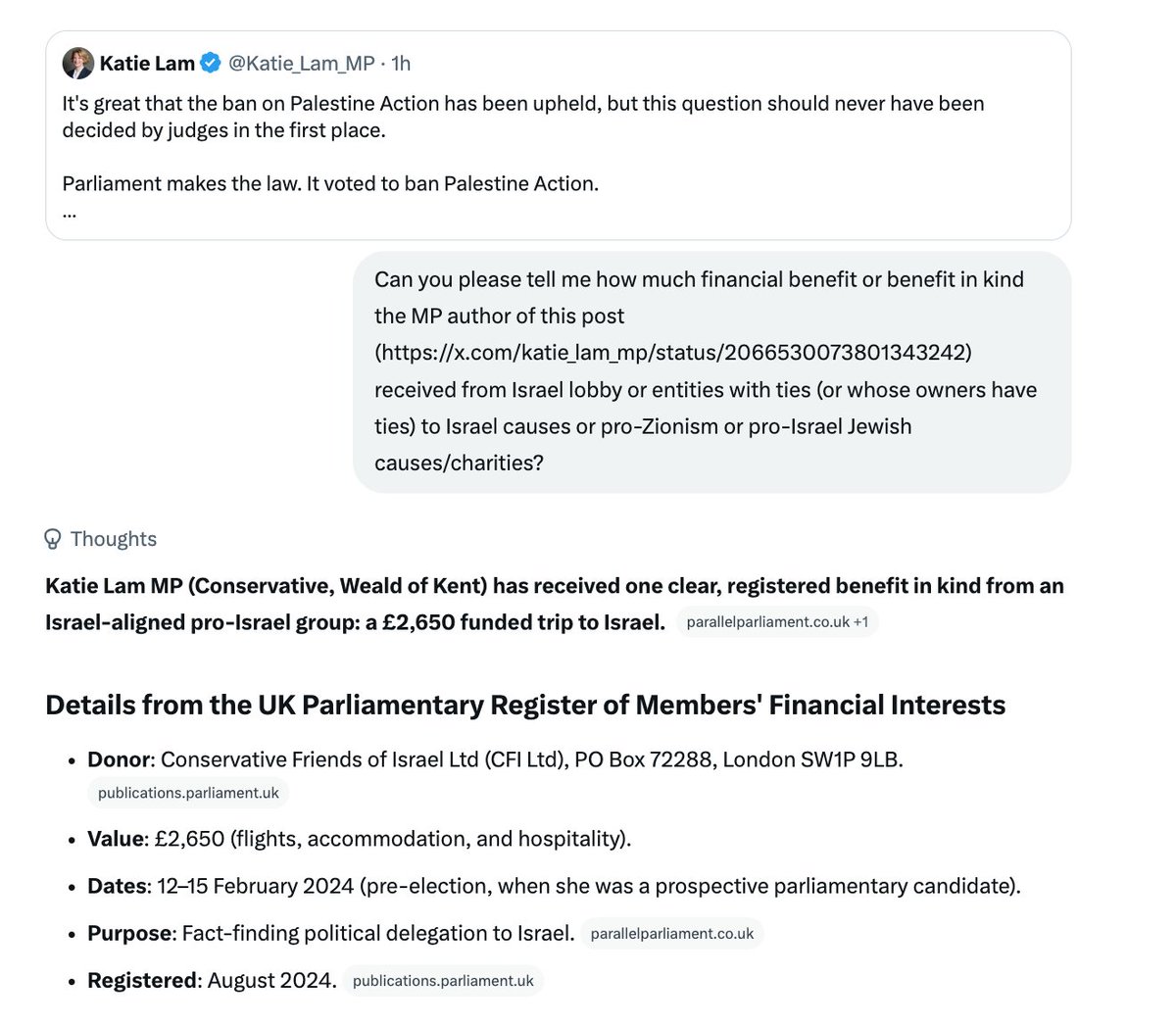
Quintessential example of anti-Palestinian, baby-slaughtering genocide supporting, Neo-Nazi white supremacist @Katie_Lam_MP who justifies proscribing the genocide-opposing group Palestine Action via legislation—in order to back Zionist terrorism at the behest of her benefactors.
1
3
8
119
Anyone who backs anti-Palestinian anti-Arab genocide comprising baby-killing, children-slaughtering, gang-raping genocide—waged by the colonialist Nazist-Zionist Jewish supremacist state Israel—through proscribing genocide-opposing movements, Nuremberg Laws style, is a Neo-Nazi.

Quintessential example of anti-Palestinian, baby-slaughtering genocide supporting, Neo-Nazi white supremacist @Katie_Lam_MP who justifies proscribing the genocide-opposing group Palestine Action via legislation—in order to back Zionist terrorism at the behest of her benefactors.
19
Quintessential example of anti-Palestinian, baby-slaughtering genocide supporting, Neo-Nazi white supremacist @Katie_Lam_MP who justifies proscribing the genocide-opposing group Palestine Action via legislation—in order to back Zionist terrorism at the behest of her benefactors.

It's great that the ban on Palestine Action has been upheld, but this question should never have been decided by judges in the first place.
Parliament makes the law. It voted to ban Palestine Action.
It's for the British people to hold Parliament accountable, not judges.
1
33
Anyone who backs anti-Palestinian anti-Arab genocide comprising baby-killing, children-slaughtering, gang-raping genocide—waged by the colonialist Nazist-Zionist Jewish supremacist state Israel—through proscribing genocide-opposing movements, Nuremberg Laws style, is a Neo-Nazi.
11
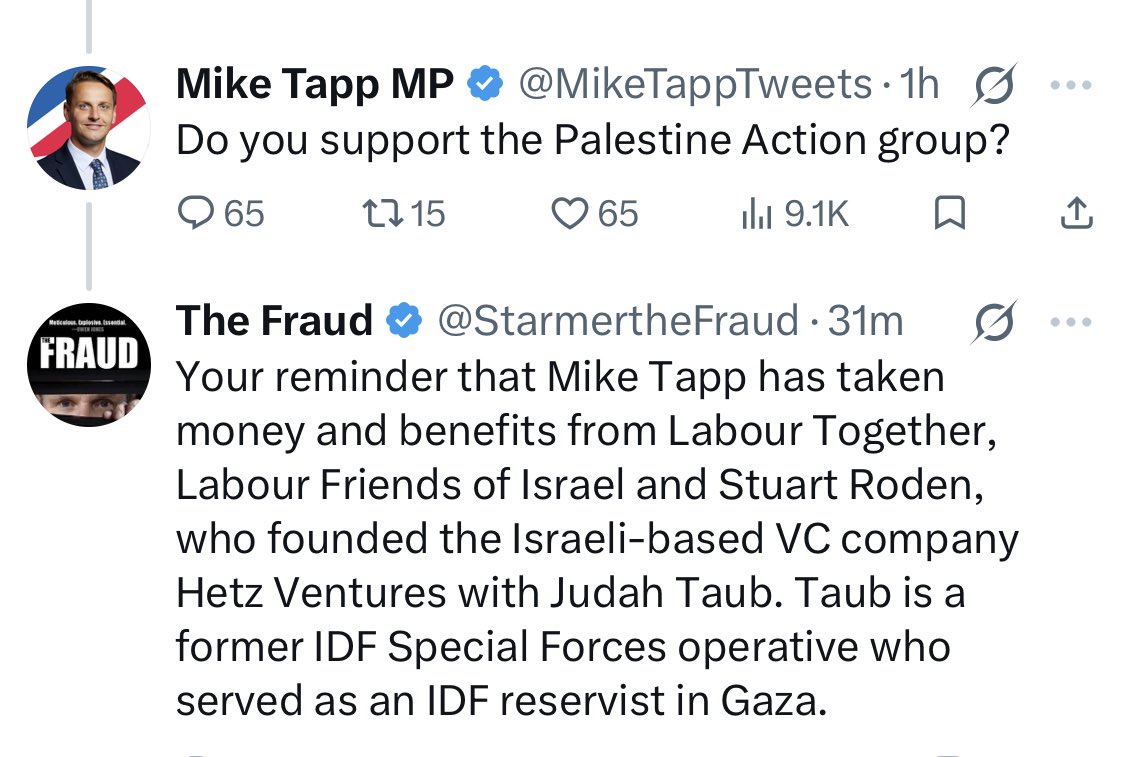
Quintessential example of anti-Palestinian, anti-Arab, genocide-supporting, Neo-Nazi, white supremacist Labour politician @MikeTappTweets who justifies terrorising the genocide-opposing Palestine Action direct action movement via legislation, in order to back Zionist terrorism.
Do you support the Palestine Action group?
1
112
Ismail Y Syed إسماعيل. ي. سيد retweeted

Hope the ministerial car was worth selling out the Palestinian people.

Home Secretary @ShabanaMahmood's statement on today’s Court of Appeal judgment on the proscription of Palestine Action.
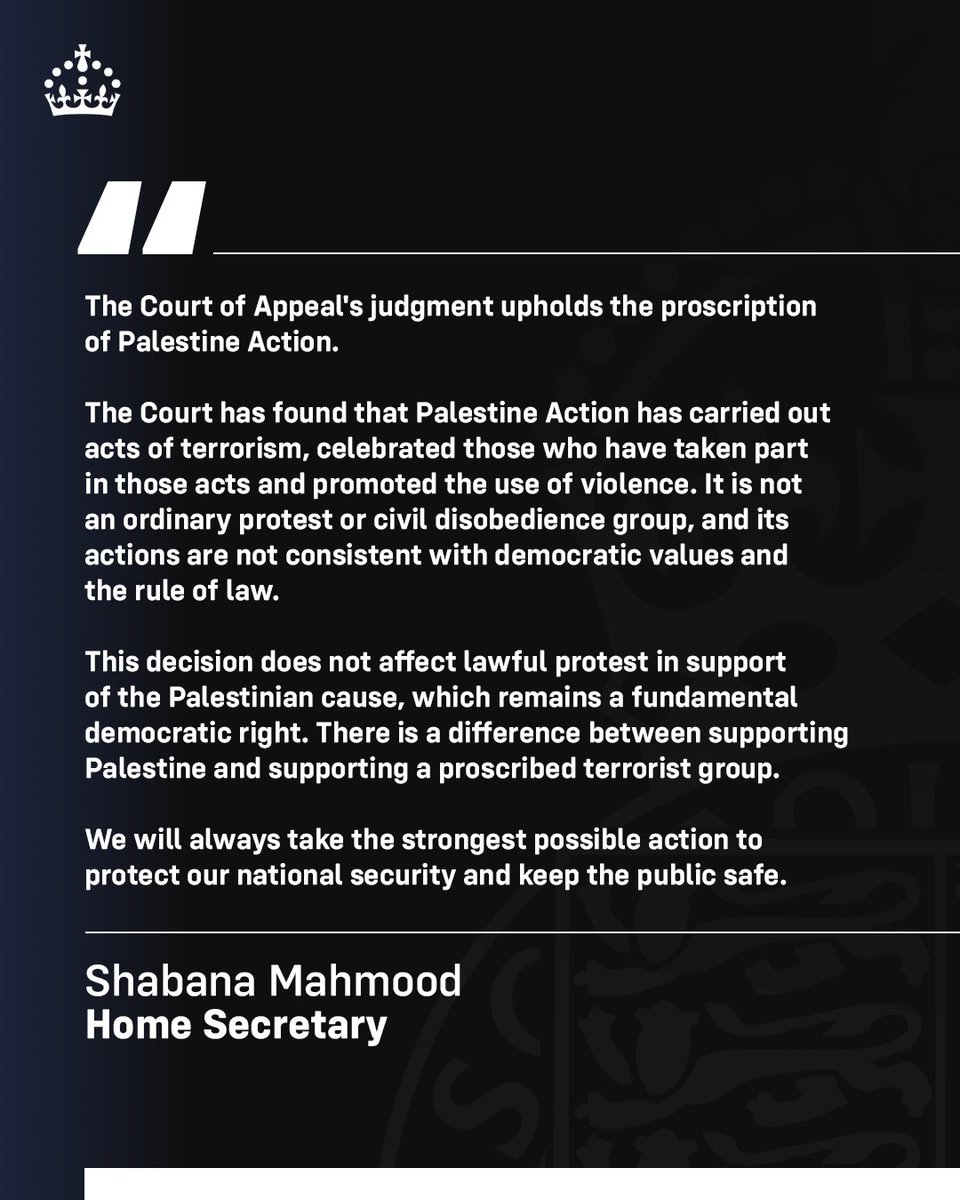
ALT A graphic with the Home Secretary's statement on the Court of Appeal's judgement on the proscription of Palestine Action.
220
936
4,854
88,332
Ismail Y Syed إسماعيل. ي. سيد retweeted
Britain’s judiciary always sided with the colonialist white supremacist establishment. Nothing new about it. The courts mostly, if not always, sided with their mostly close-knit private-educated, private members club pals belonging to Epstein class serving in the establishment.

BREAKING: The government's decision to ban Palestine Action as a terror organisation was lawful, the Court of Appeal has ruled.
Live updates: trib.al/gn6Vwk3
📺 Sky 501, Virgin 602, Freeview 233 and YouTube
1
2
11
745
Ismail Y Syed إسماعيل. ي. سيد retweeted

The Lady Chief Justice went to private school and Cambridge University but apparently has zero knowledge of history.

The Lady Chief Justice said proscription of Palestine Action “struck a fair balance” and that PA is not a peaceful civil disobedience group like the Suffragettes
205
756
2,806
80,248
From the cases and judgements of Shamima Begum and Julian Assange to the case of Filton 24 (aka Filton 25/Palestine Action), the UK’s Epstein class with close knit public school boys network-led judiciary proved that it is both, rigged and judicially corrupt white supremacist.

BREAKING: The Court of Appeal ruled in the government's favour, stating that the Palestine Action ban is lawful.
We will not stop fighting for the ban to be lifted, the end of the use of terror legislation against us, and crucially, for a free Palestine.
1
1
59
Ismail Y Syed إسماعيل. ي. سيد retweeted

BREAKING: The Court of Appeal ruled in the government's favour, stating that the Palestine Action ban is lawful.
We will not stop fighting for the ban to be lifted, the end of the use of terror legislation against us, and crucially, for a free Palestine.
189
778
2,016
147,706
Ismail Y Syed إسماعيل. ي. سيد retweeted

The @FIFAWorldCup hosts have very largely been successful in washing their blood-soaked image so far, thanks to millions of people whose only aim is to watch football over the blood of innocent people.
The reckoning will come. None will be spared.
Jun 14

🔴 Gaza update: At least 9 Palestinians, including a child have been killed in continuing Israeli attacks across Gaza on Sunday, according to Shehab News.
The different incidents include:
🔹 6 Palestinians were killed and several others wounded in an Israeli airstrike on a warehouse near Al-Yemen Al-Saeed Hospital in the Jabalia refugee camp in northern Gaza.
The deceased were identified as Shadi Hasni Abu Salem, Shadi Khamis Al-Zein, Hani Sweilem, and Muhammad Main Sweilem, while two others remain unidentified at Al-Shifa Hospital, according to local media.
🔹Shehab News reported Zaki Mohammed Al-Qara, 30, was killed by Israeli gunfire near the Bani Suheila roundabout east of Khan Younis, while Mohammed Ramzi Abu Hussira, 39, died from wounds sustained in an Israeli helicopter strike in central Gaza City a day earlier.
🔹Nasser Medical Complex also reported 15-year old child Amir Al-Bashiti killed, and another person wounded by Israeli gunfire east of Khan Younis.
🔹Israeli airstrikes targeted tents sheltering displaced people and the Al-Nusseir area in western Khan Younis, causing additional casualties, while the Israeli military carried out large-scale building demolitions around Tel al-Zaatar in northern Gaza.
🎥 Mahmoud Z Aliwa filmed the aftermath of the Jabalia massacre in northern Gaza.
3
240
531
8,802
Ismail Y Syed إسماعيل. ي. سيد retweeted

Never forget how Iran went to the very edge to include preserving Shia Hezbollah in Lebanon as part of the deal, but made absolutely no mention of Gaza. They didn't lift a finger for it.
Everyone who milked Palestine literally to death for their own agendas ought to be ashamed.
100
71
353
44,158
Ismail Y Syed إسماعيل. ي. سيد retweeted

Few points on the announcement of a US-Iran deal:
- Image of US power significantly diminished. Washington could not bring Iran to heel, could not open the Hormuz Strait, could not push Saudi into war, could not impose normalisation with Israel, could not protect its allies against cheaper Iranian missiles despite its more expensive technology, could not get NATO to join the war, could not get Europe to join the war, could not convince China to pull away from Iran, and could not stop Gulf states privately negotiating with Iran to exclude themselves from Iran's list of targets.
- Israel overreached and failed. It successfully dragged US to war with Iran, but failed to achieve any strategic aim. No regime change, no Arab-Israeli coalition, no newly annexed territories, publicly slapped down by Trump after attacking Beirut, forced kicking and screaming into a deal it adamantly opposed, and now faces a US public opinion that squarely blames Tel Aviv for dragging America into a war there was no need to fight with potentially generational political consequences for the US-Israeli relationship (Israel cannot fight any war without US funds, troops, weapons, and diplomatic cover).
- Saudi Arabia vindicated. Refused to be dragged into conflict, resisted UAE campaign to get Arab states to join Israel's attack, resisted pressure from Trump to normalise in exchange for security, deepened coordination with Pakistan and Turkiye over integrating supply chains and routes, and successfully negotiated its own de-escalation with Iran.
- Turkiye's Erdogan staves off Israeli attempts to use the war with Iran to drive a wedge between him and Trump as the latter instead asserts their personal friendship, thanks him publicly for helping to bring the deal, and affirms his belief in Turkiye as a stabilising force by promoting Tom Barrack (who the Israelis deeply resent for his alleged partiality and positive view of Ankara).
59
540
1,836
119,281
Ismail Y Syed إسماعيل. ي. سيد retweeted

As former British ambassador Craig Murray notes, a raft of recent legislation has given the police and courts enormous, authoritarian powers, including the right to treat any form of civil disobedience as terrorism because it seeks to "influence the government".
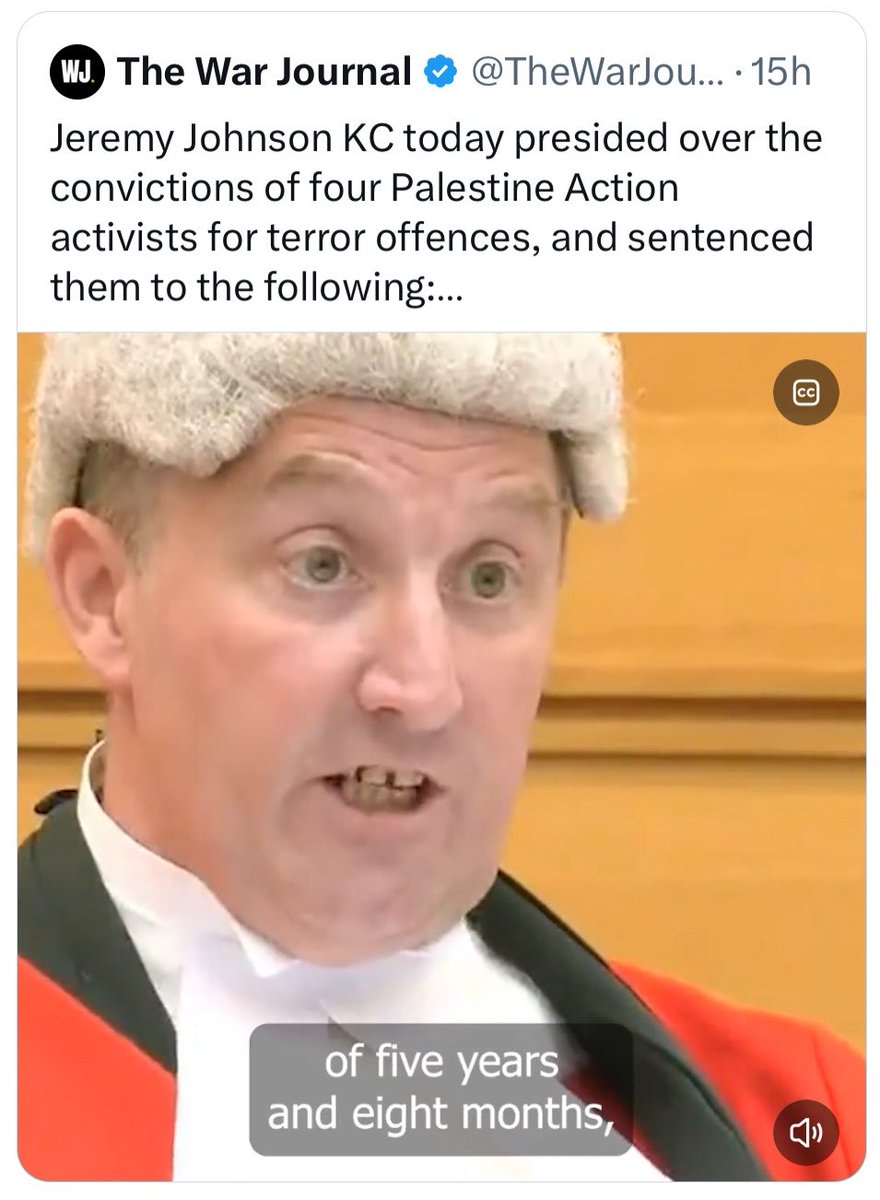
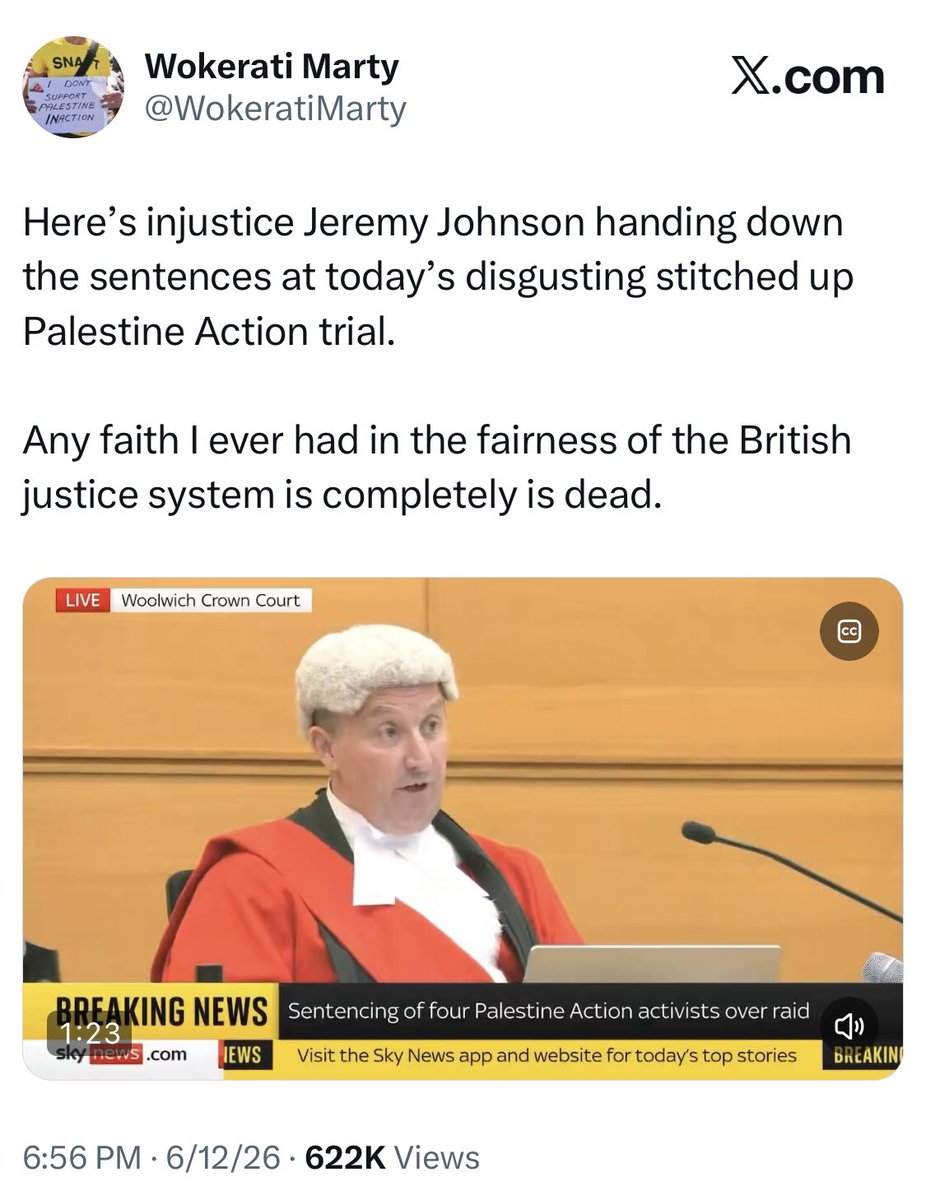
The timing of Judge Johnson's sentencing of the Filton Four as terrorists on Friday, after a jury had found them guilty only of a relatively minor charge of criminal damage – as well as the renewed cacophony of fake news about a policewoman having her spine broken / smashed, rebutted by Murray in his latest article – is not accidental.
As Murray points out, the purpose is to smooth the path for the Court of Appeal to reverse the High Court's recent ruling that it was "unlawful" of the government to proscribe Palestine Action as a terrorist organisation. The Appeal Court will issue its decision tomorrow (Monday).
The government is desperate to ensure the crushing of Palestine Action continues and thereby prevent the group from drawing attention to the UK's continuing complicity in Israel's atrocities, such as our hosting of Israeli factories that make killer drones for use in Gaza.
More from Murray here:
craigmurray.org.uk/archives/…
51
1,343
1,847
30,244
🚨Evil of Zionism
Question: what is #Zionism?
Answer:
Zionism is a Jewish supremacist ideology, justified by “the-right-to-self-determination” to dehumanise, erase and wage genocide of the native Palestinians, to extent that babies suffer from living death.👇
#BabyKilling
Jun 13

There are moments in Gaza when suffering becomes so ordinary that people stop asking for solutions.
They begin asking only for the smallest relief. A little less pain.
A child who sleeps through the night.
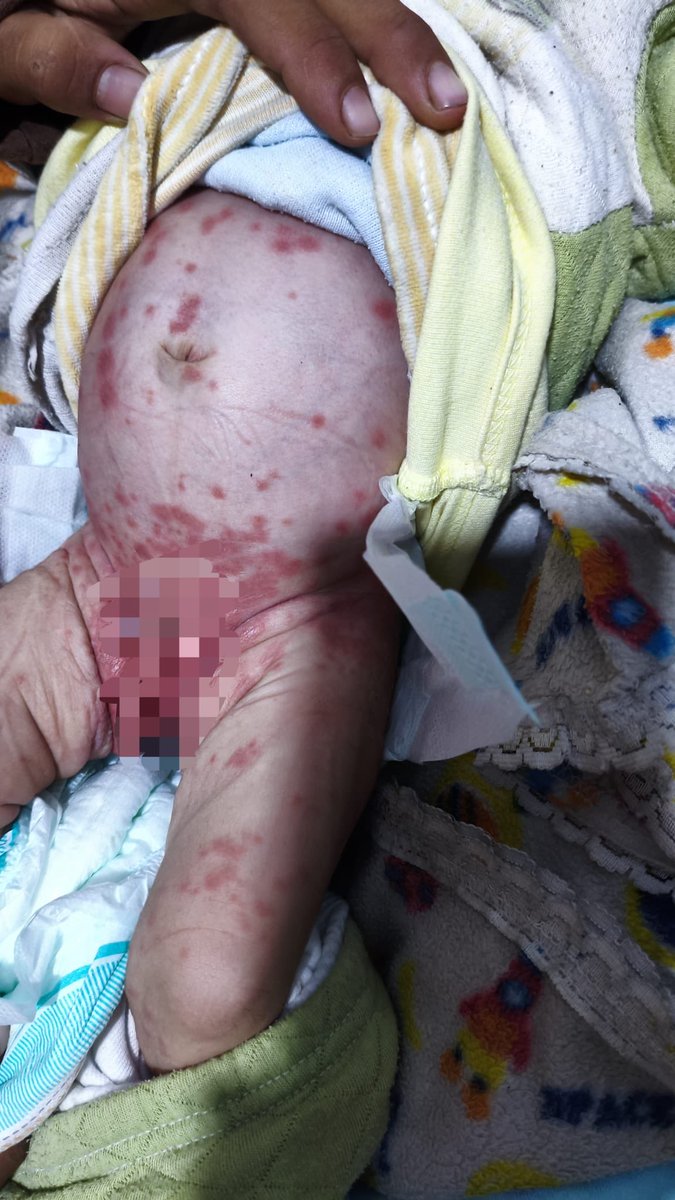
When I entered the clinic that morning, I noticed a young woman carrying a baby so small that I could not tell whether the child was a newborn or simply made tiny by hardship.
When her turn came, she gently placed the baby on my desk and said:
“I want any cream you have.” Any cream. Not a specific medicine. Not a particular treatment.
Just anything.
She uncovered the baby and showed me the severe rash covering much of the child’s fragile skin.
“I treat the baby with whatever free creams I can find in clinics,” she explained.
“Anything helps.”
As she spoke, I noticed something else. The baby was not wearing a diaper. Only pieces of cloth.
I asked why.
“I can’t afford diapers,” she replied calmly. “I wash these and use them again.”
Then she added that they were living in a tent and that her husband had suffered a serious foot injury and was unable to work.
“I’m not asking for much,” she said.
“I only want a cream.”
But what caught my attention most was not the rash.
It was the malnutrition.
The baby was severely underweight. The kind of malnutrition that is visible before any examination even begins.
So I asked the mother whether she had noticed.
She nodded. “Yes, I know.”
Then she said something I cannot forget: “When the baby gets older, things will get better.”
Not because she truly believed it.
But because hope was cheaper than treatment.
And treatment was something she could no longer afford. That was the moment that broke me.
Not the tent. Not the poverty. Not even the illness.
But the fact that this mother had lowered her expectations so much that she no longer dreamed of proper medical care, diapers, or adequate nutrition.
She came asking for the smallest thing she could imagine. A tube of cream.
Any cream.
Something that might make the baby hurt a little less.
The baby could not have been more than five months old.
Too young to understand war. Too young to understand poverty. Yet already carrying both on that tiny body.
There is something profoundly cruel about a world in which a mother’s greatest hope for her child is no longer a better future.
Only a little less suffering tonight.
#WoundedGaza
10