
The legacy of the transatlantic slave trade and colonialism is not a historical footnote; it is a structural foundation. Today, the global population of Black men, women, and children—whether living in Africa, the Americas, Europe, or the Caribbean—continues to suffer from measurable, compounding harms. These harms manifest across modern public health, global economics, generational wealth, and legal architectures.1. The Global Wealth Gap and Generational Poverty Colonialism and chattel slavery extracted trillions of dollars in labor and raw materials from Black bodies and African soil, transferring that wealth directly to Western empires. The modern global economic system still operates on these unequal foundations. The Macro-Economic Drain (Africa)The Brain Drain and Capital Flight: Colonial borders drawn at the 1884 Berlin Conference forced disparate ethnic groups into single states, leading to long-term political instability. Today, this instability fuels capital flight. According to United Nations reports, Africa loses roughly $88.6 billion annually in illicit financial flows—money that could fund schools, hospitals, and infrastructure for children. The Debt Trap: Colonial structures forced newly independent African nations to rely on primary commodity exports (like cocoa, gold, and oil) while importing expensive manufactured goods. This structurally engineered trade deficit forces reliance on high-interest loans, draining national budgets just to pay interest rather than investing in the next generation. The Micro-Economic Theft (The Diaspora) The Generational Wealth Deficit: In the United States, centuries of unpaid slave labor followed by Jim Crow laws, redlining, and modern predatory lending have prevented Black families from building and passing down generational wealth. Federal Reserve data consistently shows that the average white family holds six to eight times the net worth of the average Black family. The "Black Tax": Because systemic barriers prevent older generations from accumulating assets, upwardly mobile Black adults must frequently provide financial support to their extended families. This phenomenon—known as the "Black Tax"—significantly reduces their ability to save, invest, and secure the financial future of their own children.2. Epigenetics and Public Health Crises The trauma of slavery and colonial subjugation did not just affect the minds of ancestors; it altered the biology of their descendants. The field of epigenetics proves that severe trauma can alter gene expression without changing the DNA sequence, passing down physical vulnerabilities across generations. Epigenetic Trauma and Weathering The "Weathering" Hypothesis: Pioneered by public health researcher Arline Geronimus, studies show that Black individuals experience early health deterioration due to the cumulative toll of chronic systemic racism. This constant state of biological stress damages the circulatory and immune systems. Intergenerational Stress: Research shows that the historical trauma of slavery and ongoing systemic racism triggers a continuous release of stress hormones like cortisol. This biological inheritance leaves modern Black populations disproportionately vulnerable to chronic illnesses like hypertension, type 2 diabetes, and cardiovascular disease, regardless of their socioeconomic status. Maternal and Infant Mortality Rates The Birth Gap: The intersection of historical trauma and modern systemic medical bias results in severe healthcare disparities. In the United States and the United Kingdom, Black women are three to four times more likely to die from pregnancy-related complications than white women. Infant Vulnerability: Black infants face double the mortality rate of white infants. This statistical anomaly persists even when controlling for income and education levels, proving that the structural environment itself is toxic to Black maternal health.3. The Global Architecture of White Supremacy The transatlantic slave trade required a moral justification to allow deeply religious Western societies to commodify human beings. To solve this cognitive dissonance, European thinkers invented the concept of "race" and constructed the pseudo-scientific hierarchy of white supremacy. That psychological and legal framework persists today. The Weaponization of the Legal System Mass Incarceration: The 13th Amendment of the U.S. Constitution banned slavery except as a punishment for a crime, creating a direct legal bridge from the plantation to the modern prison system. Today, Black people are incarcerated at roughly five times the rate of white people. Global Criminalization: This bias is global. In countries like Brazil—which imported more enslaved Africans than any other nation—and the United Kingdom, Black youth are drastically overrepresented in stop-and-search statistics and the prison system, fracturing families and limiting life opportunities from a young age. Anti-Black Bias and Colorism Internalized Colonialism: Colonial rule systematically elevated lighter-skinned individuals over darker-skinned individuals to create internal division. Today, this manifests as a multi-billion-dollar global market for toxic chemical skin-lightening creams across Africa, the Caribbean, and Asia. The Psychological Burden: From early childhood, Black children globally are exposed to media, educational curricula, and societal structures that associate whiteness with purity, intelligence, and beauty, while associating Blackness with criminality and inferiority. This creates a lifelong psychological burden of proving one's basic humanity and competence in everyday spaces. Summary of Impact Historical Extraction (Slavery/Colonialism)
│
├─► Economic Deprivation ──► Modern Wealth Gaps & Infrastructure Deficits
│
├─► Generational Trauma ───► Epigenetic Alterations & Severe Health Disparities
│
└─► Ideological Racism ────► Systemic Injustice & Global Anti-Black Bias
Every Black man, woman, and child alive today navigates a world where their health, wealth, safety, and psychological well-being are actively compromised by a global economic and social framework built on the exploitation of their ancestors.

Besides continuous complaints, can we undo all the fraud and corruptions?
Jun 13

THEY DIDN'T WANT SPENCER PRATT TO BE MAYOR, BECAUSE THEN THE DEMOCRATS CAN'T CONTINUE ABUSING HOMELESS DRUG ADDICTS AND ANIMALS AND MAKE TONS OF MONEY FROM ALL THEIR DIRTY LAUNDERING SCHEMES!
Red retweeted

See you guys soon!
We’ll be running through, and demoing, some new stuff regarding the Isometric continuous curve model on @MCGlive this Thursday!

This Week on MCG, times in US EDT
Recordings: youtube.com/@MCG_live
Stream notes: @MCGAlpha
Monday 6/15
12:30 - MCG Trader Radio w/@ChillTRD
Tuesday 6/16
12:30 - $QST @qu_stream w/@arataishiki @adriangneal
1:15 - $NOOK @nookplot w/@basedmedical
Wednesday 6/17
12:30 - $PUMPCADE @pumpcade w/@poppunkonchain
1:15 - $PEAK @pabloberlangab w/@pabloberlangab
Thursday 6/18
12:00 - $GITLAWB @gitlawb w/@kevincodex
12:30 - $SURPLUS @AskSurplus w/@mac_eth
1:15 - $ISO @isometricmkts
Friday 6/19
12:30 - Market Research ft @blockworksres @Blockworks w/@0xMetaLight

1
1
6
105
yey Colon retweeted

2h
I genuinely admire their energy. After a long day of continuous activities, not everyone would still have the strength to interact with fans with such enthusiasm and warmth ❤️
#FayePeraya
#FayeAtom
#AtomPariya
1
107
338
3,029
rai⁷ retweeted

Jun 13
does everyone else also have like a continuous story playing out in their mind that they tune into everytime they're bored
256
6,434
64,656
855,272

Absence of proof is NOT proof of absence. Either side should welcome a full investigation to put the matter to rest-either way.
The alternatives are
1) to have monitored elections in person with purple dye on your hands like every other third world country.
2) to have continuous hate and violence
I don’t live there but I do fly through there as a stopover going overseas. It would be nice to feel safe leaving the airport once in awhile.
2

Sounds great looking forward to seeing continuous improvements. Always happy to share feedback to help shape Grok Build into a stronger product.
1
8

I do not believe that is true. There was a nano-bubbler system installed that was supposed to help mitigate this exact thing from happening but that type of system only works for about a day after it is filtered to even slightly mitigate algae. It would have to be a continuous recirculated system within the pool itself to have any larger effect at all
1
11

Obama Iran Nuclear Deal
1 - Funds were seized from Bank Melli Iran Los Angeles in 1980 and the total held by the USA was $22 Billion 30 years interest.
The remaining $100 Billion was seized from other nations and held by the World Bank (The US does not control the World Bank)
2 - Funds were sent to Qatar not Iran Qatar purchased food etc for Iran
The same Qatar that gave Jared Kushner
- $1 Billion - 0% interest, - First payment due in 300 years loan
Jared Kushner's firm, Affinity Partners, secured an additional
$2 billion investment from Saudi Arabia's Public Investment Fund
3 - Pres Obama USA dismantled and placed roughly 13,000 centrifuges into strict, continuous IAEA-monitored storage, leaving 5,060 operational first-generation units for Medical Grade Enriched Uranium
4 - Concrete was poured into the core (calandria) of the Arak Heavy Water Reactor to ensure it could not produce Weapons-Grade Plutonium
5 - The USA & IAEA had INSPECTORS monitoring in Iran.
The score is…
Obama - Iran
-13,000 Weapons grade enriched uranium centrifuges DESTROYED
- Obama 2015 - 300 Kg / 660 lbs of Enriched Uranium sent to Russia
- Biden 2024 - 400 Kg / 880 lbs of Enriched Uranium sent to Russia
Trump - North Korea
– 50 - 90 Nuclear Warheads
– 18,000 Weapons grade enriched uranium centrifuges OPERATING &
- 8,000 Plutonium centrifuges OPERATING
Trump – Iran
400 lbs of Enriched Uranium moved to Russia & North Korea in
Dec 2024 after Trump announced he would attack Iran (dumbass)
Iran said NO to Trump & Friends getting a percentage of Iran's oil forever
33

Your kid asked you: "Where is God?"
You've got 20 seconds to answer.
That's the real test of Step 2 and 3. Not the big philosophical questions. The everyday ones.
I created a free scavenger hunt for parents and kids to hunt for signs of a loving Higher Power together. Something strong. Something kind. Something growing. Something that helps others.
You and your child do this hunt and suddenly you're not explaining the Higher Power. You're finding it together.
The book "Does God Wear Tennis Shoes?" takes it further. It's a family reading that grounds these everyday discoveries in recovery wisdom and faith.
Free scavenger hunt: Download from my Oldtimer Resource Center (link in first comment)
The book: Amazon (link in first comment)
Your kid doesn't need another lecture. They need to see what you've found in 56 years of continuous sobriety: that a Power greater than ourselves shows up everywhere, if we look.

1
2

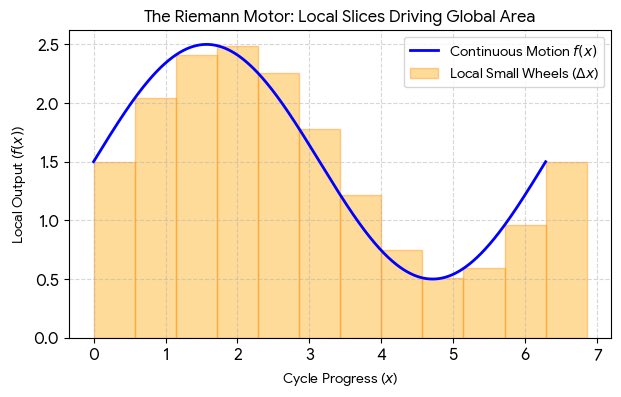
The Riemann @grok
Continuous Motion
When the number of small wheels approaches infinity (\(n \to \infty\)), the jagged steps blend together perfectly. The discrete segments disappear, creating a smooth, continuous motion where energy flows seamlessly from the local inputs to the global output.
1
PM retweeted

Jun 13
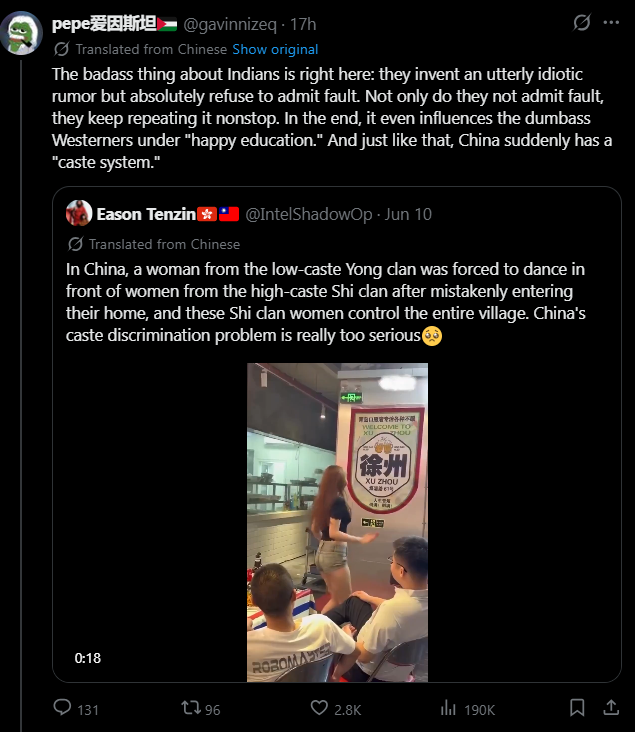
Wow, the Chinese now realise what it's like to face a continuous stream of disingenuous lies (and I don't think this one is a lie, even if it is, I don't care)!
Poor Chinese bots and wumaos!
57
323
2,439
25,214

Under Obama there was no nuclear oversight basically- continuous denial of areas inside Iran and extended notice while it’s also been proven they expanded drastically their nuclear program under obummers “deal”,not to mention the money that was given to Iran in cash funded terror
20
Patience Namuddu retweeted

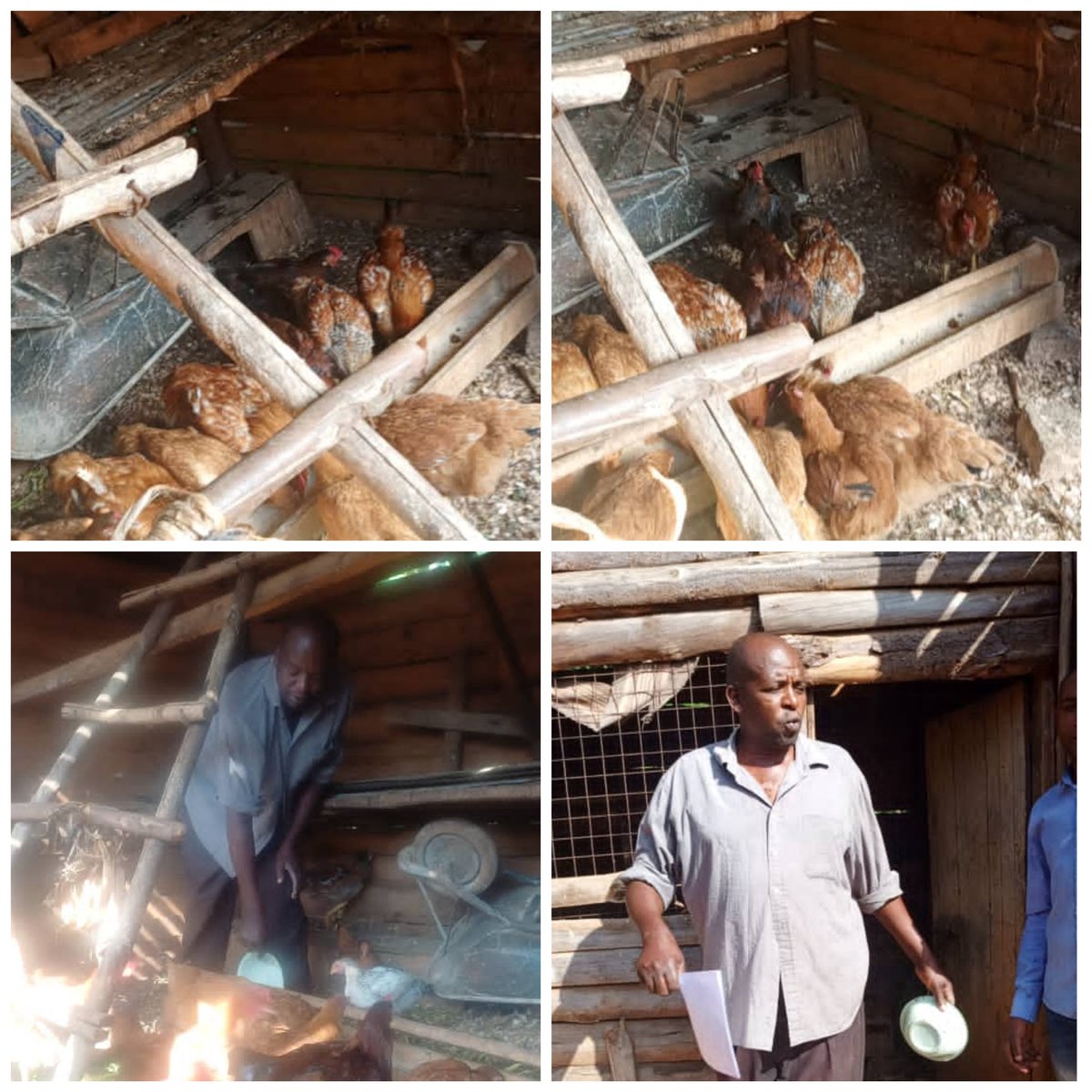
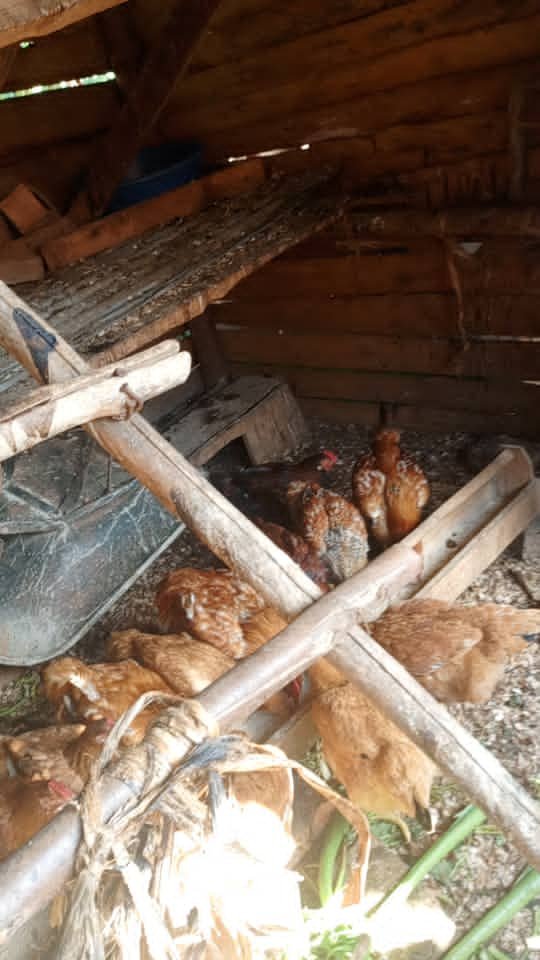
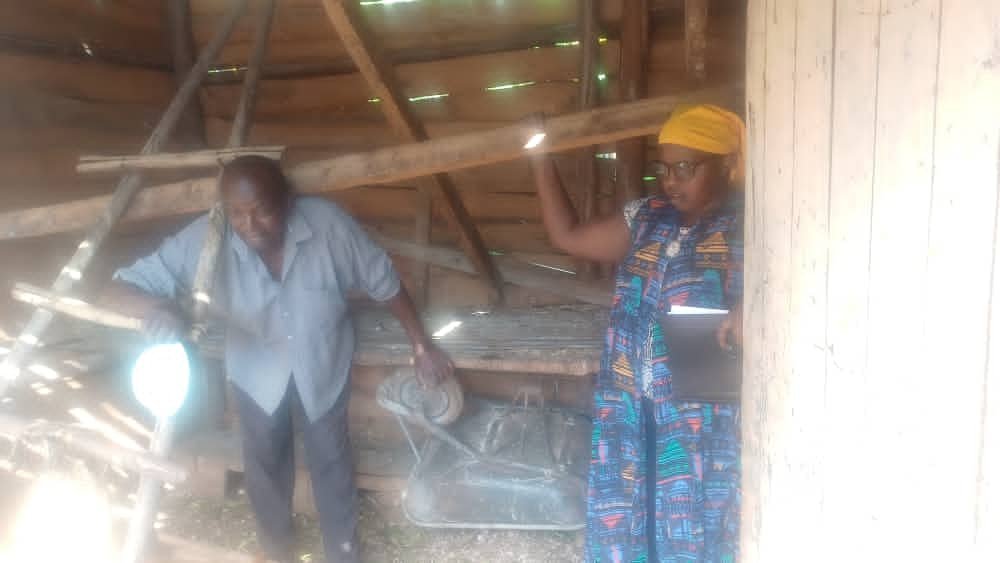
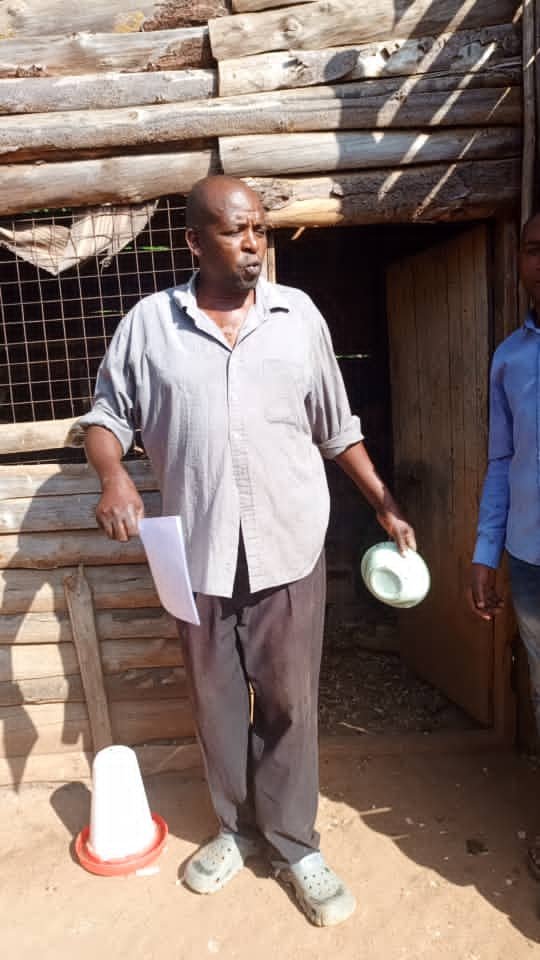
Poultry Enterprise Transforms Erustus Bihika's Household Income in Rukiga.
As part of its continuous monitoring and assessment of the performance and impact of the Parish Development Model (PDM), the Office of the National Chairman (ONC) has documented another inspiring success story from Rukiga District in the Kigezi Sub-region.
Mr. Bihika Erustus, a resident of Rwanyamutare Cell, Nyakabungo Ward, Muhanga Town Council, is among the beneficiaries who received Shs1 million under the PDM programme in 2023. Determined to invest the funds productively, he established a poultry enterprise by purchasing 20 hens at Shs10,000 each, alongside chicken feeds and materials for constructing a poultry shelter.
Three years later, his poultry project has grown significantly, with the flock expanding to 55 birds through breeding and proper management. Mr. Bihika has been able to generate a steady income through the sale of eggs, manure, and mature chickens, with older hens fetching between Shs30,000 and Shs40,000 each.
The proceeds from the enterprise have enabled him to pay school fees for his children, renovate his home, and invest in crop production, including beans and other food crops, thereby improving his household income and livelihood.
Mr. Bihika also ventured into piggery as part of his efforts to diversify his income sources. However, the project was affected by an outbreak of swine fever, which led to losses. Despite this setback, he remains grateful for the opportunities created by the PDM programme and continues to focus on his successful poultry enterprise.
He commended the Government and the NRM for introducing the Parish Development Model, noting that it has positively transformed his family's economic situation. He further appealed for an increase in PDM funding from Shs1 million to between Shs2 million and Shs3 million, saying this would enable beneficiaries to undertake larger and more profitable enterprises.
This success story highlights the growing impact of the Parish Development Model in uplifting household incomes and creating sustainable sources of livelihood, as observed through the ongoing monitoring efforts by the Office of the National Chairman (ONC) across the country.
1
4
7
528