
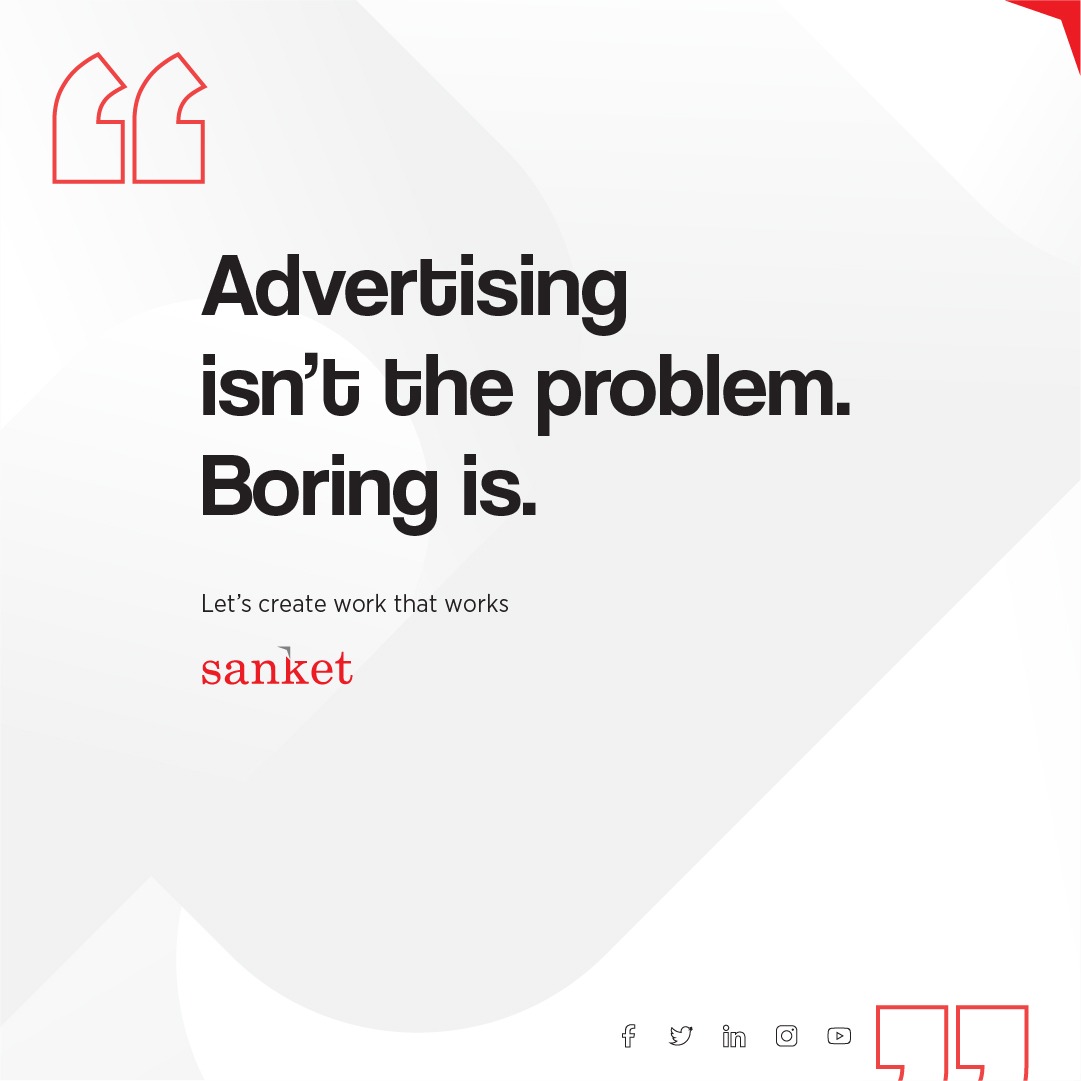
Consumers have become experts at filtering out noise.
They scroll past it. Skip it. Ignore it.
What cuts through isn't a bigger budget or a louder message. It's an idea that feels impossible to overlook.
That belief shapes everything we do at Sanket.
We create work designed to engage, challenge conventions and make brands more memorable in a world overflowing with content. Because the brands that stand out aren't always the ones that speak the most.
They're the ones that have something worth noticing.
#ImpossibleToOverlook #CutThroughTheNoise #SanketCreatives #BeyondTheNoise #MemorableBrands #ImpossibleToOverlook #CutThroughTheNoise #CreativeStrategy #sanketcommunications
3

Jan 29
Hospitality, Long After the Shift Ends..
Watch full video on our YouTube channel,
bit.ly/4r8e5v8
#NEQ #NotEqualTo #Podcast #LowePublic #KamalMunasinghe #AuthenticVoices #RealTalk #LeadershipUnfiltered #RawConversations #CutThroughTheNoise
2
10
29 Dec 2025
Equal was never the goal
New episode drops in January 2026!
#NEQ #NotEqualTo #Podcast #LowePublic #AuthenticVoices #RealTalk #LeadershipUnfiltered #RawConversations #CutThroughTheNoise

2
19
17 Nov 2025
What happens when the unequal speaks their truth?
Find out on NEQ — Not Equal To.
#NEQ #NotEqualTo #PodcastReveal #AuthenticVoices #RealTalk #RawTruth #UnfilteredLeadership #CutThroughTheNoise
2
2
13
13 Nov 2025
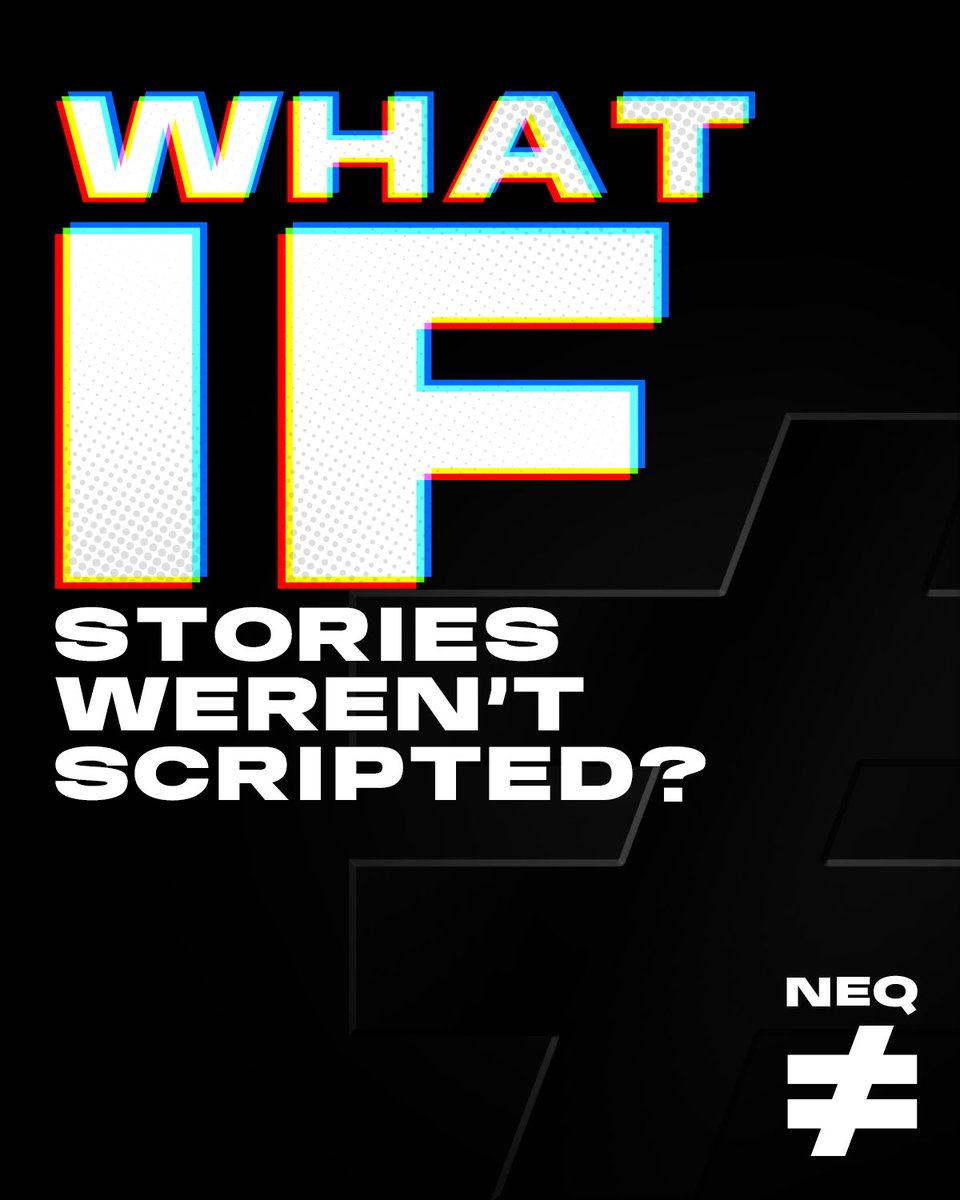
What if stories weren’t scripted and Leaders spoke from the heart, not the headline?
No spin. No filters. Just perspective.
#AuthenticVoices #RealTalk #LeadershipUnfiltered #RawConversations #CutThroughTheNoise
2
3
21

7 Oct 2025
The public is fed simplistic narratives and binary choices to mask hypocrisy, flawed policies, and elite agendas, keeping us divided and doomed to repeat their mistakes. Pause, reject the bait, and dig deeper, ask the questions the paid-off media or view-chasing outlets won’t. CutThroughTheNoise π=3.14159
x.com/barryesharp/status/197…
7 Oct 2025

Post 1.
Beyond the Holy War: The Hidden Geopolitics Fuelling Endless Conflict in Gaza
7th October 2025 03.28 PDT
As Israel marks the sombre second anniversary of the Hamas attacks that claimed 1,200 lives and ignited a devastating war, the streets of Tel Aviv and Jerusalem echo with memorials. Yet, in Gaza, the toll is staggering: over 65.000 Palestinians killed, more than 100,000 injured, and an estimated 10% of the Strip's 2.3 million population directly affected by death or maiming. Homes reduced to rubble, famine stalking the displaced, and a humanitarian crisis that has drawn global condemnation. But amid the rhetoric of an ancient "holy war,” a clash between Judaism and Islam over sacred lands, lies a far more prosaic and perilous truth. This is no mere religious feud; it's a proxy battle in a global scramble for energy dominance and economic supremacy, where Western taxpayers foot the bill for endless escalation while elites jockey for control in a multipolar world.
For two years, the narrative peddled by politicians and media has been deceptively simple: a binary choice between civilisation and barbarism, democracy versus terrorism. Israeli Prime Minister Benjamin Netanyahu has framed it as a defence of "Western values" against an "axis of evil," invoking biblical undertones to rally support. On the other side, Hamas and its backers cloak their actions in jihadist fervour, stoking fears of an unending holy struggle. This framing isn't just reductive; it's a deliberate distraction. It obscures the policy decisions that have funnelled billions in tax dollars into a conflict that enriches arms dealers, bolsters authoritarian regimes, and accelerates the erosion of American hegemony. The real story? A high-stakes geopolitical chess game pitting the West against the rising BRICS bloc, with Middle Eastern energy resources and the fate of the US dollar at its core.
The Human Cost of a Manufactured Narrative
Imagine a family in Gaza City, huddled in the remnants of their home as drones hum overhead. Or an Israeli parent in a border kibbutz, still haunted by the sirens of 7 October 2023. These are the faces erased by the "holy war" trope, which transforms complex human suffering into an inevitable clash of faiths. In reality, the war's escalation has been anything but predestined. Israel's blockade of Gaza, settlement expansions in the West Bank, approving over 20,000 new units since 2023, and military operations are rooted in territorial control, not just spiritual claims. Hamas's attacks, while barbaric, exploit desperation born of decades of occupation, not solely religious zeal.
Yet this binary lens serves powerful interests. It mobilises public opinion with emotional potency, making it easier to justify the flow of arms and aid. Since the war began, the United States alone has provided at least $21.7 billion in military assistance to Israel, a figure that dwarfs previous commitments and includes everything from precision-guided munitions to Iron Dome replenishments. That's on top of the $38 billion pledged under a 2016 memorandum, now accelerated amid the conflict. American taxpayers, already burdened by $200 billion in aid to Ukraine, are unwittingly bankrolling a war that drains resources from domestic needs like healthcare and infrastructure. Why? Because acknowledging the economic undercurrents would force uncomfortable questions about whose interests are truly at stake.
2
6
127
7 Oct 2025
The public is fed simplistic narratives and binary choices to mask hypocrisy, flawed policies, and elite agendas, keeping us divided and doomed to repeat their mistakes. Pause, reject the bait, and dig deeper, ask the questions the paid-off media or view-chasing outlets won’t. CutThroughTheNoise π=3.14159
x.com/barryesharp/status/197…
7 Oct 2025
Post 1.
Beyond the Holy War: The Hidden Geopolitics Fuelling Endless Conflict in Gaza
7th October 2025 03.28 PDT
As Israel marks the sombre second anniversary of the Hamas attacks that claimed 1,200 lives and ignited a devastating war, the streets of Tel Aviv and Jerusalem echo with memorials. Yet, in Gaza, the toll is staggering: over 65.000 Palestinians killed, more than 100,000 injured, and an estimated 10% of the Strip's 2.3 million population directly affected by death or maiming. Homes reduced to rubble, famine stalking the displaced, and a humanitarian crisis that has drawn global condemnation. But amid the rhetoric of an ancient "holy war,” a clash between Judaism and Islam over sacred lands, lies a far more prosaic and perilous truth. This is no mere religious feud; it's a proxy battle in a global scramble for energy dominance and economic supremacy, where Western taxpayers foot the bill for endless escalation while elites jockey for control in a multipolar world.
For two years, the narrative peddled by politicians and media has been deceptively simple: a binary choice between civilisation and barbarism, democracy versus terrorism. Israeli Prime Minister Benjamin Netanyahu has framed it as a defence of "Western values" against an "axis of evil," invoking biblical undertones to rally support. On the other side, Hamas and its backers cloak their actions in jihadist fervour, stoking fears of an unending holy struggle. This framing isn't just reductive; it's a deliberate distraction. It obscures the policy decisions that have funnelled billions in tax dollars into a conflict that enriches arms dealers, bolsters authoritarian regimes, and accelerates the erosion of American hegemony. The real story? A high-stakes geopolitical chess game pitting the West against the rising BRICS bloc, with Middle Eastern energy resources and the fate of the US dollar at its core.
The Human Cost of a Manufactured Narrative
Imagine a family in Gaza City, huddled in the remnants of their home as drones hum overhead. Or an Israeli parent in a border kibbutz, still haunted by the sirens of 7 October 2023. These are the faces erased by the "holy war" trope, which transforms complex human suffering into an inevitable clash of faiths. In reality, the war's escalation has been anything but predestined. Israel's blockade of Gaza, settlement expansions in the West Bank, approving over 20,000 new units since 2023, and military operations are rooted in territorial control, not just spiritual claims. Hamas's attacks, while barbaric, exploit desperation born of decades of occupation, not solely religious zeal.
Yet this binary lens serves powerful interests. It mobilises public opinion with emotional potency, making it easier to justify the flow of arms and aid. Since the war began, the United States alone has provided at least $21.7 billion in military assistance to Israel, a figure that dwarfs previous commitments and includes everything from precision-guided munitions to Iron Dome replenishments. That's on top of the $38 billion pledged under a 2016 memorandum, now accelerated amid the conflict. American taxpayers, already burdened by $200 billion in aid to Ukraine, are unwittingly bankrolling a war that drains resources from domestic needs like healthcare and infrastructure. Why? Because acknowledging the economic undercurrents would force uncomfortable questions about whose interests are truly at stake.
5
72

8 Aug 2025
🎥 Does the media EVER get it right?
As an attorney handling high-profile cases, I’ve seen the media twist facts faster than a courtroom objection. 📰
Here’s the deal:
👉 Media isn’t here to inform—it’s a business chasing clicks.
👉 Outrage sells. Bias sells. Truth? Often takes a backseat.
🔥 This isn’t new—America’s first newspapers were built on agendas.
Our advice? Read left, right, center. Spot the spin. Think for yourself. 🧠
📲 Watch the video. Then tell us:
Do you trust the media to get it right?
👇 Drop your thoughts below.
#fakenews #MediaBias #ThinkForYourself #LegalInsights #TruthMatters #CutThroughTheNoise
2
4
7
943

27 Jul 2025
Please watch and listen. Let’s be better at talking and respecting each other and get down to facts. We can only see change when we have honesty and integrity towards each other. I stand with the women of Iran who have been harmed for far too long.
Love you - Kaya
@Kavyaspeaks_
・・・
Stand with Iranian freedom. Not Islamic fascism and terrorism.
If you’ve ever chanted “Woman, Life, Freedom” — then know this: defending Iran’s regime is spitting on the women who died for it.
Don’t be fooled by scarves, slogans, or the fog of war. The truth is bloody, and it’s time we chose the right side.
#FreeIran #IranRevolution #EndIranRegime #MahsaAmini #WomanLifeFreedom #Iran #MiddleEastCrisis #BreakingNews #Geopolitics #WorldNews #IranProtests #IranNuclear #IsraelIran #CurrentAffairs #InternationalPolitics #KavyaSpeaks #UnfilteredTruth #hindu #sanatan #NoMorePropaganda #TruthOverNarrative #RealJournalism #explorepage
#MustWatchReel #HardTruths #CutThroughTheNoise #MiddleEastPolitics
2
12
50
4,704

10 May 2025
Challenge the noise. Choose clarity.
🧠 In a world full of distractions, we deliver signal.
@ATTNtoken cuts through the chaos.
🔥 ATTN Network — Truth, impact, and smart conversations.
@GiveRep
👁 What truth are you seeking today?
#ATTN #CutThroughTheNoise #SmartMedia
10
2
9
70

17 Apr 2025
They bury voices like mine in the algorithm graveyard. But I don’t need a spotlight—I need fighters. If this hits home, share it like you're swinging back. No fluff. Just fire. 🔥 #CutThroughTheNoise
4
8
29
2,334

1 Apr 2025
Hello, April! A Month of Mystery & Marketing Magic!
#HelloApril #FogMarketing #MarketingMagic #BrandStrategy #AprilVibes #CutThroughTheNoise

3
7
70

17 Jan 2025
Your audience doesn’t need more noise—they need clarity. Make your message simple, powerful, and impossible to ignore.
#audienceclarity #attentiongrabbing #cutthroughthenoise
3
4
61

15 Jan 2025
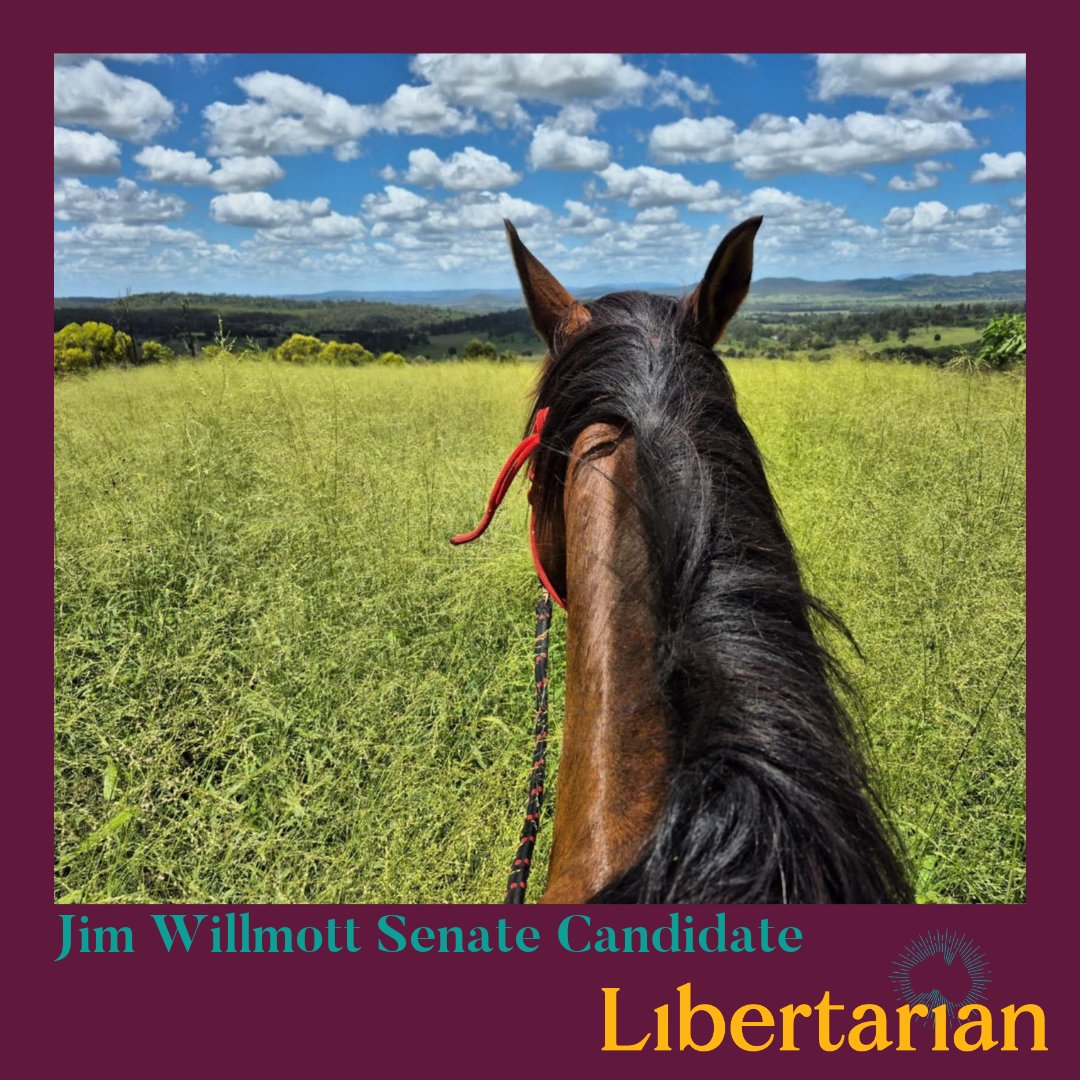
🌾 Finding a decent political party these days feels a bit like searching for cattle in tall grass—hard to spot, and you’re never quite sure what you’ll find.
But here’s the good news: you’ve found us. The Libertarian Party is here to clear the path, cut through the nonsense, and bring Australia back to a place of freedom, fairness, and opportunity.
If you’re tired of the same old promises leading nowhere, saddle up with us—we’re ready to lead the charge.
Let’s get back to what matters.
Let's bring back common sense.
#LibertarianPartyAustralia #FreedomFirst #CutThroughTheNoise
#Auspol2025
7
21
82
4,259

29 Oct 2024
Want your business to stand out? Start with your phone number ❗
Information overload! Every day, customers are bombarded with content, ads, and promotions. If your brand feels like just another face in the crowd, you're not alone.
But here’s the good news: a custom phone number from RingBoost can change that.
🔹 Get Recognized Instantly
Imagine a number your customers instantly recognize as yours—not just a set of digits but a brand asset. A number that says, “We’re here, and we’re ready to help.” It builds credibility and keeps you top of mind.
🔹 Create Instant Trust
A voice connection is personal and trusted. When customers see your custom number, they know you’re committed to building genuine connections. In today’s faceless digital world, that trust is priceless.
🔹 Turn Calls into Conversions
Calls aren’t just for support; they’re for sales. Our clients see how a custom number boosts call volume and drives conversions. It’s the difference between interest and loyalty, all in one call.
Visit ringboost.com or DM Rick Dionisio to learn more.
👉 "X20OFF" code for 20% off at checkout
#RingBoost #UnforgettableBrand #CustomerTrust #MarketingEssentials #BrandVisibility #StandOut #DigitalMarketing #CustomerEngagement #BusinessGrowth #MemorableBrand #InformationOverload #Cutthroughthenoise #VoiceMatters

2
15
1,638

24 Oct 2024
Tired of political promises? Slice through the noise!
At The Freedom Index, we rate every congressman and senator based on their alignment with the U.S. Constitution.
Check how your representative votes at TheFreedomIndex. 🔗⬇️
Stay informed—subscribe to The New American for the latest updates! 🇺🇸
#FreedomIndex #StayInformed #CutThroughTheNoise
#TheNewAmerican #Subscribe
2
4
8
315

30 Aug 2024
#CutThroughTheNoise: Are you tired of the same old news cycle?
Hosted by @PoojaPrasanna4, our weekly YouTube show tackles complex topics with data & insights, not just opinions.
Subscribe & stay informed:
youtube.com/playlist?list=PL…

708
28 Aug 2024
#CutThroughTheNoise: Are you tired of the same old news cycle?
Hosted by @PoojaPrasanna4, our weekly YouTube show tackles complex topics with data & insights, not just opinions.
Subscribe & stay informed:
youtube.com/playlist?list=PL…

682
26 Aug 2024
#CutThroughTheNoise: Are you tired of the same old news cycle?
Hosted by @PoojaPrasanna4, our weekly YouTube show tackles complex topics with data & insights, not just opinions.
Subscribe & stay informed:
youtube.com/playlist?list=PL…

2
910
24 Aug 2024
#CutThroughTheNoise: Are you tired of the same old news cycle?
Hosted by @PoojaPrasanna4, our weekly YouTube show tackles complex topics with data & insights, not just opinions.
Subscribe & stay informed:
youtube.com/playlist?list=PL…

699