
Coach, excited to connect. Here’s my info:
Name: Pat Lyles
Class: 2028
Position: DB
GPA: 4.5
School: Benjamin O Davis
Height/Weight: 6'0/155
Hudl: hudl.com/profile/23118372


占いや潜在意識の世界が好きなあなたへ
その「好き」と人生経験を、誰かの役に立てませんか?
生年月日から才能を読み解く「才能DB」
月額33,000円のプランが初月無料で使える無料セミナー
6/19(金)21時〜オンラインで開催
peatix.com/event/5041131

2

36s
"Embed or reference?" is the MongoDB question that trips up even seasoned developers.
EMBED
. Data is usually read together
. Relationship is one-to-few
. Nested data stays bounded
. No join needed, one read gets all
REFERENCE
. Data shared across many documents
. Relationship grows large
. Child data can grow unbounded
. Suitable for users, tags, large comment threads
Choosing between embedding and referencing involves understanding the tradeoff between data locality and flexibility. Embedding provides atomic updates and quick reads when data is tightly coupled. Referencing offers flexibility and scalability as relationships grow and data is shared widely.
Where developers go wrong with MongoDB design:
1. Treating MongoDB like a relational DB. Splitting everything into separate collections, then relying heavily on $lookup. This mimics join complexity without leveraging the document model's strengths.
2. Embedding too much. If nested data grows unbounded, you're in trouble. MongoDB has a 16MB document size limit, hit it, and your writes fail.
3. Referencing too eagerly. If most reads involve following multiple references, you're adding unnecessary complexity and slowing down your queries.
4. Ignoring access patterns. If you don't model data around how your application reads it, you're likely to encounter performance bottlenecks.
5. Failing to anticipate schema evolution. Systems change, and both embedded and referenced models must support future flexibility. Plan for changes in data structure and access patterns.
Design MongoDB documents based on how your application actually accesses data, not on relational habits. This approach maximizes performance and leverages MongoDB's strengths.
Bookmark this for when you find yourself designing MongoDB schemas at midnight!
1
Brayveon colbert retweeted

Javien Bailey
C/o 28
WR/DB
150/5’8/3.2
Greenville hs
Javb2009@icloud.com
9033556740
2
2
11

Brandon Gilbert
DB/ATH 5’9 170
GPA:3.8
40:4.68
Jersey Village High School
📞346-436-0794
✉️ gilbertbrandon302@gmail.com
— Ⓝⓐⓣ🪷 retweeted

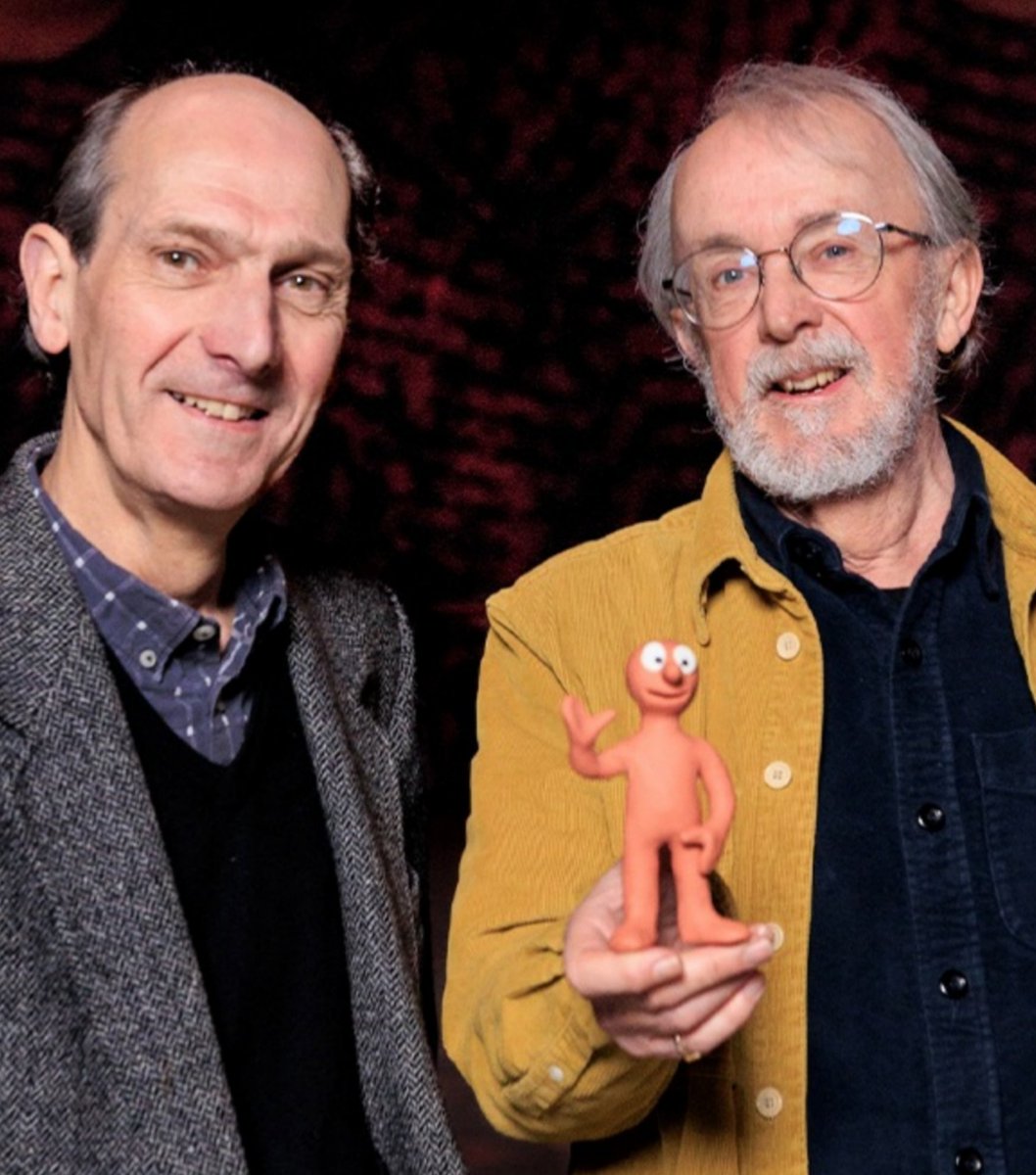
Los fundadores de Aardman, Peter Lord y David Sproxton, han sido nombrados CABALLEROS de Reino Unido ⚔️

18
488
4,685
30,833

1
2



 '
'

Kinden Hamilton
C/O 2028
3.5 GPA
5’9 165 lbs
DB| Big Lake, MN
763-486-0203
Hamiltonkinden@gmail.com


Keston Greene- 5’10” 165 lbs 🏴☠️
Reagan High School, Pfafftown, NC
C/O 2028
3.5 GPA
40 yd- 4.5
DB/WR/Sprinter 400m, 4x400/Jumper 20’7”
Hudl-hudl.com/v/2TQj3C
Poleng retweeted

I saw a discussion abt support for DB & the algorithm. If you're still seeing massive support for DB then you're on this misogynistic algorithm which means you're the problem
For those who stalk me with no reading comprehension I'm not saying Judy is the problem. We love Judy 🩷

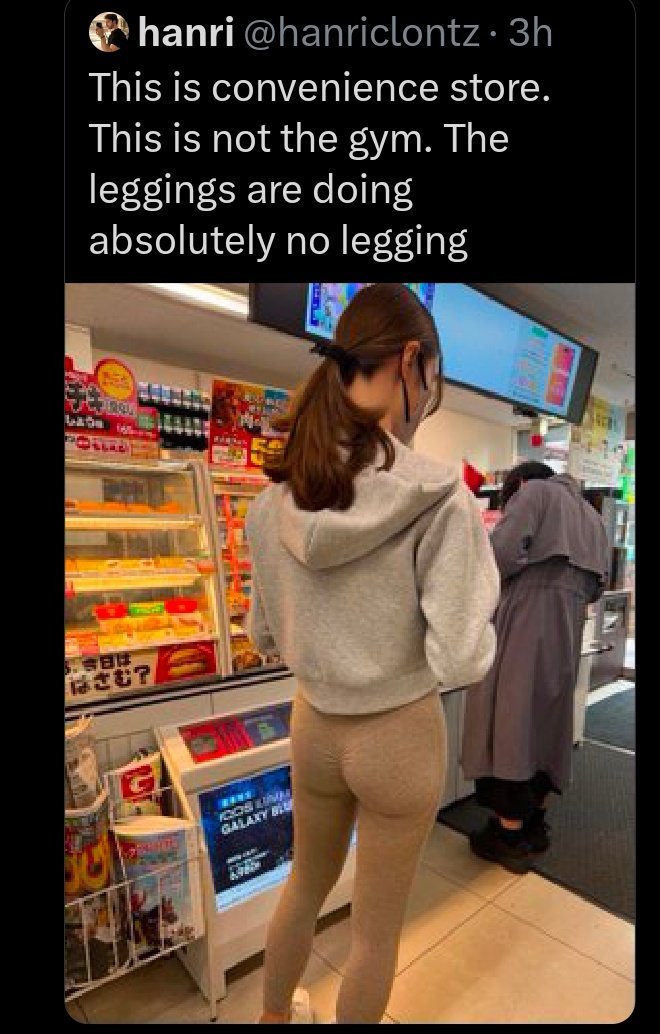
A reminder this poster not only simps after male perpetrators of domestic violence & child abuser Brad Pitt, but also is a misogynistic pervert who takes photos of young women without their consent & making them targets for media abuse.

2
3
39

DESIRE : UNLEASH SEALED AND UNSEALED NO PHOTOCARDS
P169
s.shopee.ph/50Soy7xs3K
wts lfb ph ls sco en- en enha heeseung niki sunghoon hoon jay jake jungwon won sunoo ld pob selca selfie poca pc photocard db ob wev wv wvs onhand sealed r:u ru make you mine enhypen d:u du

9
Coach, excited to connect. Here’s my info:
Name: Pat Lyles
Class: 2028
Position: DB
GPA: 4.5
School: Benjamin O Davis
Height/Weight: 6'0/155
Hudl: hudl.com/profile/23118372
3
Brandon Huffman retweeted

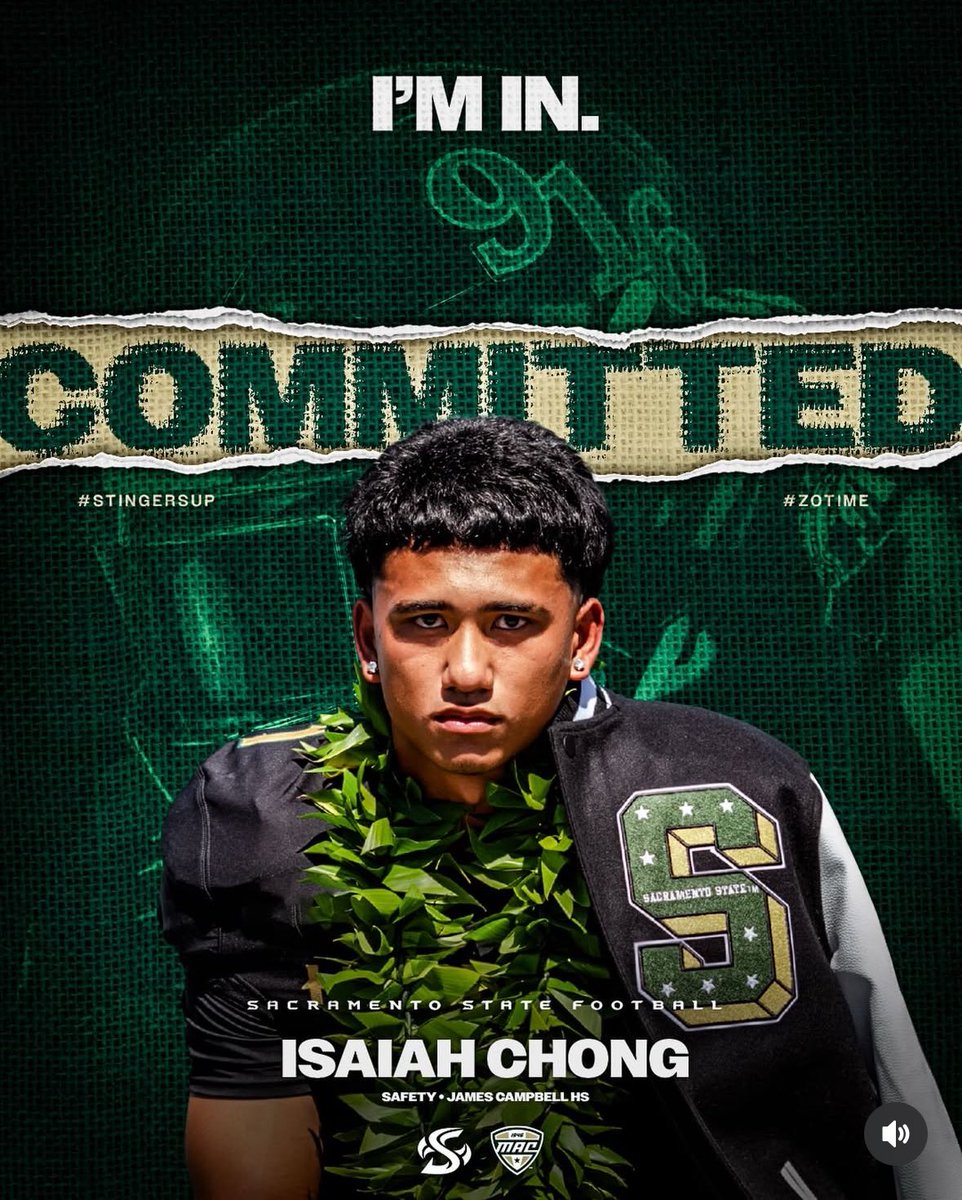
Campbell 3⭐️ DB Isaiah Chong has committed to Sacramento State @isaiah_chong 🤙🏽
1
1
103