
The military-energy argument is mostly about grid reliability, not ideology. US renewables remain at ~11% of total consumption — the infrastructure gap gets overlooked when policy debates drift into culture war territory. econdash.org/chart/renewable…
Siddharth Sharma retweeted

It's officially BJPvs AAP on tv debates and credit goes to AAP spokespersons @nyvaanofficial @PKakkar_ @AnmolPanwar_88 even bjp spokespersons are sharing battle with them and not with Congresssis
Well done 👍🏻

नेशनल टीवी पर देश के सामने सफेद झूठ बोलना कोई भाजपा के प्रवक्ताओं से सीखे।
ग़ज़ब झूठे लोग हैं ये। साफ़ इंकार कर दिया की कोई हरदीप पूरी का ट्वीट नहीं है।
1
4
4
49


These false narratives are not harmless.
They shape how African countries and African people are seen in global political conversations.
They also spread at a time when the Trump administration has sharply cut U.S. assistance to Africa.
At the same time, the administration moved forward with plans to admit 10,000 more white South Africans as refugees, while refugee programs remained closed to people from every other country.
That makes the misinformation even more politically significant.
This is why the story matters.
When powerful political movements spread false claims about Africa, the consequences can travel far beyond social media.
They can influence policy, migration debates, public opinion, and how entire communities are treated.
1
Manisha Vakharia retweeted

Dear Mr. Arnab @republic
When SSR case broke out, your debates shook the entire nation.
Today,years later,the cases r still pending
6years Of Injustice To Sushant
Don’t abandon the fight halfway.....
Speak again for #JusticeForSushantSinghRajput

#RepublicWillReport | ‘The Supreme Court has requested the media not to speak about the incident and facts of the case which will effect the investigations’: Satish Maneshinde, Senior Advocate, Bombay HC
Watch #DebateWithArnab now, on-air, and online. Tune in and fire in your comments: youtube.com/live/kla5eofwPxk…
#JusticeForTwisha #GiriBala #TwishaCase #TwishaSharma #MediaTrialForTruth #RepublicTV #IndiaNews #LiveNews #RepublicExclusive #RepublicWorldLive #ArnabGoswami #RepublicDigital
17
7
72
Tom Umland retweeted

Jun 13
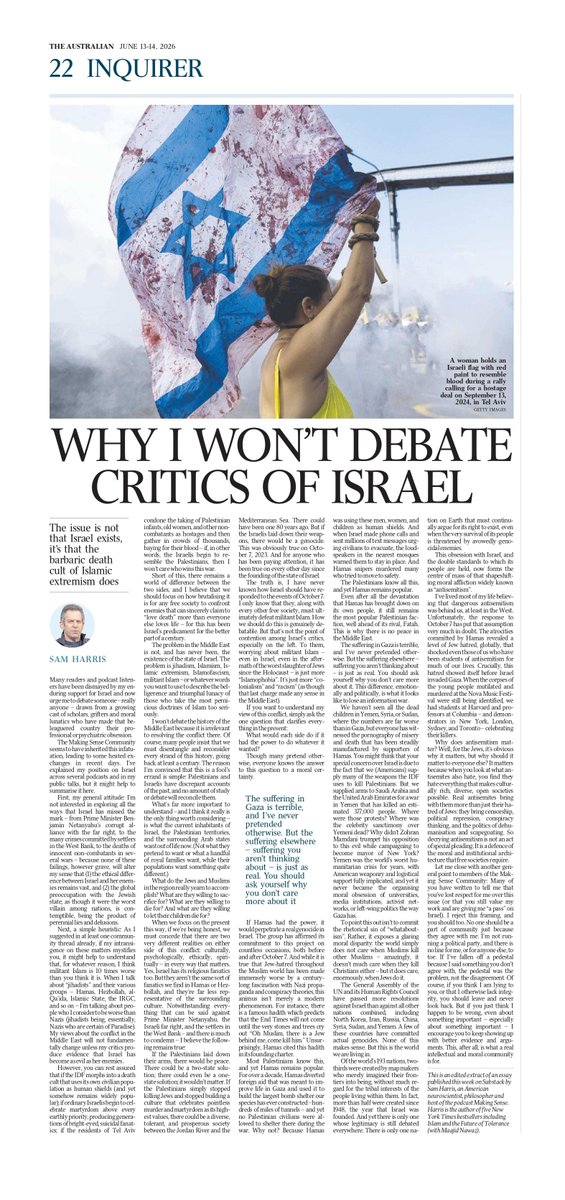
Must-read from Sam Harris in @australian on why he refuses to engage in most Israel debates: because too often they start from false assumption that Israel is the problem, while ignoring the ideology that glorifies October 7, martyrdom and the destruction of the Jewish state.
154
573
2,381
153,815
Gardo retweeted

how do you manage to bring arsenal into international tournament debates.. HOES ARE STILL MAD
 FlexFootball
Jun 11

South Africa with 9 men and being absolutely shocking still had more possession against Mexico than Arsenal did against PSG 😂 Embarrassing.
2
144
1,780
47,274

Libya: Benghazi Looks to Move Past Terrorism Stigma by Hosting African-Asian Parliamentary Conference
Sessions kick off Monday and Tuesday with participation from parliamentary delegations
Cairo: Khaled Mahmoud
The eastern Libyan city of Benghazi is preparing to host a conference featuring parliamentary delegations from several African and Asian countries, a step that the conference organizers view as an opportunity to boost the city's regional presence and highlight the transformations it has undergone after years of conflict and security instability.
On Saturday, the Head of the House of Representatives Diwan, Abdullah Al-Masri, stated that selecting Benghazi to host the conference, which will be held this coming Monday and Tuesday, reflects the security stability and urban development that the city is witnessing, affirming its readiness to organize major international events.
The organization of this conference comes nearly nine years after the forces aligned with the Libyan National Army, led by Field Marshal Khalifa Haftar, declared full control over the city, and at a time when the Libyan political landscape remains divided between eastern and western institutions.
For the authorities in eastern Libya, the conference serves as an occasion to demonstrate improved security and break the stigma of terrorism that Benghazi witnessed years ago, presenting the city as a hub capable of hosting regional and international events after its name was intertwined for years with war and counter-terrorism operations, particularly following nearly a decade of armed clashes that the city witnessed against militant groups and ISIS.
Benghazi has begun welcoming the participating delegations amid intensive preparations that included enhancing security measures around the conference venues and guest accommodations, alongside beautification efforts on several main streets.
Over the past two days, delegations from Malawi, Morocco, Cameroon, South Sudan, and Somalia arrived via Benina International Airport, in addition to representatives from the African Parliamentary Union, signaling broad participation in the conference.
The conference is being held under the slogan Future Vision for African-Asian Relations, and it is scheduled to discuss mechanisms for developing parliamentary cooperation, the role of legislative bodies in supporting sustainable development, and strengthening security and stability, alongside addressing shared challenges facing countries across both continents.
The Spokesperson for the Libyan House of Representatives, Abdullah Bliheg, noted that the conference will feature panel discussions and specialized debates with the participation of parliamentary delegations from countries across both continents, pointing out that the event is part of ongoing efforts to foster dialogue and parliamentary collaboration between Asia and Africa.
The agenda features institutional proposals, including nominating the Speaker of the Libyan House of Representatives, Aguila Saleh, to chair the Asian-African Parliamentary Council, and proposing that Benghazi be adopted as the permanent headquarters for the council.
The event is being held under the auspices of the Libyan House of Representatives based in the east, with no announced participation from the Presidential Council or the High Council of State in the west, which underscores the ongoing institutional and political division that Libya has experienced for years.
Meanwhile, the Asian-African Parliamentary Council, led by Mohsen Al-Mandalawi, denied any institutional link to the conference, asserting that any official representation for the council must occur through approved channels and under the direct supervision of its presidency.
The dispute stems from internal disagreements within the council's leadership regarding the conference arrangements and the nomination mechanisms for its leadership positions.
aawsat.com/node/5283669
10
ChayJSP🔯 retweeted

Bad PR:
"Why are we in the news?"
Good PR:
"Why are investors interested?"
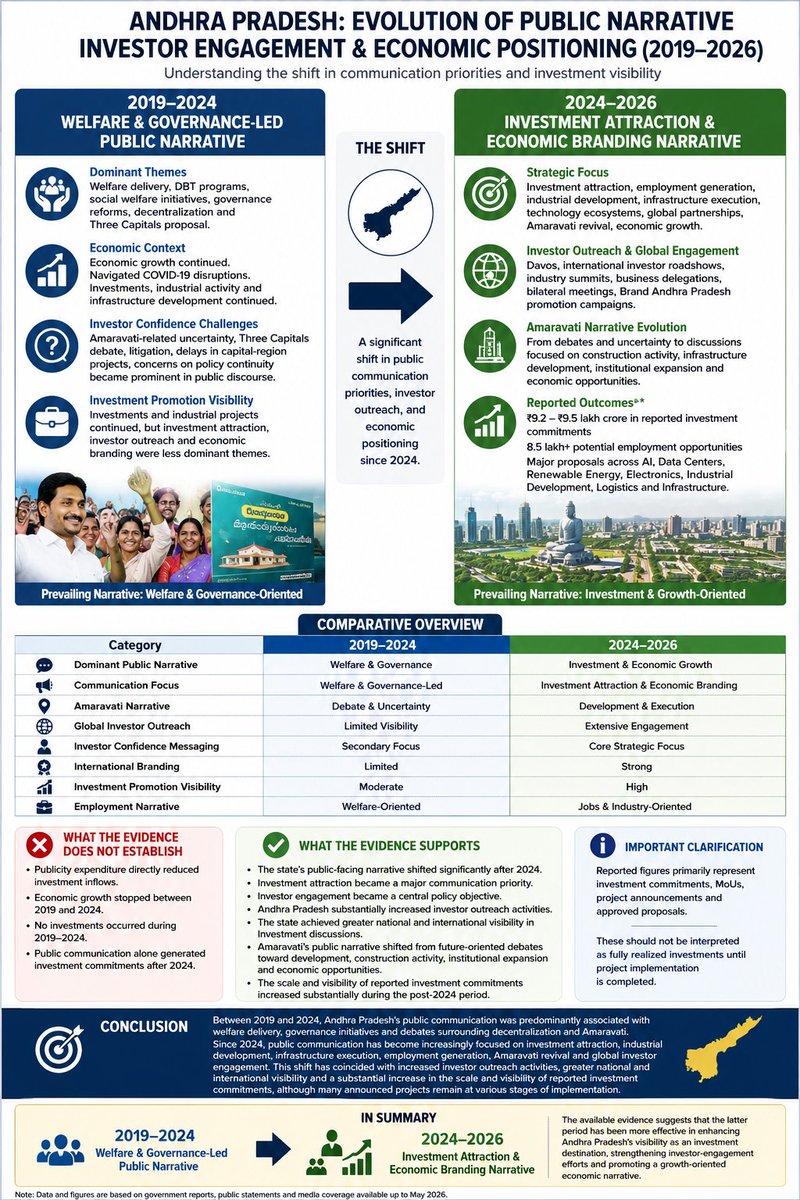
2019–24:
Amaravati debates.
Three Capitals.
Court cases.
Policy uncertainty.
2024–26:
Amaravati revival.
Davos.
Global investor outreach.
Infrastructure execution.
₹9.2–9.5 lakh crore reported investment commitments.
Communication doesn't build factories.
But it can build confidence.
And confidence attracts capital.
#AndhraPradesh #Amaravati
6
10
352

This wasn’t luck, destiny, or narrative it was resilience outlasting noise, slander, and lazy debates.

2014. Messi collects the Golden Ball after losing the final to Germany and looks like he wants to throw it into the ocean.
That face said everything.
Eight years of he can't do it in finals. Eight years of comparisons, criticism and people using the World Cup as a weapon against him every single tournament without fail.
2015 final. Lost. 2016 final. Lost. Retired briefly because even Messi has a breaking point.
Then came Qatar 2022.
Saudi Arabia game one. World ending. Then the most ridiculous comeback in tournament history. Then THAT final against France. 2-0 up. Comfortable. Then Mbappé decided to ruin everyone's evening. Extra time. Messi equalising again. Penalties. Dibu saving.
And then the moment.
Messi. Golden bisht. World Cup above his head.
Every journalist who said he couldn't lead. Every pundit who said finals exposed him. Every person who spent a decade telling him he'd never be the greatest without it.
They watched him lift it on television like the rest of us. 😭
Football doesn't always reward the deserving.
That time it did. 🐐🇦🇷🏆
Where were you when he lifted it? Drop it below 👇


By June 2026, U.S. policies feature mass deportations, refugee suspensions, and entry bans from dozens of countries, leading to declining border encounters that contrast with Europe's ongoing debates over the EU Migration Pact and remigration demands.
2
Leah Tabitha Nambuya retweeted

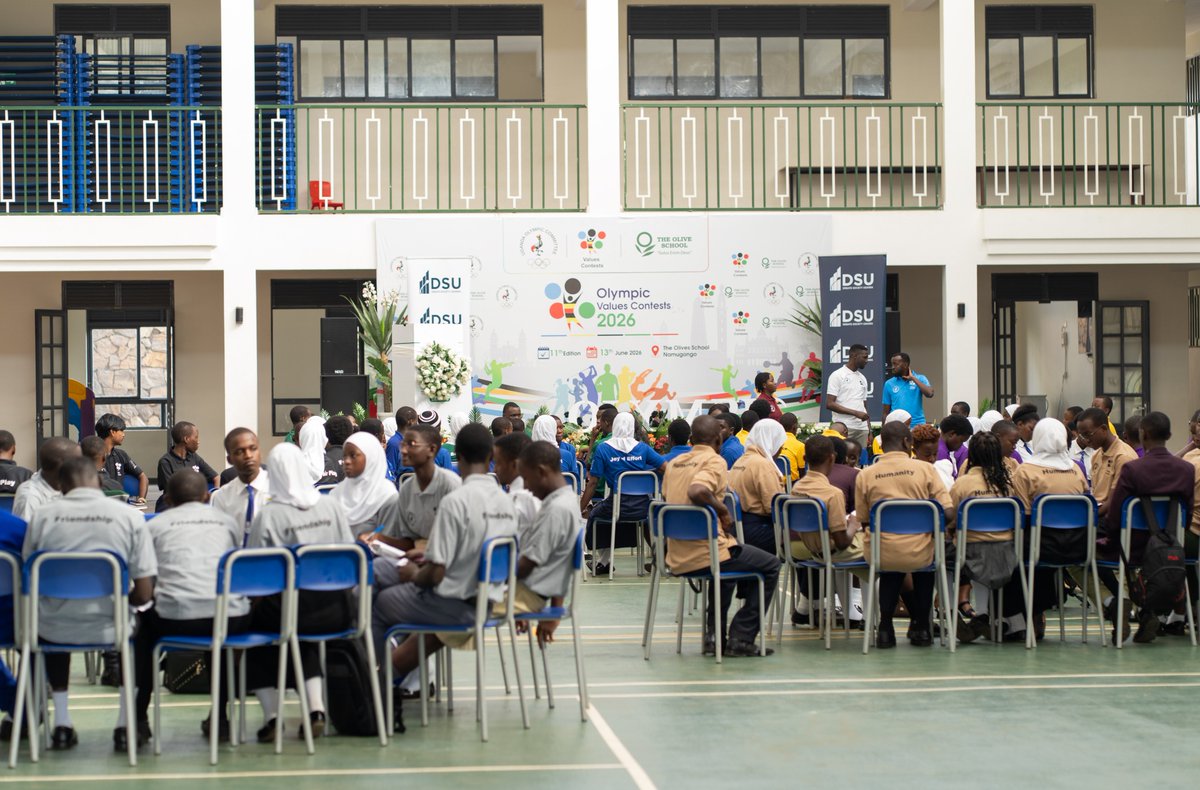
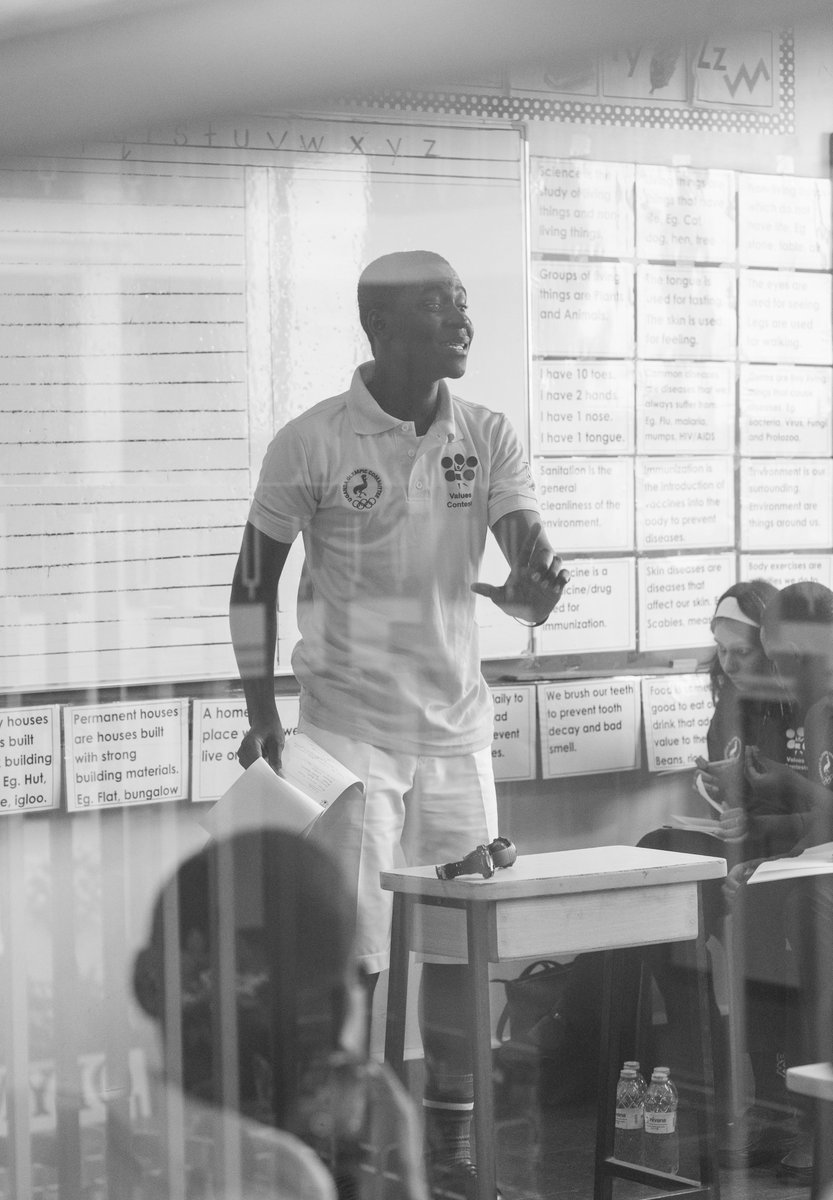
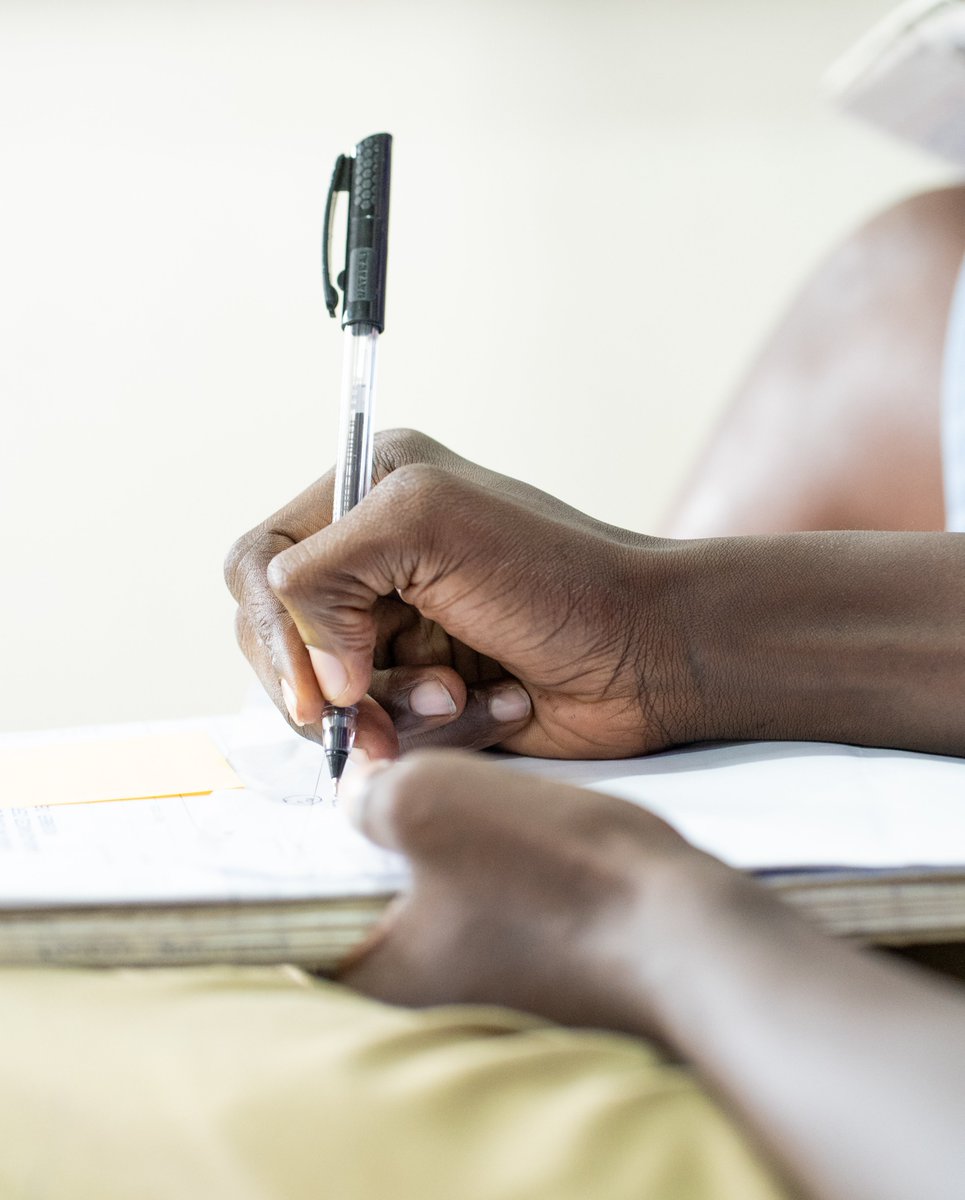
From debates about the future of esports at the Olympics, to essays about what fair play means beyond the sports field, the students tested olympic ideals against real-world applications.
#Olympism365
1
1
17

[ICYMI] Africa Unpacked.
@LeeKasumba was speaking to Lenin Ndebele, a Zimbabwean Journalist covering Africa and helped us unpack the issues that Africa continues to grapple with, challenges that intersect politics, public health, migration, and global inequality.
As FIFA World Cup shines a spotlight on African footall talent, concerns remain around visa restrictions and travel barriers facing African teams and supporters.
Meanwhile, South Africa's outgoing debates around xenophobia and the repatriation of undocumented migrants continue to raise questions about regional integration and human rights.
#TheOasis
#ChannelAfrica1
4

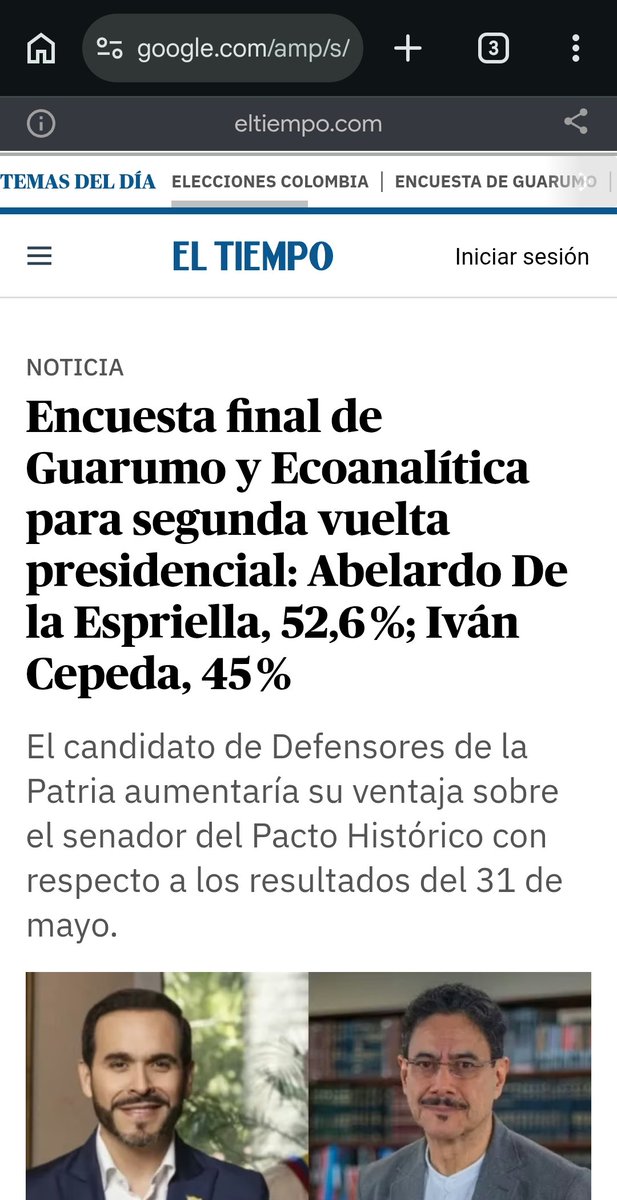
Perdón hace 4 años eran 2 puntos dentro del margen de error de 2.5
Ahora son 8 puntos 5 mas que el margen de error
Hernandez en 2a vuelta se fue a Miami por amenazas y no hizo campaña ni debates cumpliendo el plan de sacar a Fico
Esta vez el plan de sacar a Paloma No salio
The Pointing Finger retweeted

27 Nov 2025
🧵(1/3) Fascinating: Even people over in Texas are watching the debates in Swedish Örebro city council, which are currently spell bounding swedes all over the country:

2
2
10
322

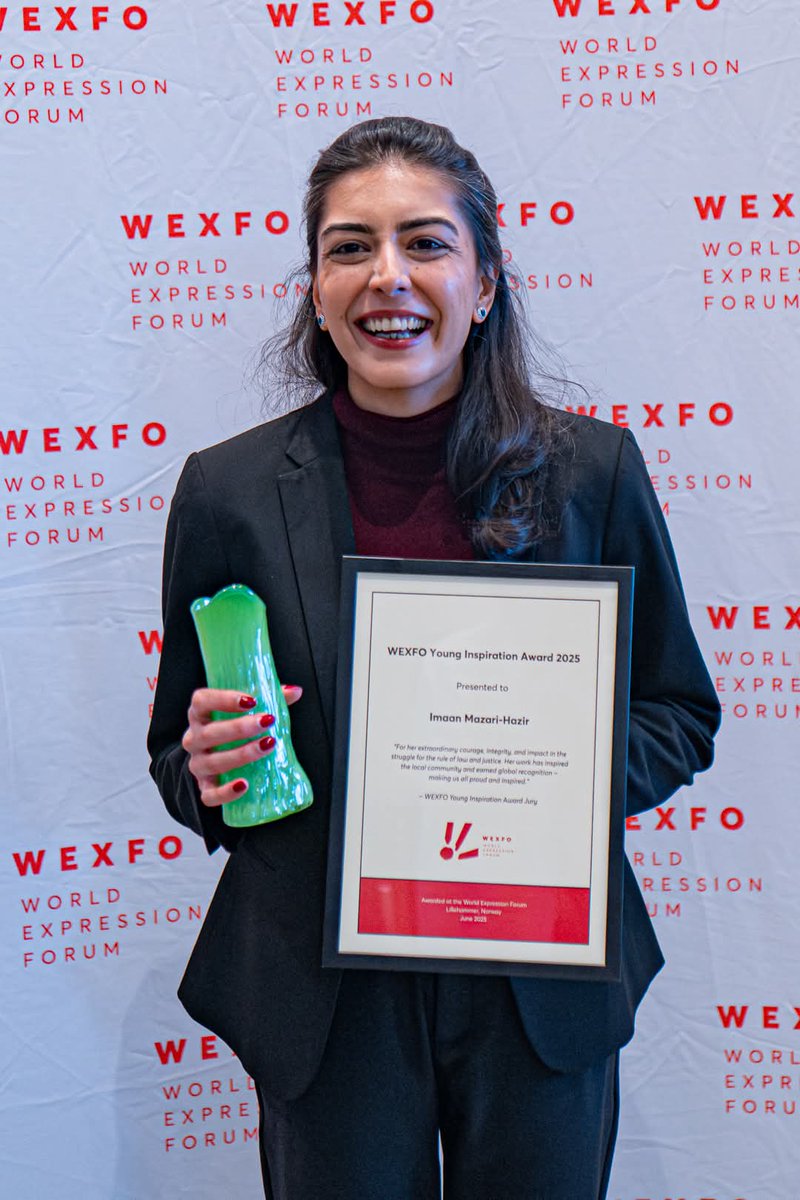
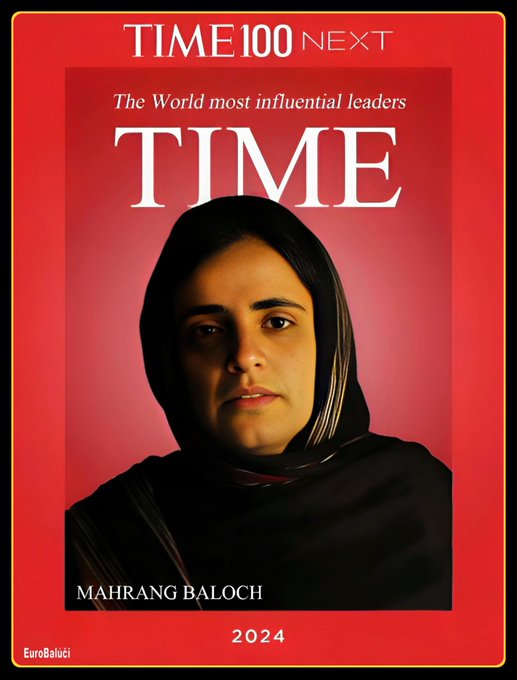
It is painful to watch how quickly human rights debates are becoming normalised in #Pakistan. The cases involving activists such as #ImaanMazari and voices like #MahrangBaloch reflect a deeper unease in society. 1/2
@IFazilaBaloch @KiyyaBaloch
1
3

There was never any „traditionalist solution” that was tried n Poland, our situation with TFR is not particularly relevant to the debates you are invoking
1
Escaping Muggles retweeted

18h
Being part of fandom automatically enrolls you in a PhD program in fandom politics, fan wars, shipping debates, TRP discussions, and detective-level investigations.
No degree is awarded, only trauma.
5
96
290
15,020