
29 Apr 2025
Hi Creatives and Designers
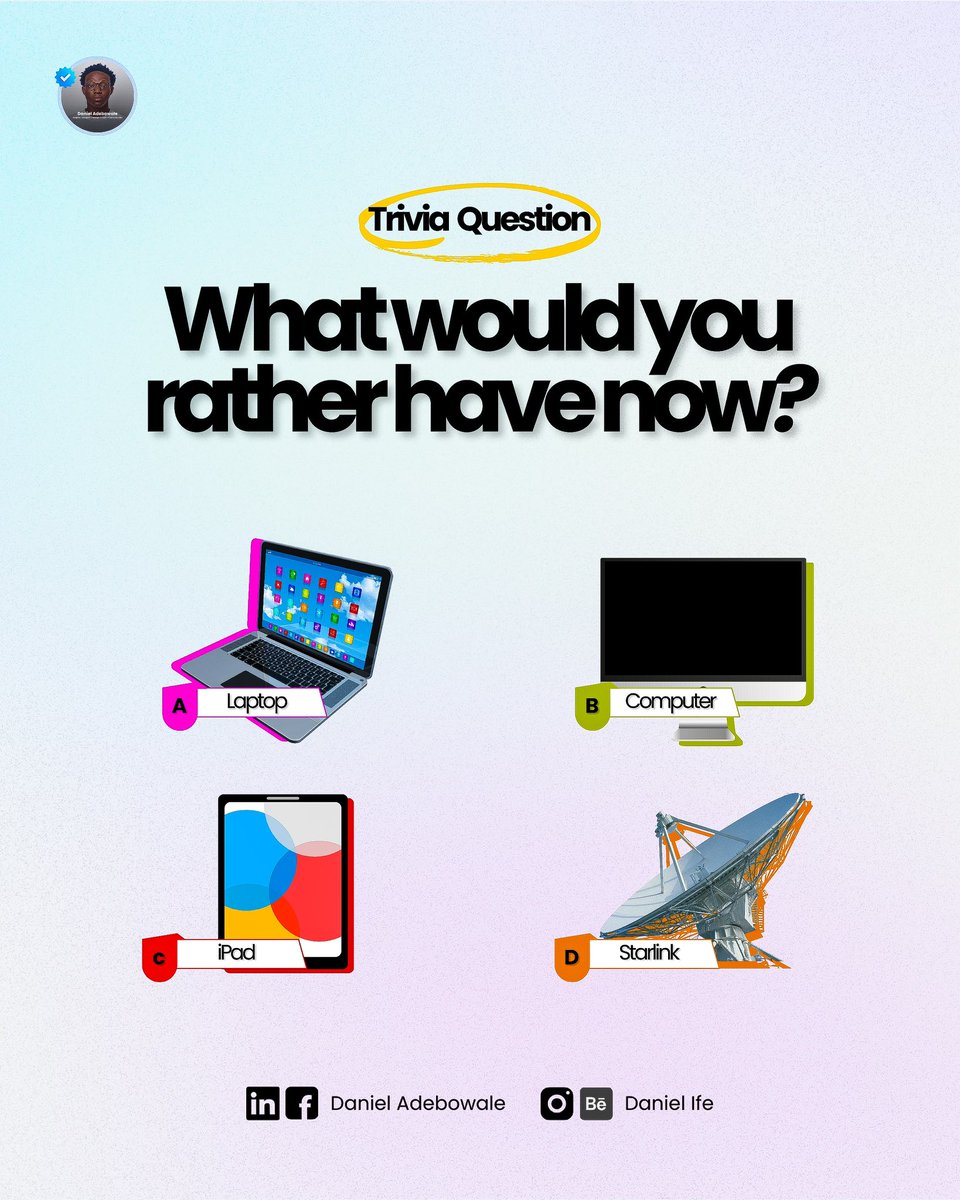
What would you rather have now? 🤔
Comment and share your choice to your stories, who knows secret Santa might be out in April 👀 😊
For me: A new Laptop
#designleader #designmentoring #designleadershipnetwork #designers #designerslife #creatives
2
1
6
313

2 Apr 2024
Hey (design) folks, opening up my calendar this April for a 1-on-1 chat about (brand) design: career, WIP, feedback, and anything else you might need help/advice on. Secure your spot now: calendar.app.google/Qfz7QmeU…
#DesignDialogues #DesignMentoring #BrandDesign #jobosonchisa
7
23
64
7,935

14 Nov 2023
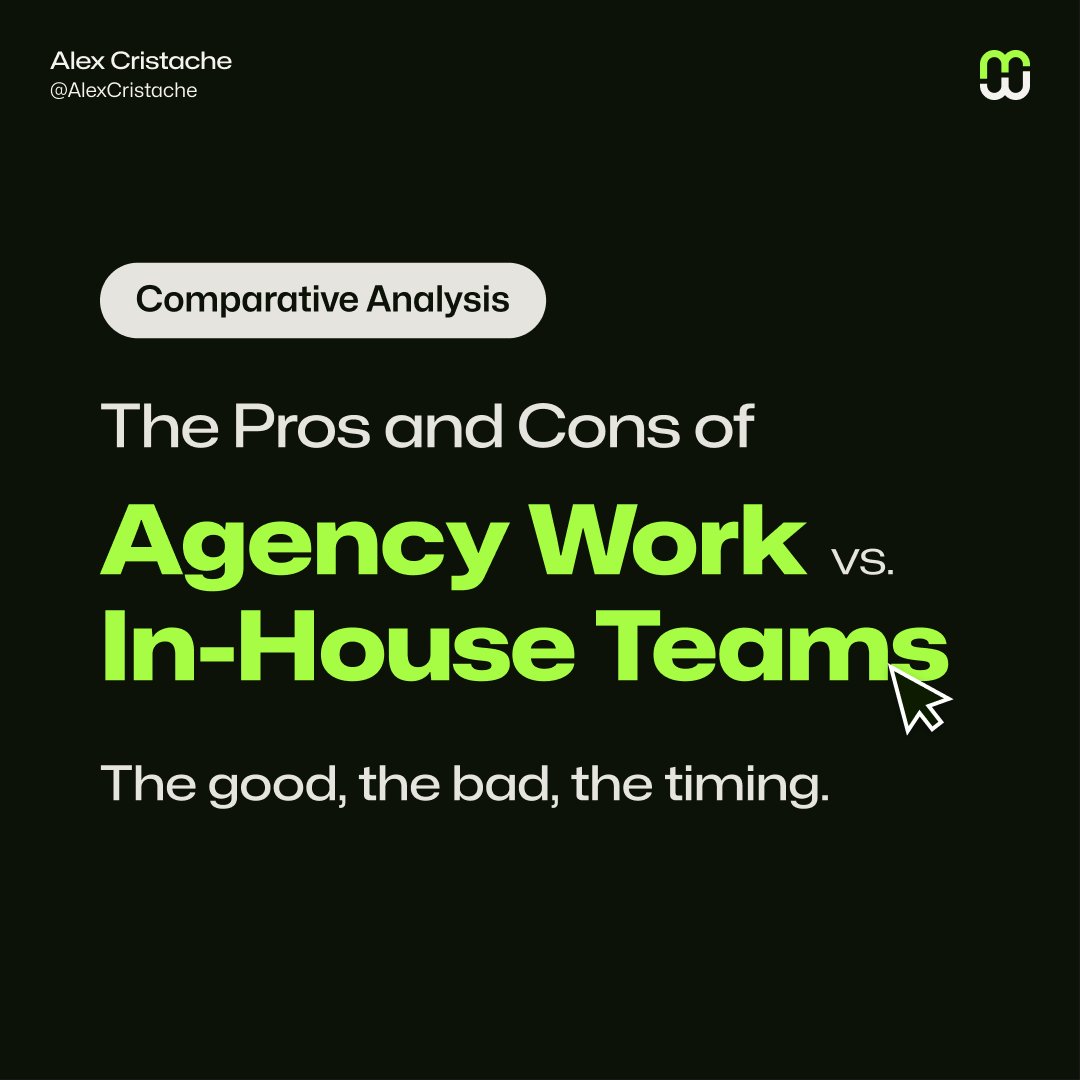
Agency Life versus In-house for Designers
– A Comparative Analysis
#Designers that favor employment over freelancing are often faced with a challenging choice: agency work versus in-house teams. Is one better than the other? Is it more suited at a certain moment in a designer’s career?
Let’s look at the PROs and CONs of each and their impact at different career stages. 👇
👍 Agency Work Pros:
1. Diverse Projects – In an agency you’re often exposed to a wide range of clients from varied industries. This builds a broader experience base.
2. Networking Opportunities – Exposure to different clients, and client teams allows you to expand your network faster, as well as to identify new employment opportunities.
3. Creative Freedom – A wider variety of clients usually means you have the ability to explore more from a creative perspective, utilizing more styles and techniques depending on client fit.
4. Faster Skill Development – A diverse range of projects and multiple feedback styles and sources can accelerate your learning path.
5. Flexible Schedule – Agency work tends to have seasonal ebbs and flows. Even at a project or client level this is a reality. As such, agencies tend to allow for more flexibility in schedules and time off.
👎 Agency Work Cons:
1. Higher Pressure – Managing multiple clients, timelines, deadlines, and deliverables will definitely introduce more pressure and risks.
2. Potentially Higher Stress - Higher pressure and project turnover can generate additional stress.
3. Lower Stability - Project-based work often comes with inconsistent workflows. This can lead to lower job security, which in itself is an added stress factor.
4. Personality Mismatch – Agency work usually runs fast, and in sprints. This heavily relies on hyper-communication, consistent and continuous syncing between team members. This might not be a fitting environment for some personalities and work styles.
5. Creative Restrictions – Some agencies have a very specific style and way of working, which can prove limiting for certain creatives.
👍 In-House Teams Pros:
1. Product Immersion – Being able to dive deep into certain products or brands often leads to more refined skills and design solutions.
2. Stability – A more predictable workflow often leads to a more stable work environment.
3. Collaboration – Having clearly defined teams increases the depth of collaboration between team members from various roles, leading to better understanding of the entire workflow.
4. Deeper Expertise – Having one major focal point can lead to becoming an expert in a specific domain, through hyper-specialization.
5. Long-term Growth – Over time, being with an in-house team tends to offer more career growth opportunities, taking on more senior or management roles.
👎 In-house Teams Cons:
1. Routine – Limited exposure to diverse projects and design challenges
2. Slower Learning – A singular focus can limit the rate at which you expand your skills and knowledge.
3. Bureaucracy – Guidelines and policies will have an impact on the range of creative solutions you can deploy.
4. Less Flexibility – In-house work feels a lot more similar to factory work, than agency life. Usually on a stricter working schedule, with a predictable workflow and expected output.
5. Limited Networking – Less exposure to external professionals and client teams limits your #networking opportunities.
⏳ Impact of each at various career stages
1. Entry Level – In-house offers a more structured learning environment. Agencies add variety, but unpredictability can lead to a steeper learning curve.
2. Mid-Level – You get more stability and deeper specialization out of in-house teams, but a broader set of experiences from agencies and faster growth from the diverse experiences.
3. Senior Level – Both environments can provide opportunities to access leadership positions. In-house teams tend to open up strategic positions more often, where you’d be contributing to the brand or product direction more. Agencies will provide leadership roles specific to teams or project management (team lead, project lead).
When it comes to work-life balance, in-house teams will do better, while agency life can demand longer hours in project sprints, and irregular workflows.
In the end, it all comes down to your goals, aspirations, personality, work style and stage of your career.
#CareerAdvice #CareerGrowth #DesignAgencies #InHouseTeams #DesignMentoring
ALT The pros and cons of agency life versus in-house teams
4
1
24
3,155

14 Sep 2022
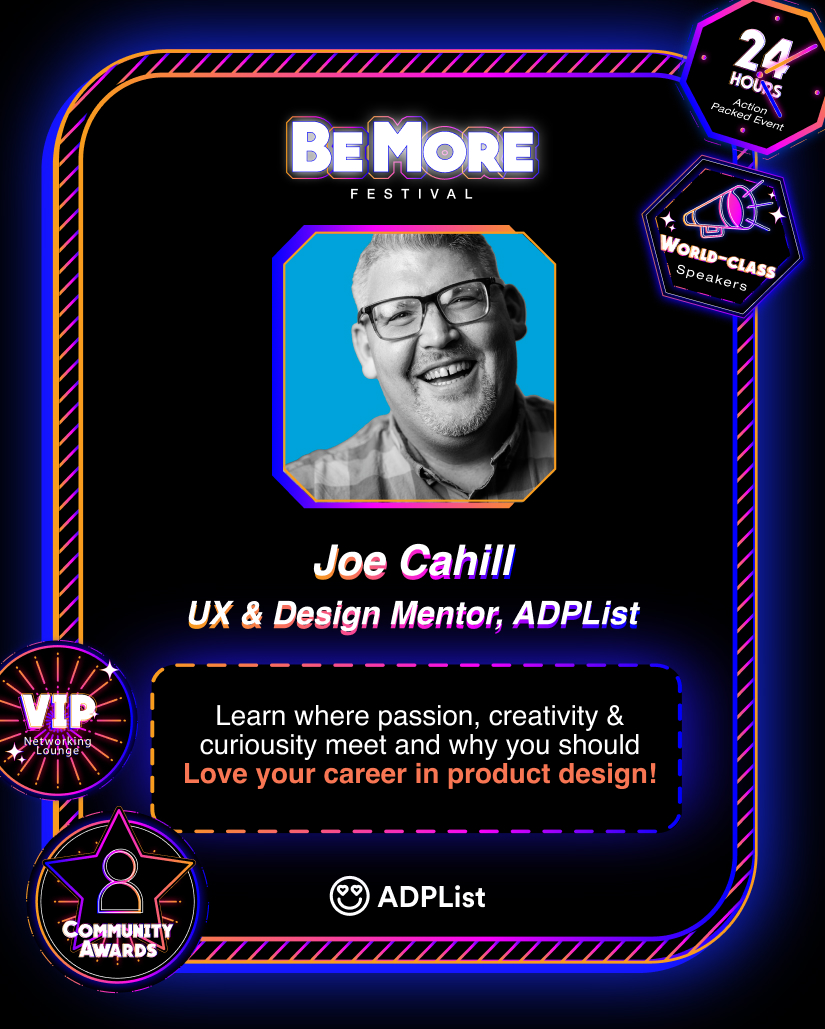
We are a week away from #BeMore2022 24 straight hours of talks from some of the best in the product & design industry (including me)🙃! If you haven't registered yet... get on it! bemore.adplist.org
#producdesign #uxdesign #designmentoring
2

16 May 2020
For those who are interested, I'm providing 30min #designmentoring sessions at officehoursproject.com/
It's great to give feedback and at the same time to learn from other designers.
5

11 Sep 2019
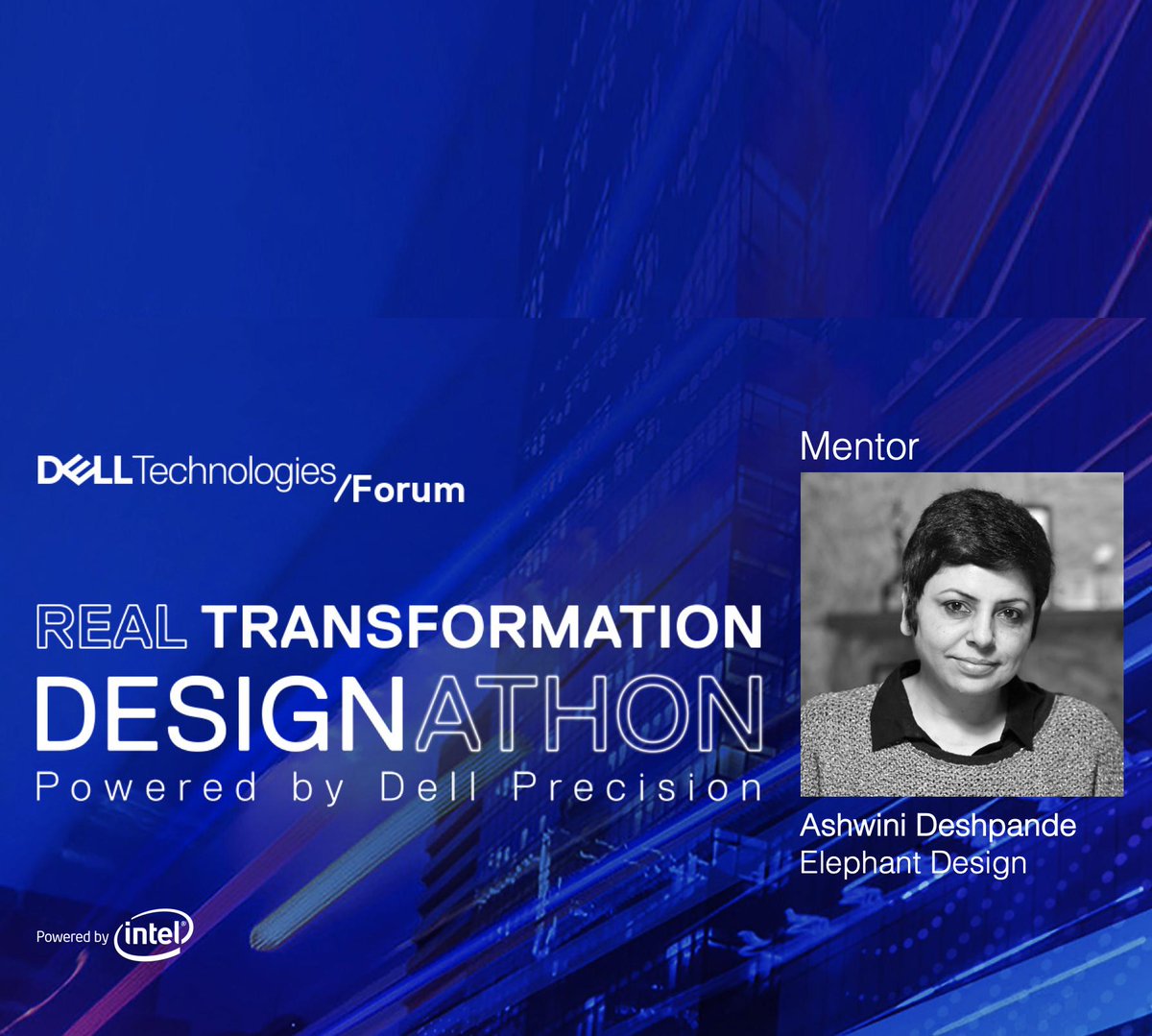
Dell Designathon one-of-a-kind design challenge intended to bring creativity and technology together to inspire the designs of future invited @ashwinielephant to mentor the finalists for Dell Designathon 3.0
#DellDesignathon #DesignMentoring #IntelligentIntuitiveImmersive
2
5

22 Jun 2018
doing our bit for #NationBuilding by mentoring #startup teams at #SIHH2018 #smartindiahackathon2018 #DesignMentoring #DesignThinking
7

23 Jul 2017
Exhibition day in Rome with #eia2017italy . 450 students on a train from #Turin to #Rome and back in 36 hours. 👍#designmentoring
3

9 Feb 2017
A Truly Great Mentor... #mentor #mentoringquotes #designmentoring #overmyshoulder #omsfoundation fb.me/8vOZtQztM
1

27 May 2016
1
1
27 May 2016
1

Need someone to help you hone your craft? Message me with your questions. #designmentoring
1
1