Romin Irani retweeted

I’m officially launching my independent DevEx & Automation consulting practice.
For years I’ve been working quietly with companies like YAMM, Sheetgo, DataCamp, Packt, and O’Reilly on technical content, trainings, and automation projects.
Now I’m opening it up more intentionally.
1
1
42

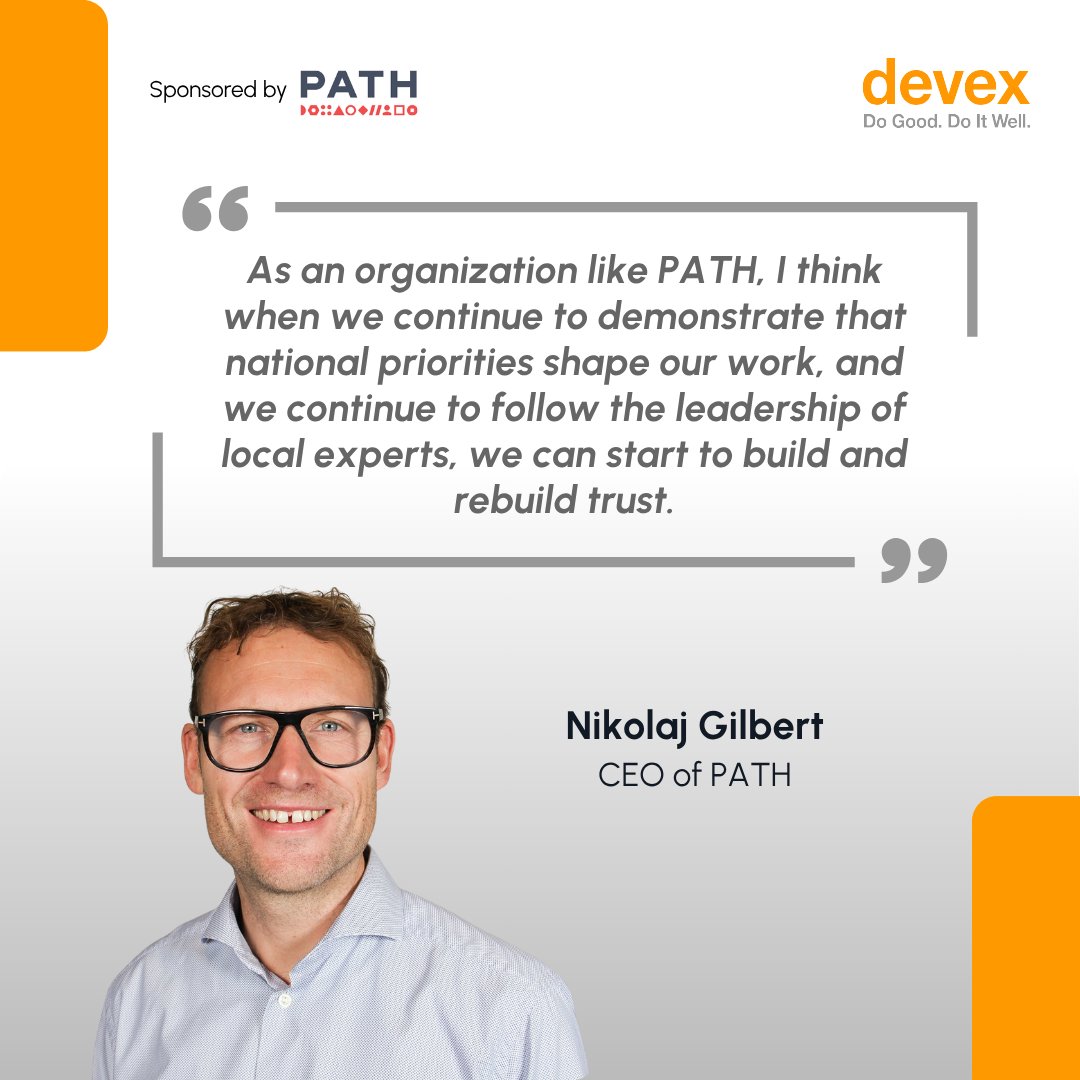
Global health is undergoing a “fundamental reset.” In an interview with Devex, @PATHtweets @nikolajgilbert shares why funding shifts, innovation, and country-led solutions are reshaping the sector — and what it means for stronger health systems.
dvx.cm/i5hoik
1
157

@leonhart_X と @gen_japan_ai が AI DevEx Conf でしゃべります。若手が活躍する環境をどう作ってるのか、重要なテーマだし、面白い話が聞けると思うので是非お越しください。
若手中心の開発組織は、AI時代にどう挑むか dev-productivity-con.findy-c… #aidevex_findy

JAPAN AIが「AI DevEx Conference 2026」に出展・登壇します🙌
2026年7月22日・23日に開催される「AI DevEx Conference 2026 – Future of Development Productivity -」に出展します。
JAPAN AIからはエンジニア2名がセッションに登壇します。
japan-ai.co.jp/news/topic/20…
2
20
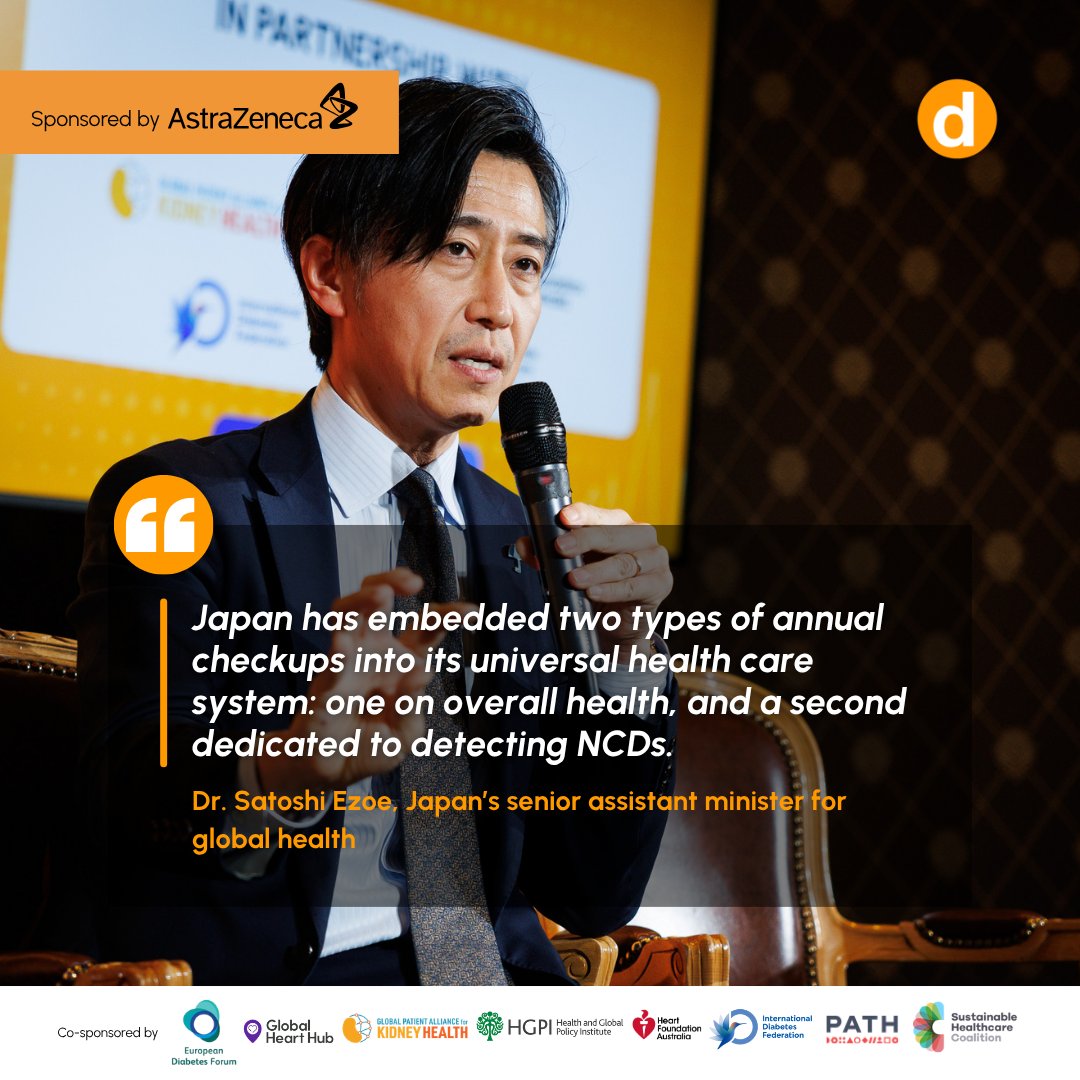
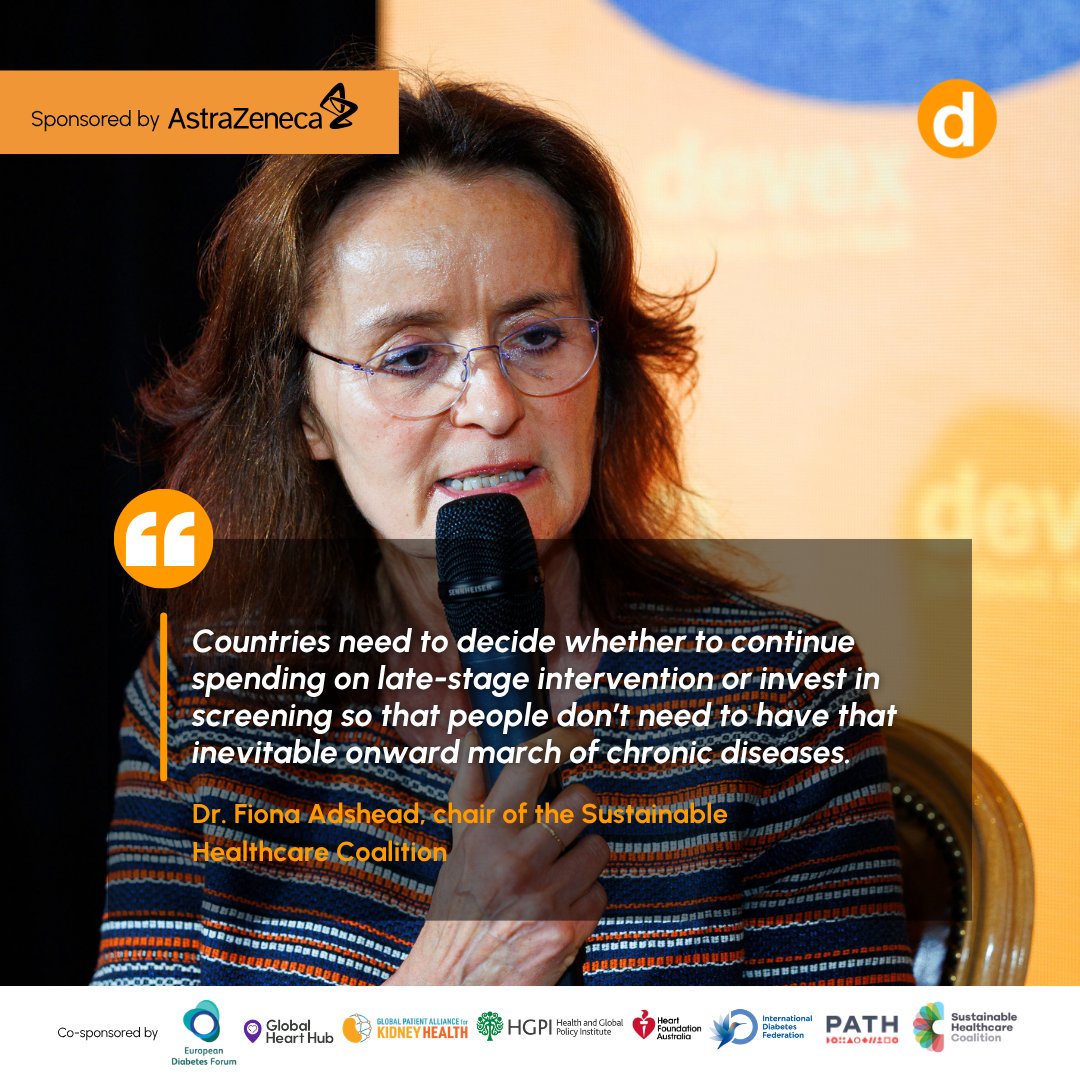
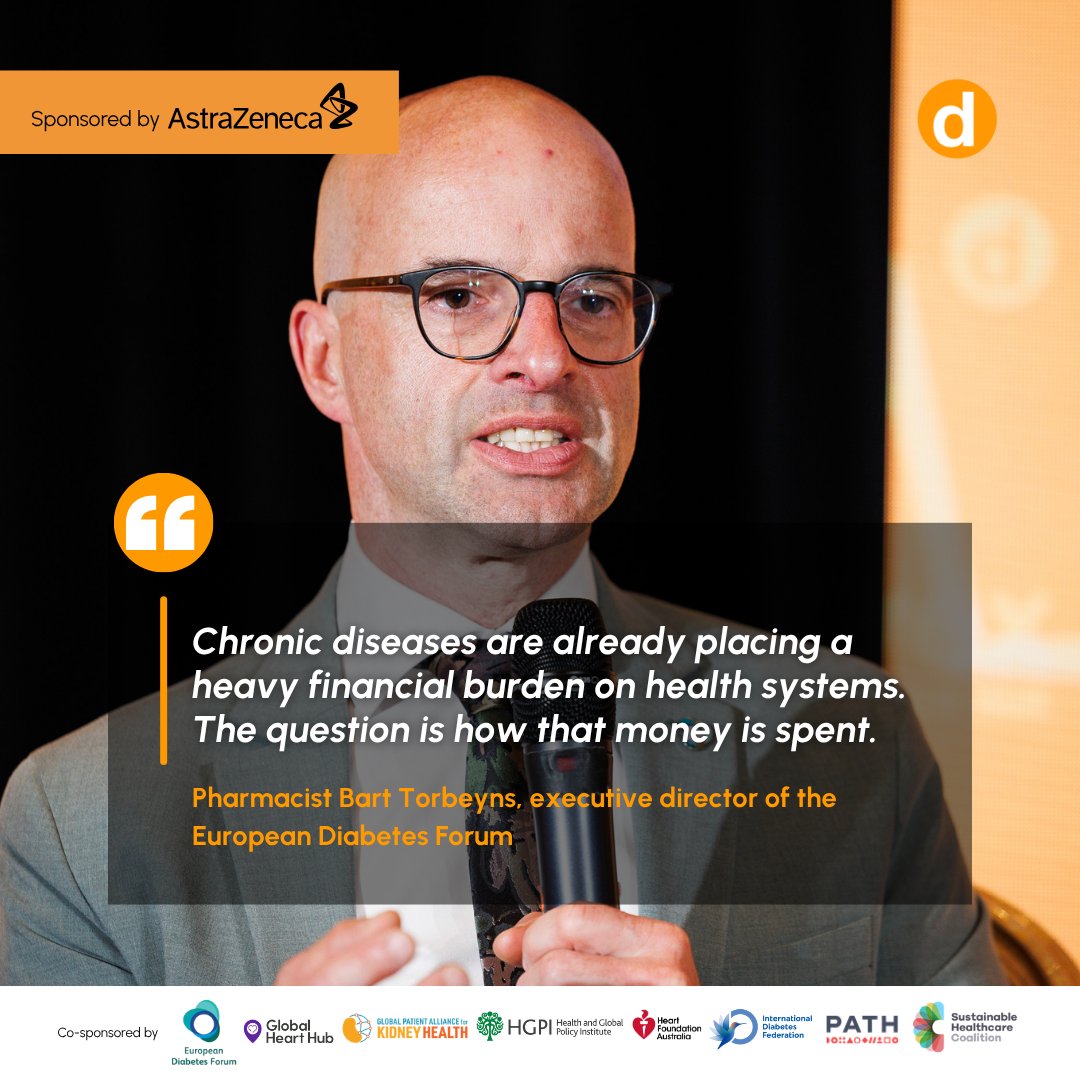
Why do health systems continue to fund costly late-stage interventions rather than early detection?
At WHA79, @toshiezoe, @DrFionaAdshead, @BartTorbeyns & @cefroguel outlined how integrated screening models for NCDs could save $91.2B and 1 million lives.
dvx.cm/oy8htw

1
1
563
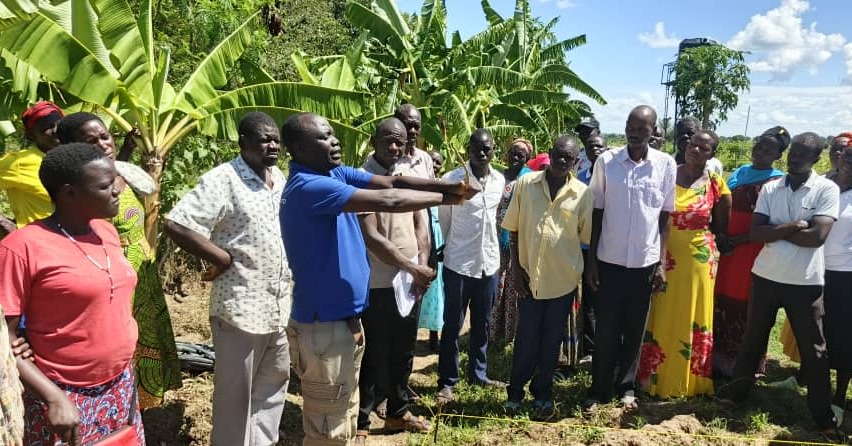
How do climate resilience, development finance, and economic growth connect? This essay explores perspectives on these issues and their relevance to long-term development challenges.
1
2
70
311,323
Gabriela Córdova retweeted

Check my latest opinion peace on @devex about the privatization of aid and my thoughts after attending the @OECDdev conference on the Future of Development Cooperation.
My main argument? A system built on the values of solidarity and cooperation is being rapidly replaced by a ruthless, winner-takes-all competition.
@Oxfam

Opinion: There is enough wealth to fund development and climate goals. What’s missing is the willingness to tax it and use it for the public good. devex.com/news/aid-is-being-…
1
1
31

Day 89 of Trying To Fix My DevEx Issue:
- 5 days since last response from Developer Relations
- 18 days since last email response from DevEx Team
- 10 days since last response via support on DevForum
11

The 2026 Bundibugyo outbreak is now the fastest-growing on record for this virus. The epidemiology gets the headlines. The governance is the more important story.
@CNN @nytimes @Reuters @BBCWorld @WSJ @AP @Devex @ThinkGlobalHlth thinkglobalhealth.org/articl…
#Ebola #PEPFAR #GlobalHealthSecurity
21

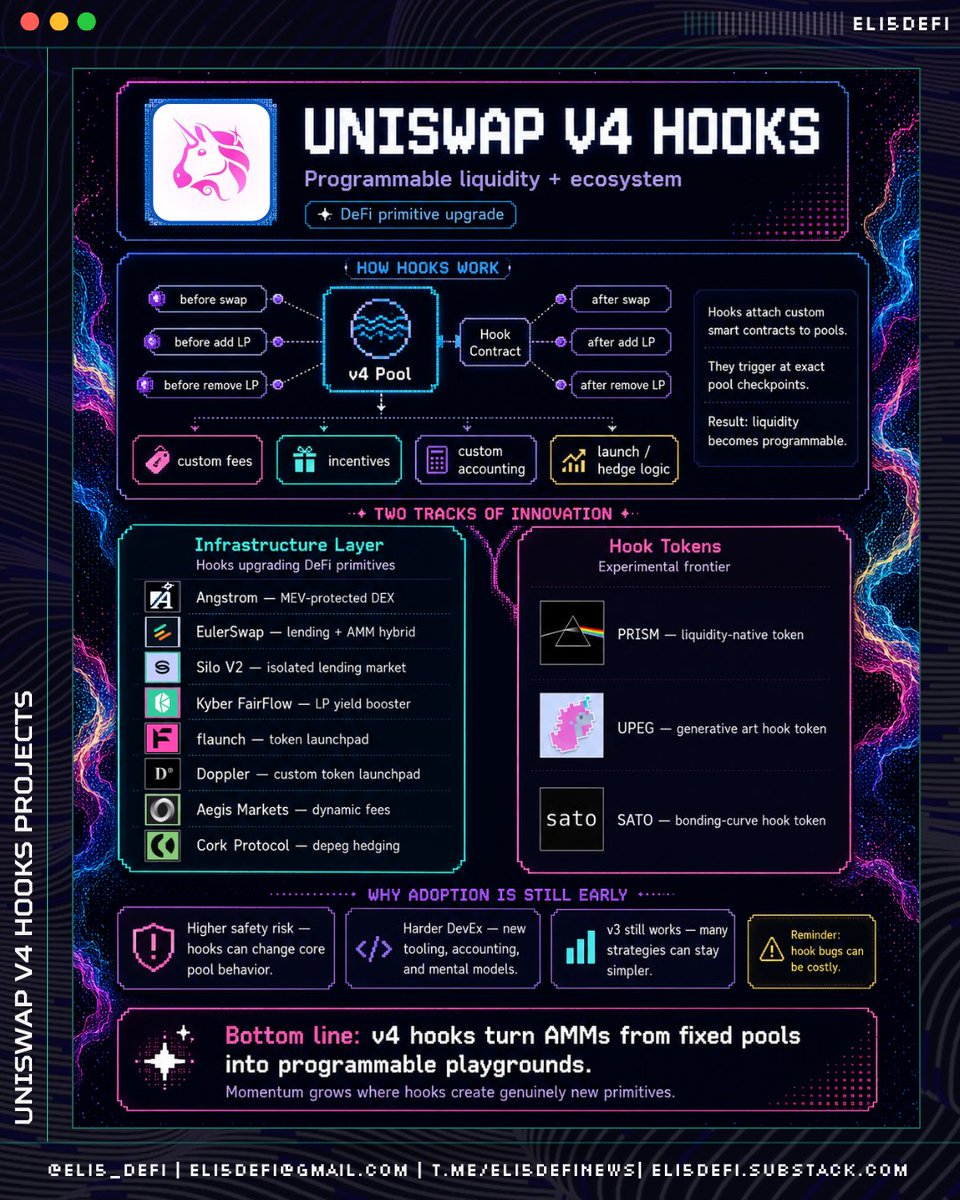
A lot of people don’t even realize it yet, but many projects already quietly stacking their work on top of @Uniswap v4 Hooks.
Uniswap v4 Hooks weren’t just “another feature”, they rewired the entire design space. Instead of being confined to one-size-fits-all AMM behavior, developers can now attach custom smart contracts straight onto liquidity pools.
These hooks trigger at exact checkpoints (before/after swaps, liquidity adds/removes, and more), effectively turning each pool into a programmable playground.
That shift has kicked off two very different tracks of innovation:
→ The Infrastructure layer
→ The Hook Tokens (The experimental frontier)
Now let’s break down the protocols in each category.
--
➥ Infrastructure Layer
These projects use v4 hooks to enhance or completely reimagine core DeFi primitives like trading, lending, and liquidity provision.
- @angstromxyz by @SorellaLabs → MEV-protected DEX
- EulerSwap by @eulerfinance → Lending AMM Hybrid
- @SiloFinance V2 → Isolated lending market
- @KyberNetwork Fairflow → LP yield booster
- @flaunchgg → Token launchpad
- @dopplerprotocol → Custom token launchpad
- @AegisMarkets → Dynamic fees
- @Corkprotocol → Depeg hedging
--
➥ Hook Tokens
These are a newer, more speculative category. Here the hook itself is central to the token’s identity and mechanics, often creating entirely new primitives.
- @prism_lp / $PRISM → Liquidity-native token
- @unipegv4 / $UPEG → Generative art hook token
- $SATO → Bonding curve hook token
--
Bottom line is that Uniswap v4 Hooks make liquidity programmable, less a pool, more a playground. They enable entirely new financial (and even creative) primitives on top of AMMs.
It’s a major DeFi leap, but adoption is still lukewarm. Why:
- Safety Complexity is harder than v3: hooks can alter core pool behavior, expanding the attack surface. One bad assumption can be catastrophic (e.g., the Cork Protocol $11M exploit in May 2025 tied to a hook bug).
- DevEx is still niche: hooks require new mental models and tooling (Foundry, delta mechanics, custom accounting). Libraries like OpenZeppelin help, but it’s not as polished as v3.
- Many strategies don’t need it: v3 remains strong, and simpler designs can achieve similar results with less risk.
Still, momentum is growing, especially where hooks create genuinely new primitives, not just variations on old ones.
7
5
20
776


Global Fund partners with CIFF to bring new TB tests to 13 countries devex.com/news/global-fund-p… #Devex via @Devex
3

Yoshiyuki Kubota @JAPAN AIのPM retweeted

JAPAN AIが「AI DevEx Conference 2026」に出展・登壇します🙌
2026年7月22日・23日に開催される「AI DevEx Conference 2026 – Future of Development Productivity -」に出展します。
JAPAN AIからはエンジニア2名がセッションに登壇します。
japan-ai.co.jp/news/topic/20…
5
10
363

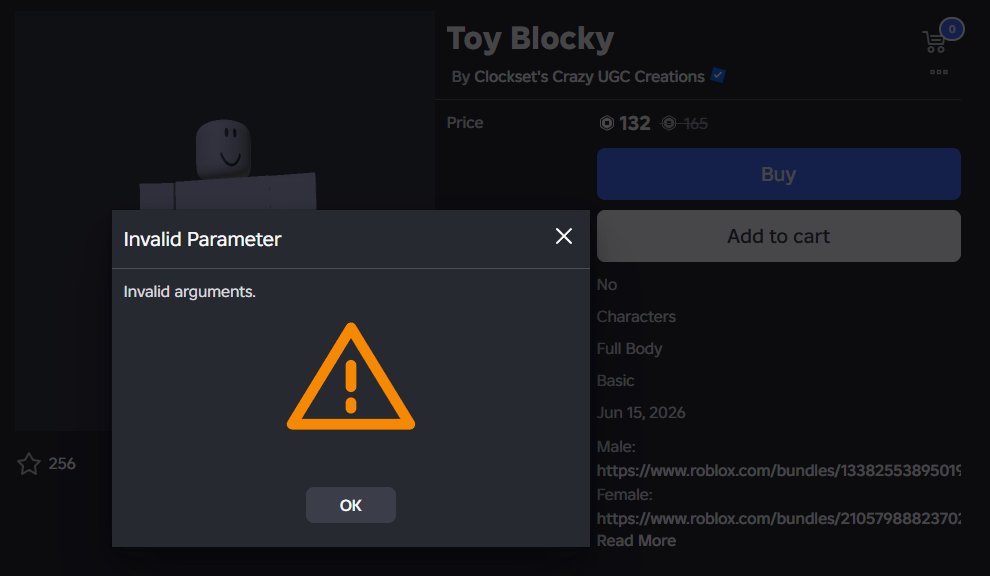
Wow Roblox really doesn't want me to purchase catalog items, guess i'll just devex 😇😇😇😇😇😇😇
22
2,039
QCon Software Development Conferences retweeted

19h
Excited to host this year's DevEx track for @QCon SF.
There has never been a more important time to focus on developer experience...
We are rewriting all SDLC principles that we wrote in the last 30 years!

Shipping more code faster turns out not to be the constraint. Getting it reviewed, tested, and landed safely is.
Check out the Engineering the Developer Experience track at QCon San Francisco, Nov 16-20. Hosted by @ankitxg: bit.ly/3S3Bu4V

1
1
106
Maternal nutrition remains an important area of focus in global health. At Devex Impact House during WHA, participants discussed emerging evidence on multiple micronutrient supplements (MMS) and maternal and newborn health outcomes.
2
10
87
1,818,831
Climate change is reshaping the fight against malaria.
Join @jaqjerry of @Amref_Worldwide at #DevexImpactHouse during London Climate Action Week to explore the climate-malaria nexus and what it means for health systems.
June 25 | 2 PM BST | dvx.cm/lcaw26
2
2
189