
9 Nov 2023
Saving on AWS costs involves optimizing your usage and configurations. Here are five ways to do this:
1️⃣ Rightsize Instances and Services:
➡️ Regularly review your instance usage and types. AWS offers various instance types that cater to different needs. Downsizing or choosing the right instance type can lead to significant savings. Utilize tools like AWS Trusted Advisor to analyze your instance performance and utilization.
2️⃣ Reserved Instances and Savings Plans:
➡️ If you have predictable workloads, purchasing Reserved Instances (RI) or committing to Savings Plans can offer discounts compared to on-demand pricing. RIs can provide up to 75% savings, while Savings Plans offer flexible pricing models based on long-term usage commitment.
3️⃣ Delete Unused Resources:
➡️ Perform regular audits to identify and remove unused or idle resources such as EBS volumes, snapshots, Elastic IPs, and underutilized load balancers. These can add up costs even when not actively in use.
4️⃣ Use Auto-Scaling and Scheduling:
➡️ Implement auto-scaling to adjust resources automatically in response to actual demand, ensuring you pay only for what you need. Additionally, schedule resources to run only during business hours or when needed for development and testing environments.
5. Leverage S3 and Data Transfer Management:
5️⃣ Optimize data storage by using Amazon S3’s lifecycle policies to move infrequently accessed data to cheaper storage classes. Additionally, manage data transfer wisely by keeping data transfer within the same region and using Amazon CloudFront for content delivery to reduce outbound data transfer costs.
These are foundational strategies, but AWS provides many services and tools to further optimize costs. It's important to regularly review AWS cost reports and use AWS Cost Explorer to identify and understand where your money is going.
#devops2023 #devops #cloud #bills #cost #costoptimization #kubernetes #aws #gcp #amazon #developer #devopsessentials #enginner #work
1
4
1,139
9 Oct 2023
🚀#DevOps2023: Infra-as-Code is the new norm, GitOps is redefining deployments, and the lines between development and operations are blurrier than ever. The future? Seamless integration with AI-driven automation! 🔥 How are you preparing for the next DevOps wave? 🌊 #NextGenDevOps
10
62
8,900

13 Apr 2023
Je visite le salon d'informatique Devoxx ! 😃
C'est l'occasion de croiser les amis, et de me renseigner sur les problématiques DevOps pour le boulot-de-tous-les-jours. 😙
#evenement #devops #devops2023 #networking

5
441

30 Mar 2023
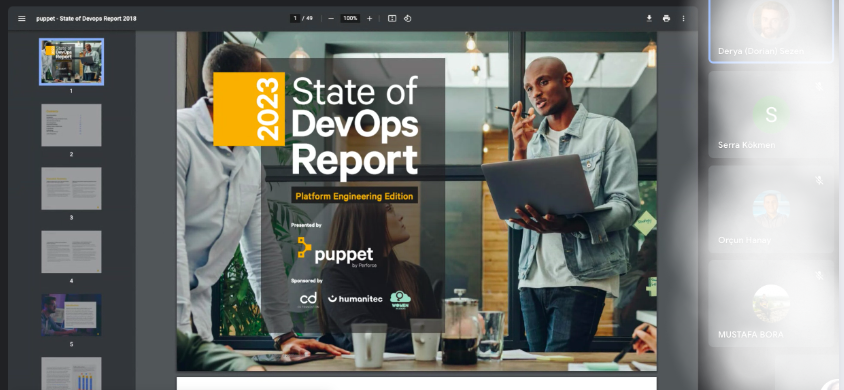
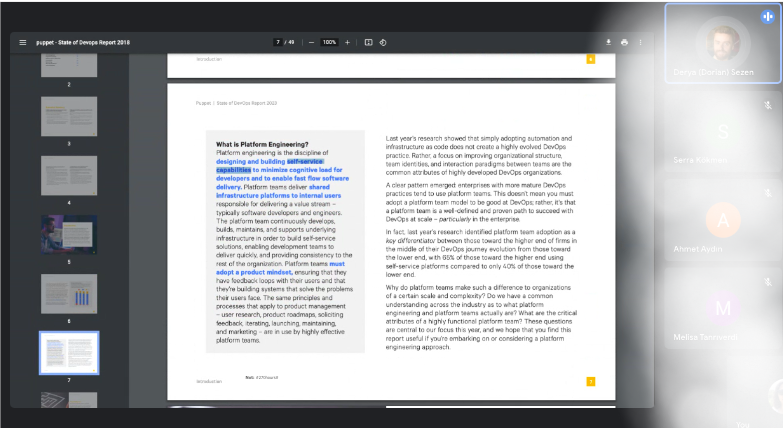
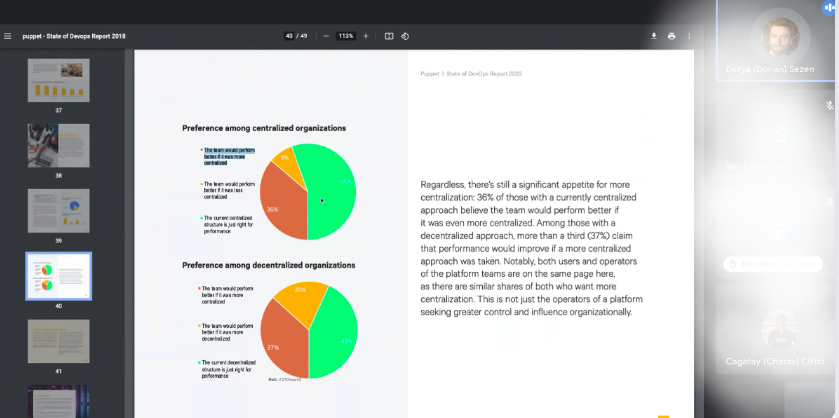
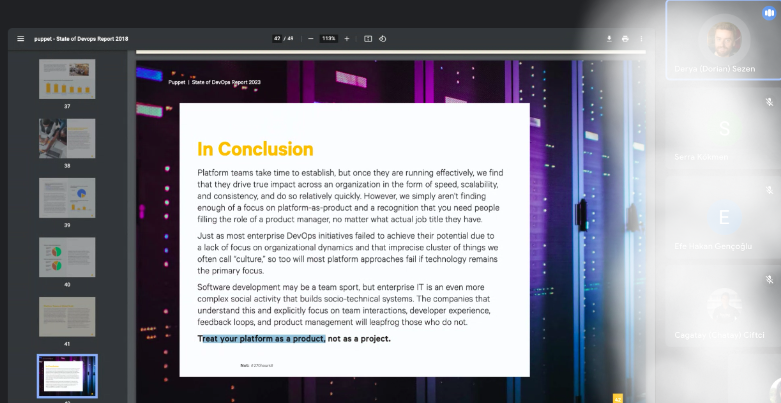
We discussed the Puppet State of DevOps 2023 in our brown bag today!
Thank you Mustafa Bora Who joined us today. 🤗
If you want to join take our brown bags: hi.kloia.com/join-our-brown-…
#brownbag #weeklybrownbagsession #joinus #devops #devops2023 #puppetstateofdevops2023
1
2
215
30 Mar 2023
Brown Bag Day💚 Today's topic is “State of DevOps 2023" by @DeryaDorian 📣
If you want to join today's our Brown Bag Session👇
buff.ly/3FbEdQt
#brownbag #weeklybrownbagsession #joinus #devops #devops2023
3
193

15 Mar 2023
As #DevOps continues to evolve, it’s important to keep an eye on the latest trends and developments. Here, we'll explore the top 10 #devopstrends to watch out for in 2023 and beyond. Read More: bit.ly/3YQ6ItY
#devopsautomation #devopscommunity #DevSecOps #devops2023
4
64

10 Feb 2023
Stay ahead of the curve in #DevOps 😎
Read GitProtect.io's blog post to find out the key principles that will help to drive success in the coming year 🚀
#DevOps2023 #innovation #tech #backup
gitprotect.io/blog/devops-pi…
2
67