
So get on at MPs about that. They need more 1 bed properties. It's well known that there aren't enough properties for downsizers and few incentives to do so to free up family properties too. Have noticed our new build estates are now including 1 beds so they've clearly noticed.
2
58

That only works if every investor sells to their tenant and every buyer was previously renting.
Plenty sell to existing owners, downsizers, upgraders or new arrivals. The house still exists… but the rental disappears while rental demand doesn’t.
Have you worked it out yet? 🤪
4

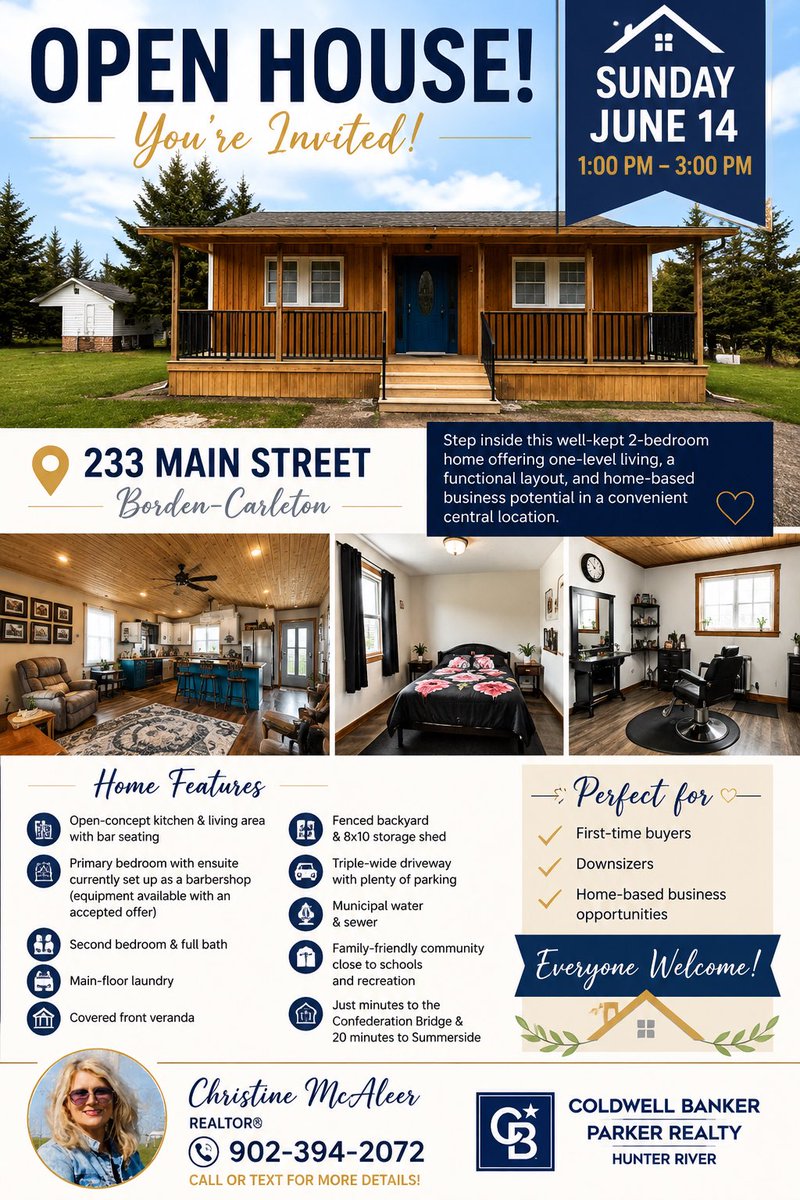
🏡 OPEN HOUSE | Sunday, June 14 | 1–3
📍233 Main Street, Borden-Carleton
Step inside this well-kept 2-bedroom home offering one-level living, a functional layout, and home-based business potential in a convenient central location🏡✨
The home features an open-concept kitchen and living area with bar seating, a primary bedroom with ensuite currently set up as a barbershop (equipment available with an accepted offer), plus a second bedroom, full bath, and main-floor laundry.
Exterior highlights include a covered front veranda, fenced backyard, triple-wide driveway, and 8x10 shed. Municipal water and sewer provide low-maintenance living.
Located in a family-friendly community close to schools and recreation, just minutes from the Confederation Bridge and 20 minutes from Summerside.
Perfect for first-time buyers, downsizers, or those looking for home-based business potential.
Everyone welcome!
Looking for more details call/text me at 902-394-2072
Coldwell Banker Parker Realty – Hunter River
1
1
27

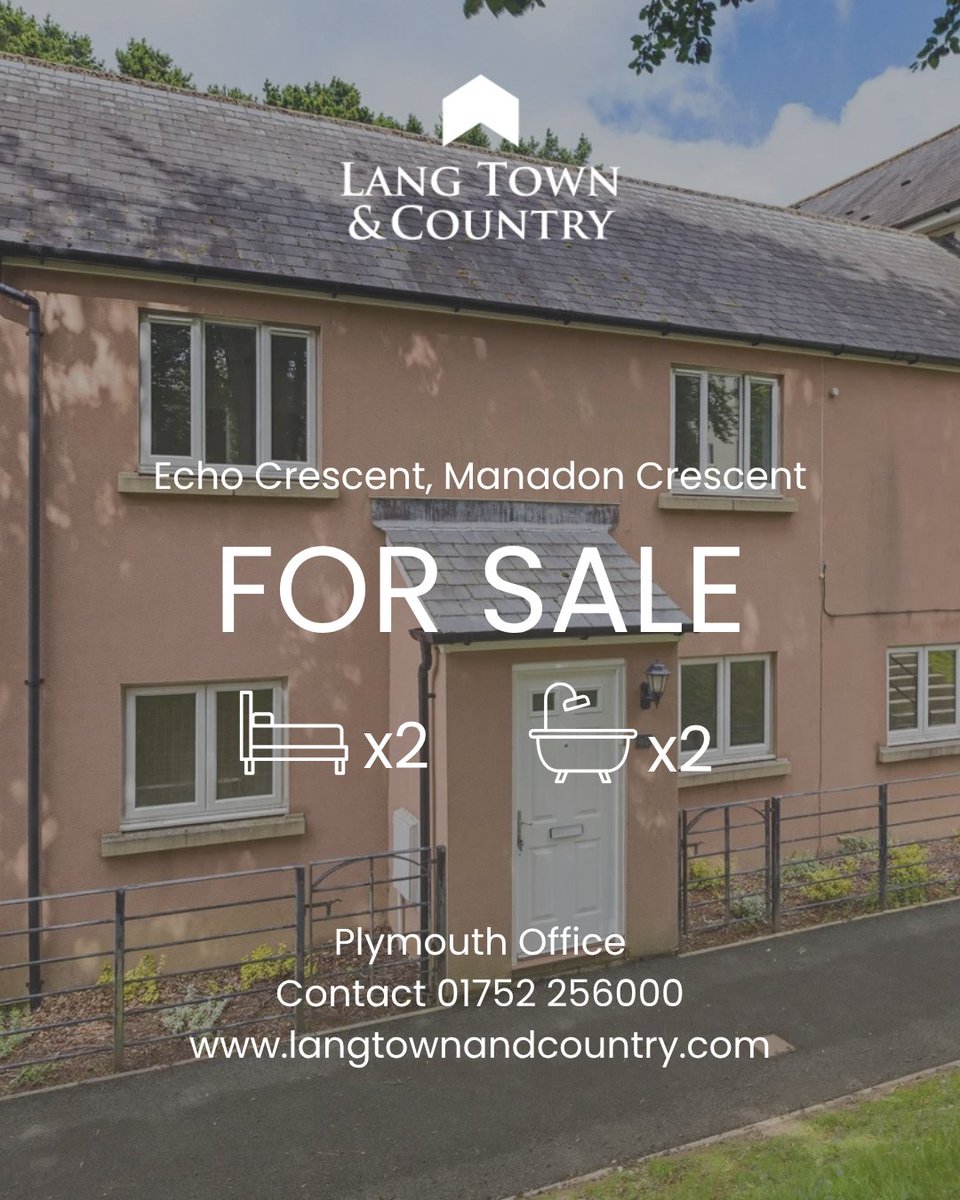
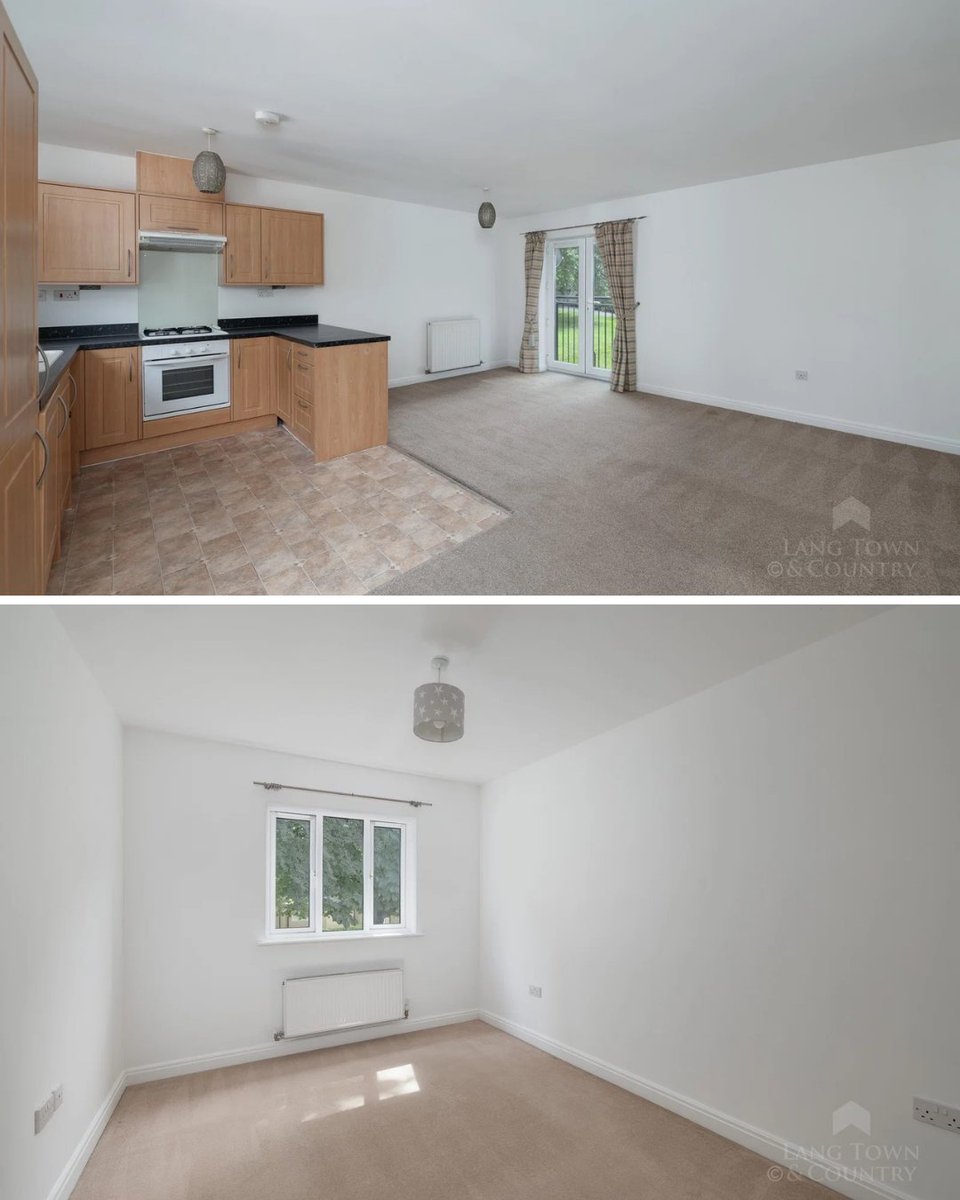
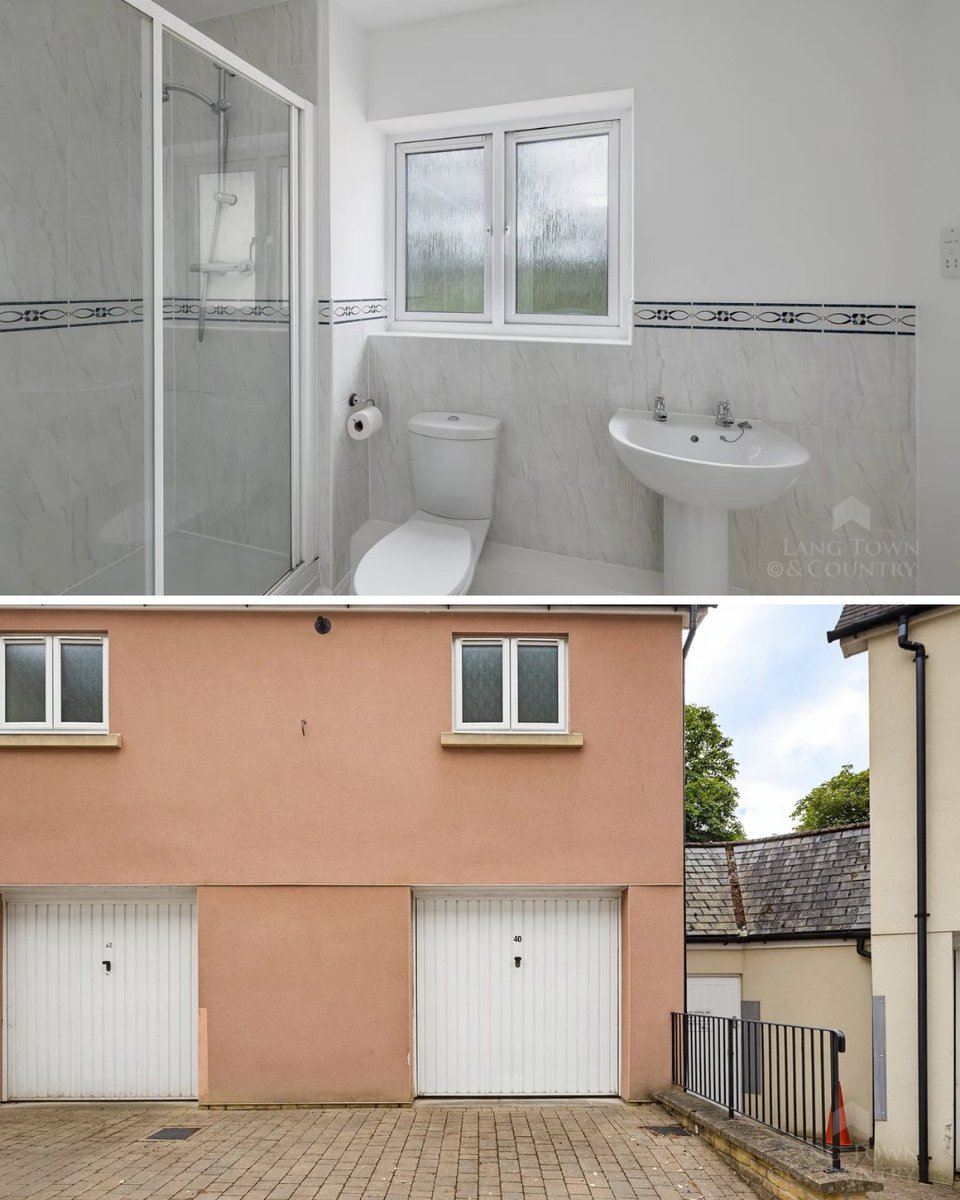
🏡 Chain free and ready to move into.
This coach house in Manadon Park offers an 18ft open-plan living space, two bedrooms, en-suite, garage and allocated parking.
Perfect for first-time buyers, downsizers or investors.
💷 Guide Price £180,000
🔗 LangTownAndCountry.com/prope…
16

Jun 13
It's true that as house prices have risen, the differential between sizing up has also increased - far more costly to up-size. Only beneficial to downsizers who buy a much smaller house in a worse area.
9

Jun 12
✨N E W 🏠 L I S T I N G✨
🤩 4435 North Constantine Avenue | Peoria Heights, IL
🏡 Completely refreshed curb appeal with charming covered front porch
🛏️ 3 Bedrooms
🛁 2 Full Bathrooms
🍽️ Spacious kitchen with room to gather
☀️ Bright and inviting living spaces
🌳 Generous lot with outdoor space to enjoy
🔑 Move-in ready condition
💰 Great option for first-time buyers, downsizers, or investors
📍 Convenient Peoria Heights location
🛍️ Minutes from shopping, dining, parks, and everyday amenities
🚗 Easy access to major roads and commuting routes
❤️ Blends classic character with modern updates
🖥 brysonsmithteam.com/homes/44…
Presented By:
🦸♂️Bryson Smith, CEO & Designated Managing Broker
309.657.7004 • simplybst.com/bryson
The Bryson Smith Team • Keller Williams Premier Realty
25

Jun 12
Calgary’s balanced 2026 housing market means downsizers can sell larger homes at strong prices and take their time picking the right condo or rental. Would you time your move to these conditions?





Jun 12
I worry that stopping SD will open the downsizing floodgates, pumping FTB property prices. Why wld sellers cut price to meet FTB affordability when there's downsizers willing to pay more?
I don't know what, but there needs to be something in place to prevent that (but not H2B😬)
2
2
63

Jun 12
Condos in Waterloo continue to attract first-time buyers, downsizers, and investors due to affordability, low maintenance, and strong demand near universities and tech hubs. Read my blog to learn more at bit.ly/4iIGxAB

1

Jun 12
Condos in Waterloo continue to attract first-time buyers, downsizers, and investors due to affordability, low maintenance, and strong demand near universities and tech hubs. Read my blog to learn more at bit.ly/4iIGxAB

6

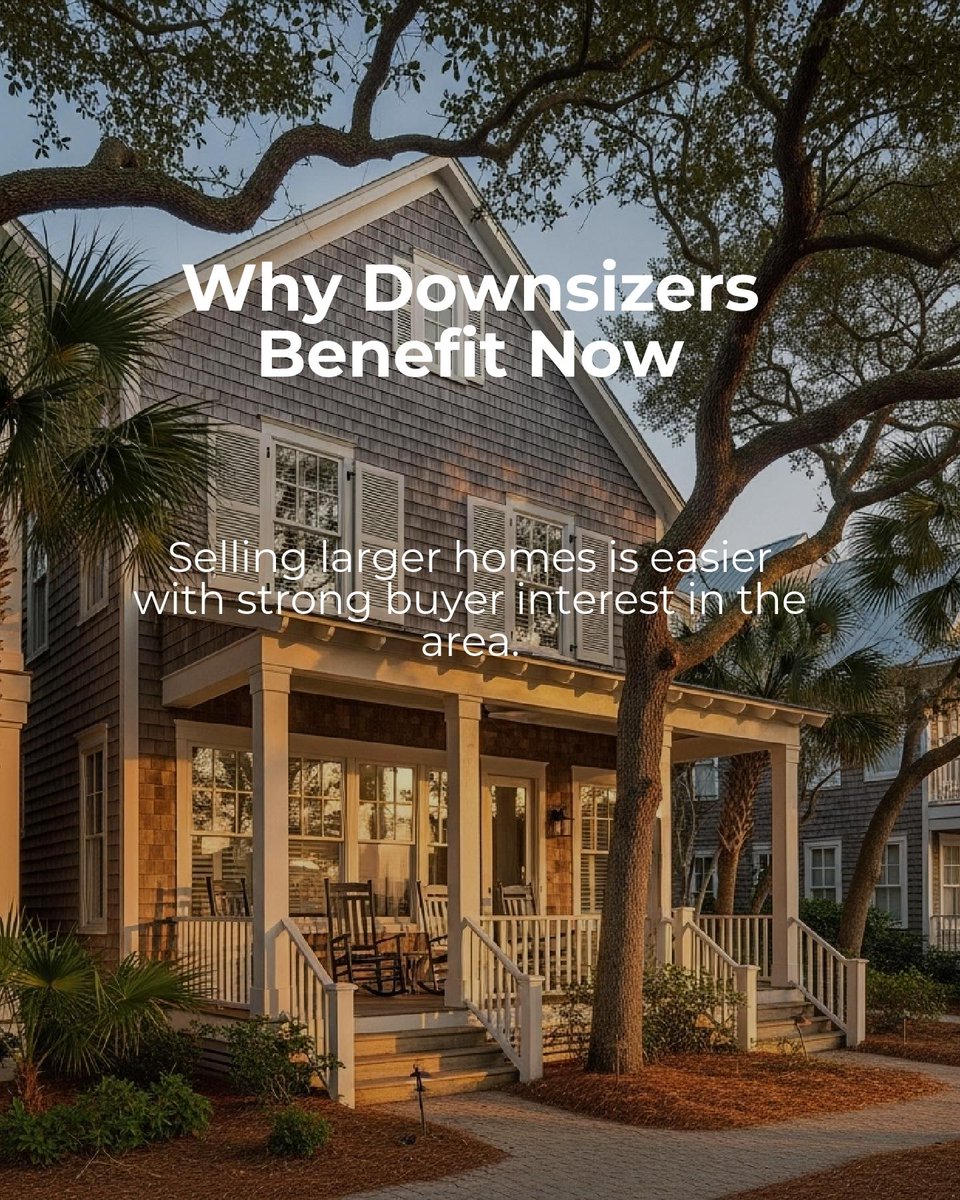
Santa Cruz coastal homes stay in high demand, making it an ideal moment for downsizers to sell larger properties and simplify life near the ocean.
Would you trade extra space for easier living on the coast?




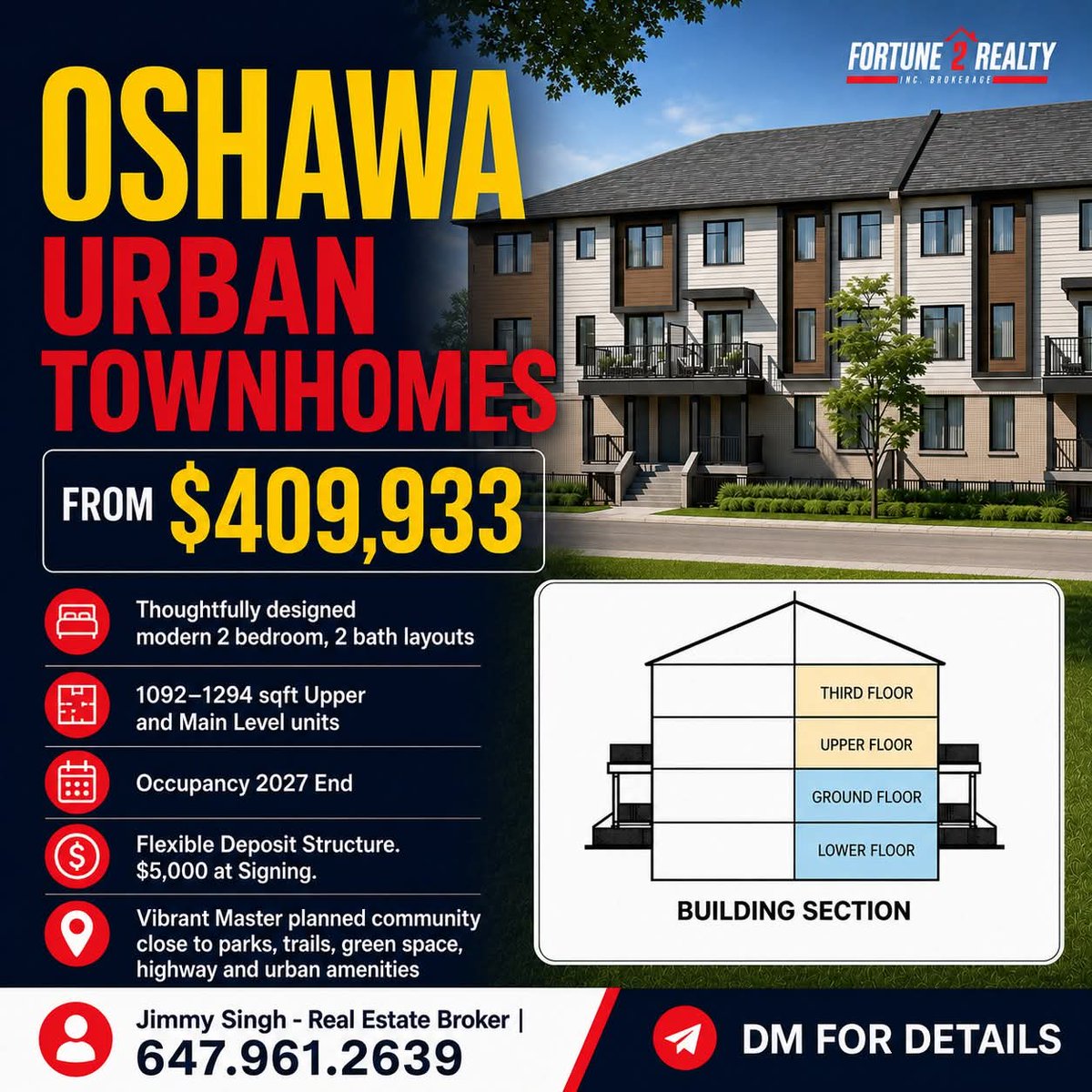
🏡 LIMITED RELEASE | GTA TOWNHOMES FROM THE LOW $400s! 🚨
First-Time Buyers • Downsizers • Investors
Own in one of Canada's fastest-growing cities before prices move higher.
Welcome to the newest a Master-Planned community in North Oshawa where modern living, nature, and everyday convenience come together.
💰 Starting from just $409,933
💵 Potential HST Rebate Available
📅 Extended Closing into 2027
🔑 Only $5,000 at Signing
🏠 2 Bedroom | 2 Bath Urban Townhomes
🌿 Private Balcony or Patio
📍 Minutes to Parks, Trails, Shopping, Restaurants & Major Highways
Why Buyers Are Taking Notice:
✅ One of the Best-Priced New Home Opportunities in the GTA
With home ownership becoming increasingly difficult, opportunities like this are becoming rare.
✅ Lock In Today's Pricing
Secure your home now and benefit from a longer closing timeline, giving you more time to save, plan, and prepare.
✅ Build Equity Instead of Paying Rent
Every month spent renting is helping someone else's mortgage. Homeownership puts your money to work for your future.
✅ Strong Growth Potential
Oshawa continues to attract families, professionals, students, and investors thanks to ongoing development, infrastructure, and employment growth.
✅ Lifestyle Meets Convenience
Enjoy the perfect balance of green space, walking trails, parks, and urban amenities right outside your door.
✅ Ideal for Downsizers
Modern, low-maintenance living without sacrificing comfort, privacy, or location.
Imagine This...
✨ Waking up in a brand-new home.
✨ Enjoying your morning coffee on your private balcony.
✨ Watching your investment grow while living in a thriving community.
✨ Having the peace of mind of owning instead of renting.
⚠️ Limited Release Available Now
Inventory at these price points in the GTA is becoming harder to find. Waiting could mean paying significantly more later.
📞 Thinking about buying your first home, downsizing, or adding
a high-potential investment property to your portfolio?
Call me today for pricing, floorplans, incentives, HST Rebate details, and priority access.
Jimmy Singh | Broker
📱 647.961.2639
#OshawaRealEstate #FirstTimeHomeBuyer #GTARealEstate #OshawaHomes #TownhomesForSale #RealEstateInvestment #Downsizing #NewConstructionHomes #DurhamRegion #HomeOwnership #CanadianRealEstate #JimmySingh #Fortune2Realty #InvestInRealEstate #PreConstructionHomes #TheHeightsOfHarmony

66

Ontario Housing Rebates Raise Planning Questions
roomvu.com/agent-video/patri…
#FirstTimeHomeBuyers #Downsizers #MoveUpBuyers #Real #torontobestrealtor #torontohomestaging


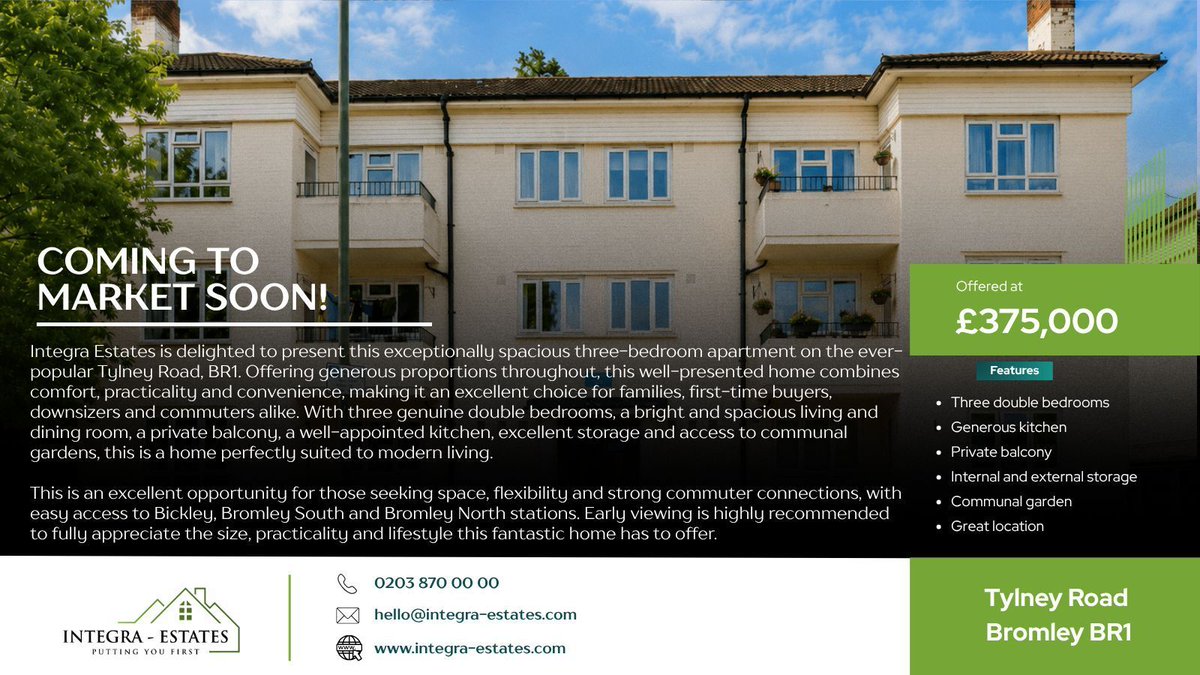
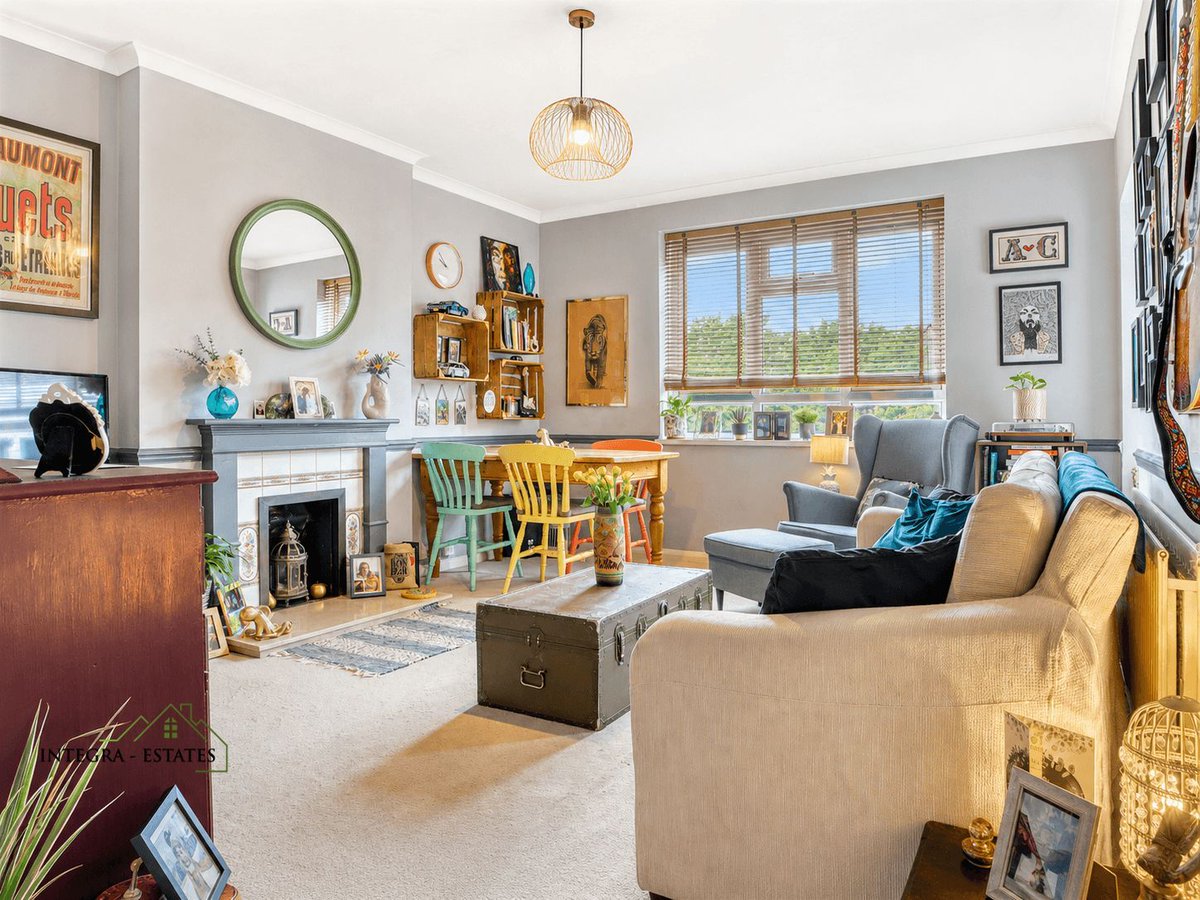
New to Market | Tylney Road, BR1
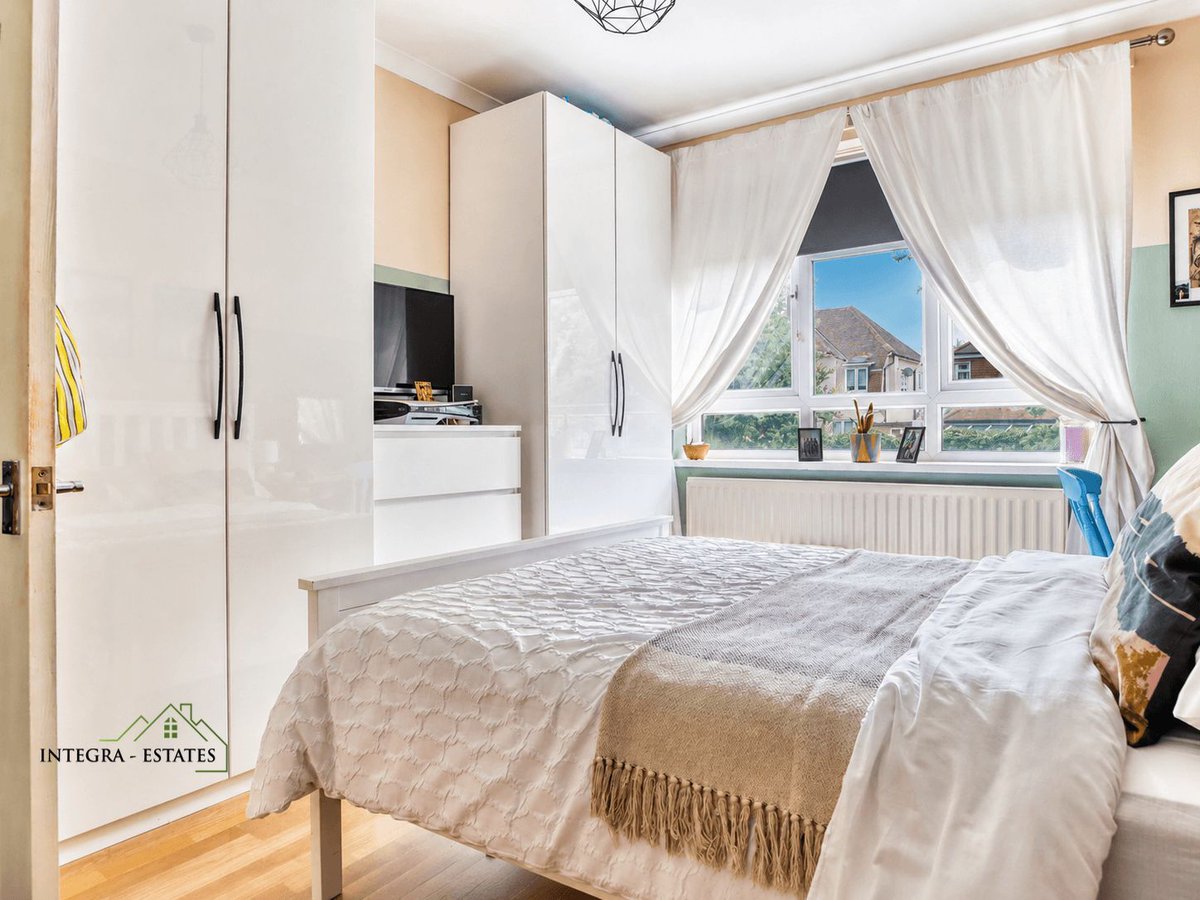
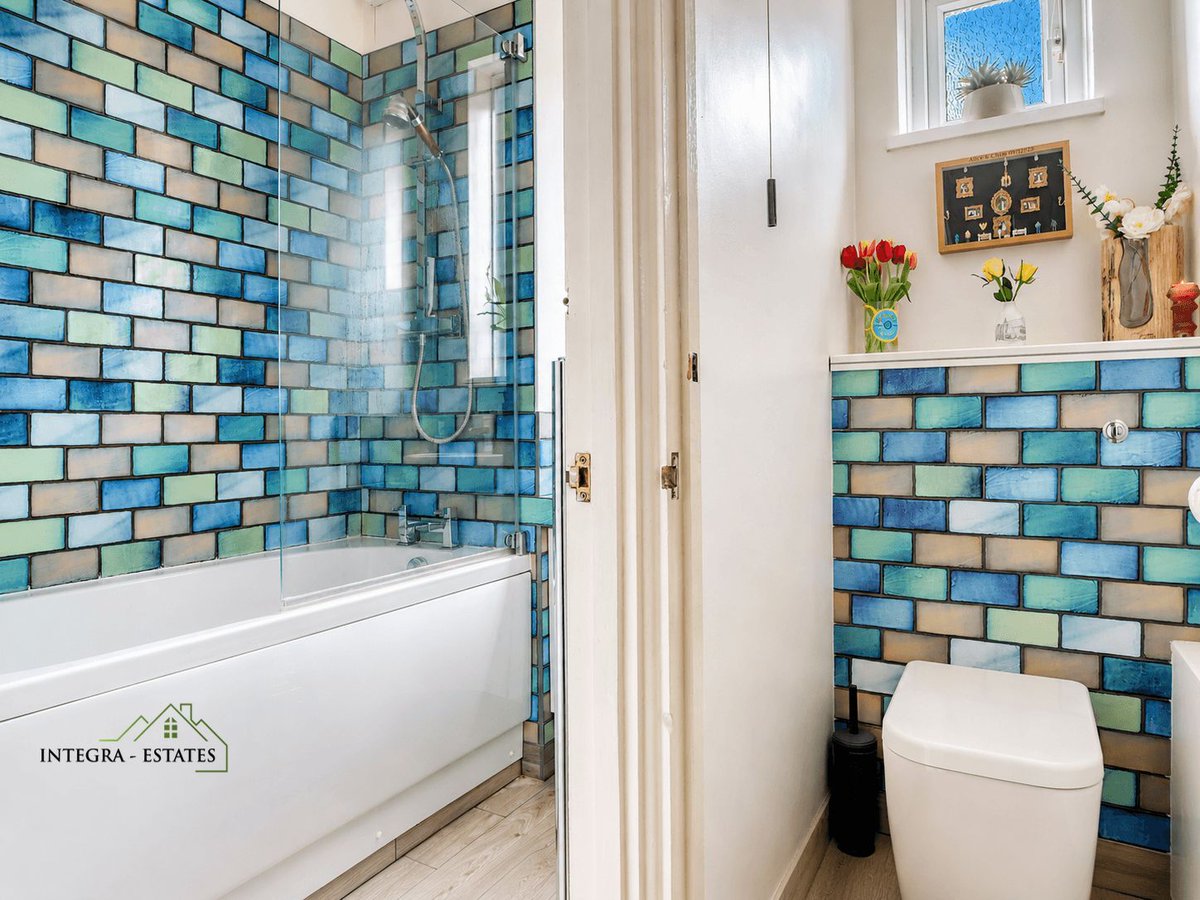
Spacious 3-bedroom apartment with three double bedrooms, private balcony, generous living space, excellent storage and strong commuter links.
Ideal for families, first-time buyers, downsizers, and commuters.
Arrange your viewing with us.
#BR1
10

Jun 11
💥JUST LISTED💥
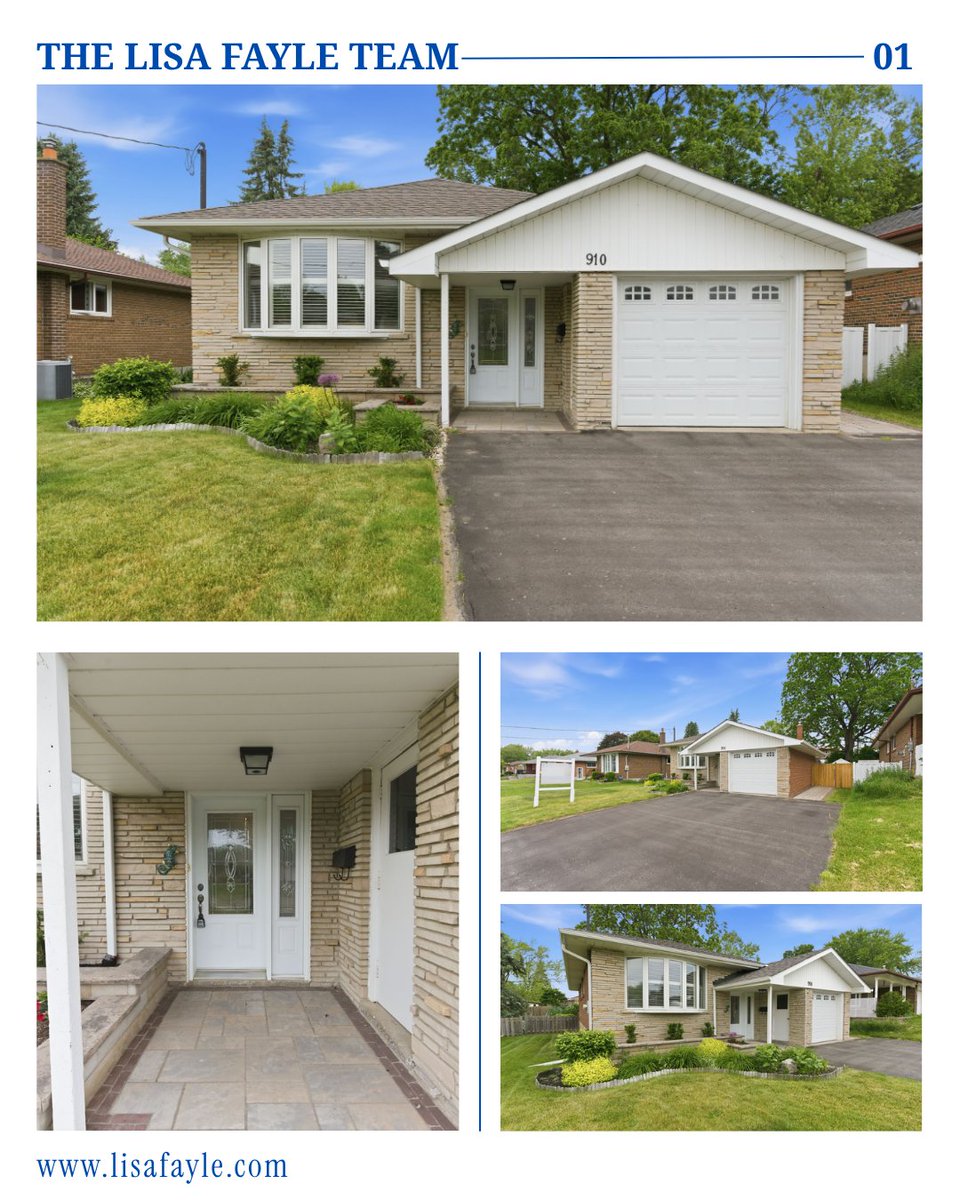
📍910 Crocus Cres, Whitby📍
🎉 OPEN HOUSE JUNE 14TH FROM 2-4 PM 🎉
✨ Charming Bungalow in the Heart of Historic Whitby! ✨
Welcome to this bright and beautifully maintained bungalow offering a finished basement, spacious living areas, and an unbeatable location just steps from downtown Whitby 🏡🌳
🏡 Main Features:
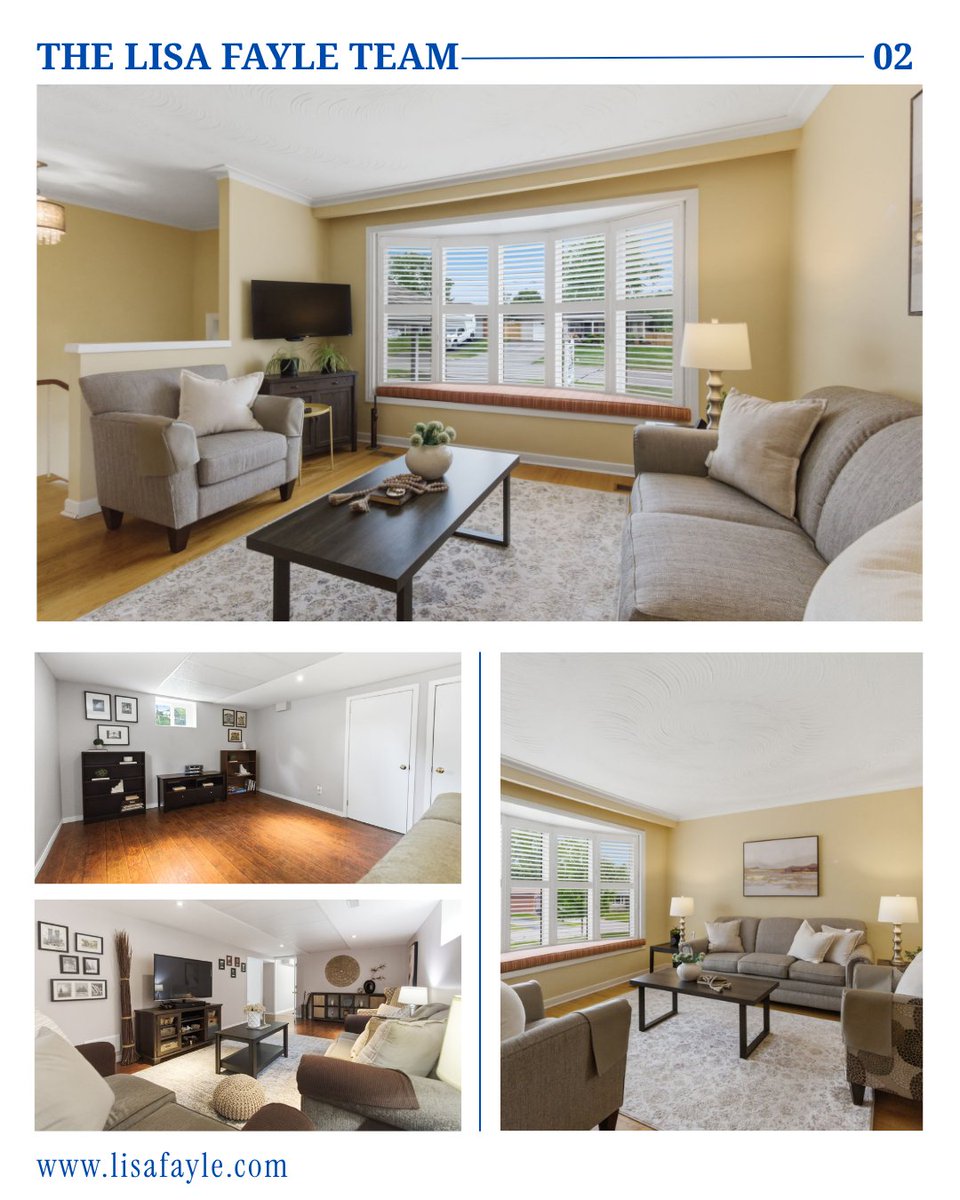
• Bright living room with hardwood flooring, bay window & California shutters
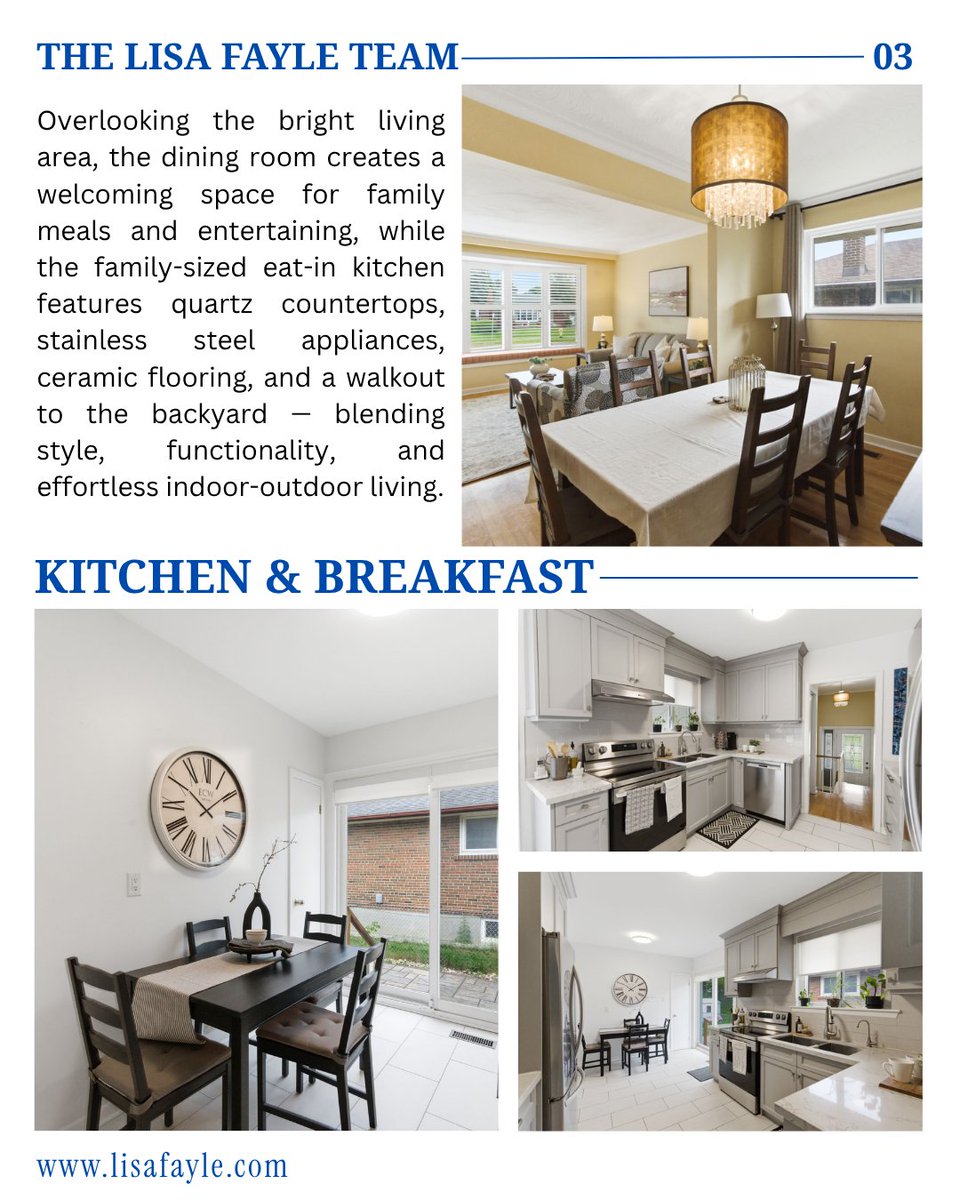
• Family-sized eat-in kitchen with quartz countertops & stainless steel appliances
• Walkout to backyard for seamless indoor-outdoor living
• 3 spacious bedrooms with hardwood flooring & large windows
• Functional family-friendly layout throughout
🛋️ Lower Level Features:
• Finished basement with large recreation room
• Pot lights and above-grade windows for plenty of natural light
• Additional bedroom perfect for guests, a home office, or growing families
• Spacious laundry and utility area with excellent storage
🚘 Bonus Features:
• Steps to historic downtown Whitby
• Close to schools, parks, shopping & restaurants
• Minutes to Whitby GO Station
• Easy access to Highway 401 for commuters
💫 Why You’ll Love It:
Combining the charm of Old Whitby with modern updates and a finished basement, this move-in ready bungalow offers the perfect blend of comfort, convenience, and location for families, downsizers, and commuters alike.
📸 CLICK LINK BELOW FOR MORE PICTURES!
lisafayle.com
Thinking of a Sale? Call Lisa Fayle 📲 905-655-9353
🏆 Durham Region’s #1 RE/MAX Agent!
#thelisafayleteam #durhamrealestate #durhamregion #bowmanville #courtice #oshawa #whitby #ajax #pickering #gtahomes #forsale #justlisted #inlawsuite #multigenerationalliving
58

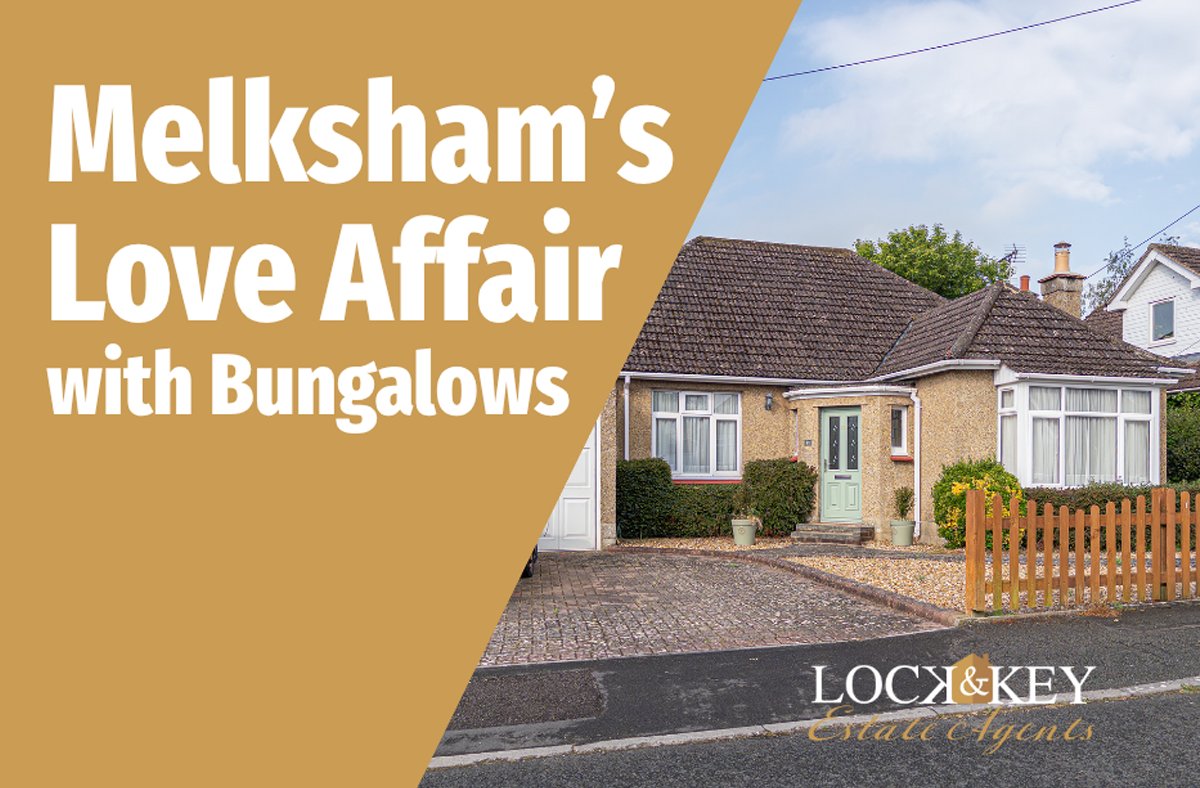
Melksham is falling for bungalows! 🏡✨ With rising demand from downsizers and families alike, these single-storey homes are topping the property wish list. Discover why: homesinmelksham.co.uk/melksh… #Bungalows #Melksham #RealEstate
3

The Great Housing Split
All global housing markets are splitting into two markets now.
Not houses and apartments.
Not cities and suburbs.
Not owners and renters.
The real split is houses people can still afford, and houses people can’t afford anymore.
A lot of middle-class housing is quietly becoming fake wealth. It still has a price on paper. It still has an owner who thinks it is worth a certain amount. It still appears on property websites with confident asking prices. But if the next buyer cannot finance it from wages, the price is not real. It is just an opinion waiting for a solvent buyer.
Inflation has destroyed the old middle-class affordability model. Food costs more. Energy costs more. Insurance costs more. Maintenance costs more. Taxes cost more. Borrowing costs more. Service charges cost more. Childcare costs more. The buyer who used to stretch for the normal family house has been hit from every direction at once.
So the market is splitting into trophy assets and orphaned assets.
Trophy assets are the houses rich people, global buyers, downsizers, business owners, inheritors, and mobile capital still compete for. Prime city homes, waterfront homes, safe-country homes, tax-haven homes, school-zone homes, scarce homes, lifestyle homes. These are not priced by normal wages anymore. They are priced by capital.
Orphaned assets are the houses that were supposed to be bought by ordinary middle-class families using ordinary salaries and a mortgage. But those salaries no longer clear the monthly payment. The house may still be desirable in theory, but theory does not buy property. Monthly affordability does.
That is why people misunderstand the housing crisis. They say there is a shortage of housing, and in one sense they are right. But there can also be too much housing that nobody wants at the current price. A market can have both shortage and oversupply at the same time, because the shortage is in affordable desirable homes, and the oversupply is in overpriced average homes.
This is the bit owners do not want to hear. Your house is only worth what the next buyer can actually pay. Not what your neighbour listed for. Not what Zoopla says. Not what you need to retire. Not what you emotionally believe it should be worth. If the buyer pool has been destroyed by inflation and interest rates, your wealth is much softer than you think.
The middle-class house was built for a world where middle-class wages could support middle-class debt. That world is breaking. The future housing market is not one market. It is two markets: assets rich people fight over, and liabilities normal people can no longer finance.

3
43
Jun 10
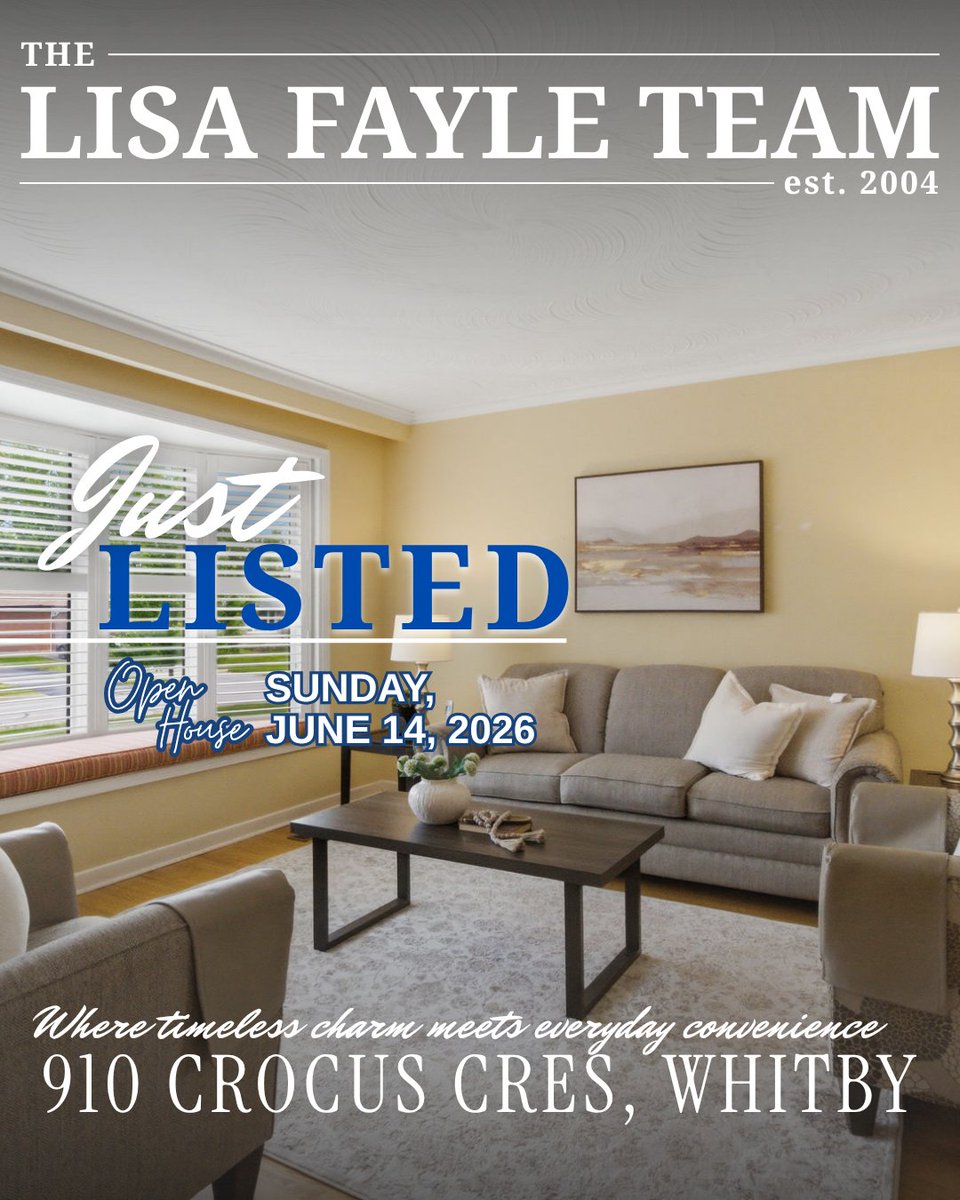
💥JUST LISTED💥
📍910 Crocus Cres, Whitby📍
🎉 OPEN HOUSE JUNE 14TH FROM 2-4 PM 🎉
✨ Charming Bungalow in the Heart of Historic Whitby! ✨
Welcome to this bright and beautifully maintained bungalow offering a finished basement, spacious living areas, and an unbeatable location just steps from downtown Whitby 🏡🌳
🏡 Main Features:
• Bright living room with hardwood flooring, bay window & California shutters
• Family-sized eat-in kitchen with quartz countertops & stainless steel appliances
• Walkout to backyard for seamless indoor-outdoor living
• 3 spacious bedrooms with hardwood flooring & large windows
• Functional family-friendly layout throughout
🛋️ Lower Level Features:
• Finished basement with large recreation room
• Pot lights and above-grade windows for plenty of natural light
• Additional bedroom perfect for guests, a home office, or growing families
• Spacious laundry and utility area with excellent storage
🚘 Bonus Features:
• Steps to historic downtown Whitby
• Close to schools, parks, shopping & restaurants
• Minutes to Whitby GO Station
• Easy access to Highway 401 for commuters
💫 Why You’ll Love It:
Combining the charm of Old Whitby with modern updates and a finished basement, this move-in ready bungalow offers the perfect blend of comfort, convenience, and location for families, downsizers, and commuters alike.
📸 CLICK LINK BELOW FOR MORE PICTURES!
lisafayle.com
Thinking of a Sale? Call Lisa Fayle 📲 905-655-9353
🏆 Durham Region’s #1 RE/MAX Agent!
#thelisafayleteam #durhamrealestate #durhamregion #bowmanville #courtice #oshawa #whitby #ajax #pickering #gtahomes #forsale #justlisted #inlawsuite #multigenerationalliving
24

True downsizers would fall into 4 main categories:
-veg/vegans
-dieters
-"what's the cheapest thing I can get?"
-value-maxxers
Here's my pitch in all 4 cases for why the impacts wouldn't be that bad..
1
1
78

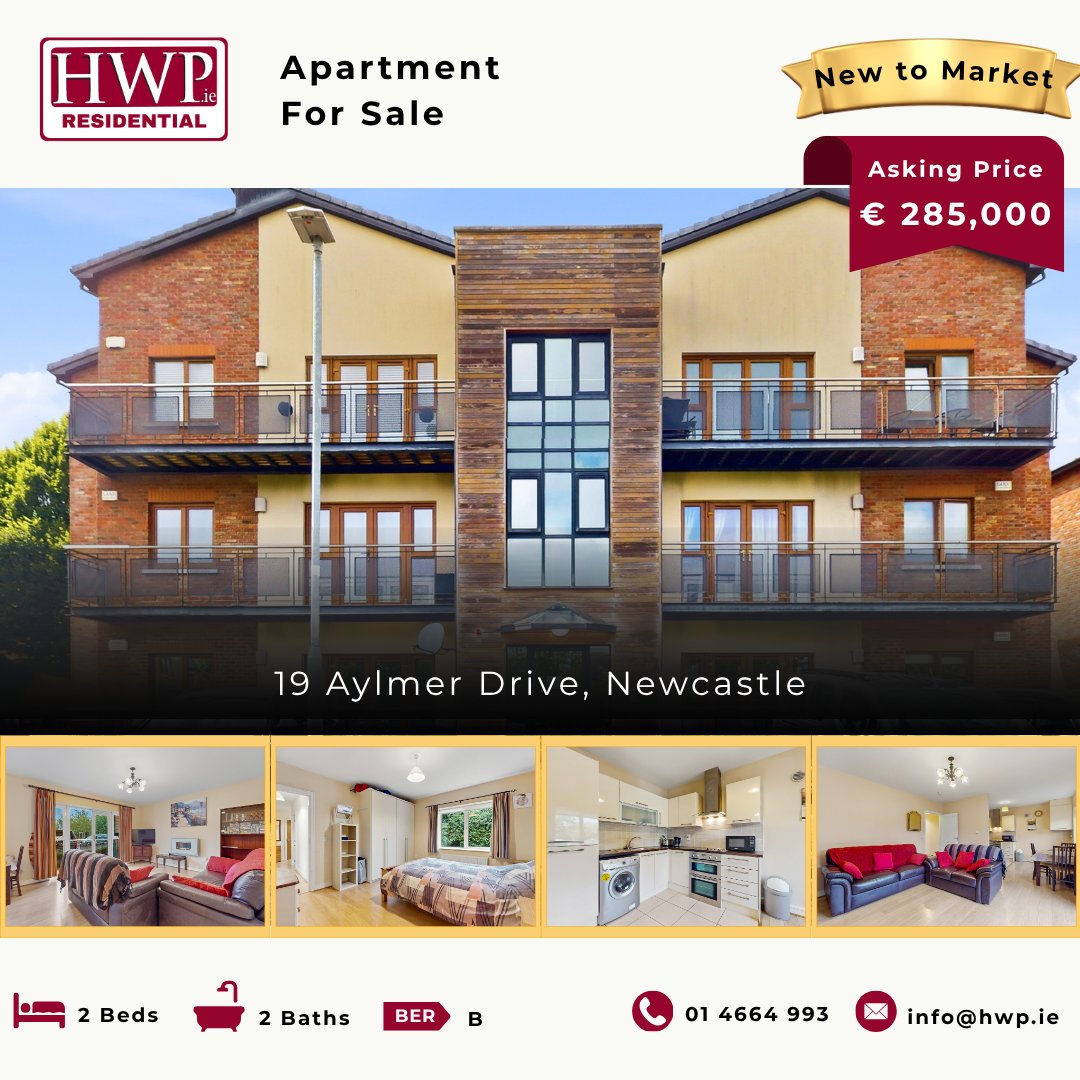
19 Aylmer Drive, Newcastle, Co. Dublin is now on the market 🏡
A bright 2 bed, 2 bath ground floor apartment in a well-connected Dublin 22 location, close to Newcastle Village, Citywest, Lucan, Clondalkin, the N7 and M50.
Ideal for first-time buyers, downsizers and investors.
1
1
120