
29 Apr 2025
After 15 years in this space, I've learned that technology works best when it adapts to human needs, not the other way around. That's the principle driving everything we build at @OctahedroidHQ.
Just as @drupalconsole emerged when developers needed better tools for the Symfony-based architecture in @drupal 8, today's API-first world demands new solutions. The challenge has shifted from generating modules to seamlessly connecting modern frontends with powerful content management.
What connects these projects is their focus on real-world friction points. Drupal Console didn't just generate code, it taught developers the new patterns they needed to understand. Similarly, Drupal Decoupled isn't just about separating frontend and backend, t's about making that separation productive and maintainable.
As Drupal CMS evolves toward more low-code solutions, developers building API-first architectures need tools that respect both technical flexibility and editorial workflows.
We've published an article exploring this evolution from Console to Decoupled, examining how community-driven solutions address the changing needs of developers and content teams alike.
#Drupal #DrupalConsole #DrupalDecoupled
29 Apr 2025

Drupal Console emerged as a practical response to the challenges created by the transition from Drupal 7 to 8. As that chapter closes, its spirit continues in Drupal Decoupled.
Both tools were born from specific pain points encountered by real developers.
Where Drupal Console helped navigate Symfony integration and new programming patterns, Drupal Decoupled now simplifies the integration of modern front-end frameworks in headless setups and API-first architectures.
But most importantly, what connects these projects is their focus on solving concrete problems through community collaboration, even amid the current shifts in the Drupal ecosystem, because we believe true innovation happens at the edges.
2
7
250
19 Dec 2022
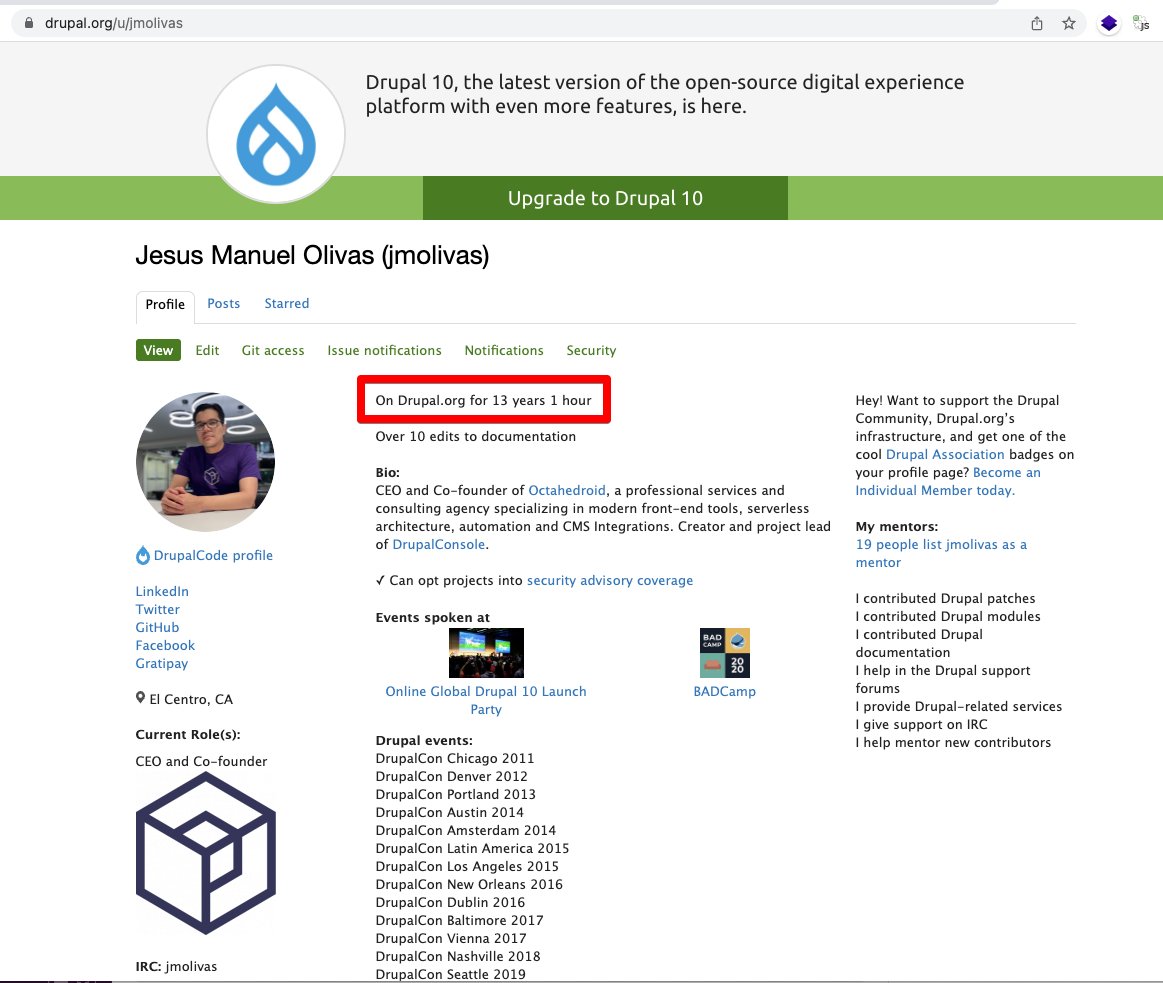
Today's my 13 #Drupalversary!
I do have a love/hate/love relation with #Drupal and tried left the boat a couple of times:
Before Drupal 8 then came back to create DrupalConsole.
Doing Jamstack/FE but back to work on Decoupled projects using #GatsbyJS #NextJS #Remix & #GraphQL.
4
1
32
1,700

18 Aug 2022
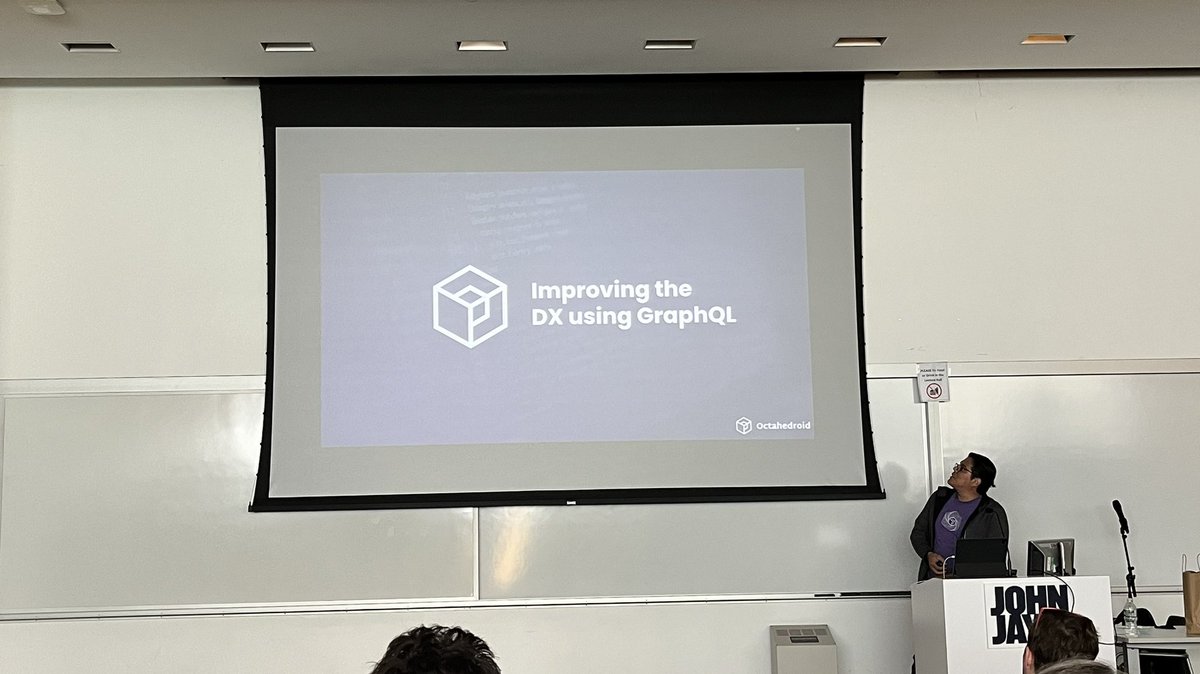
Today at @decoupleddays @jmolivas is presenting on DX with GraphQL.
So many flashbacks to when I first met him at BADCamp 2013. His DrupalConsole work back then automated so much boilerplate and he’s doing it again for GraphQL!
ALT The opening slide
1
4
19

12 Oct 2020
.@dmouse David Flores, y como broche de oro, nuestro fundador, organizador de eventos en pro del open source, cocreador de @drupalconsole y contribuidor en múltiples proyectos ¡Mucho éxito en esta nominación!

1
1
7
12 Oct 2020
.@eclipxoide Carlos C Soto otra celebridad de nuestra comunidad, desarrolla librerías de código abierto de uso general y factura electrónica en @phpCfdi, convencido del valor de la comunidad y el software libre como herramienta de crecimiento humano. ¡Gracias y mucho éxito!

2
1
4
12 Oct 2020
.@gnuget David Valdez otra gran estrella dentro de #phpMX, famoso en la Keynote del @DrupalCon Seattle(youtu.be/Nf_aD3dTloY?t=2317) como un ejemplo de amabilidad cuando se trata de apoyar nuevas contribuciones. ¡Muy merecida nominación, mucho éxito!

1
2
12 Oct 2020
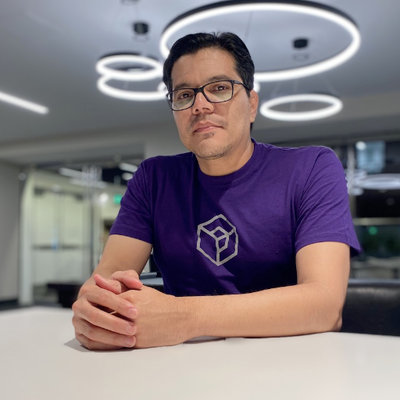
.@jmolivas Jesus Manuel Olivas una de nuestras más grandes estrellas dentro de la comunidad. es co-fundador de @OctahedroidHQ y creador de @DrupalConsole. ¡No podías faltar en la nominación, un honor tenerte en la comunidad, mucho éxito!
1
5

15 Aug 2020
Yesterday I finished the @drupalconsole support for D9! In the coming weeks I will be sending fixes for some commands and removing deprecated code in generators
#Drupal #Drupal9
1
12
27

4 Jun 2020
Dear Drupal community, I'm looking for support, help me to maintain and develop the @drupalconsole 2.0, we need DC in Drupal 9 💪
My working plan: github.com/sponsors/dmouse
#Drupal9 #CelebrateDrupal #drupal8
3
15
13

6 May 2020
Definitely. It set a great example. I'm kind of glad that we're back to one primary tool, but it was definitely the better tool for a while.
5
6 May 2020
Not sure if dead but in hiatus yes. But even if death @drupalconsole did a really important task. Modernize the @drupal CLI world and make @DrushCli follow our path of take advantage of OOP and @symfony components. I may write a blog post related to all this story and the drama.
2
6
33

12 Jan 2020
stackoverflow.com/questions/…
#drupal #drupalconsole #drupal8 @drupalconsole @drupal @Dries @drupal8changes anyone can give me the exact solution to this question
2
2
3 Dec 2019
Personal Blog => jmolivas.com/
DrupalConsole site => drupalconsole.com/
Pantheon Documentation => pantheon.io/docs/
A few Research and Development projects I can not mention publicly :( #BuiltWithGatsby
3
7 Nov 2019
Not much content to manage, since a lot of data comes from the Github API, and the site will be maintained by tech people (no GUI needed). But more important we wanted to have a single repository for the site plus the documentation and the docs content was already using md files.
1
3
7 Nov 2019
I will write a series of blog posts explaining how the site was built. Keep in touch for the publications if interested on the topics.
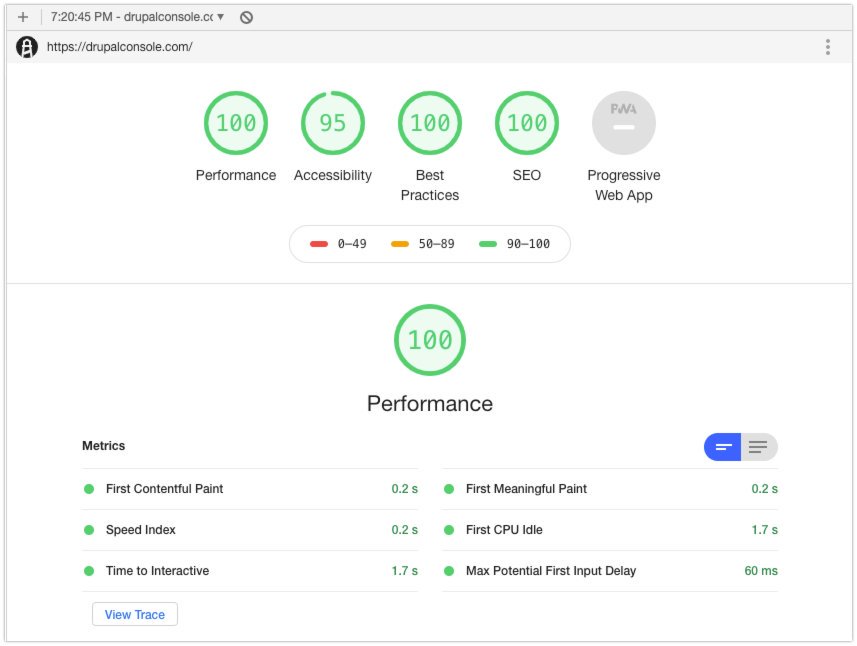
And for those interested to see the lighthouse audit report of the #DrupalConsole site. You can see it here.
2
6
7 Nov 2019
As you can expect the #DrupalConsole site is Open Source and you can contribute improving it on this repository github.com/hechoendrupal/dru…
This repository also contains the documentation and you can find docs content here github.com/hechoendrupal/dru…
1
3
7 Nov 2019
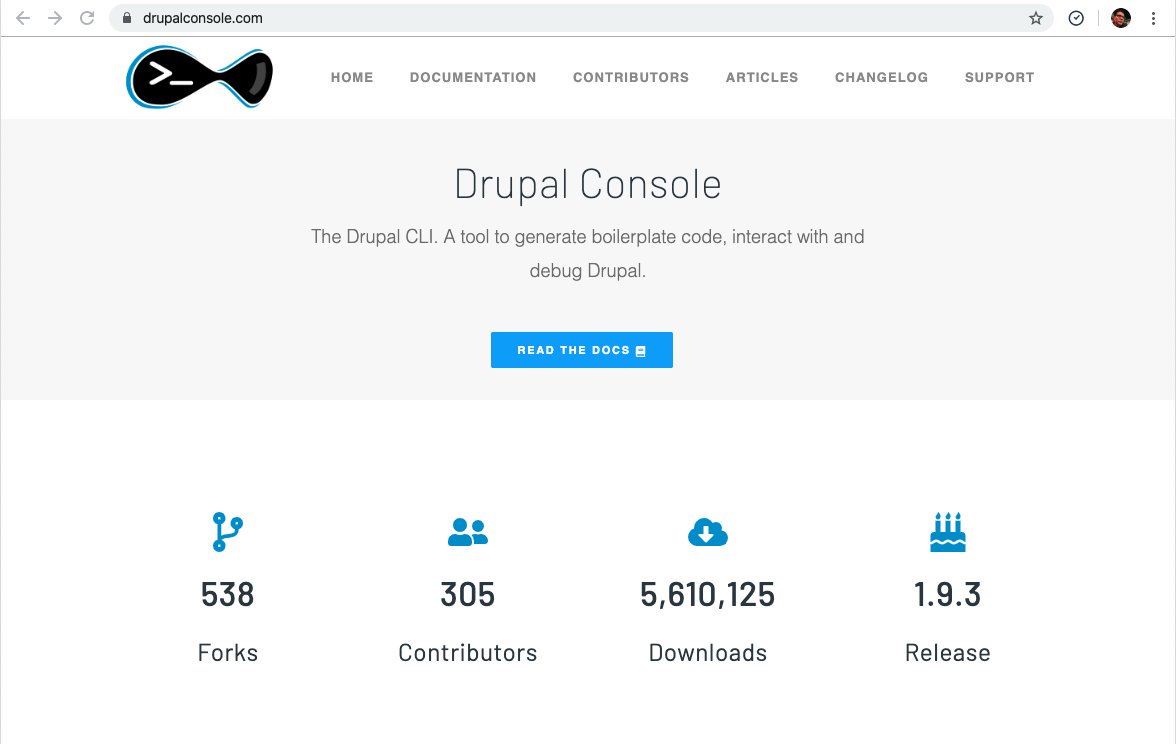
The new #DrupalConsole site is out now drupalconsole.com/. It was built using #GatsbyJS and markdown files (no headless cms here) and it was deployed to @GCP ~ @Firebase.
The site consumes data from the @github API via a Cloud Function on the build process at `sourceNodes`
4
8
29

Aprende a contribuir traduciendo #drupalconsole con esta magnífica sesión del #DrupalDaySpain que se celebrará en Zaragoza el 23 de Noviembre
¡os espero a todos allí! 2019.drupalday.es/sesion/tra…
3
2