

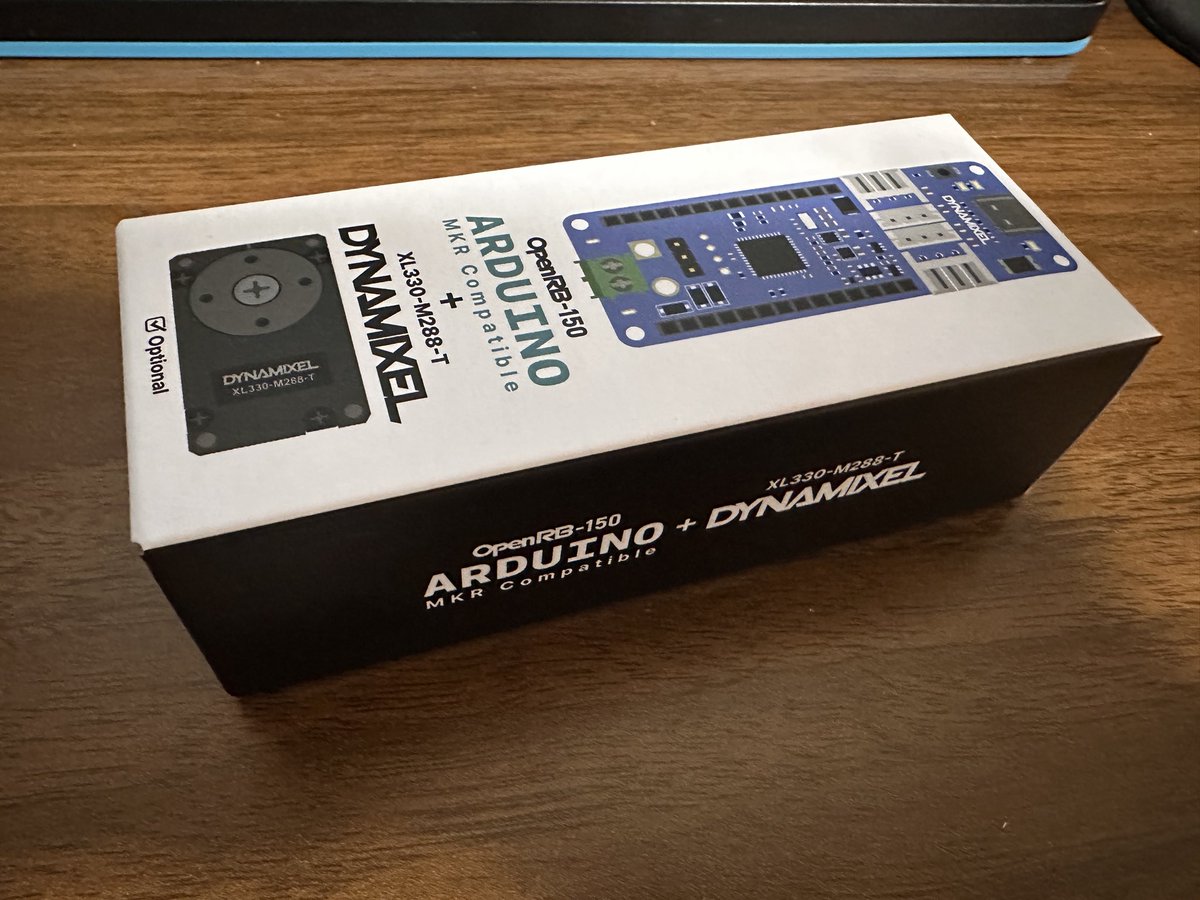


1
101
銀砂塵 retweeted
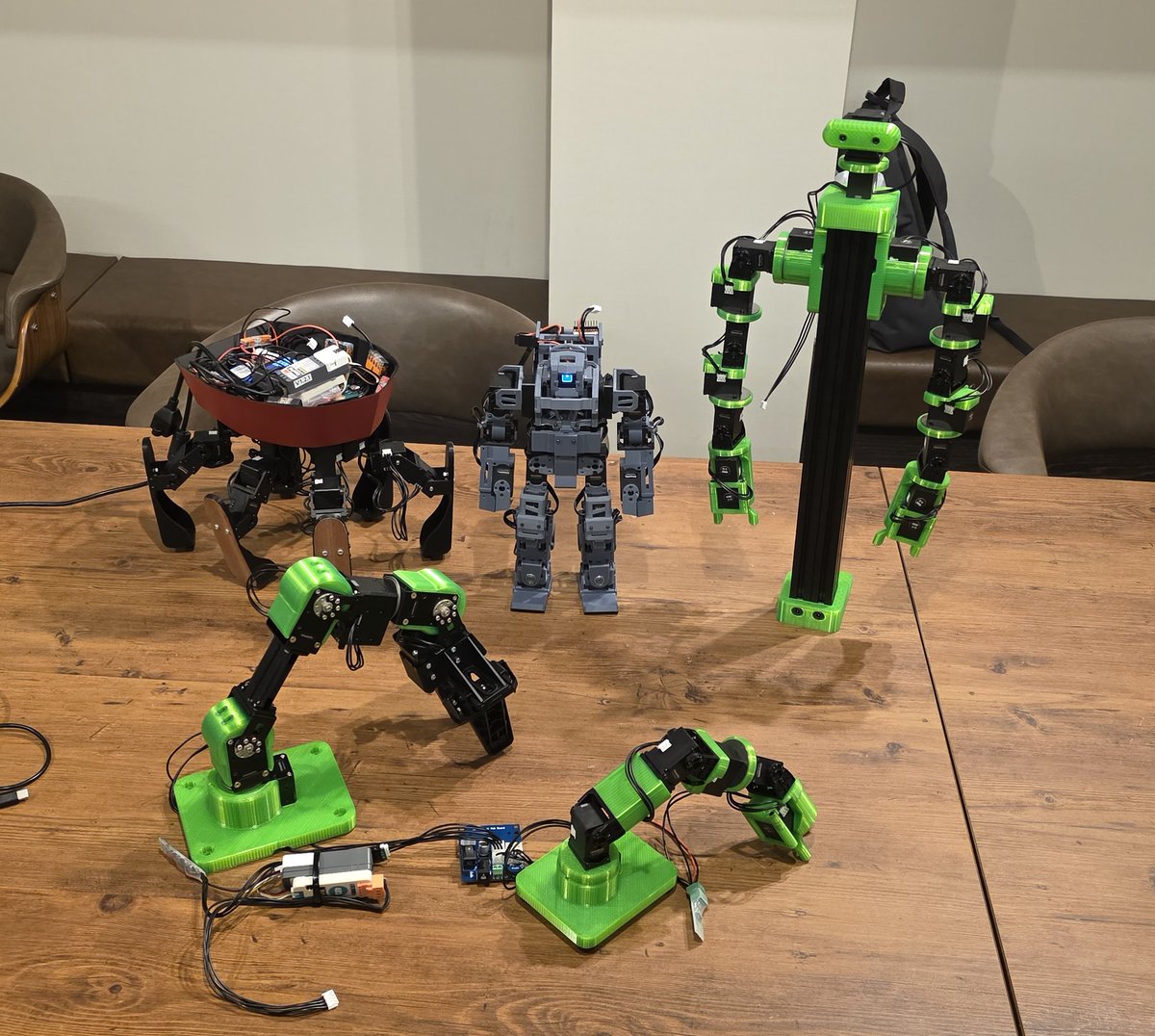
今日も吉崎さん達と技術的な話を沢山できて楽しかったです!
これは今日のロボットの集合写真です.来月集まる時には大きい方のToPoDualArm-MaxやToPoHandも完成させておきたいです!
#FuzzRoBo #ToPoArm #V_Sido #DYNAMIXEL
2
5
690
東海林ファジィロボット研究所 所長兼CEO retweeted
1
6
17
2,459

Jun 11
South Korea's ROBOTIS says it taught its open-source humanoid robot to dance like a K-Pop star using just smartphone footage.
Seoul-based ROBOTIS, whose Dynamixel actuators power Disney Imagineering's Olaf bipedal robot, is developing its AI Sapiens platform to rival Unitree's G1.
The team says it taught the compact humanoid to perform the "REDRED" dance challenge by the group CORTIS with no specialized motion-capture setup. They used software to convert the recording into motion data for the robot's digital twin to train on with reinforcement learning in simulation.
In the virtual world, the humanoid robot practiced the movements over and over to find the best ways to balance and move safely. The learned behaviors were then transferred to the physical robot through a process called Sim2Real, short for Simulation to Reality.
The AI Sapien robot stands 1.3 meters (4 feet 3 inches), weighs 34 kg (75 lbs), and boasts 23 degrees of freedom (DoF). Each of its joints is powered by the company's advanced Dynamixel Q actuators. The robot’s onboard artificial intelligence runs on an 8-core ARM processor, with a Mali GPU and a dedicated neural processing unit (NPU). Its battery lasts for about an hour or two per charge.
Its technical specs are similar on paper to China's Unitree G1 humanoid, which has soared in popularity among researchers, developers, and content creators thanks to its relatively low entry price. However, AI Sapiens is fully open sourced, while only higher-end G1 configurations offer the same level of customizability.
ROBOTIS, launched in 1999, has not confirmed a release date or pricing, but Korean reports indicate it'll be below $10,000.
7
8
32
2,942

Jun 11
what exactly is the difference compared to dynamixel motors ?
1
1
46
東海林ファジィロボット研究所 所長兼CEO retweeted

Jun 10
かわいーーほしーーーDYNAMIXELの在庫ーーー🫠
Jun 10

組み立て不要で買えるオープンソースの四足歩行ロボット「Q8botOne」 fabscene.com/new/news/q8boto…
1
14
3,642


Jun 10
Teaching our open humanoid @ROBOTIS AI Sapiens to dance! 🤖💃
We extracted 3D motion from raw 2D video (no MoCap device!) and trained it in NVIDIA Isaac Sim. Thanks to high-precision DYNAMIXEL-Q, we achieved an ultra-low Sim2Real gap for fluid movement!
- Video: youtu.be/NeL2BmgcFJs
13
44
188
157,311
たかはし retweeted

Jun 7
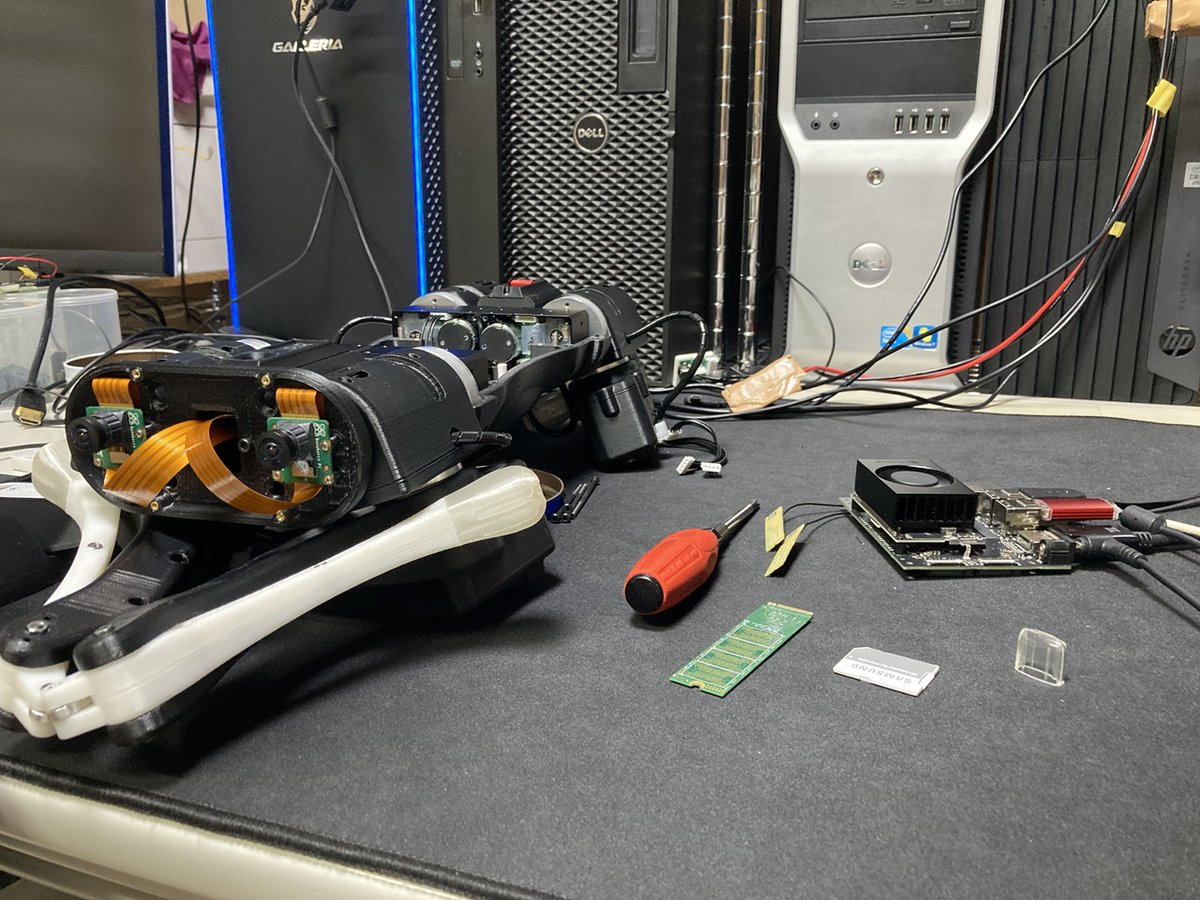
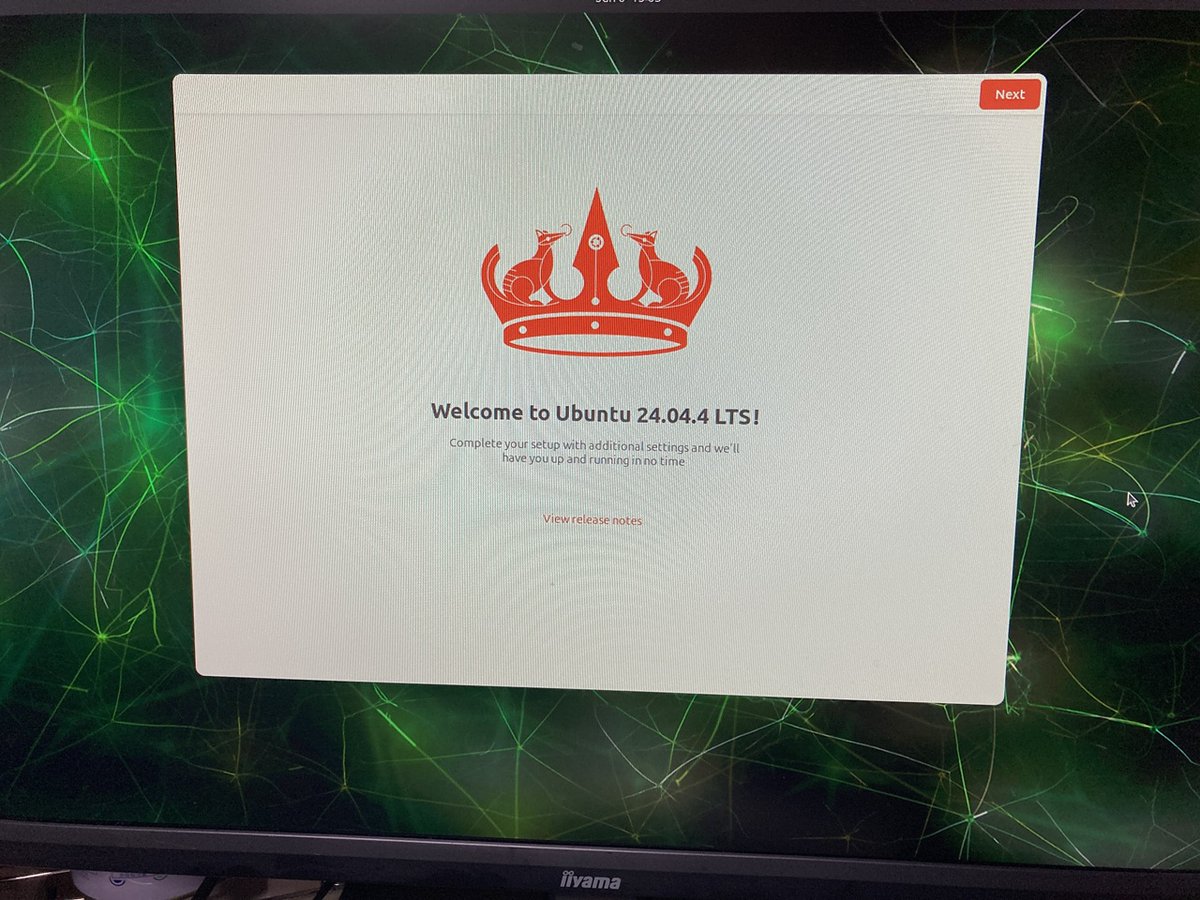
JetPack 7.2 Ubuntu 24.04(Orin Nano)で Dynamixel Hardware Interface のテスト完了。
ros2_control 関係の問題も発生せず一安心。
Jetson Orin Nano Superは、メモリが8GBしかないので少々厳しい…。

8
81
11,955

通常のPWMサーボからFeetechやDynamixel,Hiwonderのシリアルサーボをコード無しで制御できるソフトを海外の開発者さんから紹介された。
vivigi.org
シリアルサーボ使える!と思ったけどどう繋ぐかなどが全然分からないのでまずはそこから調べていかないと…
104

Jun 8
does the regulation cover Chinese actuators as well? many of the American and European robots are built on Damiao, Feetech, Robstride actuators.
I guess Dynamixel is an alternative?
4
520
東海林ファジィロボット研究所 所長兼CEO retweeted

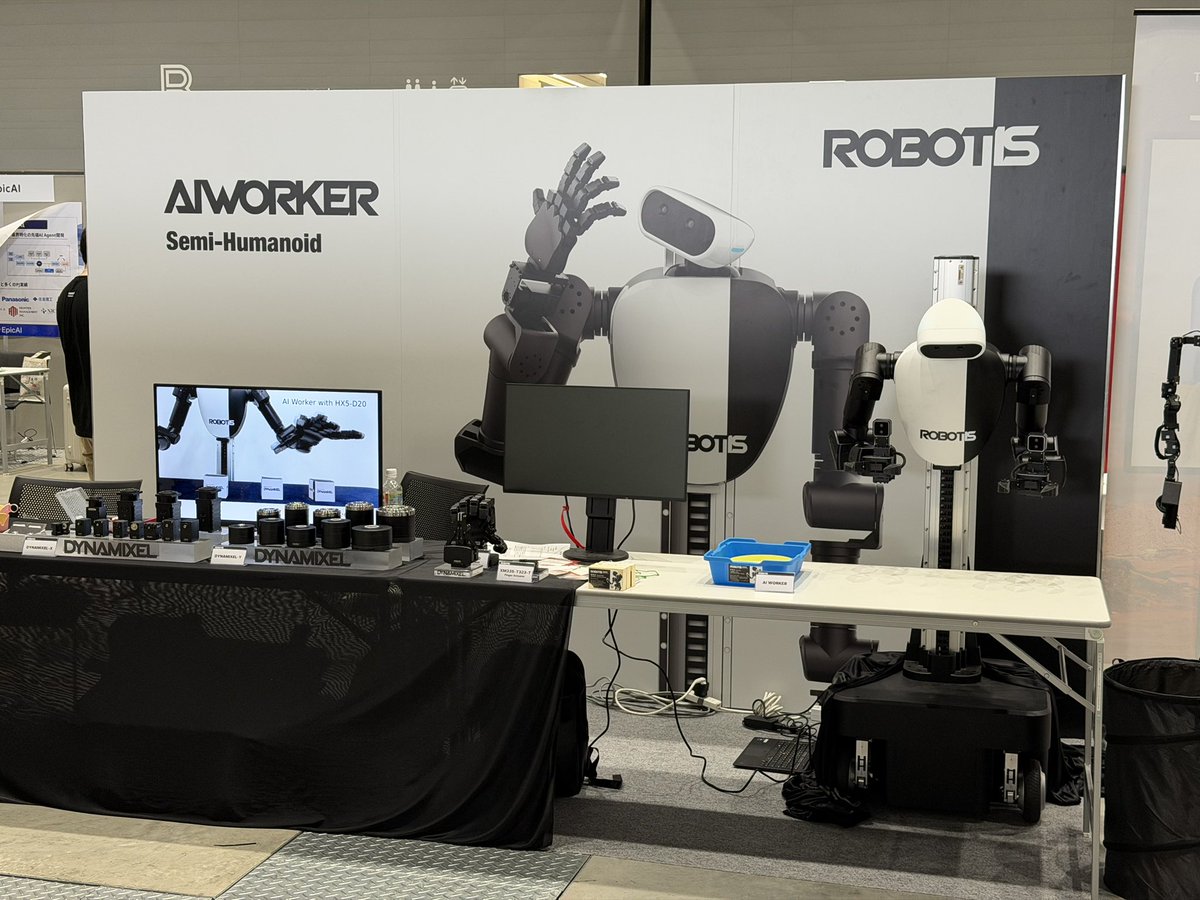
本日より #JSAI2026 に出展しています!
ROBOTISブースでは、DYNAMIXEL、AI Workerなどを展示中です。
ご来場の際はぜひお立ち寄りください!
#ROBOTIS #DYNAMIXEL #PhysicalAI
1
14
665