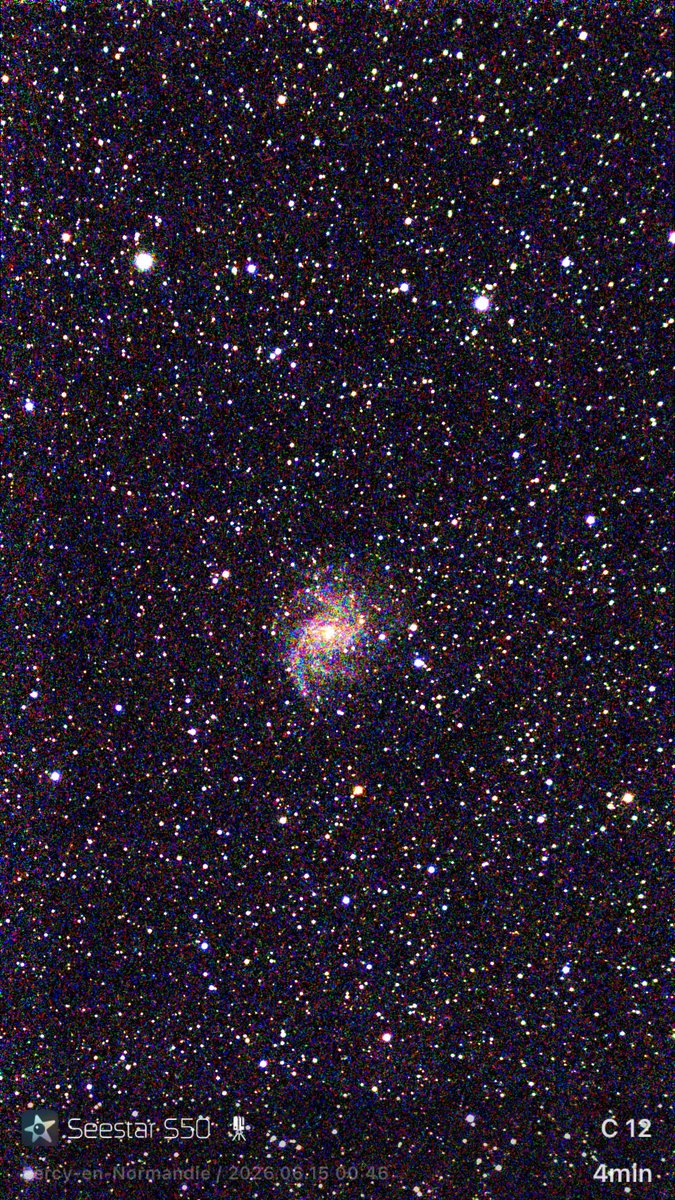
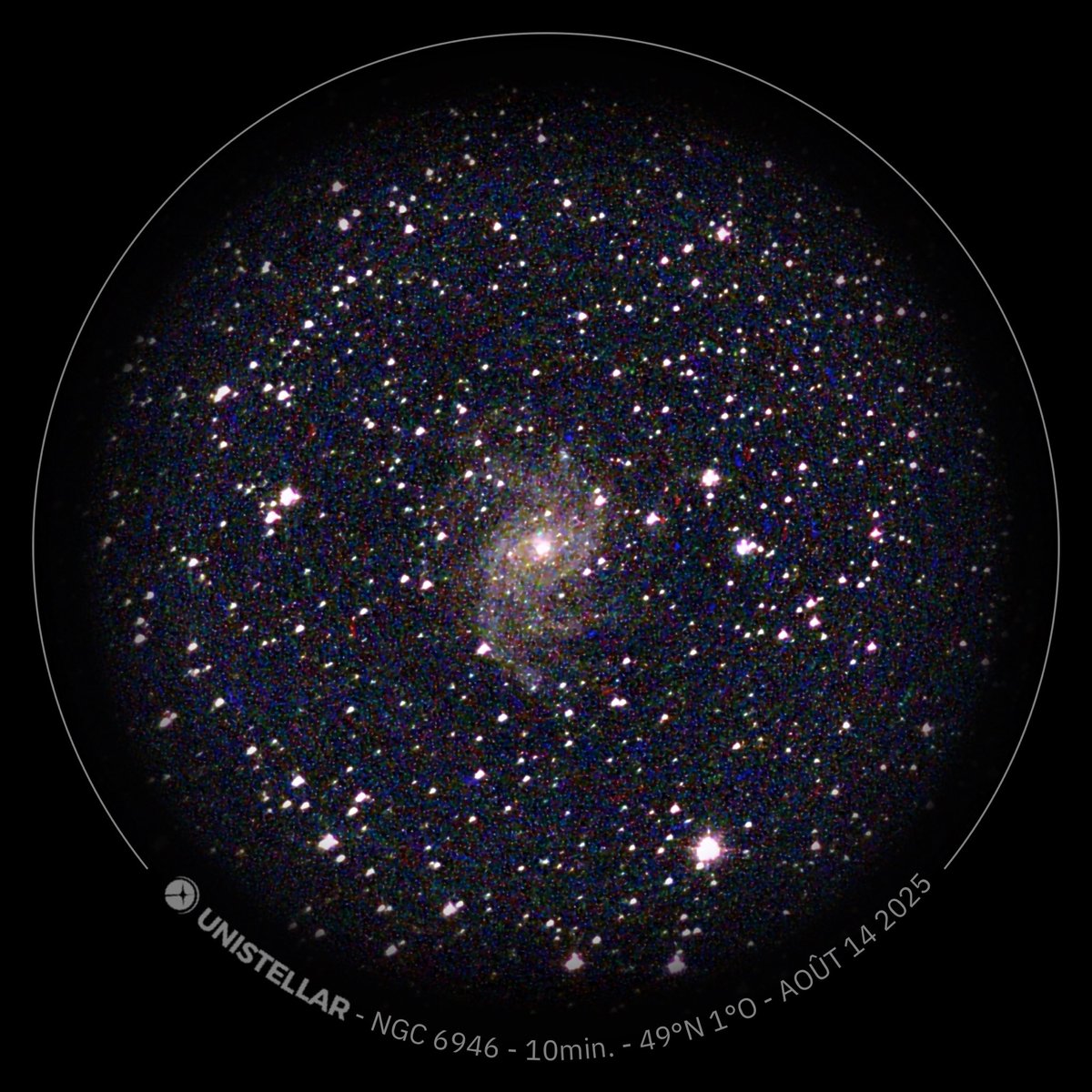
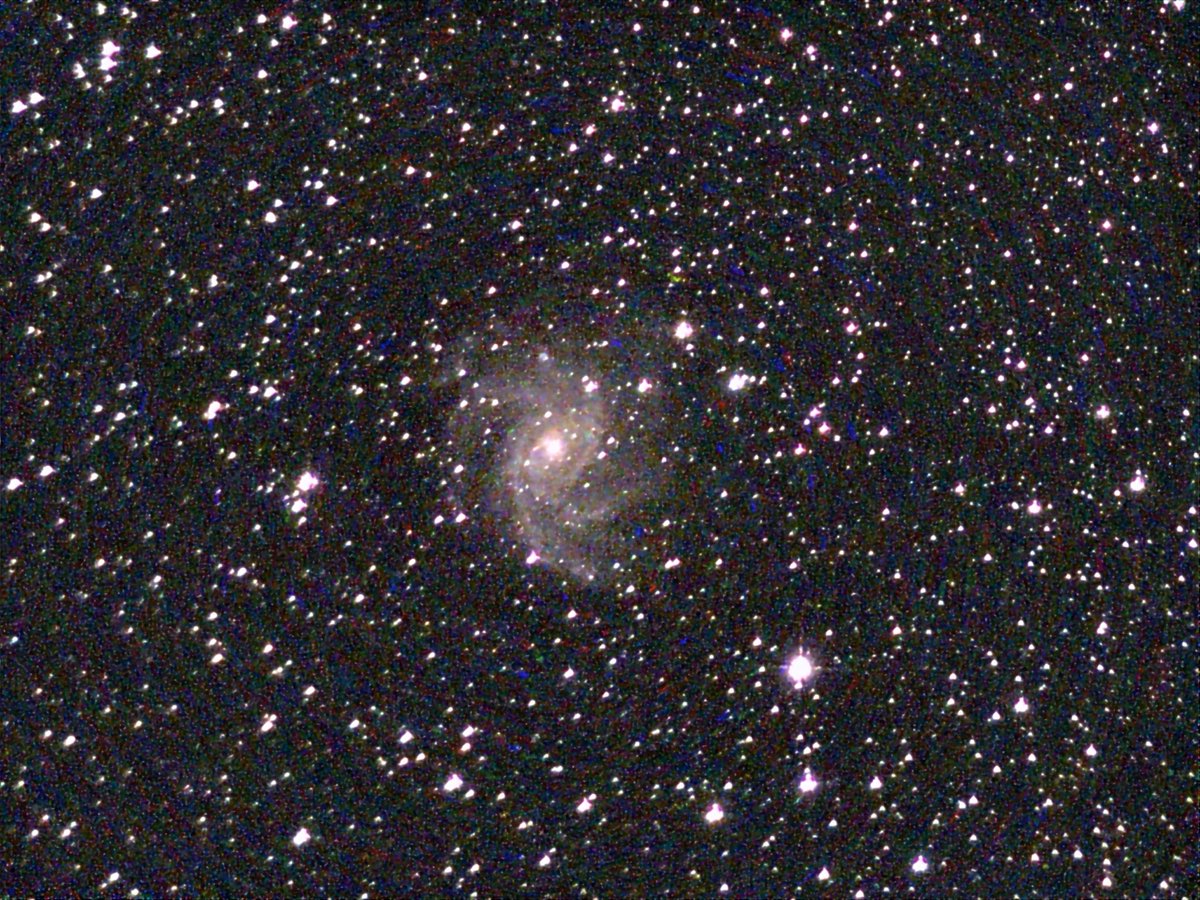
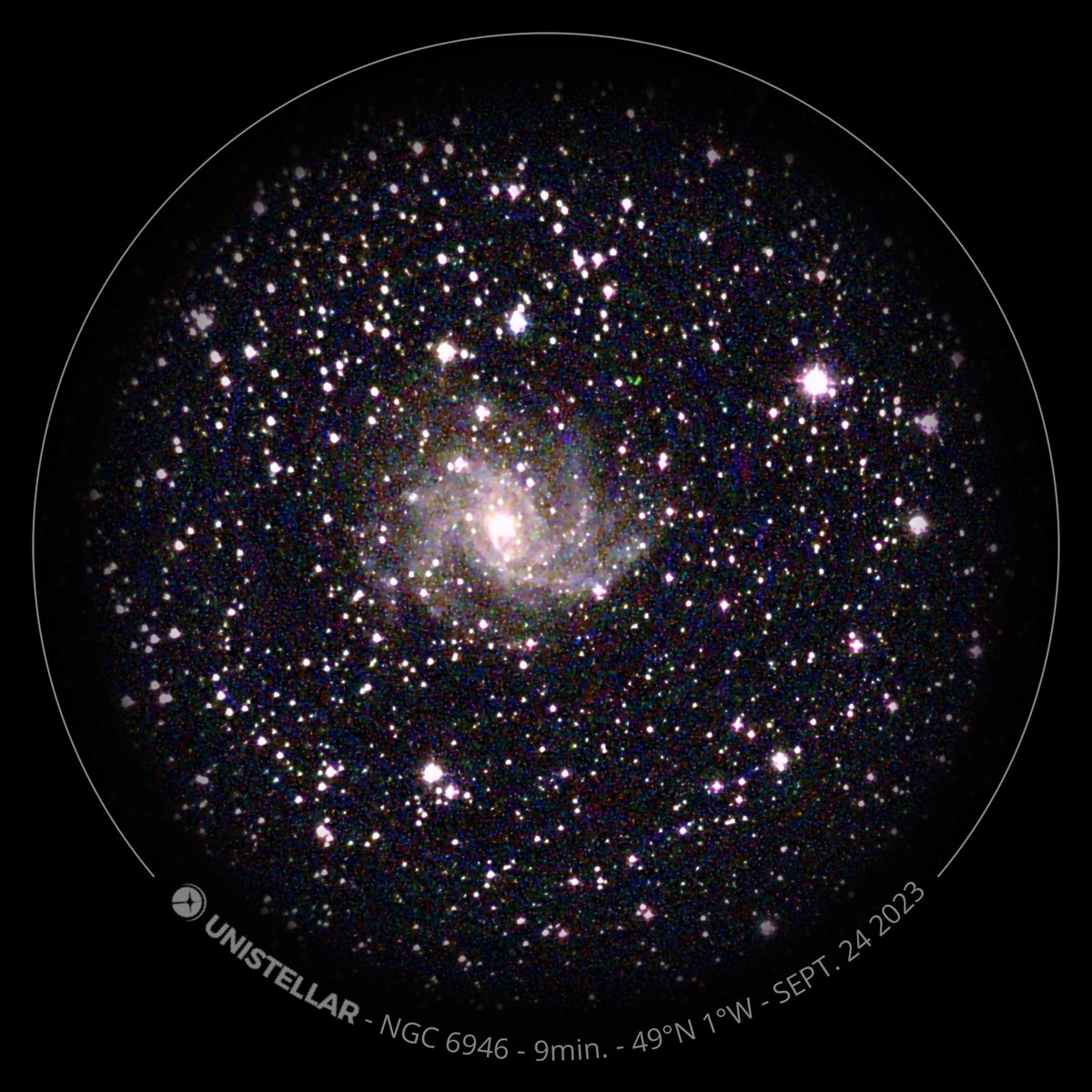
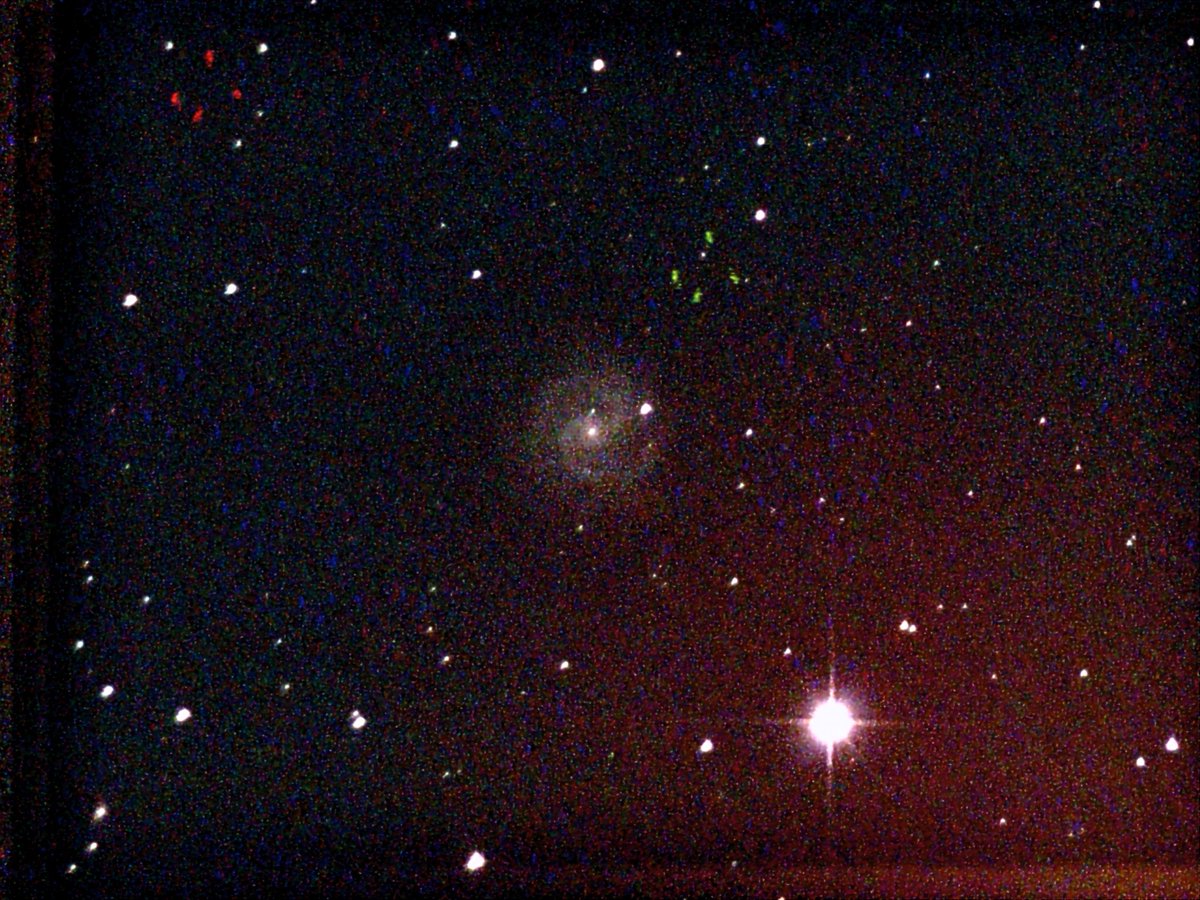
C12, NGC 6946, Fireworks Galaxy, mid-sized spiral galaxy, 22.5 million ly away on the border of Cepheus & Cygnus 🔭on June15, 2026 w/ @zwoastro #Seestar S50🔭on Aug14, 2025 & Aug27, 2024 & Sept24, 2023 w/ @Unistellar #eVscope #Space #Astronomy Cosmic Cycle
2
24

Jun 14
Last week there was a chance to catch the #asteroid (954) Li passing in front of a distant star. Me and my colleague @GuilletBruno1, from the @Unistellar citizen science network, successfully observed the #occultation with our #eVscope|s from our locations in Italy & France.

1
1
4
245

Jun 14
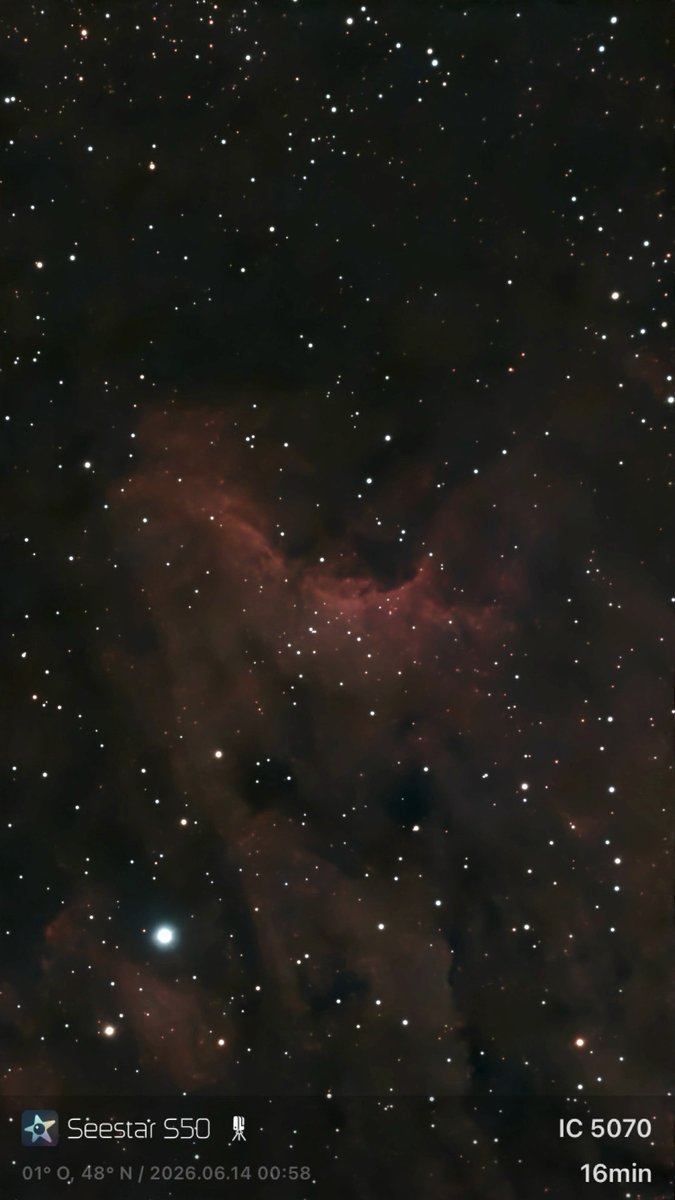
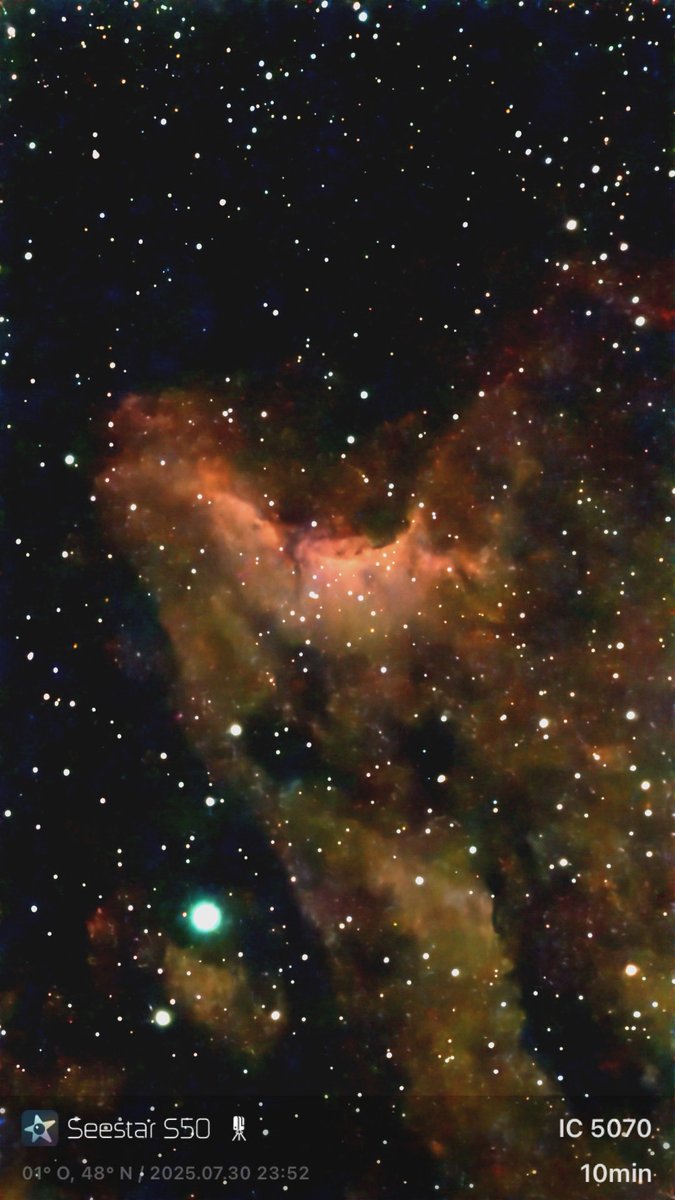
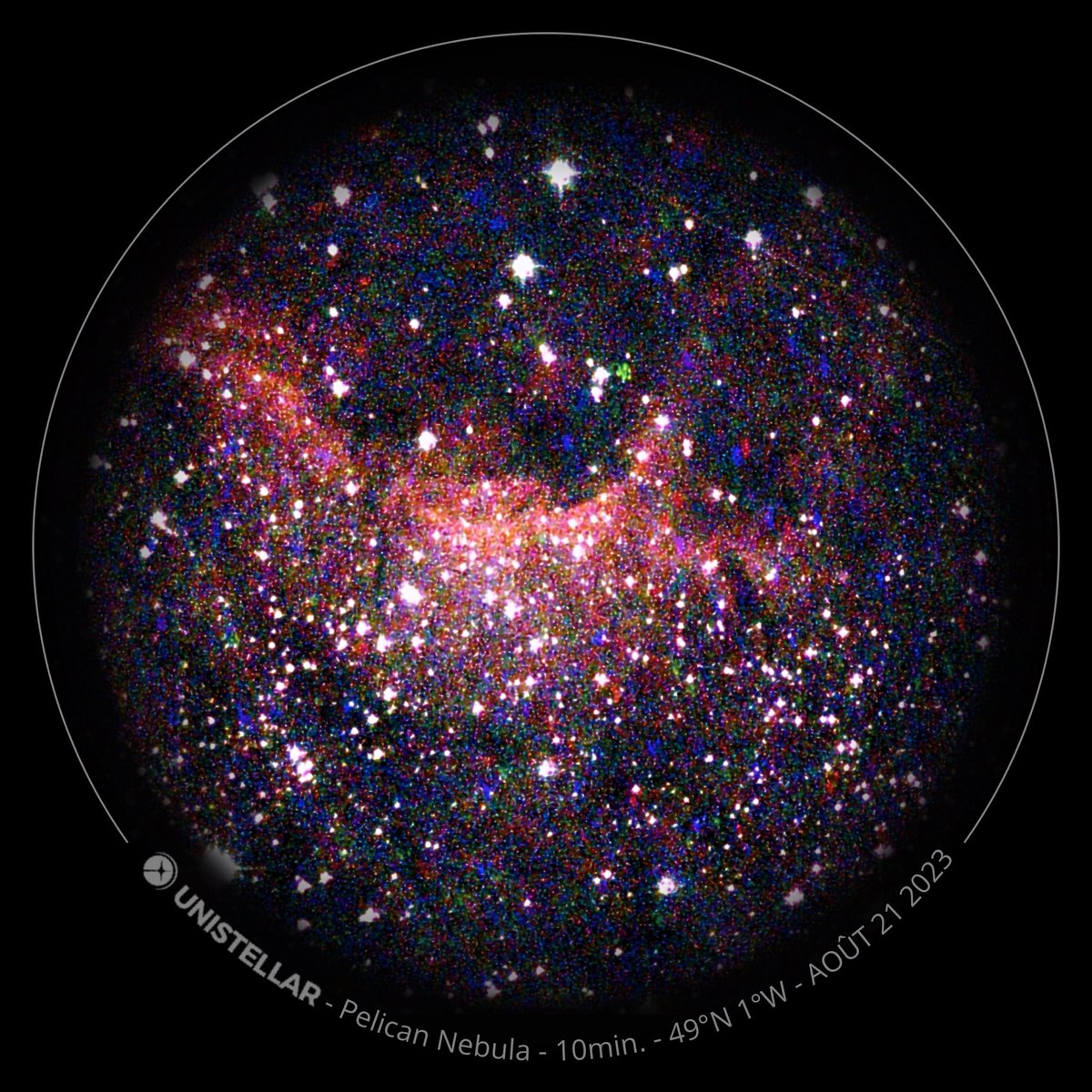
IC5070, the Pelican Nebula, from Percy in Normandy🔭w/@zwoastro #Seestar S50 on June14, 2026 & on July30, 2025🔭w/ @Unistellar #eVscope on Aug21, 2023 #Space #Astronomy
2
39
Jun 10
Jun 10

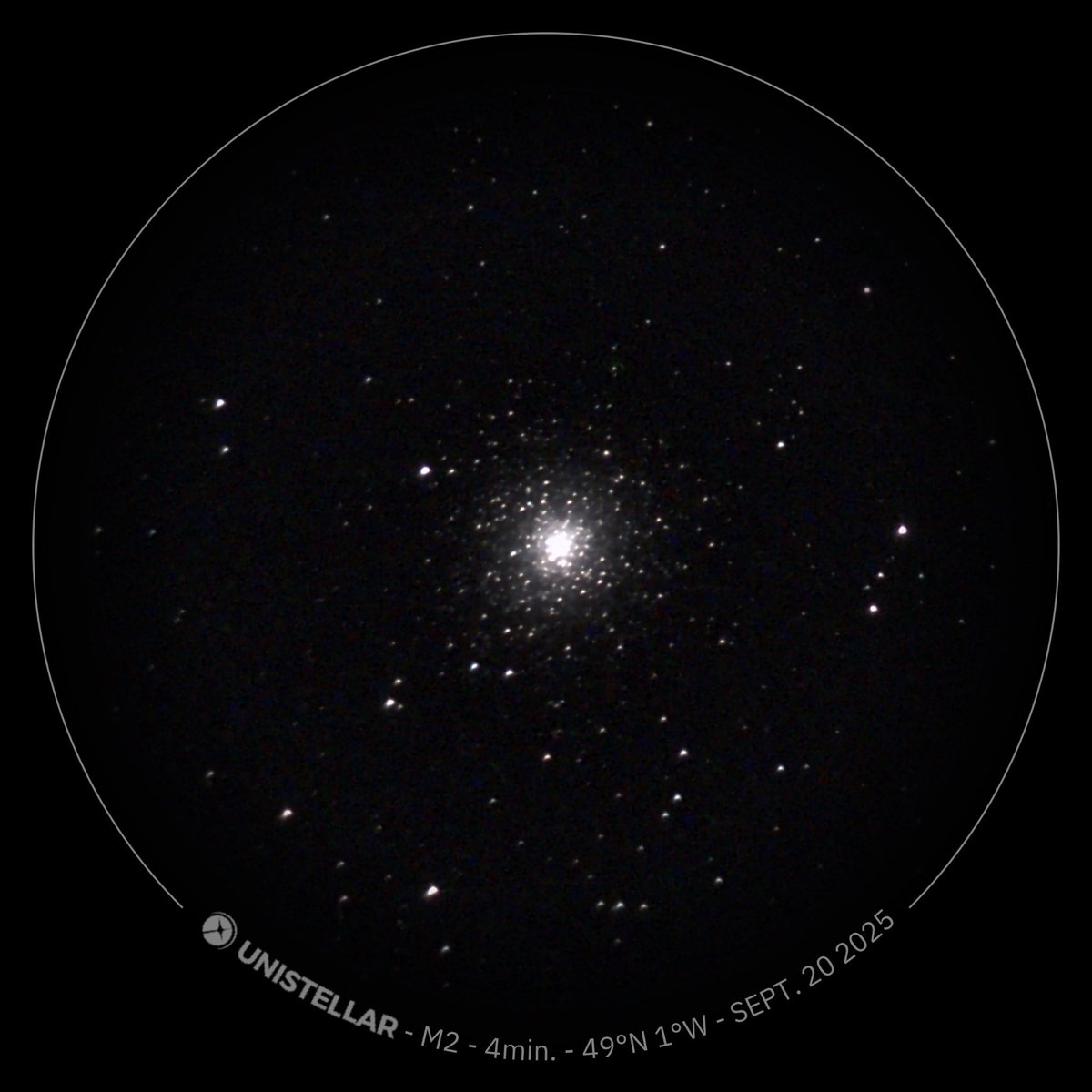
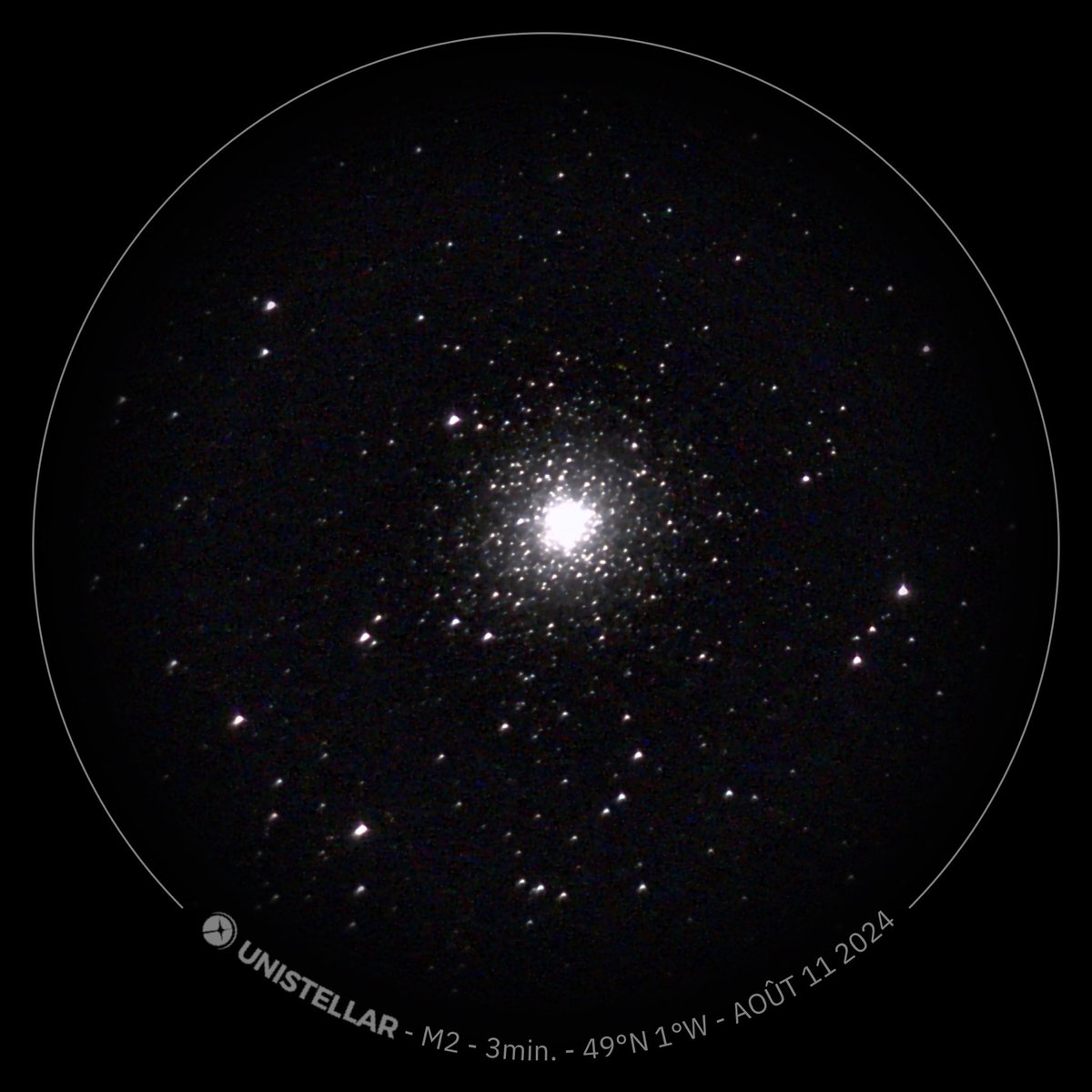
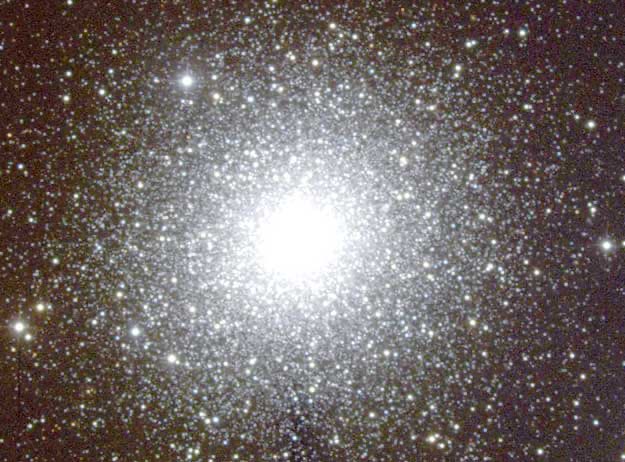
#Itwas (June10, 2001) mentionned on apod.nasa.gov/apod/ap010611.… « Globular Cluster M2 » ; Beneath the south pole of Milky Way lies a ball of over 100,000 stars: M2 🛰️Img D. Williams, N. A. Sharp, AURA, NOAO, NSF
#Space #Astronomy
2
50

Jun 7
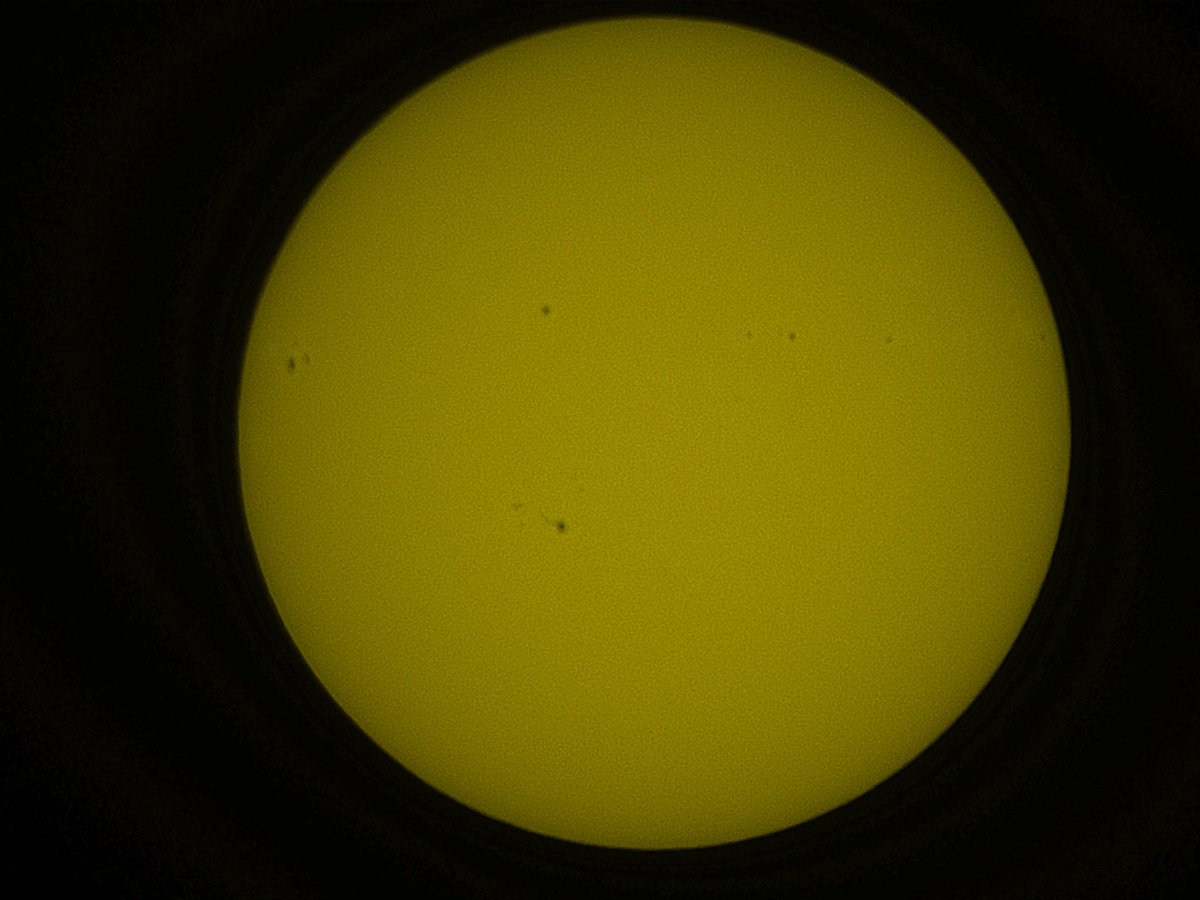
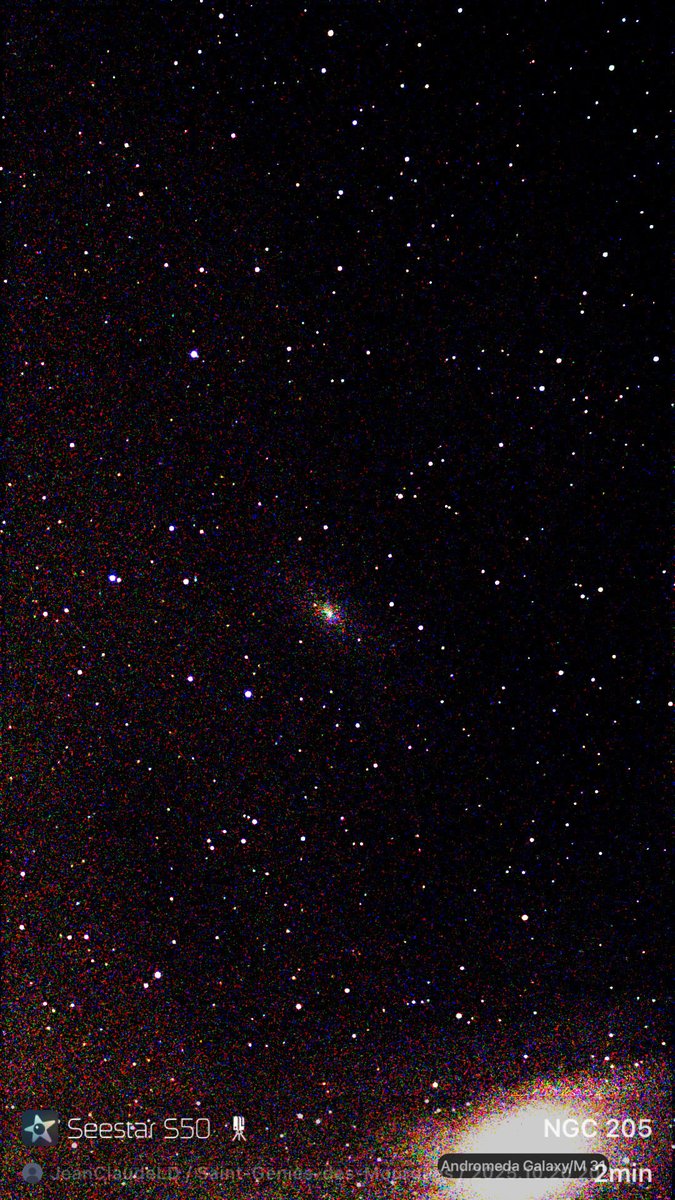
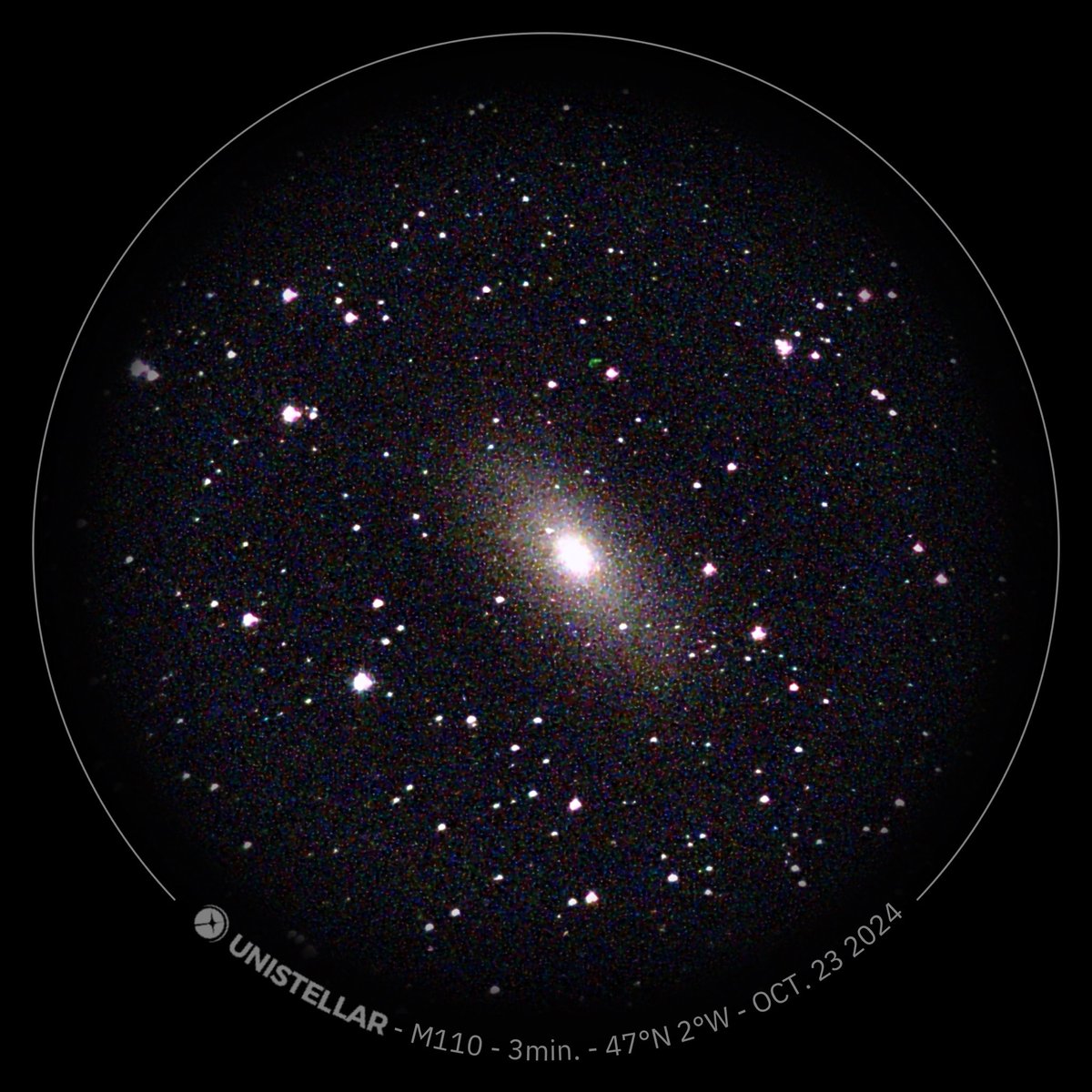
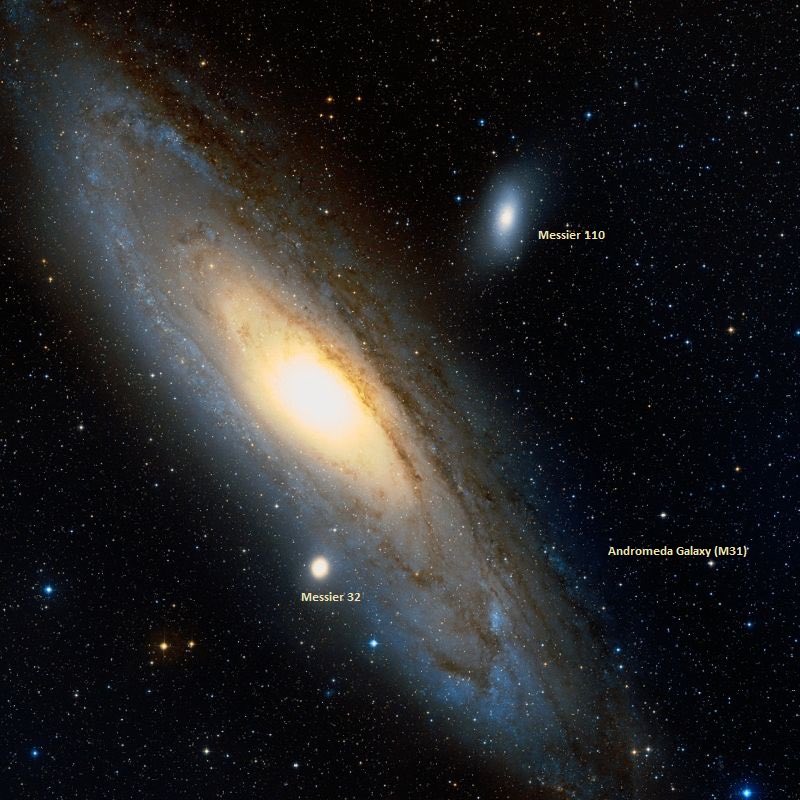
NGC205 or M110, a dwarf elliptical galaxy, in Andromeda🔭Img1 w/ @zwoastro #Seestar S50 on Oct20, 2025🔭Img2 w/ @Unistellar #eVscope on Oct23, 2024🔭Img3 universetoday.com/articles/e… #Space #Astronomy
3
48
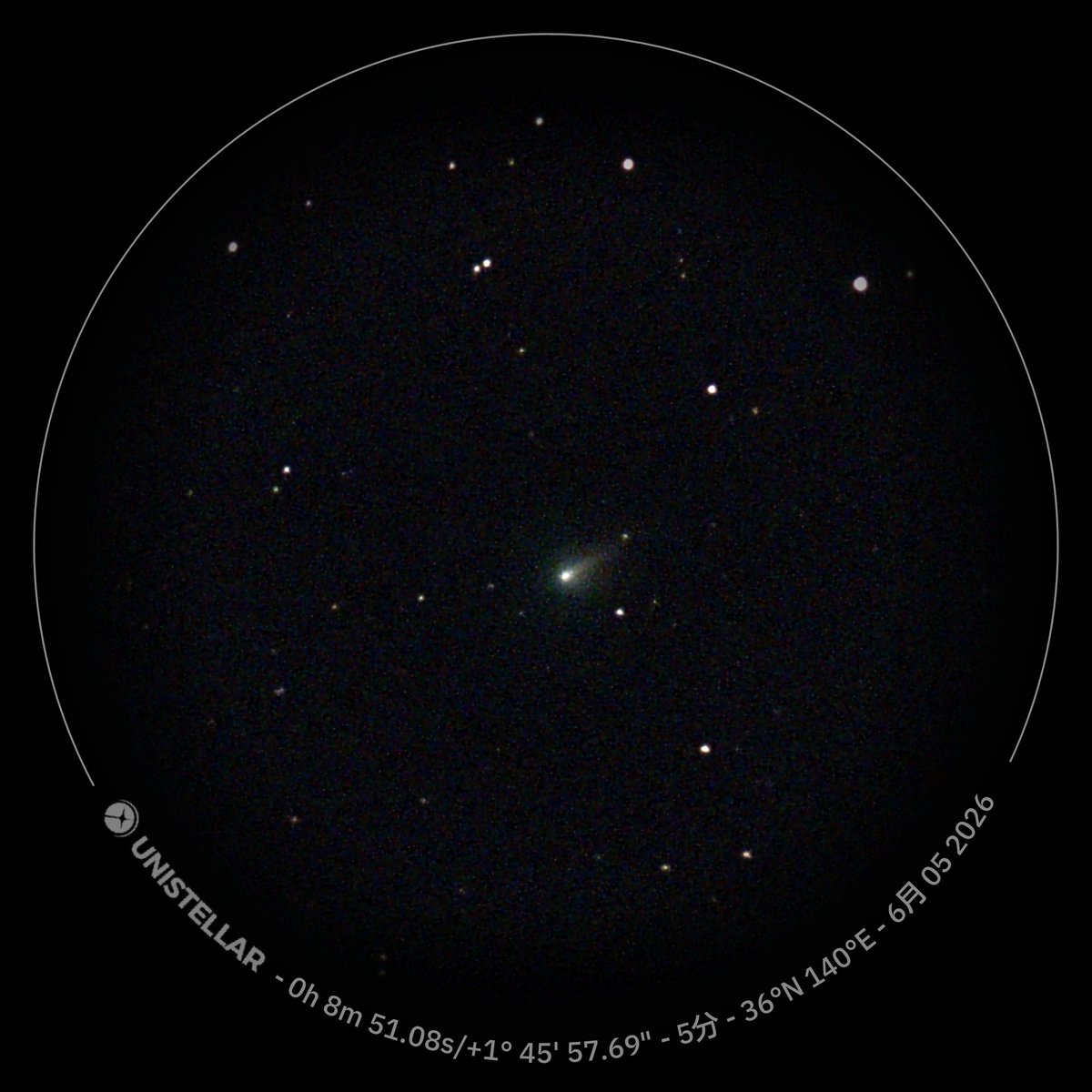
6月5日(金)早朝のマクノート彗星 220P/McNaught。6月2日(UT)のアウトバーストで18等から8等へと急増光し、3日目。明るく、しっかりとした尾が写る。奇跡的な(?)2時間ほどの晴れ間に、T CrB、10P、220P、88Pを見ることができた。
2026/6/5 02:15-02:20 (JST) #eVscope exp=5min EL=17deg
6
36
604
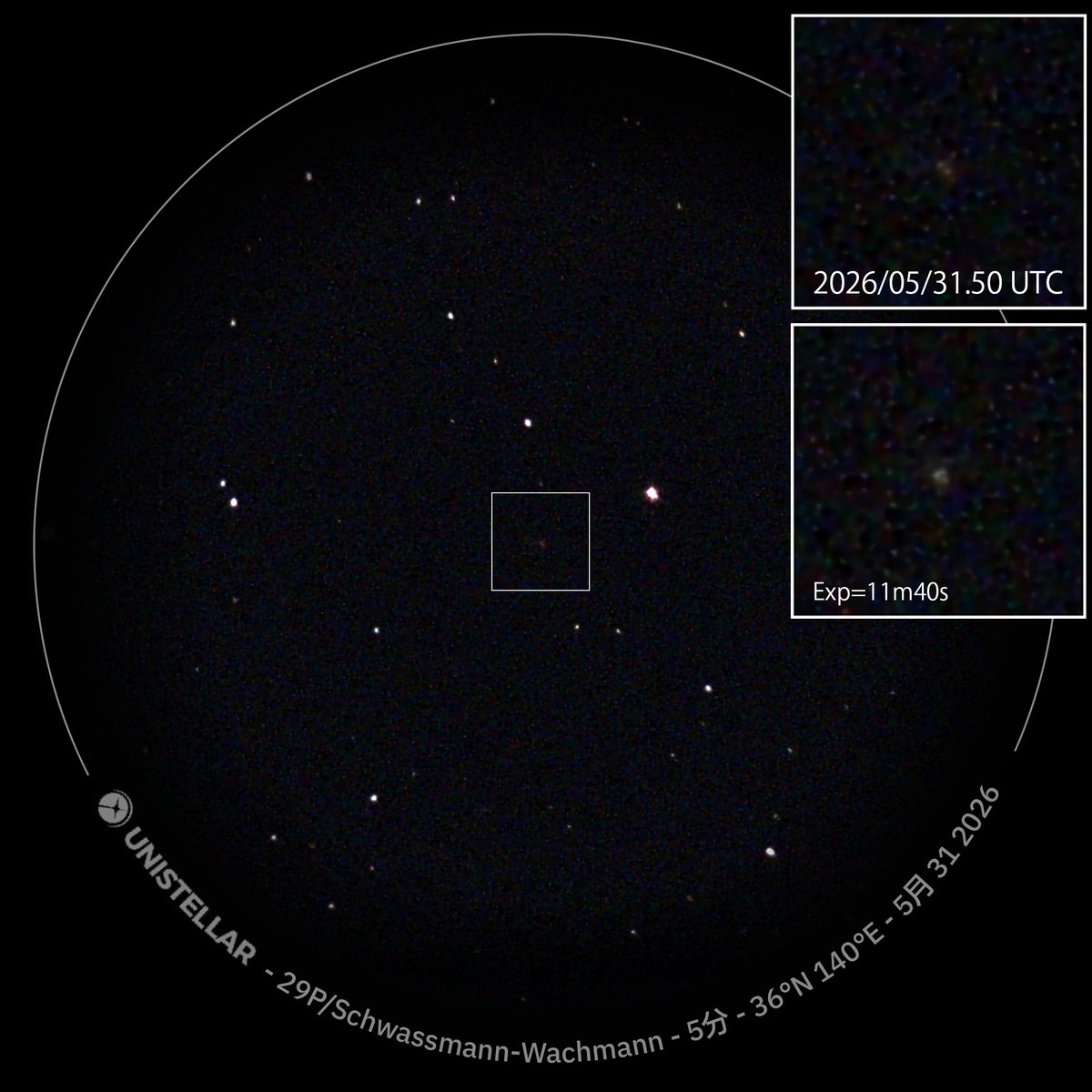
満月の夜、5月31日(日)のシュワスマン・ワハマン第1彗星 29P/Schwassmann-Wachmann 1。アウトバースト、2日後、すでに中心核がはっきりしない。来週には、天文薄明終了時に高度30°を下回ってしまう。
2026/5/31 21:02-21:10 JST #eVscope exp=5min
3
6
173
Jun 1
M16, Eagle Nebula. So fabulous as an amateur to be able to capture it🔭Img w/ @Unistellar #eVscope on July14, 2024, & on Oct6, 2023. #Space #Astronomy
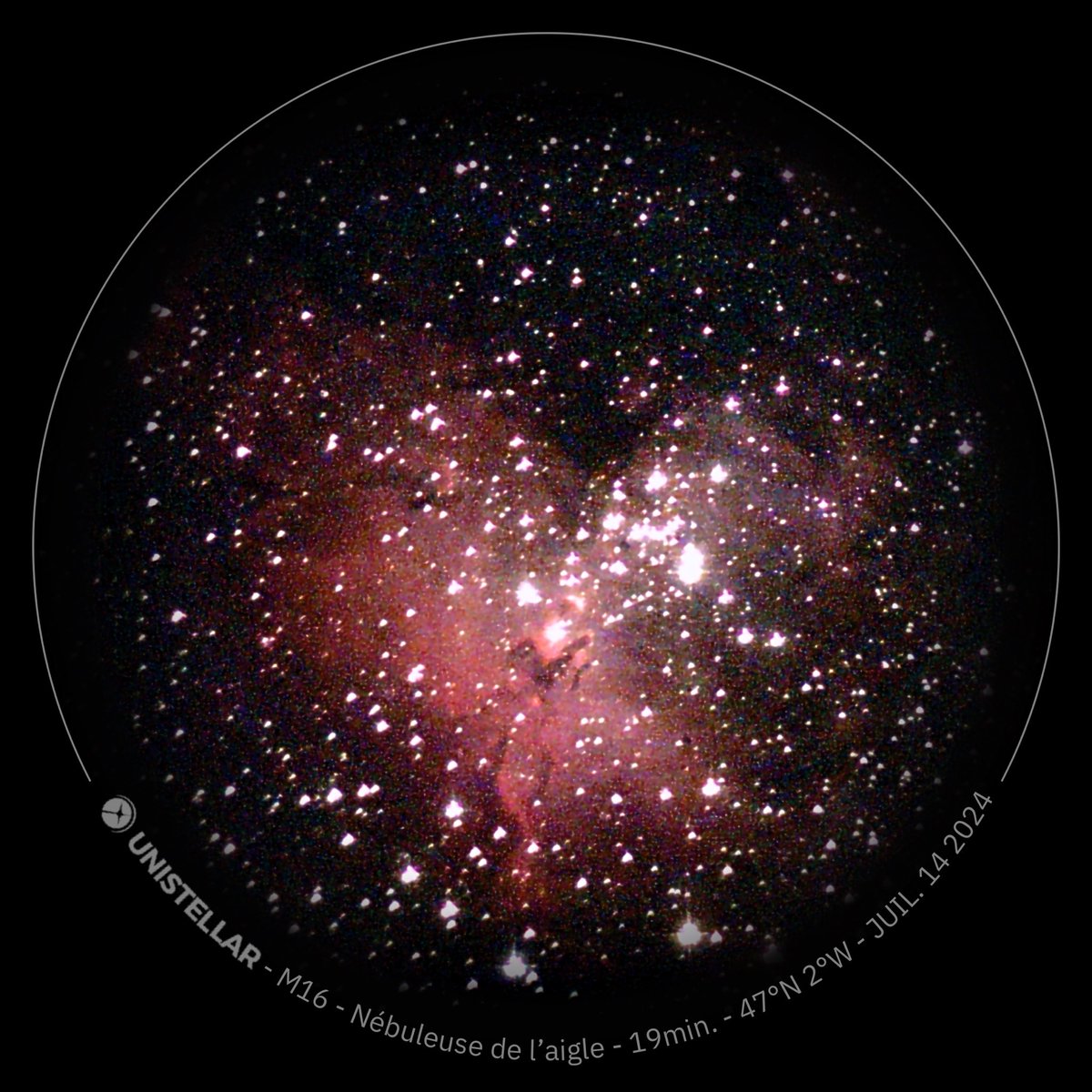
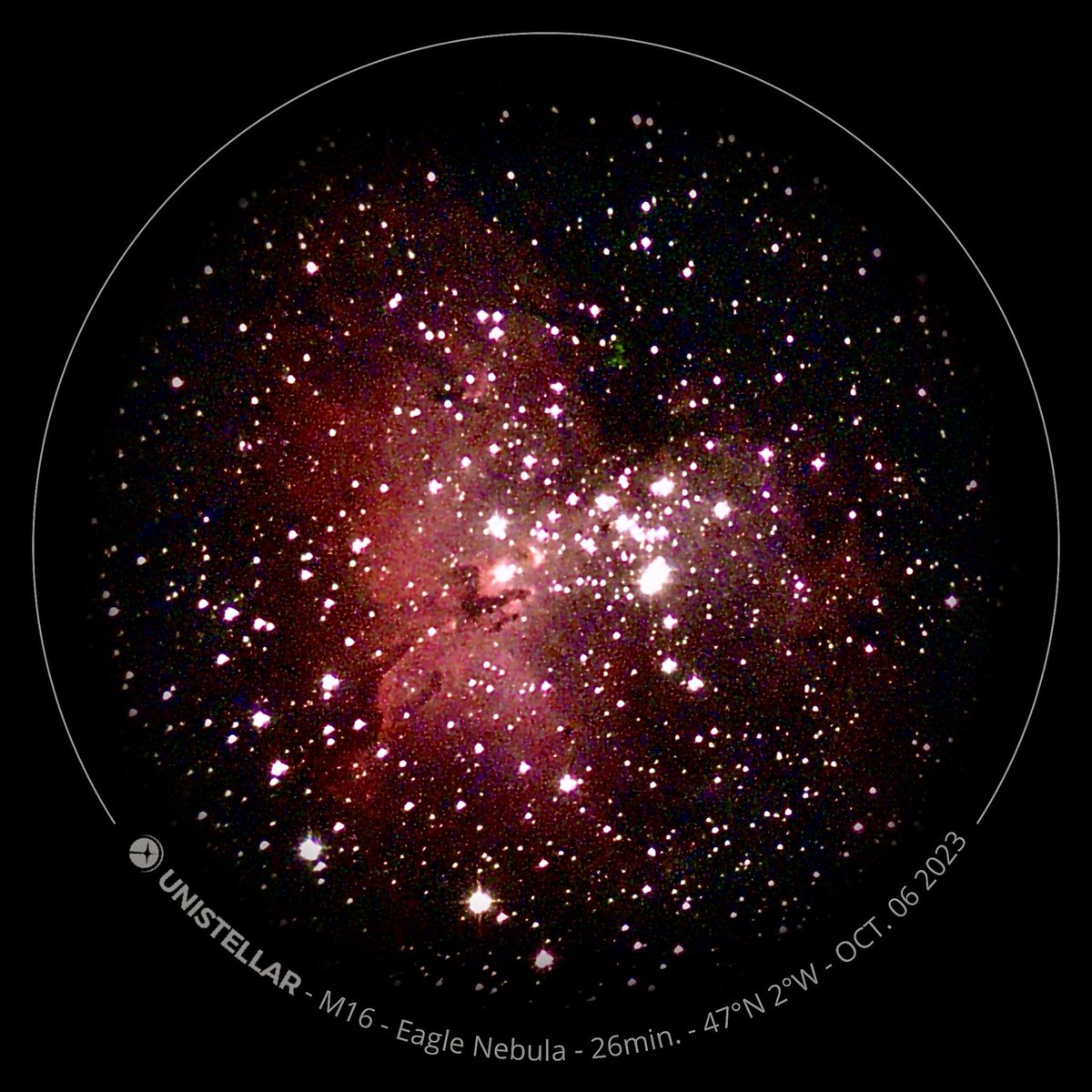

Newborn stars are forming in the Eagle Nebula.
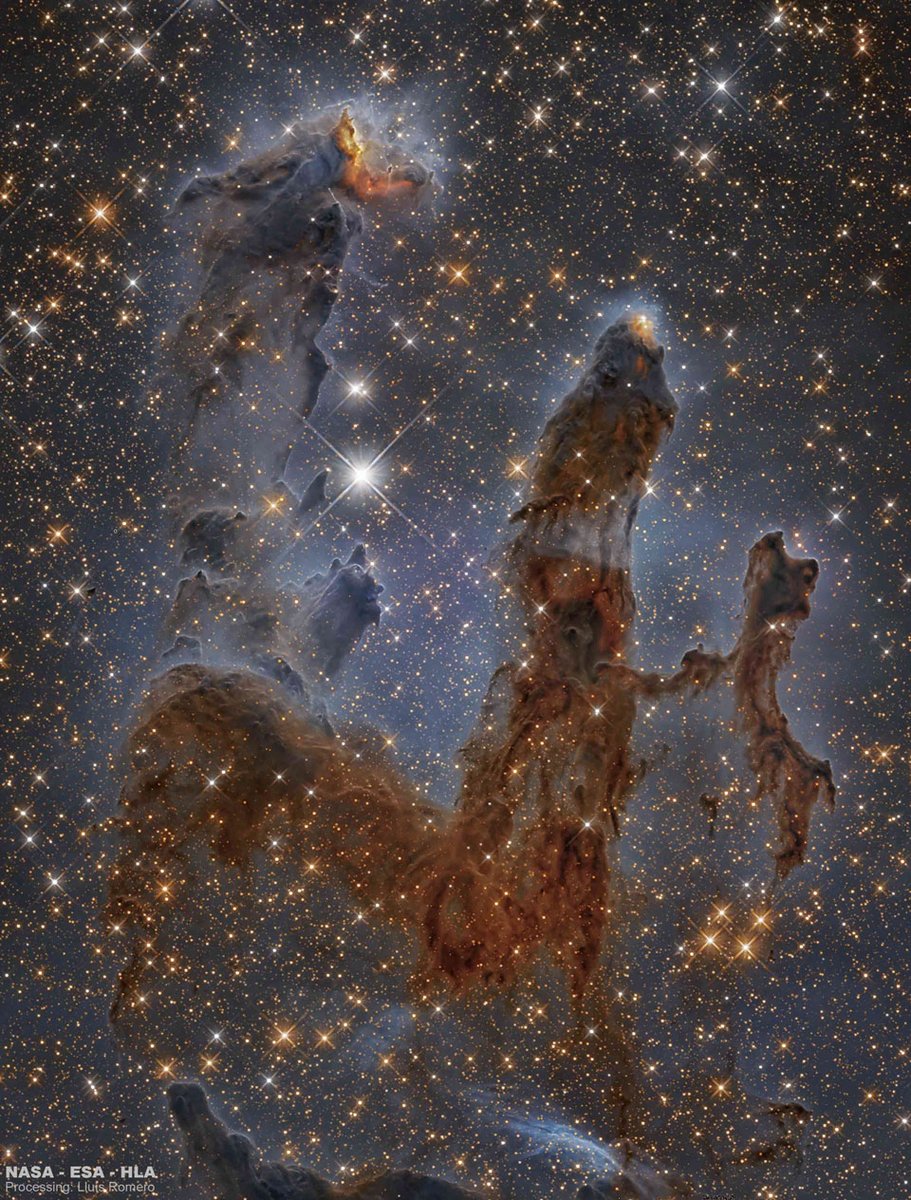
They are gravitationally contracting in pillars of dense gas and dust. The intense radiation of these newly-formed bright stars is causing surrounding material to boil away.
This image, taken with the Hubble Space Telescope in near infrared light, allows the viewer to see through much of the thick dust that makes the pillars opaque in visible light.
The giant structures are light years in length and dubbed informally the Pillars of Creation. Associated with the open star cluster M16, the Eagle Nebula lies about 6,500 light years away.
The Eagle Nebula is a satisfying target for small telescopes in a nebula-rich part of the sky toward the split constellation Serpens Cauda (the tail of the snake).
Credit: NASA, ESA, Hubble, HLA; Processing: Luis Romero Ventura
4
136
May 31
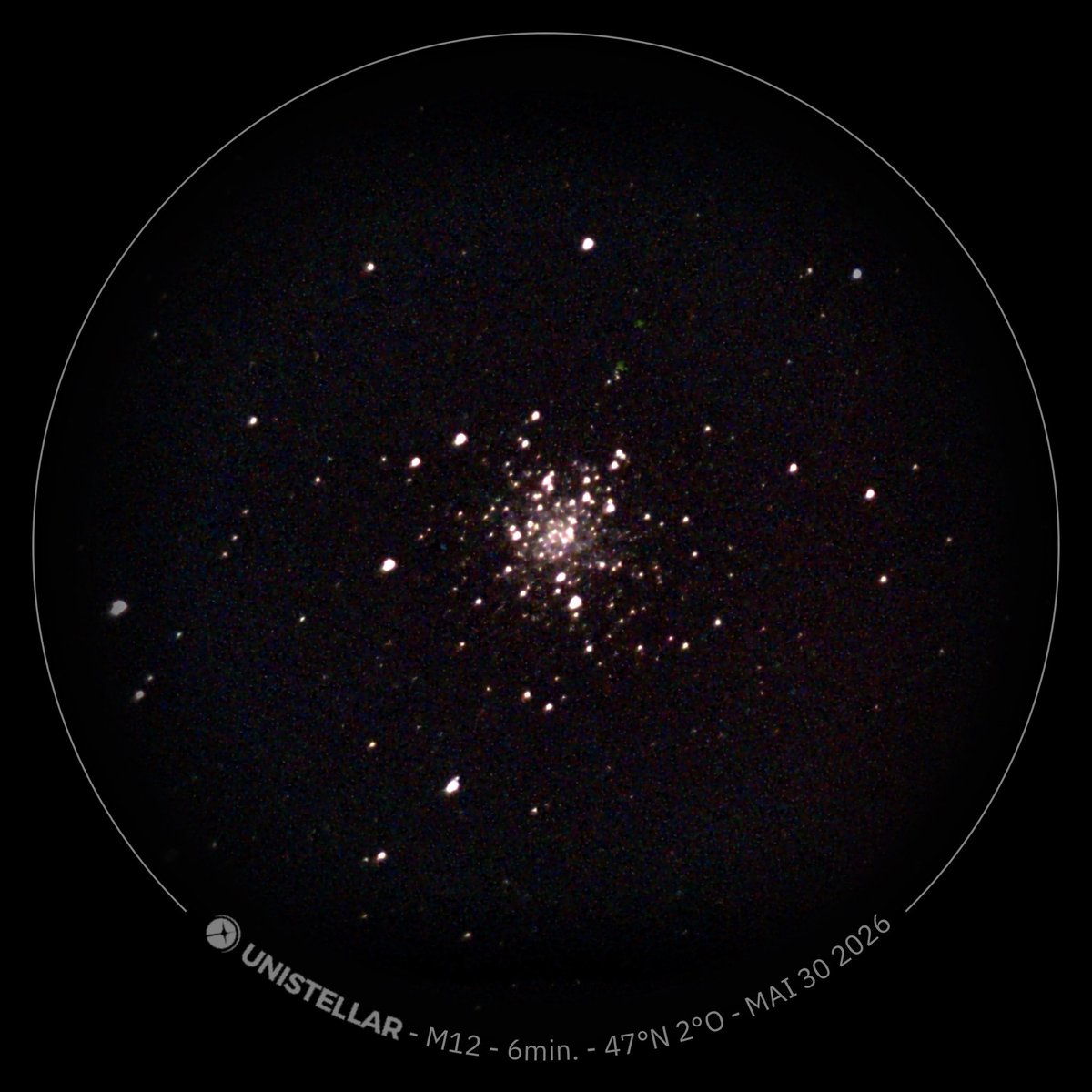
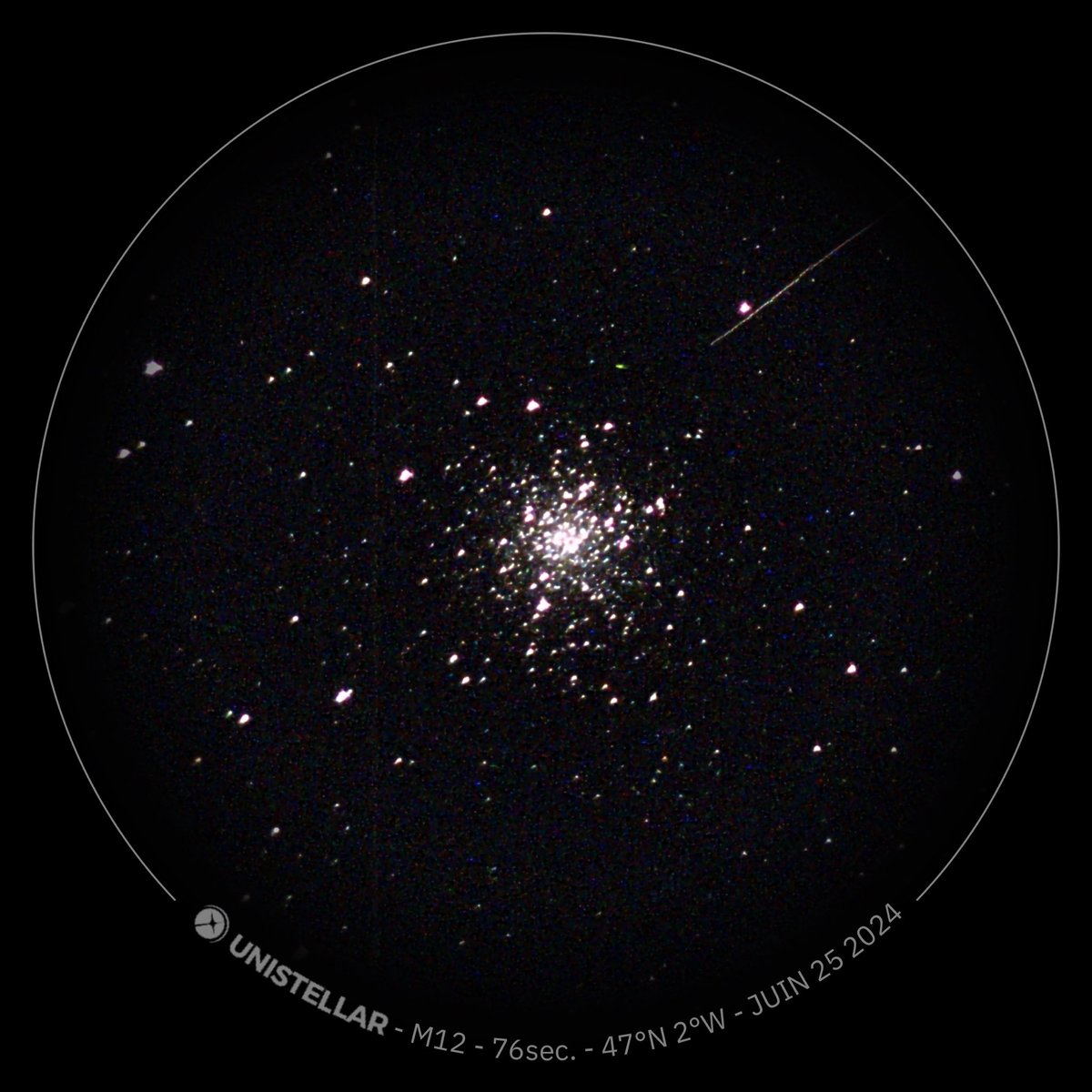
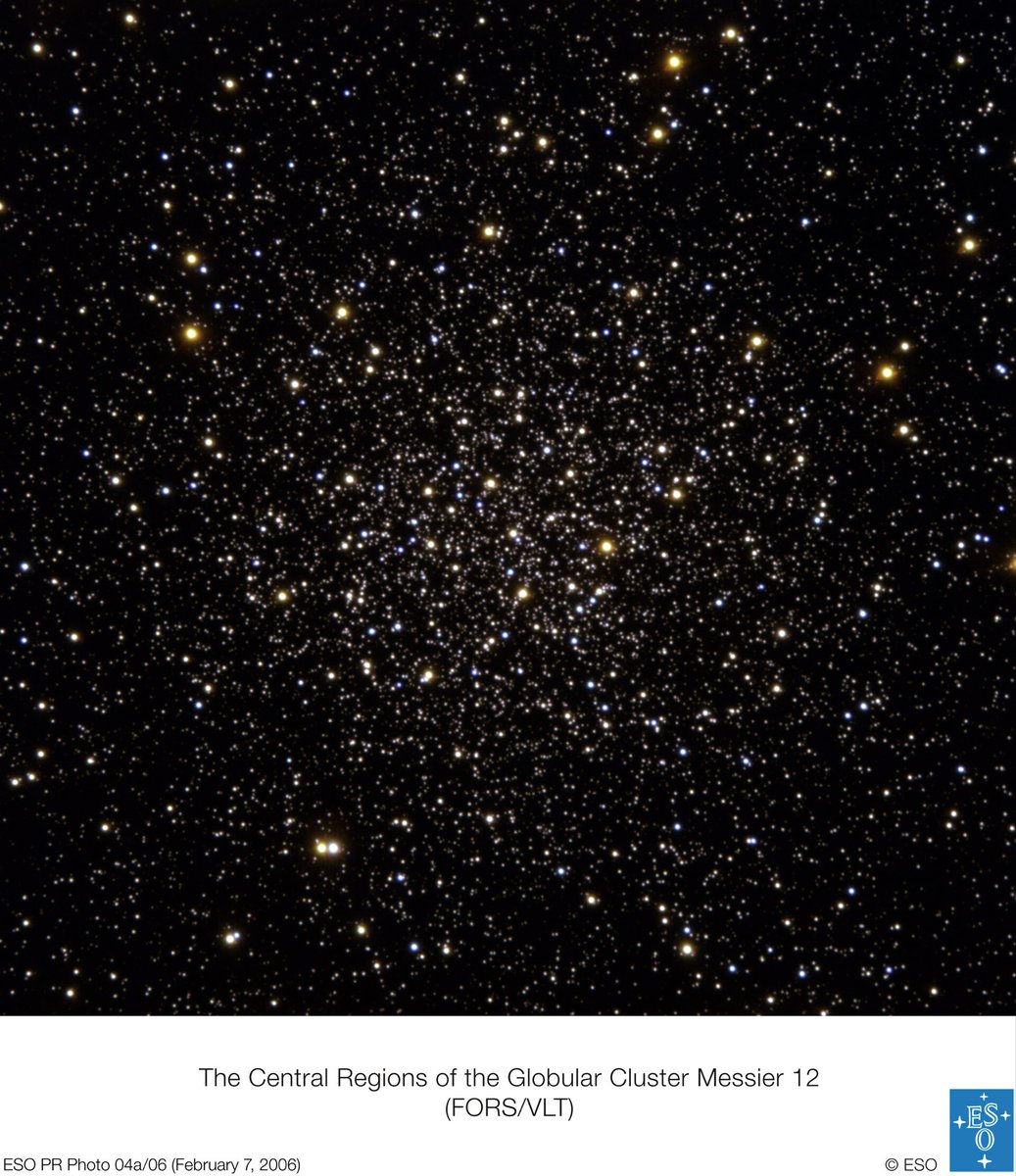
M12, the "Gumball Cluster", a globular cluster, 23,000 ly away in Ophiuchus 🔭Img1&2 w/ @Unistellar #eVscope On May30, 2026 & On June25, 2024🔭 Img3 Central Regions of FORS/VLT esa.int/ESA_Multimedia/Image… #Space #Astronomy
2
49

May 31
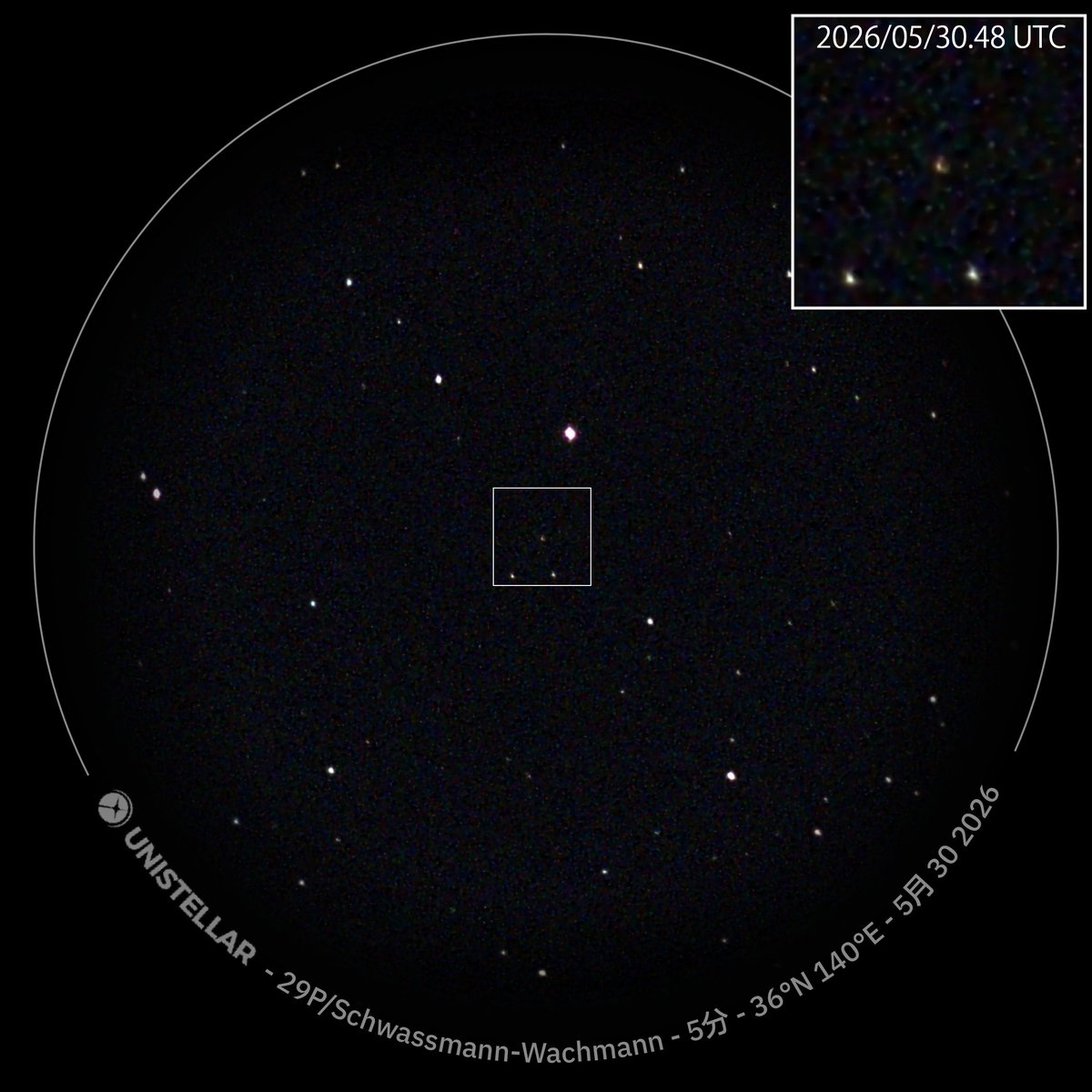
昨夜、5月30日(土)のシュワスマン・ワハマン第1彗星 29P/Schwassmann-Wachmann 1。4月15日のストロング以来、久しぶりのミニじゃないアウトバースト(BAA Mission 29Pによると、29.41±0.40 UTC)。右に吹き出ているように見えるのは光軸ずれの影響?
2026/5/31 20:20-20:30 JST #eVscope exp=5min
4
6
367
May 30

May 30

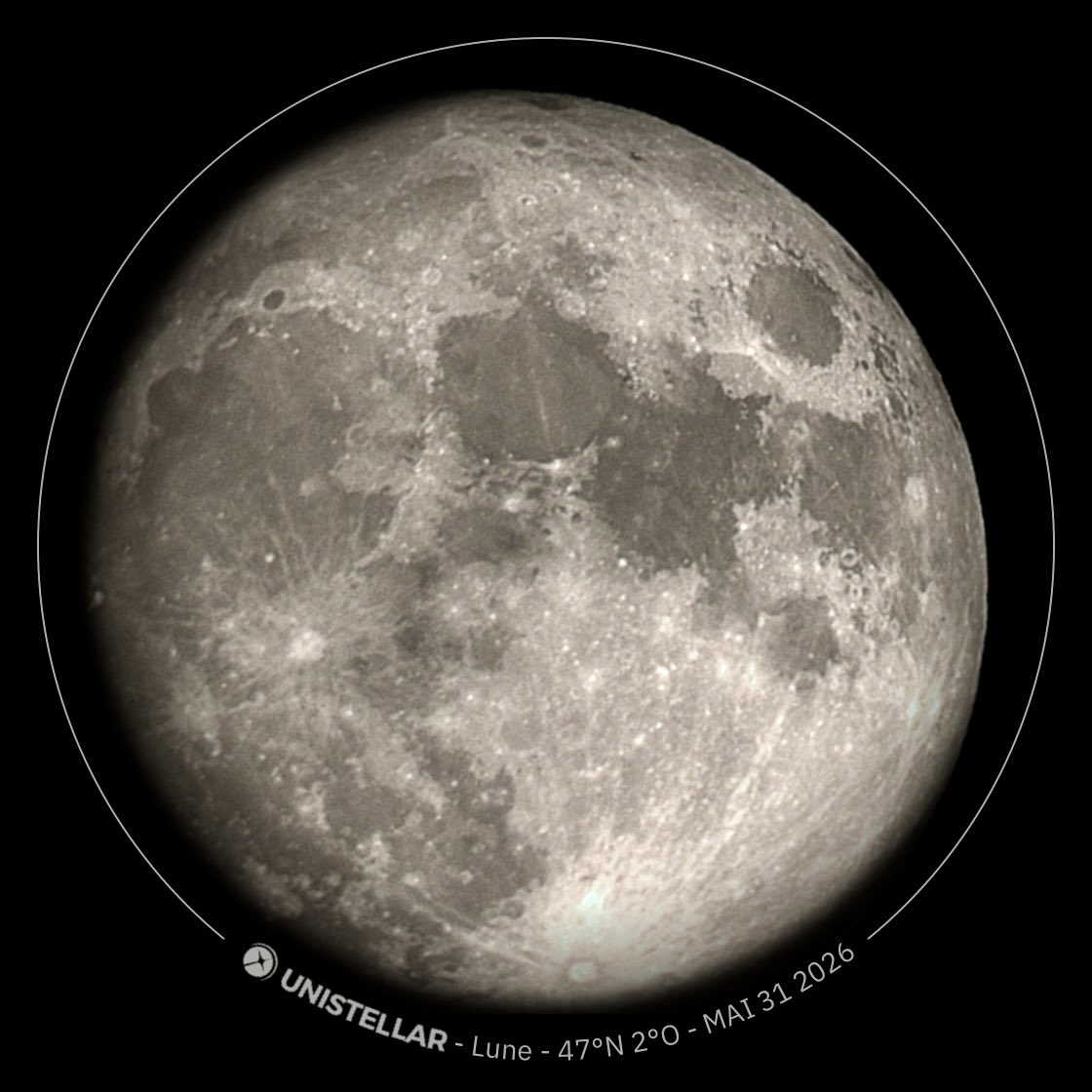
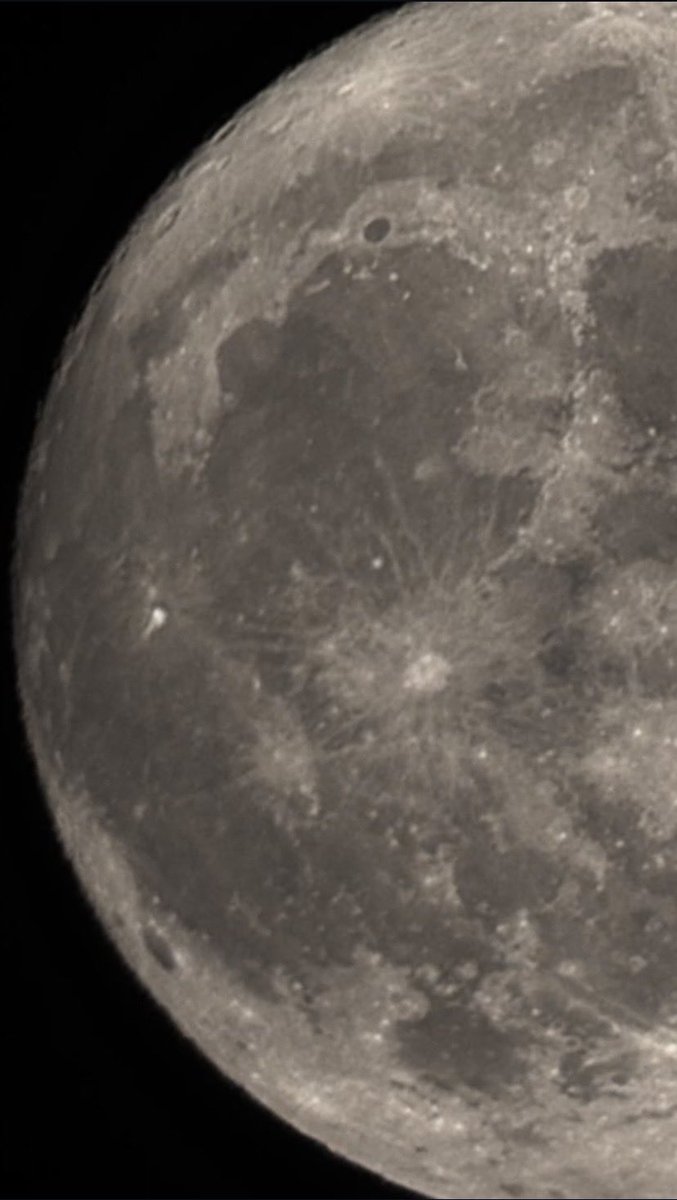
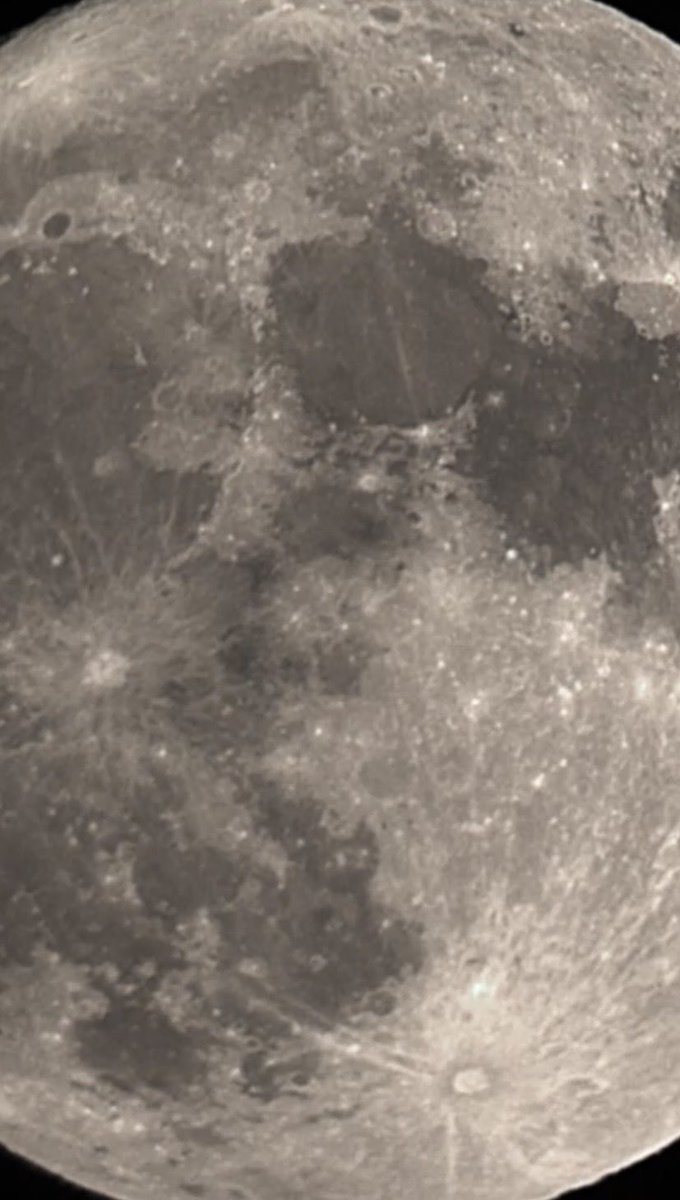
One of the rarest moons of the decade is rising over Earth tonight.
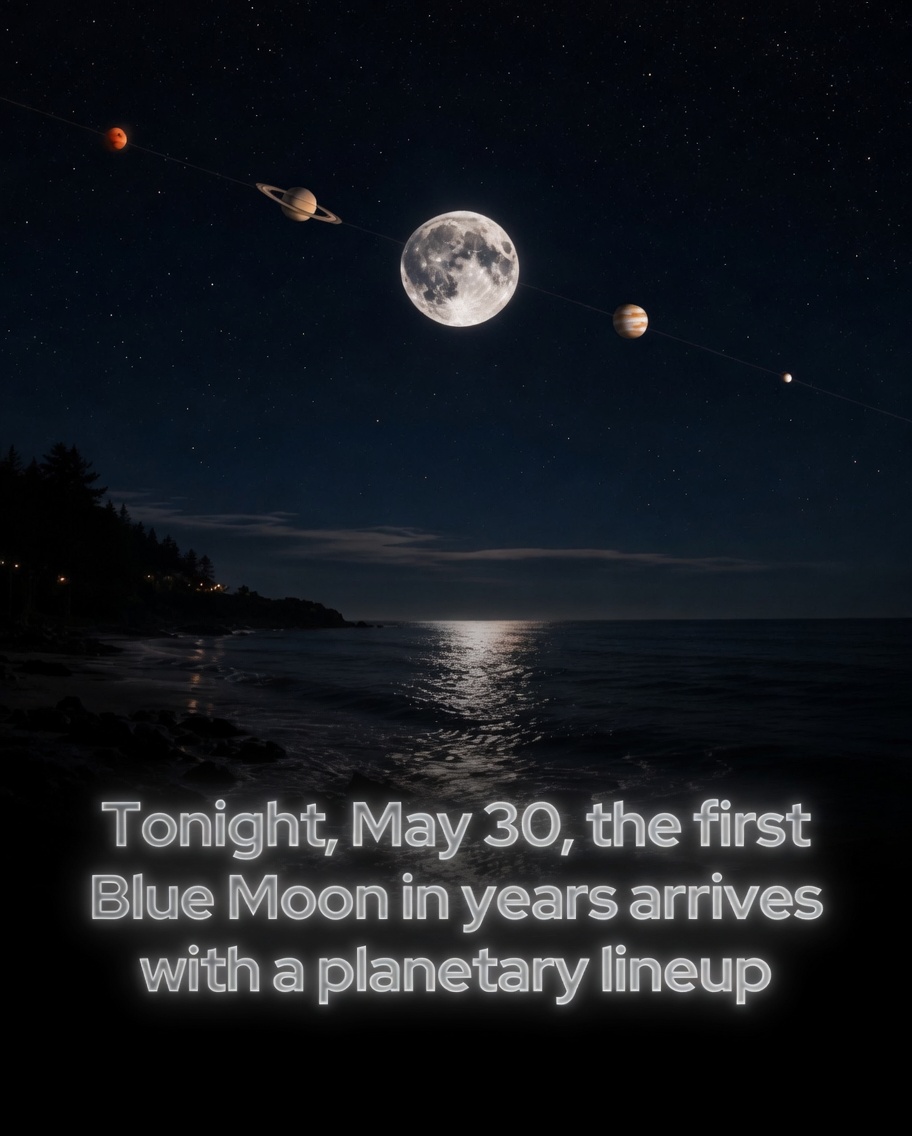
On May 30–31, the second full moon of the month will grace the sky, creating what is known as a Blue Moon. This uncommon event occurs only about once every two and a half years. After this weekend, the next monthly Blue Moon will not appear until December 2028.
This year’s Blue Moon is especially spectacular because it coincides with a beautiful planetary lineup. Before sunrise, Mars and Saturn will shine low in the eastern sky. After sunset, Venus and Jupiter will glow brightly in the west as the full moon dominates the night.
Despite its name, a Blue Moon is not actually blue. The term simply describes the second full moon to occur within a single calendar month. Since the Moon takes roughly 29.5 days to orbit Earth, squeezing two full moons into one month is unusual but not impossible.
The best time to view this Blue Moon may surprise you. Although it reaches peak fullness in the early hours of May 31, many skywatchers prefer to observe it rising on the evening of May 30. As it lifts above the horizon near sunset, the Moon often appears larger and takes on striking deep orange and golden hues.
This warm coloring is caused by the same atmospheric effect that creates colorful sunsets. Near the horizon, moonlight travels through more of Earth’s atmosphere, scattering shorter blue wavelengths and allowing longer red and orange wavelengths to reach our eyes.
The four bright planets sharing the sky with the Blue Moon are not actually close to one another. Jupiter, for example, is currently about 365 million miles (588 million km) from Earth. They only appear grouped together from our perspective here on the ground.
4
282

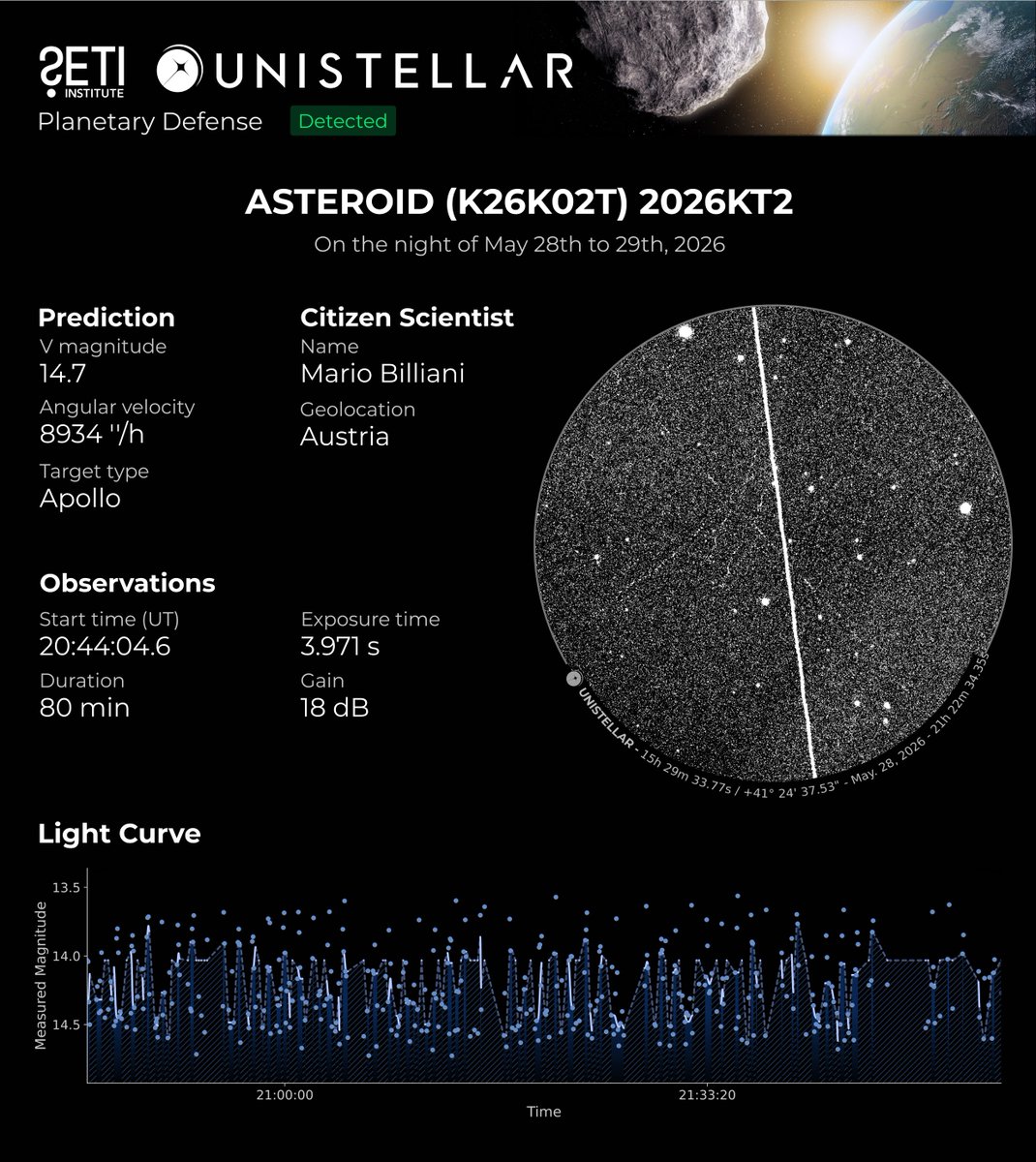
El #Asteroide cercano a la Tierra #2026KT2 fue descubierto el 24 de mayo y posee un diámetro estimado entre 50 y 110 metros. El 28 de mayo a las 10:15 UTC pasó de la Tierra a una distancia de 2,5 distancias lunares, y lo observé con mi #eVscope con una magnitud de brillo de 14,7
May 30

The Near-Earth #Asteroid #2026KT2 was discovered on May 24 and has an estimated diameter of 50–110 meters. It passed Earth on May 28 at 10:15 UTC within 2.5 lunar distances, and was observed with my #eVscope at 14.7 magnitude brightness.
8
23
690
May 28
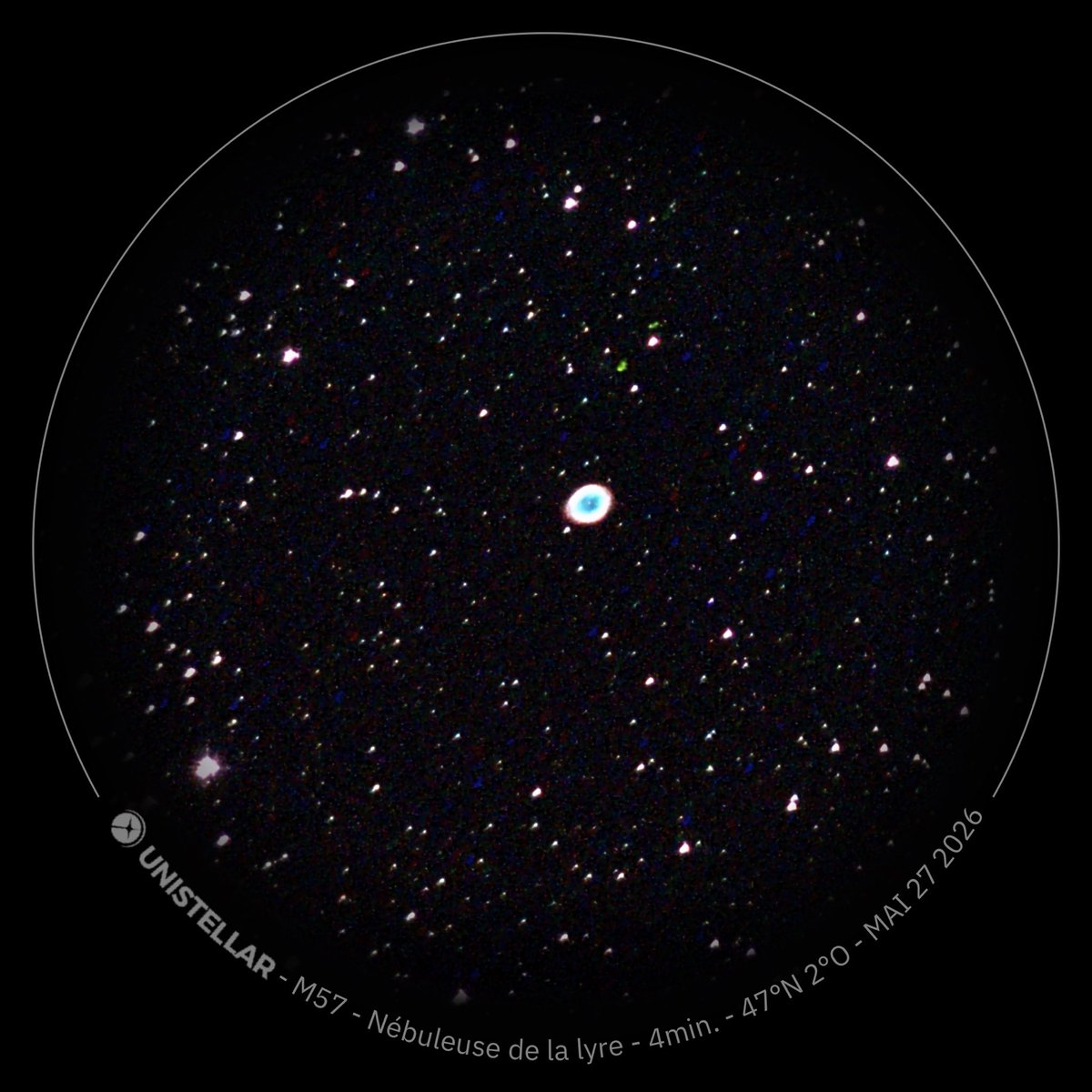
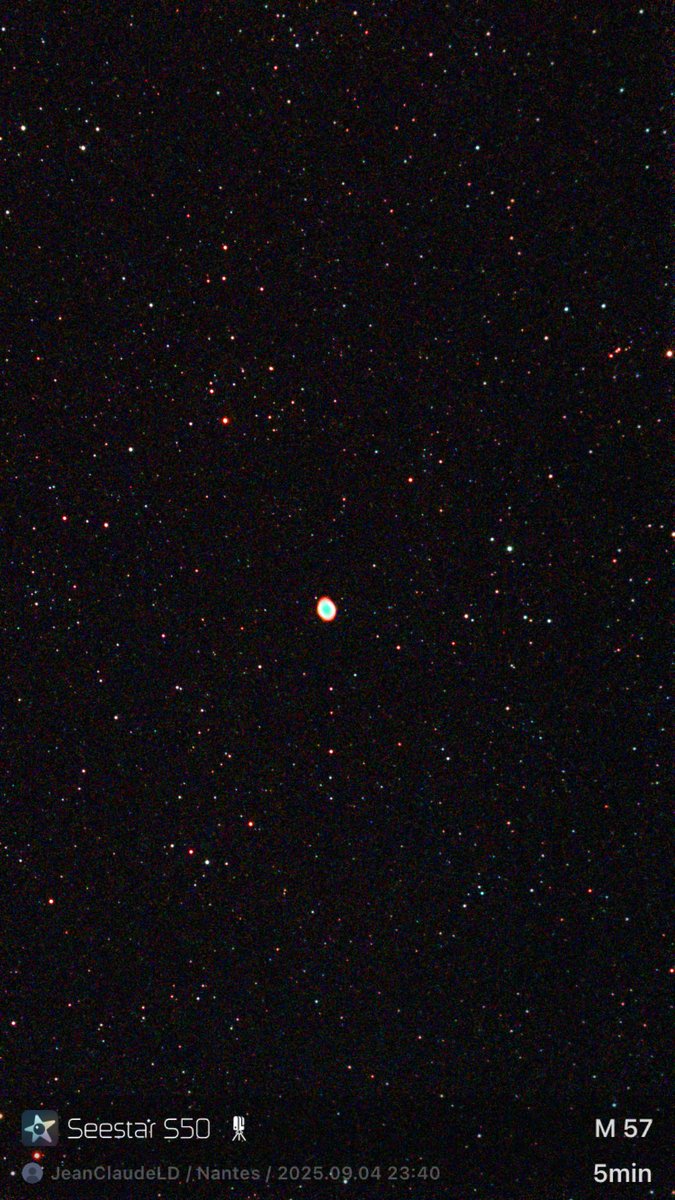
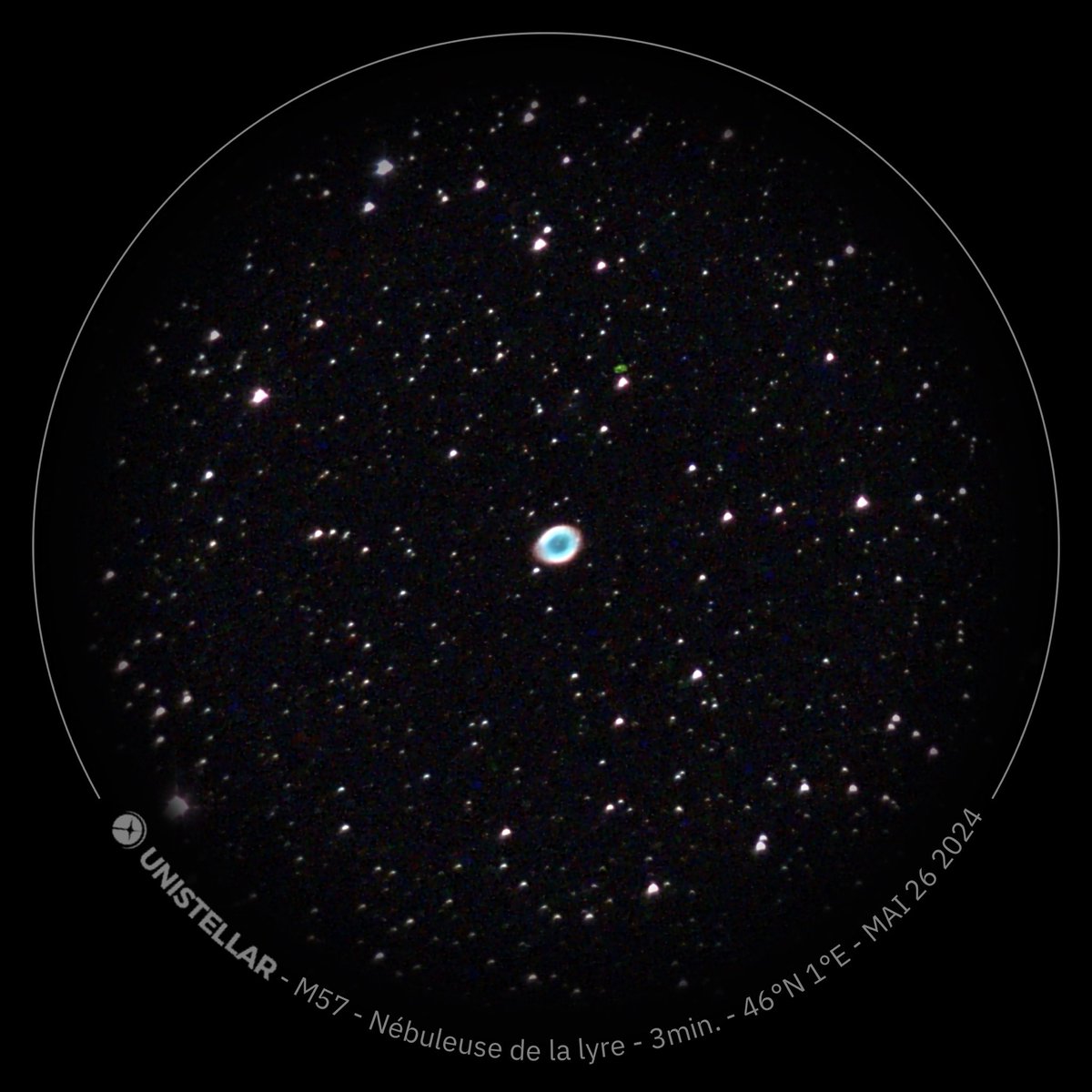
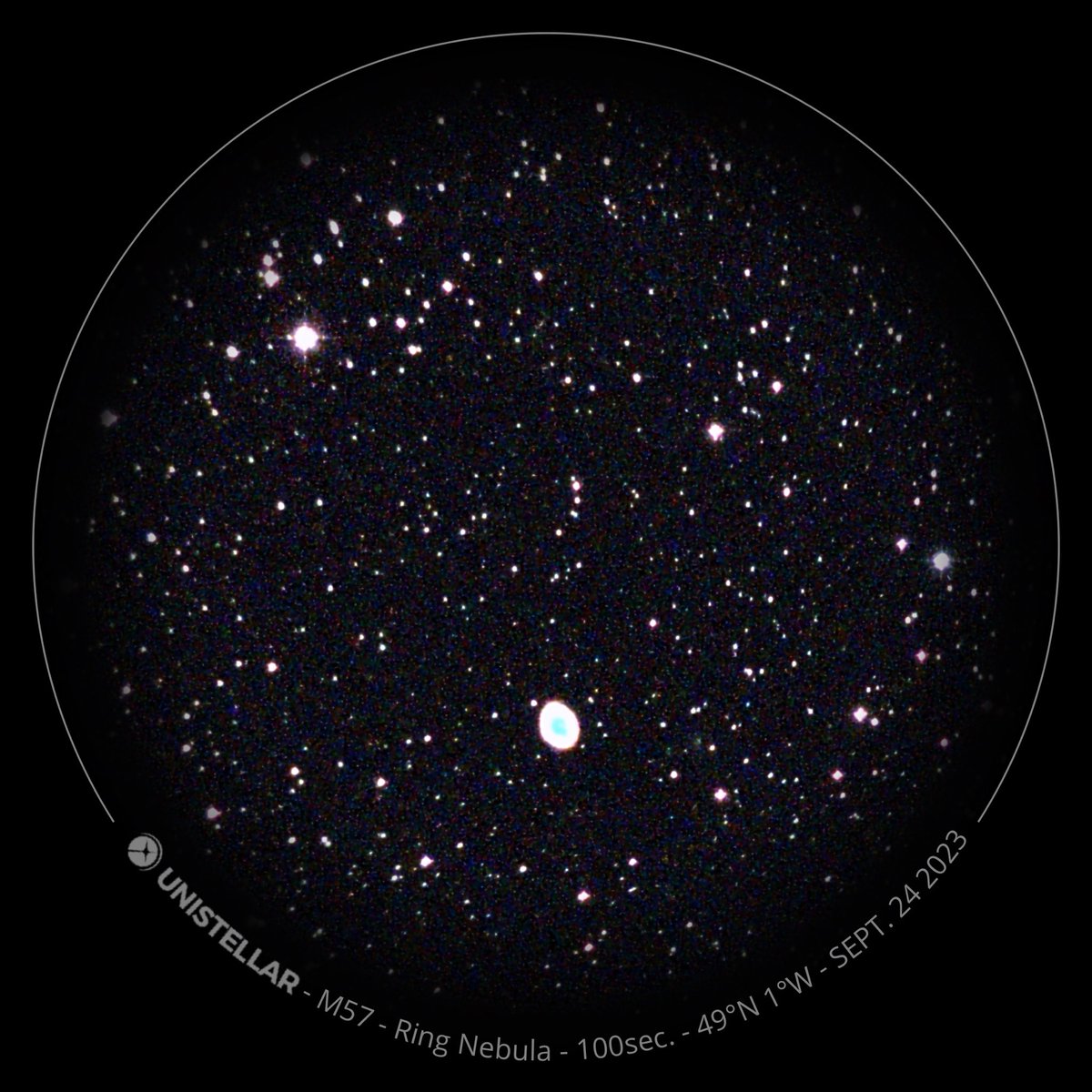
M57, the Ring Nebula, 2,000 ly away in Lyra🔭Img1 w/ @Unistellar #eVscope on May27, 2026🔭Img2 w/ @zwoastro #Seestar S50 on Sept4, 2025🔭Img3 on May26, 2024🔭Img4 on Sept24, 2023 #Space #Astronomy Cosmic Cycle
10
307
May 27
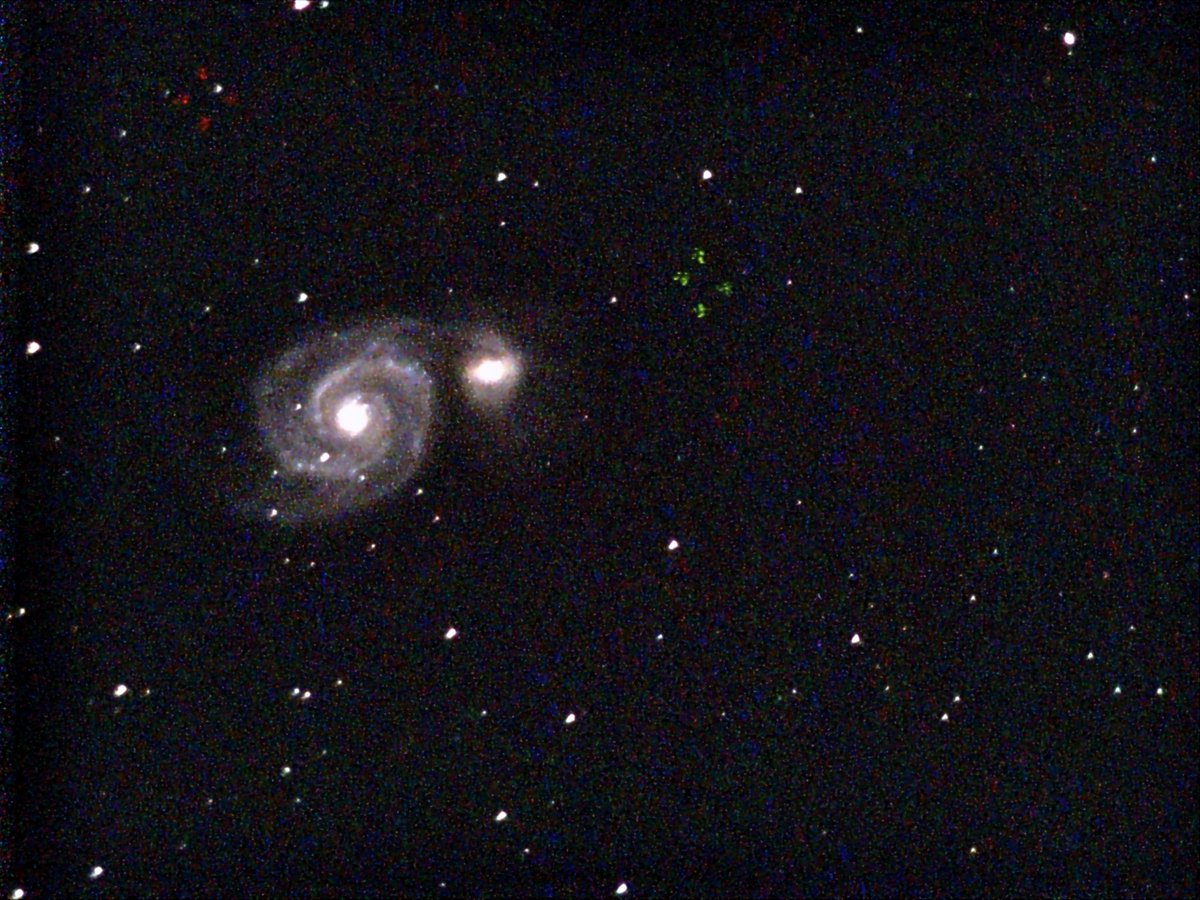
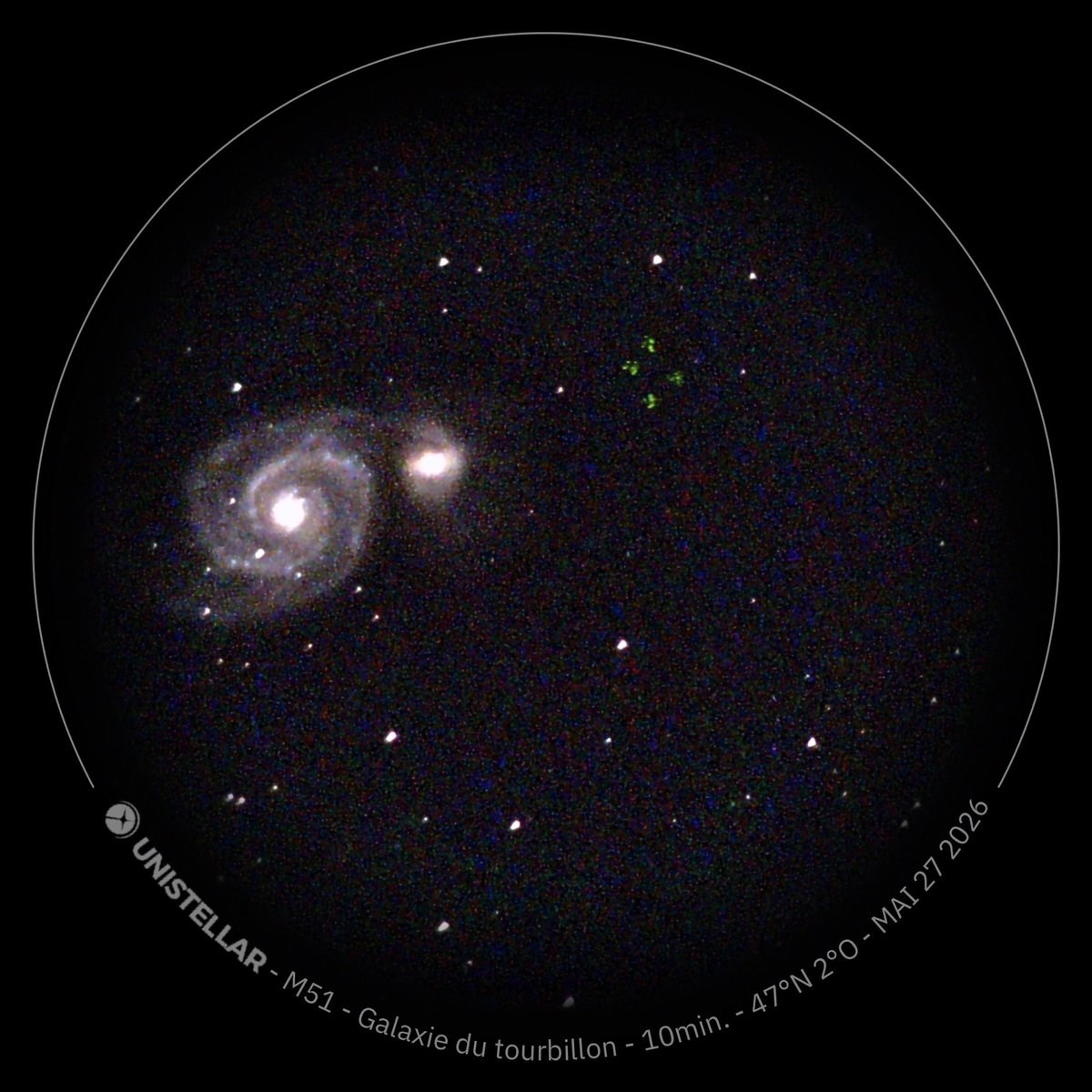
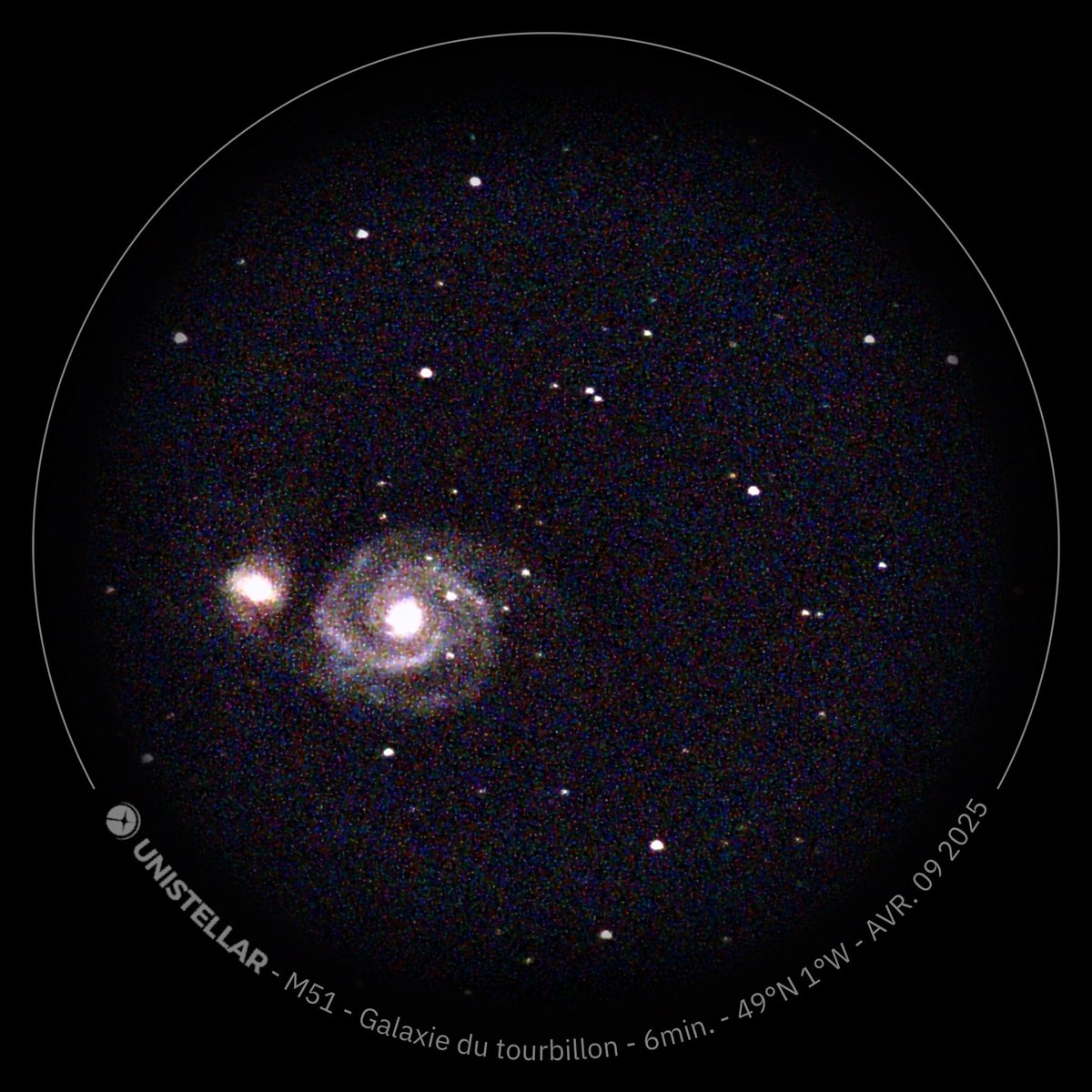
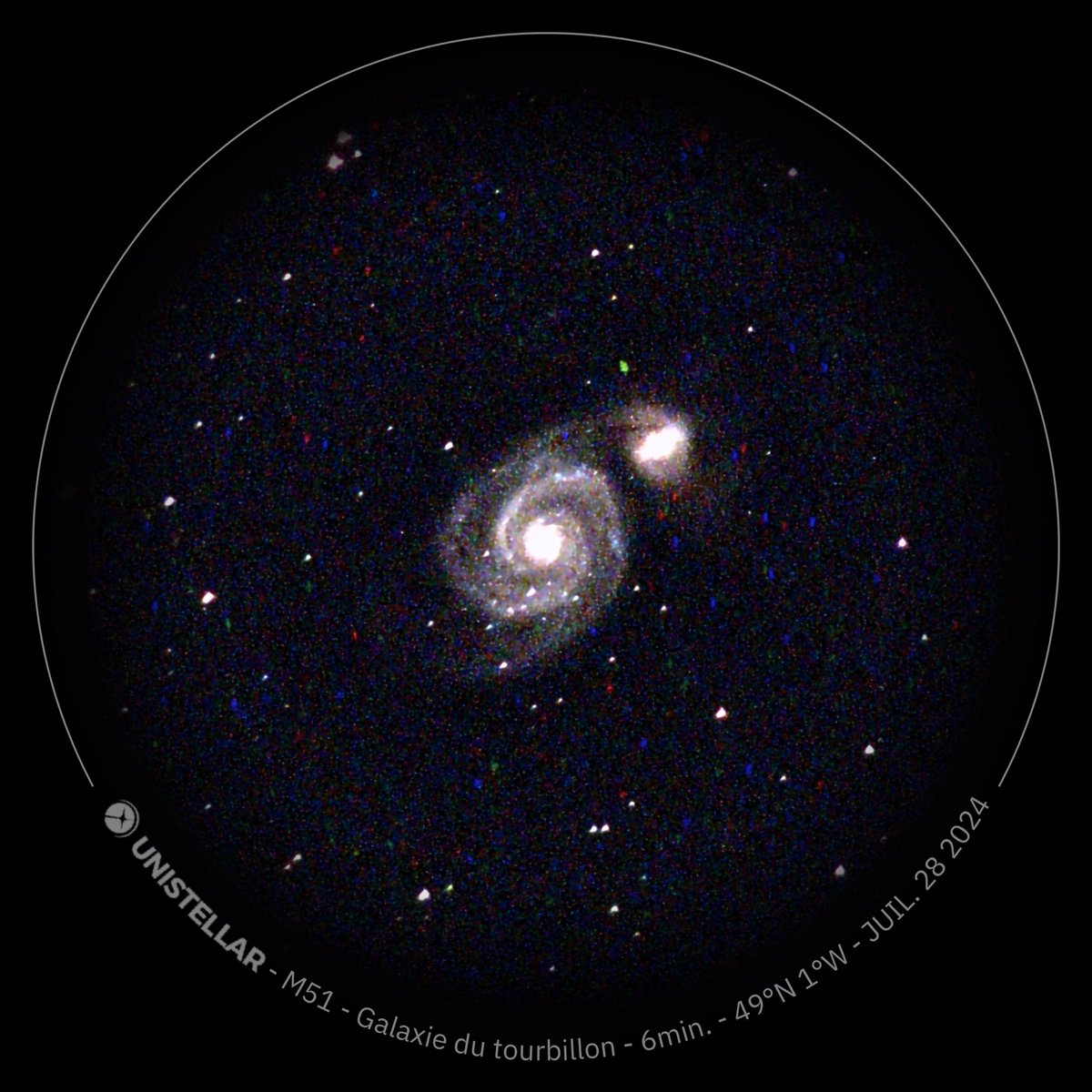
M51, on May27, 2026, on April9, 2025, on July28, 2024, at Nantes w/@Unistellar #eVscope #Space #Astronomy : cosmic cycle
2
59
May 27
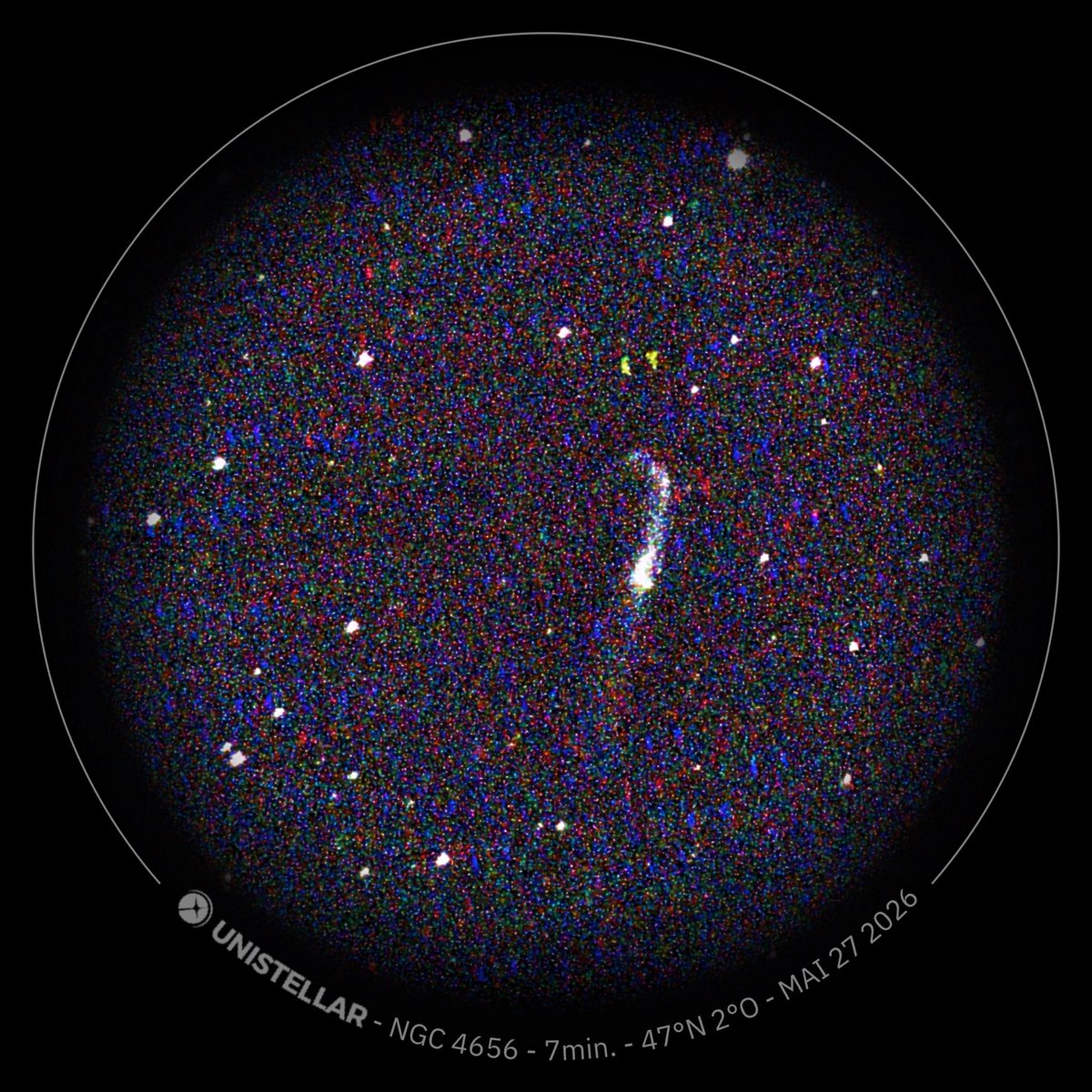
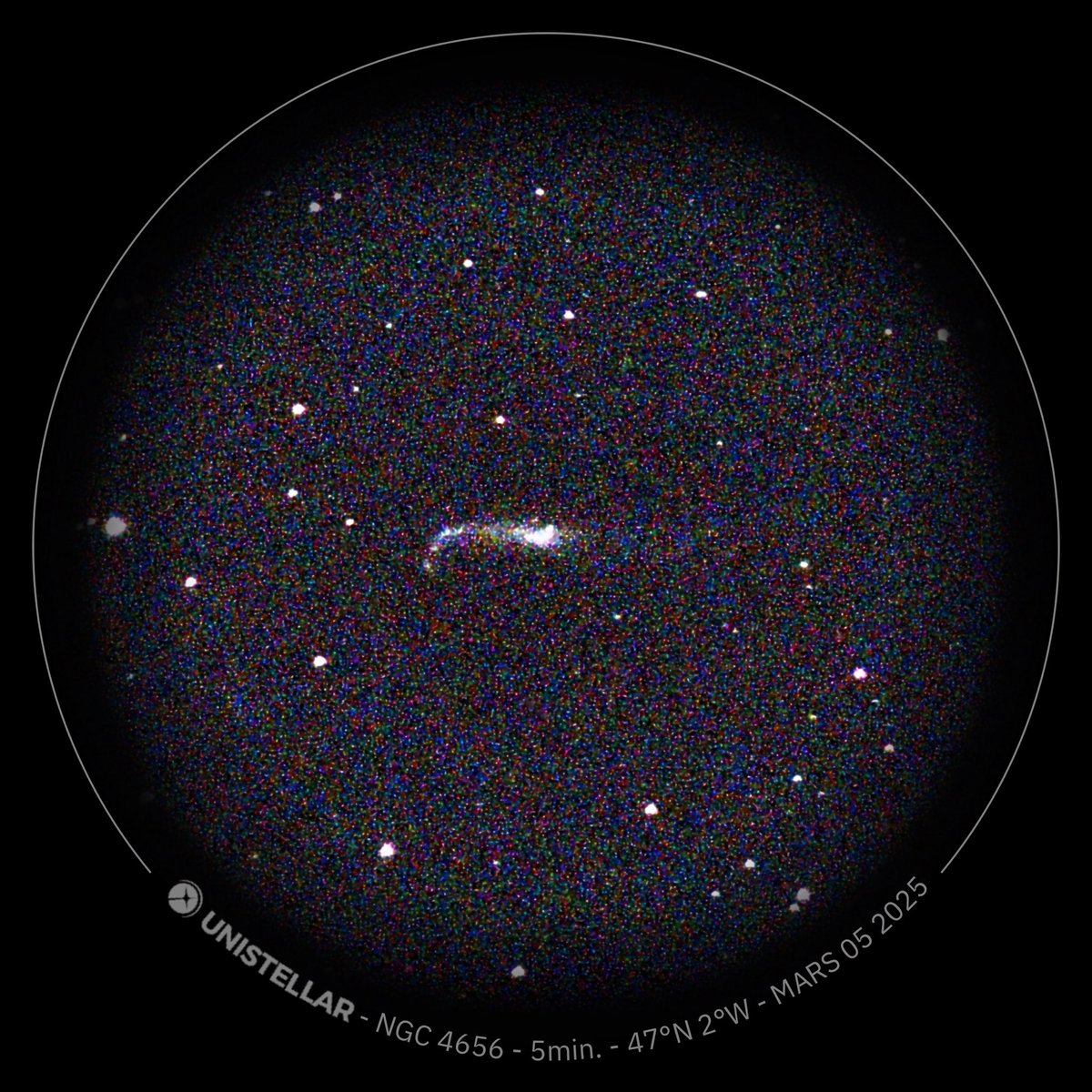
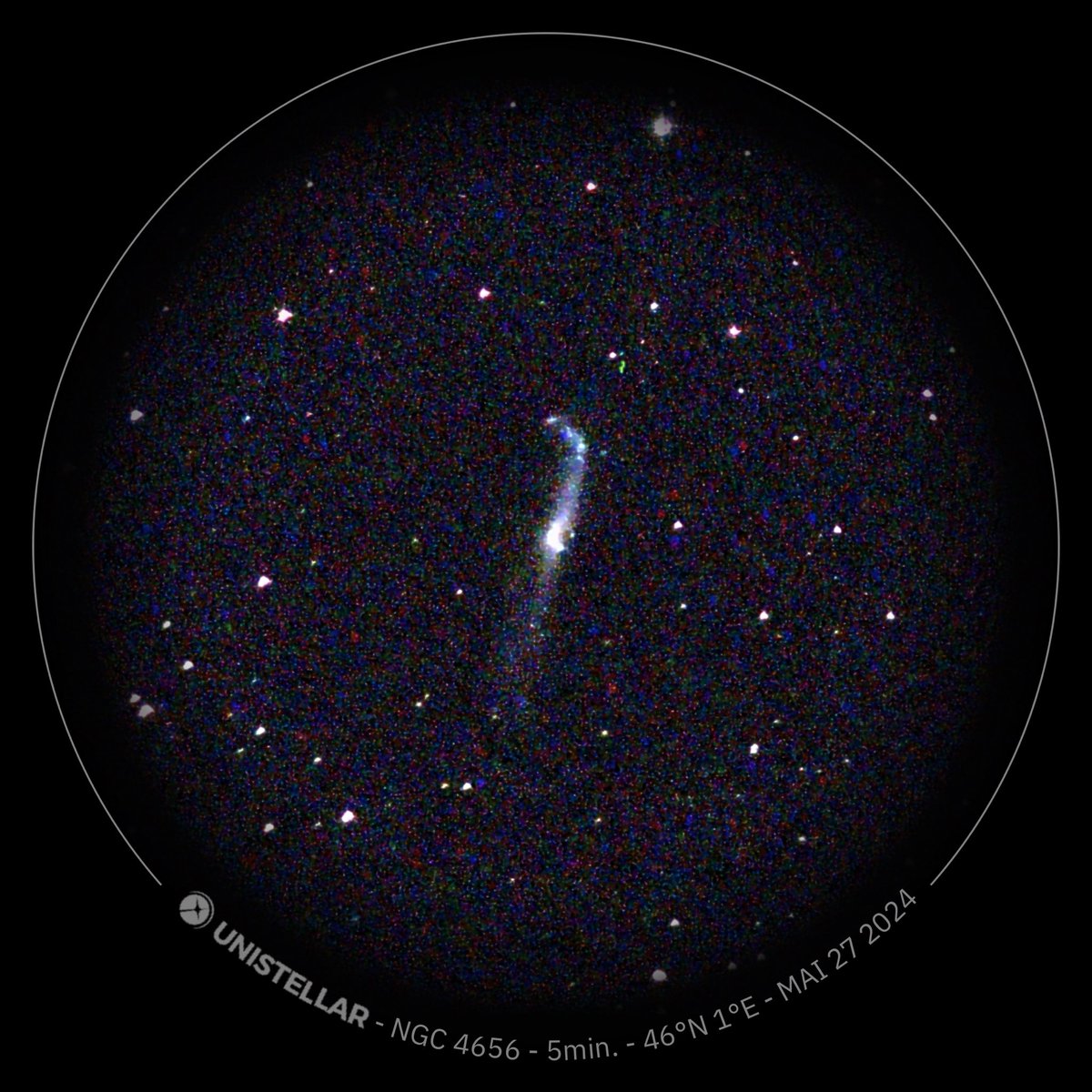
NGC 4656, distorted galaxy, called the "Hockey Stick Galaxy", w/ @Unistellar #eVscope on May27, 2026, on March5, 2025, on May27, 2024: a cosmic cycle #Space #Astronomy
5
12
194
May 26
May 25
4
70
May 26
2
6
337
May 24
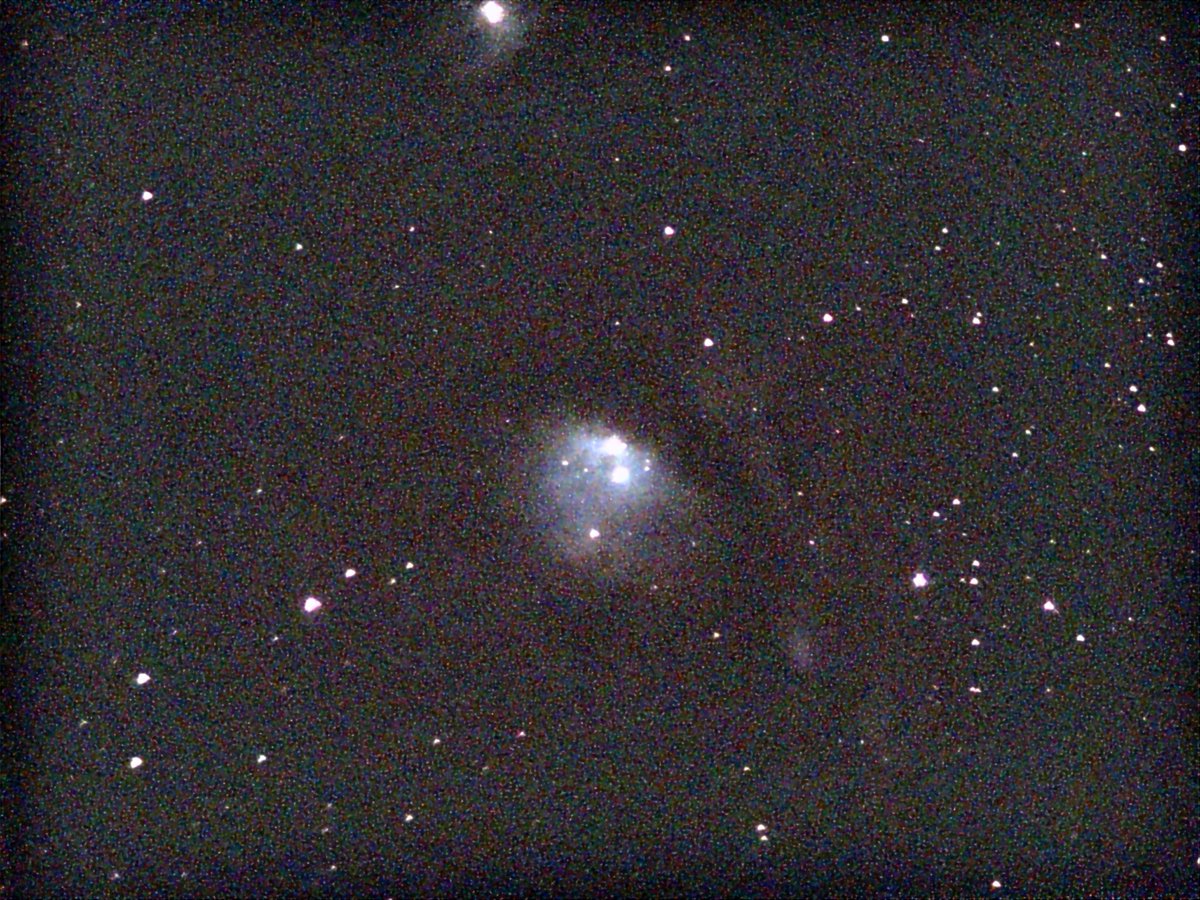
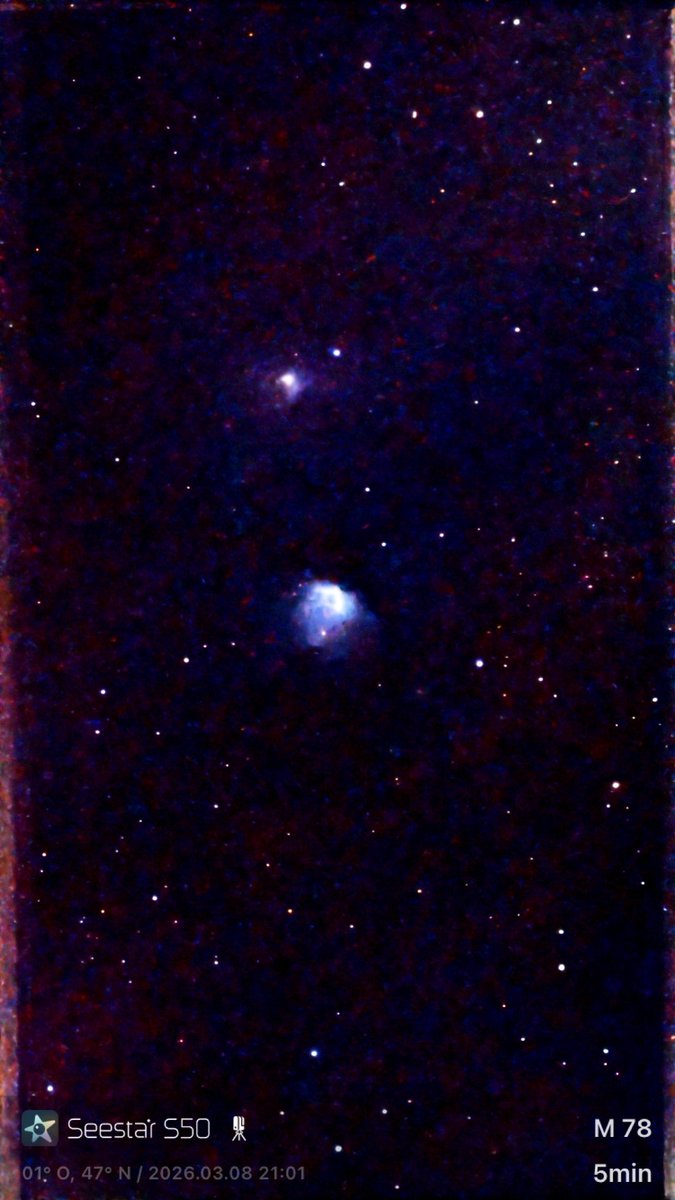
M 78, Img1 w/ @Unistellar #eVscope on Feb 22, 2025, Img2 w/ @zwoastro #Seestar S50 on March 8, 2026 #Space #Astronomy
May 24
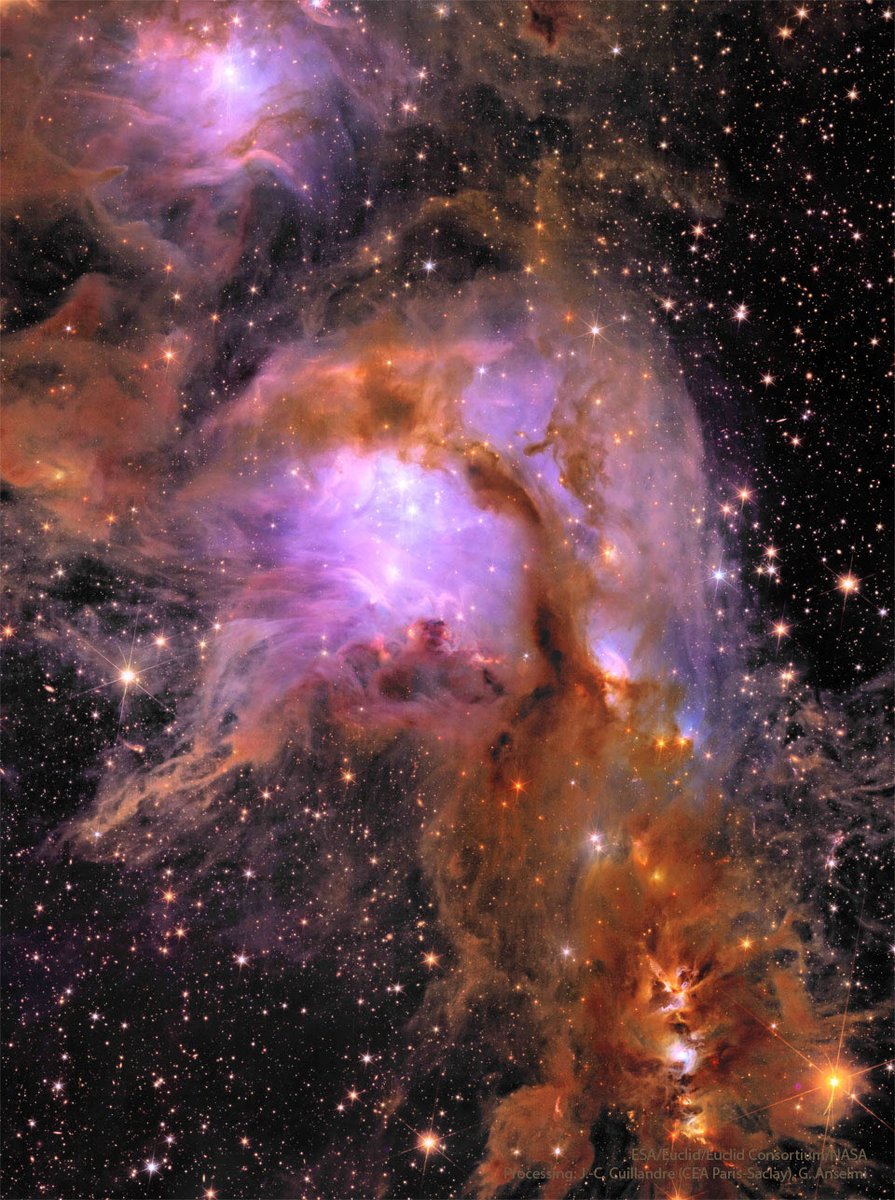
#Itwas (May24, 2024) mentionned on apod.nasa.gov/apod/ap240524.… « M78 from the Euclid Space Telescope » ; Purple tint in center is caused by dark dust preferentially reflecting the blue light of hot, young stars.🔭Img ESA/Euclid Consortium/NASA;Cuillandre (CEA Paris), Anselmi
#Space
3
115