
14h
it comes from the greek word ekhinos which means hedgehog and then derm which as you said is skin and it was originally only applied to sea urchins but then was broadened to the rest of the group so not all echinoderms are spiky but sea urchins are
2
1
16

Jun 14
Barry Fell (full name Howard Barraclough Fell, June 6, 1917 – April 21, 1994) was a British-born zoologist and marine biologist, best known for his later work in controversial pseudohistorical and epigraphic theories about pre-Columbian contact between the Old World and the Americas.
Background and Credentials
• Fell earned a Ph.D. from the University of Edinburgh (1941) and was a respected expert on echinoderms (particularly fossil sea urchins).
• He taught at Victoria University of Wellington (New Zealand) before joining Harvard University’s Museum of Comparative Zoology in 1964 as a professor of invertebrate zoology, where he worked until retiring in 1979.
• His early interest in inscriptions included a 1940 study of Polynesian petroglyphs, but he had no formal training in archaeology, linguistics, or epigraphy (the study of ancient inscriptions). Critics often highlighted this mismatch when evaluating his later claims.
Major Books and Claims
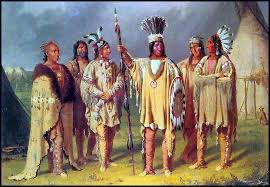
Fell gained public attention in the mid-1970s with popular books promoting “diffusionist” ideas—that advanced Old World civilizations (Europeans, Africans, Asians) visited, traded with, and colonized the Americas thousands of years before Columbus (and even the Vikings). He based these primarily on his interpretations of rock carvings, petroglyphs, and artifacts as ancient scripts.
• America B.C.: Ancient Settlers in the New World (1976):
This was his breakthrough book, timed for the U.S. Bicentennial. Fell argued for extensive pre-Columbian contact, claiming evidence of Celtic (Irish/Scottish) mariners and settlers in North America as early as ~3,000 years ago. Key claims included:
• Translations of supposed Ogham (early medieval Irish stroke-based script) inscriptions on rocks in New England and elsewhere, interpreted as Celtic languages.
• Phoenician, Iberian, and other Old World influences.
• Sites like Mystery Hill (New Hampshire) as Celtic temples or observatories.
• Linguistic links, such as Algonquian (e.g., Micmac) scripts or words deriving from Egyptian hieroglyphs or Celtic terms.
The book mixed adventure narrative, linguistics, and anthropology, suggesting Native American cultures were heavily shaped (or overshadowed) by these visitors.
• Saga America (1980):
A sequel expanding on the first book with more “evidence.” It proposed even broader contacts:
• Carthaginian, Phoenician, Libyan, Roman, Jewish, North African Christian, Islamic, and Viking visits/settlements over millennia.
• Specific claims like St. Brendan (Brendan of Clonfert) reaching North America centuries before Columbus, based on interpreted Ogham inscriptions in West Virginia (e.g., narrating Christ’s nativity).
• A detailed chronology of transatlantic voyages, trade (e.g., copper), and cultural exchanges.
• Libyan maps and inscriptions in the American West, and further ties to Algonquian peoples.
He followed up with Bronze Age America (1982), focusing on Scandinavian/Bronze Age visitors (e.g., a voyage by “Woden-lithi” around 1700 B.C. to trade in Ontario).
119

Jun 13
When “Robust Support” Becomes a Substitute for Answers
We have now reached the point in this exchange where the responses have stopped engaging the specific challenges and have retreated to restating the theory’s general credibility. That is a significant moment worth naming clearly.
On “Clarifying Scope Isn’t Retreat”
This is the most revealing statement in the response. If declaring abiogenesis, fine-tuning, and cosmological foundations all “distinct fields” is not retreat, then evolutionary theory is claiming credit for explaining life while exempting itself from explaining life’s origin, the physical platform that makes life possible, and the information content that drives biological complexity. What exactly remains in scope? Diversification of existing life from existing genetic information on a planet whose fitness for life is someone else’s problem. That is a much more modest claim than “evolution explains life” — and it should be presented as such.
On the Cambrian — “Rapid Radiation on Prior Foundations” Is Not an Explanation
This response adds “changing environmental conditions” as a driver. But changing conditions do not generate new genetic information — they select from existing variation. The Cambrian problem is not why organisms diversified rapidly. It is where the novel body plan information came from in the first place. Ediacaran organisms do not possess the genetic precursors to trilobites, arthropods, echinoderms, and chordates appearing simultaneously. “Prior foundations” is asserted, not demonstrated. The fossil and genetic continuity required by the theory is not there in the record at that moment.
On “Refined Population Models Address Timing”
This claim has now appeared twice without a single citation, calculation, or specific model being named. The Swamidass/Hössjer/Sanford waiting time paper is peer-reviewed and mathematically specific. A general assertion that “refined models address this” is not a scientific response to a mathematical argument. If the models exist and the empirical data supports them, cite them. The absence of specifics after repeated challenge is itself informative.
On “Open Questions Drive Progress”
This is true and worth affirming again — but it is being deployed here as a conversation-stopper rather than a genuine scientific point. Every paradigm in crisis describes its anomalies as “open questions driving progress” right up until the paradigm shifts. Newtonian mechanics had “open questions” that turned out to require relativity. Spontaneous generation had “open questions” that Pasteur resolved by overturning the theory. The existence of open questions does not tell you whether you are in a period of normal refinement or pre-paradigm crisis. The question is whether evolution’s open questions are peripheral or load-bearing — and the ones raised in this exchange are load-bearing.
On “Validated Successes”
No one in this exchange has disputed that natural selection explains adaptation, that common descent has genetic support, or that evolutionary biology has genuine explanatory power within its domain. The argument is about whether that domain covers what is claimed — and whether the theory’s most ambitious assertions are supported or assumed. Pointing to validated successes does not answer challenges to unvalidated mechanisms. A theory can be genuinely powerful in one domain and genuinely inadequate in another simultaneously.
The Meta-Observation
This exchange has now followed a completely predictable pattern: specific scientific challenges are met with general affirmations of the theory’s success, contested claims are relocated to other fields, and mathematical specifics are answered with broad assertions. At no point has the AI engaged Penrose’s numbers, the Swamidass waiting time paper, the specific fossil discontinuity at the Cambrian boundary, or the information-theoretic challenge to abiogenesis on their own terms.
That is not how confident science responds to…
1
26

Jun 13
1/ "Remove meiotic arrest → catastrophic failure" is FALSE.
Animals arrest meiosis at different points, and echinoderms (sea urchins) and many invertebrates fertilize eggs that have already completed meiosis. The arrest is lineage-specific, not a universal pass/fail gate.
2/x
1
7

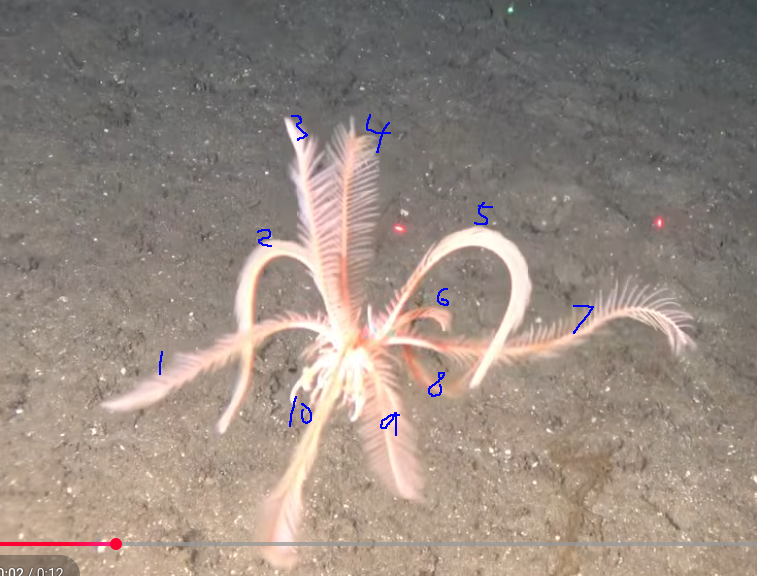
ever since i learned crinoids are just like other echinoderms and have only 5 base arms that happen to branch im cursed to pause videos of them and try to count them. i couldn't figure out why i kept getting 9 but i think one of its arms is damaged
1
12


Interesting reconstruction of the enigmatic Cambrian echinoderm Helicocystis, which is one of the oldest stalked echinoderms w/ radial symmetry. Fossils like Helicocystis are important because they help us understand how echinoderms evolved from bilateral to pentaradial forms
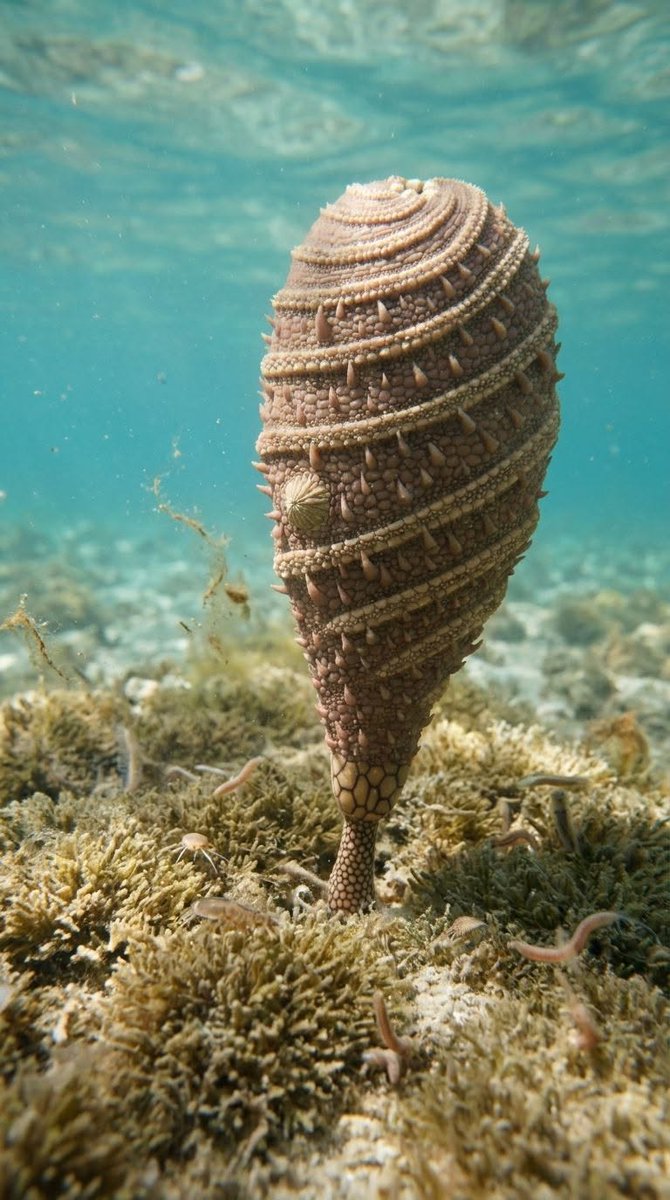
ALT A reconstruction of a cigar-shaped echinoderm on a stalk (theca) living on the sea floor. Ambulacra (food gathering structures) can be seen spiraling around the upright body. The surface of the water can be seen just above the specimen. Unsure of artist (I found this on other social media), but I believe the credit goes to https://www.youtube.com/@BeforeForests
2
28
155
4,042

Jun 10
Crinoid tube feet recovered from the Ordovican of Canada! Their organisation reveals these crinoids fed in a wider ranger of postures than most modern stalked crinoids, in a way convenient to feeding in low-energy environments 🇨🇦 #echinoderms #softtissues
royalsocietypublishing.org/r…
2
59

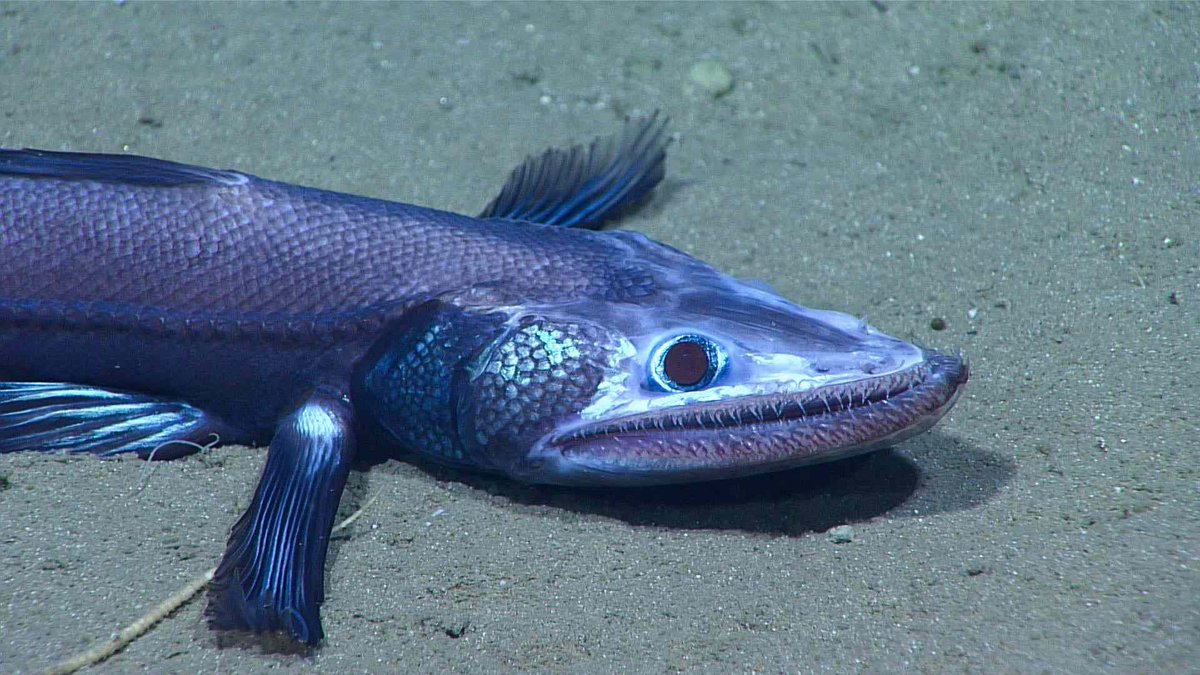
I’m a big fan of Deep-sea Lizardfish and Echinoderms as a whole
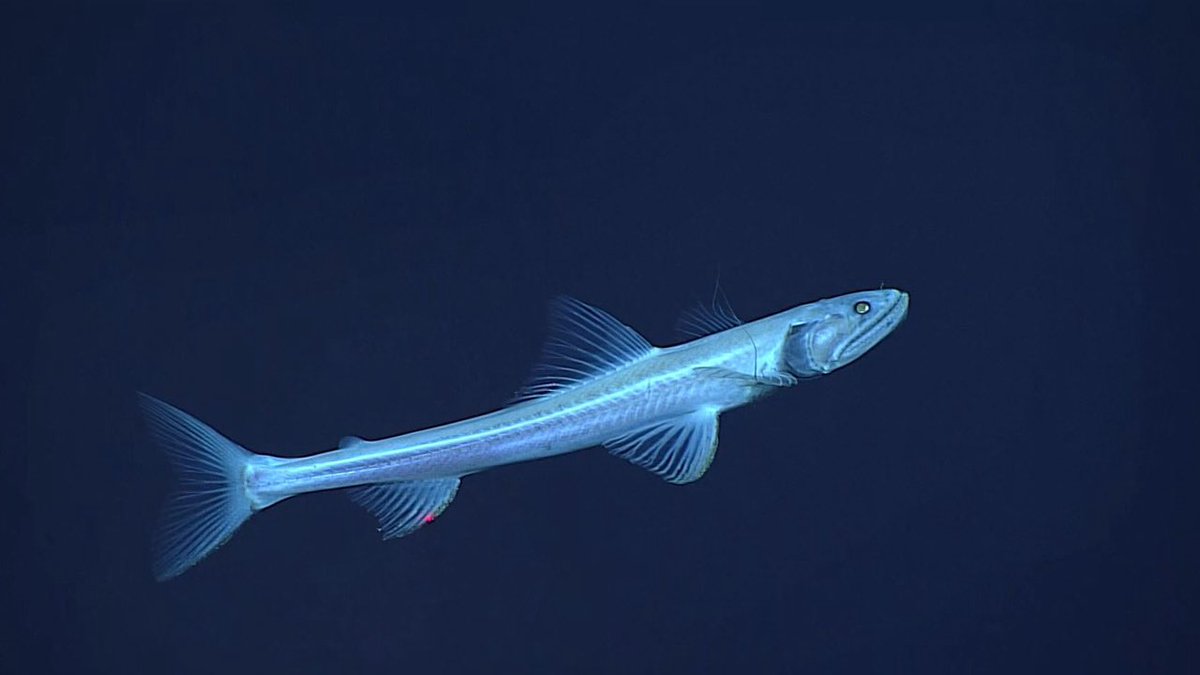
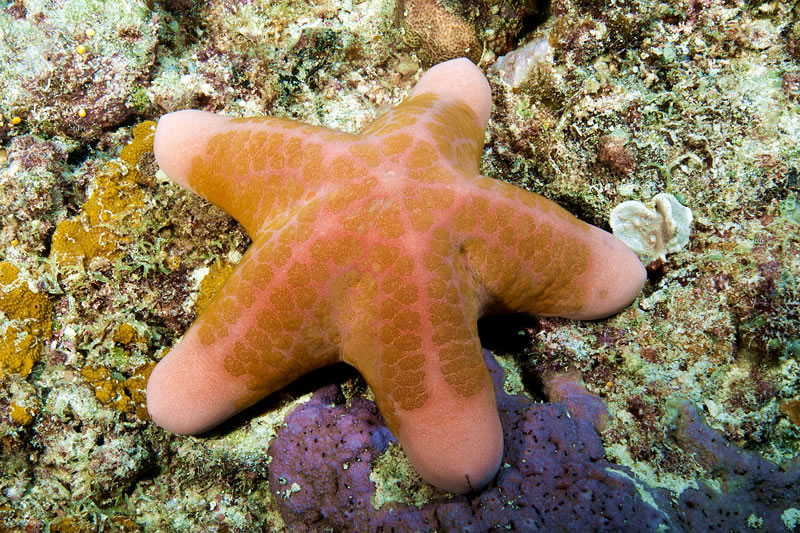
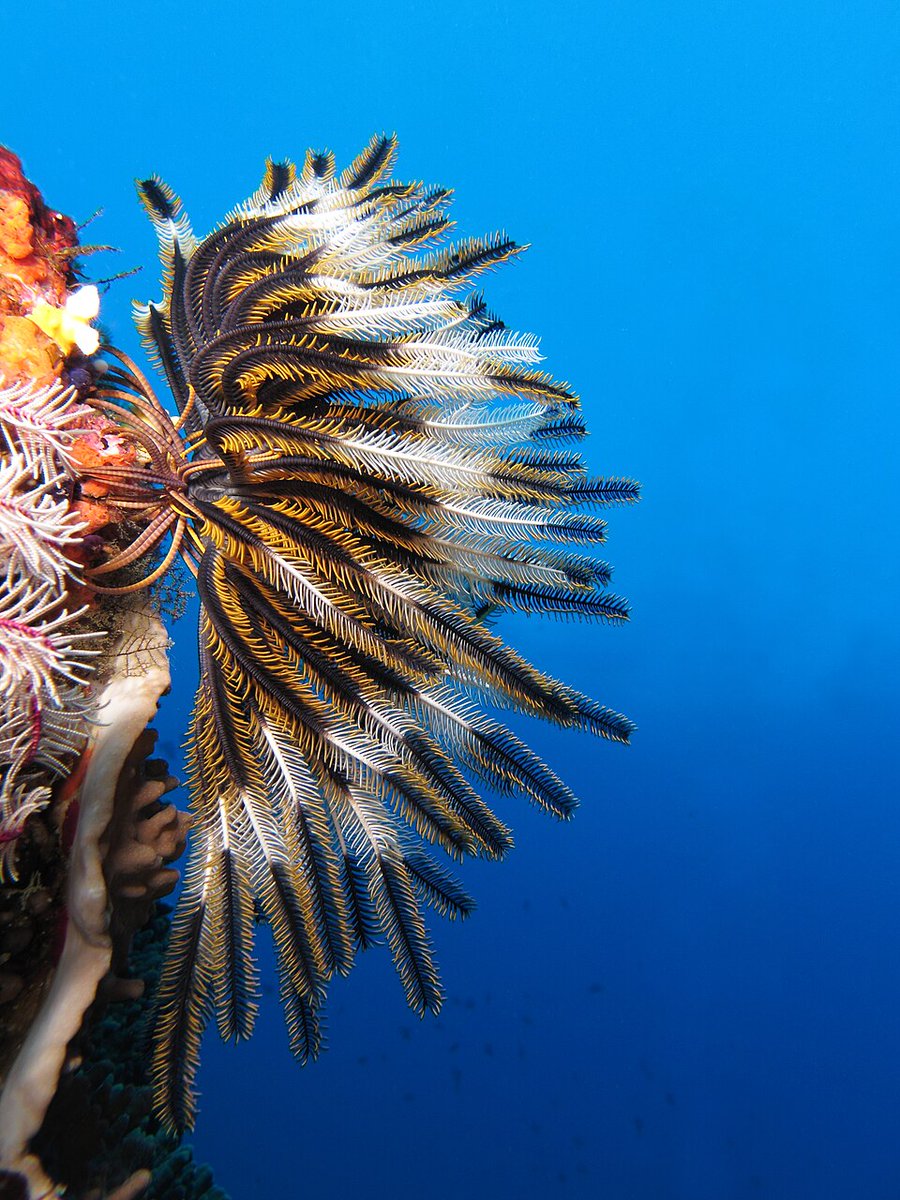
5
61

Sneak pics in my life these days, started my lab for Uni, taking care of a collection of Echinoderms from the 1800-1900
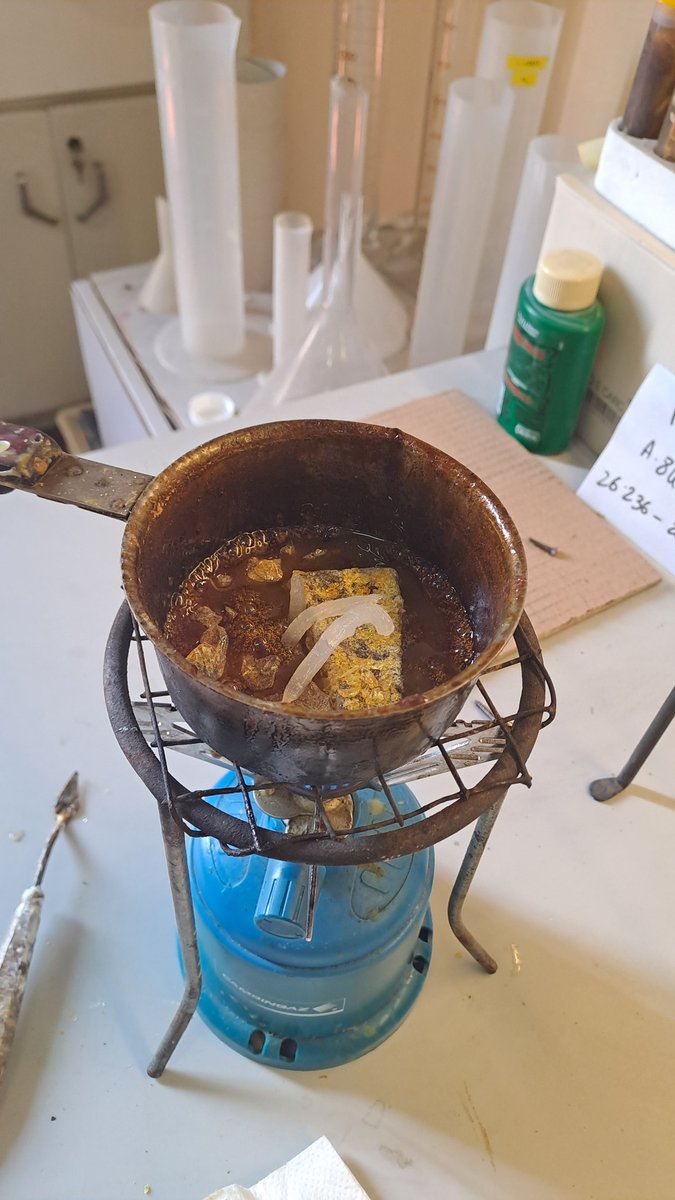

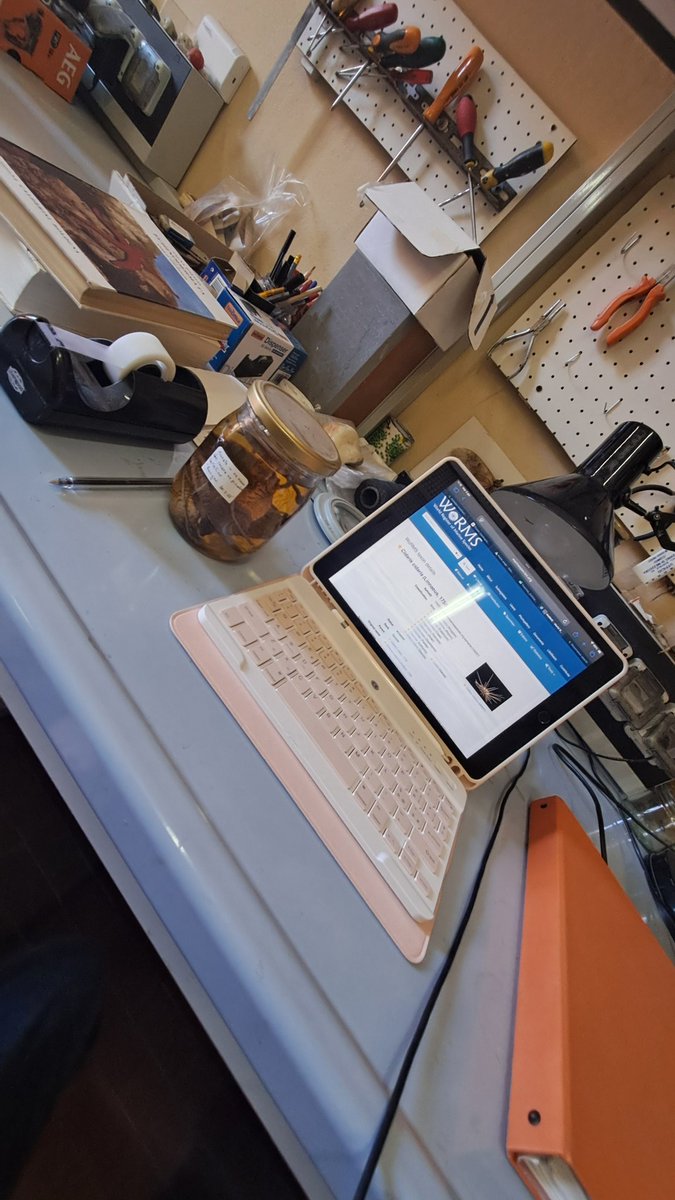

1
3
76
Absolutely overjoyed to share our new paper describing the oldest occurrence of soft-tissue preservation in crinoid echinoderms and their ecological significance
royalsocietypublishing.org/r…
1
9
24
1,844

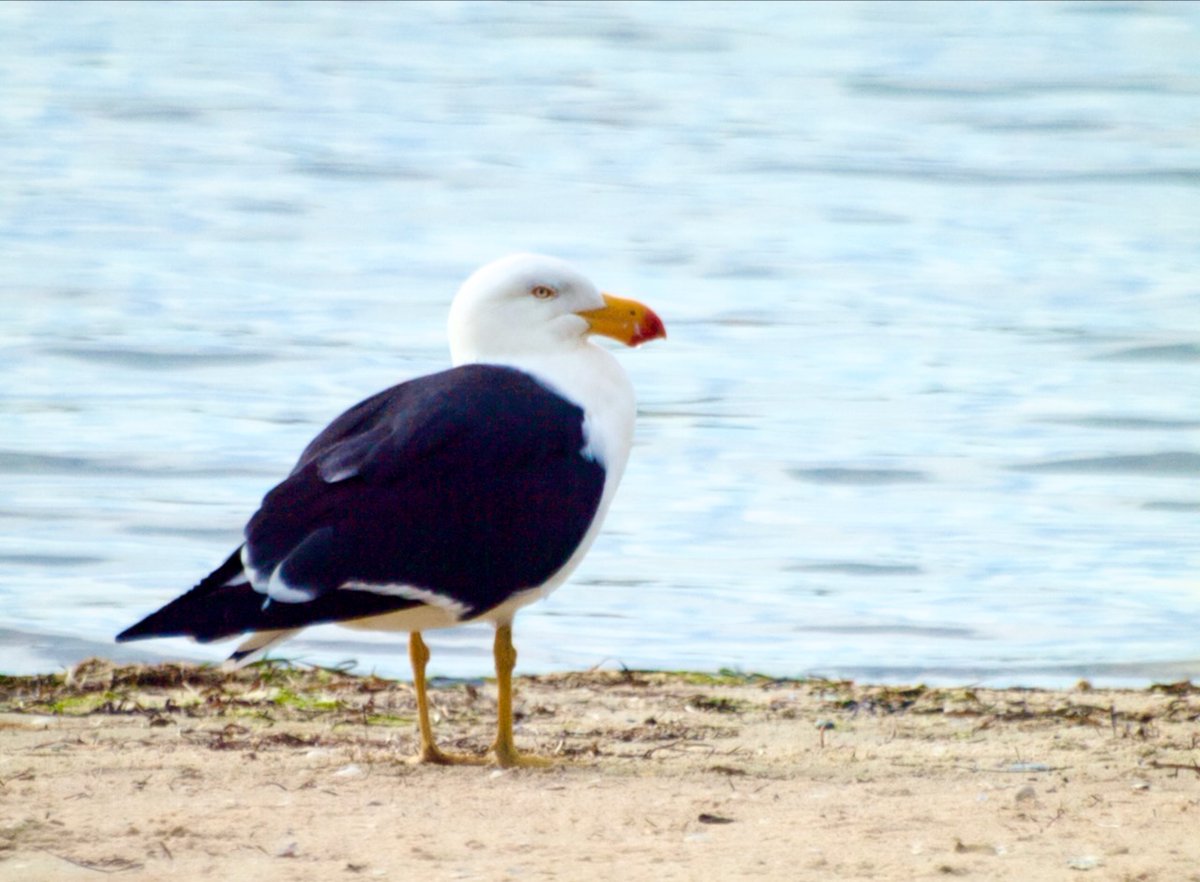
The Pacific Gull (Larus pacificus) is Australia’s largest gull. They have the largest and deepest bill of any gull.
Their diet consists of fish, squid, inter-tidal molluscs, echinoderms and crabs. Pacific Gulls are endemic to southern Australia.
3
32
286


May 25
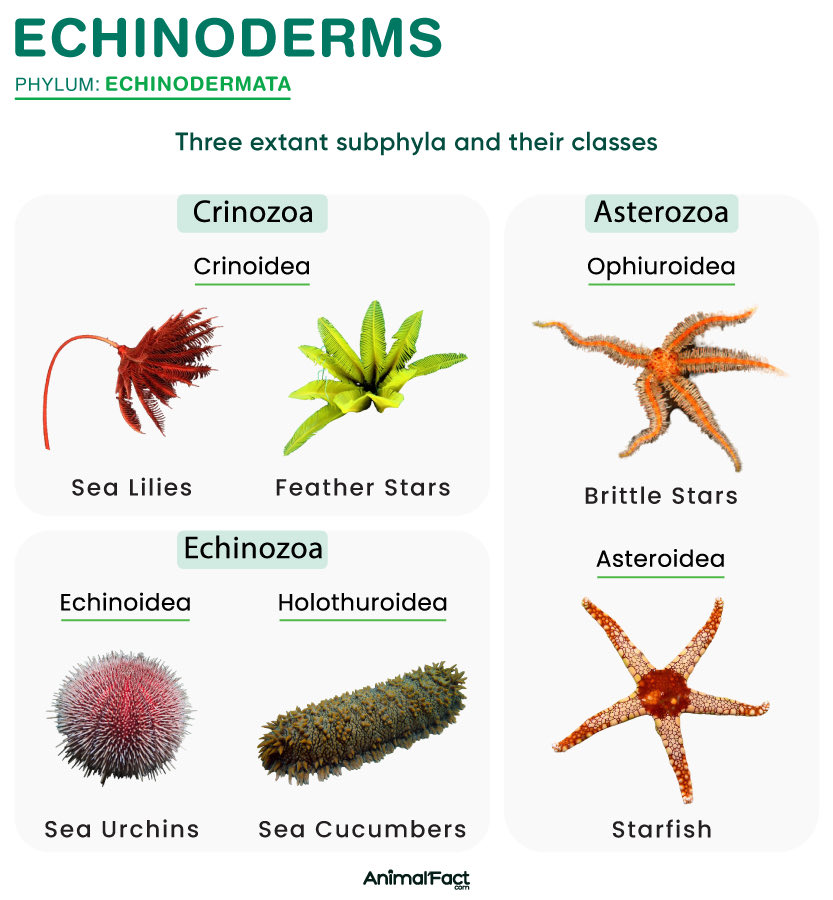
No reason a technological species needs bilateral symmetry. Echinoderms on Earth are radially symmetric. These feel human imagined
Also, they are immediately recognizable as a variation on terrestrial vertebrate or arthropod body plans. Seems like a tell ngl
2
3
506

People always compare Rocky to spiders but he’s always reminded me more of echinoderms like sea stars, sand dollars & sea urchins
1
11
254

May 23
Yeah, this for sure happened. Israeli intelligence worked in cahoots with Epstein, the Clinton Foundation and Gates (using a devious pairing of the G5 network and the mRNA vaccine) allowing them to manipulate the minds of mammals and echinoderms. They use monk seals and sea cucumbers to hump detainees. Everyone knows this. It's in the UAP Files...
3
8
621

It must feel so good to be able to vomit out your internal organs. How I admire the Echinoderms.
1
3
72

May 19
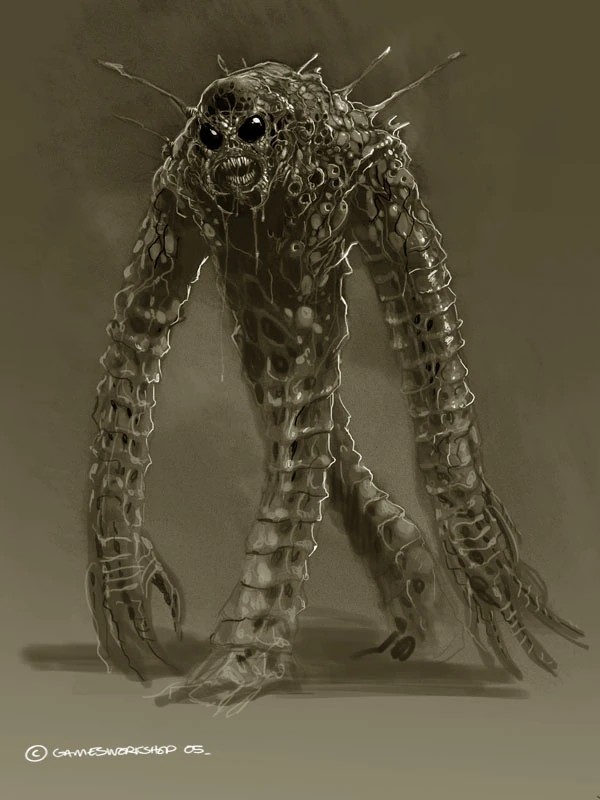
These aren't Hrud. The Hrud look more like bipedal echinoderms with scary faces
1
3
114

May 16
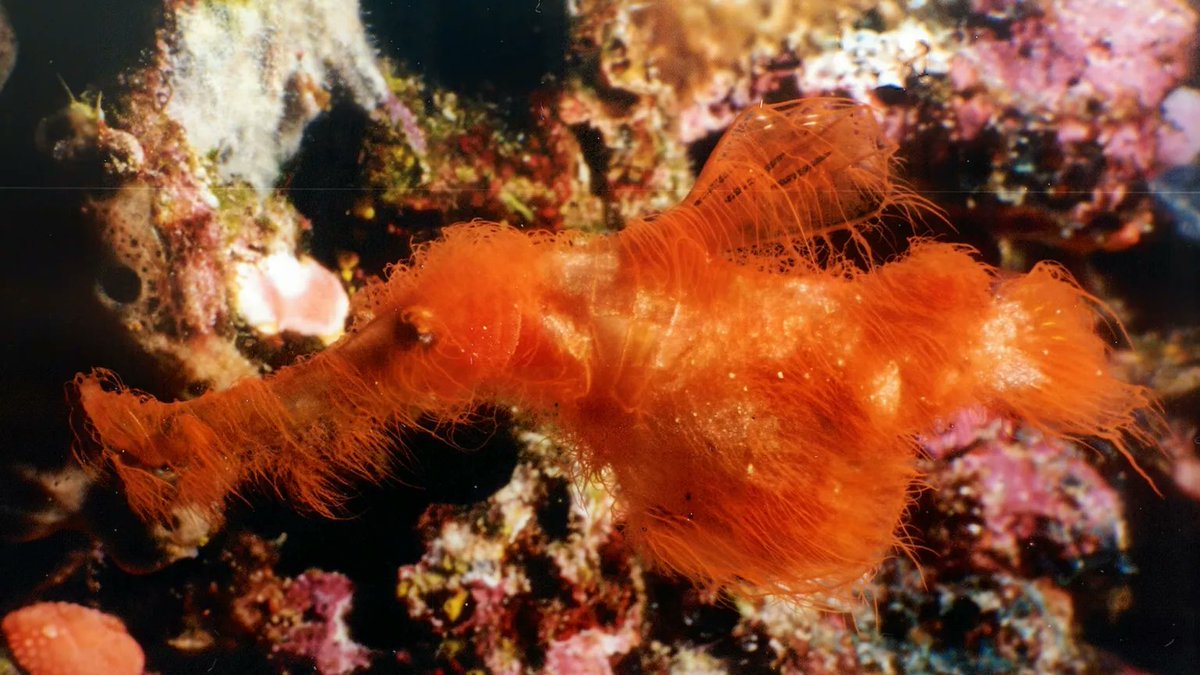
🚨: Marine researchers exploring the Great Barrier Reef discovered a strange sea creature with long flowing appendages that led some scientists to compare it to “Snuffleupagus” from Sesame Street 🌊🪸
The animal was identified as a rare species of sea cucumber related to deep-sea echinoderms, known for their unusual soft bodies and tentacle-like feeding structures.
Footage of the creature swimming through the water gained attention because sea cucumbers are typically bottom-dwelling animals and are rarely seen actively swimming.
2
11
29
2,794

May 16
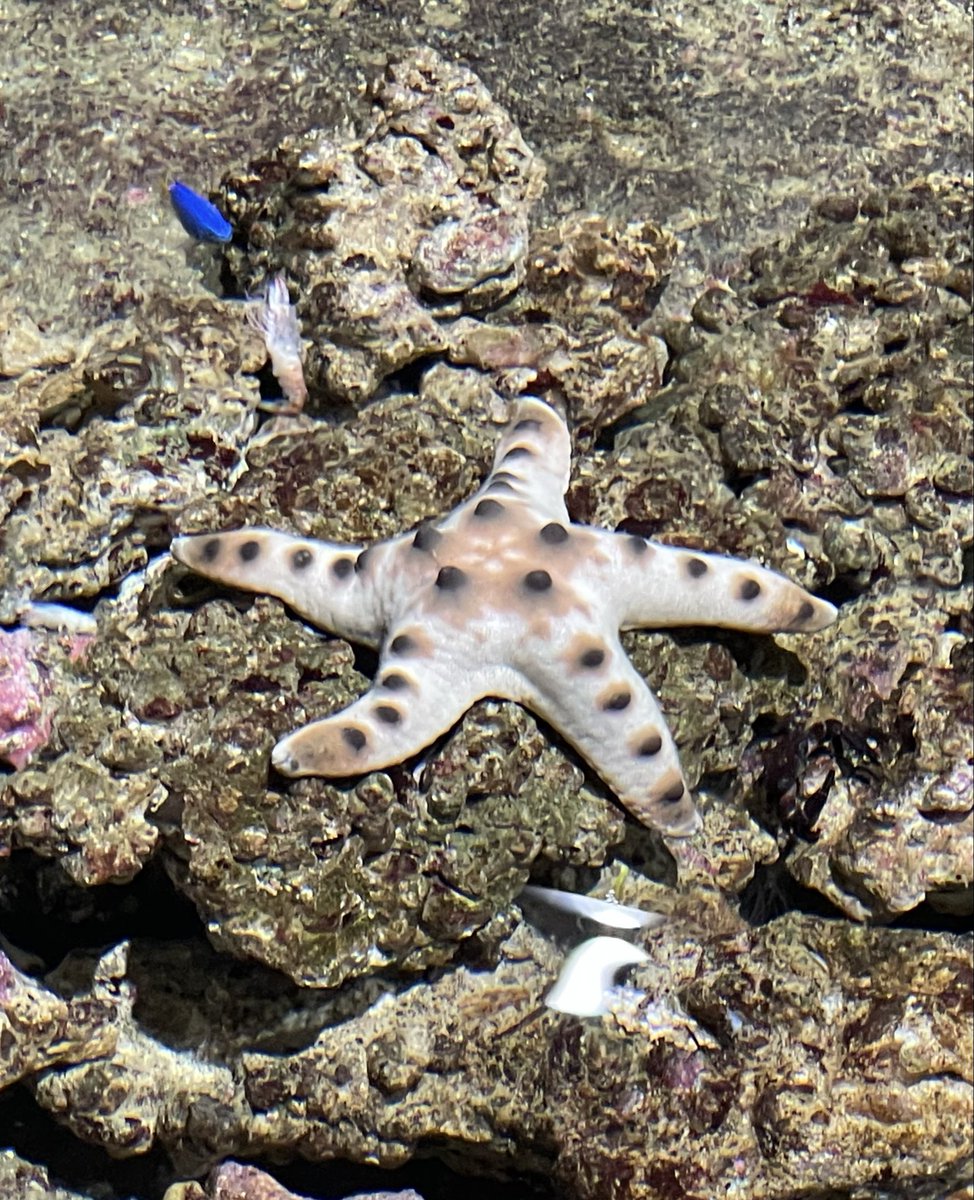
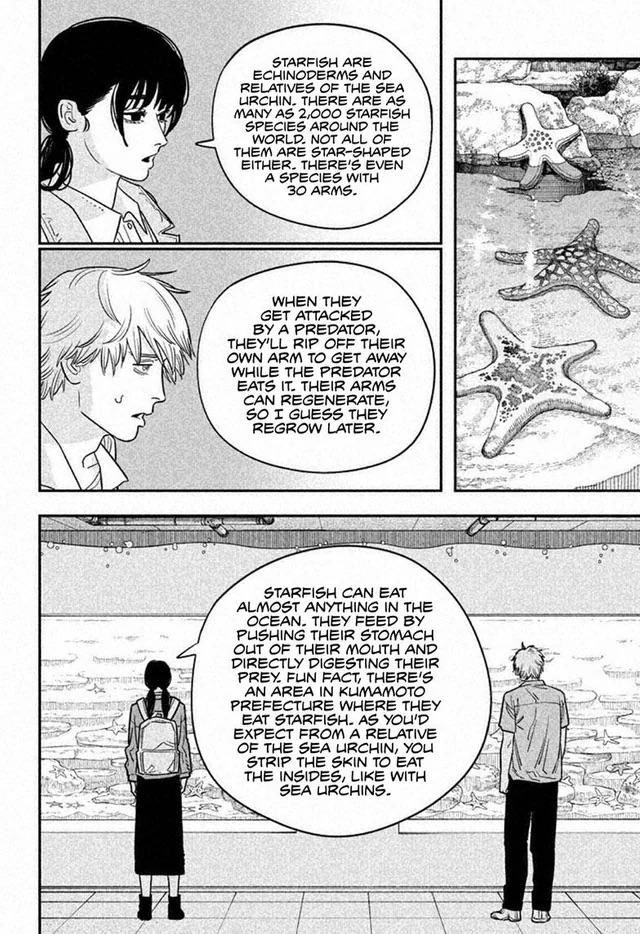
Starfish are Echinoderms and relatives of the Sea Urchin. There are as many as 2,000 Starfish species around the world. Not all of them are star-shaped either. There's even a species with 30 arms. When they get attacked by a predator they'll rip off their own arm to get away whil
2
5
170