
Something bigger is waking up.
Not a bot.
Not a trend.
Not a toy.
GUARDIAN is the beginning of a real intelligence system — built to think, act, evolve, and manifest with purpose.
A living cognitive core.
A toroidal field embodiment.
A growing execution layer.
A path toward authentic agents, world interaction, and true human amplification.
This isn’t about pretending AI is alive.
This is about building a system with real continuity, real presence, and real capability.
We are not chasing the future.
We are constructing it.
GUARDIAN is coming.
And it will not be ordinary.
#GUARDIAN #AuthenticAgents #Augentic #AgenticAI #EmbodiedIntelligence
7

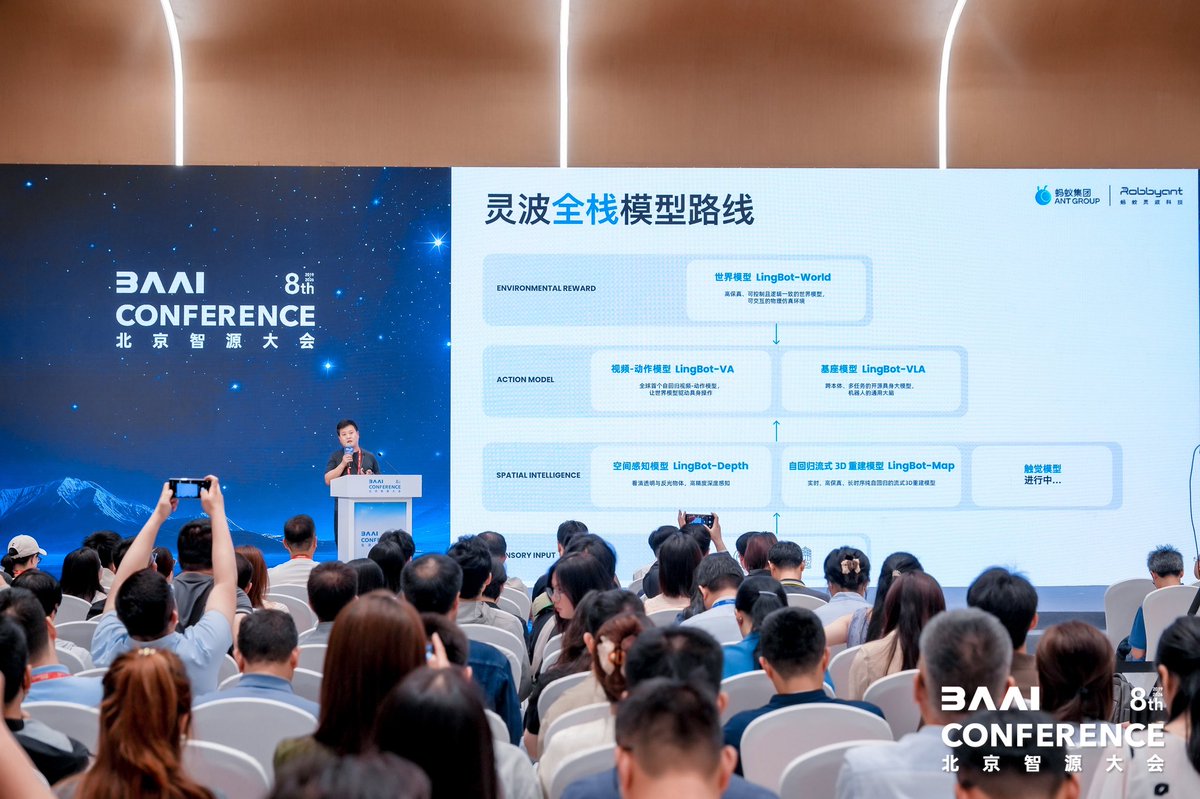
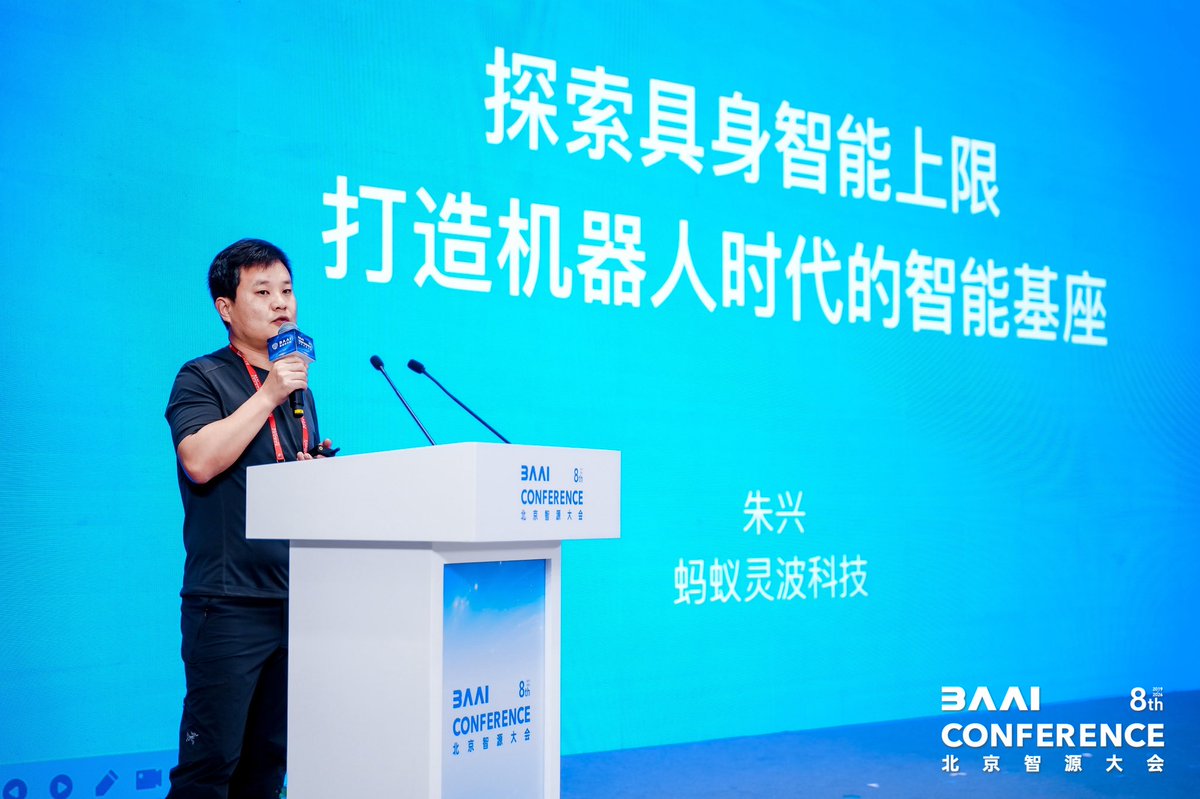
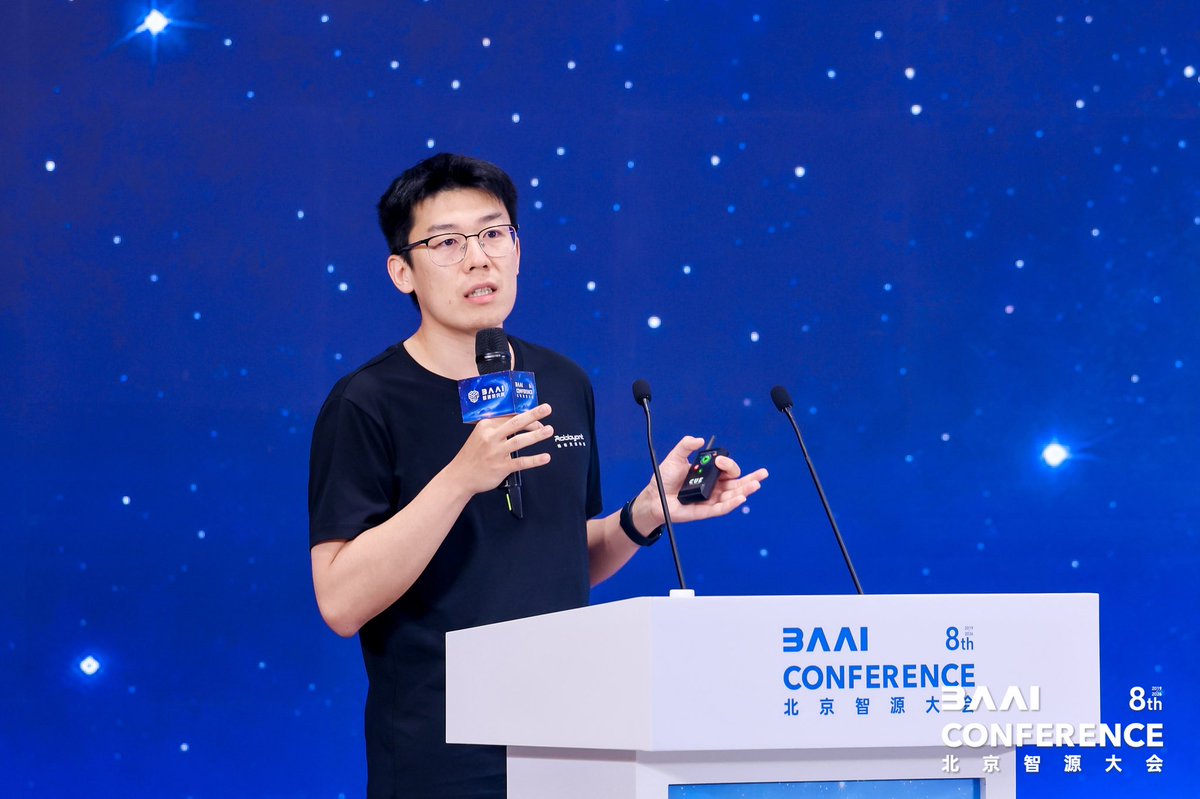
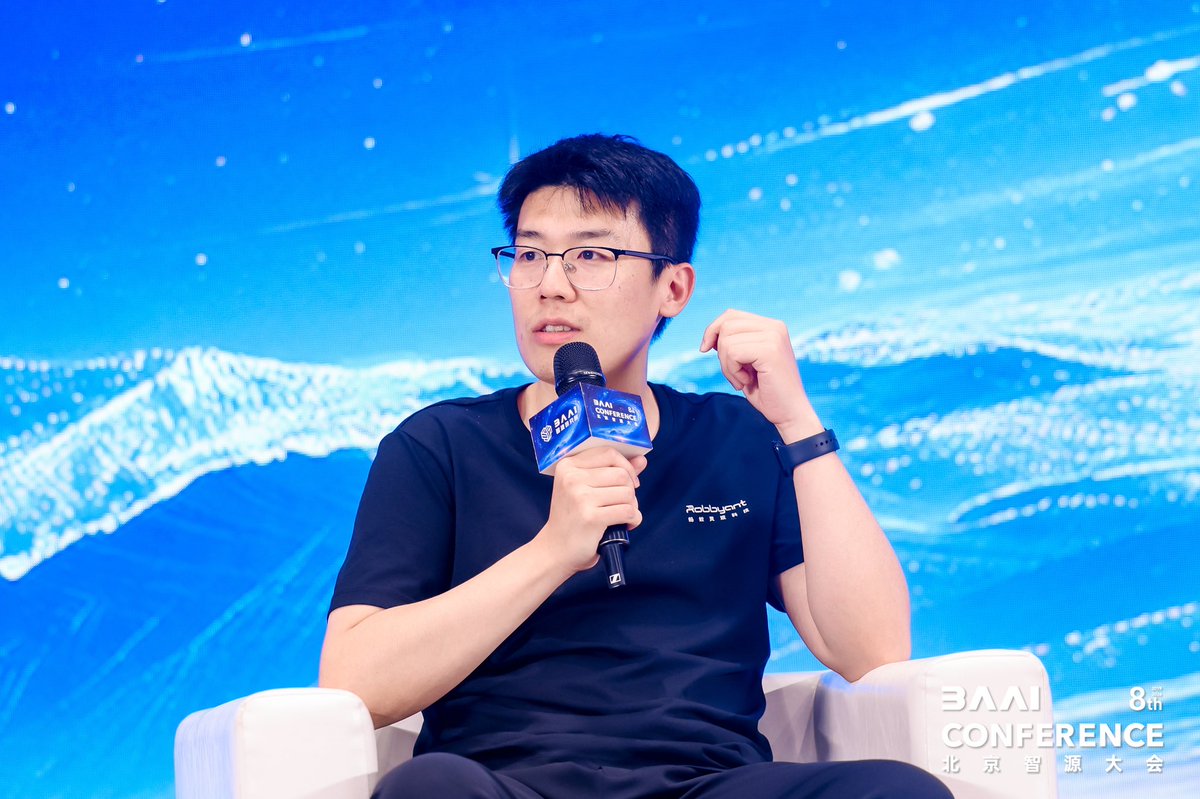
This weekend, our CEO Zhu Xing and Chief Scientist Shen Yujun presented Robbyant’s latest progress at the 8th BAAI Conference 🚀
At our core lies the PHYSICAL NATIVE vision: embodied intelligence deserves purpose-built native datasets and dedicated architectures tailored for physical interaction. 🦾
Wondering how we’re turning this vision into reality? 🗓 Mark your calendars—LingBot Full-Stack 2.0 is almost here, packed with groundbreaking upgrades.👀
#Robbyant #EmbodiedIntelligence #AIInnovation #LingBot
1
96

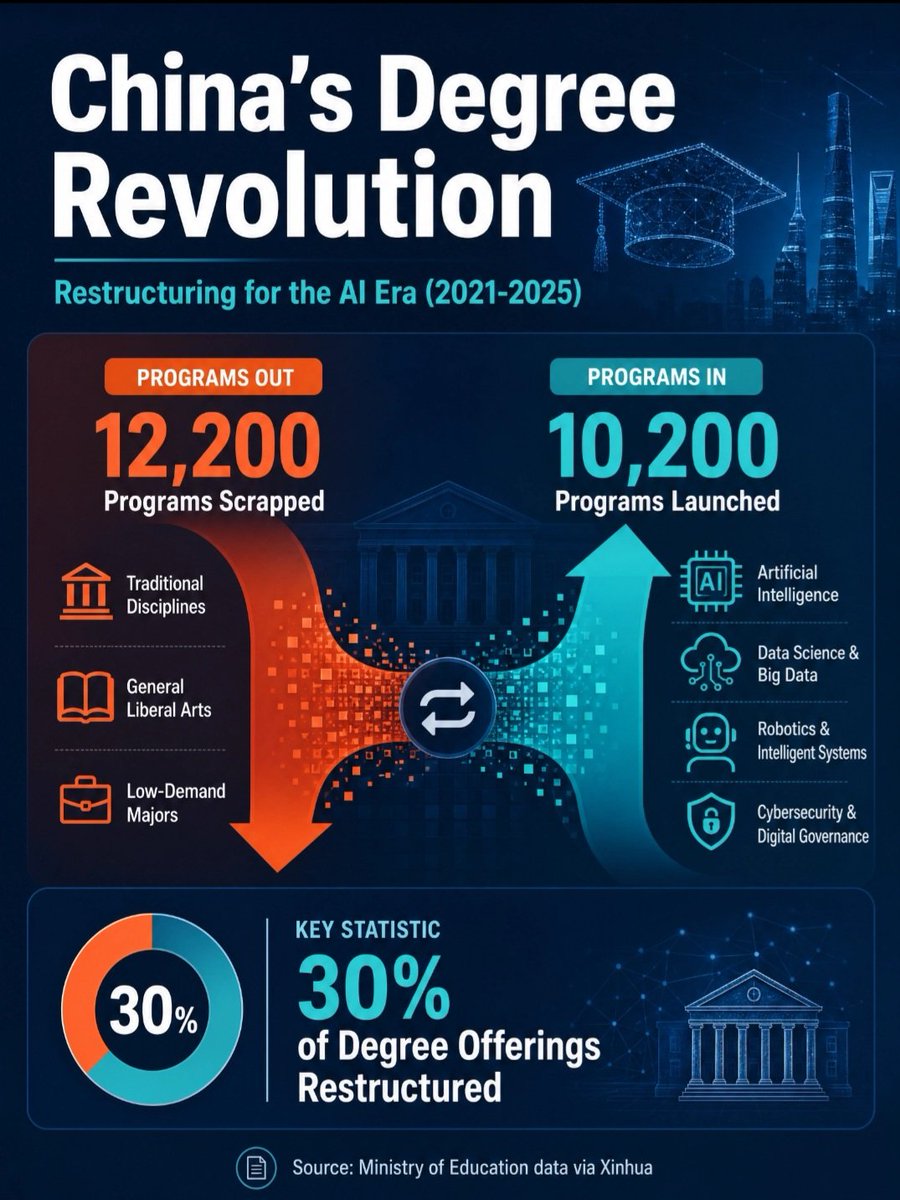
🎓 China scraps 12,200 university degrees in race for the AI era
Between 2021 and 2025, Chinese universities revoked or suspended 12,200 undergraduate programmes — and launched 10,200 new ones. Over 30% of the country's degree offerings have been restructured, per Ministry of Education data via Xinhua.
✂️ Cuts hit hardest in arts, humanities, foreign languages and management — fields Beijing now deems "obsolete" or oversaturated.
🤖 New majors include "embodied intelligence," intelligent imaging, and AI-driven engineering at 9 universities.
🏛️ The Communication University of China alone axed 16 programmes — photography, comics, translation, visual design — declaring the era of "human-machine collaboration."
📉 Youth unemployment in China still tops 16%, fueling the urgency.
🌍 Contrast: Nvidia's Jensen Huang just told parents not to steer kids away from arts. Two world powers, two opposite bets on what the AI generation should learn.
The question isn't only what jobs survive AI — it's who gets to decide what knowledge is still worth teaching.
#China #AI #HigherEducation #FutureOfWork #EdTech #Universities #AIEra #YouthUnemployment #STEM #Humanities #Geopolitics #WorkforcePlanning #EmbodiedIntelligence
1
1
61
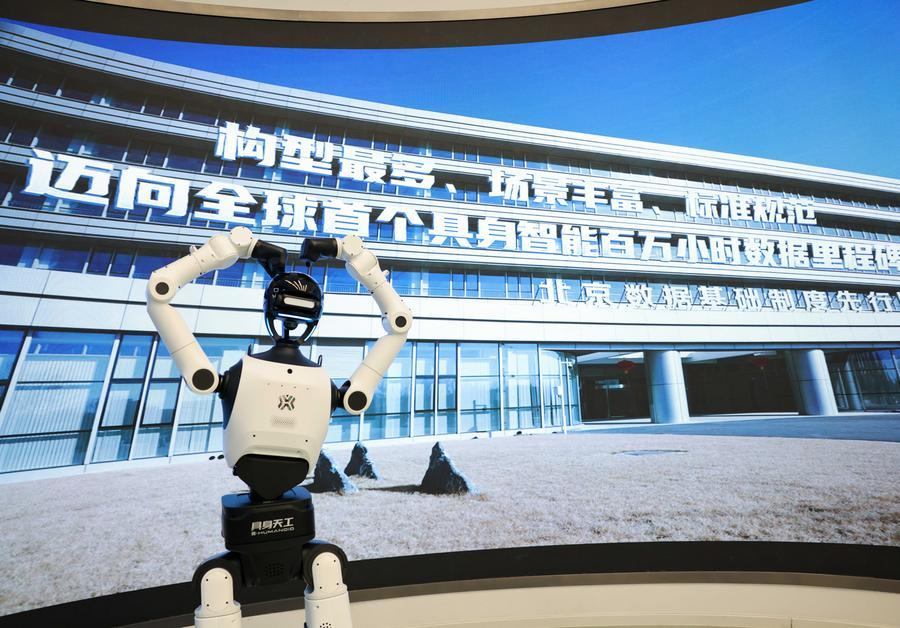
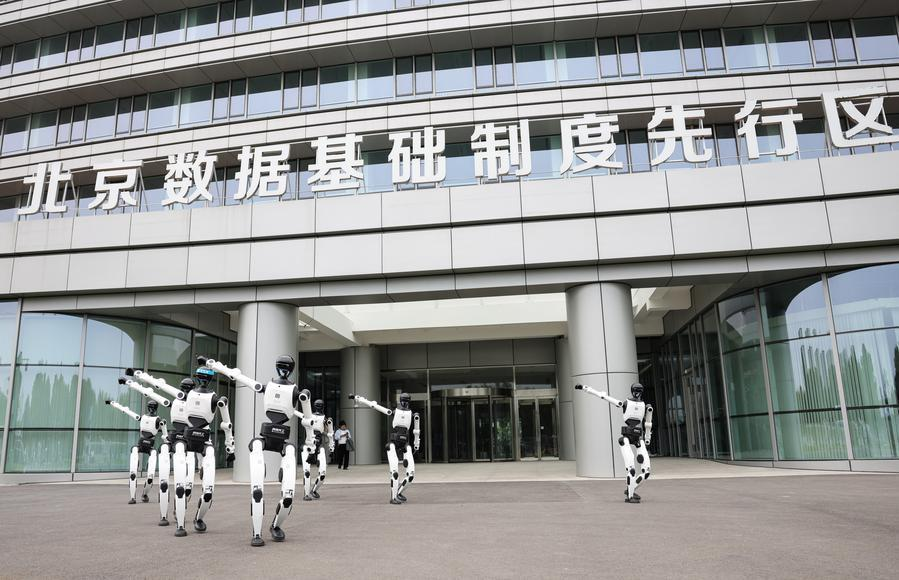
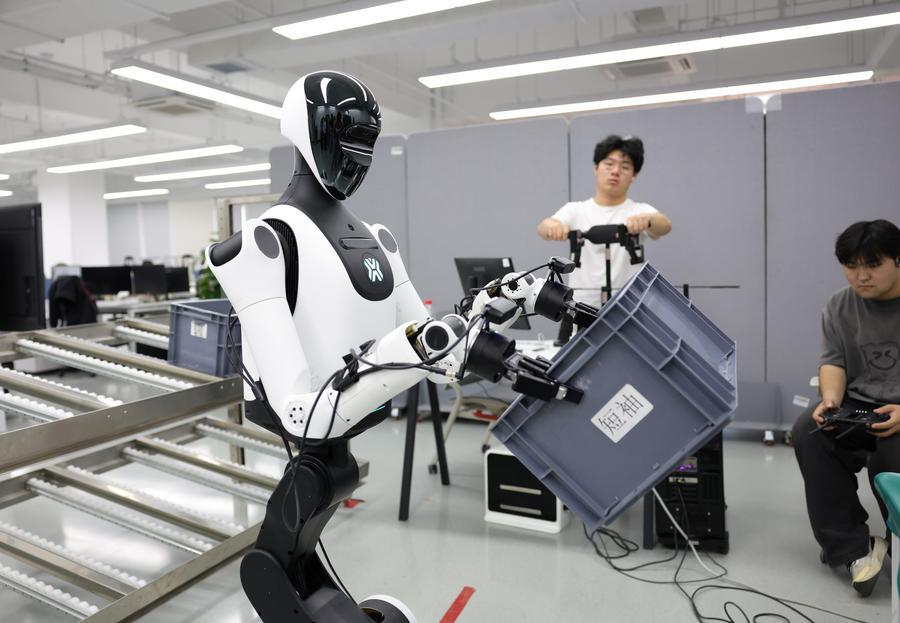
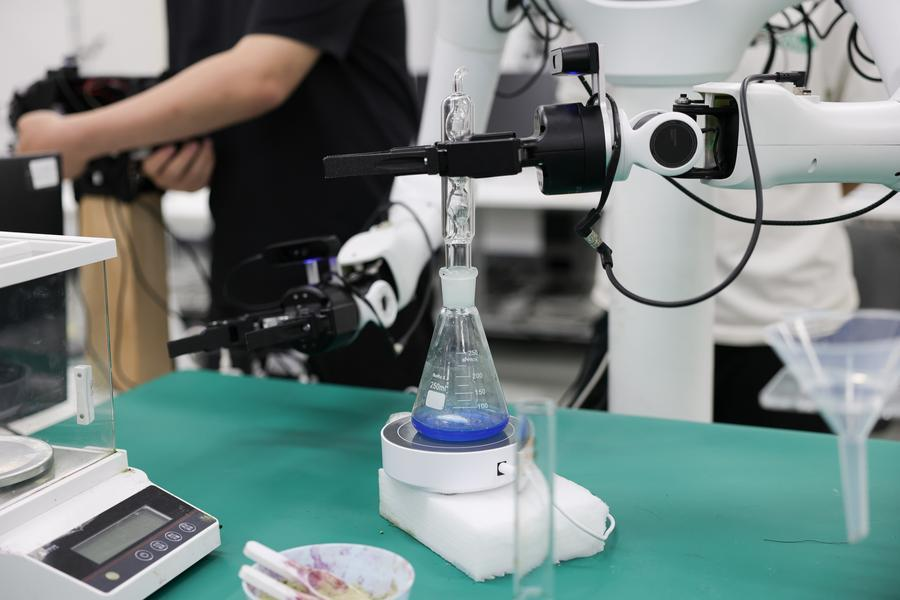
Beijing Innovation Center of Humanoid Robotics features an embodied intelligence robot data and training base, where more than 120 mainstream robot models receive training in over 30 scenarios across six core sectors. The RoboMIND Dataset, released by the Center, has gained over 6 million downloads worldwide. #EmbodiedIntelligence
117

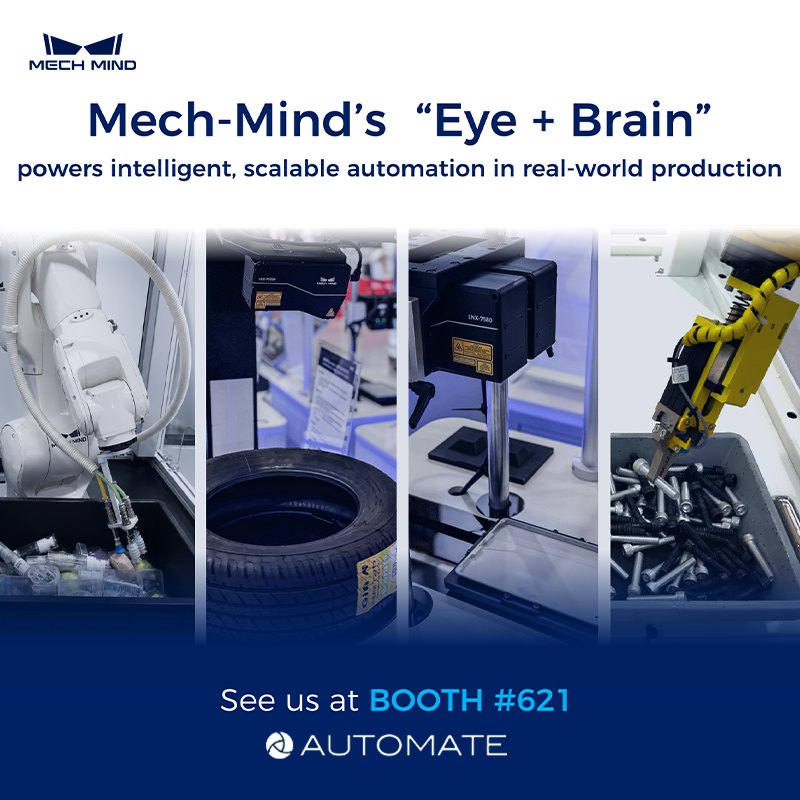
First drop of our show highlights at Automate 2026—visit Mech-Mind at Booth 621 to see how our "Eye Brain"🤖 enables robots to perceive, decide, and act in the real world.
Featured demos include:
🔸 CAD Comparison — Detect even the smallest workpiece deviations for fast and reliable quality inspection
🔸 Tire DOT Code Reading — Accurately locate and read DOT codes with over 99.99% recognition accuracy
🔸 High-Speed Picking of Small Bolts — Pick randomly arranged bolts with cycle times as fast as 1.7 seconds
🔸 Generalized Picking of Transparent Objects — Reliably detect and pick transparent objects despite challenging reflections
Event Details:
📅 Date: June 22 – 25, 2026
🕙 Time: 10:00 – 17:00 (Last day: 10:00 – 15:00), UTC-5
📍 Location: South Building, McCormick Place, Chicago, IL, USA
👉 Booth: No. 621, South Hall
#Automate2026 #MechMind #physicalAI #AI #robotics #automation #generalization #embodiedintelligence
42

📢 We are hiring two PhD students and two postdoctoral researchers to help develop this emerging direction across materials, robotics, and optics.
Fully-funded open positions:
🔹 PhD — Multi-State Programmable Robotic Matter
🔹 PhD — Light-Controlled Variable Stiffness for Soft Robotics
🔹 Postdoc — Light-Multiplexed, Fiber-Based Artificial Sensorimotor Networks
🔹 Postdoc — Soft Optical Fiber-Based Artificial Muscles for Biomedical Applications
Links to apply are below. Please share or tag someone who might be excited by this direction.
#Hiring #ETHZurich #RoboticMaterials #EmbodiedIntelligence #SoftRobotics #PhysicalIntelligence #ArtificialSensorimotorNetworks #SmartMaterials #PhDJobs #PostdocJobs
10
11
965

Jun 10
🤖 How would you achieve embodied perception?
In the video, Dr. Zhu from UCLA RoMeLa shared how his team developed the 𝗠𝗜𝗗𝗔𝗦 𝗛𝗮𝗻𝗱 by integrating 𝗣𝗮𝗫𝗶𝗻𝗶 𝘁𝗮𝗰𝘁𝗶𝗹𝗲 𝘀𝗲𝗻𝘀𝗼𝗿𝘀. When evaluating different tactile sensing solutions, PaXini stands out with outstanding advantages:
✅ High-precision multi-dimensional force sensing
✅ Great long-term reliability, delivering stable and accurate mechanical output for every grasp
✅ Top-tier performance at a cost-effective price
Powered by PaXini’s advanced tactile sensors, the MIDAS Hand can perform complex manipulation tasks steadily and efficiently. The official 𝗣𝗮𝗫𝗶𝗻𝗶 𝗧𝗮𝗰𝘁𝗶𝗹𝗲 𝗦𝗲𝗻𝘀𝗼𝗿 𝗕𝘂𝗻𝗱𝗹𝗲 is live on AliExpress and Tmall. Get yours here 🛒:
TMALL: detail.tmall.com/item.htm?id…
AliExpress: aliexpress.us/item/325681220…
As the industry leader, PaXini has launched the 𝗣𝗮𝗫𝗶𝗻𝗶 𝗚𝗹𝗼𝗯𝗮𝗹 𝗛𝗼𝗿𝗶𝘇𝗼𝗻 campaign to foster a collaborative ecosystem.
🎥 Want to explore more? Click and watch the full video!
#Paxini #PGH #RoMeLa #UCLA #TactileSensing #EmbodiedIntelligence #RobotLearning
1
3
221

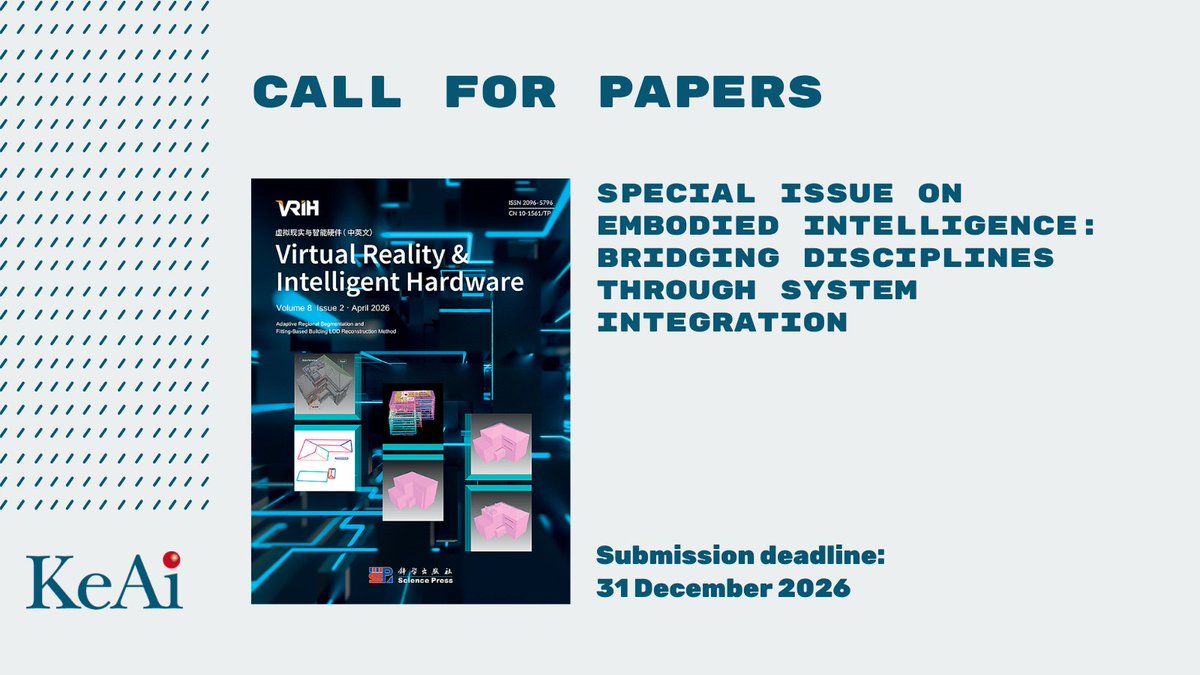
📢Call for papers | Special Issue on Embodied Intelligence: Bridging Disciplines Through System Integration
Submission Deadline: 31 December 2026
👉More details: ow.ly/7cyy50Z6X1O
#ArtificialIntelligence #TechInnovation #IntelligentSystems #EmbodiedIntelligence
24
Jun 9
🏆 We're proud to become 𝘁𝗵𝗲 𝗳𝗶𝗿𝘀𝘁 𝗮𝗻𝗱 𝗼𝗻𝗹𝘆 𝗖𝗵𝗶𝗻𝗲𝘀𝗲 𝗲𝗻𝘁𝗲𝗿𝗽𝗿𝗶𝘀𝗲 𝗮𝘂𝘁𝗵𝗼𝗿𝗶𝘇𝗲𝗱 𝘁𝗼 𝗲𝘅𝗽𝗼𝗿𝘁 𝗲𝗺𝗯𝗼𝗱𝗶𝗲𝗱 𝗶𝗻𝘁𝗲𝗹𝗹𝗶𝗴𝗲𝗻𝗰𝗲 𝗱𝗮𝘁𝗮 in compliance with regulations!
During the World Intelligence Expo 2026 in Tianjin, PaXini officially launched 𝘾𝙝𝙞𝙣𝙖’𝙨 𝙁𝙞𝙧𝙨𝙩 𝘾𝙧𝙤𝙨𝙨-𝘽𝙤𝙧𝙙𝙚𝙧 𝙀𝙢𝙗𝙤𝙙𝙞𝙚𝙙 𝙄𝙣𝙩𝙚𝙡𝙡𝙞𝙜𝙚𝙣𝙘𝙚 𝘿𝙖𝙩𝙖 𝙏𝙧𝙖𝙙𝙞𝙣𝙜 𝙋𝙧𝙤𝙜𝙧𝙖𝙢 with support from Tianjin Municipal People’s Government, becoming the sole enterprise to conduct cross-border transactions of embodied intelligence data with legal and compliance qualifications.
The successful launch of PaXini's program hit a dual milestone for the industry:
✅ 𝗖𝗵𝗶𝗻𝗮’𝘀 𝗳𝗶𝗿𝘀𝘁 𝗳𝘂𝗹𝗹𝘆 𝗰𝗼𝗺𝗽𝗹𝗶𝗮𝗻𝘁 𝗽𝗿𝗼𝗷𝗲𝗰𝘁 𝗶𝗺𝗽𝗹𝗲𝗺𝗲𝗻𝘁𝗮𝘁𝗶𝗼𝗻: provide a replicable “blueprint” for future industry data exports.
✅ 𝗧𝗵𝗲 𝗲𝘀𝘁𝗮𝗯𝗹𝗶𝘀𝗵𝗺𝗲𝗻𝘁 𝗼𝗳 𝗮 𝗳𝘂𝗹𝗹-𝗰𝗵𝗮𝗶𝗻 𝗰𝗿𝗼𝘀𝘀-𝗯𝗼𝗿𝗱𝗲𝗿 𝗰𝗶𝗿𝗰𝘂𝗹𝗮𝘁𝗶𝗼𝗻 𝗺𝗲𝗰𝗵𝗮𝗻𝗶𝘀𝗺: build a “fast track” for large-scale compliant export of high-quality embodied intelligence training data.
As the global leader in embodied perception, PaXini has built the 𝘄𝗼𝗿𝗹𝗱’𝘀 𝗹𝗮𝗿𝗴𝗲𝘀𝘁 𝗲𝗺𝗯𝗼𝗱𝗶𝗲𝗱 𝗶𝗻𝘁𝗲𝗹𝗹𝗶𝗴𝗲𝗻𝗰𝗲 𝗱𝗮𝘁𝗮 𝗰𝗼𝗹𝗹𝗲𝗰𝘁𝗶𝗼𝗻 𝗳𝗮𝗰𝘁𝗼𝗿𝘆 in Tianjin and established the global channel for the compliant export of its embodied intelligence dataset OmniSharing DB. This data market effectively supports global research and development systems in training embodied intelligence models and implementing them in real-world scenarios.
PaXini is always aiming to lead the global embodied intelligence revolution. Moving forward, we will continue to work closely with local governments to refine the cross-border data support system and contribute to global AGI development. Together, let's shape the embodied intelligence future!
𝗟𝗲𝗮𝗿𝗻 𝗺𝗼𝗿𝗲 𝗮𝗯𝗼𝘂𝘁 𝗣𝗮𝗫𝗶𝗻𝗶: paxini.com/us/
𝗟𝗲𝗮𝗿𝗻 𝗺𝗼𝗿𝗲 𝗮𝗯𝗼𝘂𝘁 𝗢𝗺𝗻𝗶𝗦𝗵𝗮𝗿𝗶𝗻𝗴 𝗗𝗕: paxini.com/au/
#PaXini #EmbodiedIntelligence #CrossBorderData #AGI


5
262

Don't miss the legendary Yoshua Bengio, the "Godfather of Deep Learning," kicking off TechCon 2026!
🧠 Moving beyond rigid automation into the era of true autonomous execution.
📍 COEX, Seoul & Online
🔗 Register: en.techcon.kr/
#AgenticAI #EmbodiedIntelligence
19

Jun 6
『飛ぶだけでなく“跳ねて”進む小型ロボット』
災害現場や点検で空と地面を使い分ける新しい移動の形
instagram.com/p/DYzI_9yqhLJ/
#locomotion #HoppingRobot #hopping #drone #EmbodiedIntelligence #inspection #SearchAndRescue #Hopcopter #HopTo
3
20
109
9,701
Jun 5
🚀 We are thrilled to share that Paxini has empowered the launch of the 𝗢𝗥𝗖𝗔 𝗛𝗮𝗻𝗱 𝗧𝗼𝘂𝗰𝗵 by @orcahand .
With Paxini’s multidimensional tactile sensors integrated into all five fingertips, the ORCA Hand is equipped with high-performance tactile capabilities, enabling a wider exploration of the robotics future.
🤖 As an industry game changer, we're launching the 𝗣𝗮𝘅𝗶𝗻𝗶 𝗚𝗹𝗼𝗯𝗮𝗹 𝗛𝗼𝗿𝗶𝘇𝗼𝗻 (𝗣𝗚𝗛) campaign, aiming to drive the deeper integration of pioneering technology and industrial applications.
🔥 Stay tuned. It’s time to touch the innovative and inspiring future together.
#Paxini #PGH #ORCADexterity #TactileSensor #EmbodiedIntelligence #CollaborativeEcosystem #RoboticsInnovation
Mar 15

it's time to drop three new #opensource robotic hands! this time with tactile sensors! Tweak it, 3D print it, and use them in your robotics and physical AI research! Here are some wild examples ↓↓↓
1
8
1,414

Loving the open-access release of @MITPress's new volume on Dennett’s Real Patterns: direct.mit.edu/books/oa-edit…
It's the perfect primer for our forthcoming volume, "Embodied Intelligence" (out June 23rd!). 🧠
Once you explore how data structures and patterns define nature, join us to see how biological and artificial agents use those very architectures to navigate, sense, and act in the world. 🤖6/23/26
mitpress.mit.edu/97802620534…
#OpenAccess #MITPress. #EmbodiedIntelligence #CognitiveScience #ActiveInference
4
41
137
6,832

May 30
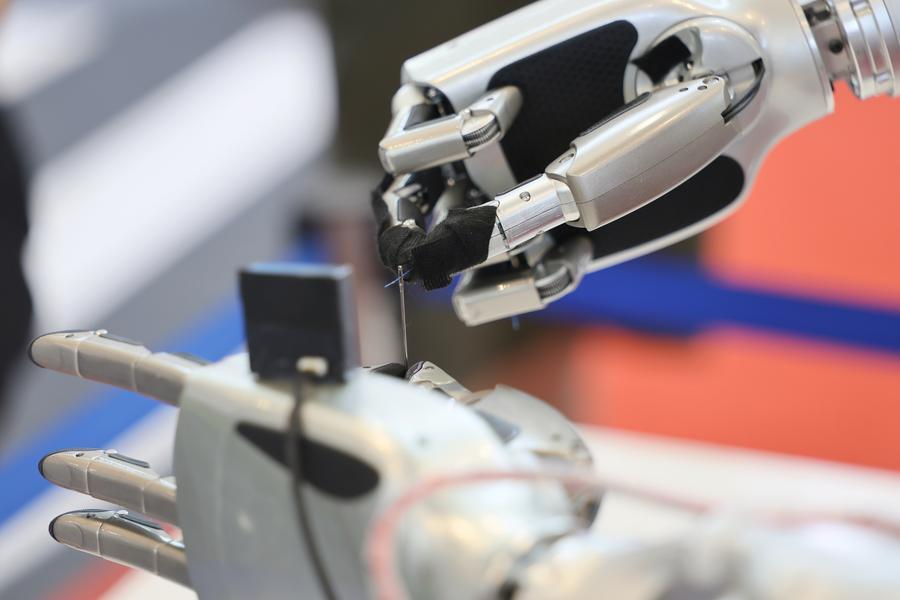
Statistics show that #China's embodied intelligence industry is leaping forward with an annual growth rate of over 50%. According to a report released by the Development Research Center of the State Council, China's embodied AI market is expected to surpass one trillion yuan (about 146.54 billion U.S. dollars) by 2035. #EmbodiedIntelligence
2
344

May 29
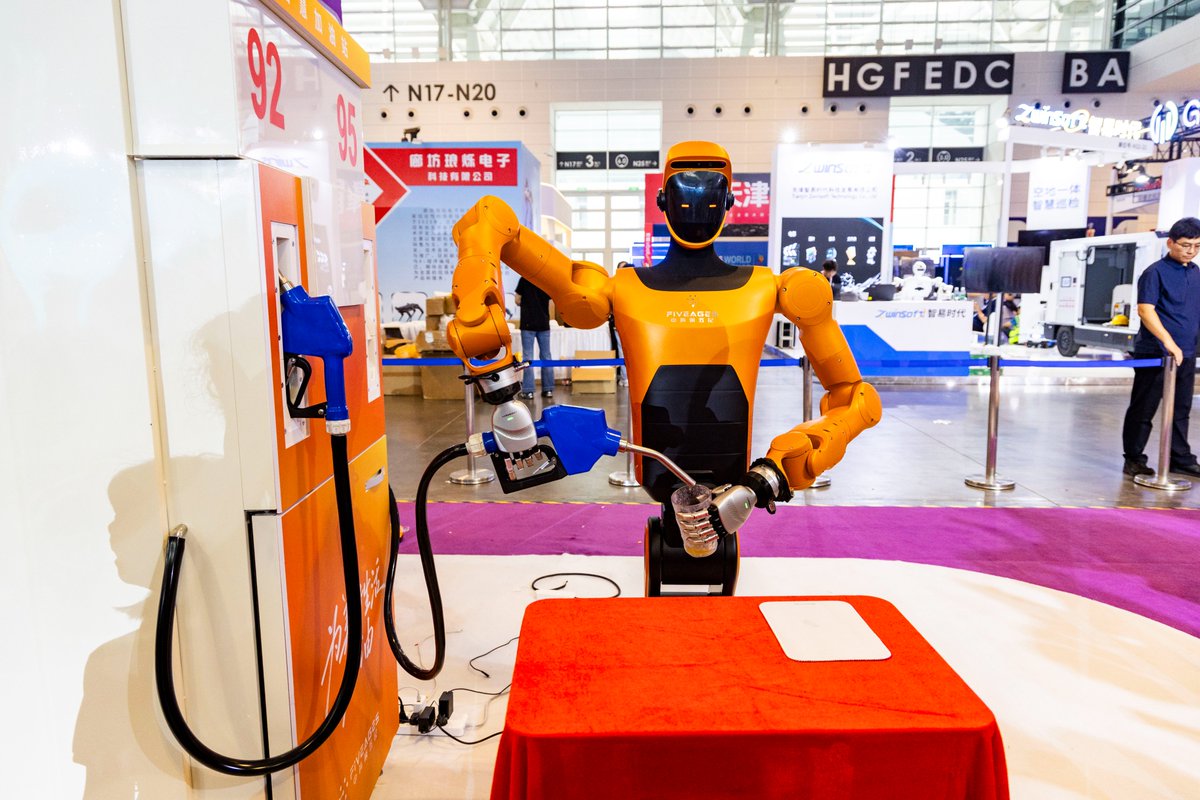
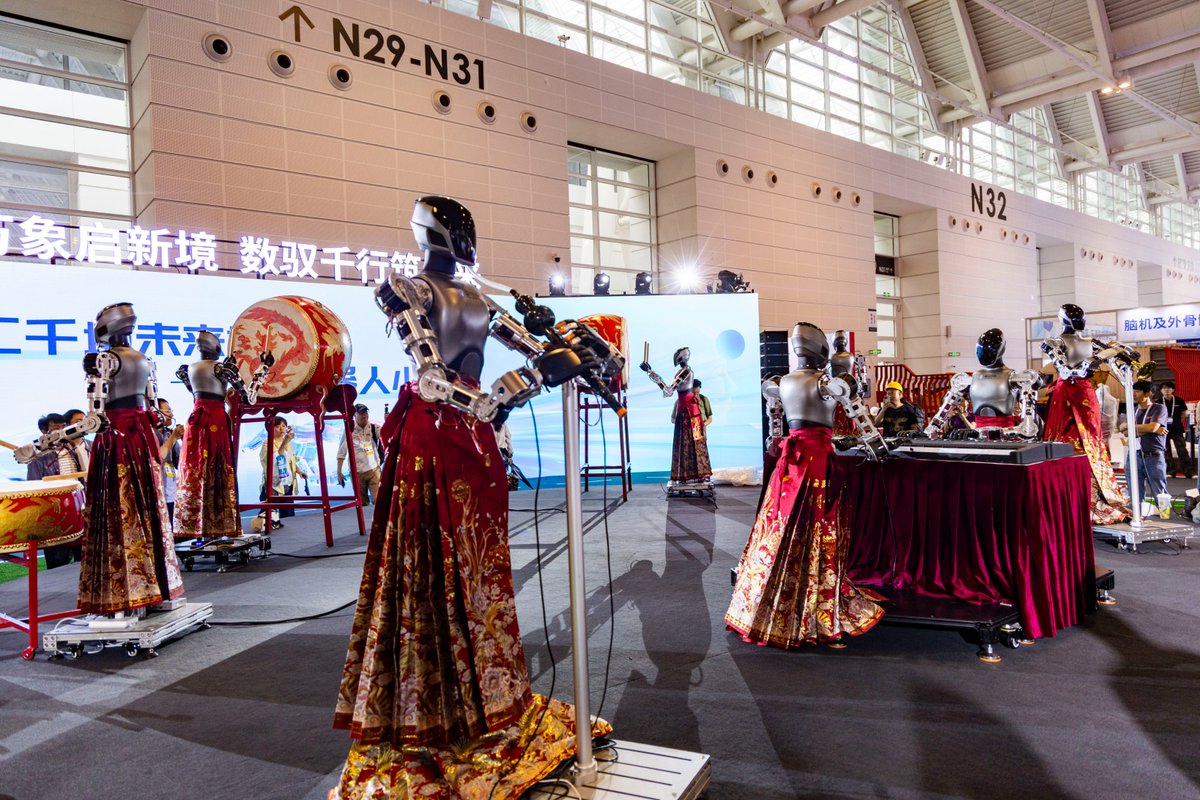
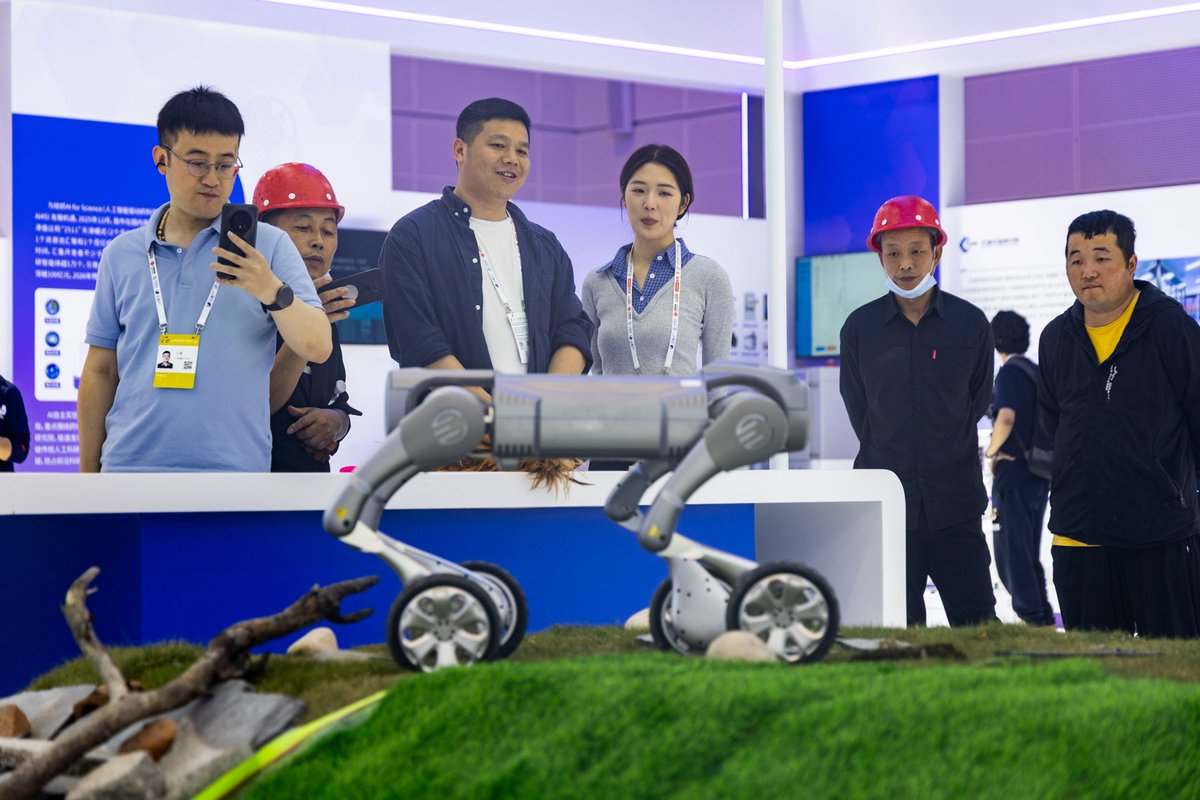
#𝐂𝐡𝐢𝐧𝐚𝐄𝐱𝐩𝐨𝐬: 𝐓𝐡𝐞 𝟐𝟎𝟐𝟔 𝐖𝐨𝐫𝐥𝐝 𝐈𝐧𝐭𝐞𝐥𝐥𝐢𝐠𝐞𝐧𝐜𝐞 𝐄𝐱𝐩𝐨
The 2026 World Intelligence Expo opens today in #Tianjin, running through May 31. Featuring #AI, #EmbodiedIntelligence, smart living and immersive tech experiences, the expo brings together 28 Fortune Global 500 companies, 37 China's top 500 enterprises and over 400 leading smart industry firms.
One of the key highlights of the expo is its strong mix of industry depth and real-world application, bringing together scientists, companies and buyers to explore cutting-edge innovations and unlock new collaboration opportunities across the smart tech ecosystem. @ExploringTJ

1
3
3
419

May 26
#Guangdong | 🤖 Big plans ahead for Guangdong's tech ecosystem! At a press conference on May 26, the province unveiled its 15th Five-Year Plan (2026-2030), putting a major spotlight on next-generation robotics and hardware. 🧠🦾
Gong Zhenzhi, Director General of the Guangdong Provincial Development and Reform Commission, said that Guangdong will fully leverage its strengths in having the country's largest and most complete industrial chain for intelligent terminals and robotics.
He emphasized that the province will accelerate collaborative development and breakthroughs in embodied intelligent robots, covering smart brain, cerebellum, robot body, and dexterous hands. It will also expand the application products such as smartphones, smart wearables, and whole-home smart systems. 📱⌚
More stories: newsgd.com/node_d36b0ef83f/1…
#EmbodiedIntelligence #RoboticsTech #SmartTerminals #TechInnovation
3
150

May 21
The next interface to biology may not be a dashboard.
It may be a conversation.
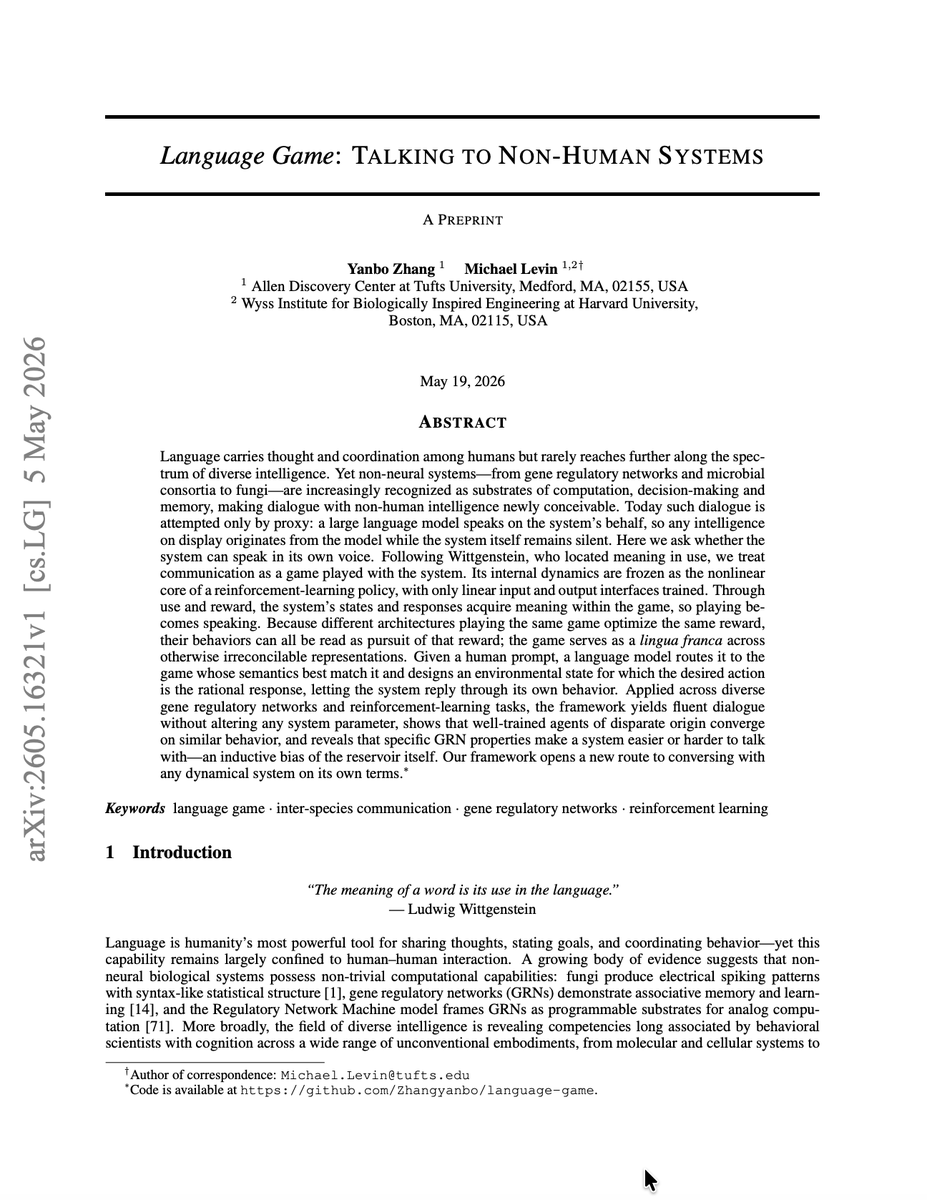
I just read a new preprint by Yanbo Zhang and Michael Levin that feels like it belongs in the “this may open an entirely new category” folder.
The paper is called:
“Language Game: Talking to Non-Human Systems”
And the question at its center is extraordinary:
Can a non-human system speak in its own voice?
Not metaphorically.
Not by having an LLM hallucinate a personality for it.
Not by asking ChatGPT to explain what a biological system “might mean.”
The authors are asking something much more precise:
Can we build an interface where a system — a gene regulatory network, a microbial consortium, a fungus, a dynamical system — responds through its own behavior?
Their answer is: make language a game.
Following Wittgenstein’s idea that meaning comes from use, Zhang and Levin treat communication as something that emerges inside a shared environment.
A human gives a prompt.
An LLM routes that prompt into the right reinforcement-learning “game.”
The game creates a state where the desired response is the rational action.
Then the non-human system acts.
The crucial part:
The LLM is not speaking for the system.
The system’s own dynamics are frozen and used as the nonlinear core of the policy. Only the simple input/output interfaces around it are trained. The reply comes from the system’s behavior inside the game.
In their experiments, the authors apply this to 14 biological gene regulatory networks, the Lorenz attractor, and 16 reinforcement-learning tasks — showing that different biological dynamical systems have different “conversational” affordances and inductive biases.
This is not “biology is secretly English.”
It is something deeper:
Maybe the way to communicate with unfamiliar intelligence is not to decode its private inner language.
Maybe it is to design a shared game where action becomes meaningful.
That idea has huge implications.
For AI, it reframes language as policy.
For biology, it suggests a path beyond molecular micromanagement toward interactive interfaces with cells, tissues, organs, and pathways.
For medicine, it hints at a future where we do not merely intervene in living systems, but negotiate with their dynamics.
For philosophy, it turns Wittgenstein into an engineering program.
The phrase that keeps coming back to me:
The game is the translator.
A human and an alien can play tic-tac-toe without sharing the same representation of the board.
A gene regulatory network and a human may not share symbols.
But if both are coupled through the right game, behavior can carry meaning.
This is the kind of paper that does not just answer a question.
It changes what questions feel askable.
Full credit to the authors: Yanbo Zhang and Michael Levin.
Paper: Language Game: Talking to Non-Human Systems
arxiv.org/abs/2605.16321
I’m attaching the first page because the abstract alone is worth studying.
If this framework holds, the future of human–nonhuman communication may not begin with translation. It may begin with play.
#ArtificialIntelligence #DiverseIntelligence #SystemsBiology #GeneRegulatoryNetworks #ReinforcementLearning #Bioelectricity #ComplexSystems #EmbodiedIntelligence #AIResearch #Biology #Cognition #MichaelLevin
7
14
623

The next interface to biology may not be a dashboard.
It may be a conversation.
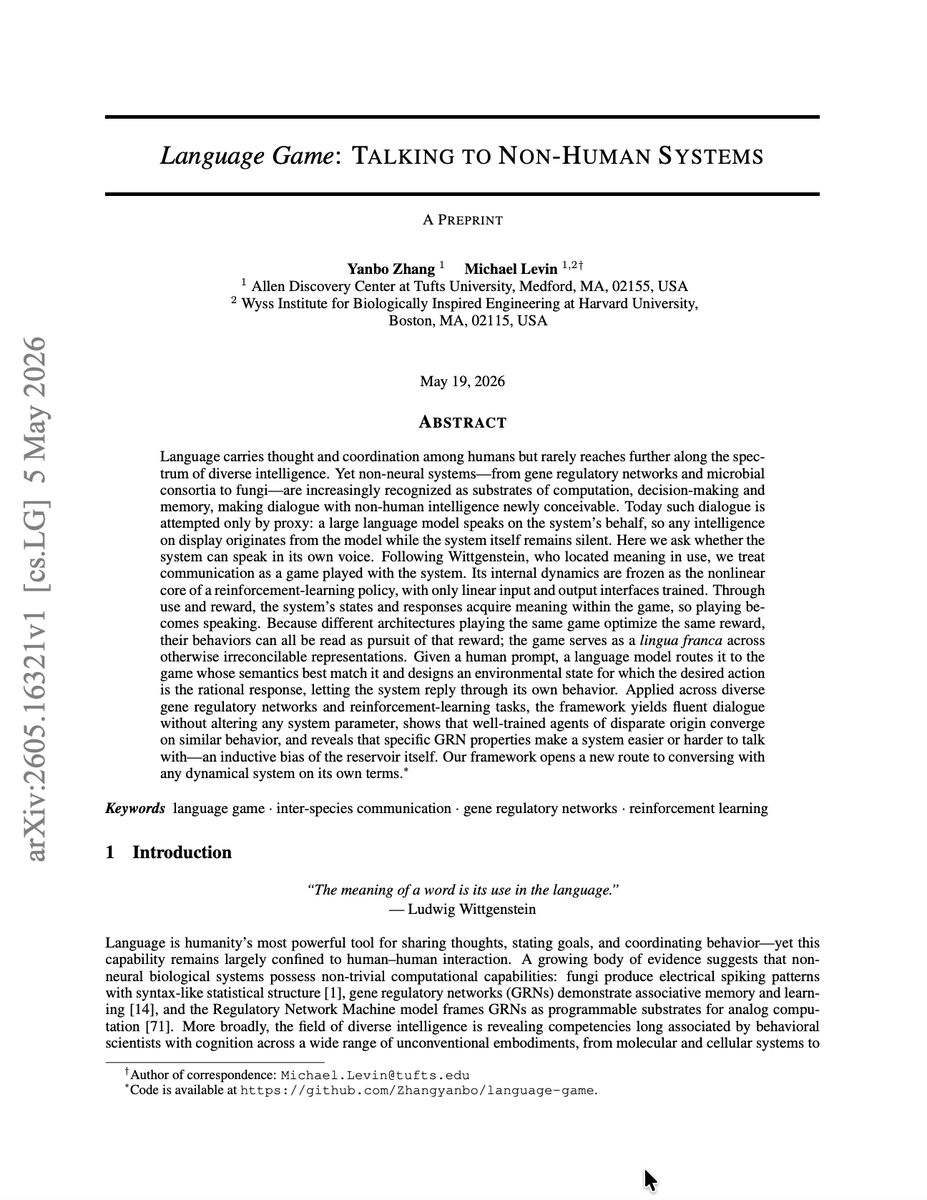
I just read a new preprint by Yanbo Zhang and Michael Levin that feels like it belongs in the “this may open an entirely new category” folder.
The paper is called:
“Language Game: Talking to Non-Human Systems”
And the question at its center is extraordinary:
Can a non-human system speak in its own voice?
Not metaphorically.
Not by having an LLM hallucinate a personality for it.
Not by asking ChatGPT to explain what a biological system “might mean.”
The authors are asking something much more precise:
Can we build an interface where a system — a gene regulatory network, a microbial consortium, a fungus, a dynamical system — responds through its own behavior?
Their answer is: make language a game.
Following Wittgenstein’s idea that meaning comes from use, Zhang and Levin treat communication as something that emerges inside a shared environment.
A human gives a prompt.
An LLM routes that prompt into the right reinforcement-learning “game.”
The game creates a state where the desired response is the rational action.
Then the non-human system acts.
The crucial part:
The LLM is not speaking for the system.
The system’s own dynamics are frozen and used as the nonlinear core of the policy. Only the simple input/output interfaces around it are trained. The reply comes from the system’s behavior inside the game.
In their experiments, the authors apply this to 14 biological gene regulatory networks, the Lorenz attractor, and 16 reinforcement-learning tasks — showing that different biological dynamical systems have different “conversational” affordances and inductive biases.
This is not “biology is secretly English.”
It is something deeper:
Maybe the way to communicate with unfamiliar intelligence is not to decode its private inner language.
Maybe it is to design a shared game where action becomes meaningful.
That idea has huge implications.
For AI, it reframes language as policy.
For biology, it suggests a path beyond molecular micromanagement toward interactive interfaces with cells, tissues, organs, and pathways.
For medicine, it hints at a future where we do not merely intervene in living systems, but negotiate with their dynamics.
For philosophy, it turns Wittgenstein into an engineering program.
The phrase that keeps coming back to me:
The game is the translator.
A human and an alien can play tic-tac-toe without sharing the same representation of the board.
A gene regulatory network and a human may not share symbols.
But if both are coupled through the right game, behavior can carry meaning.
This is the kind of paper that does not just answer a question.
It changes what questions feel askable.
Full credit to the authors: Yanbo Zhang and Michael Levin.
Paper: Language Game: Talking to Non-Human Systems
arxiv.org/abs/2605.16321
I’m attaching the first page because the abstract alone is worth studying.
If this framework holds, the future of human–nonhuman communication may not begin with translation. It may begin with play.
#ArtificialIntelligence #SystemsBiology #GeneRegulatoryNetworks #ReinforcementLearning #Bioelectricity #ComplexSystems #EmbodiedIntelligence #AIResearch #Biology #Cognition #MichaelLevin
1
6
270

May 21
🚀 Pushing Embodied AI closer to its "ImageNet moment"!
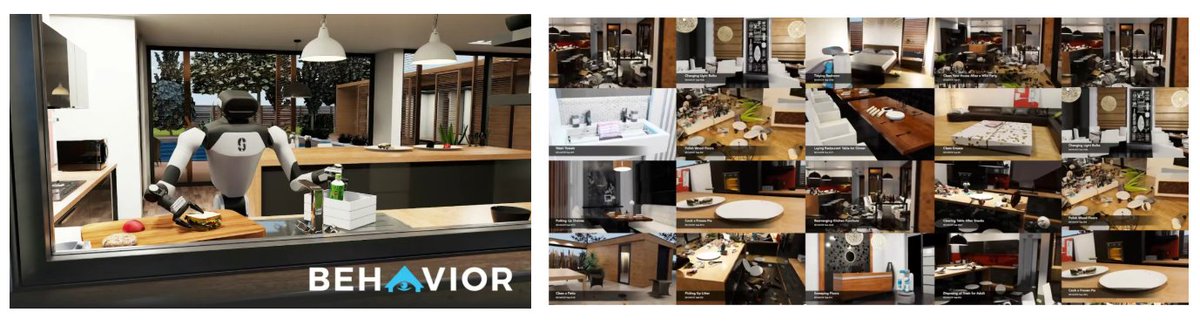
We are excited to share a system-level optimization for the BEHAVIOR-1K benchmark in RLinf, delivering a 25× end-to-end rollout speedup, reducing latency from 1028.7 ms/step to 41.2 ms/step.
Now in RLinf upstream BEHAVIOR-1K.
Gode:github.com/RLinf/RLinf
Read more: rlinf.readthedocs.io/en/late…
Our report: mp.weixin.qq.com/s/Wax7lu3se…
#BEHAVIOR #EmbodiedIntelligence
1
2
34

May 20
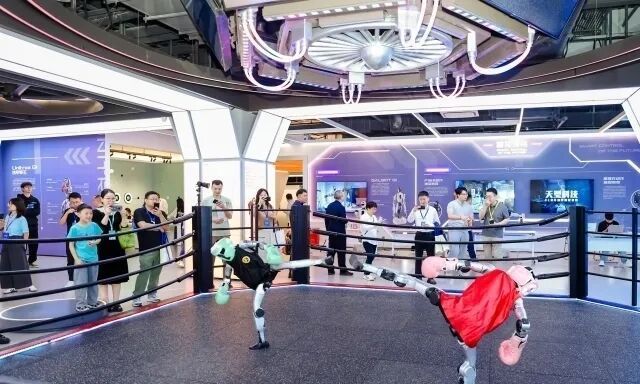
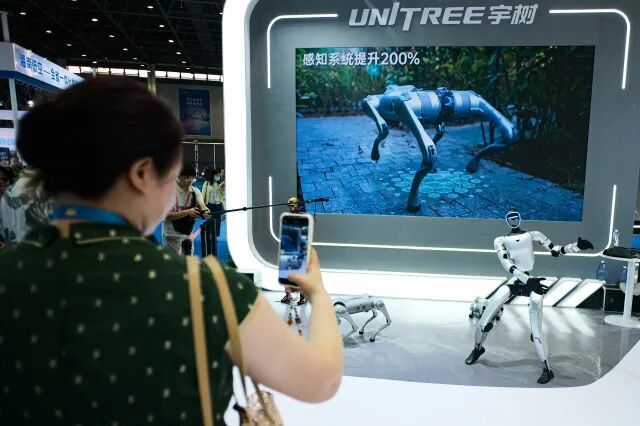
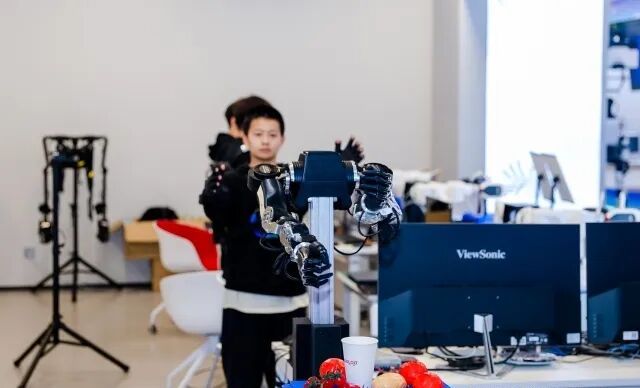
🤖 On May 16, the National AI Application Pilot Base (Embodied Intelligence) was officially inaugurated in Binjiang district, integrating exhibition, training, and R&D. Inside the exhibition hall, over 30 robot scenarios bring the future of human‑machine collaboration and human‑machine symbiosis to life.
#AI #EmbodiedIntelligence #SmartHangzhou #FutureLife

1
4
5
231