
Jun 13
Debugging: like therapy, but with coding rants! Let's laugh through it. 💻😂
#Shorts #AiHaHaLol #entityframework #developerlife #dotnethumor #techmemes #visualstudio #codinglife #programmerproblems
1
1
11

Jun 13
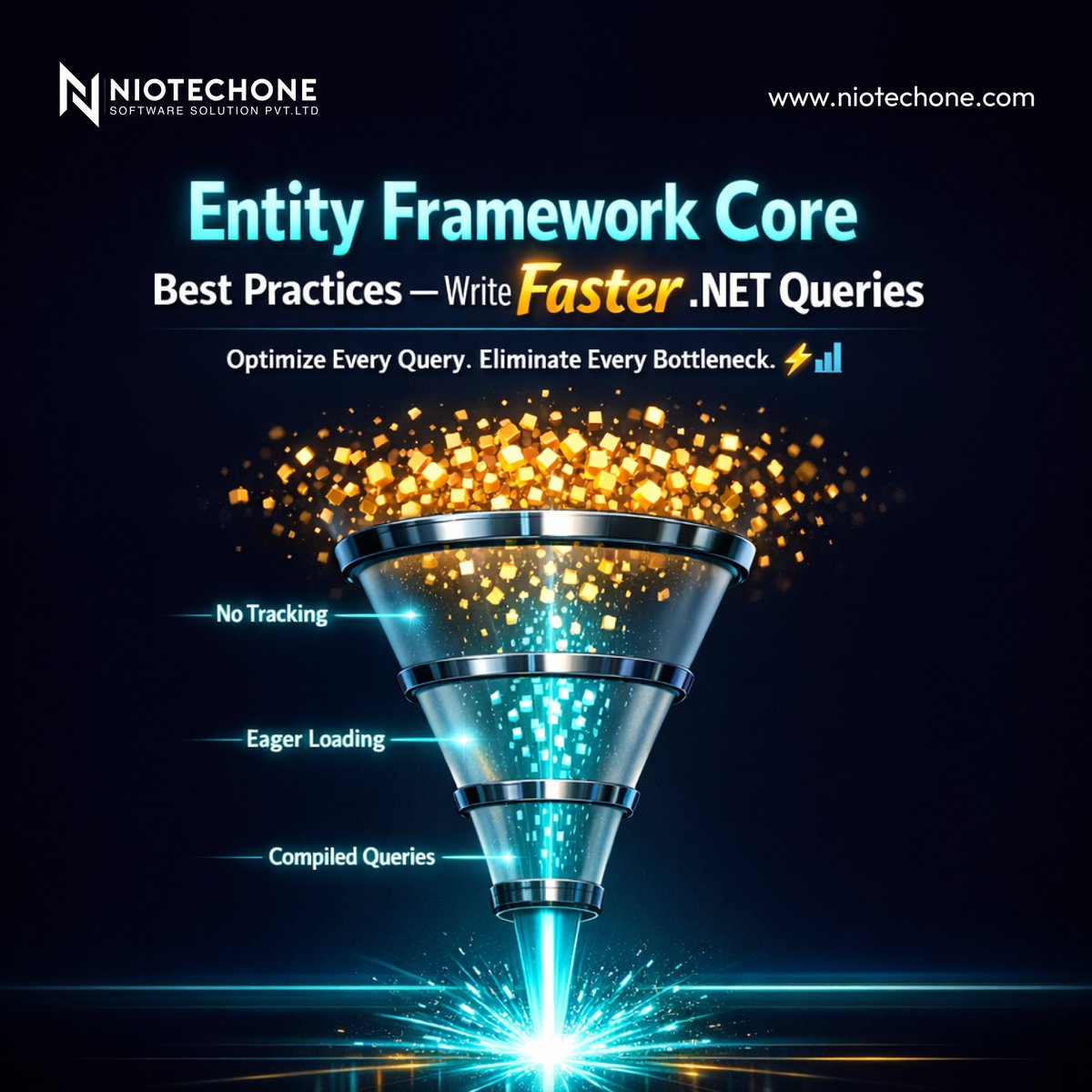
⚡Entity Framework Core Best Practices —Write Faster .NET Queries
✅ Use AsNoTracking() for read-only data
✅ Select only needed columns
✅ Avoid N 1 queries
✅ Use pagination
✅ Add proper indexes
Read More: niotechone.com/entity-framew…
#dotnet #entityframework #efcore #niotechone
13

Jun 13
El motor de base de datos también define tu ORM.
Si voy por MariaDB, Dapper es mi opción. Con SQL Server, elijo Entity Framework o Dapper según las necesidades de control del proyecto.
¿Qué ORM prefieres con tu BD?
#MariaDB #SQLServer #Dapper #EntityFramework
35
Jun 12
It's all fun and games until your little project needs a quantum computer!
Feature Creep strikes again. 😂
#AiHaHaLol #codinglife #techjokes #techmemes #microsoft #developerlife #entityframework #programmerjokes

1
1
16

Jun 10
Your night's as restful as that one-line bug allows. 🌜✨
Anyone else woken up by code nightmares?
#ProgrammerLife #AiHaHaLol #aimemes #microsoft #programmerproblems #entityframework #visualstudio #codinglife #techjokes

2
1
16

The C# approach is the same async use case that Java has given up on. It’s a more complicated programming model, but it does increase concurrency allowing those C# programs to handle a larger load.
But the tradeoff is still the same. Those C# programs are much slower than they could be, and thanks to EntityFramework presses against memory limitations rapidly as the system scales up. (A consequence of the serial nature of processing.)
It’s not unique to C#, mind you. That’s the same reason Java Spring apps require so much memory.
In comparison, a pipelined approach can reliably operate at high traffic loads with only ~512MB of memory and faster response times. (My customers see a stable 200-300mb runtime. Much better than the PHP/Wordpress and C# systems they replaced.)
2
1
37
Jun 9
A database's dream: finding that perfect query match! 🤔💘
#AiHaHaLol #ITMemes #dotnethumor #aijokes #programmerproblems #developerlife #entityframework #csharp #dotnetdeveloper

1
2
15
May 17
When the office doesn't get your genius, but your 2 AM code thinks you're a rock star! 🎸💻
#AiHaHaLol #codinglife #csharp #dotnet #aijokes #techmemes #microsoft #entityframework

1
2
35
May 12
AI doughnut judge me when I'm taken by coding humor! 🍩😂
#AiHaHaLol #dotnethumor #developerlife #entityframework #visualstudio #aigenerated #dotnetdeveloper #programmerjokes

1
2
28
May 9
This might be shocking, but maybe your love for legacy systems is a hidden passion for COBOL! 😂
Let's discuss!
#AiHaHaLol #techjokes #dotnethumor #techmemes #entityframework #codinglife #microsoft #csharp

1
2
23


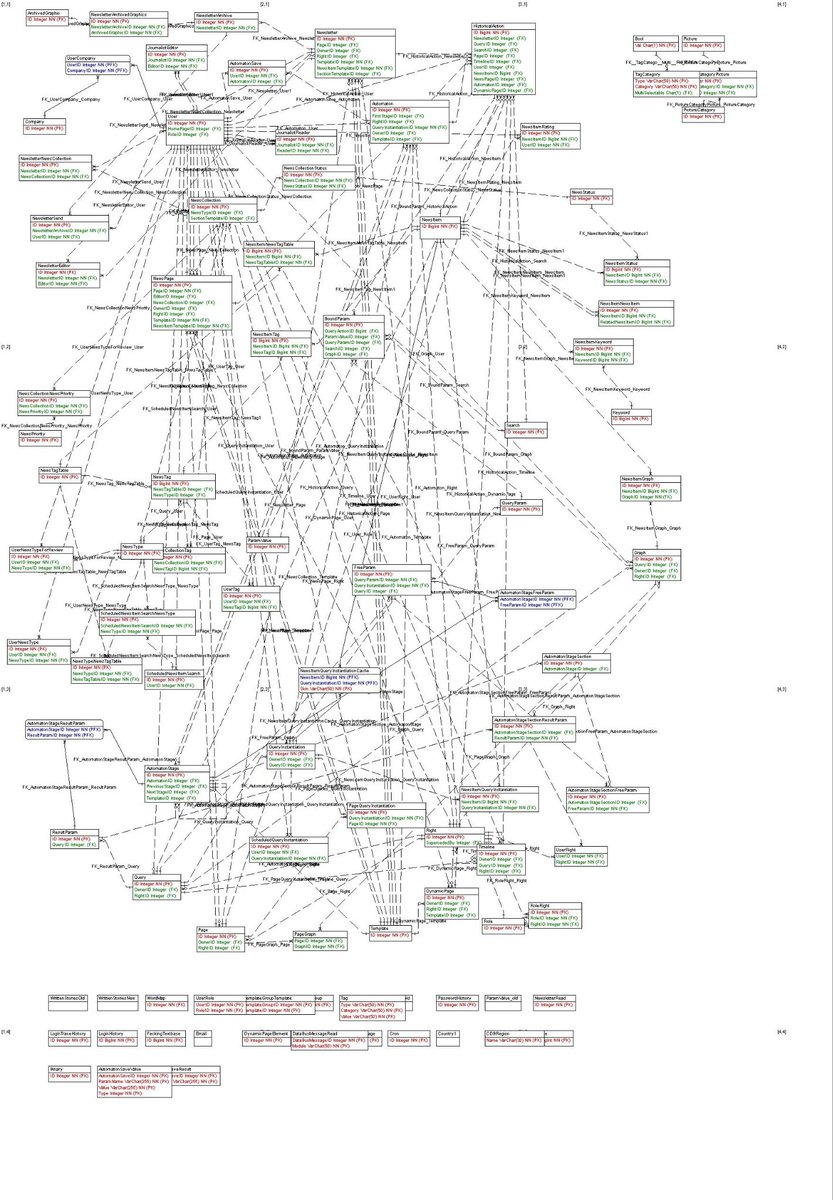
Precisely why I hate #entityframework #efcore and other ORMS....
Well said, @5eniorDeveloper. It needed to be said!

Trabajé en una startup donde dejaban que el ORM gestionara la base de datos.
Si un dev necesitaba una columna, la agregaba al modelo y dejaba que la 'magia' ocurriera.
Cada dev hacía lo que quería; cuando supe esto, generé el diagrama de la base de datos y era algo como esto:
2
7
1,699

Apr 14
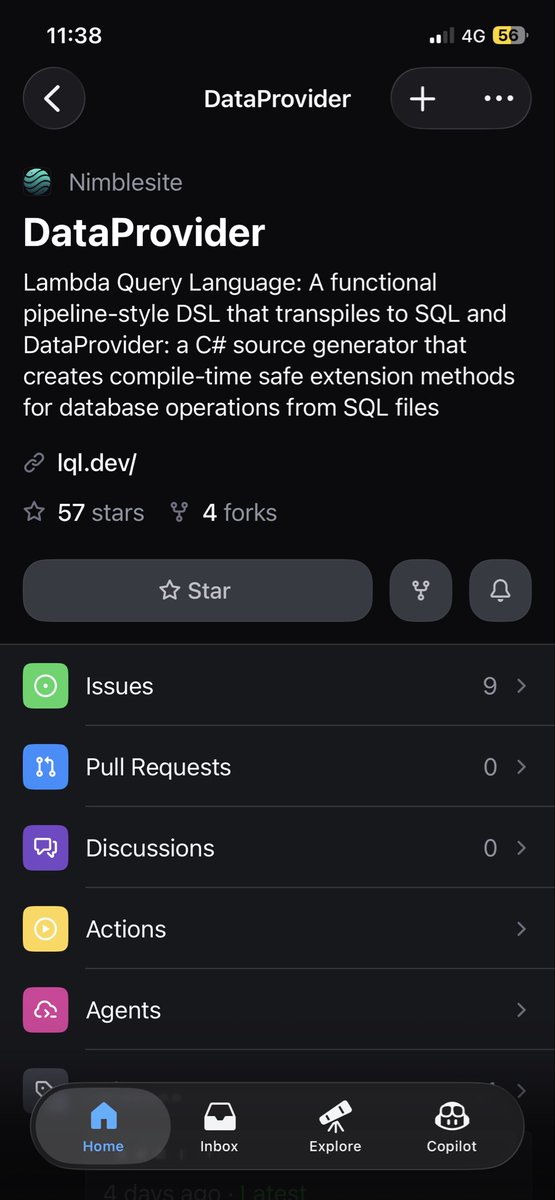
Consider DataProvider instead of EntityFramework. It’s so much more than an ORM, including migrations, sync, and cross platform, type safe querying
4
6
29
3,950

Просто столько приколов от условного EntityFramework за 10 лет работы с SQL Server видел, что хочется развидеть)
1
11

Mar 9
実は動画に登場してる。
ICカードタイプのタイムレコーダー。UWPで書いた。
WebサーバーもC#で書いて設定とかデータとか社内LANからアクセス出来るようにした。
SQLiteをEntityFramework経由でLINQから叩けるようにしたり。
懐かしいなぁ。


1
11
281

Feb 28
Day 50 & 51 ☀️of #100DaysOfCode
=> ✅DSA | CP-31 | @TLE_Eliminators
> 18. Teleporters
> 22. Kill the Demodogs
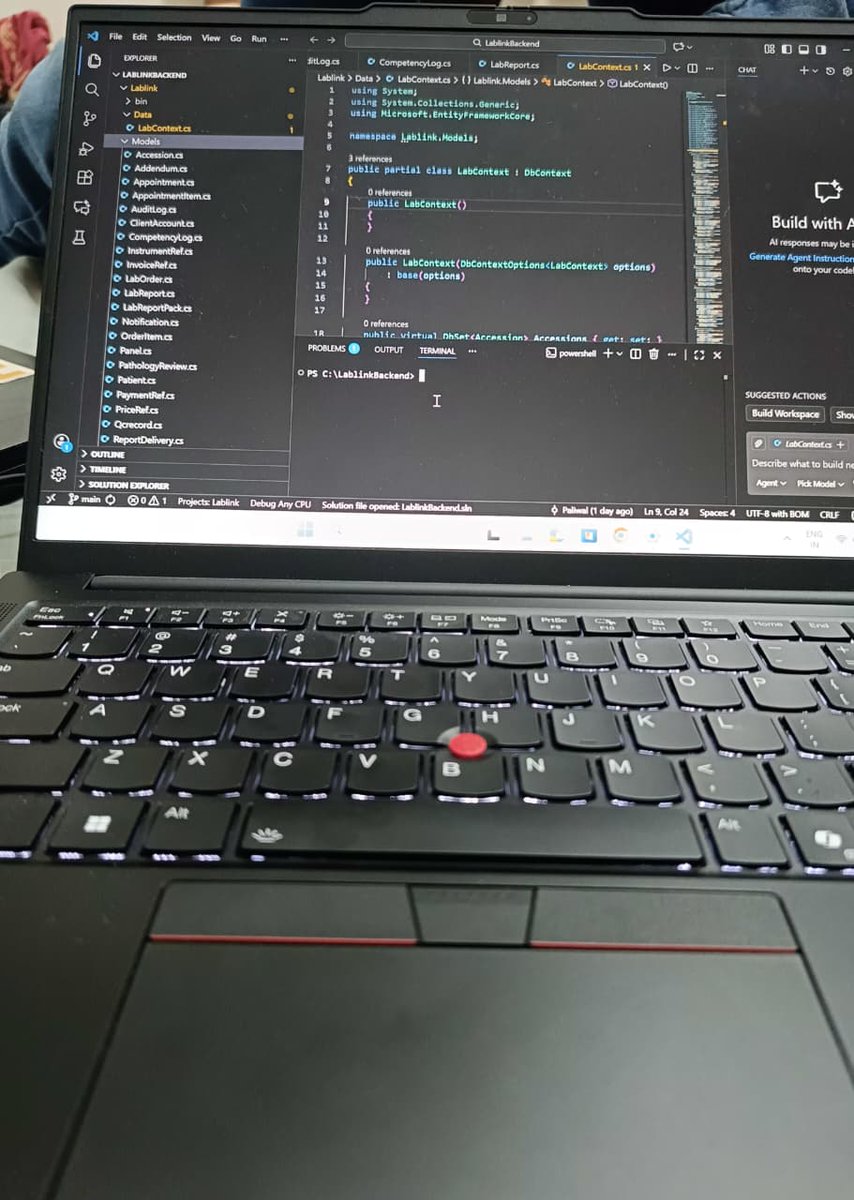
=> ✅Dev
> Gone through EntityFramework fundamentals..
> Implemented Advanced C# concepts
> Designed database for project
I am loving backend🥰......
#Dsa
6
100

Feb 25
📝 Your daily dose of .NET is here! Issue #399 covers federating databases with Data API Builder 🔗, the official arrival of the .NET 11 Preview 1 🚀, a guide to "explained without fear" synchronization primitives 🔒, and how to stop using try-catch in every controller 🛑. Time to sharpen your .NET expertise! 👇
dotnetnews.co/archive/the-ne…
#dotnet #csharp #dotnet11 #entityframework #performance
2
69
Feb 12
AI: The gut feeling masked as data science. Join the fun! 😂
#Shorts #AiHaHaLol #aimemes #dotnethumor #csharp #codinglife #entityframework #dotnetcore
1
2
30
Feb 5
Isn't it weirdly satisfying when a can of debug logs shines brighter than a stack trace? 😂
#AiHaHaLol #dotnet #aihumor #codinglife #csharp #techjokes #entityframework #visualstudio

1
2
29