
Feb 24
Economic growth today is increasingly coming with a cost, higher debt intensity.
In this video, @NileshShah68 explains why the US economy now needs more borrowing to generate the same level of GDP, and why these matters in a high interest rate environment.
👉 For detailed insights, watch our complete February Market Outlook video: youtu.be/akn48UBqyDk
👉 Download the full presentation: visit.kotakmf.com/Qw69M0
#NileshShah #MonthlyMarketOutlook #FebruaryOutlook #EquityReturn #USEconomy #GDP #Debt
5
460
Feb 23
Recent years delivered strong equity returns — but history suggests moderation ahead. @NileshShah68 explains why expecting 20% annual returns may be unrealistic from here.
👉 For detailed insights, watch our complete February Market Outlook video: youtu.be/akn48UBqyDk
👉Download the full presentation: visit.kotakmf.com/Qw69M0
#NileshShah #MonthlyMarketOutlook #FebruaryOutlook #EquityReturn #ReturnOnEquity
4
12
3,399

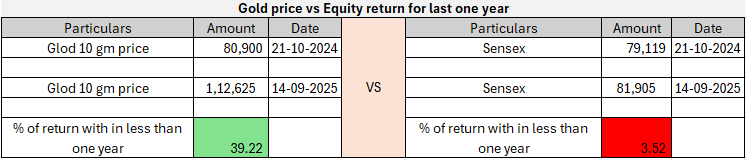

6 Jul 2025
🔍 The Core Difference: ROE vs ROCE
MetricFormulaMeasures
ROE (Return on Equity)Net Profit / Shareholder's EquityReturn only on shareholders' funds
ROCE (Return on Capital Employed)EBIT / (Debt Equity – Cash)Return on all capital used in the business (both equity and debt)
🧠 Why ROCE is Better than ROE in capital intensive business
Example :
1. Textiles = Capital Intensive Industry
Companies invest a lot in plants, machinery, and working capital.
These are often funded with both equity and debt.
ROE ignores debt, so it gives an incomplete picture.
ROCE includes debt, so it reflects the true return on total capital used.
2. ROE Can Be Misleading with High Debt
High debt = high financial risk.
ROCE stays stable and honest.
3. ROCE Measures Operational Efficiency
ROCE uses EBIT (Operating Profit), before interest and tax.
4. ROE Ignores Borrowing Cost
In the capital intensive industry many companies use term loans or working capital loans.
ROE doesn’t care how expensive or risky that debt is.
ROCE penalizes companies that are inefficient even if they show high net profit via debt.
📌 For textile business analysis:
Use ROE if you want to understand how much return equity investors are getting.
Use ROCE if you want to understand how well the company uses all capital (debt equity) to generate profits .
Capital intensive industries:
#textile #oilngas #infra #cement #shipping #aviation #capitalgoods
22 Apr 2023

Capital intensive sector ROCE plays a crucial ROLE ...
Service sector or asset light business model with decent ROCE one may ignore.
10
6
49
5,471

9 Jun 2025
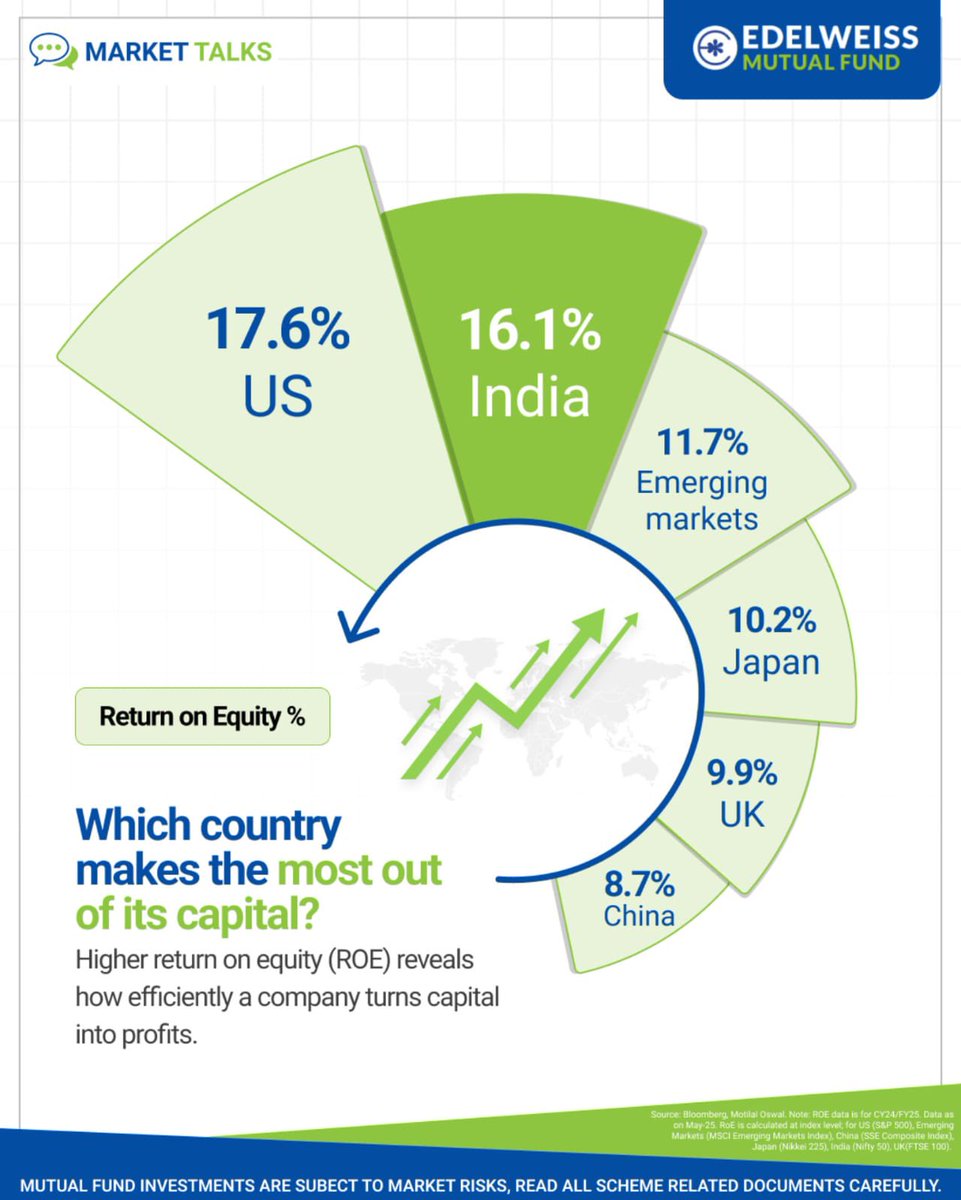
Who’s winning the return on equity race efficiently?
#Equity #EquityReturn #EdelweissMutualFund #MarketTalks
5
477

30 May 2023
How much return we should expect from equity?
#Investment #equityinvestment #equityreturn #parimalade
5
63
7,874

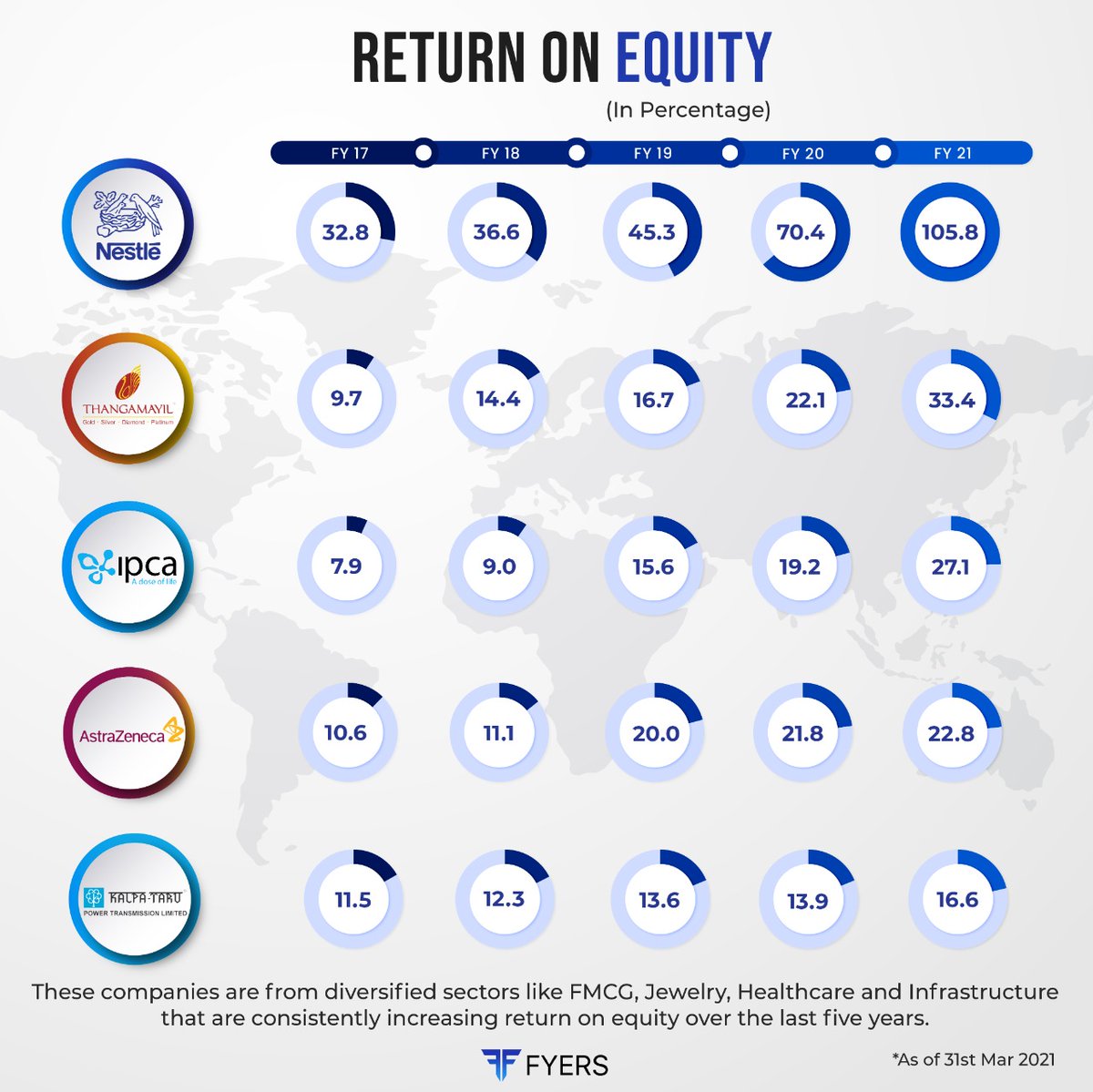
The list of companies that are consistently increasing return on equity over the last five years.
To start investing, click here 👉open-account.fyers.in/
#stockmarketinvesting
#equityreturn
3
25
71

25 Feb 2020
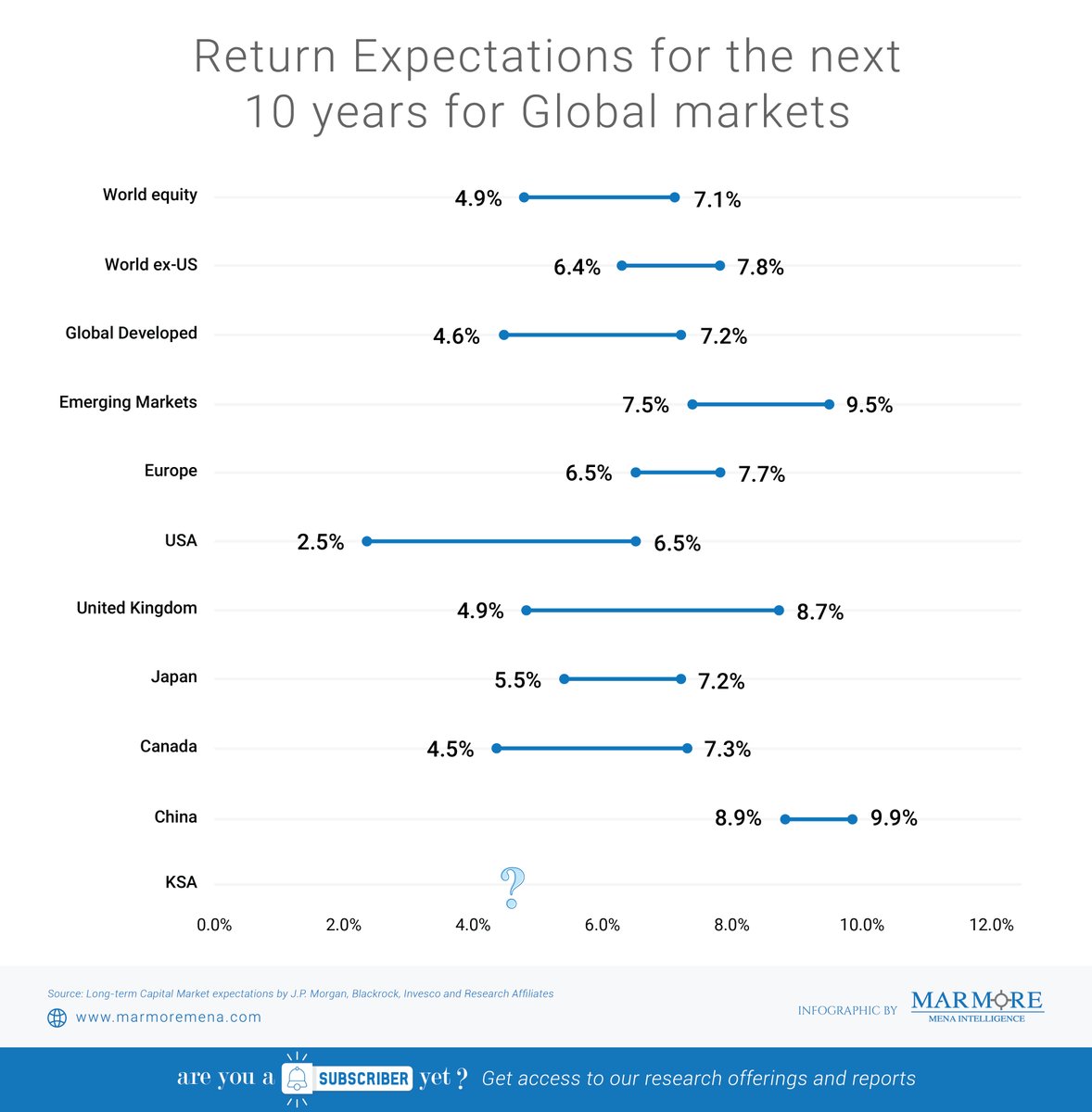
If historical returns are not a good indication of future returns, then what could be #equity return expectations for #SaudiArabia for 2020-2024?
Marmore launches its #equityreturn expectations for #Saudi Arabia. To learn more click here marmoremena.com/reports/equi…
#Tadawul #stocks
1
1

14 Sep 2018
Equity💰Beers🍻Shares⚖...sounds good in any order! #Invest with us as we get ready to go live to the global #crowd 🌍 #crowdfunding #investment #beershares #eis #equitycrowdfunding #equityreturn #crowdfundingnews #angels #businessangels #northwestbusinessangels Capital At Risk

1
1