
25 Aug 2025
VIP Fly keeps your travel smooth, so you stay on schedule.
Less waiting. More doing.
#VIPFly #BusinessTravel #TimeWellSpent #TravelSmart #ExecutiveEfficiency

3
7
58

20 May 2025
CEOs drowning in board paper revisions doesn’t have to be the ‘norm’.
There is a better way 👇 👇👇
I've witnessed leaders transform from spending days rewriting hundreds of pages to reviewing documents in just 15 minutes.
This dramatic shift isn't about cutting corners.
It's about clarity-first communication.
↳ Focus on the decision first, document last
↳ Help your team know what they need to communicate about and why before they draft anything
↳ Resist using Track Changes until the very last minute so you can focus on the big ideas, not tiny tweaks
Clarity-first communication means ...
↳ Empowering your teams to write docs and decks you can review quickly
↳ Investing your review time being constructive rather than critical
↳ Getting your nights and weekends back
Focusing on clarity first helps you and your teams, even when none of you particularly love preparing the docs and decks essential to your results.
-------------------------------------------------------------------------------
If you found this useful, join 10,000 other leaders who receive fresh communication ideas each week in my Clarity Compass newsletter.
Register here: clarityfirstprogram.com/xnew…
#executiveefficiency #communicationtransformation #clarityfirst #businesscommunication #structuredcommunication
1
2
44

15 Jul 2024
📚🇮🇳 Attention UPSC Civil Services Examination Aspirants! 🇮🇳📚
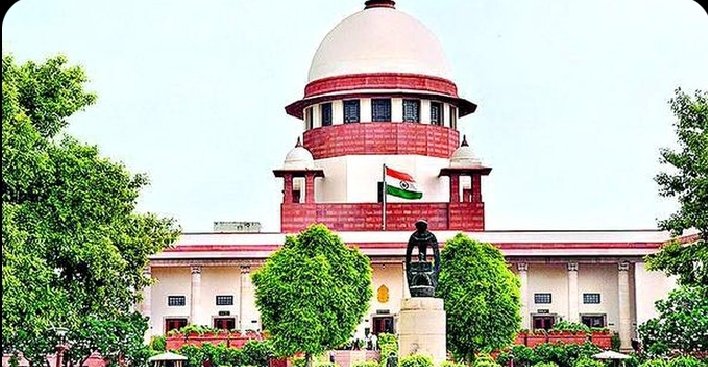
This comprehensive analysis of recent developments regarding Money Bills and constitutional challenges is an important read for your preparation. It covers crucial aspects of Indian polity, governance, and constitutional law that are highly relevant for both Preliminary and Mains examinations.
#UPSCPrep #IndianPolity #ConstitutionalLaw #MoneyBill #SupremeCourt
1. Introduction to the Money Bill Controversy 🏛️💼
The Money Bill controversy stems from the Centre's use of the Money Bill route to pass contentious amendments. This issue touches upon several key areas of governance and constitutional law:
- Separation of powers
- Legislative procedures
- Role of Rajya Sabha
- Constitutional interpretation
#SeparationOfPowers #LegislativeProcedures
Why it's important for UPSC: This topic tests your understanding of the intricate balance between different organs of the government and the nuances of legislative processes. It's a classic example of how constitutional provisions can be interpreted and applied in practice.
Elaboration: The controversy highlights the tension between executive efficiency and legislative scrutiny. It raises questions about the potential misuse of constitutional provisions to bypass the bicameral structure of the Indian Parliament. UPSC aspirants should be prepared to discuss the implications of this controversy on democratic processes and the system of checks and balances.
Additional points to consider:
- Historical context of Money Bills in India
- Comparative analysis with other parliamentary democracies
- Impact on federalism and state representation in legislative processes
- Potential reforms to prevent misuse of Money Bill provisions
#ExecutiveEfficiency #LegislativeScrutiny #BicameralLegislature
1
4
34
2,258