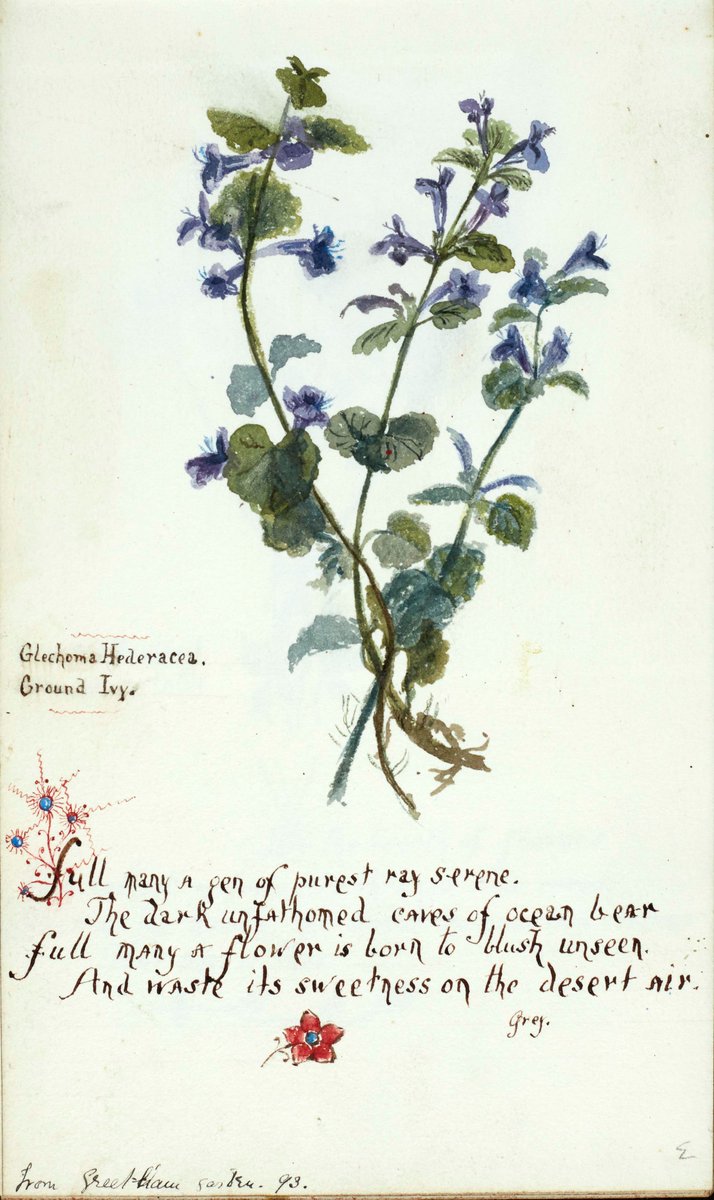
ALT Botanical illustration of ground ivy with purple flowers, accompanied by a handwritten decorative excerpt of a poem.
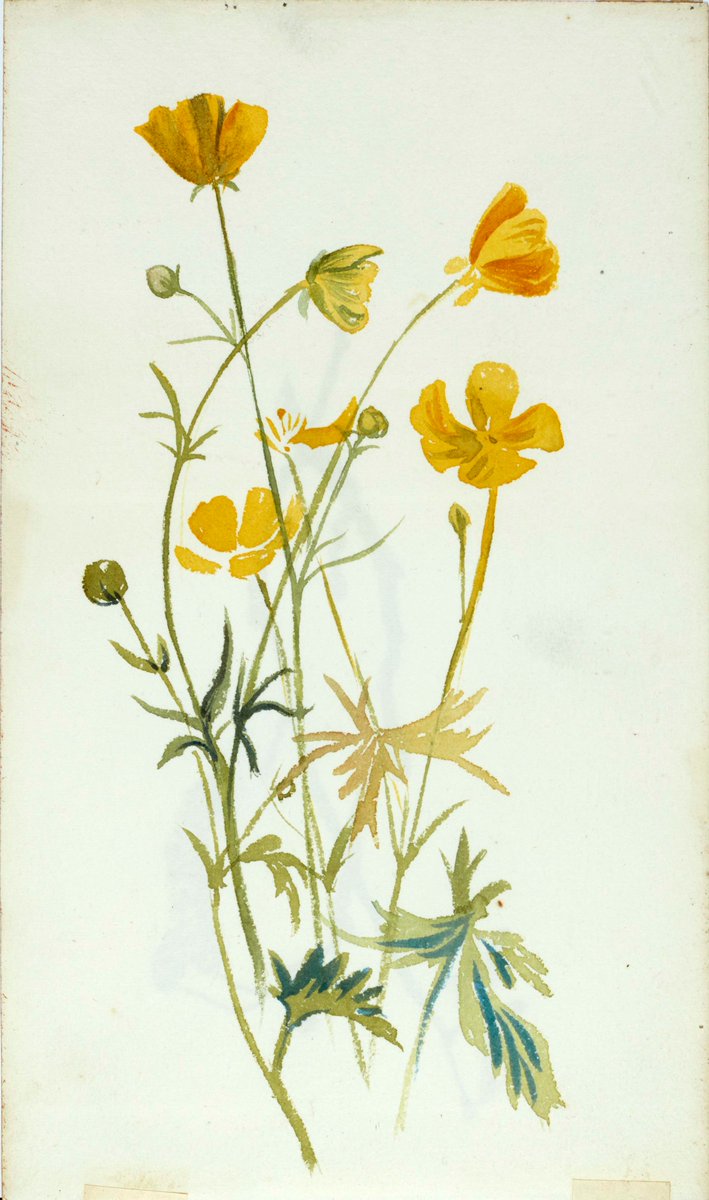
ALT Delicate botanical painting of yellow wildflowers with slender stems and green leaves on a plain background.
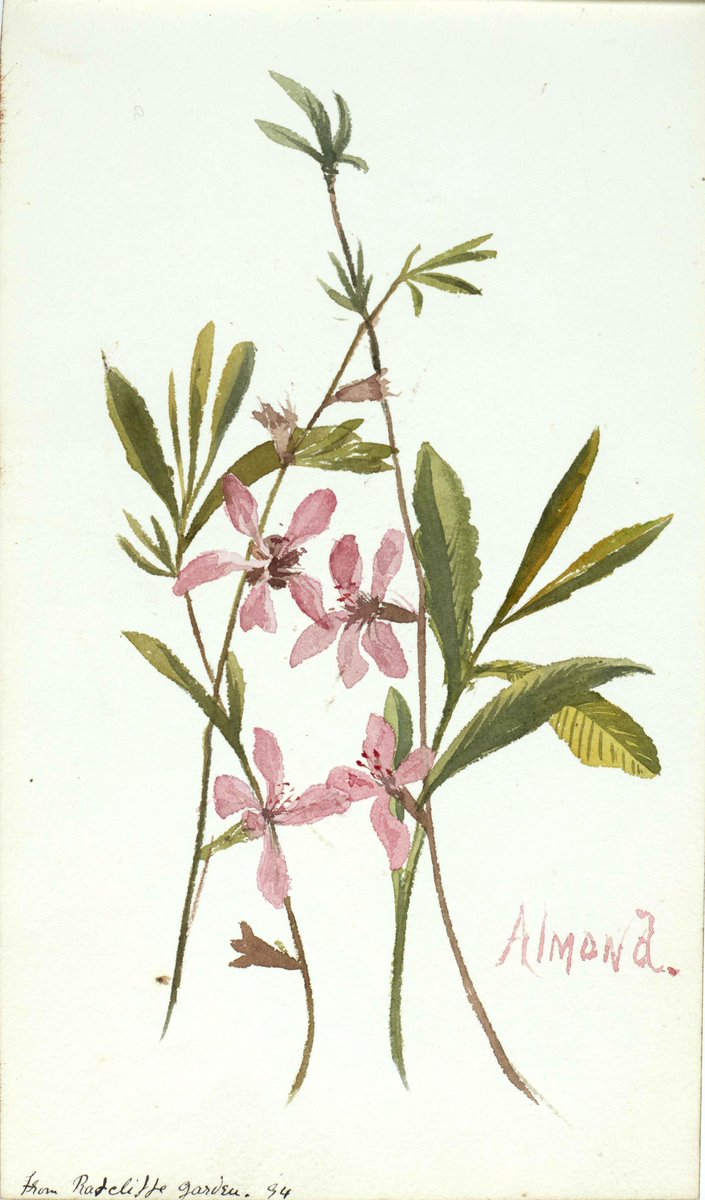
ALT Botanical illustration of almond branches with pink blossoms and green leaves, with handwritten label “Almond.”
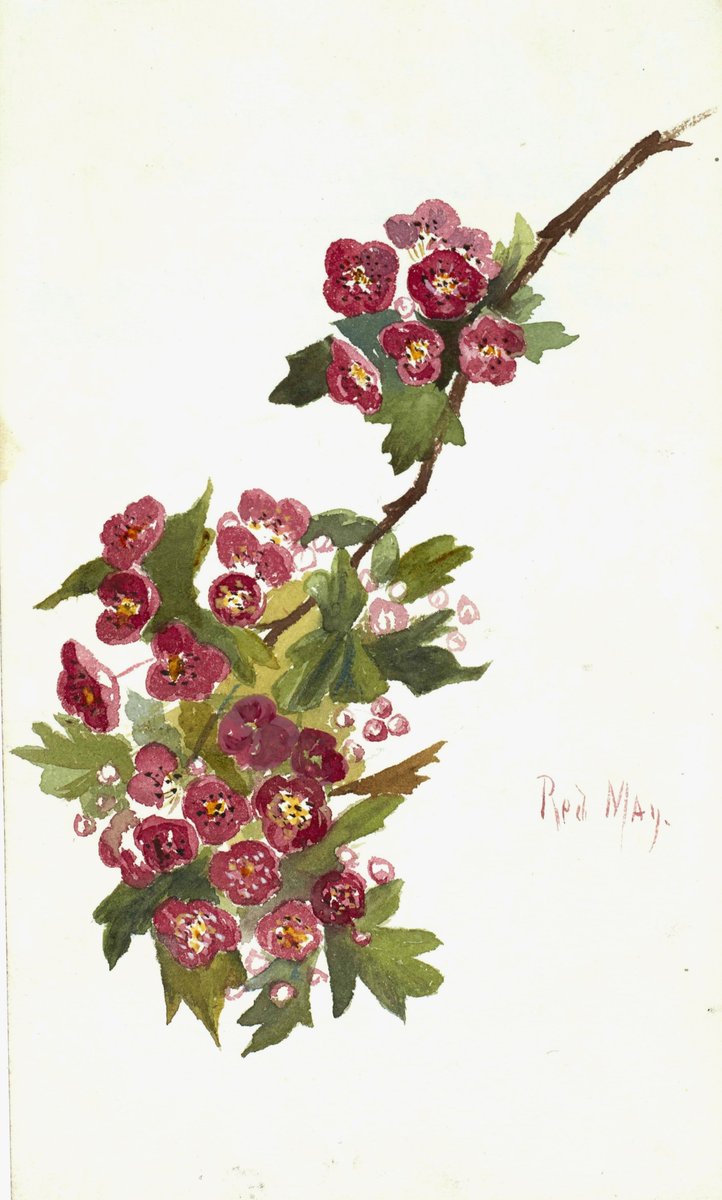
ALT Botanical painting of a branch with clusters of small red-pink blossoms and green leaves, labelled “Red May.”

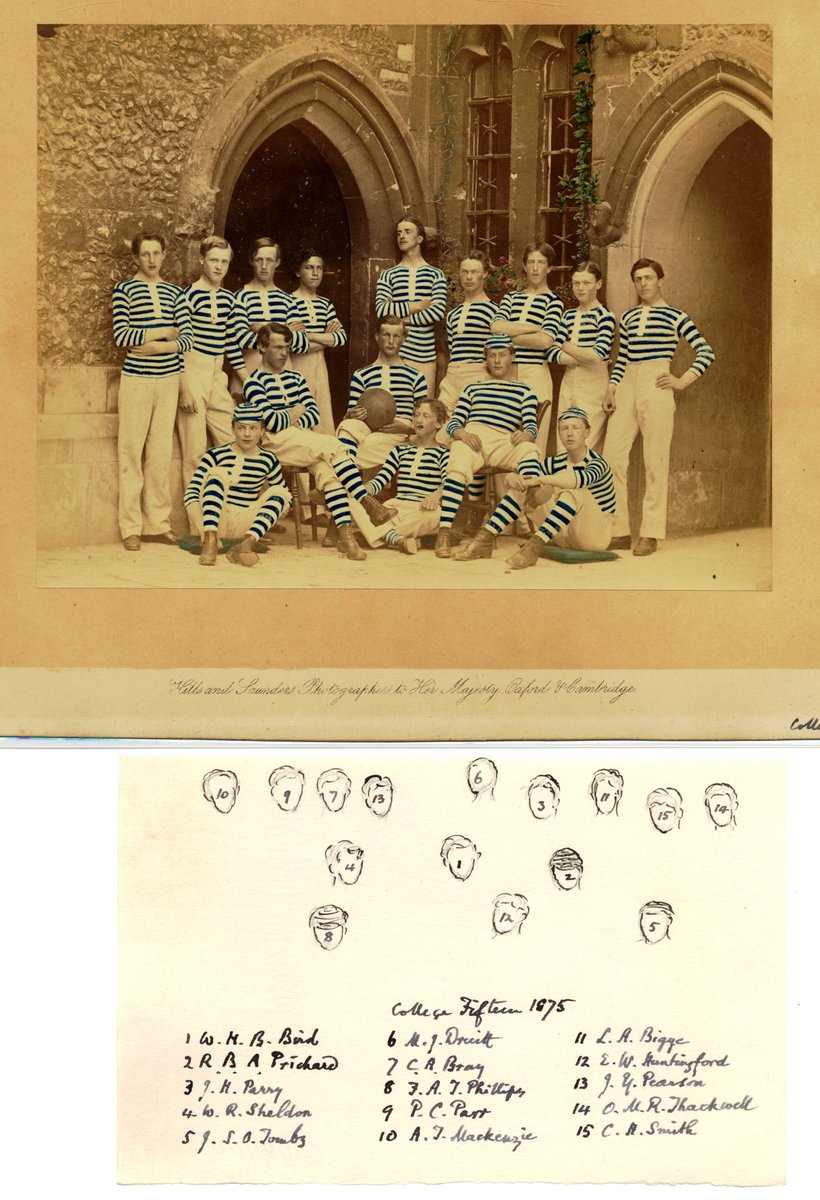
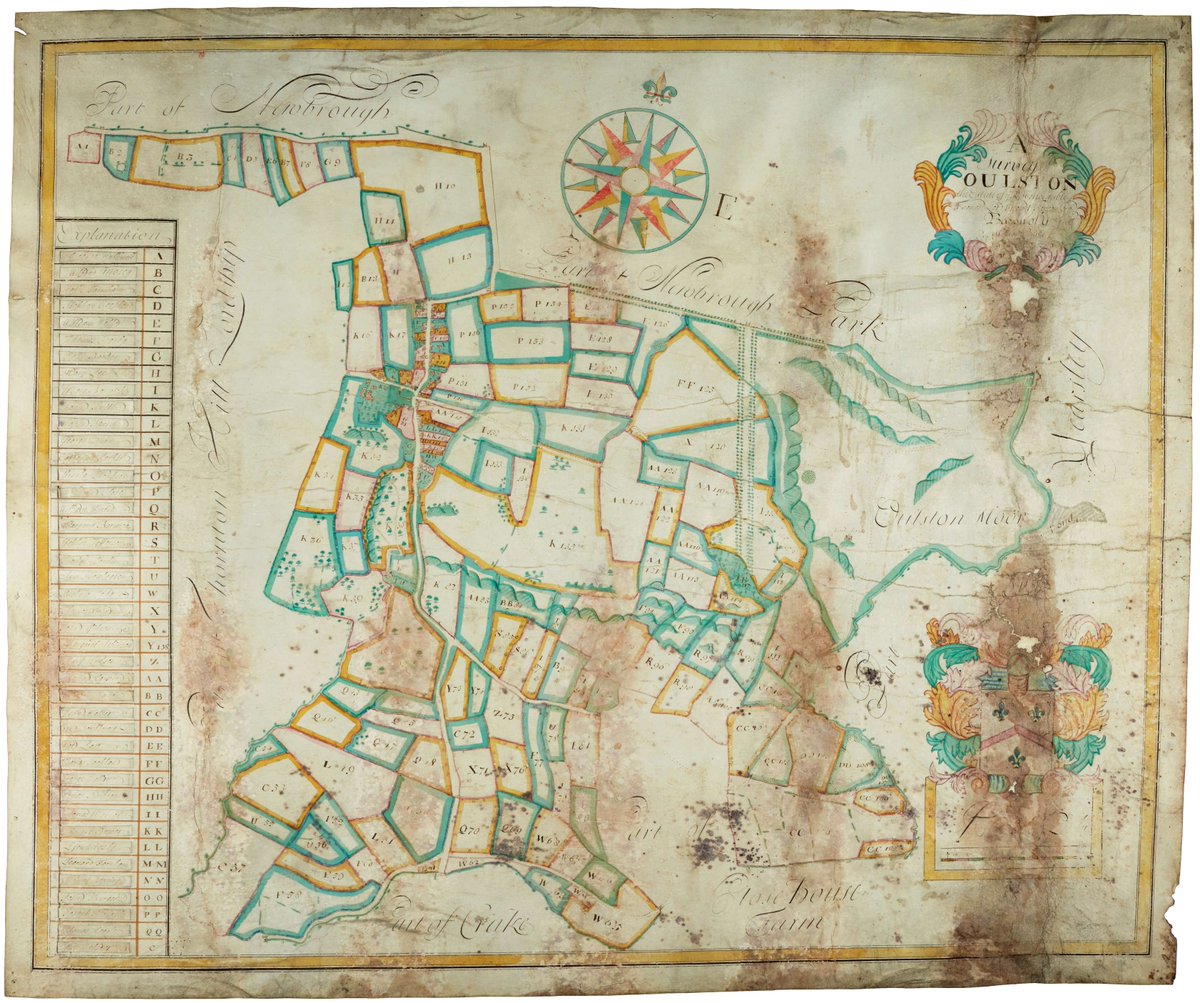
ALT Historic hand-drawn estate map showing irregularly shaped land plots in colour, with a compass rose, decorative cartouches, and a legend listing field names and plot numbers.

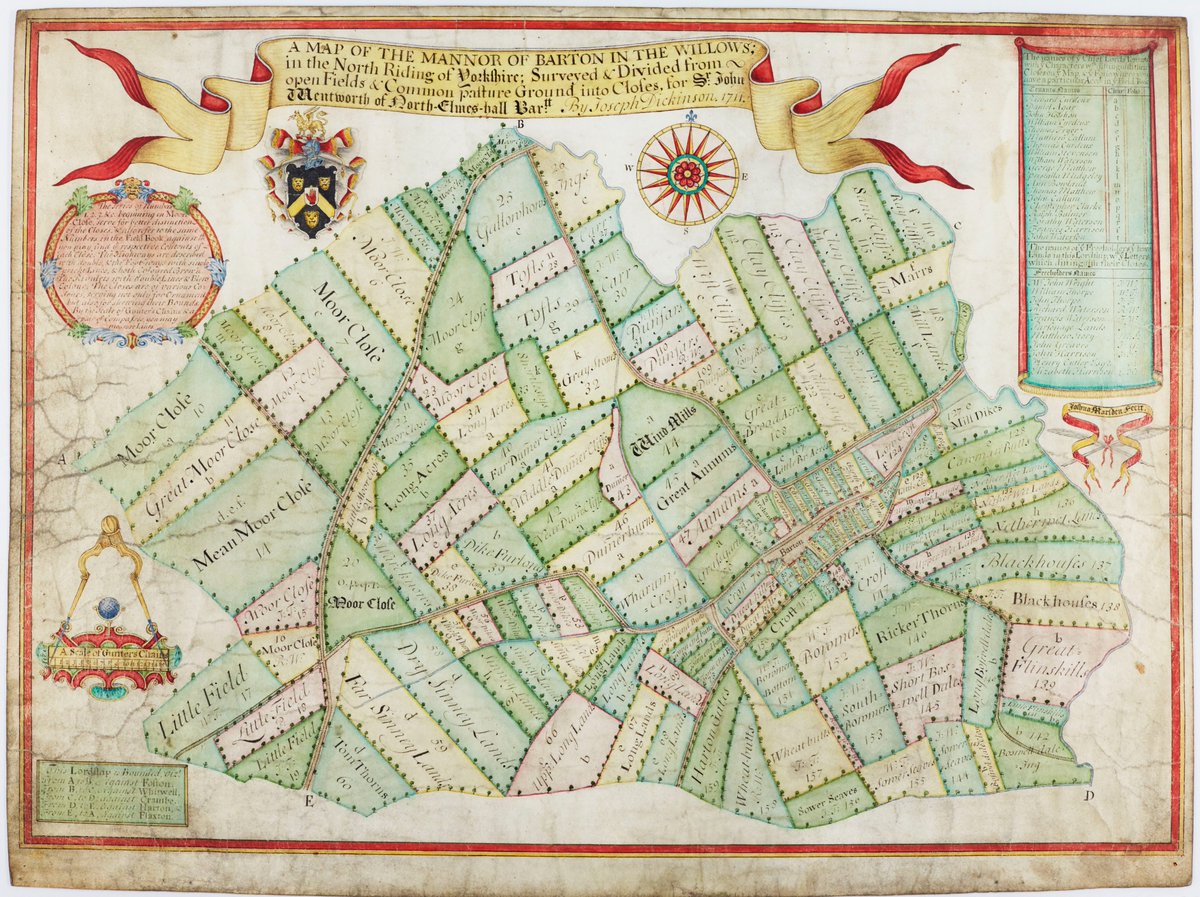
ALT 18th-century estate map of Barton in the Willows, showing neatly divided fields, paths, and boundaries in soft greens and yellows, with decorative cartouches, compass rose, and ornate title banner.

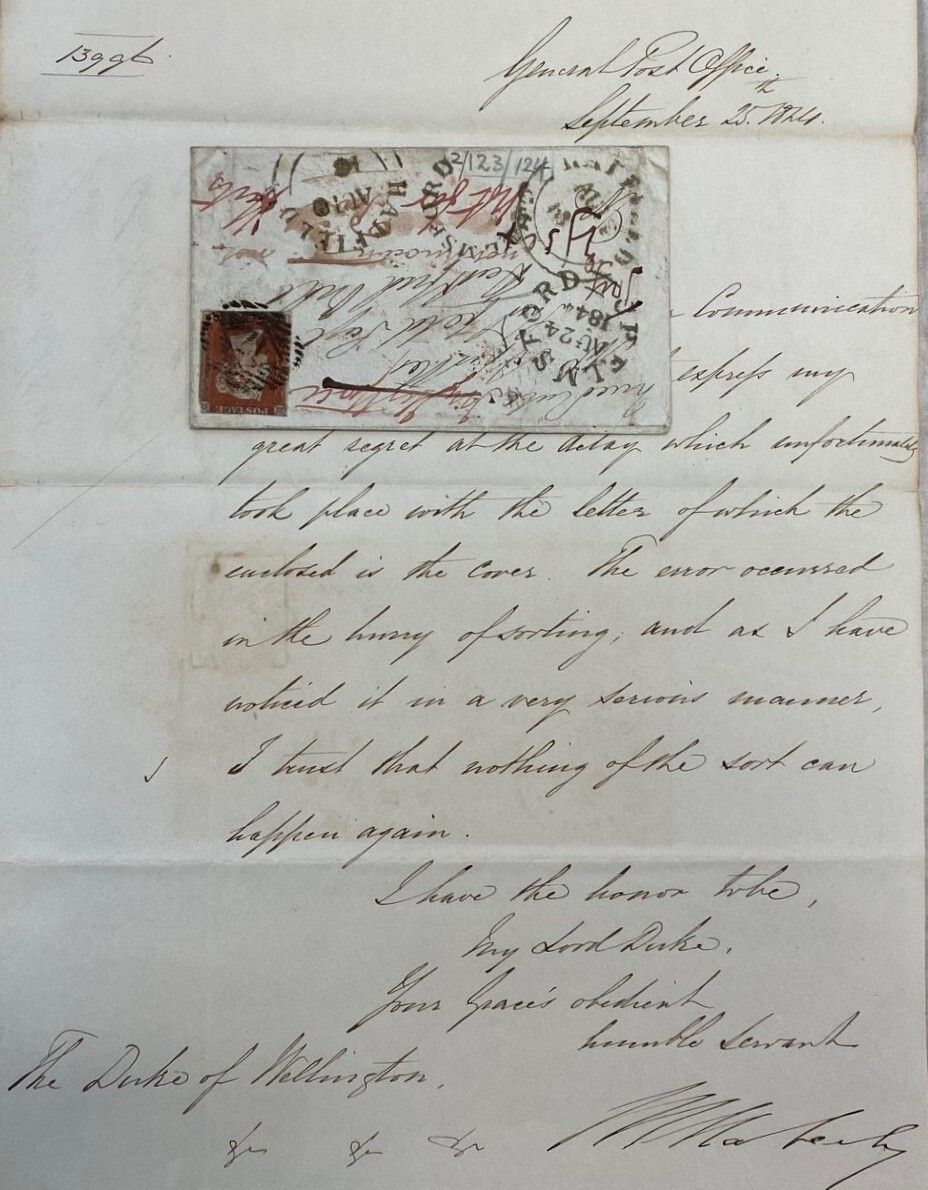
ALT handwritten letter on pale beige paper. There is an envelope stuck on the page, upsidedown
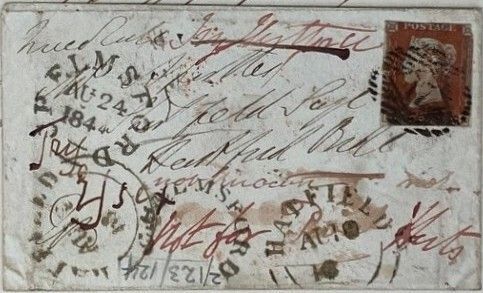
ALT Envelope with an address, some red stamps and notes regarding misdirection

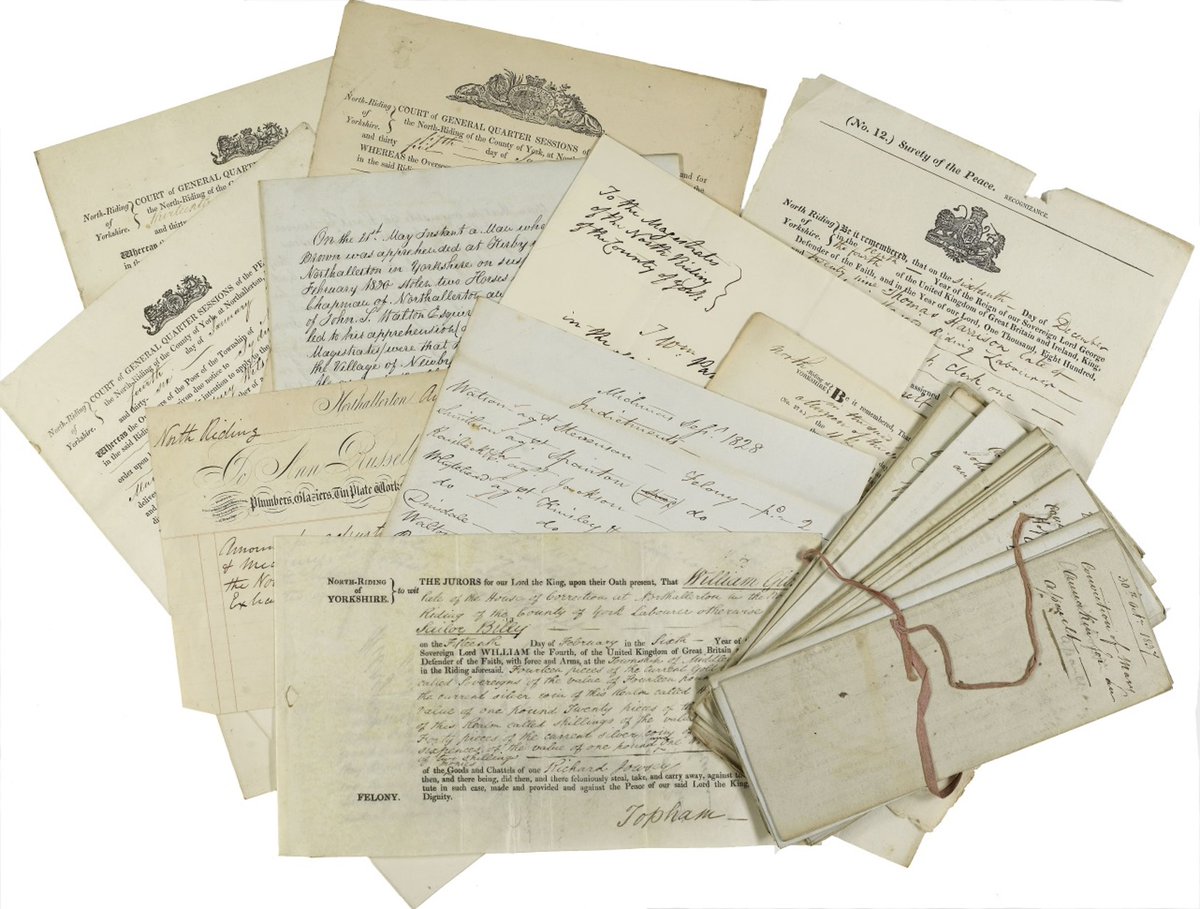
ALT Overlapping documents on cream paper, featuring handwritten notes, official crests, and a small bundle tied with string on a white background.

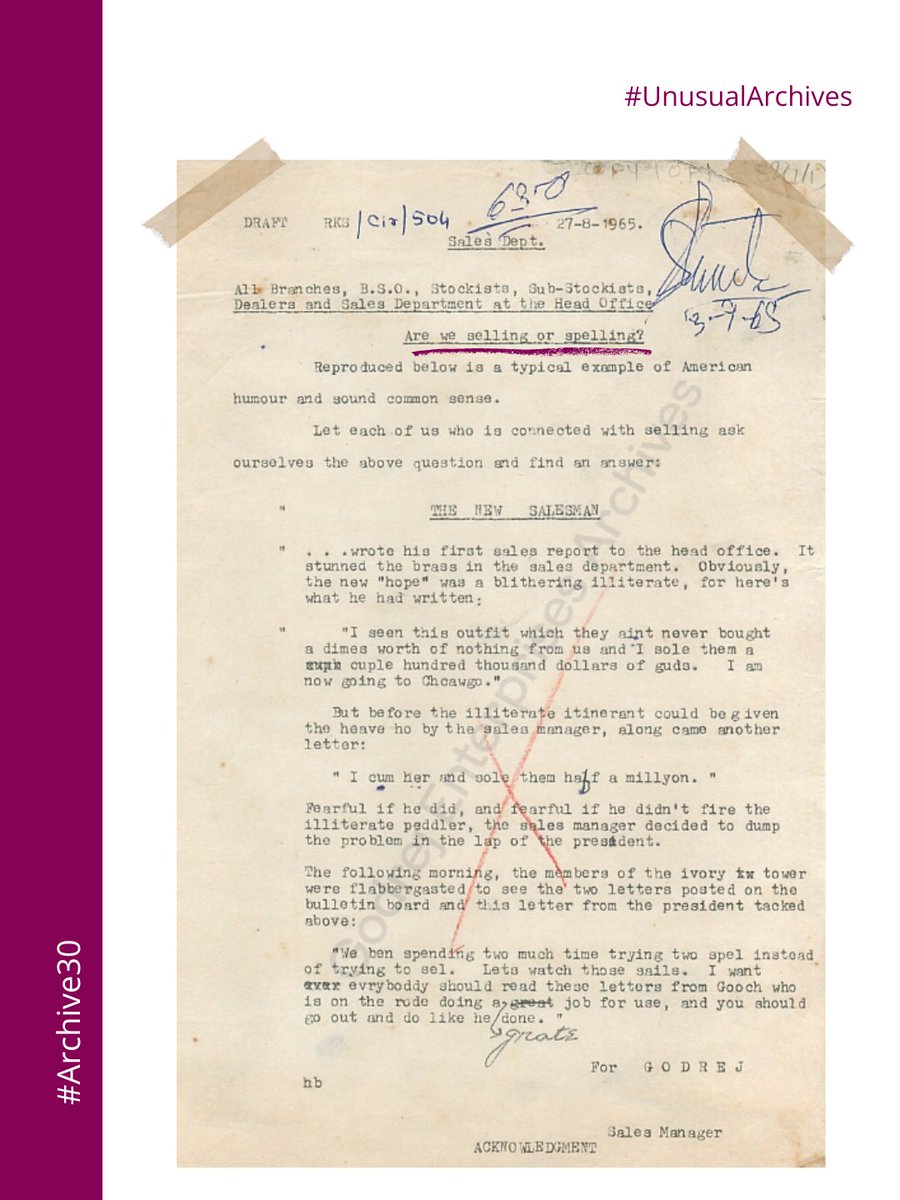
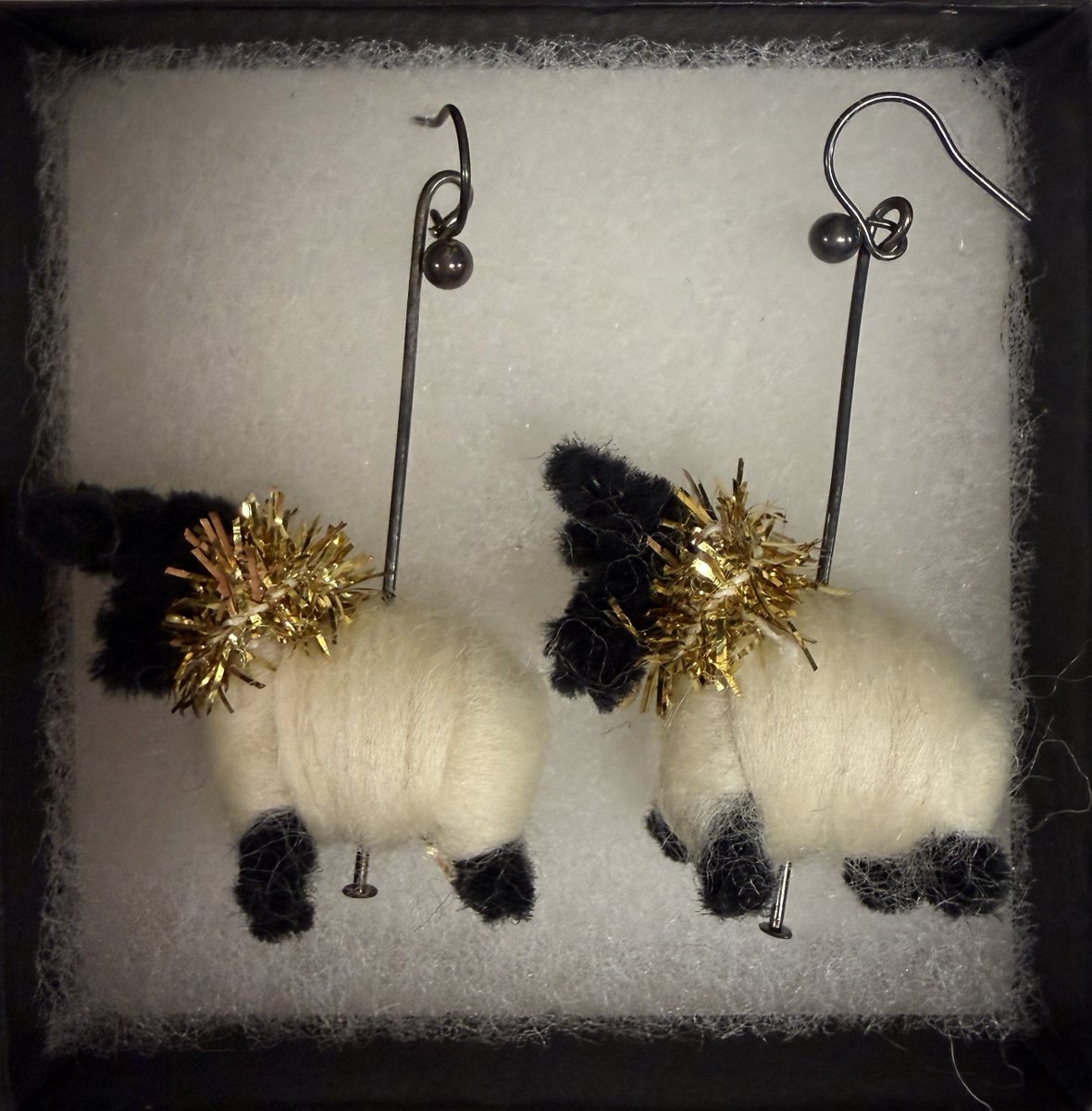
ALT MS332/B/Archive61/4 Montse Stanley sheep earrings. https://archives.soton.ac.uk/records/MS332/B/Archive61/4





![Shown here is part of the will of John Hawke of Garlinge in the parish of Petham, made 1604 and proved 1606 [ref. PRC/32/41]
The scribe used an ink made from the tannic acid of oak galls; growths formed by the tree in reaction to hosting the eggs of gall wasps.
Combining tannic acid with iron salts and a binder creates a dark ink which, today, appears purple/brown-black in colour. Many pre‑20th century manuscripts held by Kent Archives are written in this ink – favoured by European scribes for its permanence, water resistance and ease of manufacture.
However, iron gall ink becomes acidic over time and can oxidise due to excess iron in the ink formulation, causing weakening of the substrate upon which it has been used. At first, diffused halos develop around written text, followed by the ink striking through the document, leaving a shadowy impression on the verso. Eventually, the ink etches into the substrate to such an extent that material loss occurs, often referred to as lacing.](https://venexa.site/media/HEU2l54X0AA2zT6.jpg)
ALT Shown here is part of the will of John Hawke of Garlinge in the parish of Petham, made 1604 and proved 1606 [ref. PRC/32/41] The scribe used an ink made from the tannic acid of oak galls; growths formed by the tree in reaction to hosting the eggs of gall wasps. Combining tannic acid with iron salts and a binder creates a dark ink which, today, appears purple/brown-black in colour. Many pre‑20th century manuscripts held by Kent Archives are written in this ink – favoured by European scribes for its permanence, water resistance and ease of manufacture. However, iron gall ink becomes acidic over time and can oxidise due to excess iron in the ink formulation, causing weakening of the substrate upon which it has been used. At first, diffused halos develop around written text, followed by the ink striking through the document, leaving a shadowy impression on the verso. Eventually, the ink etches into the substrate to such an extent that material loss occurs, often referred to as lacing.