
Netherlands vs Japan.
Two teams with highly rigid positional structures and little willingness to rotate, prioritizing rest defense and positional stability over fluidity.

Very little tempo considering the weather conditions in a dome. I expected fast paced fluidity.
3

Netherlands’ left hand side lack the fluidity and rotation that the right hand side have.
Rotations and movement from Dumfries and Summerville have helped undue Japan.
99
Don miles retweeted

12h
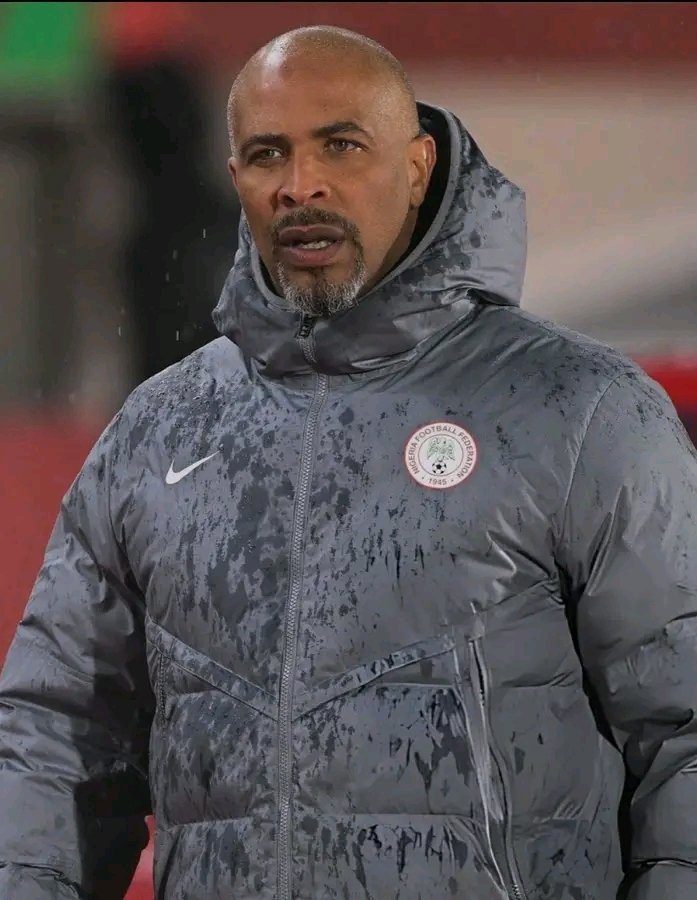
Watching Morocco move the ball so fast with accuracy, urgency, intelligence and fluidity against Brazil last night and I remember some people suggesting NPFL players for Éric Chelle, I just burst laugh inside house.
Check Morocco's squad, only two players are from their league and they're both goalkeepers - one 30 and the other 37 years old, and their league is 10x better than the NPFL.
Éric Chelle should not pay attention to anybody! Build your squad the way you want it!!!
121
335
3,334
165,064

Ehh, I do think Sekiro combat could use some upgrades for a sequel, but I do think it doesn't need to be that different. The old formula is already great, all it needs for a sequel is basically more combat fluidity and more varied patterns to make it more skill-based.
1

The fluidity in Japan’s 3-4-3 is causing so much trouble for the Dutch especially on the LHS
1
112

Ugh this chapter is going terrible 😭 I feel like the fluidity isn’t there and it feels like a bunch of random scenes. I hate it

RT @endearics: THE FLUIDITY IN HIS MOVES
#LYKNDuskAndDawnxTaipei
#LYKN #hongshihoshi @hongshihoshi03
 megs🐾
megs🐾
299


INTRODUCTION
Loving does not at first mean merging, surrendering and uniting with another person (for what would a union be of two people who are unclarified, unfinished and still incoherent?), it is a high inducement for the individual to ripen, to become something in himself, to become world, to become world in himself for the sake of another person; it is a great, demanding claim on him, something that chooses him and calls him to vast distances. (Rainer Maria Rilke, Letters to a young poet, Letter 7 (2020))
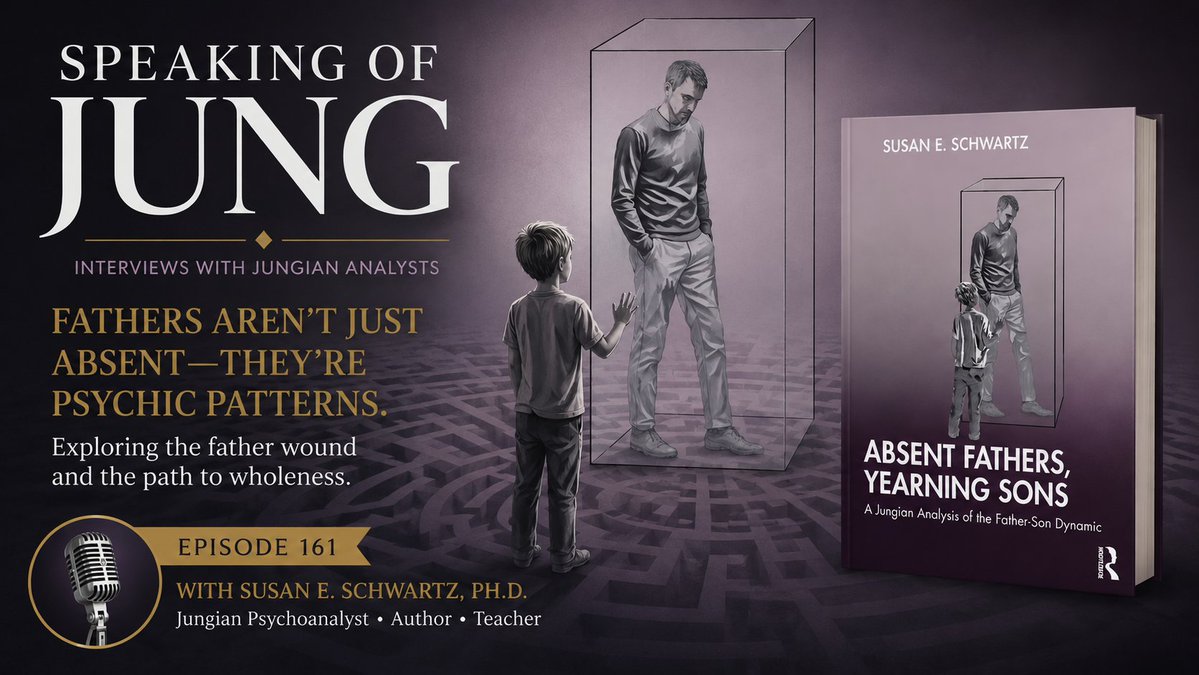
“Kairos is the Greek word for the moment when conditions are right for accomplishing a crucial action. #Jung referred to this when speaking of the spirit of the times and the spirit of the depths, meaning not only chronological time but also the timeless and seemingly endless time it takes to discover oneself.
This book investigates the dynamics shaping how #fathers and #sons relate to each other. It is a timeless journey, evolving through the eras and impacting us now and into the future. The primary issue addressed here revolves around two questions: Where have father figures been? And why are they still missing? Earlier attitudes did not recognise the personal and cultural ramifications of a father figure. Yet the problems between fathers and sons have become more apparent over the last decades. Some of the symptoms, although varying by culture, are unhappiness, troubled minds, anger, manic activity such as addictions of all kinds, performance issues, stress and power plays, among others. Societies, cultural beliefs and communal attitudes contribute to the emotional and psychological effects as we confront the blank and empty spaces within fathers and sons calling for fulfilment.
This is not a book of advice but one searching for change along with empathic resonance and acknowledgement of the extent of the wounds. It recognises rather than directs with the goal of understanding in depth issues that have been kept under wraps for decades and generations. Some of the people mentioned in this book were able to heal, others could not; some fathers could change, and some fathers and sons could never be reconciled.
The impact of the absent father focuses on what has not been addressed and the inattention now calling to be felt and filled.
The book includes the narrations of adult sons talking about their fathers in Jungian analytical treatment. Fathers are sons, but not all sons are fathers. Weighted on the side of fathers identifying themselves as sons, the focus is on the dimmer, sad, depressing and debilitating effects formerly encased in the shadows. This is not to blame, but to open psychological awareness and #consciousness of the issues without denial or idealising fantasy misshaping the situation. Rather, each case presents an aspect of harsh reality. It is the nature of #individuation to take steps to encounter the challenges, promote reflection and examination, self-recognition and hopefully fulfilment.
This book illuminates the personal and cultural blind spots. Each day in my office, I hear about the difficult. The sons may have little to say, or they are angry and frustrated, or they expect nothing but are sorrowful, regretful, often self-blaming. Behind their current situation is a generational terrain littered with traditions of denial, lack of emotional connection and unconsciousness. Sons have been stuck, repeating life in their fathers’ shadows.
At what point do we cease to think and question and begin to just go along with the status quo? ‘Who is the father one talks and dreams about … What is the metaphorical representation of the father aspects of the psyche and what is the #unconscious desire moving us towards – collectively and personally?’ (Samuels, 1989, p. 58). The adaptation to traditional roles has come at the expense of authenticity, with men losing themselves, leaving them bereft. The focus on the father/son dynamic, specifically its lack, negative effects and past superficiality spills into current psychological and collective attitudes. Here the mother is not ignored but addressed cursorily as a sideline factor. In the analytical literature and popular vernacular, she has garnered major attention because of her traditional role in raising children. To this day there remains a yawning lacuna about fathers in Jungian literature and in other analytical and psychological approaches.
The missing father is prevalent in Western societies, either physically by abandoning partner and children. Or he is emotionally absent, absorbed in work, presenting with blankness of emotion, feelings or interest while also assuming dictatorial positions of control. Inside the heart an ache remains for both fathers and sons. These issues are accentuated when there is no father present. The slant to disappointment, discouragement and unmet expectations are the psychological burdens passed from one generation to the next.
Both #Freud and Jung, as pioneers of #psychoanalysis in the twentieth century, experienced emotional and spiritual absence and loss in relation to their fathers. This is the underpinning of the analytical tradition, and like any psychological discovery, we go backward to move forward. The insufficiently explored residue transferred from father to son shut off feelings and brought lack of intimacy, inflexibility and disconnections from the psyche and body. Many psychoanalytical case studies and clinical examples do not include the impact of the father and thereby avoid mourning him and the ramifications of his absence.
This book evolved after my previous one, The absent father effect on daughters: Father desire, father wounds (2020). I received much commentary questioning if the same concepts applied to sons. The amount of inquiry demonstrated hunger in the personal and collective psyche and a lamentation for the missing and less than ideal father and son relationship.
However, as I contemplated this book, I realised with some surprise that the energy for this endeavour was of a different tone. Although I share the experience of sons, I am a daughter. Yet I realise many daughters have been treated as sons, not daughters. I contemplated yet again, what is the difference? Is it how one is raised? Is it cultural? Are the expectations a father has of sons and daughters still radically diverse? Where have we been and where do we remain unconscious? I pondered these questions in facing the unexpected emotions aroused by this exploration.
And then I remembered my belief in the range of the psyche, the experiences we share yet are not the same, the era we live in with its increasing fluidity and possibility for individual expression. The concepts in Jungian analytical theory move beyond ego consciousness and societal restrictions and open the possibilities, creativity and hope that are accessed by contacting the unconscious.
As I proceeded, I again recalled the many sons in my analytical practice, the fathers they described, and the struggles to surmount the years of distance, emotions missed and misunderstood, opportunities lost. They sorrowfully recognised the continued absence and silence around these issues. They said no one knew them, no father asked about them. Few father mirrors existed, and they did not expect any. Many described being frauds, conveying a touching and tender vulnerability, implying an unexplored and unknown potential. They wondered how to find what they did not know. This required delving into the complexes and problems plaguing them personally and culturally, collectively. Ignorance of self is encountered and enriched with knowledge of what has been missing and what is needed to fill the blank spaces. The ability to understand psychological states helps demarcate what is real and what isn’t, what is true and what is false, what is imagined and what is actual.
Yearning applies to fathers and sons as both have been missing to each other. Emotions formerly held in the unconscious, when unearthed, reveal the sorrow and pain of the too often negative or neglected father and son relationship. However, these relationships are slowly inching towards repair. They are peeling back the layers, facing disappointments, expressing shame, vulnerability and love along with the repressed desire now emerging as a trickle and then gushing forth. What matters is the transformation of person, culture and family to grow beyond the patriarchal tradition as layers of the psyche shift, shake off the dust and become viable.
The situations are many faceted and applicable to any father figures and father surrogates, including those of female gender, like single mothers. At issue is also the son experiencing the father with the mother figure and the quality of their engagement. This is influenced by how the mother figure carries the father in her mind, the intergenerational transmission of paternal roles, relationship dynamics and the psychological vacancies.
The father has been generally deficient, particularly regarding aspects of tenderness, intimacy and nurturance, which has been formerly relegated to the feminine realm. Even as we are at the crossroads of change, we carry the memory and influence of the father and patriarchy, a time denoting the masculine as central and the feminine less so. Obviously, the balance has been off. These are the issues to unravel and the material from which to create. Missing the father figure offers the opportunity and responsibility to fill the gap. This leaves the paternal to be explored, expanded and enlivened with new eyes and experiences.
The Jungian analytical process of individuation seeks movement where there has been stagnation, resistance and loss. The hope in writing this is to open dialogue about the value of father and son relationships. To this end are the shared stories of men throughout the book. All agreed to their material being shared, well disguised, as a benefit to readers. It helps to know others have similar experiences. I sincerely thank those willing to be so open yet protected in these pages.
Numerous literary works are filled with fathers, uninvolved and not present. For example, Charles Dickens’s British novels of the mid-nineteenth century are marked by the absence of fathers, and many of his characters are orphans who must make their own way in the world. I quote his words: ‘Whether I shall turn out to be the hero of my own life, or whether that station will be held by anybody else, these pages must show’ (Dickens, 2008, p. 1).”
~Susan E. Schwartz, Ph.D., Introduction, Absent Fathers, Yearning Sons: A Jungian Analysis of the Father-Son Dynamic, pp. 1-4
Coming later this month to Speaking of Jung: Interviews with Jungian Analysts
#FathersDay
71
A--ONE retweeted

You can go in planning to hate a team, then they turn that hate to respect. Morocco’s 🇲🇦 been too impressive. The fluidity & chemistry? Superb. Pure good football. Put hate aside, they’ve silenced all of us.
30
103
1,068
16,631

RT @endearics: THE FLUIDITY IN HIS MOVES
#LYKNDuskAndDawnxTaipei
#LYKN #hongshihoshi @hongshihoshi03
megs🐾
299

RT @endearics: THE FLUIDITY IN HIS MOVES
#LYKNDuskAndDawnxTaipei
#LYKN #hongshihoshi @hongshihoshi03
megs🐾
299
dez 🧸 🍀 | yeo day! retweeted

a lesson in fluidity || sn
🔞cw: this is just tntcle prn, i warned you
8
4
12
135

Can be susceptible to counter attacks, but try to mitigate through a heavy counter press. Can either go for a patient buildup of quick direct attacks through Maeda/Nakamura’s pace. Play with a fluidity from being a very settled side playing the same ways for years.
147