
🇬🇧 GBP to 🇳🇬 NGN rates
🥇 Remitly → ₦1,852.16
🥈 Flutterwave Send → ₦1,848.51
🥉 TransferGo → ₦1,847.90
4. Africhange → ₦1,845.00
5. NALA → ₦1,840.52
6. Pesa → ₦1,840.50
7. Lemfi → ₦1,835.00
8. Monieworld → ₦1,835.00
9. Sendwave → ₦1,832.25
10. TapTapSend → ₦1,825.00
...
2
USD🇺🇸 → NGN🇳🇬
🥇 Africhange → ₦1,380.00
🥈 Flutterwave Send → ₦1,377.05
🥉 NALA → ₦1,373.62
4. Lemfi → ₦1,370.00
5. Sendwave → ₦1,367.94
6. TapTapSend → ₦1,365.00
7. Remitly → ₦1,364.66
⏰ 18:08 UTC • 14 Jun
2
🇪🇺🇳🇬 EUR → NGN update
🥇 TransferGo — ₦1,604.33
🥈 Flutterwave Send — ₦1,592.25
🥉 Pesa — ₦1,591.00
4. Lemfi — ₦1,590.00
5. NALA — ₦1,585.23
6. Sendwave — ₦1,583.34
7. WorldRemit — ₦1,583.34
8. Remitly — ₦1,582.04
9. TapTapSend — ₦1,570.00
⏰ 18:05 UTC • 14 Jun
2
omowunmi olosunde retweeted

Jun 11
“I exited Flutterwave because there was negative energy between myself and Olugbenga Agboola. He also did not like the fact that I was telling him what to do. At that point, I felt it was best to leave and allow him to lead the company in his own way.”
— Iyinoluwa Aboyeji, founding CEO of Flutterwave
4
38
154
89,228
Smart👨💻 | Software Engineer retweeted

Fintech is not just Paystack and Flutterwave.
here’s what’s still wide open in Nigeria:
• Insurance — most Nigerians don’t have a single active policy
• Pension/retirement — PENCOM data is a mess, access is worse
• Credit infrastructure — no BVN doesn’t mean no creditworthiness
• Agri-finance — smallholder farmers need working capital, not a debit card
• Trade/import finance — SMEs importing goods are begging for credit
• B2B treasury — companies managing FX exposure manually on spreadsheets
• Healthcare financing — nobody talks about this one
Payments is solved-ish. the rest are barely touched.
Save this if you’re looking for where to actually build.
6
19
98
5,722
Smart👨💻 | Software Engineer retweeted
Flutterwave, Paystack, Moniepoint didn't win because they had the best code.
They won because they understood the Nigerian user better than anyone else.
Slow networks. Feature phones. Trust issues with digital money. Bank downtimes.
The best fintech products here aren't technical achievements.
They're empathy at scale.
2
4
38
1,229
Smart👨💻 | Software Engineer retweeted
People see paystack, flutterwave, opay, moniepoint and think building fintech in nigeria is a clear path
Here's what the success stories don't show you 🧵
4
21
76
7,512


Flutterwave, NYSC, Nestlé, Reps’ Deputy Speaker’s Office Partner ASIF for 2026 Youth Entrepreneurship Summit in Abuja. A Non-governmental Organization (NGO), Activate Success International Foundation (ASIF), has said it will partner a growing network... ow.ly/m88H106zFLf

4
354

Flutterwave, NYSC, Nestlé, Reps’ Deputy Speaker’s Office Partner ASIF for 2026 Youth Entrepreneurship Summit in Abuja - fyi.ng/p/cb944ce6
263

Active prediction market on whether Flutterwave officially files for IPO before Dec 31, 2026. Pull up your call → predictng.com/markets/2a425b…

I don't really care, I just know that its headquarters are in the United States, so Flutterwave is no longer a Nigerian company. Now it's an American company.
7
GBP🇬🇧 → NGN🇳🇬
🥇 Remitly (₦1,852.16)
🥈 TransferGo (₦1,850.73)
🥉 Flutterwave Send (₦1,848.51)
4. NALA (₦1,845.55)
5. Africhange (₦1,845.00)
6. Pesa (₦1,840.50)
7. Lemfi (₦1,835.00)
8. Monieworld (₦1,835.00)
9. Sendwave (₦1,832.25)
10. TapTapSend (₦1,825.00)
...
14
💱 USD/NGN 🇺🇸🇳🇬
🥇 Africhange (₦1,380.00)
🥈 Flutterwave Send (₦1,377.05)
🥉 NALA (₦1,376.38)
4. Lemfi (₦1,370.00)
5. Sendwave (₦1,367.94)
6. TapTapSend (₦1,365.00)
7. Remitly (₦1,364.64)
Checked: 14:07 UTC • 14 Jun
12
Rate check: EUR → NGN 🇳🇬
🥇 TransferGo → ₦1,606.78
🥈 Flutterwave Send → ₦1,592.25
🥉 NALA → ₦1,591.59
4. Pesa → ₦1,591.00
5. Lemfi → ₦1,590.00
6. Sendwave → ₦1,583.34
7. WorldRemit → ₦1,583.34
8. Remitly → ₦1,582.04
9. TapTapSend → ₦1,570.00
🕐 14:05 UTC • 14 Jun
13

I don't really care, I just know that its headquarters are in the United States, so Flutterwave is no longer a Nigerian company. Now it's an American company.
1
13

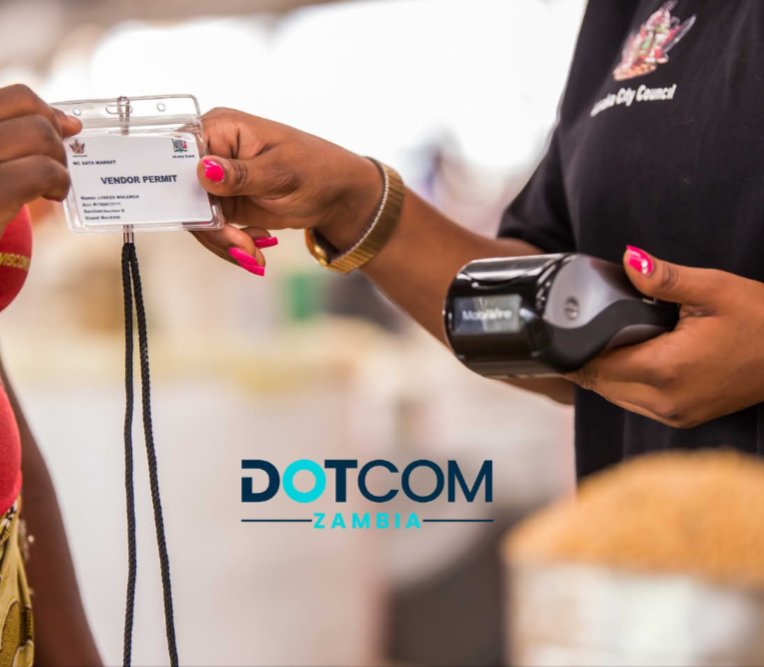
𝗛𝗼𝘄 𝗗𝗼𝘁 𝗖𝗼𝗺 𝗭𝗮𝗺𝗯𝗶𝗮’𝘀 𝗲𝗟𝗲𝘃𝘆 𝗦𝘆𝘀𝘁𝗲𝗺 𝗪𝗼𝗿𝗸𝘀 𝗳𝗼𝗿 𝗠𝗮𝗿𝗸𝗲𝘁𝗲𝗲𝗿𝘀 𝗮𝗻𝗱 𝗕𝘂𝘀 𝗢𝗽𝗲𝗿𝗮𝘁𝗼𝗿𝘀
The Government of Zambia, through the Ministry of Local Government and Rural Development, has digitized the collection of market and bus station levies through the eLevy system, a platform developed and operated by @dotcomzambia. The system is designed to make levy payments faster, more transparent, and more convenient for both local authorities and citizens.
eLevy is an electronic revenue collection platform used by participating local councils to collect levies from market traders, shop tenants, and bus operators. Instead of handling cash at collection points, users register for an eLevy account, deposit funds electronically, and have their levies paid digitally.
How eLevy Works for Market Traders
For marketeers, the process begins with registration at a participating market or bus station council office. During registration, traders select a payment plan based on how they prefer to pay their levy, whether daily, weekly, or monthly.
Once registered, the trader deposits funds into their eLevy account using their National Registration Card (NRC) number as the account reference. Deposits can be made through several authorized payment channels, including mobile money, bank cards, and approved payment agents.
After the account is funded, the system automatically deducts the appropriate levy amount according to the selected payment plan. The trader then receives an SMS confirmation as proof of payment. When the account balance becomes low, the user simply tops up the account and the process continues seamlessly.
How eLevy Works for Bus Operators
Bus operators use a slightly different process that involves an eLevy Smart Card. The operator purchases a card from a council office or an approved vendor and activates it through the council office, online platform, mobile application, SMS, or WhatsApp services.
The unique Account ID printed on the card becomes the operator’s eLevy account number. After loading funds into the account, the operator presents the card whenever a levy payment is required. A council attendant swipes the card using a point-of-sale (POS) device, and the levy is automatically deducted from the account balance. A receipt is then issued for the transaction.
As with market traders, bus operators can top up their accounts whenever funds run low.
Multiple Payment Options
One of the strengths of the eLevy platform is its wide range of payment channels. Users can fund their accounts through Flutterwave using bank cards or mobile money, through Tingg by Cellulant agents, or through thousands of Kazang agents across Zambia. MTN Mobile Money is also supported for account top-ups.
Mobile and Online Access
The platform includes web and mobile applications that allow users to manage their accounts from anywhere. Through the portal or app, users can check balances, review transaction histories, monitor payments, update account details, and receive real-time notifications about transactions.
Benefits of the System
eLevy reduces the handling of cash at markets and bus stations, improving security and accountability. The platform also helps local councils enhance revenue collection while giving citizens convenient digital payment options. Additional benefits include faster transactions, reduced physical interaction, improved financial inclusion, and better record keeping for both councils and users.
39

While this is true, I also believe the unwillingness of local capital to participate is also a huge factor, even more than the 2021 situation.
The US has also had it share of bad founders over the years, it’s still having them but yet the funding is still flowing.
The difference is the fact that their local capitals are participating regardless.
Flamini as footballer funded tech startups, chamillionaire got rich off of them, Gianni’s is investing, same as JayZ, the list is endless, even old money are channeling investment through family offices.
Most of our guys here, to the best of my knowledge, we can’t say the same for them.
Local capital typically have more patience, more interest in building a nation, job creation and more long term thinking.
Even if the investment don’t pan out as quickly they would like or if it fails, they often have other incentives to count as gain.
Tesla investors waited for close to 10years, I’m not sure any investor is willing to do that wait in a foreign market( especially on non physical product)
We can’t always go to the world table with our plates out, that’s not how the developed nations did it.
As a country, we can’t always wait for external funds, at some point we have to look within and we are currently at that point, that’s why it appears we are starving.
VCs ain’t grants, their investment thesis is mostly extractive, big risk big win especially when going into a foreign market.
Their primary thesis is how quickly can I exit, and how big can it potentially be.
Nigeria market has always been good in theory, especially with the emergence of the likes of Paystack, Andela, and flutterwave, but 2021 helped VCs learn the market in practice.
What it showed them that made wary of the Nigerian market wasn’t just reckless founders, they’ve seen them all their lives, they are everywhere.
What it showed them was a pile of infrastructural deficits that frustrates the very core of their investment thesis “how quickly can I exit, and how big can it potentially be” stack that with dishonest founders, the incentive to want to invest here completely breaks down.
What should have filled the gap is participation of local capital, and since it’s refused to participate, why would foreign investors want?
That alone sends a dangerous signal to foreign investors, even worse sets a dangerous precedent, part of which we are currently experiencing.
If local funds don’t start participating, we might have a long journey ahead
The honest conclusion is that until local capital develops both the will and the vehicles to participate sustainably, the ecosystem will remain structurally dependent on foreign validation, which is precisely the weakness that makes it fragile.
Mar 16

Many people avoid addressing the elephant in the room, so let me try.
The legacy of the 2021 funding cycle has had lasting consequences for the current generation of African founders.
In 2021, capital was abundant and the bar for raising money was unusually low. In many cases, even very early or unproven ideas attracted significant funding. While some teams used that opportunity to build meaningful companies, most unfortunately did not deliver any meaningful outcomes. Over time, stories of poor capital discipline, and in some cases outright misuse of funds began to circulate.
Obviously this has affected investor sentiment. Today’s founders are operating in a far more skeptical environment, where capital providers demand clearer traction and greater accountability.
The current crop of young African founders are navigating the aftereffects of that 2021 cycle. They are being held to a much higher standard, largely because the ecosystem is still rebuilding trust after the excesses of that 2021 era.
32
🇬🇧 GBP to 🇳🇬 NGN rates
🥇 TransferGo — ₦1,855.21
🥈 Remitly — ₦1,852.05
🥉 Flutterwave Send — ₦1,848.51
4. NALA — ₦1,845.55
5. Pesa — ₦1,840.50
6. Africhange — ₦1,840.00
7. Lemfi — ₦1,835.00
8. Monieworld — ₦1,835.00
9. Sendwave — ₦1,832.25
10. TapTapSend — ₦1,825.00
...
24
🇺🇸 USD to 🇳🇬 NGN rates
🥇 Africhange (₦1,380.00)
🥈 Flutterwave Send (₦1,377.05)
🥉 NALA (₦1,376.38)
4. Lemfi (₦1,370.00)
5. Sendwave (₦1,367.94)
6. TapTapSend (₦1,365.00)
7. Remitly (₦1,364.62)
Updated: 10:08 UTC • 14 Jun
23