
Jun 13
Built for Heavy-Duty Drilling. Powered by Reliable Undercarriage Parts.
Behind every powerful rotary drilling rig, a reliable undercarriage system plays a critical role.
#RotaryDrillingRig #UndercarriageParts #ConstructionEquipment #FoundationEngineering
3

Jun 11
Because a foundation that satisfies bearing capacity but ignores settlement, stiffness, and structural interaction is an incomplete solution.
#FoundationEngineering #GeotechnicalEngineering #StructuralEngineering #SoilStructureInteraction #NIES
12

May 26
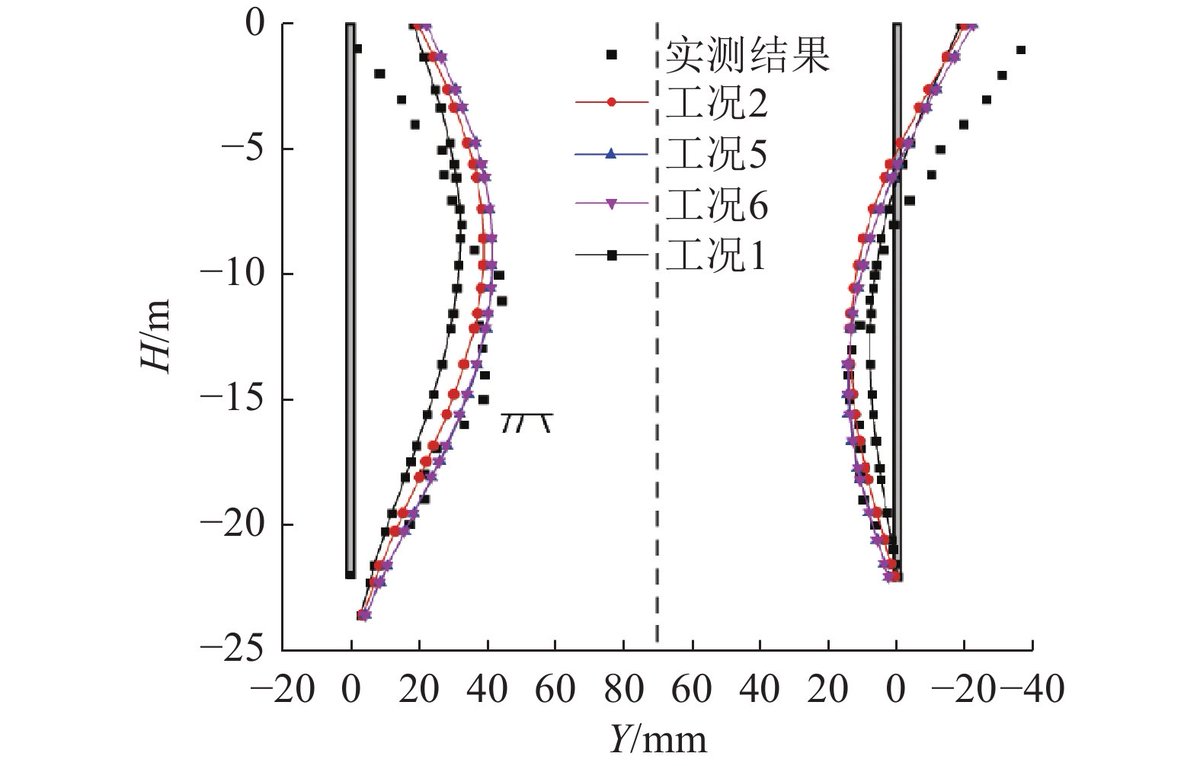
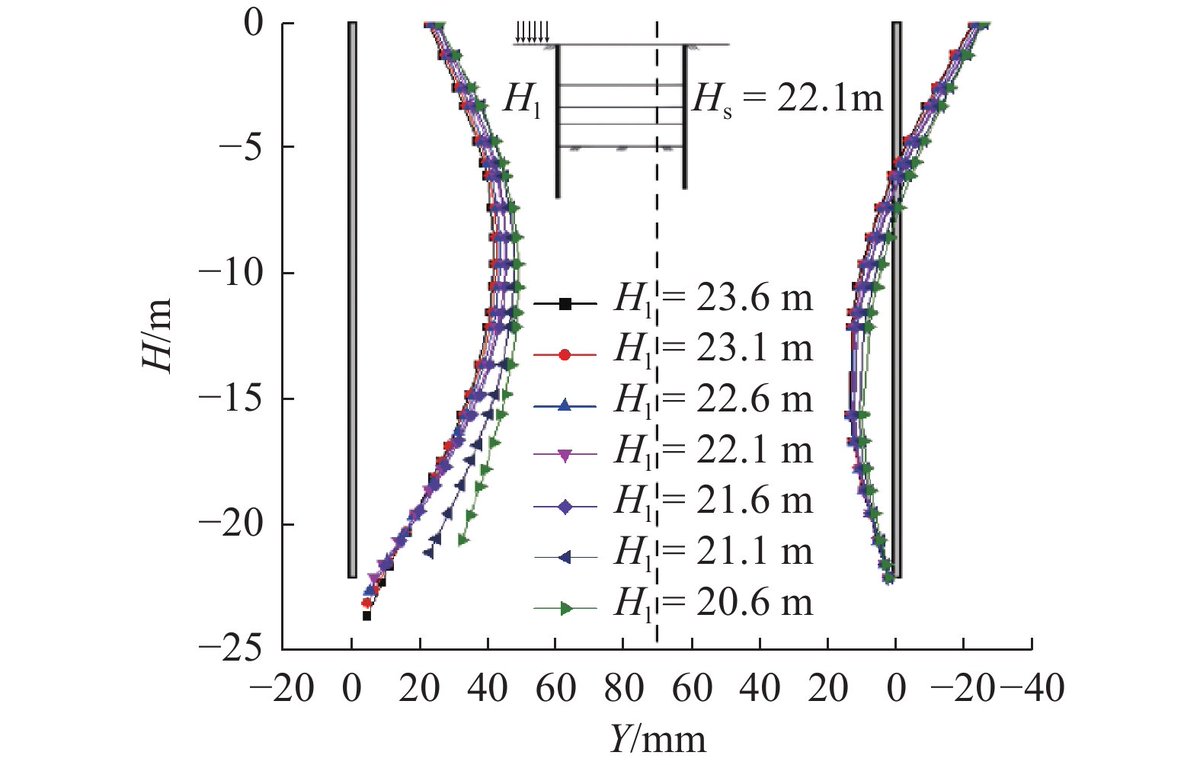
Diaphragm walls don't fail symmetrically.
We ran the numbers on asymmetric overload in deep foundation pits and the results change how you calculate support.
Here's what was found 👇 doi.org/10.3785/j.issn.1008-…
@ZJU_CHINA @ZJUPRESS #AcadeMax #ZJU #Geotechnical #FoundationEngineering #SubwayConstruction
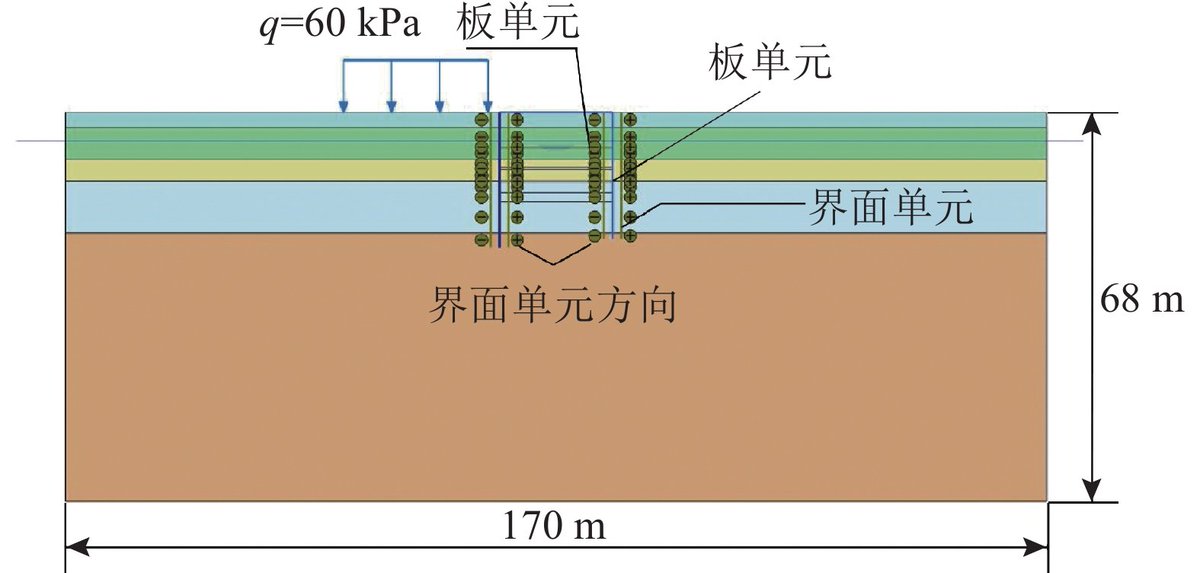
ALT https://doi.org/10.3785/j.issn.1008-973X.2026.06.003
7
144

🚨 Before you break ground on ANY major project in Nigeria…
One question can save you millions or cost you everything:
👉 Is the soil beneath your site actually strong enough to support your structure?
At KWHARM Consult, we don’t leave this to chance.
Our comprehensive Geotechnical Soil Investigation delivers the hard engineering data every responsible developer, contractor, and consultant needs before a single foundation is poured.
Here’s exactly what we do:
✅ Borehole drilling & deep sampling (up to 30m where required)
✅ Cone Penetration Testing (CPT) for real-time soil profiling
✅ In-situ testing (SPT, vane shear, plate load, etc.)
✅ Groundwater monitoring & piezometer installation
✅ Full laboratory analysis — particle size, Atterberg limits, triaxial shear, consolidation, CBR, chemical tests (sulphate, chloride, pH)
From the data we give you precise answers on:
🔹 Ultimate and allowable bearing capacity
🔹 Expected total and differential settlement
🔹 Most economical & safest foundation type (pad, raft, pile, ground improvement, etc.)
🔹 Hidden risks — expansive soils, collapsible laterites, high groundwater, fault lines, liquefaction potential
No assumptions. No guesswork. No expensive surprises during construction.
Because in Nigeria’s highly variable geology from the sandy coastal plains to the basement complex in the north, what lies beneath can make or break your project timeline, budget, and structural integrity.
Every iconic structure you see standing tall today started with one thing:
A proper understanding of the ground beneath it.
Ready to build with confidence and zero geotechnical regrets?
📞 DM us or call KWHARM Consult today.
Let’s turn your site investigation into your strongest competitive advantage.
#GeotechnicalEngineering #SoilInvestigation #FoundationEngineering #CivilEngineeringNigeria #ConstructionNigeria #StructuralEngineering #KWHARMConsult #BuildOnSolidGround 0
3
3
99

May 13
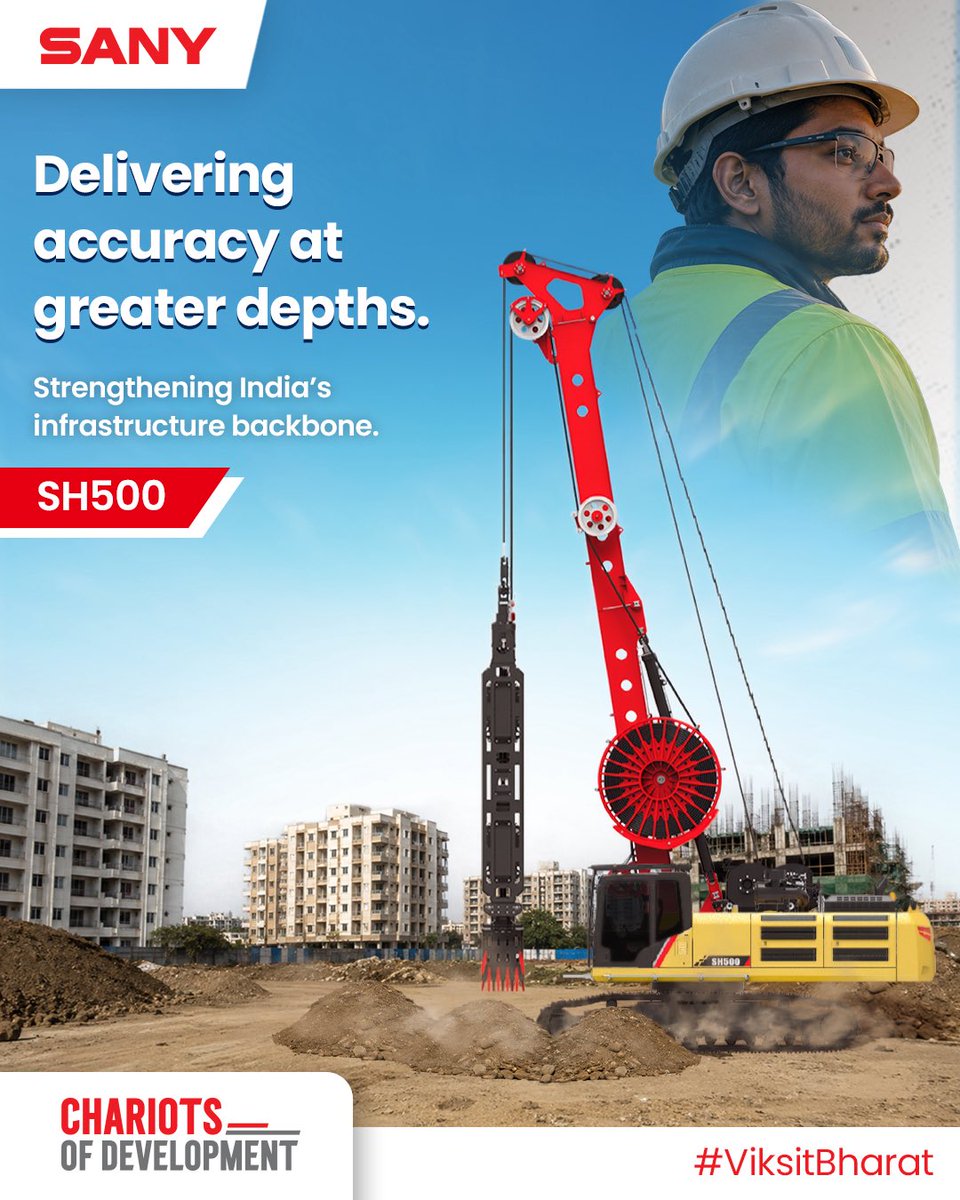
Deep foundation work plays a critical role in supporting the scale and stability of modern infrastructure projects. From urban development to large transportation networks, accuracy and consistency at greater depths are essential for long-term structural reliability.
The SANY SH500 hydraulic grab is engineered for efficient diaphragm wall construction, delivering high productivity across demanding foundation applications. With a groove depth of up to 80m and groove widths ranging from 600 to 1200 mm, it is designed to support deep excavation with excellent verticality and operational efficiency.
Its maximum closing force of 165 T and 7/7 s bucket open and close cycle time further enable faster and more reliable execution across complex foundation requirements.
Built to support the infrastructure that drives India’s progress toward a Viksit Bharat.
#SANYIndia #ViksitBharat #ChariotsOfDevelopment #FoundationEngineering #Infrastructure #SH500 #DW #Grabs #Pilingrigs #Hydraulicgrab
2
70
One of the Costliest Mistakes in Construction: Building on Unknown Ground
In Nigeria’s fast-growing construction industry, the pressure to break ground quickly is real. But rushing straight to design and construction without understanding what lies beneath the surface is one of the most expensive and dangerous errors any developer, contractor, or engineer can make.
Before a single foundation is poured, a comprehensive geotechnical soil investigation must be carried out. This is not a formality, it is the bedrock of every safe, durable, and cost-effective structure.
What a Proper Geotechnical Investigation Reveals:
• Soil composition and layering (clay, sand, silt, laterite, etc.)
• Bearing capacity — how much load the soil can safely support.
• Groundwater table and seasonal fluctuations
• Settlement potential (both immediate and long-term)
• Soil stability, expansiveness, and erosion risk
• Presence of problematic soils such as expansive clays common in many parts of Nigeria.
• Seismic and liquefaction risks (where applicable)
• Recommended foundation type — pad, raft, pile, or ground improvement solutions.
This data directly informs structural design, material selection, and construction methodology.
The Heavy Price of Skipping It
Countless buildings across Nigeria have paid dearly for skipping or doing superficial soil tests:
• Cracks appearing within the first two years of occupancy.
• Uneven floor settlement causing doors and windows to jam.
• Tilting structures and differential settlement
• Collapsed buildings during heavy rains or minor seismic activity.
• Exploding maintenance and repair costs that sometimes exceed the original construction budget
• Legal disputes, project abandonment, and loss of lives in worst-case scenarios
Many of these failures didn’t start with poor concrete or bad reinforcement. They started with ignored soil.
Real-World Context in Nigeria
Our country has highly variable soil conditions — from the soft coastal clays of the Niger Delta, to the lateritic soils of the southwest, to the basement complex rocks in the north. What works perfectly in Lagos may fail spectacularly in Abuja or Enugu if proper investigation isn’t done. Seasonal flooding, poor drainage, and climate change are only making soil behavior more unpredictable.
Prevention Is Always Cheaper Than Correction
A thorough geotechnical investigation typically represents less than 1–2% of total project cost, yet it can prevent 20–50% or more in future repair and remediation expenses. It also protects your reputation, reduces insurance risks, and gives banks and regulators confidence in your project.
To every developer, architect, structural engineer, and contractor:
Don’t gamble with the ground beneath your clients’ feet.
Invest in quality soil investigation early.
Engage qualified geotechnical engineers.
Insist on proper laboratory testing and professional interpretation of results.
Build on verified ground — not assumptions.
Safe structures are not built by chance. They are built on knowledge. Let’s raise the standard of construction in Nigeria, one responsible soil test at a time.
What’s your experience with soil-related challenges on projects?
Have you ever seen a project suffer because geotechnical investigation was treated as an afterthought?
Share in the comments.#CivilEngineering #GeotechnicalEngineering #SoilInvestigation #ConstructionNigeria #FoundationEngineering #StructuralIntegrity #BuildSafe #EngineeringNigeria #RealEstateNigeria #ConstructionIndustry
4
5
183

Apr 20
🏗️⚙️ Strap, Isolated, Continuous or Combined - each footing type serves a specific purpose depending on soil and load conditions.
.
Hey @grok, which type of footing is most commonly used in residential construction? 🤔🧱
.
#TypesOfFooting #FoundationEngineering #CivilEngineering #StructuralEngineering

1
2
34
Mar 27
#ConcreteMixDesign
#ReinforcedConcrete
#BeamDesign
#ColumnDesign
#SlabConstruction
#FoundationEngineering
#SoilMechanics
#GeotechnicalEngineering
#ConstructionManagement
#ProjectManagement
#CPMScheduling
#BarBendingSchedule
#FormworkTips
#ShoringSystems
#ScaffoldingSafety
#QualityControl
#ConstructionQuality
#SiteSafety
#CivilEngTips
#EnggStudents
#CivilEngg
#StructuralDesign
#RCCDesign
#SteelDesign
#MomentResistingFrames
#TrussAnalysis
#FrameAnalysis
#LoadCalculation
#WindLoads
#SeismicDesign
#EarthquakeEngineering
#BridgeEngineering
#DamConstruction
#TunnelEngineering
#HighwayDesign
#PavementDesign
#SurveyingBasics
#AutoCADCivil
#RevitStructure
#STAADPro
#ETABSModeling
#BIMforCivil
#SustainableConstruction
3
375

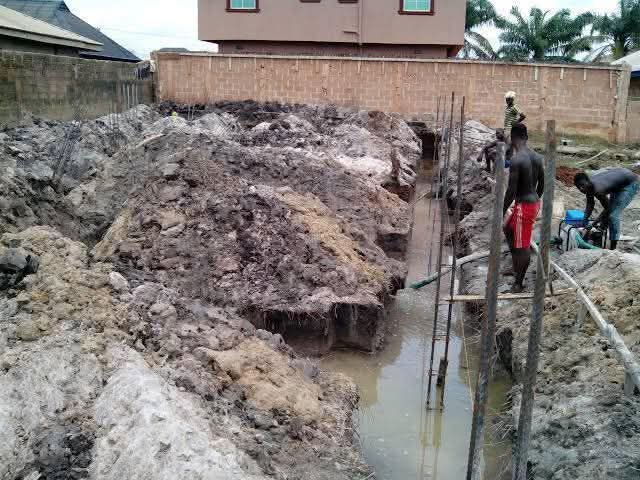
WHAT TYPE OF FOUNDATION IS SAFE FOR BUILDING ON WATERLOGGED LAND?
When constructing a building in a waterlogged area, choosing the right foundation is not a suggestion. It is a structural decision that determines the long term safety and stability of the building.
Why soil testing comes first
Before any construction begins, the soil must be tested to determine its bearing capacity.
Bearing capacity is the maximum load the soil can safely support without failure. This test provides the technical basis for selecting the correct foundation type.
1.Pile foundation for deep waterlogging and very weak soil
In areas with severe waterlogging or highly unstable soil, a pile foundation is the safest option.
Pile foundations use long reinforced concrete or steel members driven deep into the ground until they reach firm soil or rock. These piles transfer the building load to stronger layers beneath the weak surface soil, preventing sinking, excessive settlement, and structural movement.
2. Raft foundation for shallow waterlogging and weak topsoil
Where waterlogging is shallow and the soil is weak but fairly uniform, a raft foundation is often recommended.
A raft foundation is a thick reinforced concrete slab cast under the entire building footprint. It spreads the building load evenly, reduces differential settlement, and resists minor soil movement caused by water
3.Strip foundation with ground beams for smaller buildings
For smaller buildings in areas with moderate soil conditions, a strip foundation combined with ground beams may be suitable.
This system uses concrete strips under load bearing walls, supported by ground beams that help distribute loads more evenly. It is commonly used in residential buildings and is more economical for small scale projects.
The foundation must match the soil condition.
Each foundation type is designed to perform under specific soil and water conditions.
Choosing a foundation without proper soil investigation is a gamble that can lead to costly structural problems.
The right foundation protects the strength, durability, and long term value of your building.
#FoundationEngineering
#WaterloggedLand
#BuildItRight
#QualityConstruction
3
7
24
4,447

13 Dec 2025
Ever hit pile refusal on site and wondered if it’s the real deal or just a false alarm?
Pile refusal = when your pile just STOPS, no matter how hard you hammer. Usually it’s hit bedrock or super dense soil.
But it can also be fake: not enough hammer energy, soil setup, or crazy skin friction.
Knowing true vs false refusal saves time, money, and keeps your foundation safe.
Huge difference on project outcomes!What’s the worst refusal story you’ve got? Drop it below
#PileFoundation #GeotechnicalEngineering #CivilEngineering #StructuralEngineering #Construction #FoundationEngineering #DeepFoundations
1
4
9
177

10 Dec 2025
#highlycitedpaper
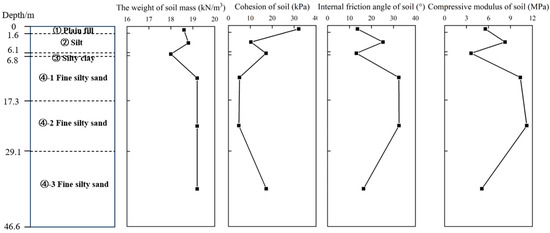
Study on Settlement of Self-Compacting Solidified Soil in Foundation Pit Backfilling Based on GA-BP Neural Network Model, by Ze Yuan et al.
🔗 Read for free at: brnw.ch/21wYeY3
#SelfCompactingSoil #SoilSettlement #FoundationEngineering
1
2
35
7 Dec 2025
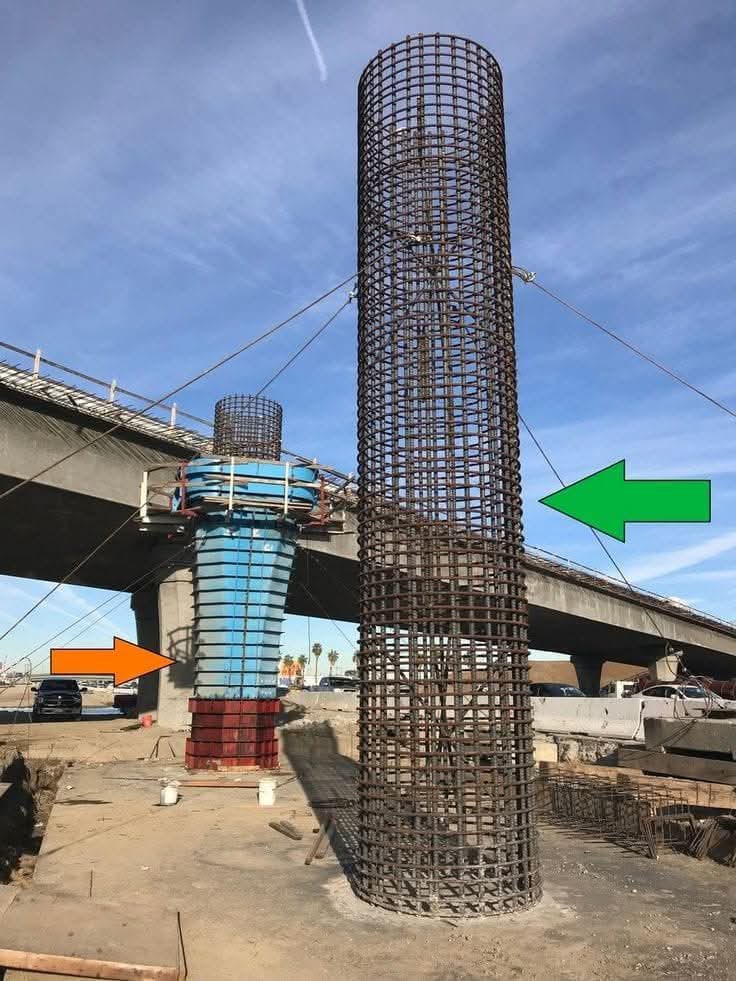
Cast-in-situ bored pile reinforcement under construction.
What you’re looking at: A 2.5–3 m diameter rebar cage ready to be lowered into a drilled shaft (the tall cylinder pointed by the green arrow).
The blue structure at the top is a temporary guide ring (orange arrow). It keeps the cage perfectly vertical and centered during lowering and also guides the tremie pipe for concrete placement.
Once the cage is fully inserted into the borehole (which may be stabilized with bentonite slurry or temporary casing), high-slump concrete will be poured from the bottom up using the tremie method to avoid segregation.
These large-diameter piles are commonly used for heavy bridge foundations, high-rise buildings, or when very high load capacity is required.Simple, accurate, and respected by both students and senior engineers.
#CivilEngineering #StructuralEngineering #FoundationEngineering #BoredPiles #DeepFoundation #Construction #GeotechnicalEngineering #SiteWork
2
3
11
328

7 Jul 2025
🏗️ **Excavator-Mounted Vibro Hammers: Advanced Cost Control & Installation Efficiency Engineering**
💎 **Installation Optimization:**
• High-frequency vibration dimensional performance management. 📐
• Sheet pile penetration rate utilization maximization. 📋
• Hydraulic system integration methodology. 🔧
• Multi-soil condition adaptation design philosophy. 🏢
⚙️ **Technical Challenges:**
🔴 **Quantity Surveying:**
• Precise pile count and linear meterage requirement. 📊
• Complex installation rate measurement complexity. 🔍
• 25% productivity variance impact factor. 💰
• Standard penetration specification modification necessity. 📋
🚨 **Project Management Trends:**
• 40% installation timeline optimization driver. 📅
• Equipment utilization solution demand growth. 📈
• Site coordination innovation requirement. ⚡
• 85% quality control validation. ✓
🔧 **Project Implementation:**
• Installation efficiency cost-benefit analysis. 📊
• Equipment complexity assessment requirement. 🔍
• Vibration specification optimization opportunity. 🛠️
• Ground disturbance value measurement. 📐
**Excavator-mounted vibro hammers are specialized hydraulic attachments used for rapid and efficient installation of concrete sheet piles. The vibro hammer connects to an excavator, utilizing its hydraulic system to generate high-frequency vertical vibrations. These vibrations reduce soil resistance by temporarily liquefying the soil around the pile, allowing the sheet pile to be driven smoothly into position with minimal noise and ground disturbance. The excavator's boom provides additional downward force, increasing penetration rates and enabling precise alignment, even in confined or challenging sites. Modern vibro hammers feature swivel heads and side grippers for flexible handling and faster cycle times. This method is widely used for earth retention, cofferdams, and waterfront structures, offering high productivity and adaptability to various soil and pile types.**
*Video rights: Respective owners*
*DM for removal/credits*
#DrivenPile #Piling #Construction #CivilEngineering #CivilConstruction #StructuralEngineering #GeotechnicalEngineering #ConstructionManagement #Infrastructure #BridgeEngineering #RoadConstruction #UrbanPlanning #SustainableConstruction #WaterResourcesEngineering #TransportationEngineering #BuildingDesign #ConstructionTechnology #FoundationEngineering #ProjectManagement #QuantitySurveying #MaterialTakeOff #CostEstimation #ProjectScheduling #VibroHammer #SheetPile #ExcavatorAttachment #SoilEngineering #ConstructionEquipment #InstallationTechnology
2
2
10
2,157

30 Jun 2025
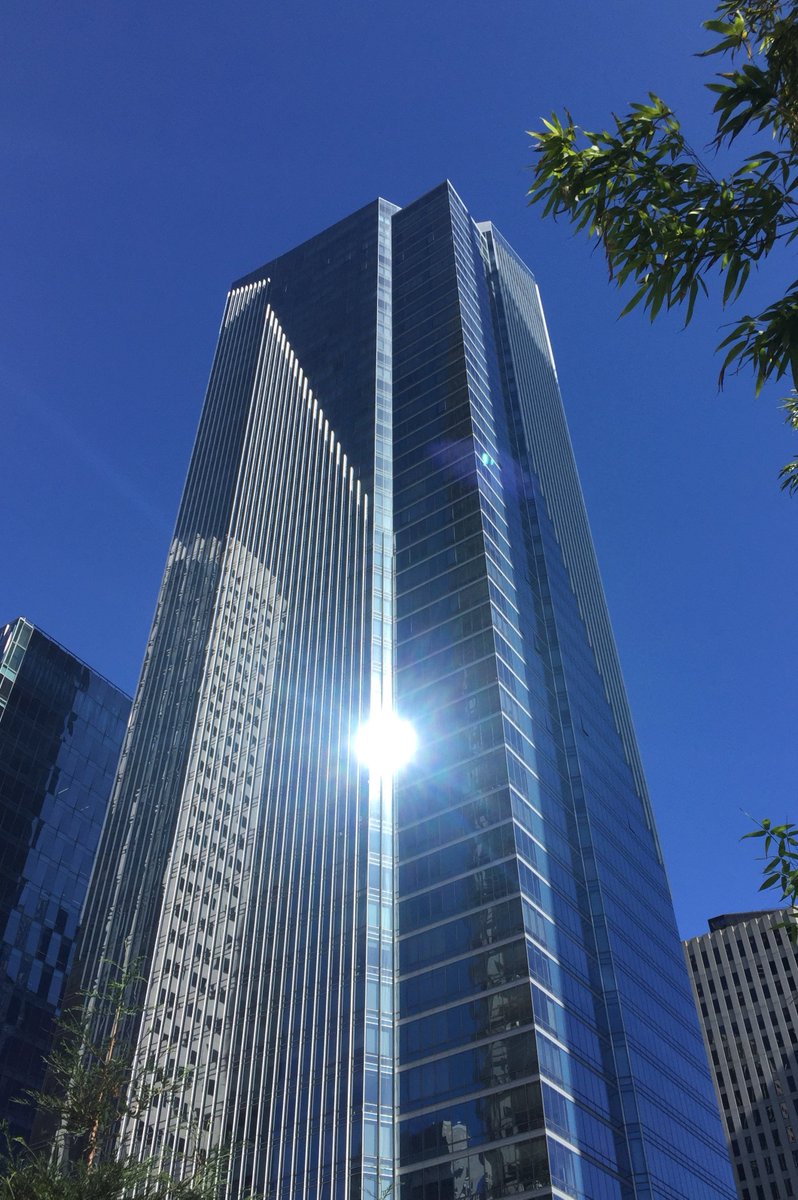
🏗️ Did you know? The Millennium Tower in San Francisco has sunk over 450 mm since it opened.
Engineers are installing steel piles to stop further tilting.
#FoundationEngineering #StructuralChallenges #CivilEngineering
2
4
16
26 Jun 2025
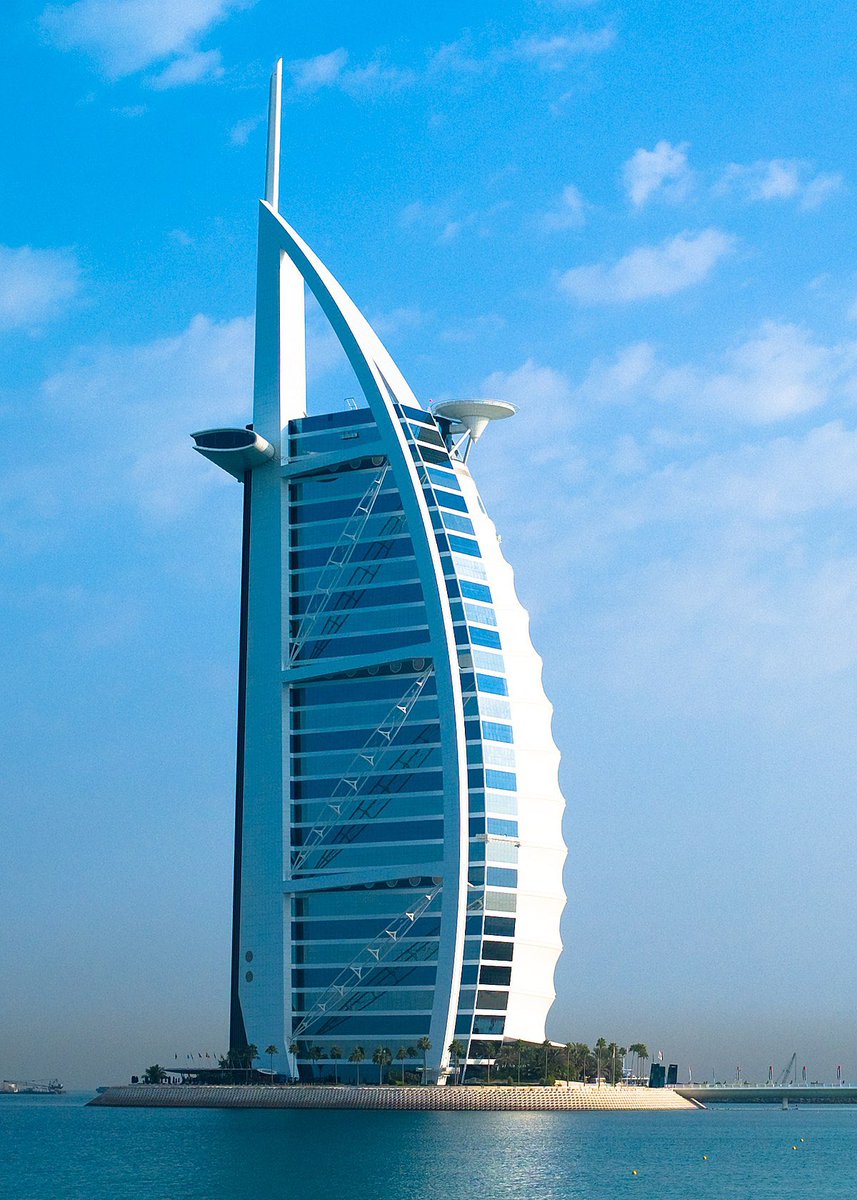
🌐 Did you know? Dubai’s Burj Al Arab stands on a man-made island — anchored by 230 concrete piles, each 40m deep, driven into sand.
Engineered from the seabed up.
#FoundationEngineering #SkyscraperLogic #CivilProjects
6
51
25 Jun 2025
The deepest foundation ever?
📏 250 meters
🗼 Tokyo Skytree
When gravity fights height, engineers go down first
#MegaStructures #FoundationEngineering
4
13

6 Jun 2025
When you’re building on expansive or unpredictable soils, traditional slab systems can struggle to keep up. That’s where the Wafflemat foundation system changes the game.
Its engineered voids help manage soil movement without compromising structural integrity—making it the go-to solution for both residential and light commercial builds in challenging geographies.
#Wafflemat #SoilSolutions #FoundationEngineering #TexasConstruction
1
2
20
23 Feb 2025
🏗️ Deep Foundation Installation: Engineering Excellence
⚡ Process Steps:
- Precision drilling 🔄
- Hole stabilization 🛡️
- Concrete placement 🌊
- Cage reinforcement 🔧
🔍 Critical Controls:
• Quality Factors:
- Soil verification
- Slurry management
- Concrete flow
- Cage alignment
💪 Key Features:
- Deep support
- Load capacity
- Ground stability
- Structure integrity
📊 Success Metrics:
- Drilling accuracy
- Concrete quality
- Cage positioning
- Load testing
#DeepFoundations #Engineering #Construction #Piling #GeotechnicalEngineering #FoundationEngineering #Engineering_Daily #Construction_Standards
What pile installation methods work best in your projects? 🤔
2
3
171

9 Jul 2024
Looking forward to discussing #foundationengineering programmes in the new subject hives introduced at this year’s #fynac24 conference @unilincoln
9 Jul 2024

Lovely introduction to the 'Subject Hives' from Fiona Elsted to kick off the conference - look out for the coloured spots on people's badges! #fynac24 #subjecthives #support #goodpractice
1
1
115

8 Jun 2024
IMT SRL AF-250 executes a Imo State bridge Bored Piling project for Blue Camp and @Craneburg_ at Owerri, Imo (24 nos. 1200mm dia bored piles to a depth of 35m)
#terrafirmang #constructionpiling #pilingrig #foundationengineering
2
3
431