

Jun 12
Your sales team shouldn't guess if a client paid. Invoice data provides the best sales signals for follow-ups. We use Zoho Deluge to automate these insights directly from your accounting system. Trust our 25 years of expertise. Contact FullRange CRM to learn more.

3

Jun 12
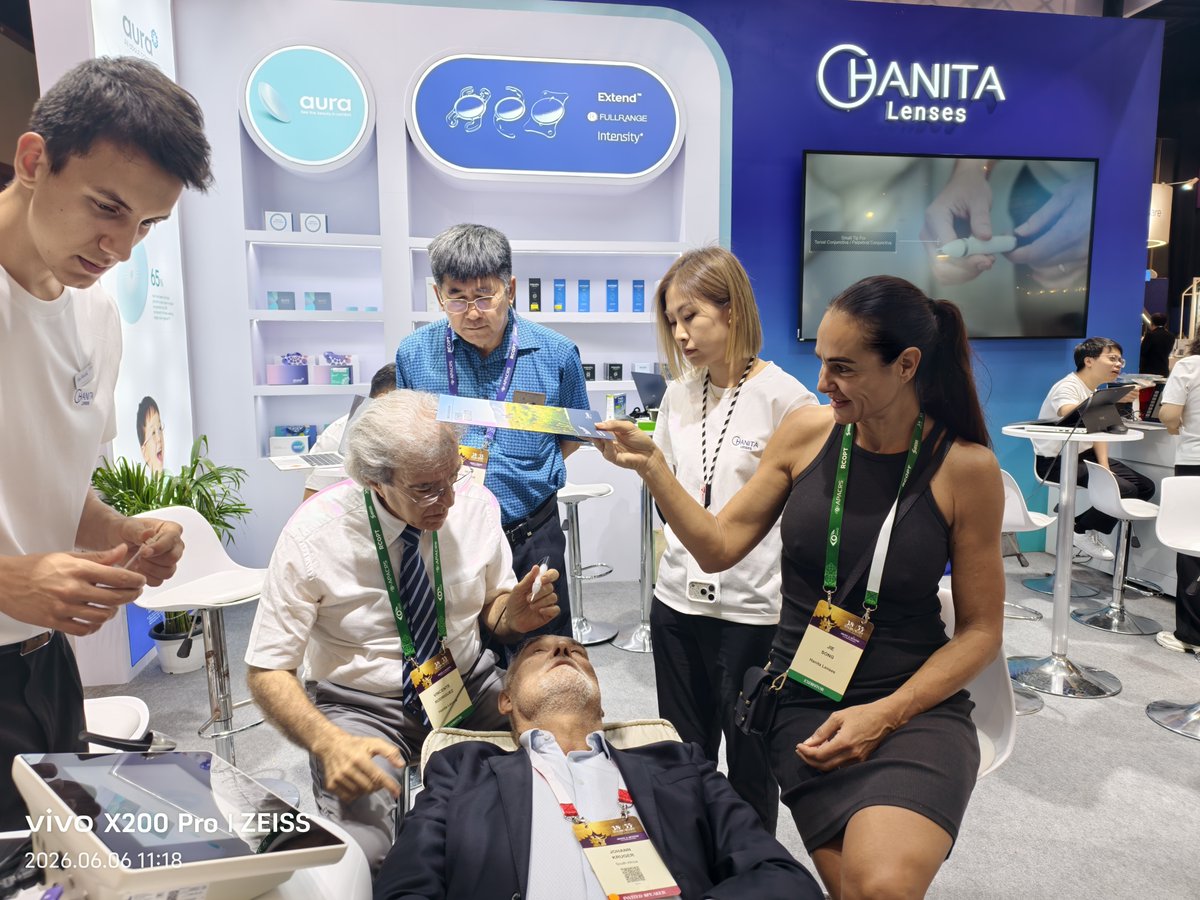
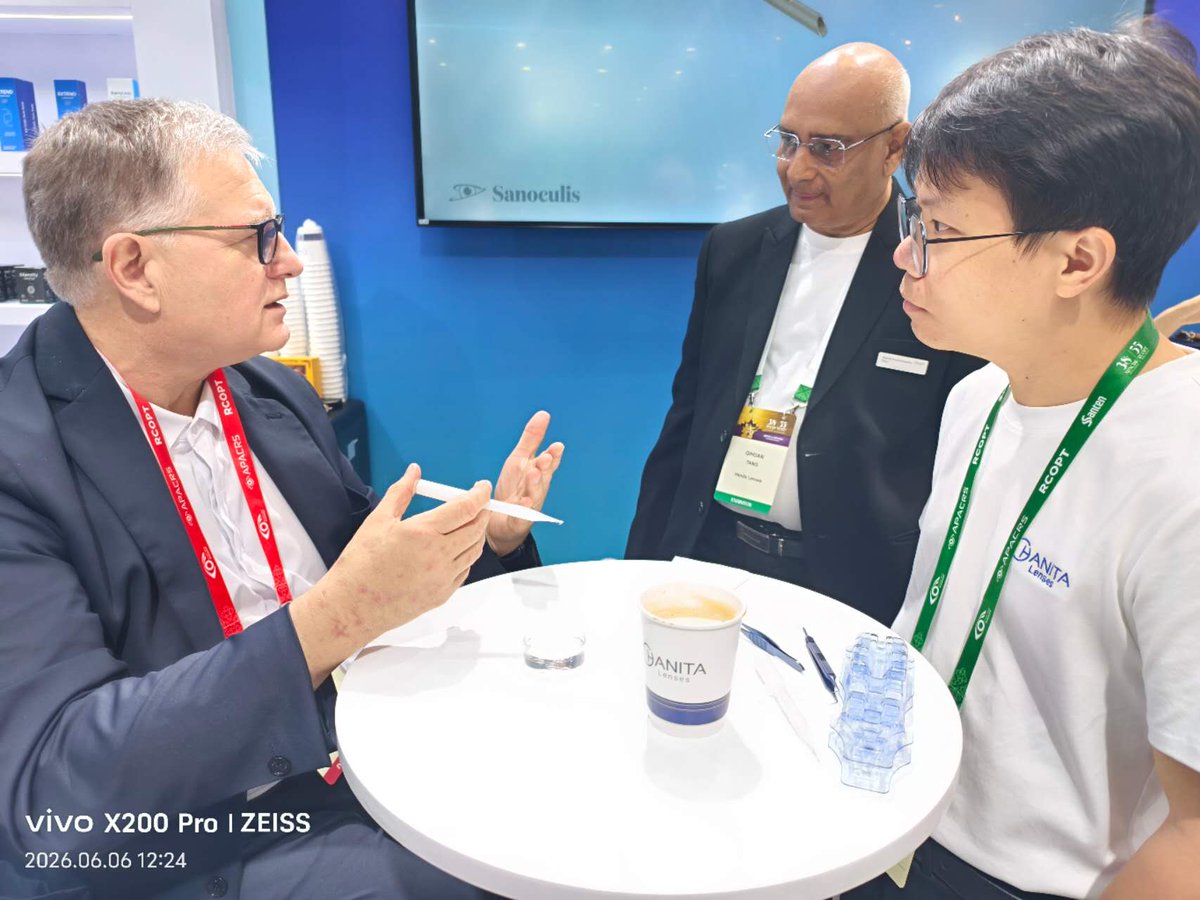
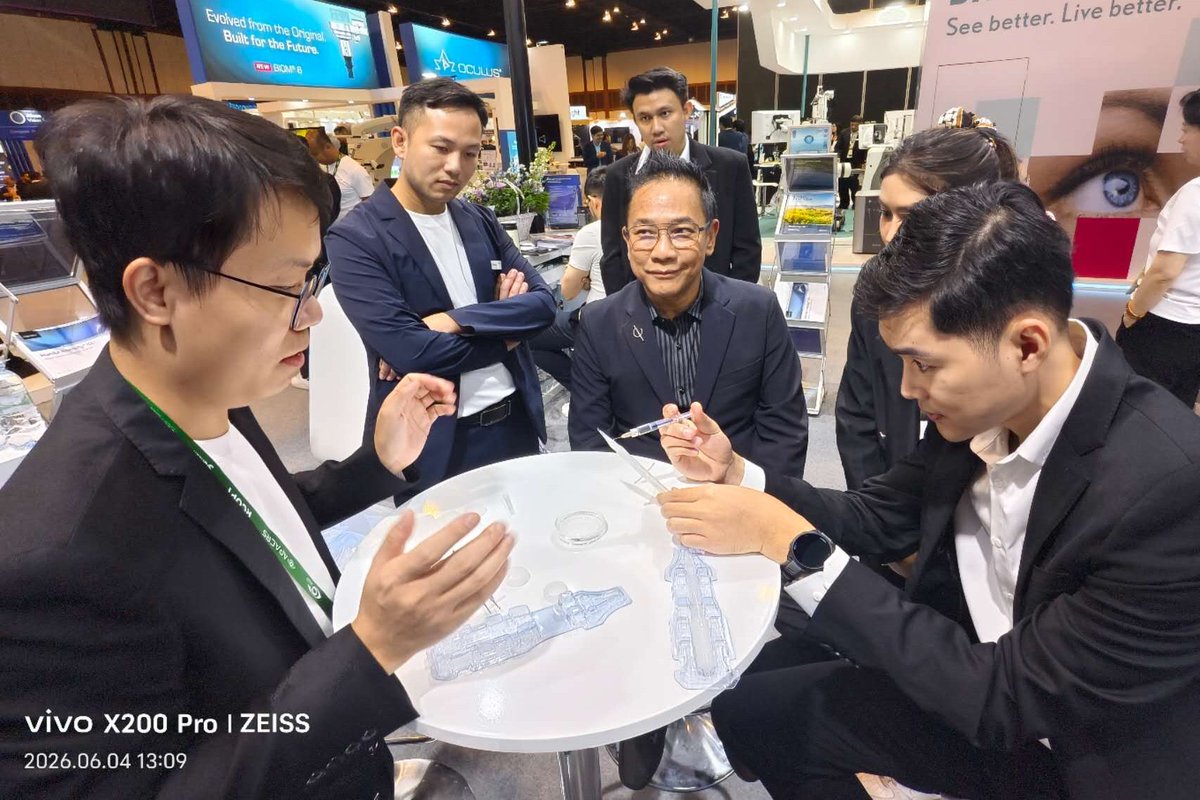
🌏 #APACRS2026 in Pattaya, Thailand
At the Hanita Lenses booth, visitors explored our complete IOL portfolio — Intensity®, Extend™, FullRange™, and SeeLens™ HP — and discussed the latest advances in cataract and refractive surgery.
#HanitaLenses #Ophthalmology

1
2
49

メモ R ggplot
回帰直線をデータ範囲外まで伸ばしたいときは
stat_smooth(..., fullrange = TRUE)
(外挿をするわけではなく、単に資料作成用)
stats.stackexchange.com/ques…
8
Jun 8
Logic belongs to managers. FullRange CRM Consulting uses 25 years of experience to give you total control. Automate Zoho using plain language: no coding required.
Trial: store.zoho.com/ResellerCusto…

8

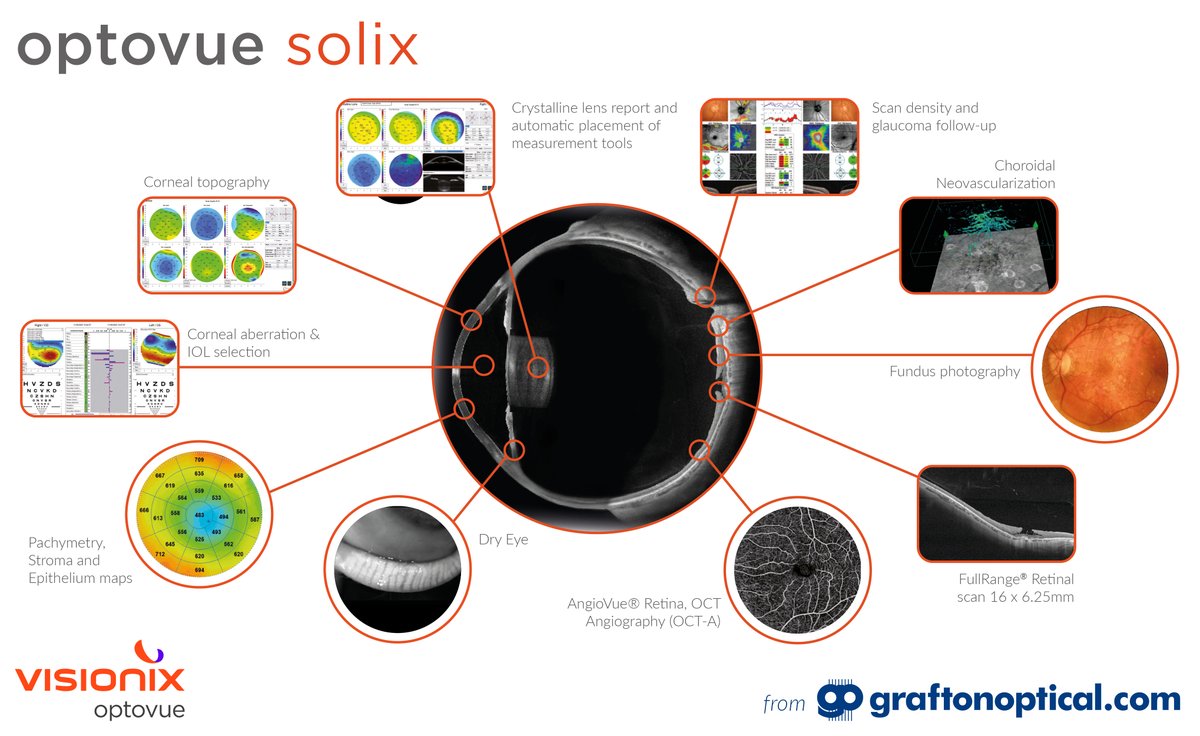
Thanks to cutting‑edge FullRange® #OCT and advanced imaging technologies, #Optovue #Solix delivers exceptionally detailed views of #retinal structures, from the #vitreous to the #choroid, with clarity that supports confident diagnosis and pathology visualisation.
Available in the UK from @GraftonOptical, read more about the Optovue Solix by Visionix here graftonoptical.com/ov51423
Explore a gallery of real retinal pathologies captured with Solix that showcases the depth and precision of its imaging capabilities. These high‑quality images serve as powerful tools for clinical assessment and patient care.
👉 Discover more Solix photographies here: bit.ly/3QaYePD
For a quote or demonstration, contact Grafton Optical today
📞 01923 233980
✉️ sales@graftonoptical.com
#Visionix #GraftonOptical #Innovation #Ophthalmology #Optometry #Eyecare @opticianonline @OptometryToday @primaryhealthnt @EyeNewsMag @OpSupAssc @new_optometrist
25

愛知 三河 岡崎 ワルツ BMW F30のアンドロイドナビの取付はお任せ下さい 20260605 | waltzのブログ
ameblo.jp/waltz-audio/entry-… #Amebaブログ #アメブロ #ヴェルファイア #エンジンオイル #アンドロイドナビ #F30 #CHORD #FULLRANGE #RZ34 #メタルキャタライザ #ドア内張り #ハーネス
2
910


「FULLRANGEの半分は優しさでできております☺️」
水面に落ちてパタパタしているモンシロチョウを発見しました。これも自然の摂理…とも思ったのですが、やっぱり見て見ぬふりができない性格です。
差し出した穂先にしっかり掴まってくれました。
まぁ、その後ちゃんと岩の上で羽を乾かせたかはわかりませんが、きっと数分くらいは延命できたかな。
#FULLRANGE #FULLRANGEの使い方 #いのちだいじに #PR
2
2
61
1,658

May 12
Lerps are the absolute BEST, they account for like 50% of most all my logic, use them EVERYWHERE.
I created my own custom lerps that are extremely powerful that I call "RescaleLerp" if anyone wants to give them a go...
(now that I think about it, I should have called them NomralizedLerp, but whatever)
public static float RescaleLerp(float value, float zeroValue, float oneValue = 1f)
{
if (zeroValue == oneValue) return 0f;
float t = (value - zeroValue) / (oneValue - zeroValue);
return Mathf.Clamp01(t);
}
Basically all it does is you feed it a value, and you tell it at what value it should be set to zero and at what value it should be fully set in at 1 and it just clamps it out from there on out.
So let's say you want something to be more powerful the closer it is to the player like a radiance damage effect you could set the damage fallout with this simple logic:
var startDistance = 1; //distance at which it's 1
var fullRange = 3; //distance at which it's 0
var distanceLerp = zz.RescaleLerp(distanceToPlayer, fullRange, startDistance);
So in this instance you want the higher 1 value to be at the lower value, so you plug in the smaller distance of 1 as the oneValue, and 3 as the zeroValue and it just spits out the correct strenght of your damage falloff.
You don't have to worry about positive or negative, and it just works no matter if the start value is lower or higher than the end value.
Super powerful for a quick and effecient means of creating a "set in" based on a start point and end point.
And once you have that logic you can extend it to transition between a low value and a high value rather than just a 0 to 1 range
public static float LowHighRescaleLerp(float lerpValue, float lowLerp, float maxLerp, float lowValue, float highValue)
{
return Lerp(lowValue, highValue, RescaleLerp(lerpValue, lowLerp, maxLerp));
}
This logic becomes incredibly powerful for gameplay systems where you need things to sorta "set in" or fall off, like little sublte movement touches after you attack or state change blendings based on durations following an event.
I know none of this is mind blowingly complex to do through other means, but it just greatly simplifies a very repetitive we need as system designers to just have something set in or fall off over a specific value range.
2
10
1,821

May 7
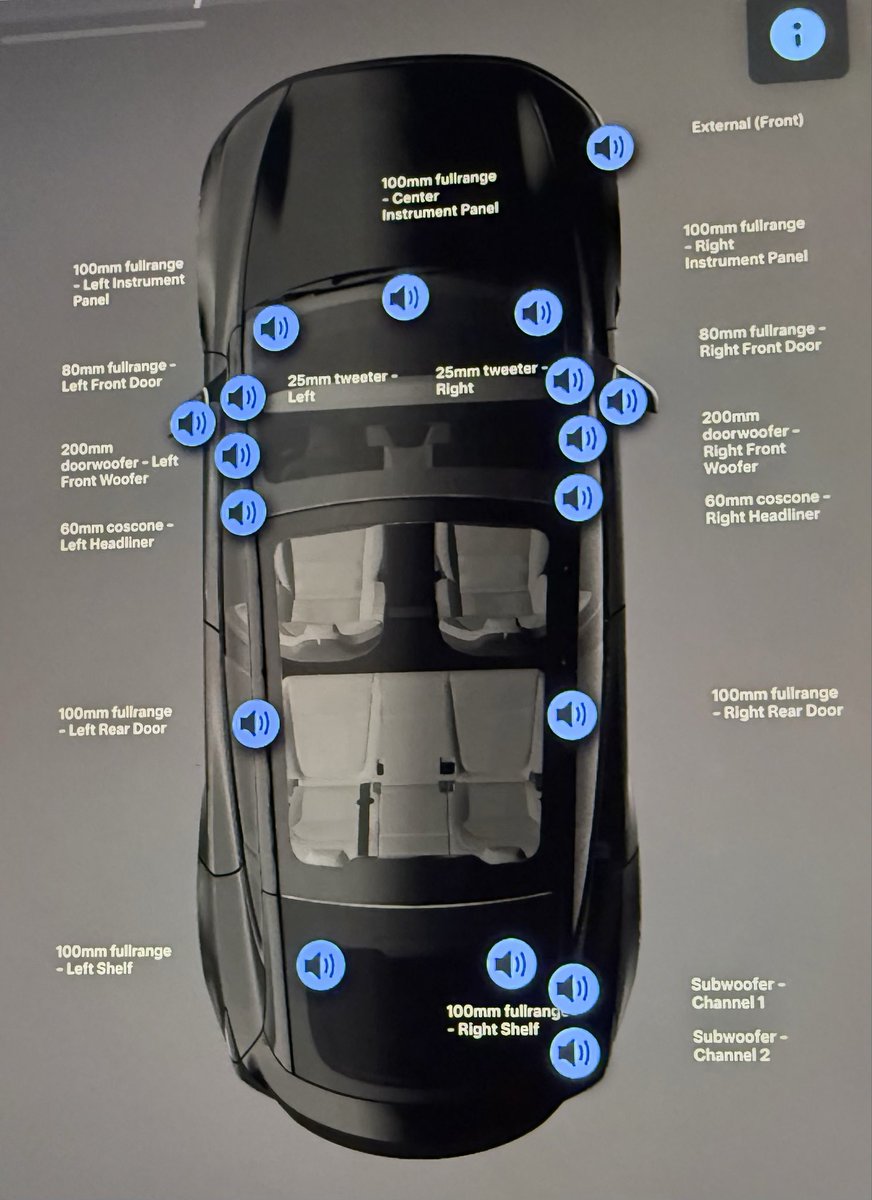
3/ Rear & Low-End:
• 2x 100mm fullrange (Left Right Shelf) – Trunk shelf fill for rich rear sound.
• External (Front) speaker – Likely for pedestrian alerts / external audio.
• Dual Subwoofers (Channel 1 Channel 2) – Thunderous bass you feel. Powered for serious rumble.
1
6
1,085
May 7
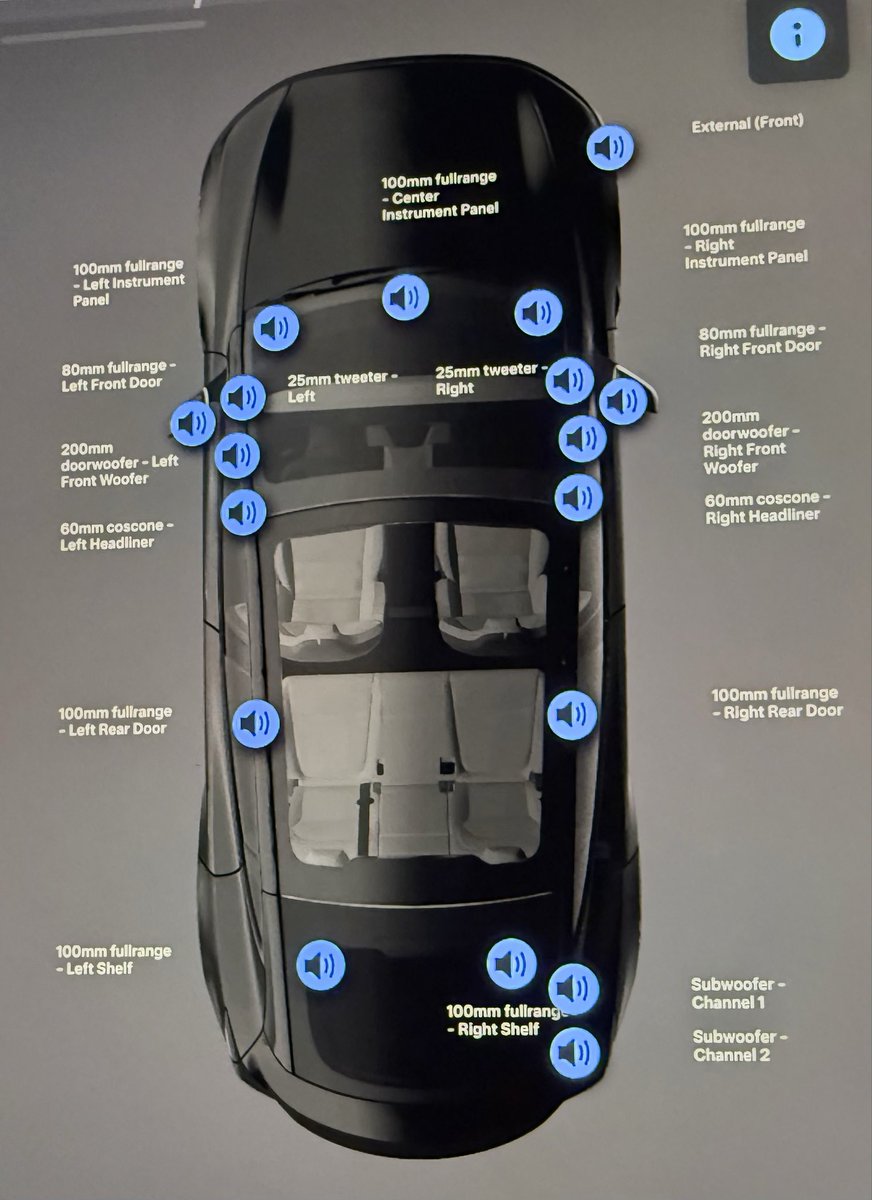
2/ Mid & Bass Power:
• 2x 200mm doorwoofers (Left Right Front) – Deep, punchy lows from the doors.
• 2x 60mm coscone (Left Right Headliner) – Overhead ambiance & spatial audio magic.
• 2x 100mm fullrange (Left Right Rear Doors) – Rear passenger immersion.
1
3
1,209
May 7
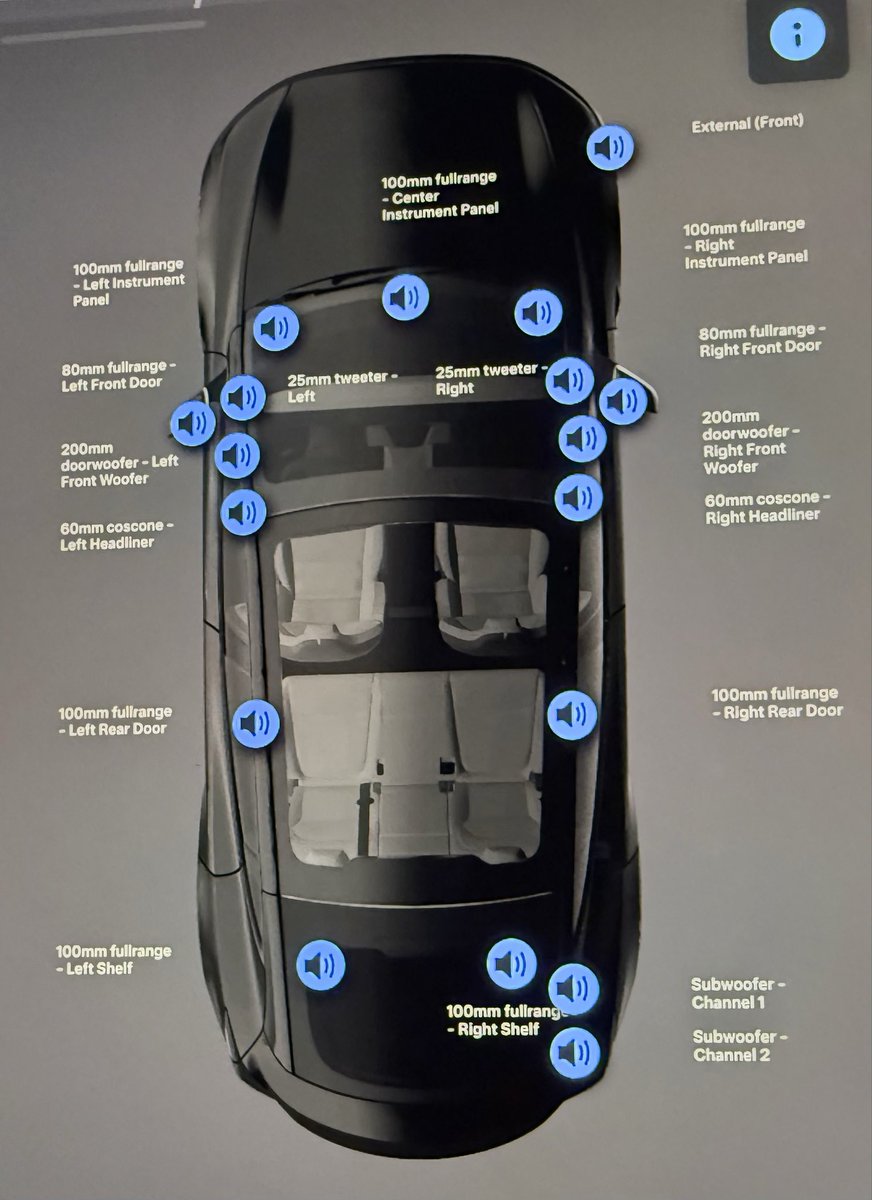
1/ Front Stage (Dashboard & Windshield Area):
• 3x 100mm fullrange (Left, Center, Right Instrument Panel) – Crystal-clear mids for vocals & instruments.
• 2x 25mm tweeters (Left Right) – Sparkling highs, perfect detail.
• 2x 80mm fullrange (Left Right Front Doors) – Balanced front fill.
2
4
1,261
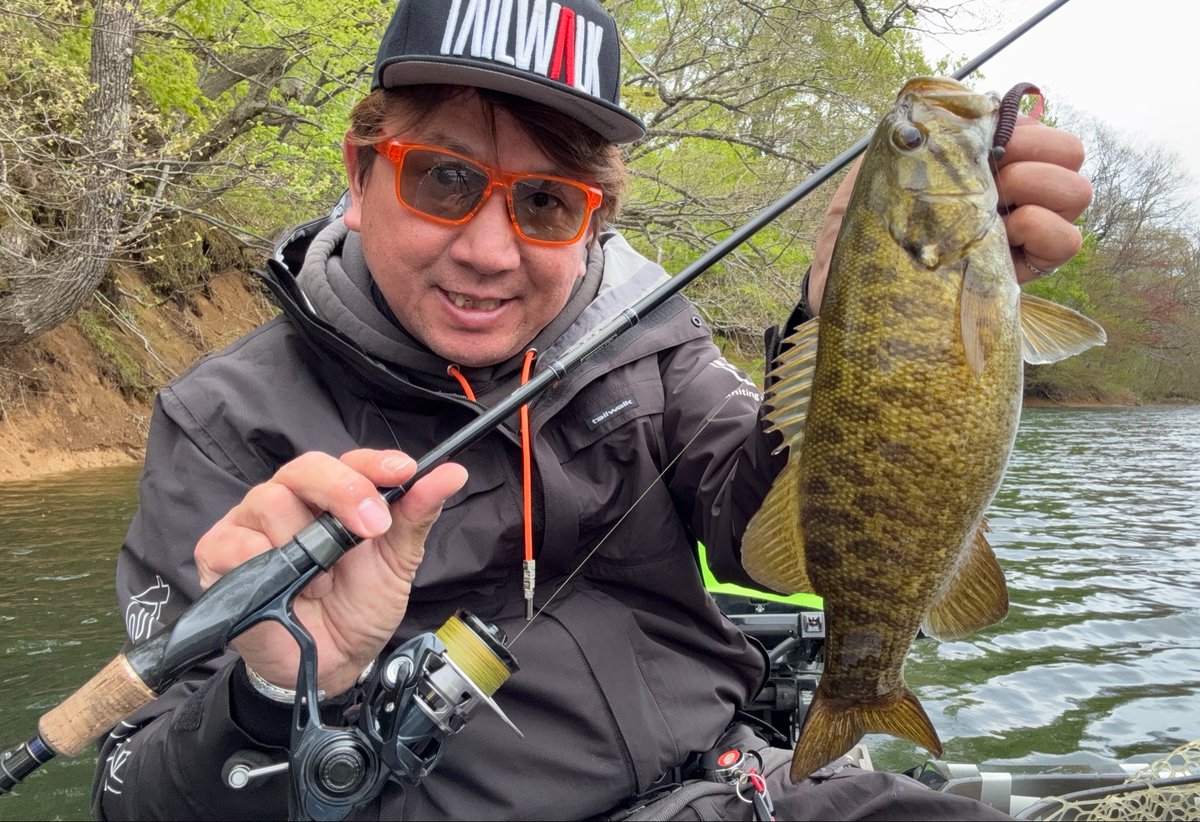
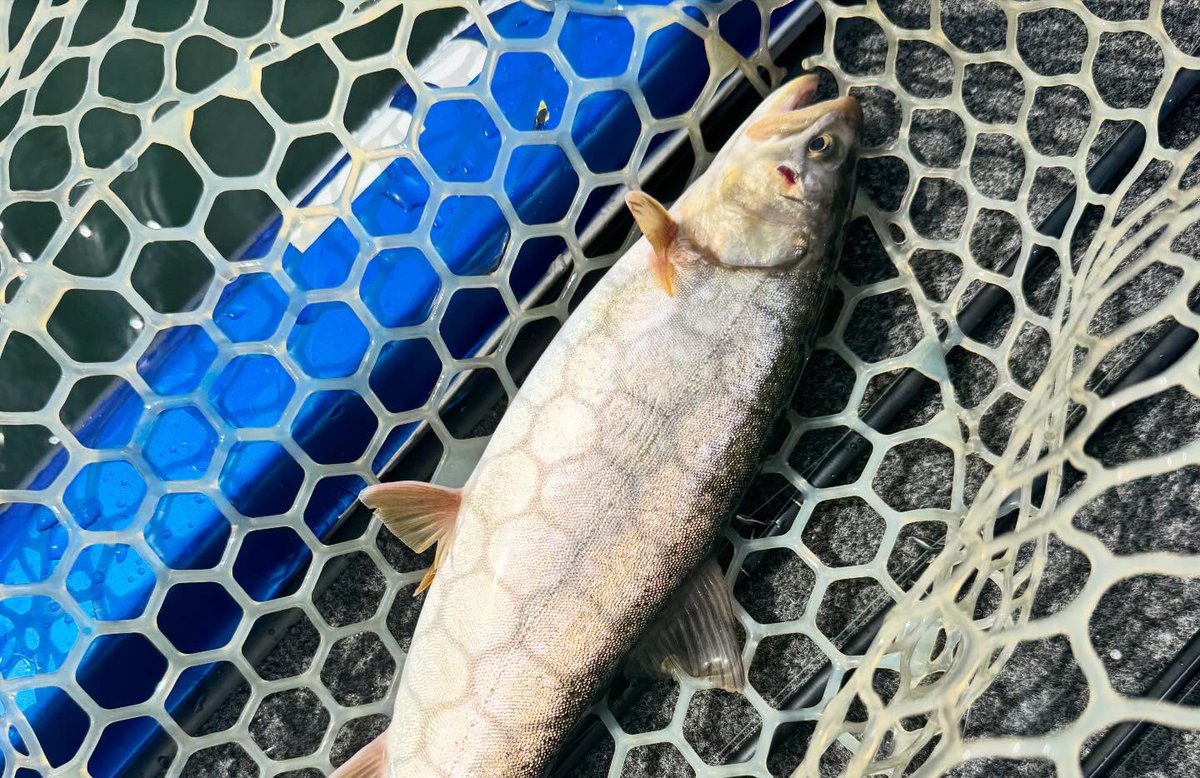
今日の桧原湖は何故だか♀のイワナ?が良く釣れる日でした🤔。バスはぽつりぽつりって感じ。フィッシュテールリンガーのミドストとライトキャロ、それとシャッドが良かった感じ。なんとなく釣れるスポットのイメージは掴めたのですが…、来週のJB桧原湖開幕戦は活性も日変わりで難しい試合になりそうなヨカーン。
使用タックル
ロッド: FULLRANGE S63L/SL
リール: デュライズ2500S HGX
ルアー: フィッシュテールリンガー2.8“
ライン: オールマイトPE0.6号
リーダー:Vハード1号
リグ: 1/16ジグヘッド
偏光サングラス:アイゾーンP3160
#tailwalk #BaitBreath #デジタルストラクチャー #バスプロサポート #izonenewyork #izonefishing #izonebassfishing #サンライン #Real #イチカワフィッシング #潮来マリーナ #PR
1
2
105
2,077

Small noise at home you can't sleep😒 but can comfortably sleep in a church with 4 subwoofers,6 Fullrange speakers and 8 box of line arrays. Are you normal😒!??
Disclaimer: Please don't sleep during service tomorrow!!!😒🫵
2
4
10
106

Apr 29
Small noise at home you can't sleep😒 but can sleep in a church with 4 subwoofers,6 Fullrange speakers and 8 box of line arrays. Are you normal😒!??
3
10

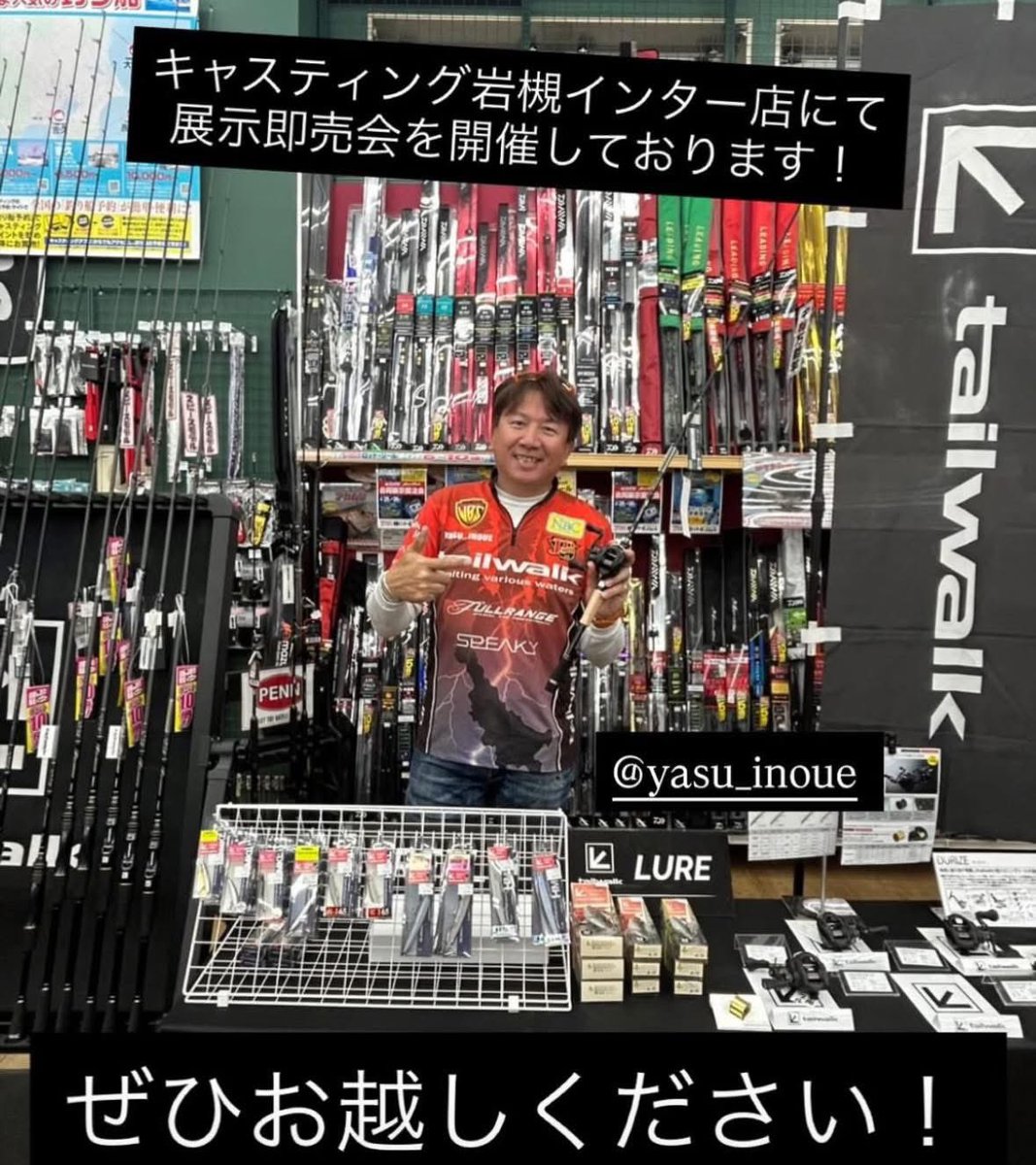
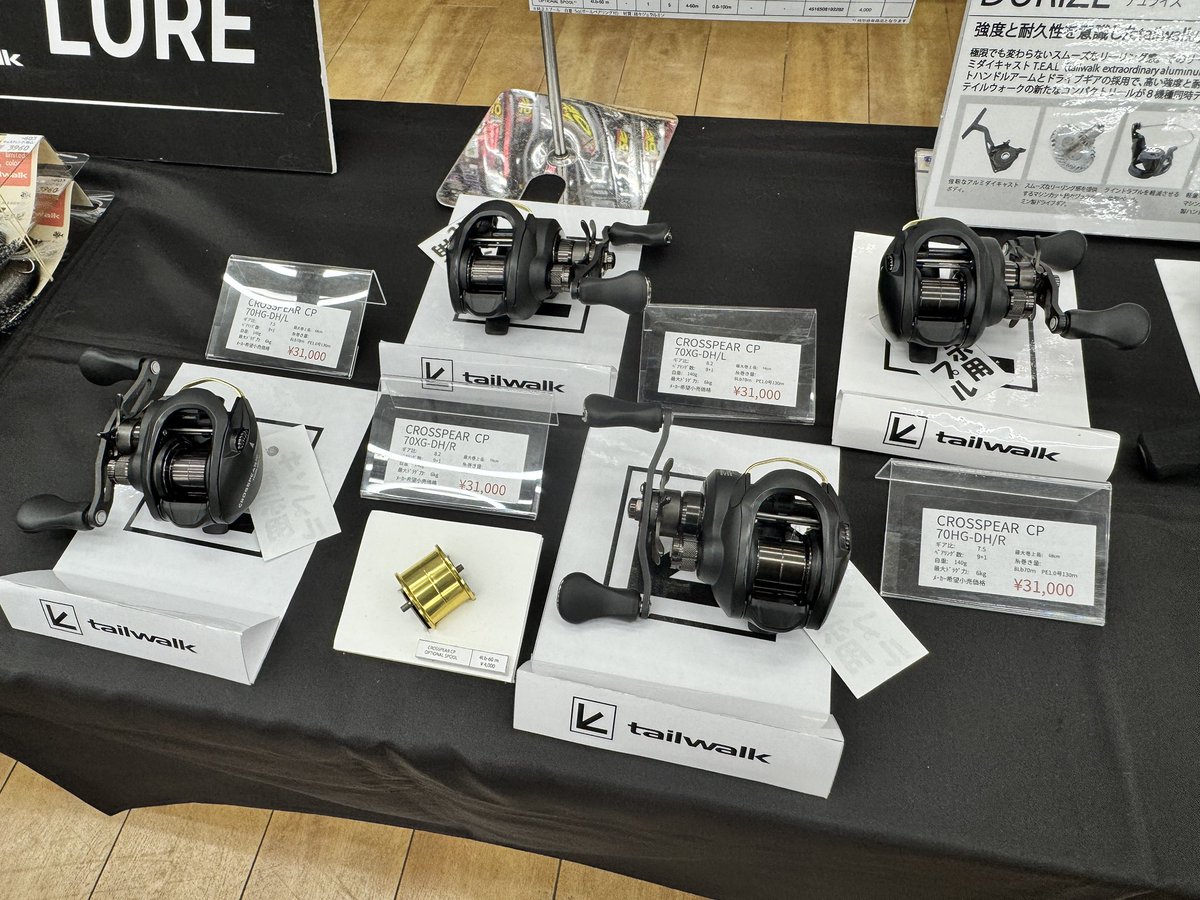
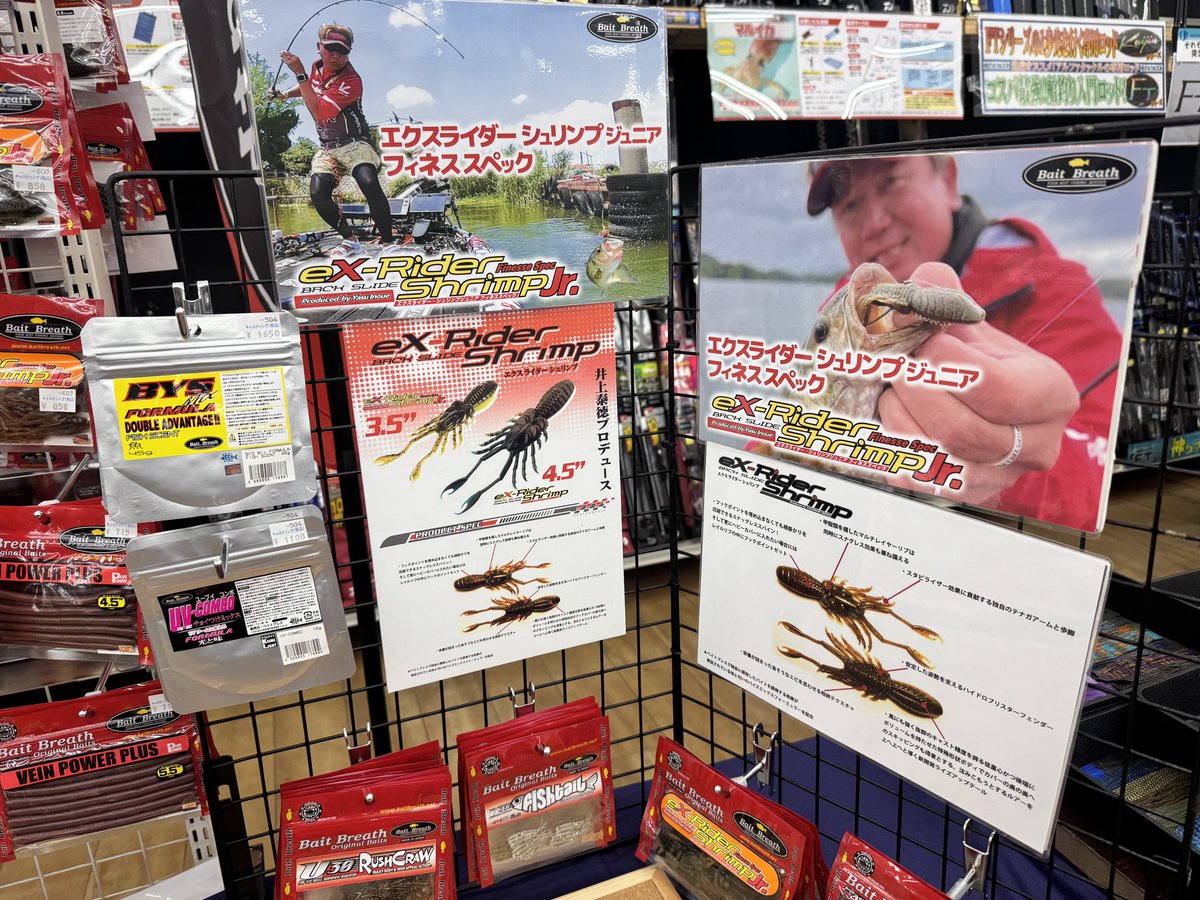
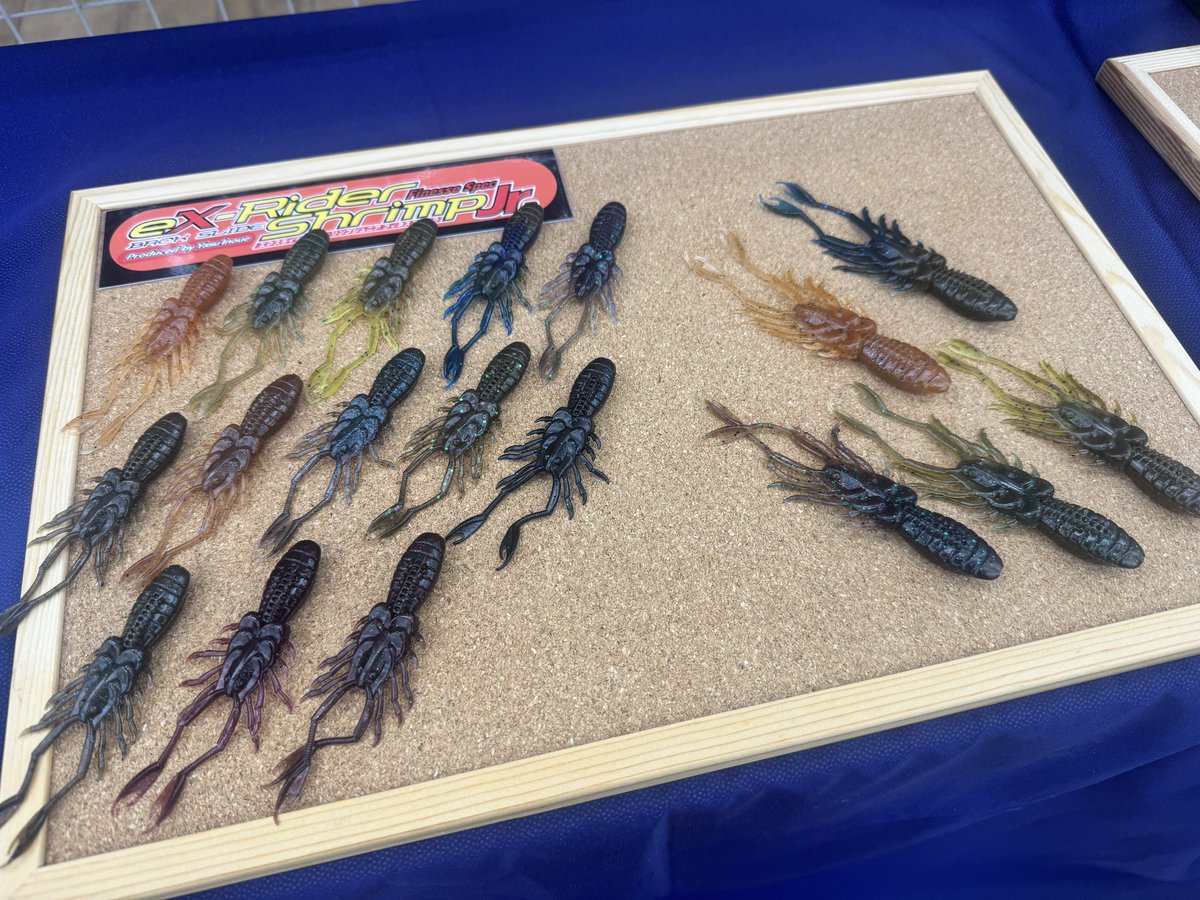
昨日はキャスティング岩槻インター店のストアイベントへ沢山のバスファンの方々にご来場頂き、誠にありがとうございました😊。
僕はテイルウォーク&ベイトブレスのブースにて、「FULLRANGE」のロッドや5月発売になる話題の「クロスピアCP」、そしてベイトブレスのエクスライダーシュリンプの使い方や新製品のラッシュクロー1.5“のご紹介をさせて頂きました😊。
皆さんとお話ししている楽しい時間はあっちゅう間。気付けば16時のイベント終了時間を迎えておりました😊。
これからいよいよ始まるバスフィッシングのハイシーズン。是非今度は皆さんとフィールドでお会い出来る事を楽しみにしております。そんな時は遠慮なくお声掛けくださいね♪
#テイルウォーク #ベイトブレス #エクスライダーシュリンプ #クロスピアCP #PR
3
69
2,236
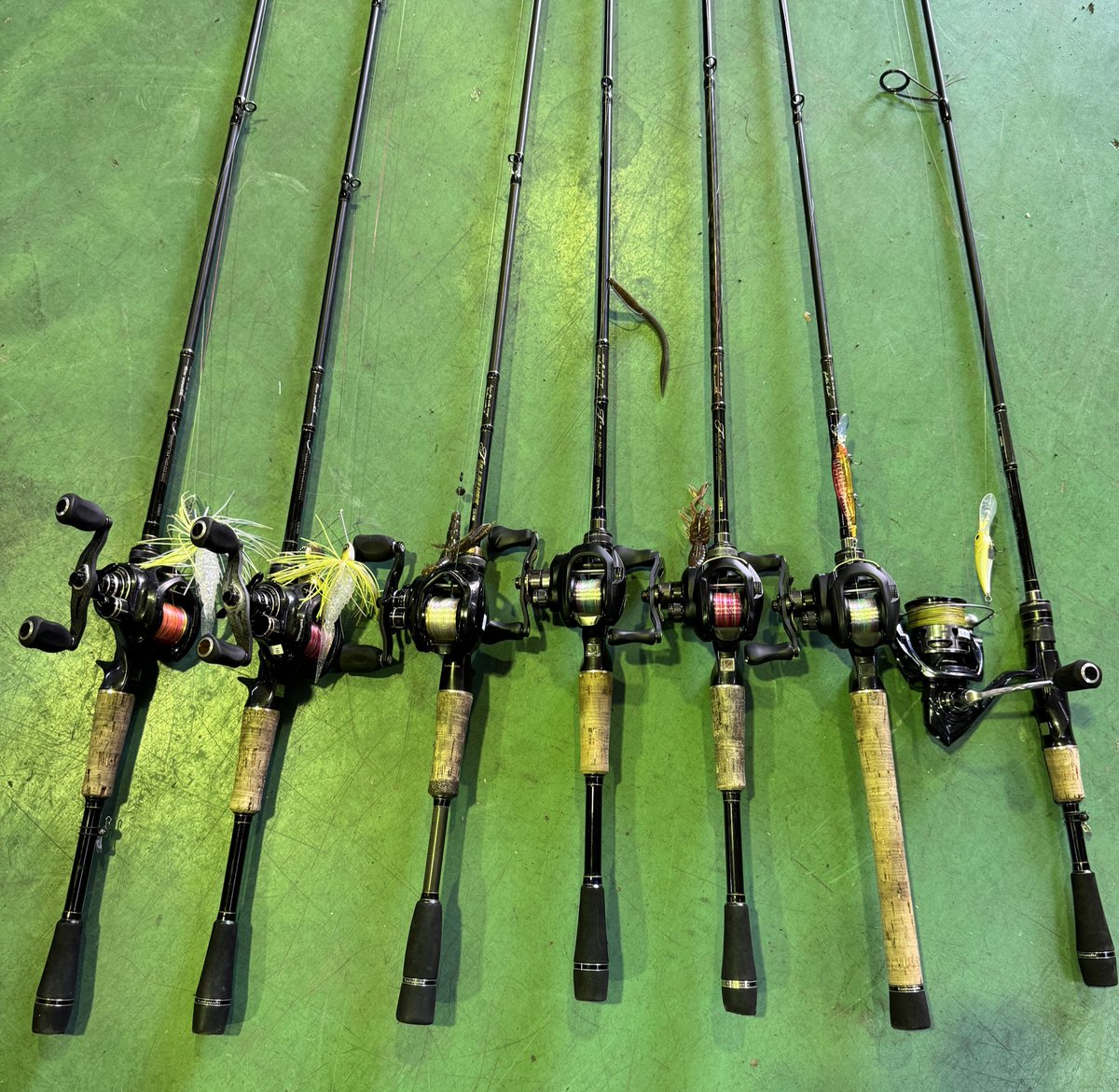
今週末のMLF Japanでメインに使うタックルのセッティング完了✅
左から
ロッド: FULLRANGE C66M
リール: アベイルカスタム81L
ルアー: 1/2チャター フラットピンテール
ライン: BMS 16lb
ロッド: FULLRANGE C64M
リール: アベイルカスタム81L
ルアー: 3/8スピナーベイト フラットピンテール
ライン: BMS 16lb
ロッド: FULLRANGE C64M
リール: アベイルカスタム81L
ルアー: バイズクローポートリー3“
ライン: オーバーテックス14lb
フック: PK2 2/0
リグ: 5gフリーリグ
ロッド: FULLRANGE C67M /SL
リール: クロスピアCP
ルアー: パワーストレート5”
ライン: オーバーテックス12lb
リーダー:Vハード2.5号
フック: PK2 1/0
リグ: 5gヘビダン
ロッド: FULLRANGE C68MH
リール: クロスピアCP
ルアー: エクスライダーシュリンプJr.
ライン: BMS 12lb
フック: SP HOOK 1/0
リグ: ノーシンカーバックスライド
ロッド: FULLRANGE C62ML
リール: クロスピアCP
ルアー: ジャークベイト
ライン: オーバーテックス12lb
ロッド: FULLRANGE S64M
リール: デュライズ2500HGX
ルアー: クレイジーシャッドMR
ライン: オールマイト0.8号
リーダー:Vハード2.5号
フック: RC Kカマキリライト8番
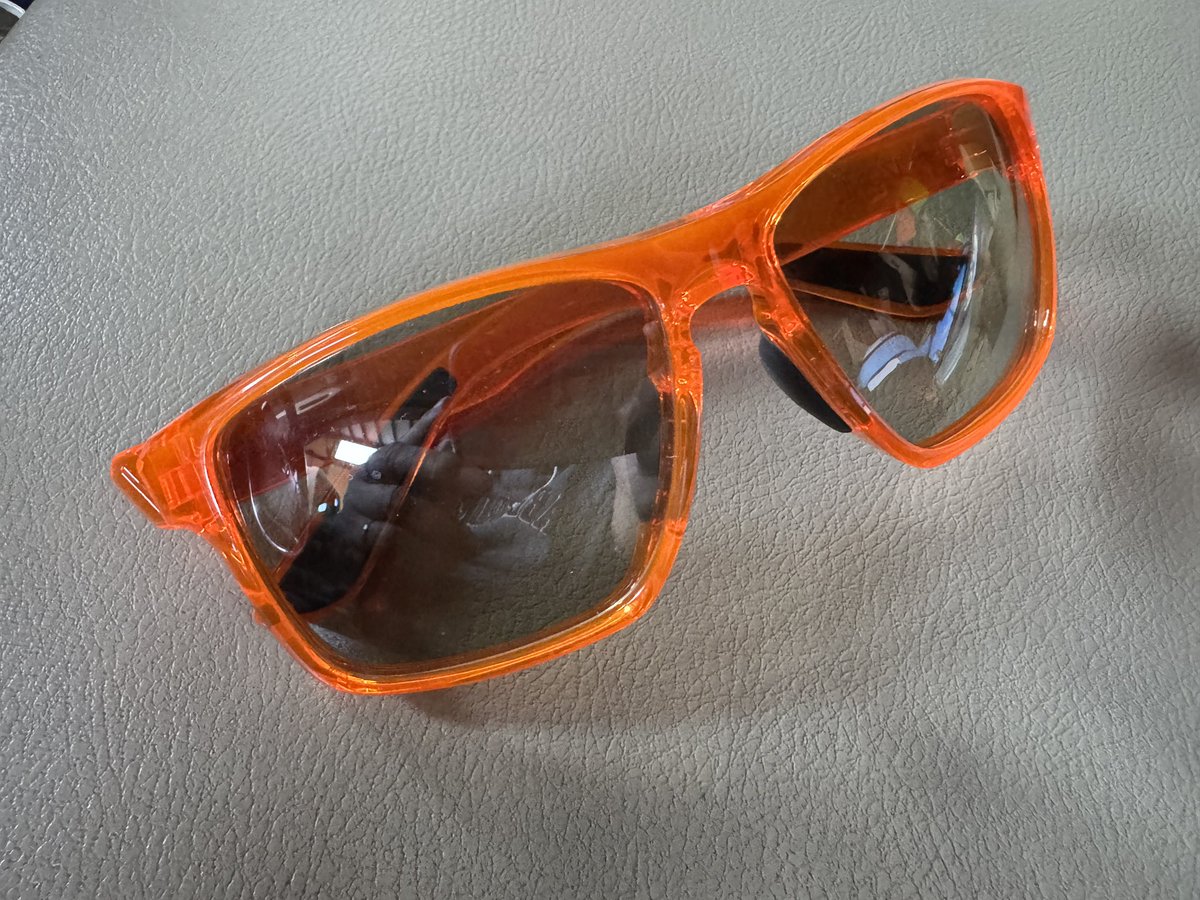
サングラス: アイゾーンニューヨークiDrive-P3160
#tailwalk #BaitBreath #デジタルストラクチャー #バスプロサポート #izonenewyork #izonefishing #サンライン #Real #イチカワフィッシング #潮来マリーナ #TOP50 #MLF #MLFJAPAN
2
6
80
4,534
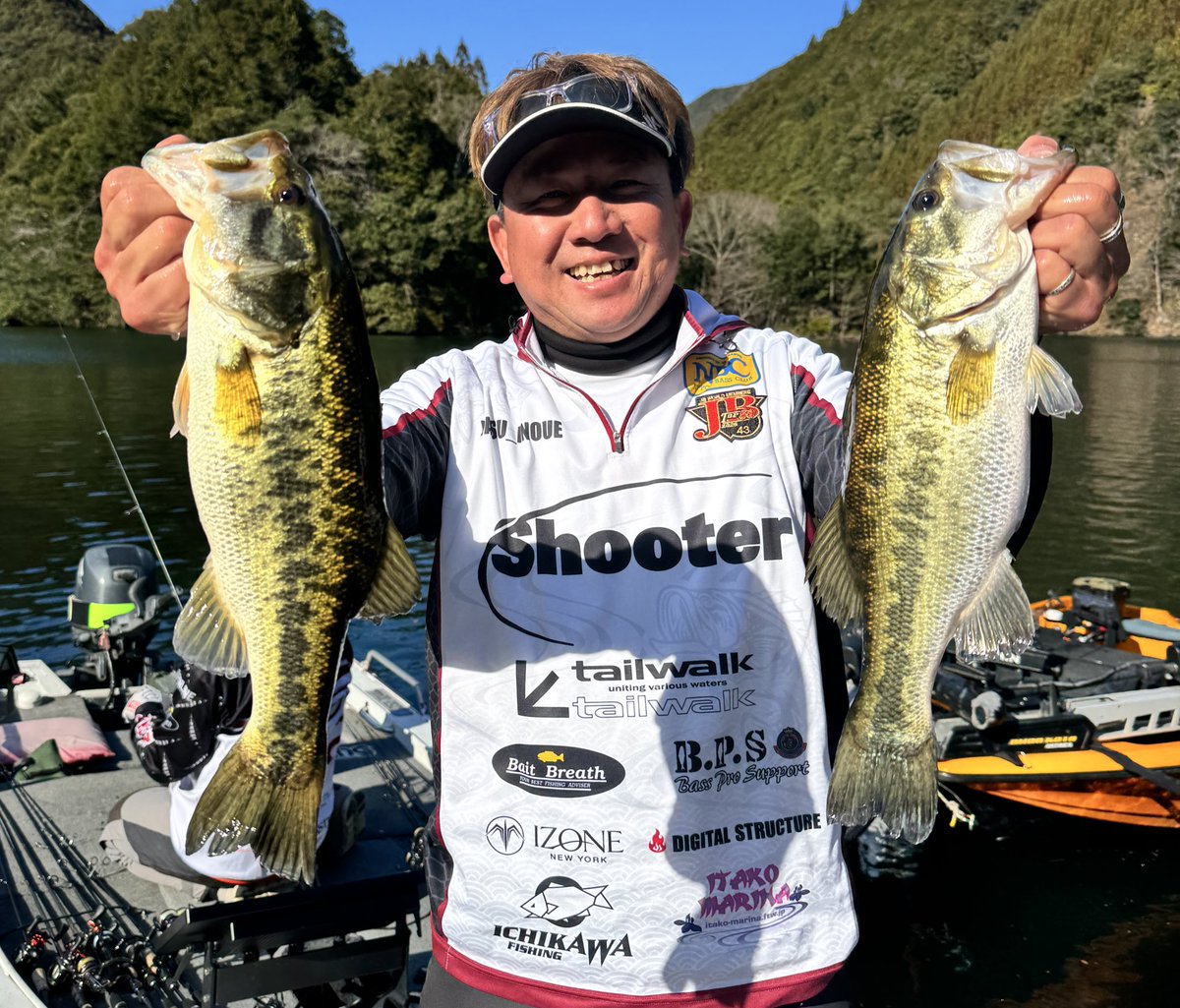
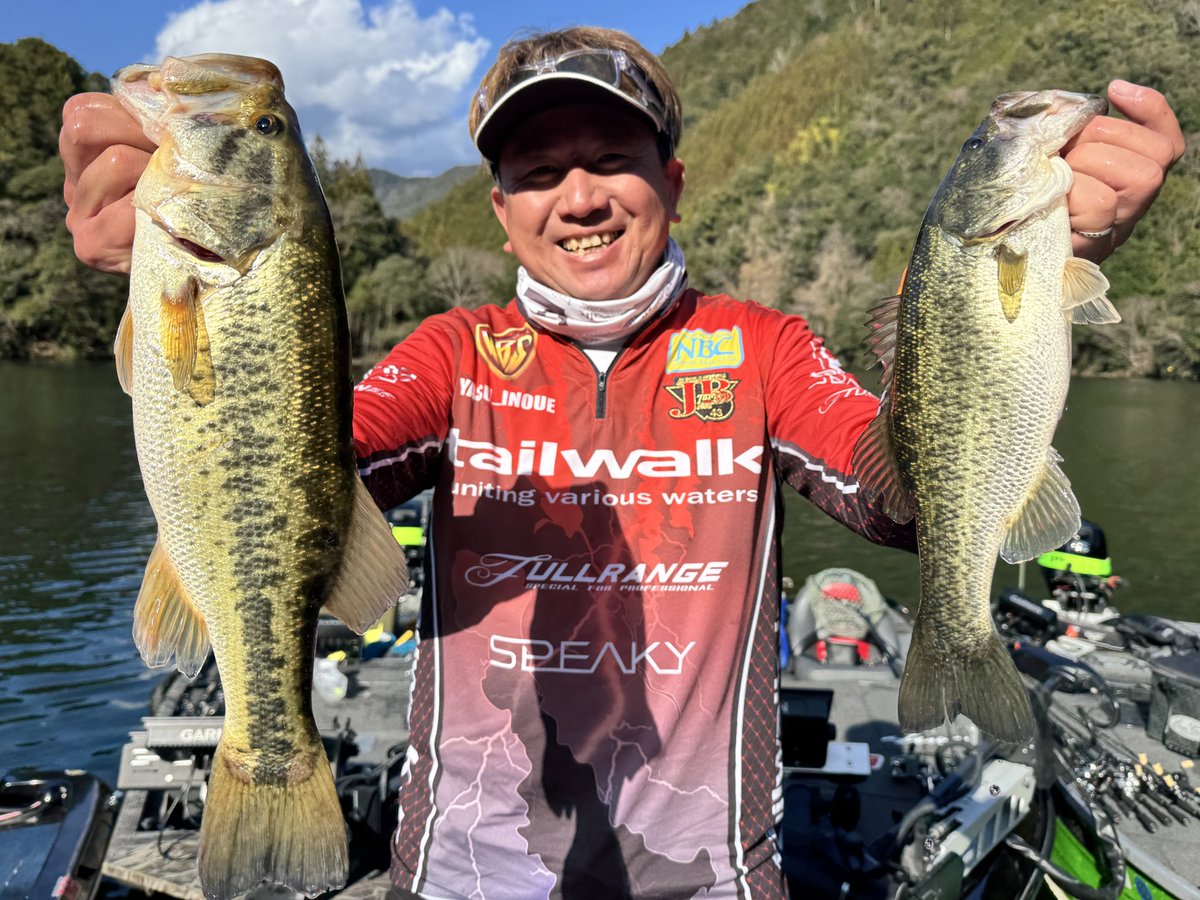
TOP50七色ダム開幕戦の内容を解説したいと思います。
中流域の垂直岩盤や流入の入口付近を狙った選手、そして流入最上流に僅かに差した個体を喰わせに行っていた選手、また流入の中流域の深場に待機しているバスをFFSライブを使ったマイクロホバストで攻めた選手と様々なパターンが混在し、水温は10℃とまだ低く、冬よりの春なので状況は非常に厳しいものでした。
そして太陽の温かさと共に僅かにポジションを移動するバス達に翻弄される事も多々あり、ハイウェイトを出せたどの選手であっても、決して楽な展開ではありませんでした。
そんな中、私のメインは西ノ川の下流域の5〜9mにあるフラットでのINTERCEPTOR(マイクロホバスト用ハードルアー)のパターンと、そのかけ上がりのサンドバーのフラットにあるエッジ(流れで一部えぐれた岩場帯コンタクトポイント)に差すプリスポーンバスをエクスライダーシュリンプJr.と高比重スティックベイトのボトムトゥイッチで喰わすパターンの二本立てで戦略を組んで居ました。
マイクロホバストで攻めるにも、フィッシングプレッシャーで口を使わせるのが難しくなって来ているのは画面を見てれば容易に分かった事なので…ある意味FFSで病んでるバスからボートポジションを大きく離し、敢えて魚探パルスを全停止にし、エクスライダー等の高比重ワームを岩場のピンに大遠投してしっかりラインを沈めきり、2トゥイッチ1ポーズのエスケープアクションで三日間ほぼ同じ場所から動かず、予選二日間はプリスポーンバスを合計7本釣っての結果でした。
しかし三日目の決勝では前の二日間とは全く違う天候で、朝から曇りで寒い風が吹き荒れ、通常9〜10時にコンタクトポイントに差すバス達が上がって来ず、300m離れた上流側のディープエリアに留まっていた様で、僕のエリアは炸裂しませんでした。
もちろん300m動いて狙う事も考えましたが、今回は自分の狙う
自信のあるエリアにバスが差せば上位に行ける可能性もあった為、敢えて動かず、魚達に運命を委ねるてみるのも一つの勝負だろうと思って、究極の待ちの釣りに徹しましたが、やはりこの日だけは水温上昇もなく、この決勝の日だけバスが差す事がありませんでした。
他の選手が殆ど気付いていない全くの裏を欠いた圧倒的に釣れるパターンだっただけに差して来たらこっちのものだったのですが、自然相手なのでこれも致し方ない事。でもかなり見えていた試合だったので、正直勿体無かったとも言える試合で悔しい結果とはなりましたが、それでも激渋の大会であの強敵達を相手に23位で終われたのは、むしろ良かったと捉え、次戦も更に練習を重ね上位を目指そうと心に誓いました。
参戦にあたりご支援くださったサポートメーカーの皆様、そして私を応援くださる多くのSNSのお仲間の皆様、有難う御座いました。また大会を運営くださった団体並びに手伝いをしてくださったスタッフの皆様有難う御座いました。
またこんなチャンスが巡って来たら次も頑張りますので、皆様引き続き応援の程宜しくお願いします。
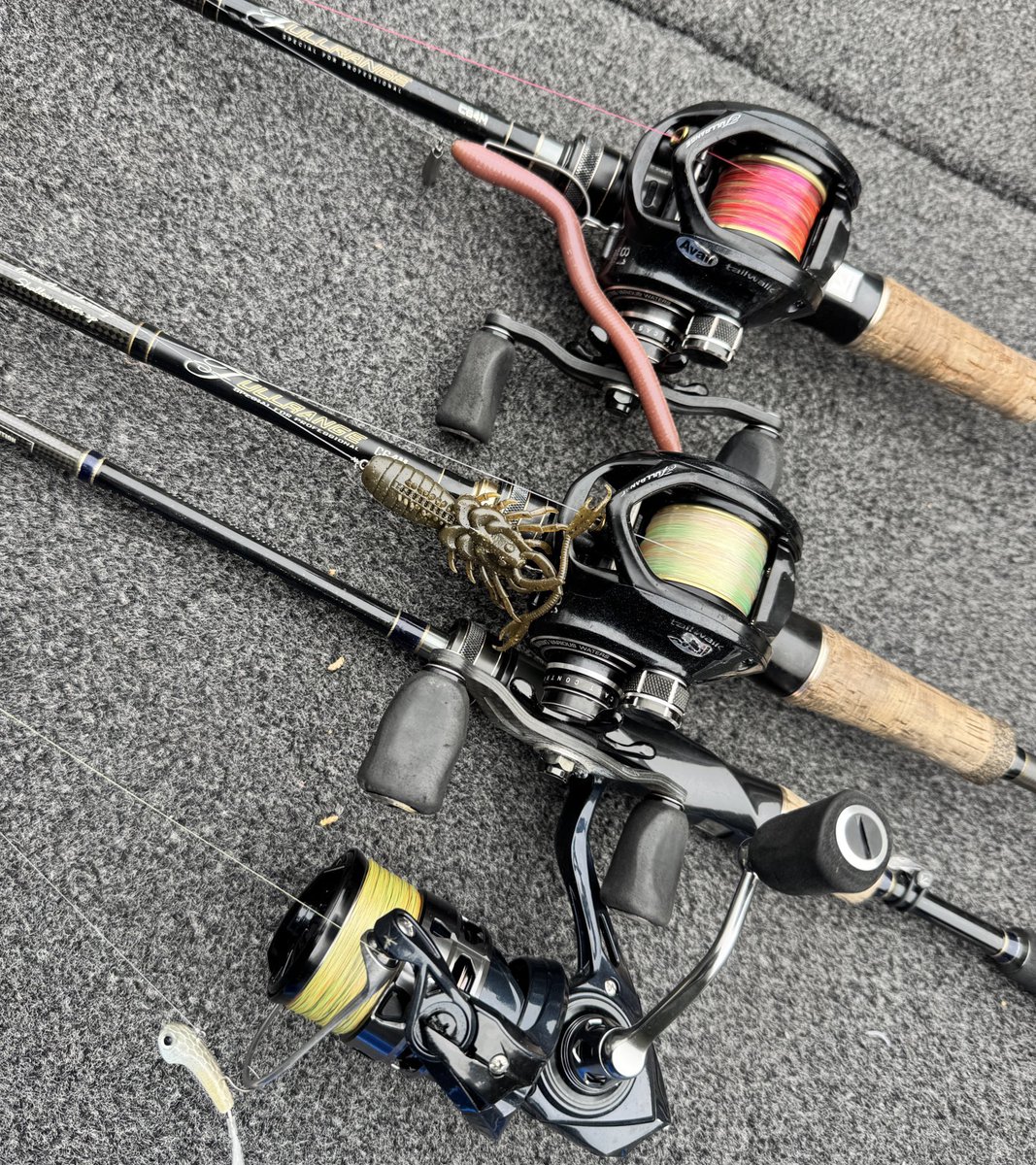
使用タックル
ロッド: FULLRANGE C64M
リール: FULLRANGE 81Lアベイルカスタム
ルアー: エクスライダーシュリンプJr.1.3gネイル
ライン: オーバーテックス16lb
フック: PK2 2/0
ロッド: FULLRANGE S60XUL/SL
リール: デュライズ 2000S HGX
ルアー: INTERCEPTOR
ライン: オールマイトPE0.4号
リーダー:トルネードVハード1号
#tailwalk #BaitBreath #デジタルストラクチャー #バスプロサポート #izonenewyork #izonefishing #サンライン #Real #イチカワフィッシング #潮来マリーナ #TOP50 #PR
5
117
5,097