
Funemployed ex-(Google/game dev). I code things, mostly game related, sometimes not.
Joined May 2020
- Tweets 1,373
- Following 97
- Followers 10,653
- Likes 1,876
296 Photos and videos
Pinned Tweet

Apr 27
Hyped about AI? Hate AI? Have literally no opinion on AI?
I made a video about AI & agentic coding, and what it might mean for you as a developer.
youtu.be/2dTENijF30c

3
22
3,699
Jun 9
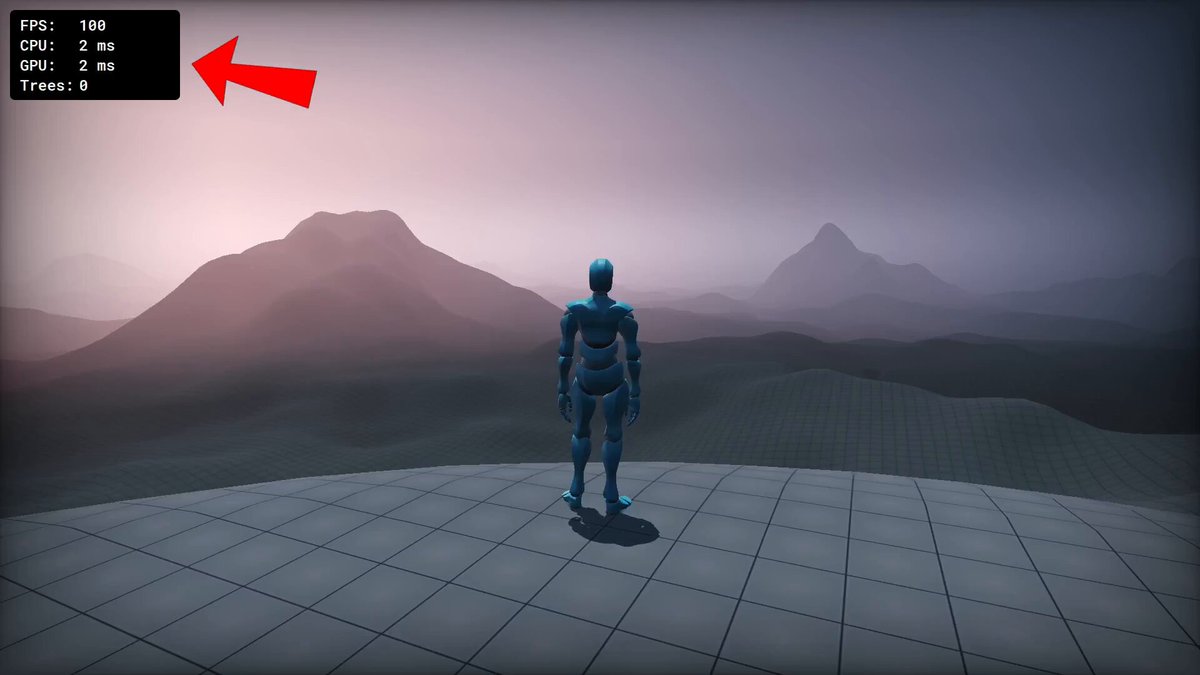
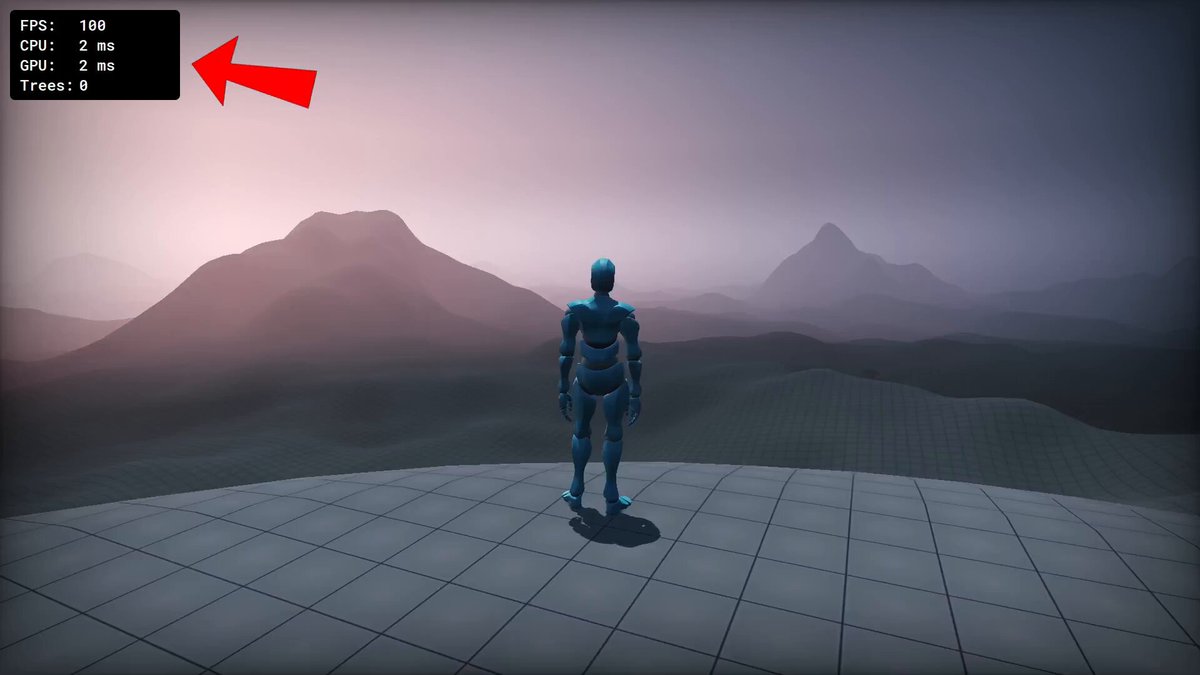
Optimization can be tricky.
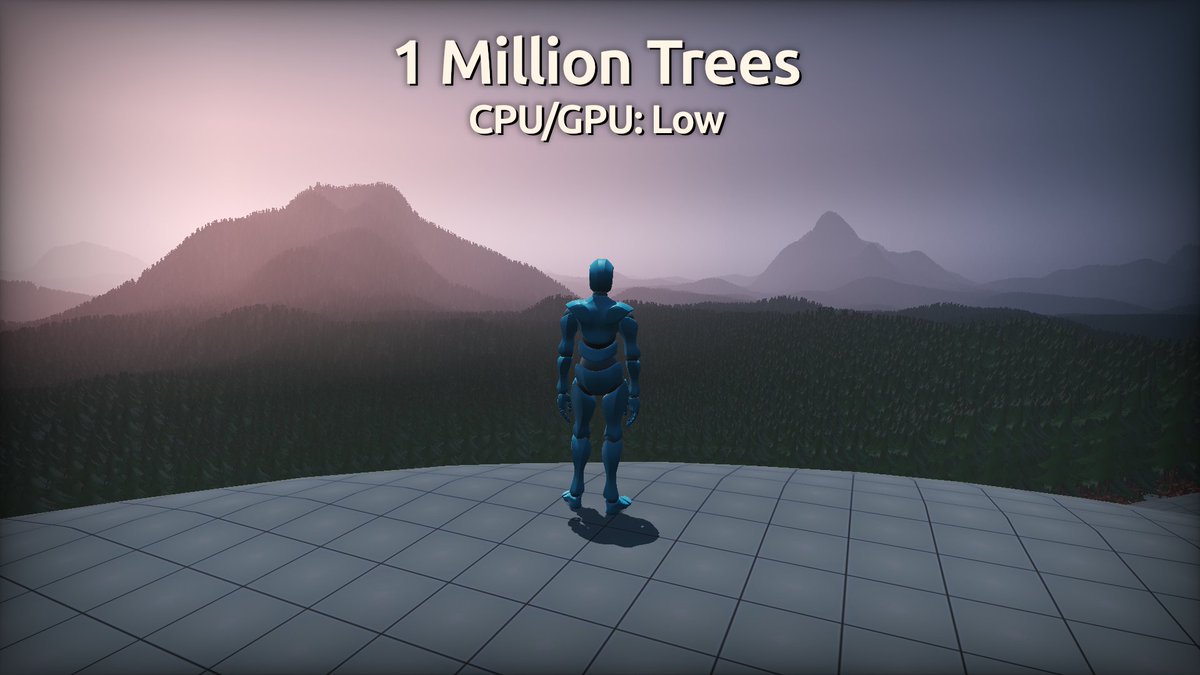
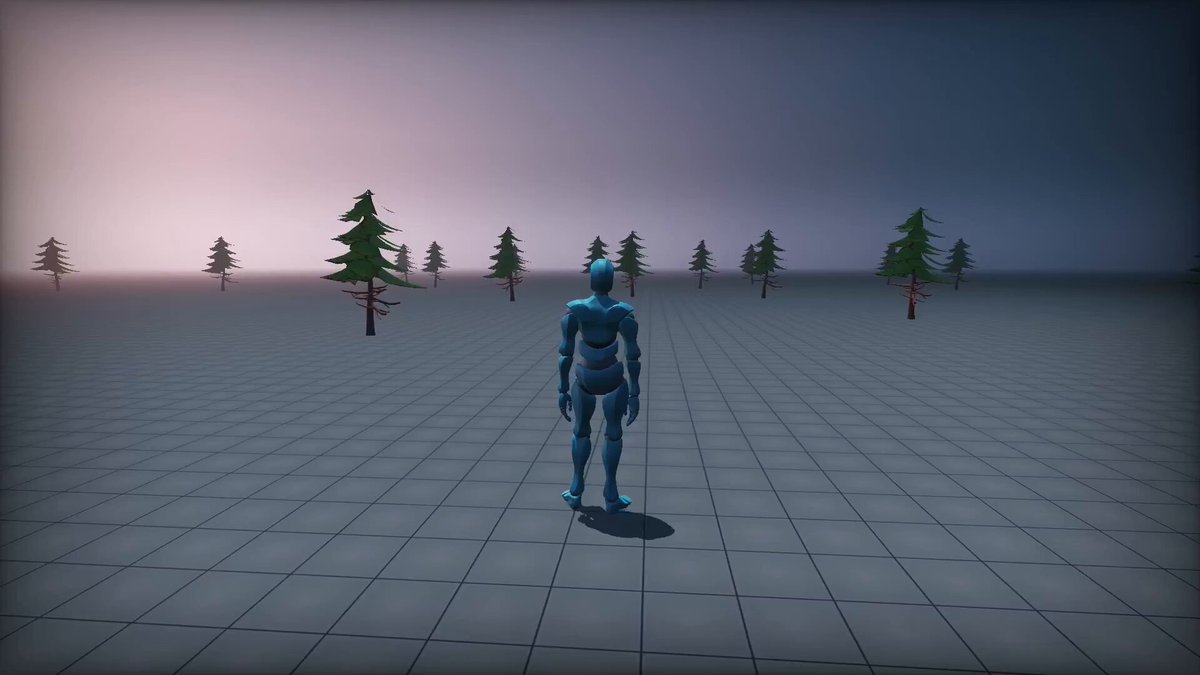
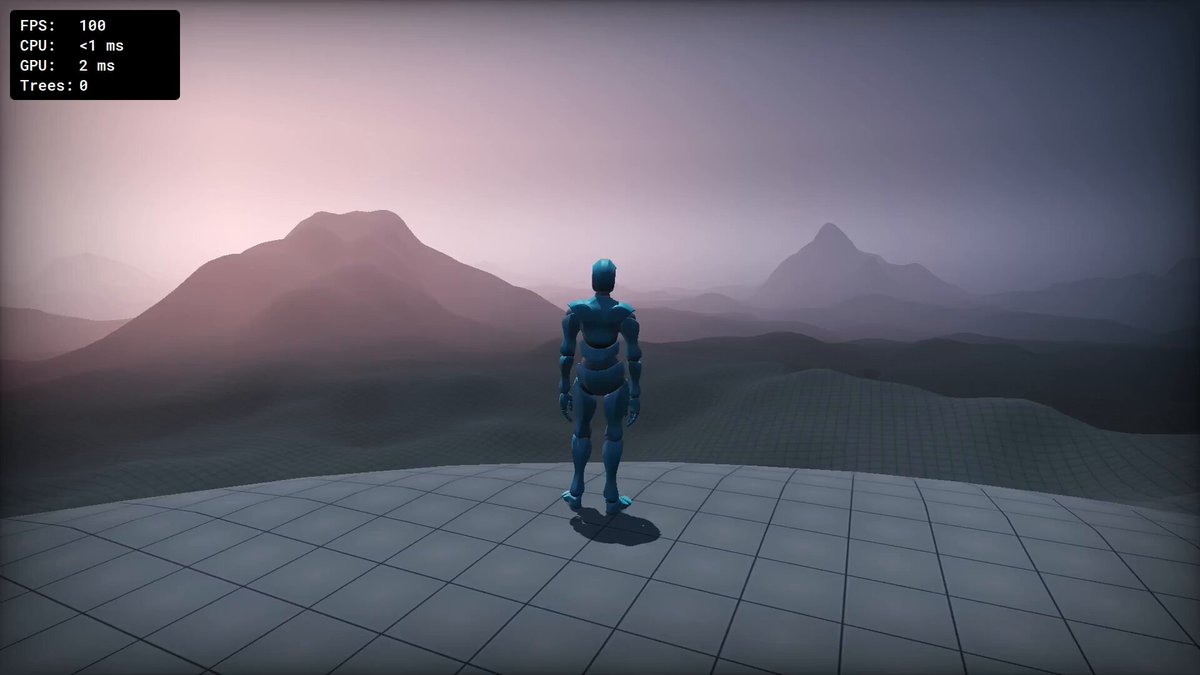
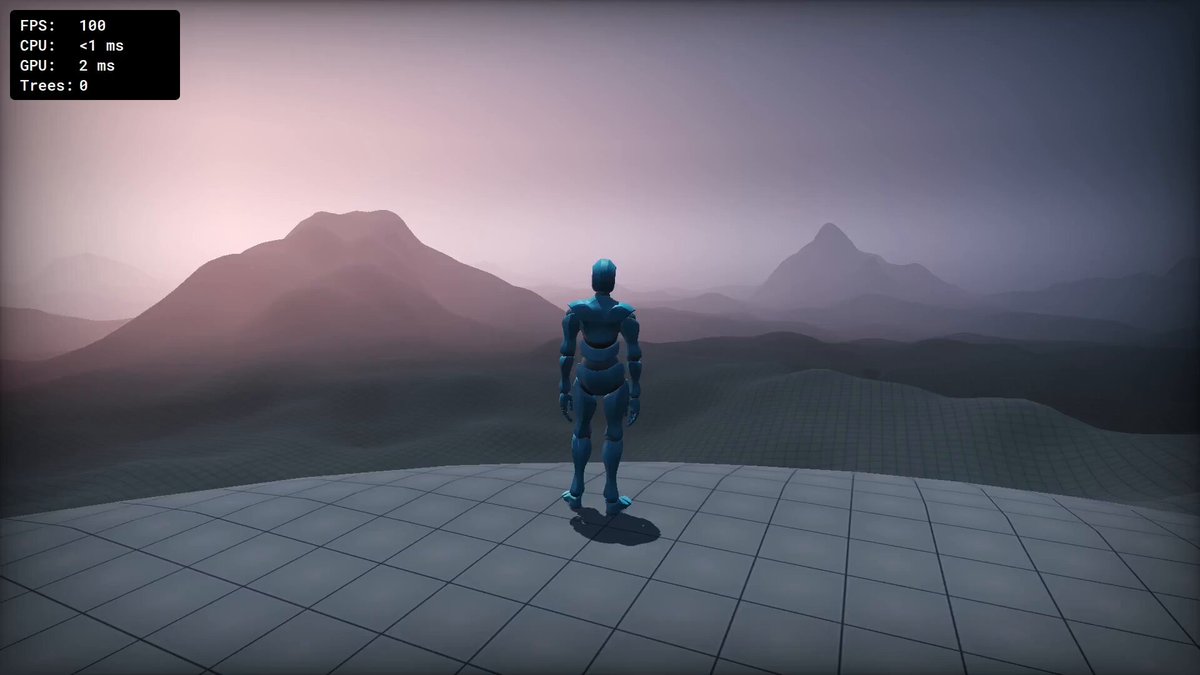
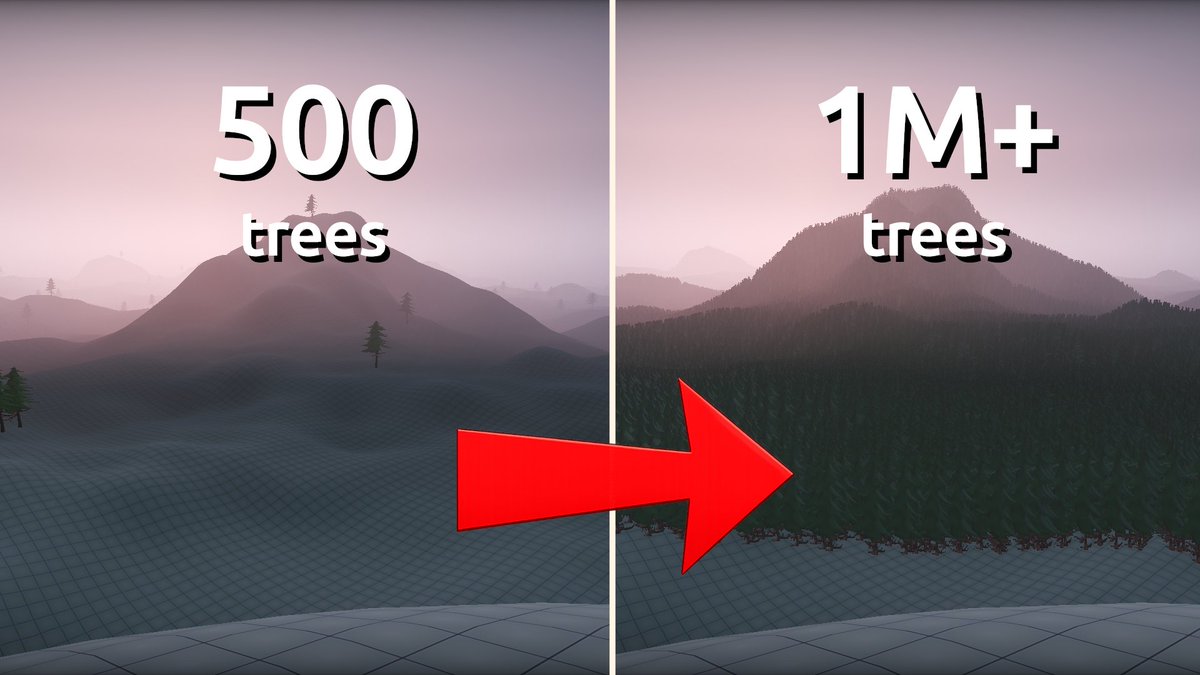
Here’s how to go from drawing a few hundred trees to virtually unlimited in Three.js, step by step.
This will be high level, but not so much that you can’t fill in the details.
#threejs
8
59
668
43,185
Jun 9
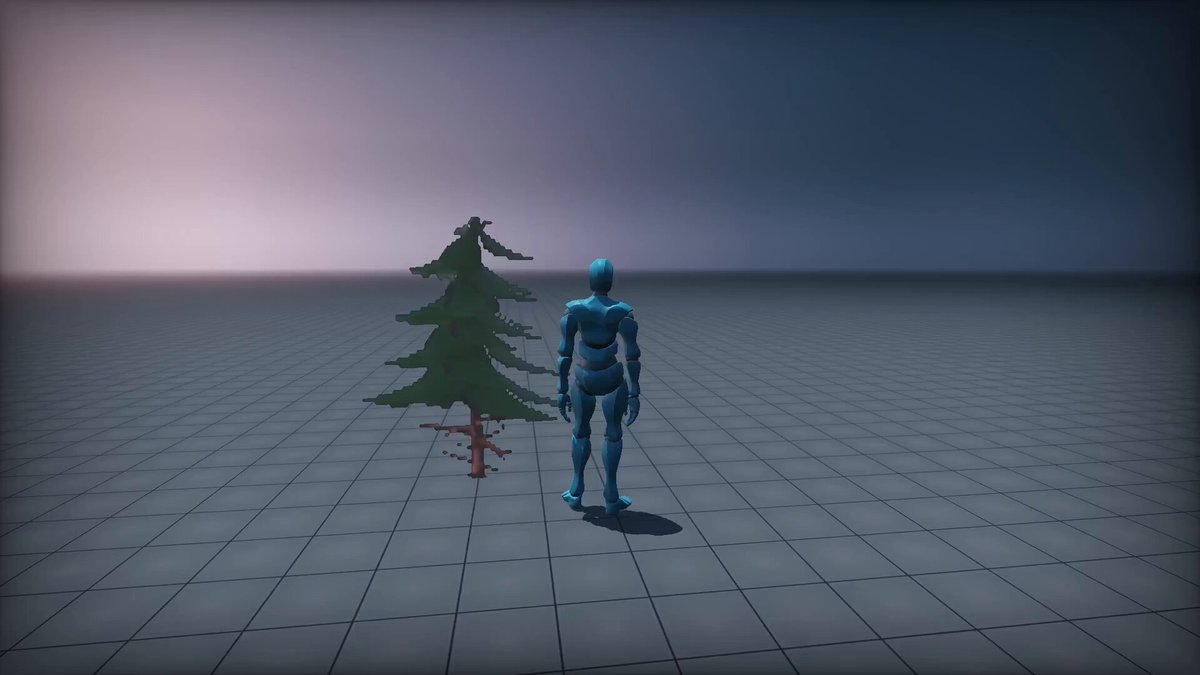
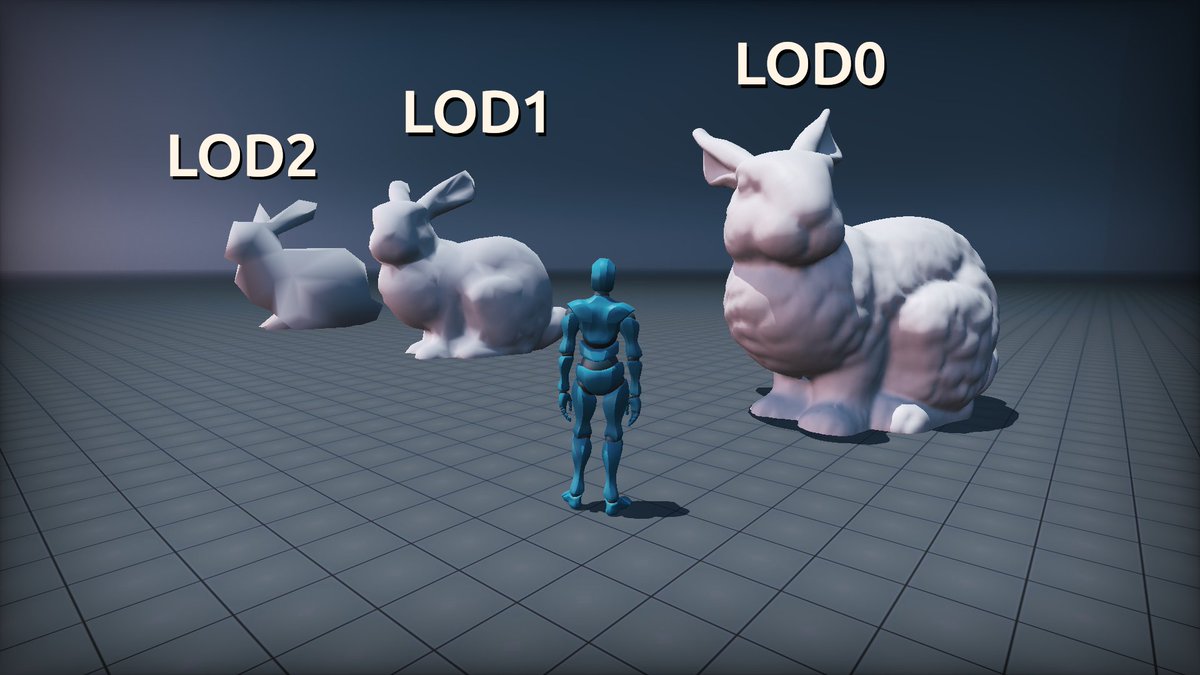
Once you've made it through all these steps
• Reuse materials
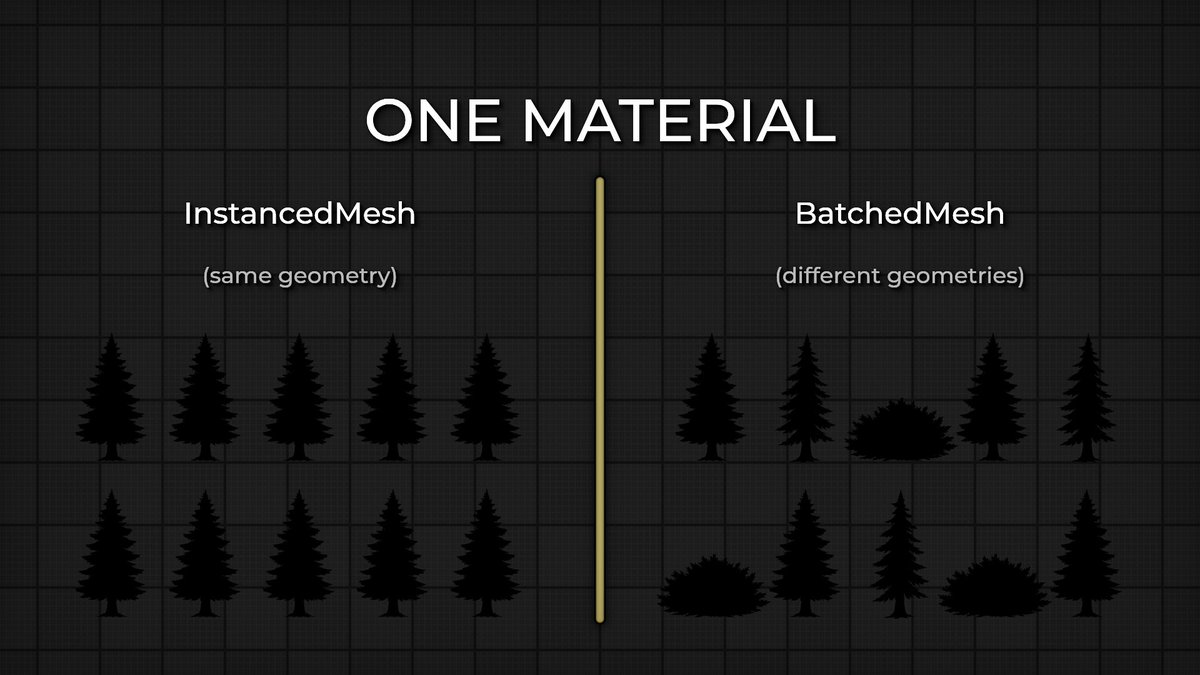
• Batch/instance
• Optimize data
• Cull
• LOD/imposters
We're hitting 1 million trees, for very little CPU/GPU cost.
1
27
1,550
Jun 9
It's pretty crazy to see how far this has come @dangreenheck
The first version was already amazing!
Here's V3 vs the original announcement👇
Jan 28

Excited to announce that Three.js Water Pro 🌊 is now available for purchase!
Can't wait to see what people build with this. Welcome to the era of WebGPU! 🚀
threejsroadmap.com/assets/th…
#threejs #webgpu #webgl #shaders
6
80
4,581
Jun 9
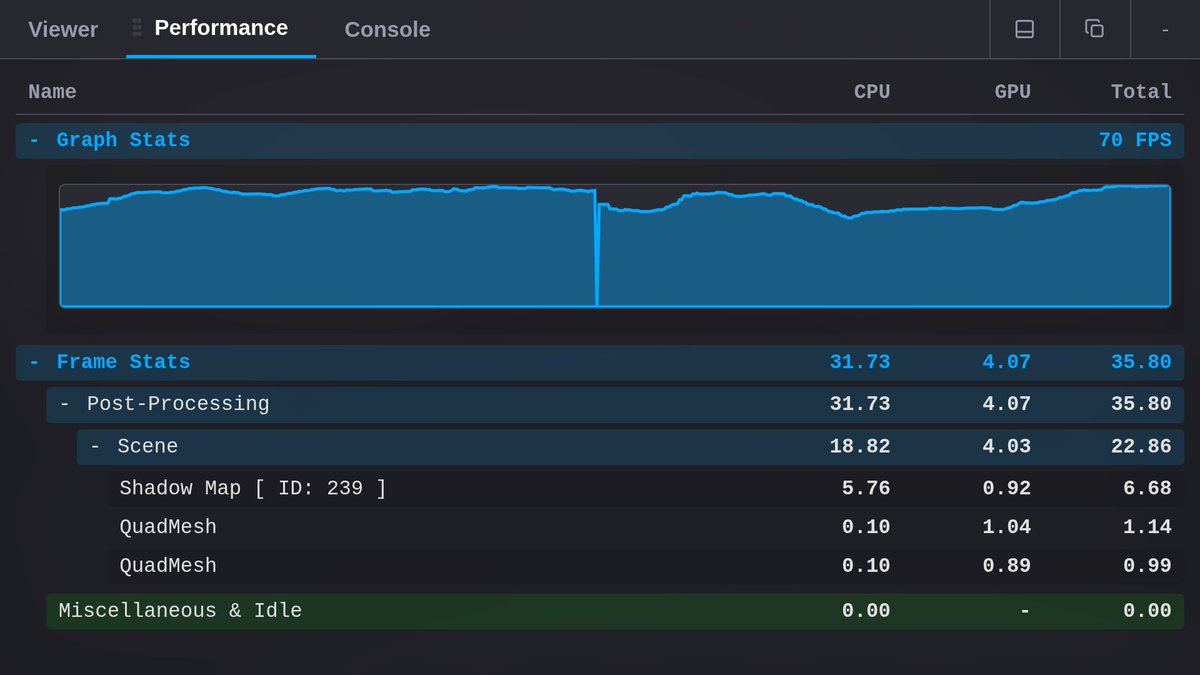
This has got to be one of the nicest perf monitors I've ever seen. Functional, but also SLICK!

🚀 I'm launching r3f-webgpu-perf today!
"npm i r3f-webgpu-perf"
One thing I missed while working with WebGPU in React Three Fiber was a performance monitor similar to r3f-perf. The existing tool is fantastic, but it doesn’t support the WebGPU renderer yet.
So I decided to build one.
✅ Supports both WebGL and WebGPU
✅ Modern and customizable UI
✅ Lightweight and easy to integrate
✅ Built specifically for React Three Fiber
My goal is to turn r3f-webgpu-perf into more than just a metrics dashboard. I want it to become a learning tool that provides real-time optimization suggestions based on the techniques I’ve developed while building hundreds of interactive 3D projects over the last two decades. A vanilla Three.js version is also planned.
If you’re building with Three.js, React Three Fiber, or WebGPU, I’d love for you to try it and share your feedback.
⭐ GitHub: github.com/ektogamat/r3f-web…
📦 NPM: npmjs.com/package/r3f-webgpu…
Every GitHub star helps make the tool better for the entire community.
#threejs #creativecoding #webgpu #r3f
3
29
3,208
Simon retweeted

2
86
1,208
69,081
Simon retweeted

Jun 8
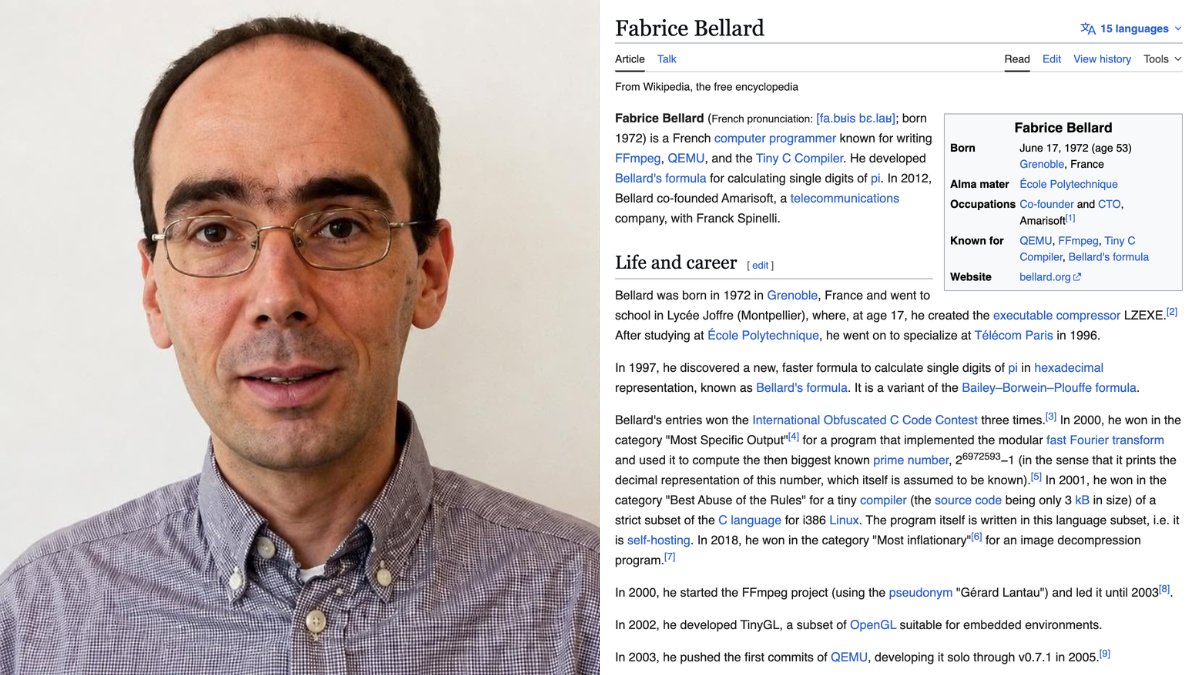
A French engineer who lives quietly in Paris has spent 30 years writing software that the entire internet now runs on without knowing his name.
He wrote the code that streams every YouTube video, every Netflix show, every TikTok clip. He wrote the code that runs the virtual servers underneath AWS, Google Cloud, and Microsoft Azure. He calculated more digits of pi than anyone in history. He has no Twitter. He has no marketing. He just keeps shipping.
His name is Fabrice Bellard.
Here is the story, because almost nobody outside the systems programming world knows what one man has built.
Fabrice was born in 1972 in Grenoble, France. He studied at École Polytechnique, the top French engineering school. He never went to Silicon Valley. He never built a startup empire. He just wrote code.
In 2000 he started a project called FFmpeg, an open-source multimedia framework for encoding, decoding, and streaming video. He was 28. The project did one thing nobody else had done well. It handled every video and audio format that existed, in one library, on every operating system. He led it himself for years.
Today FFmpeg is the invisible engine of the internet. YouTube uses it. Netflix uses it. VLC uses it. Chrome and Firefox use parts of it. Every Android phone, every iPhone, every smart TV, every video editing tool you have ever touched runs FFmpeg somewhere underneath. If you have watched a video on a screen in the last 20 years, Fabrice's code processed it.
He was not done.
In 2003 he started QEMU, a machine emulator and virtualizer. He wrote it solo until version 0.7.1 in 2005. QEMU lets you run any operating system on any other operating system. It became the foundation of modern virtualization. KVM, the Linux kernel hypervisor, runs on top of QEMU. Every major cloud provider, AWS, Google Cloud, Microsoft Azure, IBM Cloud, runs virtual machines on infrastructure built around it. The Quick Emulator is the most cited piece of cloud infrastructure code on Earth.
He kept going.
In 2001 he won the International Obfuscated C Code Contest with a small C compiler that grew into TCC, the Tiny C Compiler. TCC can compile and boot a Linux kernel from source in under 15 seconds. In 2004 he calculated the most digits of pi ever computed at the time, using a personal desktop computer and an algorithm he derived himself called Bellard's formula. In 2011 he wrote a complete PC emulator in pure JavaScript that runs Linux in your browser, a project called JSLinux that engineers still cannot believe is real.
In 2019 he released QuickJS, a small but complete JavaScript engine that fits where V8 cannot. In 2021 he released NNCP, a neural network based lossless data compressor that immediately took the lead on the Large Text Compression Benchmark.
Then he turned his attention to large language models. He built TextSynth Server, a web server with a REST API for running LLMs locally. He released ts_zip and ts_sms, compression utilities that use language models to compress text and short messages at ratios traditional algorithms cannot reach. He released TSAC, a very low bitrate audio compression system. In December 2025 he released Micro QuickJS, a new JavaScript engine for microcontrollers, separate from QuickJS, designed for environments with almost no memory.
Fabrice co-founded a telecom company called Amarisoft in 2012, where he serves as CTO. Amarisoft builds 4G and 5G base station software used by carriers and labs around the world. He has been running it for over a decade while continuing to ship personal projects from his own home page at bellard dot org
He has no Twitter. He has no Instagram. He gives almost no interviews. His personal website is a flat list of projects with no styling, no fonts, no marketing copy. Just titles and links.
A quiet French engineer who never moved to Silicon Valley wrote the code that quietly runs the internet.
He is still shipping.
379
4,506
25,135
3,047,265
Jun 4
Hashing can be combined with a texture atlas to give you a lot of variation in plant types.
int bladeID = hash(grassPosition.xz); float textureIndex = float(bladeID % 4);
Here, we have normal grass, cattails, and a few other plant variations.
You're not limited to 4. You could have as many variations as you want.
1
13
869