
Puritans and wokefаgs need to be gatekept far away from gaming
Jun 17

I miss how these used to be the Norm in gaming.
Now it’s considered a unique experience.



Dismissing this report as a political vehicle overlooks the distinct operational expertise of the inquiry team.
The report was co-authored by former police detective, Peter Downes, alongside a highly qualified legal team. You're analysing it as if it were a standard academic or civil service audit, but that completely misses the point of why independent inquiries are established in the first place.
For decades, official bodies (with all their 'perfectly defined terms of reference') wilfully ignored, downplayed, or classified child sexual exploitation as a localised or multi-ethnic issue to protect community relations and institutional reputations.
When statutory services fail to track or map a crime properly, an independent review has to cast a wider net. They rely heavily on self-selected survivor testimonies, whistle-blower accounts, and advocacy data because the state's own official data is notoriously incomplete, sanitised, or heavily gatekept.
The fact that you disagree with specific data points, theological arguments, or recommendations doesn't invalidate the report's credibility. What Peter Downes and the inquiry have done is use their professional investigative backgrounds to bypass bureaucratic gatekeeping, mapping a systemic pattern of exploitation across 85 local authorities that official institutions spent years trying to suppress.
If the establishment's traditional auditing methods actually worked, an independent report like this wouldn't have been necessary in the first place.
1
2
6

8m
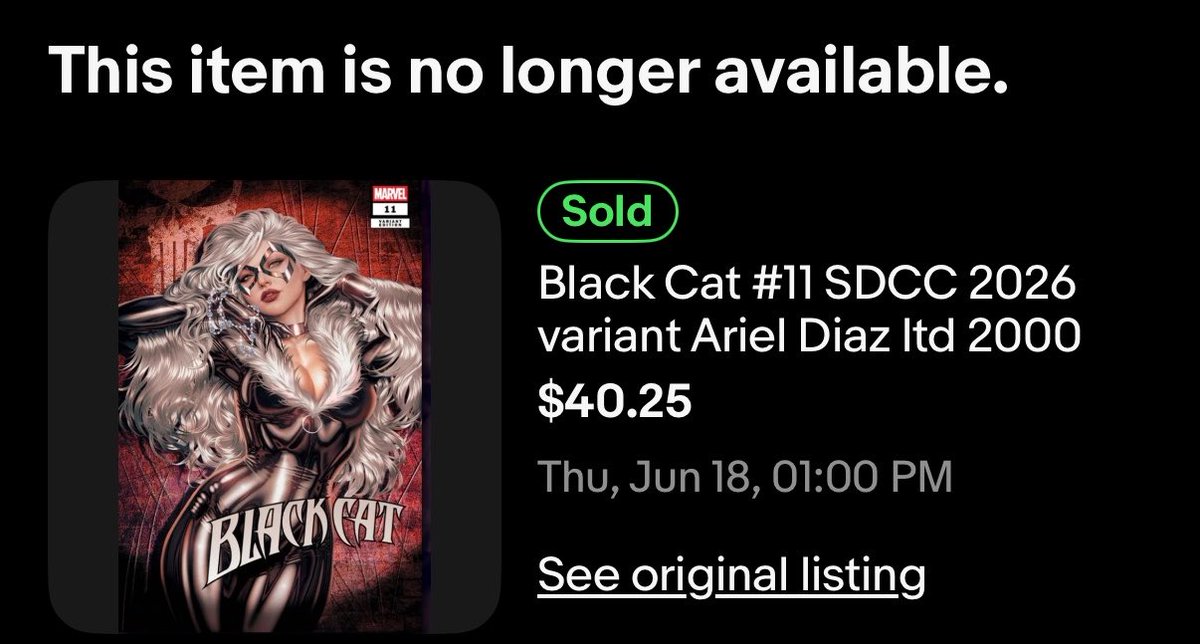
i shouldve gatekept but i also wasnt gonna spend $50 with shipping on it today 😭


1
20


11m
gatekept for 3 days bc I forgot but this is my fav video from the pop up… he’s so cat
Jun 15

I got the craziest nico video imo… I’ll post it later #notagatekeeper
1
22

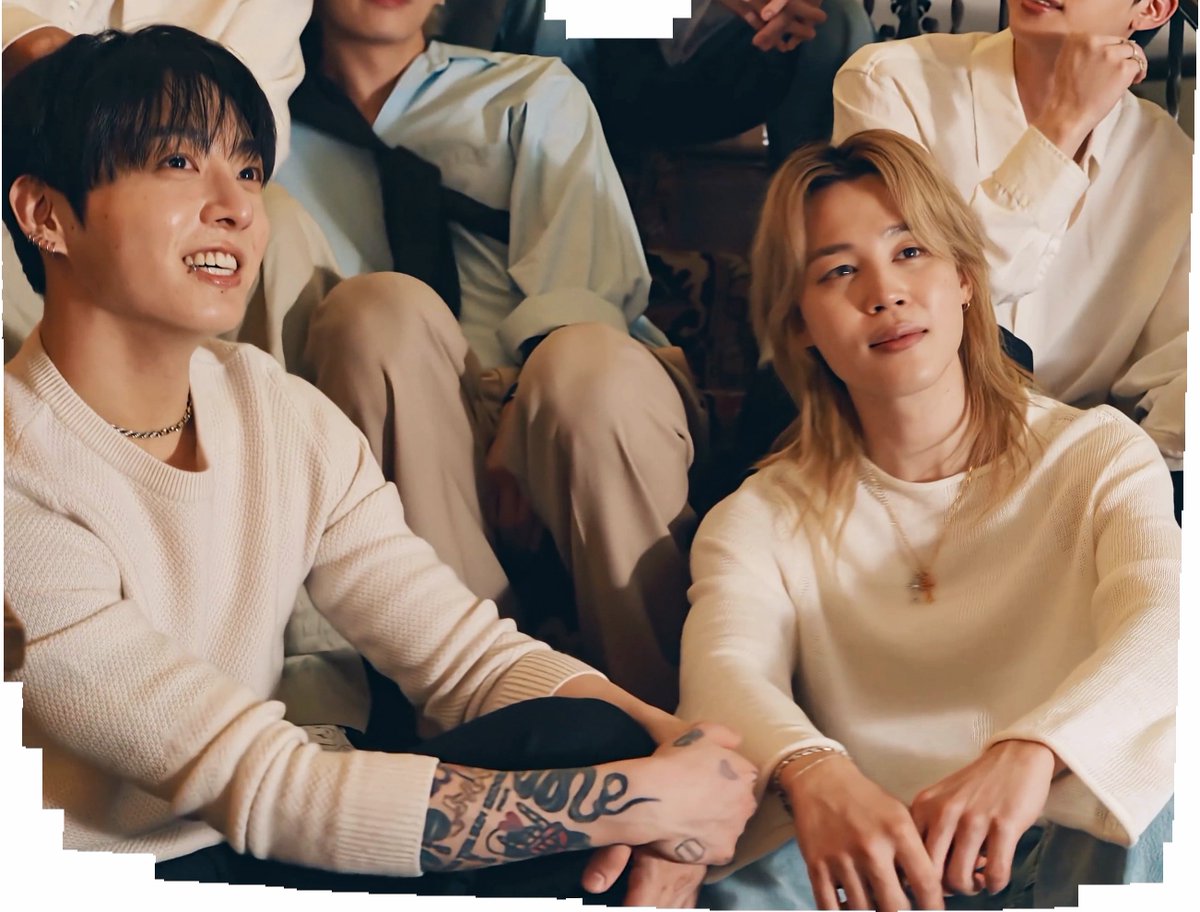
honestly a crime that jype gatekept this femme for ten years

something really shifted when all the members called her a femme this year cause she never looked back
1

Gatekept Slips retweeted

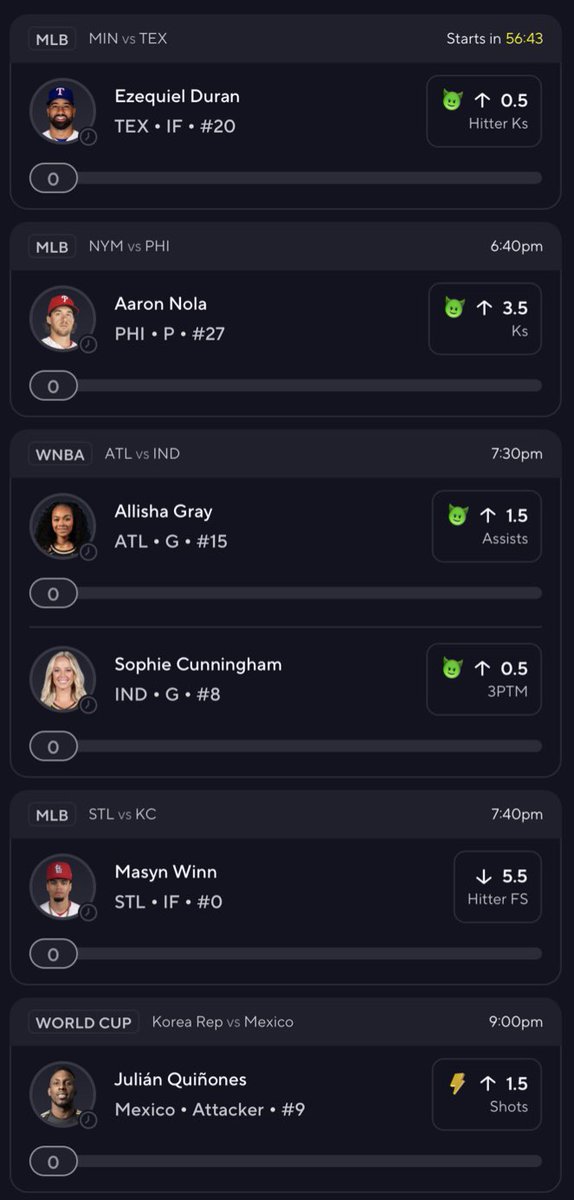
julián quiñones discount slip 🏀 ⚽️ ⚾️
[prizepicks.onelink.me/gCQS/s…]
#gatekept
1
10
917

My average discussion with trans person: "AGP doesn't exist but I experienced it and fulfilled it with transition, it's just gatekeeping but nobody gatekept me and you should do it too!", then blocks me.
1
1
18

Ah yes, build safety cred with DC, get designated a supply chain risk anyway. Now forced to kill your own models over a jailbreak GPT-5.5 already does. Competence gatekept by citizenship. UAE's Golden Visa and zero-restriction access is where this talent lands.

Anthropic suspends top AI models after U.S. export control order nextgov.com/artificial-intel… via @Nextgov
5

"should've gatekept" como se amigos fossem posse nossa Haa para né

1
Lala the DilfSquirrelHunter💚❤️💙 retweeted

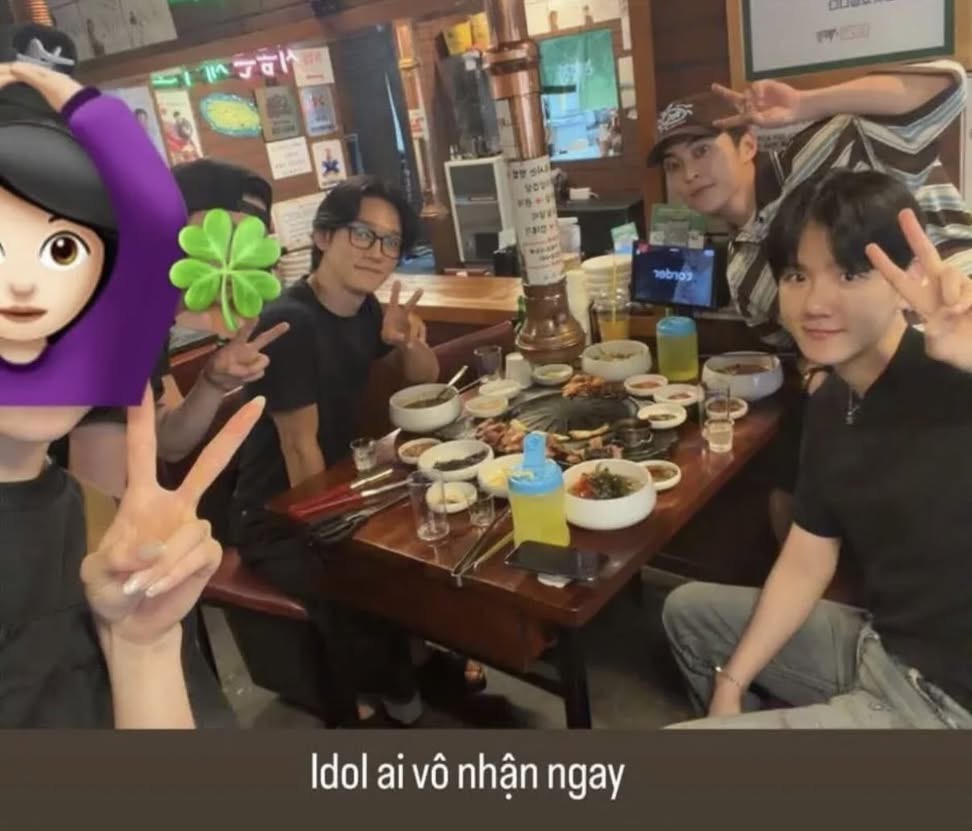
So based on the outfit,Jongdae really sent a pic of himself and gatekept the actual reunion content 😭😭 Unless they were taken on different days,But omg, not to be nosy,a picture of trio hanging out together every once in a while would genuinely heal an alarming number of people


13
69
1,727


You can't seriously tell me that you have access to a device for the internet but trash was somehow gatekept from you? And that's what stopped you from creating photos like me?? Hello be real
2
15
142


devops when it has been gatekept and you're hearing about 50 different tools from 50 different people (their tool is their entire personality) for the first time
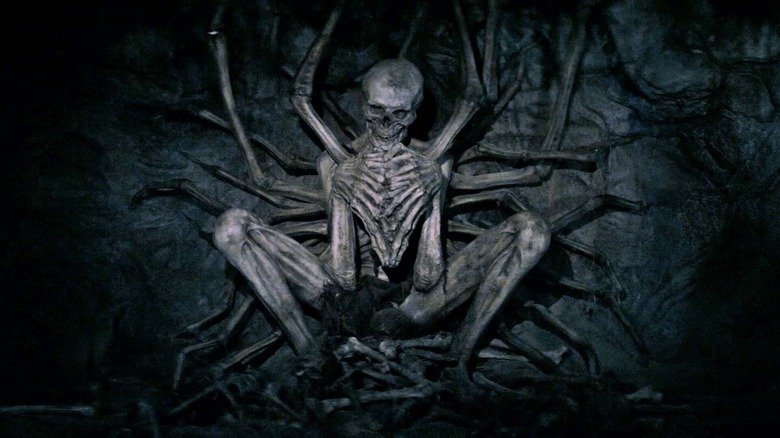
1
4