
Whenever you see a kid’s lemonade stand, stop for a moment, and if you tip as generously as this gentleman did, you make the memory even sweeter 🥤 Via thad.chino on TT
 Positive Side of 𝕏
1
67

This week, 🗓️ Little Punch was seen generously trying to groom his Grandpa Atomaru. 💪
Grandpa Ato, graciously accepted his kindness. ✨❤️🔥🌱
#punch #ichikawazoo #punchi
1
25

Answer the question, Kevin. I'm sick of politicians generously giving away women's safety and dignity on the pretext that trans-identifying men are marginalised and oppressed LGB ppl. Most are heterosexual perverts.
4

Zero-dollar growth strategy for 𝕏:
Reply thoughtfully.
Engage genuinely.
Support others generously.
Do it every day and watch your account transform.

1
5

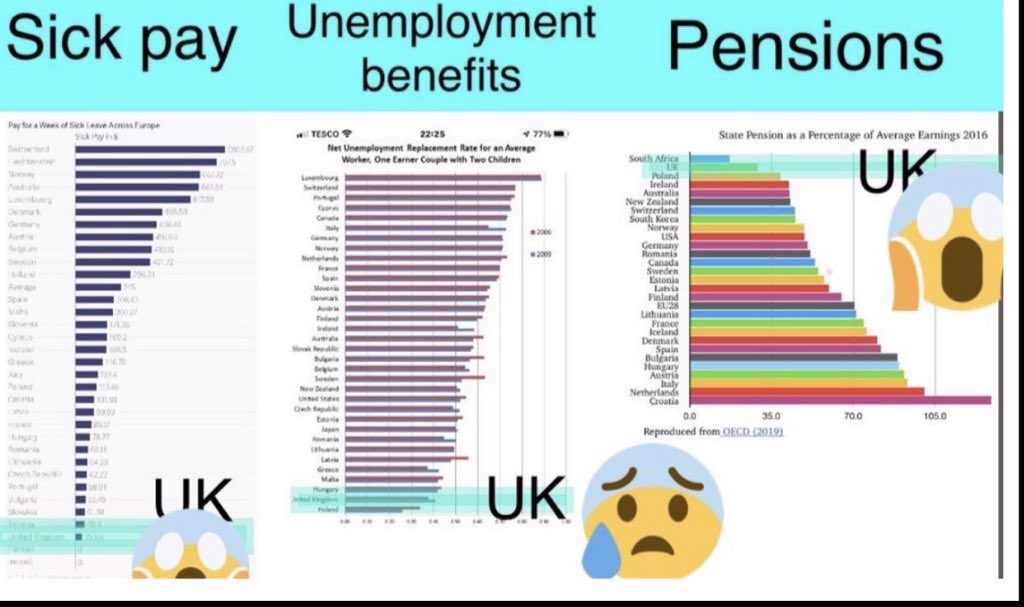
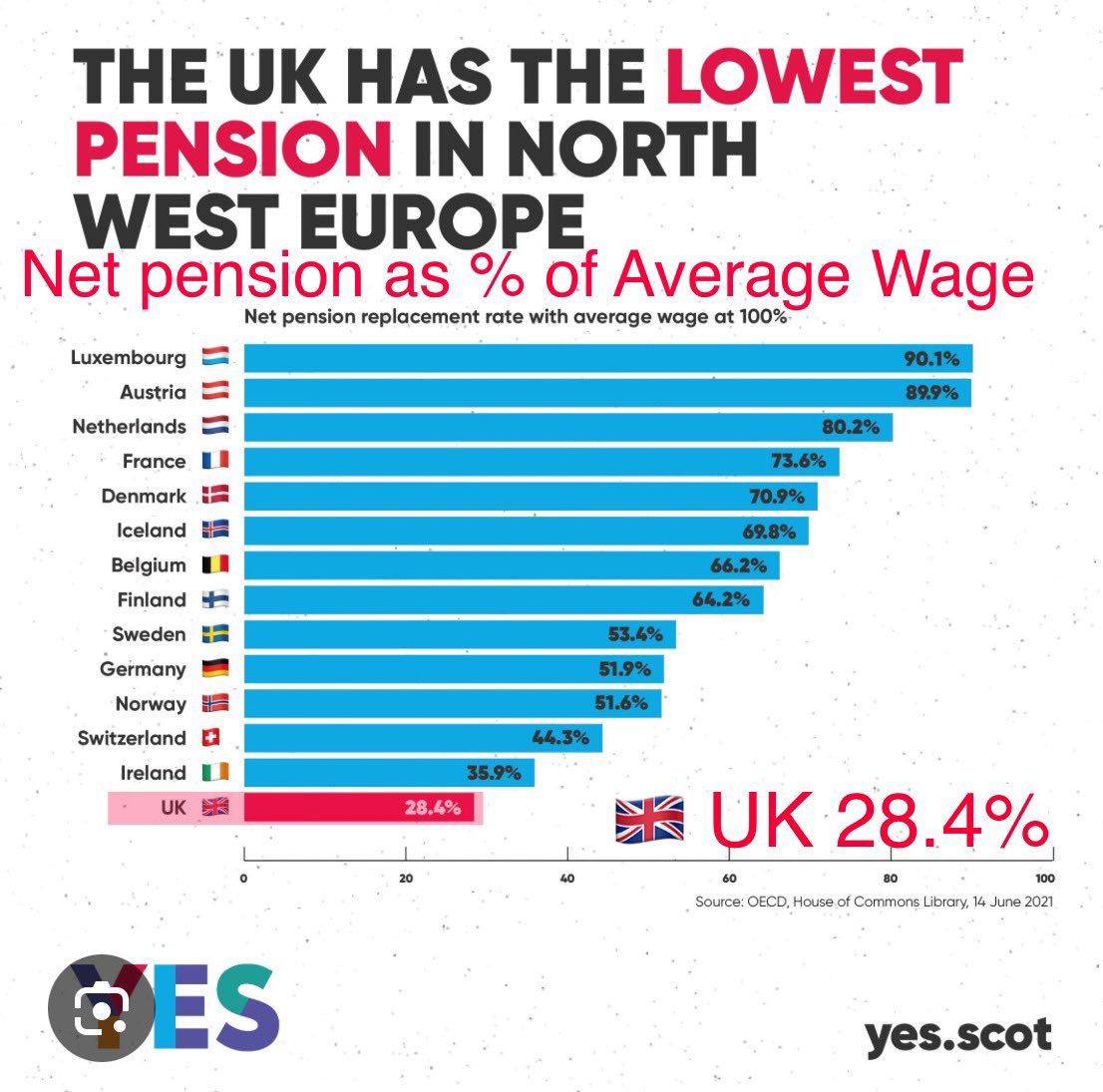
How do other countries manage to pay their pensions more generously then?
Pensions make up over 50% of welfare costs and they have been stable at 11%. GDP for decades and due to be stable till 2030 so why would we need to remove the triple lock?!


8
Em retweeted

1. Trump has a huge penis.
2. He generously gave a developing country aid (and made liberals mad for some reason?)
3. Trump won the war 30 times.
1
1
23
349

19m
64 houses with lets say generously 250 residents are producing 24 gallons of waste each per day ?
They really are full of shit
6
S A M M Y retweeted

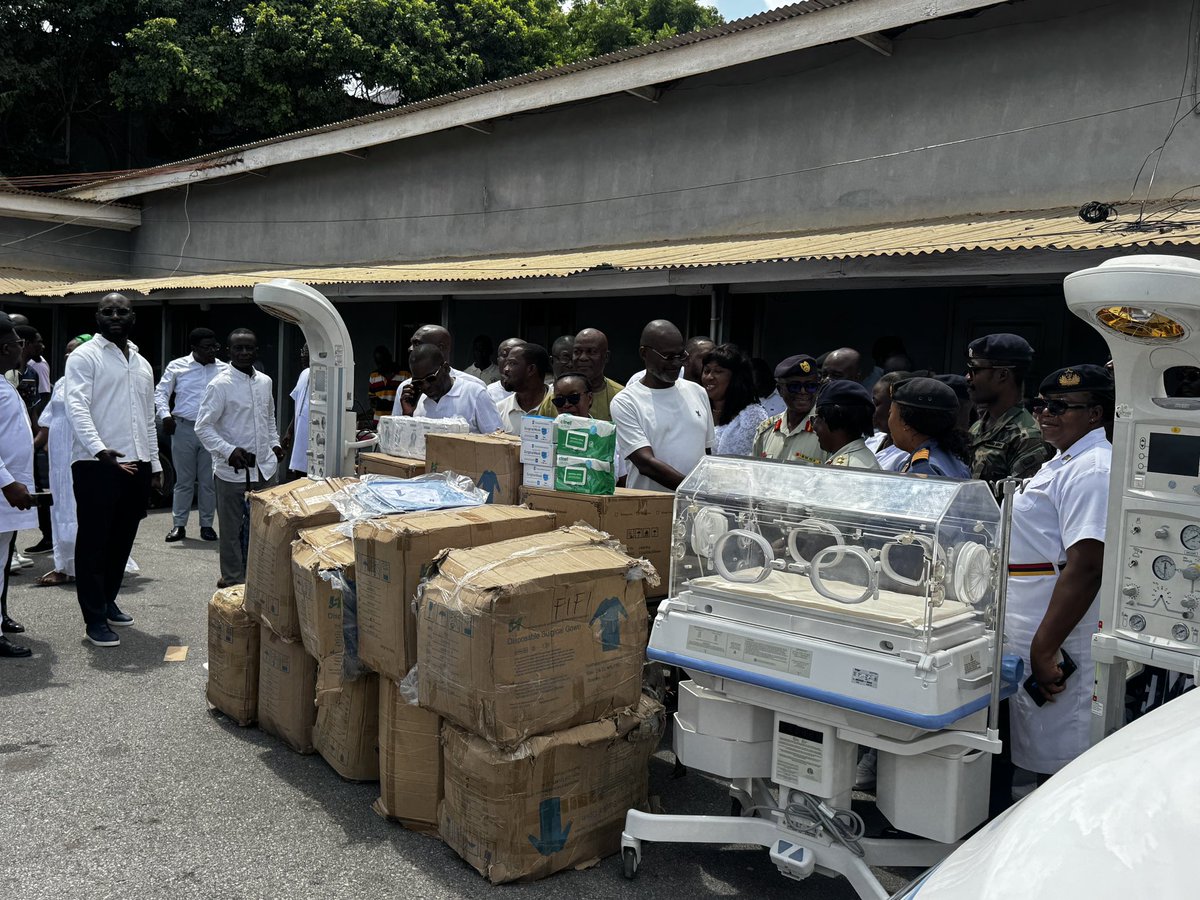
Hon. Kennedy Agyapong has again generously donated a pickup truck, medical incubators, PPE, and other vital healthcare supplies to the 37 Military Hospital.
Wishing him a very Happy Birthday! 🎂✨
#dek360ghana
1
5
67

Precisely and solely because you are a commentary account, we will generously overlook your lack of knowledge.
1
11

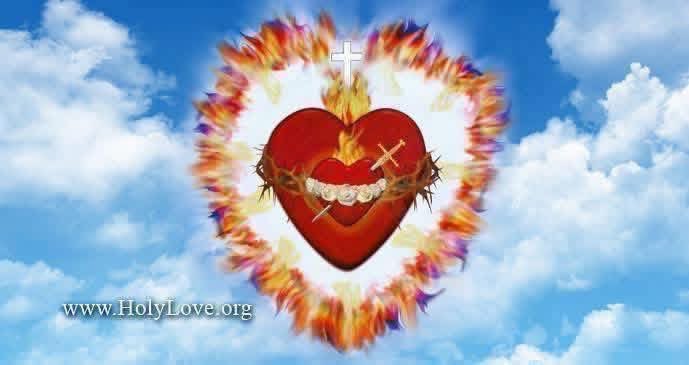
"Every intervention from Heaven, approved by worldly entities or not, calls for the conversion of the hearts of sinners. But this one, you must realize by now, goes far beyond that by merit of the graces and devotions offered here. This Mission offers strength and protection for the difficulties that have begun and will increase before My Return. This is the call to the Remnant Faithful to unite in the Chambers of Our United Hearts as a prescribed journey into personal holiness introduced here and offered nowhere else. * You must not allow others to decide for you the worthiness of My Call here. We will not collapse under obedience to abusive authority, but remain steadfast for all to partake of the graces so generously, offered here. We must remain strong in resolve for those who are weak. I will never abandon you to please man. Read Acts 5:39 . . .but if it is of God, you will not be able to overthrow them. You might even be found opposing God!"
- Jesus 6.15.2015
ENCOURAGEMENTS
"My brothers and sisters, I desire that you understand that every fiber of My Sacred Heart is Divine Love which is Love of the Eternal Will of My Father, and an all-consuming Love of each soul which is created. I desire that you be drawn into this Love and allow it to consume you. Become part of this Love."
- Jesus 6.15.2001
WISDOM, GUIDANCE, PERSPECTIVE AND SPIRITUAL INSIGHTS
"I reveal to you yet another truth. The soul that invokes My Mother under Her title Mary Refuge of Holy Love is taken into Her Heart where Truth is revealed and Satan cannot penetrate. For My Mother's Heart is God's Will and God's Will is all Truth."
- Jesus 6.15.2004
"Please realize that those who seek their peace and security through passing things will always be at unrest. Worldly gain - power, popularity, riches, physical beauty - do not follow you into the next life. You must place the Message of Holy Love in the center of your heart, and at the apex of your existence. Living in Holy Love is not an Everest that few can conquer. Living in Holy Love is a goal all can achieve if they choose it. Herein lies the secret to your peace and security in this life, and your salvation in the next. Choose Holy Love with your free will."
- St. Catherine of Siena 6.15.2011
CULTIVATE PERSONAL HOLINESS AND PERFECTION OF THE VIRTUES - HOLY AND DIVINE LOVE
"I have come to be reconciled to mankind. The way of reconciliation is the way of Holy Love. When the soul surrenders to the Flame of Holy Love - the Flame of My Mother's Heart, he, in effect, surrenders to purification. I can teach you about every virtue, but with your will you must surrender to them. Holy Love embodies and clothes all the virtues. The more you surrender to Holy Love, the more virtuous you will become. Thus, the deeper you will be in union with Me and the Will of the Father. So you see, your journey in holiness depends on you. Your surrender to Divine and Holy Love is a freedom. Your heart is not tethered by affairs of the world. All of these you give to Me in Holy Trust."
- Jesus 6.15.1999
"In My Sacred Heart is the Abyss of All Holiness. You cannot progress along the journey of personal holiness unless you pass through the Chambers of My Heart. How I long to inflame the heart of the world with the Fire of My Love! All would be one as I have called them to be. Knowing this to be My Desire, set out, then, with a dedicated heart to bring it into reality. Do what is right in Holy Love - not what looks good in the eyes of others. Persevere in the Truth no matter the opposition. This brings My Victory into the world - the 'new creation' - the 'New Jerusalem'."
- Jesus 6.15.2012
2

Fabian Ruiz has still been graded more generously than Pedri. Genuine 0/10

never taking another sofascore seriously how did pedri have a NINE POINT ONE
39

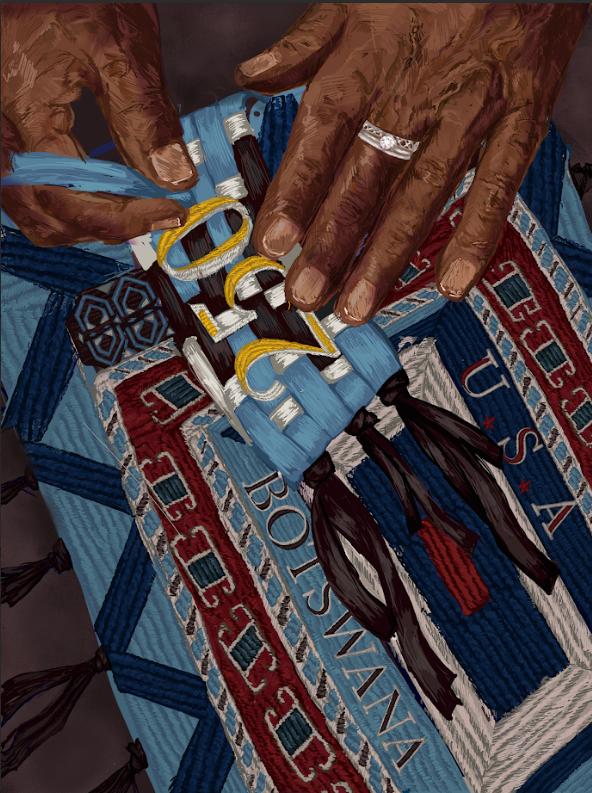
🥳🎨 Congratulations to Aone Mpoeleng for submitting the winning piece in the #Freedom250ArtCompetition!
As part of the prize, Aone will receive a digital art training session generously sponsored by Learn Animation.
Thank you to everyone who participated and shared their creativity. #Freedom250 #Freedom250BW
14

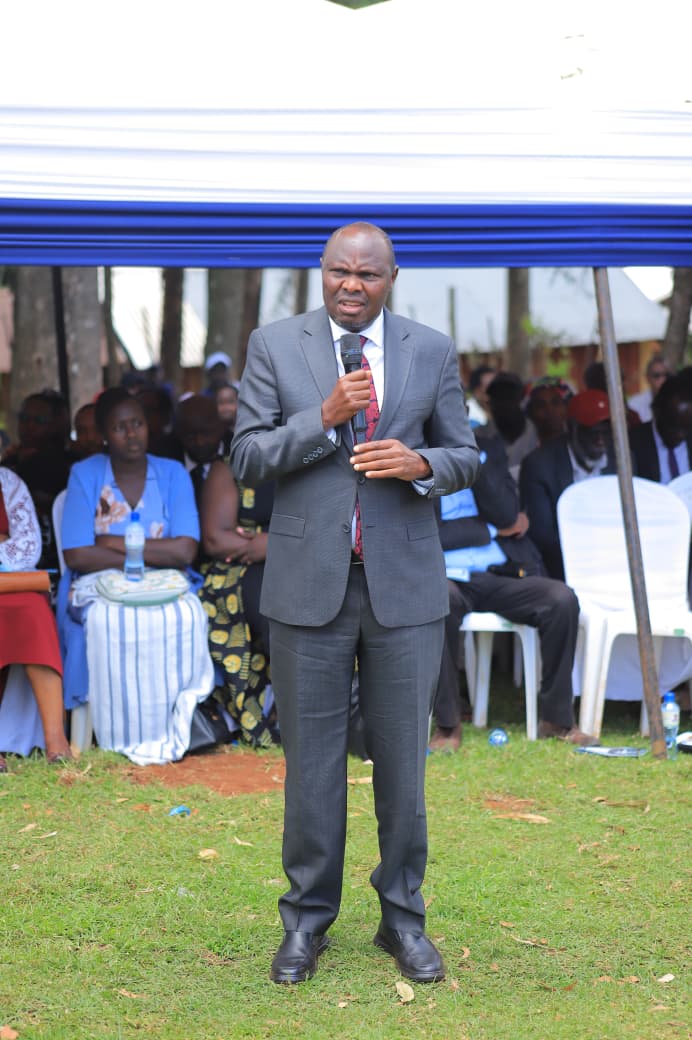
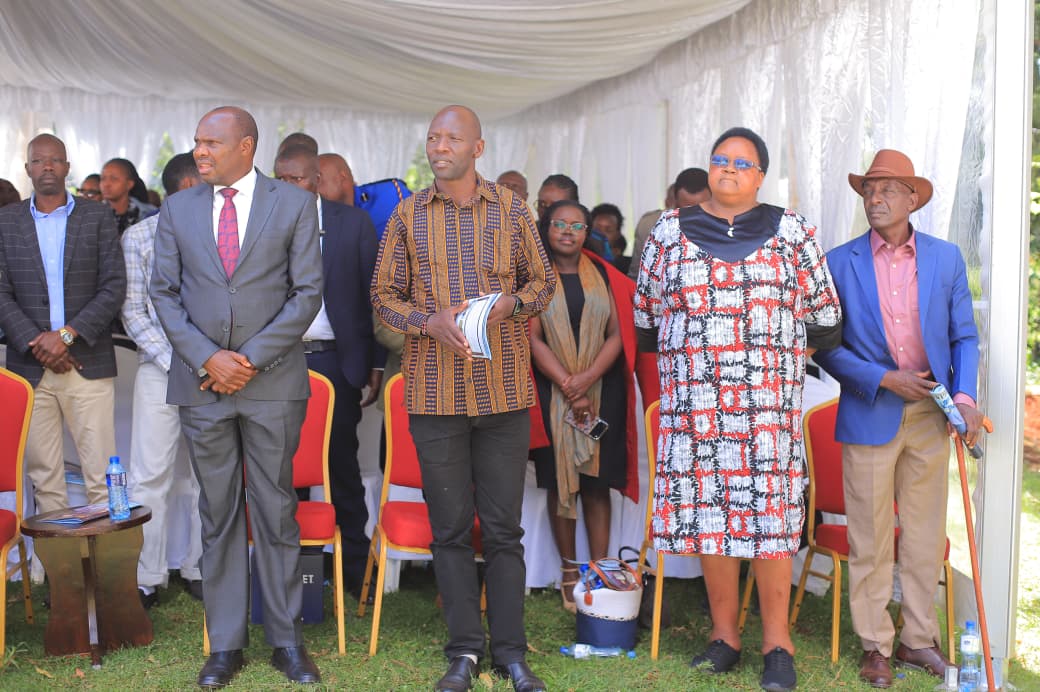
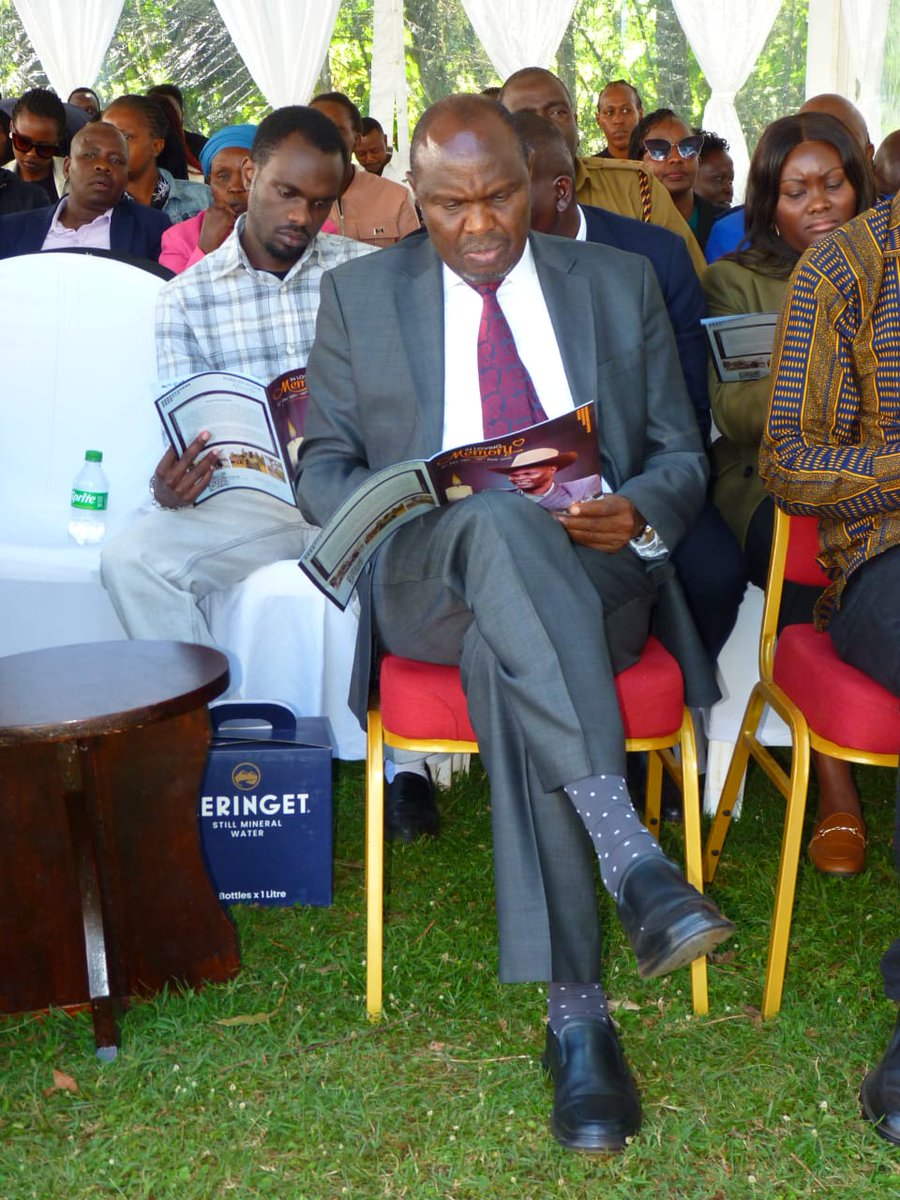
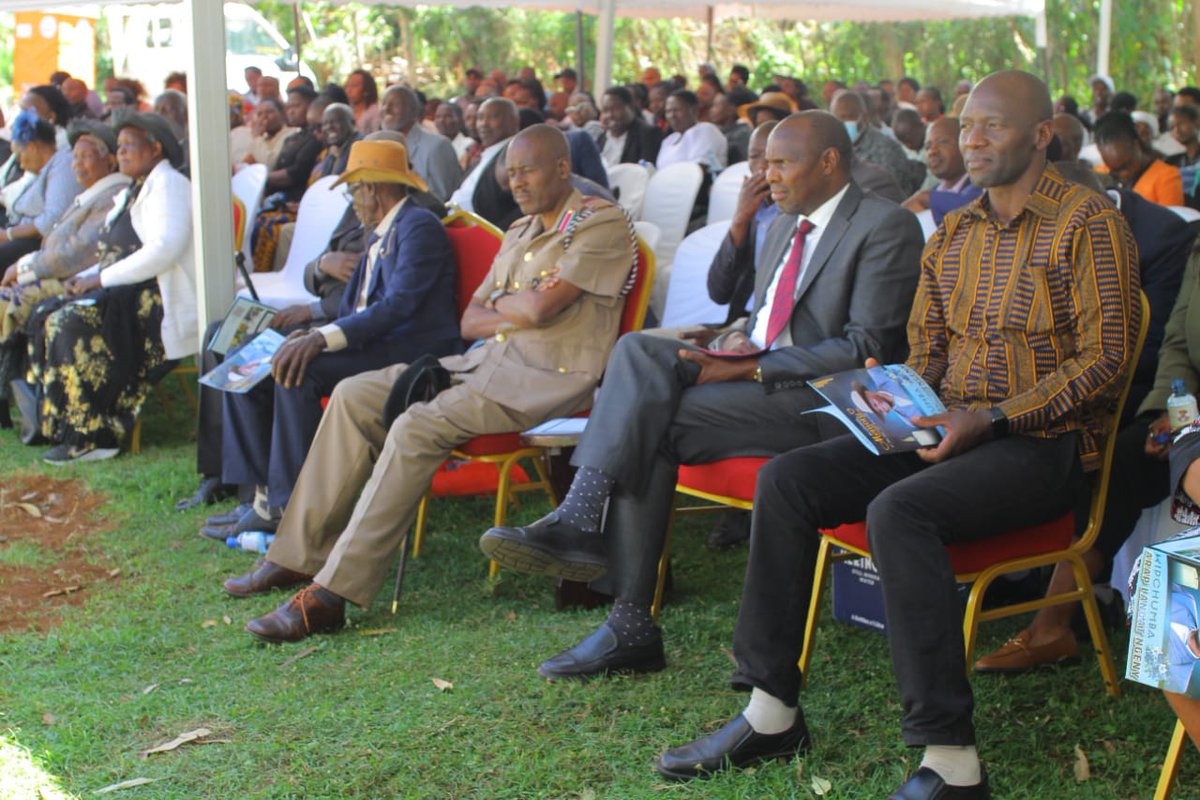
I joined family, friends, the church, community members and leaders in Taiywet Village, Kipchimchim Ward, Kericho County, as we laid to rest the late Stanley Kipchumba Arap Langat Ngeny.
We honoured a man whose life was defined by humility, discipline, service and devotion to family. Kipchumba was a teacher, community elder, church member and servant of the people who gave himself generously to education, mentorship and the welfare of others.
His contribution to Soliat Secondary School, where he served as a Board member and later Board Chair, speaks to a life that believed deeply in the power of education to change families and communities. He also served faithfully in church and community leadership.
To his wife Jane, his children, the wider Langat Ngeny family, relatives and friends, we stand with you in prayer and solidarity during this difficult moment. May God comfort you, strengthen you and grant you peace.
Stanley has finished his race. May his soul rest in eternal peace.
2
116

We build AI for financial services ops teams. So what does AI actually do inside ours? 🤔
We’re lucky to have some of the finest AI engineering talent on the market, but perhaps luckier still that those folks have been generously sharing their knowledge with the rest of our team.
Now, our entire company builds with Claude Code, not just the engineers. Sales, Marketing, and Ops create new role-specific skills every week. We also hold regular "Loop & Learn" sessions where people share what they've built and teach each other how they’re optimising their work.
We're a lean team with high output, and daily AI automation is part of how we keep it that way. Plus, there's something exhilarating about the whole company opening PRs and obsessing over our growing GitHub repo of skills. 🤖
If the sound of this excites you, come build with us. (Careers page in the thread)
1
2

Congratulations to our winning bidder, @xianw736, with a final bid of ₱3,500.00! 🎉
We would like to extend our heartfelt gratitude to everyone who joined and supported this fundraising effort. Your participation will help make the fan support projects even more special.
A special thank you to @justJenJY for generously donating the PC. Your kindness and support are greatly appreciated.
Our team will be contacting the winning bidder shortly regarding payment and shipping details.
Thank you once again for your continued love and support for JL. Together, let's make the First Spark fan projects a success! ✨
#AHOF_JL #제이엘
Jun 15

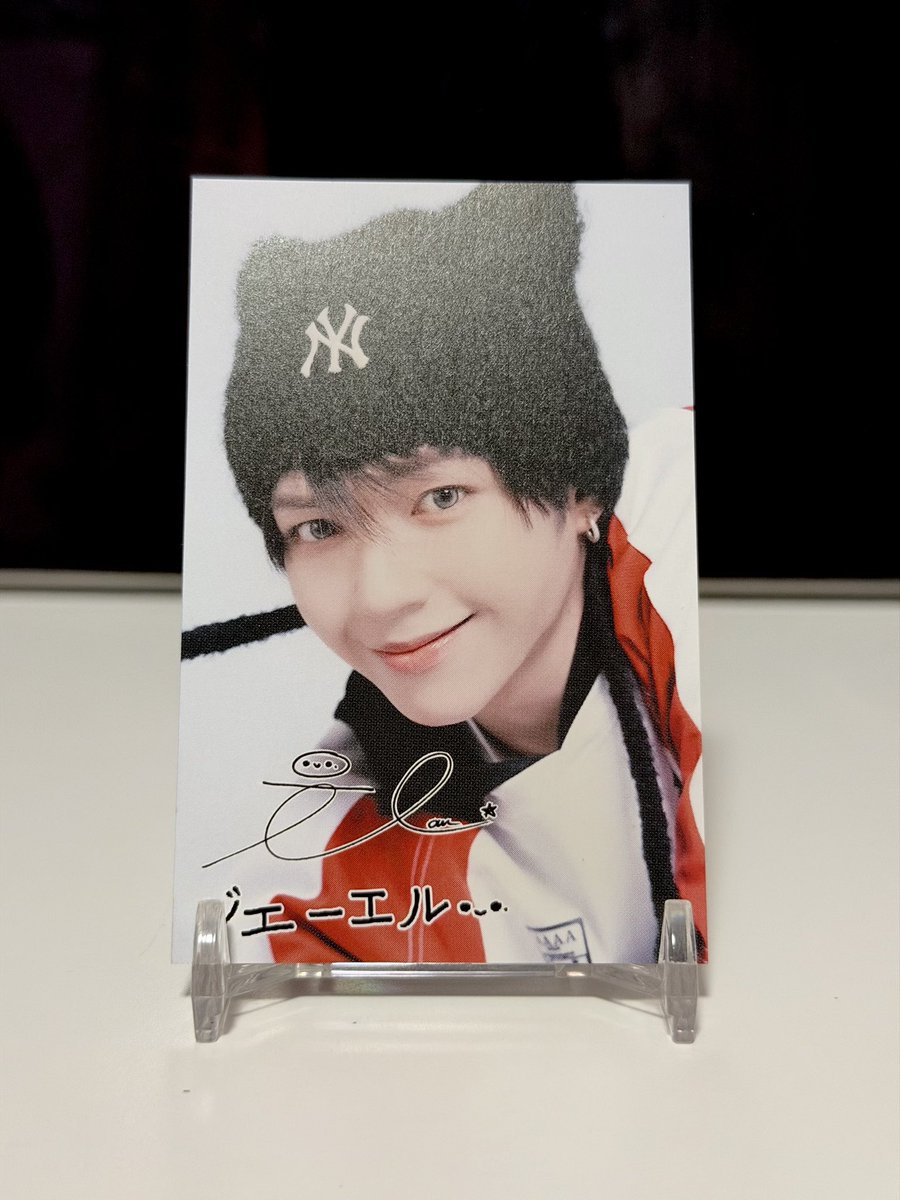
📣 JL PC BIDDING FOR THE FIRST SPARK FAN PROJECTS
Starflares and JL Stans, we are opening a bid for a photocard to help raise funds for JL’s fan support projects for AHOF’s July concert.
𝗛𝗮𝗻𝗿𝘆𝘂 𝗣𝗶𝗮 𝗠𝗮𝘆 𝗘𝗱𝗶𝘁𝗶𝗼𝗻 𝗣𝗢𝗕
Donated by @justJenJY
💰 Starting Bid: ₱2,000
📈 Bid Increment: ₱500
⏰ Bidding Ends: June 16, 7:00 PM PHT
𝗧𝗼 𝗷𝗼𝗶𝗻, 𝗰𝗼𝗺𝗺𝗲𝗻𝘁 𝗱𝗼𝘄𝗻 𝗯𝗲𝗹𝗼𝘄 𝗼𝗿 𝗗𝗠 𝘂𝘀 𝘆𝗼𝘂𝗿 𝗯𝗶𝗱𝘀.
All proceeds from this bidding will be fully allocated to the fan support projects for the concert. Every bid helps us prepare stronger support and louder cheers for JL.
Let’s come together and make JL shine this July! ✨
1
8
27
470

36m
On goride back home to kosan and the driver is playing The Adams and Rumahsakit ooooh I shall tip him generously
12

A Living Pharmacy for Your Beauty
Our world generously shares its treasures, and this list of natural remedies could go on forever. Within every leaf, blade of grass, and piece of bark lies a primal power capable of transforming our hair: Chamomile-infuses the hair with a gentle golden glow, wrapping each strand in softness with every rinse.Oak bark-a noble secret for brunettes, lending dark locks a deep, rich hue and natural strength.Birch leaves-restore a mirror-like shine to the hair, filling it with vital energy and weightless bounce.Burdock and nettle decoctions-a timeless classic for strengthening the roots, the perfect elixir for the health of natural and dark strands. Cardamom-an exquisite spice that gently awakens the scalp, stimulating hair growth and bringing a sense of freshness.
Plantain-a caring healer that delicately soothes the scalp, healing micro-tears and minor wounds.
5

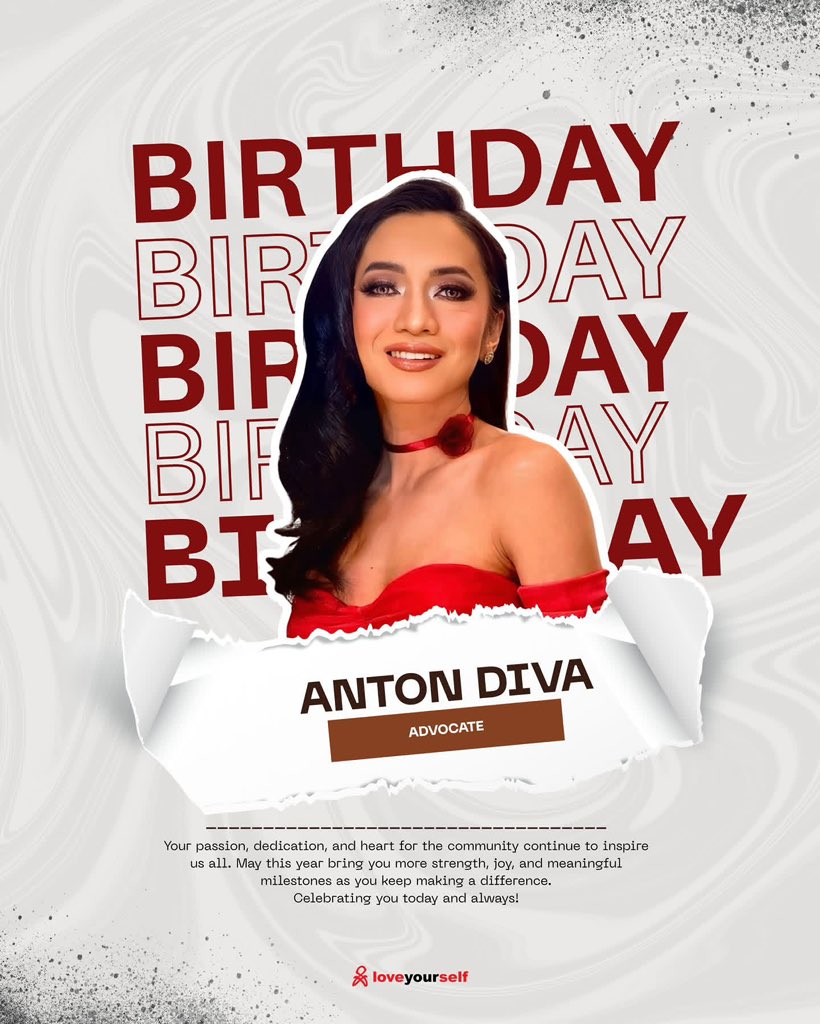
Happy Birthday, Anton Diva!
Thank you for generously using your voice and platform to uplift our community and champion love, health, and inclusion. May this new year of your life be filled with happiness, purpose, and even greater impact.
Here’s to celebrating you and the difference you continue to make!
#LoveYourselfPh
29

42m
Ha Ha Ha The Frogs are cooked!
How do the French cook frogs?
In France, frogs' legs (cuisses de grenouille) are considered a delicacy.
The most common preparation method involves marinating them in milk, dredging them lightly in seasoned flour, and quickly sautéing or pan-frying them in butter and garlic until golden brown.
The traditional French cooking process for frog legs is relatively straightforward
:
1. The Preparation Soak in Milk:
Many French chefs soak the frog legs in milk for 30 minutes to an hour. This tenderizes the meat and creates a clean, slightly sweet flavor
.Dry and Season:
Pat the legs dry thoroughly on paper towels and season them generously with salt and pepper
.2. The DredgeFlour:
Roll the legs in plain flour and shake off any excess so they have a very light, delicate coating.
3. The Cook Sauté or Fry:
Heat clarified butter or a mix of butter and oil in a skillet over medium-high heat.
Brown the Legs:
Cook the legs for 3 to 4 minutes on each side until they turn golden brown. Be careful not to move them around too much, or the delicate flour coating will fall off.
4. The Sauce (Persillade)Garlic and Herbs:
Once the frog legs are cooked through and crispy, they are traditionally removed from the pan.
Toss: Turn down the heat, toss fresh minced garlic and chopped parsley into the pan with more melted butter, and briefly return the legs to the pan to coat them.
They are frequently finished with a squeeze of fresh lemon juice.
For a slightly more elaborate variation of this dish (such as the Provençal style, which uses white wine, brandy, and shallots), you can follow along with the complete step-by-step instructions detailed by Salmon and Frogs or read the full cooking guide via Hunter Angler Gardener Cook
.If you plan to cook frog legs yourself, let me know:
When will the native French be 25%/ 10 % of their countries population?
Given the increasing death rate and accelerating immigration rate
Thought for 7s
In short, the share is already declining noticeably in births and youth, with natives likely dropping below 50% overall sometime mid-century under status-quo high-migration trends.
France's situation mirrors broader Western European patterns but is buffered somewhat by historically higher fertility.
For the most reliable data, check INSEE/INED reports on origins and projections
.No precise official projections exist for "native French" (typically meaning people of long-established French/European ethnic ancestry without recent immigrant background), as France does not collect ethnic or racial statistics
.en.wikipedia.org
Official data from INSEE and INED focus on immigration status, country of birth, and parental origins instead. "Native French" is an informal category often approximated as people with no immigrant grandparents or parents (or sometimes limited to European ancestry). Current trends show accelerating shifts due to sub-replacement fertility among natives, higher fertility among some immigrant groups, an aging native population (more deaths), and sustained net immigration.ined.frCurrent Situation (Mid-2020s)
Total population: ~68–69 million (metropolitan France ~66–67 million).ined.fr
Immigrants (foreign-born): ~10–14% (~7–9.6 million).en.wikipedia.org
People with immigrant background: Immigrants children of immigrants make up ~20–25% of the population. Michèle Tribalat's estimates (a key demographer using available data): ~19% foreign-origin on two generations (~2011 data); approaching ~30% under age 60 on three generations.researchgate.net
Births: ~19–25% to immigrant mothers in recent years; >30% of births with at least one non-EU-born parent (2023 data). Immigrant women have higher fertility (e.g., ~2.6 vs. ~1.8 for natives in some studies), though it converges in the second generation.inirnet.org
Natural change: Negative in 2025 (more deaths than births for the first time since WWII), with fertility at ~1.56 (lowest in a century). Net migration (~150–176k/year recently) drives all growth.theguardian.com
"Native French" share: Likely 70–80% today (broad European/French ancestry), but declining, especially among younger cohorts.
Wikipedia and other sources sometimes list "French people" much lower due to regional/ethnic breakdowns, but that's not standard for "native" in this context
.en.wikipedia.orgTrends
Driving Change
Native fertility: Below replacement (~1.5–1.8); declining births.
Immigrant/descendant fertility: Higher initially, contributing disproportionately to births.
Aging/deaths: Baby boomers dying off increases natural decrease.
Immigration: Accelerating net inflows (mostly non-European in recent decades); accelerating under current policies.
Projections: INSEE/INED total population peaks ~2037–2044 then declines without high migration.
No official ethnic projections, but continued trends imply rapid minority growth in younger ages.
lemonde.fr
Rough Projections for "Native French" Share
These are not official and depend heavily on assumptions about future fertility, migration, and intermarriage.
Simple models (or extrapolations from demographers like Tribalat) suggest:
25% threshold:
Potentially in the 2040s–2060s under high-migration/accelerating scenarios. Younger age groups (under 18–30) would hit this much earlier due to differential birth rates.
Some political commentators (e.g., citing Tribalat) have warned of "historical people" as a minority by ~2060.
europeanconservative.com
10% threshold:
Likely late 21st century (2070s–2100 ) or beyond, if trends continue without major policy shifts.
This assumes persistent high non-European immigration and fertility gaps.
Total population may stabilize or decline, but the native share shrinks faster.
Key uncertainties:Migration policy changes (e.g., restrictions could slow it).
Fertility convergence or policy boosts for natives.
Intermarriage and self-identification (many descendants assimilate).
Definitions: "Native" is fuzzy; including Southern European ancestry changes numbers.
7 web pages📷📷📷
Analyze Michèle Tribalat's demographic models
Compare with German population projections
Think Harder
8