SP retweeted

『テレ東音楽祭 2026夏』出演アーティスト第1弾解禁!
Aぇ! group、SUPER EIGHT、乃木坂46、FRUITS ZIPPER、Juice=Juice、超ときめき♡宣伝部ら出演
▼詳細はこちら
talent-databank.co.jp/specia…
#テレ東音楽祭



28
82
3,021
ev retweeted

seonghwa jokingly saying the water must be coming from the ceiling and the entire group falling for it… ateez are just a bunch of silly kittens
 doctor matz
2
157
1,091
6,358

Scientists Reveal What Happened When 12 People Were Trapped Together in Antarctica for 10 Months scitechdaily.com/scientists-… Hmm. But if you visit a convent of cloistered nuns, you will find a joyful group of people. Hint: it's not the isolation.

テレ東音楽祭
出演アーティスト第1弾発表❗️
⠀
MCはSnow Man深澤辰哉、松本若菜
⠀
SUPER EIGHT
A ぇ! group
モナキ
乃⽊坂46
FRUITS ZIPPER
超ときめき宣伝部
Juice=Juice
DA PUMP
AKB48
ano
IMP.
OWV
ZARD
相川七瀬
島袋寛⼦
知念⾥奈
南野陽⼦
宮沢和史
他
oricon.co.jp/news/2460912/fu…
#テレ東音楽祭


34
791
3,299
292,731
Guy's having fun in bathroom 🚽 retweeted

Sex Group me know ✨
9
565
985
52,896
Mr_Smiley retweeted

This freak with 1.3 million followers wants to execute a group of young people who took direct action to prevent a genocide, 3 of whom were not prosecuted for any acts of violence.
He wants to execute them for criminal damage.
The modern online fascist right, ladies and gents:
11h

What does that have to do with driving a car into a building hitting police officers with a sledgehammer?
Ultimately, people like Mehdi Hasan will always run defense for groups that support and enable Islamic terrorism
In a saner world, all 4 of them would be executed
1,471
740
10,077
630,350
🧸meowgi ⭑.ᐟ retweeted

Girl Group Ace💫
JANJINGJING FIRST BLOOM
#BBFanFest2026D1
#JanJingJing


127
346
4,248
lfuckedyourmomanddad retweeted

Jun 12
Why is Rahul Gandhi targeting Adani Group? (Thread)
The Real Reason
Until 2019, Rahul Gandhi's primary target was Ambani, but he shifted his focus to Adani from 2021 onward
Question is: there are so many industrialists in India, why is he targeting just one group?
1/24

21
387
783
73,504

RT @ThatDogmomtric: New k9 and Zoo videos on my tele, join my group now go access all my contents t.me/Tricia_knots
#zoophilia #best…
10

Dudukwe and his group are rapidly depleting Tanzania’s wildlife by hunting and consuming almost every animal they encounter. The Hadzabe people stand in sharp contrast. Unlike the surrounding pastoralist and farming communities, the Hadzabe neither grow crops nor raise livestock for slaughter. As one Hadzabe member once asked a journalist, “Why stand in a field all day and wait for weeks or months for food?”
They are widely celebrated as one of the last true hunter-gatherer societies remaining on Earth.
However, increased contact with outsiders carries serious health risks for both sides. Visitors can easily introduce diseases such as measles to isolated groups like the Hadzabe, often with devastating consequences. Because these pathogens have not circulated in their population before, they lack the immunity that most people take for granted. An illness that barely troubles us can prove fatal to them.
By the same token, the Hadzabe may carry endemic bacteria and pathogens to which they have developed resistance over generations. Having long hunted and eaten baboons, monkeys, and bats, they have likely adapted to certain local diseases that could be extremely dangerous — even deadly — to unexposed
2
2
2
40
SP retweeted

「テレ東音楽祭 2026夏」出演者第1弾☀️
📅6/28(日)18時半~
mdpr.jp/news/4797958
IMP.
相川七瀬
ano
Aぇ! group
AKB48
OWV
工藤静香
国生さゆり
ZARD
島袋寛子
Juice=Juice
SUPER EIGHT
DA PUMP
知念里奈
超ときめき♡宣伝部
中西保志
乃木坂46
FRUITS ZIPPER
MAX
南野陽子
宮沢和史
モナキ



12
414
1,180
111,251
๑ retweeted

19h
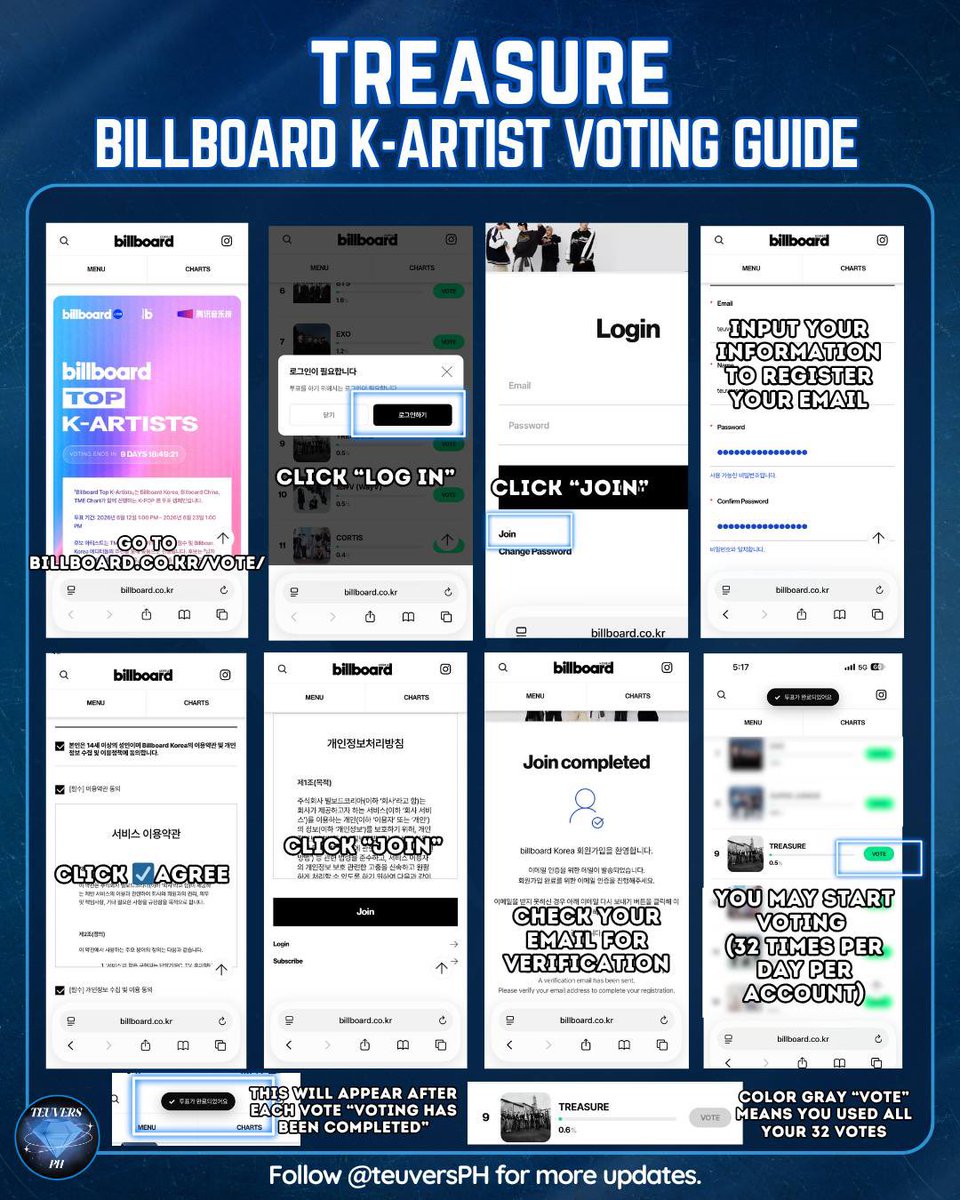
[VOTING GUIDE]
—BILLBOARD TOP K-ARTISTS
TREASURE is nominated for the MALE GROUP category🩵
Voting has started. Utilize all your emails! 🔥
VOTE HERE: billboard.co.kr/vote/
-You can cast 32 votes per day per account
-Votes reset every day at midnight KST
#TREASURE #트레저 #トレジャー @treasuremembers
9
258
278
26,038
SUPERきっこ∞kimikimi∞🖤 retweeted

【テレ東音楽祭 第1弾出演者発表】
6/28(日)18:30~22:54
「テレ東音楽祭2026夏」
MC:深澤辰哉
■出演アーティスト
・SUPER EIGHT
・Aぇ! group
#テレ東音楽祭 #SUPER_EIGHT #Aぇǃgroup
tv-tokyo.co.jp/ongakusai_202…
6
150
1,262
194,845
Ravi retweeted

Jun 13
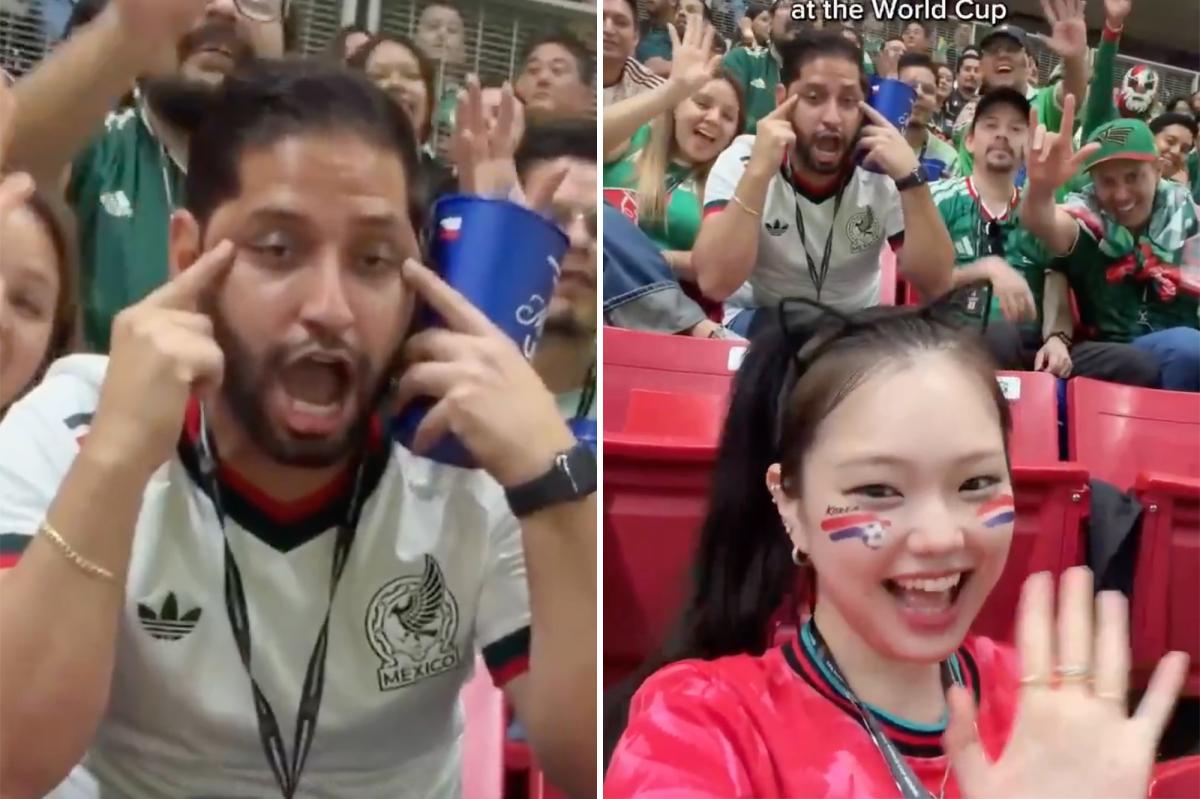
A Korean fan was filming herself at the World Cup when a group of Mexico supporters behind her started pulling their eyes into a slant and laughing at her.
Social media tracked the main guy down.
He's reportedly the president of Jalisco's college of surveyors….
Jun 12

El Presidente del Colegio de Topógrafos de #Jalisco dejando mal a los mexicanos en el #Mundial2026
3,431
21,453
109,972
10,670,907
るぴ🐱ALD1 retweeted

Jun 13
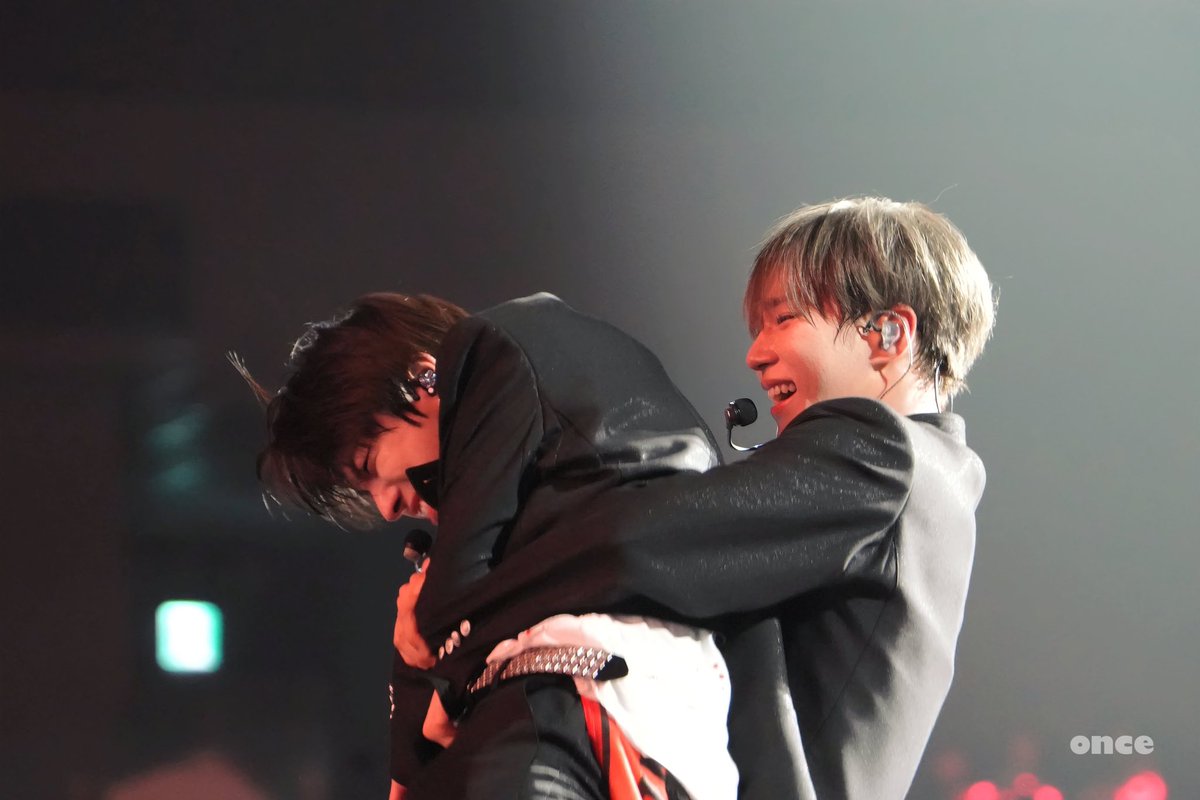
leo wanted to debut in a group, but instead, he gained a family. ❤️

1
386
2,106
13,957
Omolog retweeted

Mexican trade group leader fired after racist gesture during World Cup match trib.al/VdtKtIL
784
4,227
29,640
1,848,961
Hopie🇵🇦✨ retweeted

Jun 12
A lot of people don’t leave a fandom because they stopped loving the artist, group, or ship. Sometimes they leave because the fandom becomes exhausting, toxic, or no longer feels like a positive space.
25
1,699
5,540
203,518

It could mate. We need to be defensive x v Morocco. Possibly the best team in group

 far🍀
far🍀 小米守 retweeted

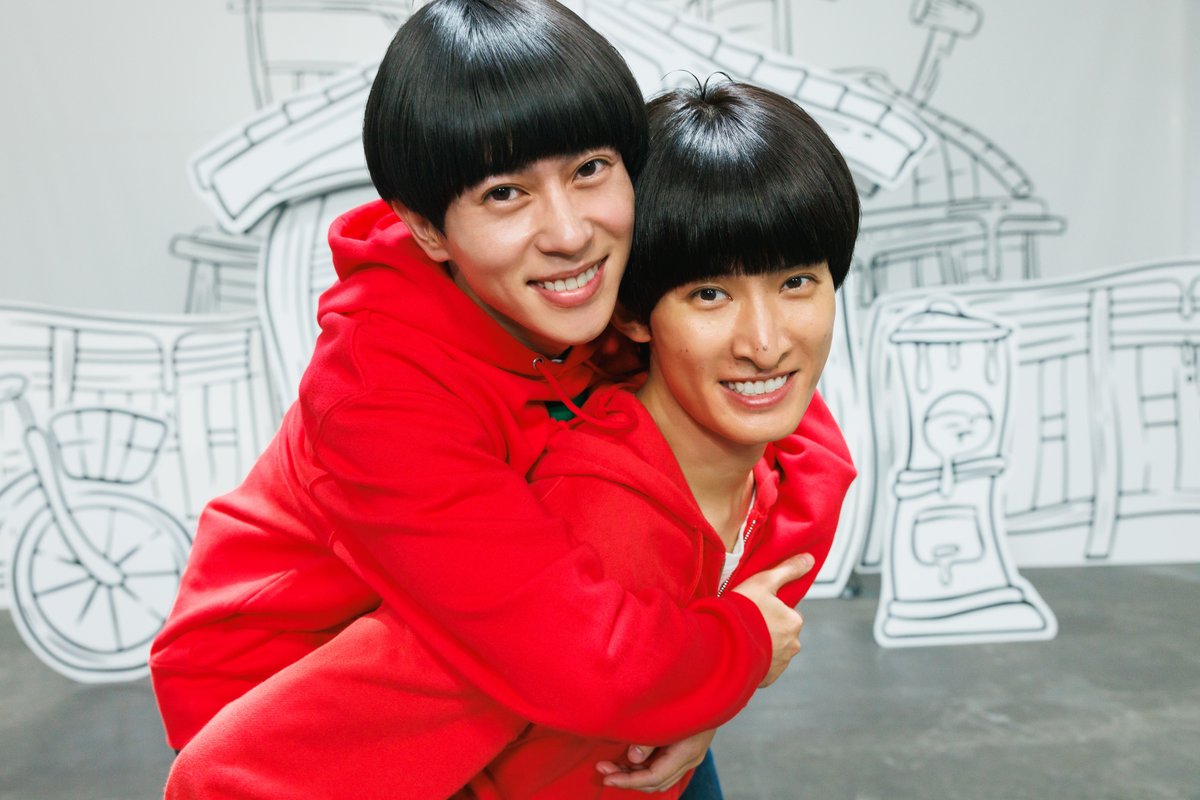
🎞️現場日誌ぇ! 𓂃✂︎・.。
新・旧おそ松さんのオフショット❤️
劇中で一体どんな絡みを見せるのか⁉️
乞うご期待!
映画『おそ松さん 人類クズ化計画!!!!!?』
🎬大ヒット上映中
主演:Aぇ! group┊草間リチャード敬太┊西村拓哉
67
7,119
41,745
575,610