
Apr 15
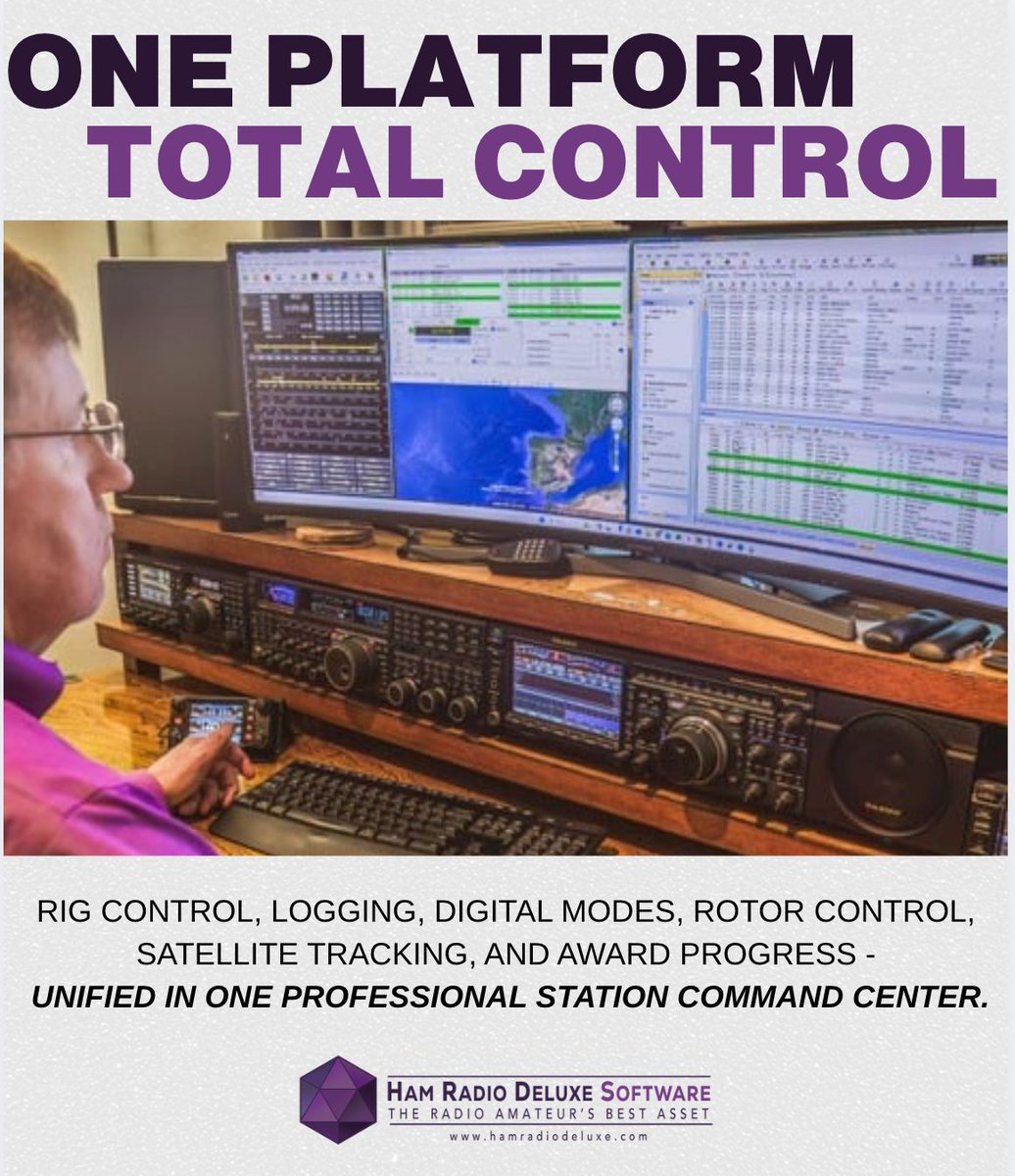
One platform. Total control.
Your station deserves software that works with your equipment — not beside it.
#hamradio #amateurradio #hamradiosoftware #hamr #hamradiodeluxe #hamoperator #hamshack #radiolife #hamcommunity #hrd #cq #hamradiooperator #hamgear
1
4
111

8 Dec 2025
Today is your last chance for the big Hangover Sale 🎉 We say thank you 🙏
wimo.com/en/black-weekend-sa…
Today is the final day ⏰🔥!
The HAMtastic Black Weekend has exceeded all expectations – the excitement was huge, the demand incredible, and many highlights sold out faster than we imagined ⚡🛍️.
But for everyone who couldn’t get enough, who was waiting for the perfect moment to grab their next tech highlight, or who simply wanted a true bargain, the Hangover Sale came at just the right time 🚀💸.
And now the decisive moment has come: today is the last day 🕛💥!
Until midnight, you still have the chance to grab exclusive deals, massive discounts, and true tech highlights 🎯📡. But beware ⚠️! Some offers are almost gone, others will quietly disappear as soon as stocks run out 👀💨. After that, it’s really over – no extension, no encore 🚫🛒.
We say thank you for your incredible enthusiasm during the HAMtastic Black Weekend and the Hangover Sale ❤️. Your opinion matters – feel free to write to us at marketing@wimo.com
💬📧.
And hopefully, you’ll join us again for the next HAMtastic 🙌✨.
Go to the Hangover Sale now: wimo.com/en/black-weekend-sa…
#hamradio #cbradio #electronics #hangoversale #blackweekend #wimo #radiotech #radiosale #techdeals #hamlife #hamoperator #dealalert #savemoney #hamradioequipment #radiogear #electronicsale #smartshopping #onlinesale #hamradiofun
3
263
30 Nov 2025
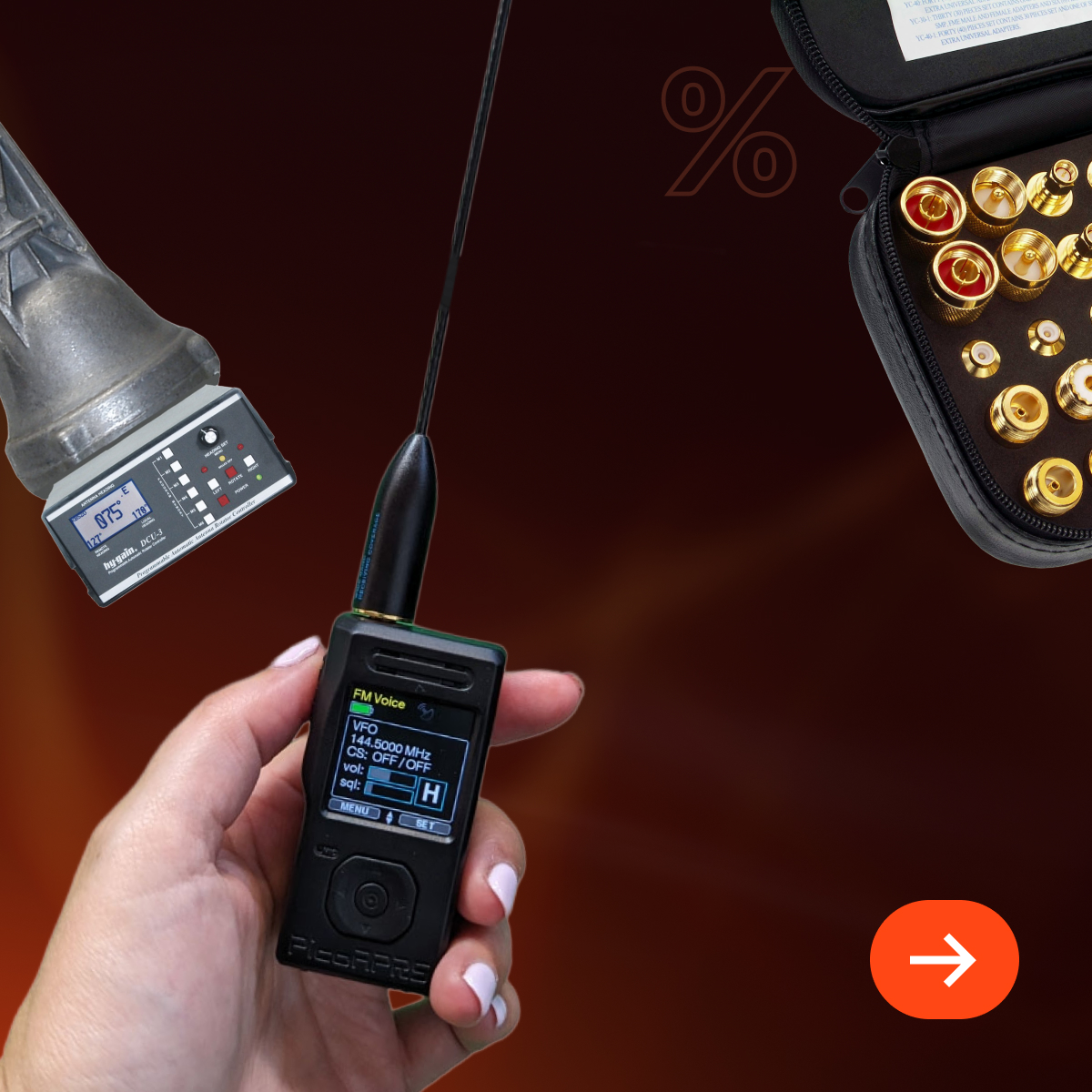
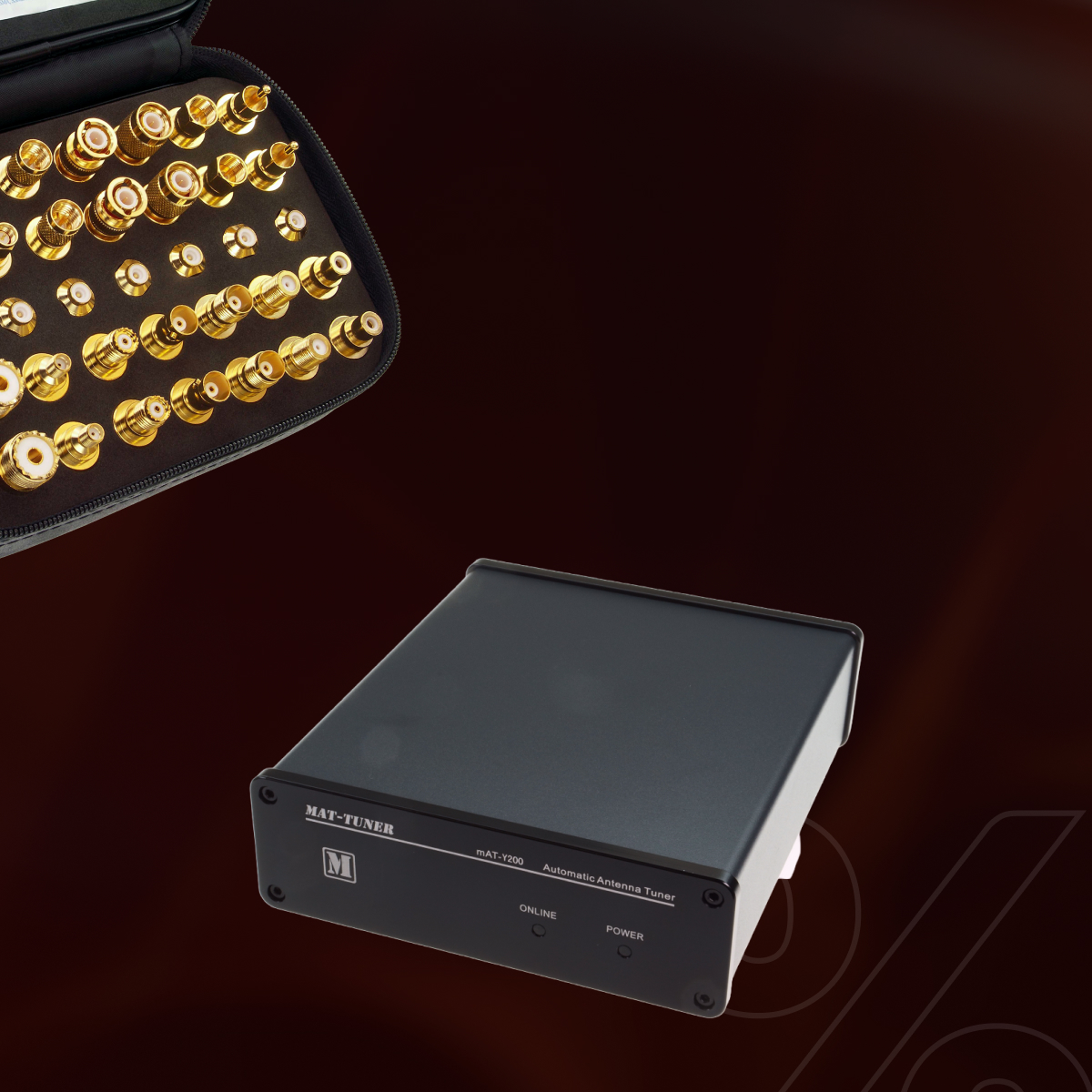
✨ Halftime at WiMo’s HAMtastic Black Weekend ✨
wimo.com/en/black-weekend-sa…
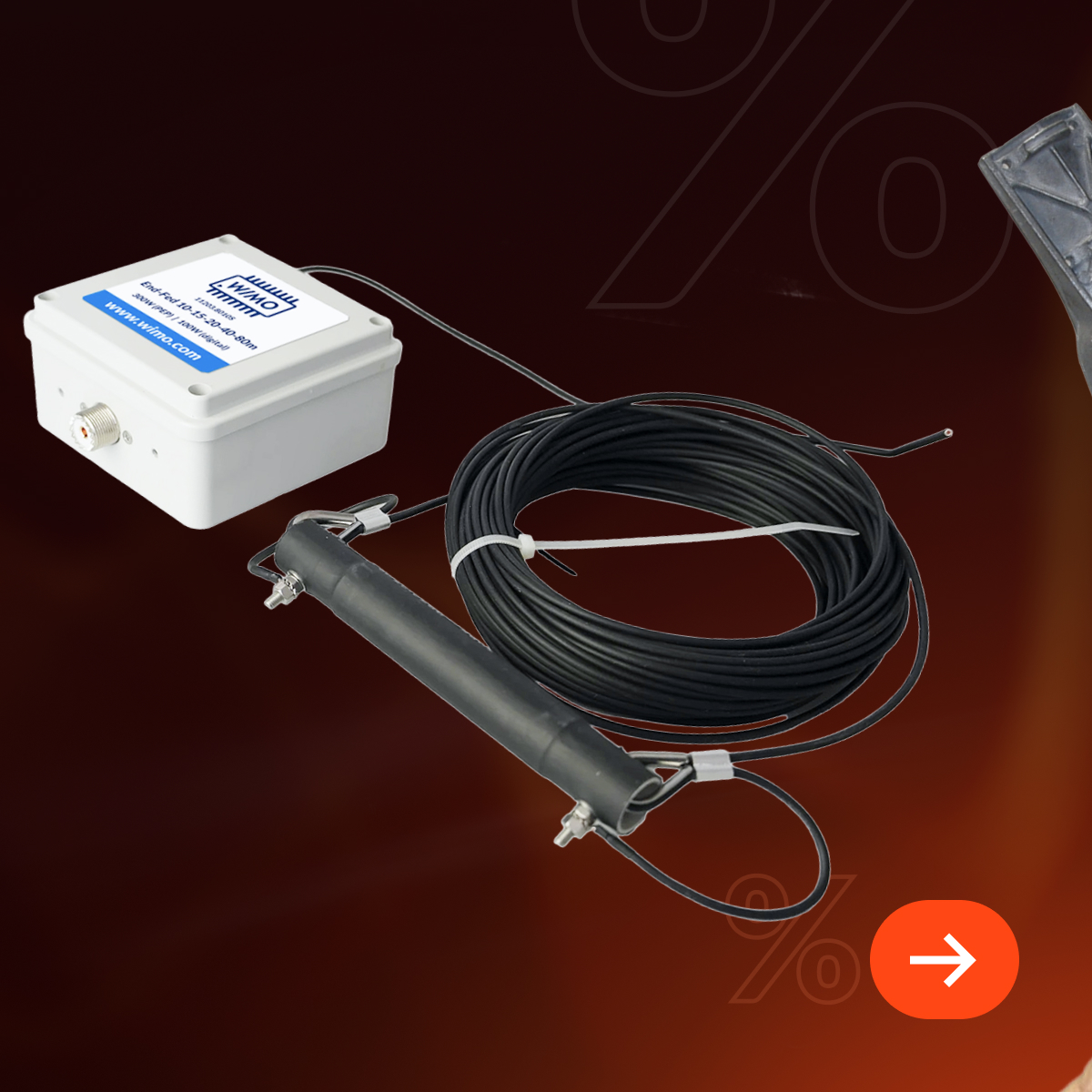
The sensational discounts on top brands just keep coming, and today we’ve prepared even more HAMtastic special offers for you 😍🛍️!
Grab your favorite products and enjoy free shipping* from Friday to Monday at:
wimo.com/en/black-weekend-sa…
🚀 Rules:
Offers are only available with a customer account. Create yours here: wimo.com/en/customer/account…
*Free shipping: Shipping of standard parcels (max. length 1.2 m, max. weight 20 kg) is free of charge for registered customers with a customer profile, starting from a minimum order value of €173, and only when using the shipping provider pre-selected by us.
Free shipping is only valid within the continental EU. No free delivery to islands, remote areas, or non-EU countries (rest of the world).
#hamradio #cbradio #electronics #blackweekend #blackfridaydeals #wimo #radiotech #hamlife #hamoperator #radiosale #dealalert #techsale #blackweek #hamradioequipment #radiogear #electronicsale
1
2
318
29 Nov 2025
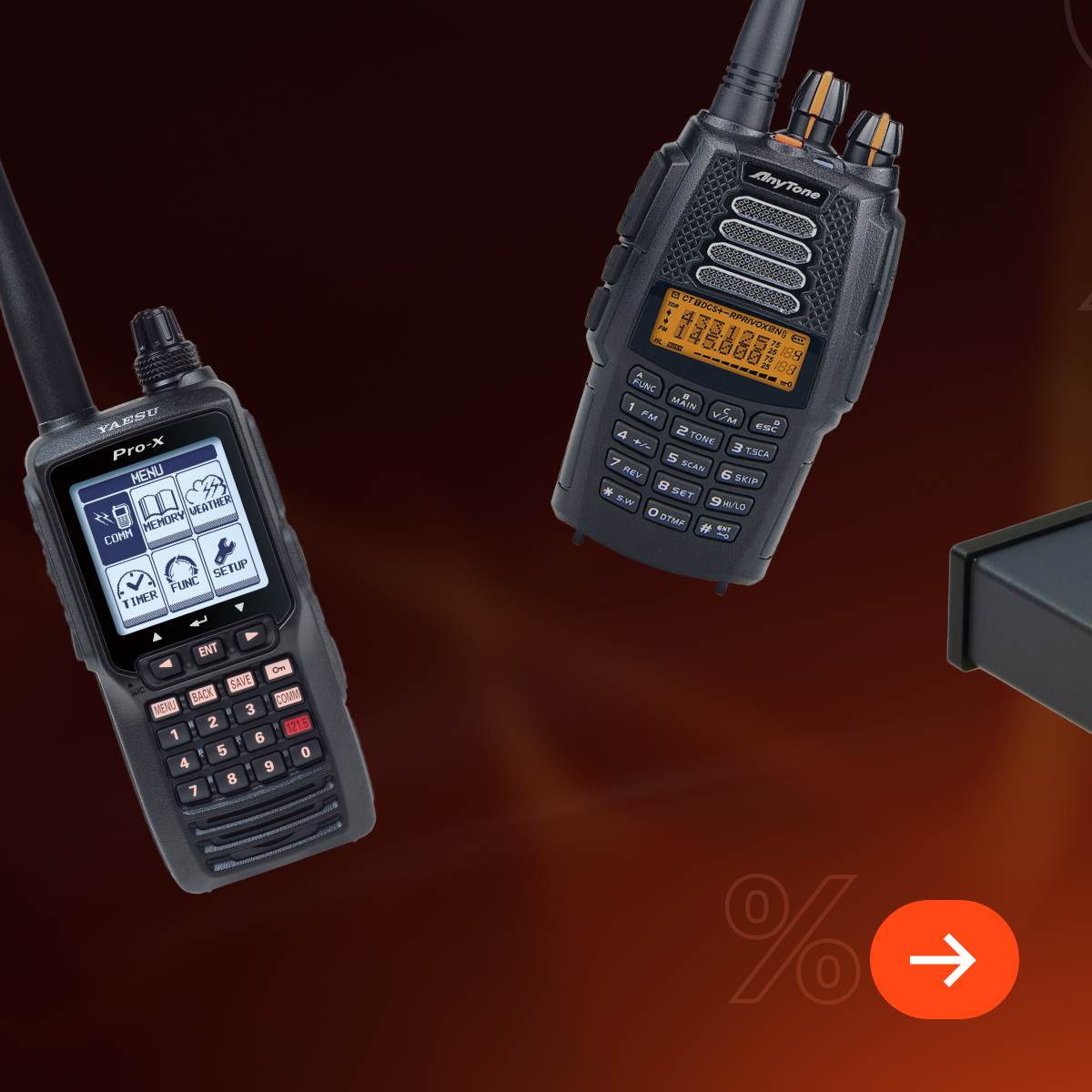
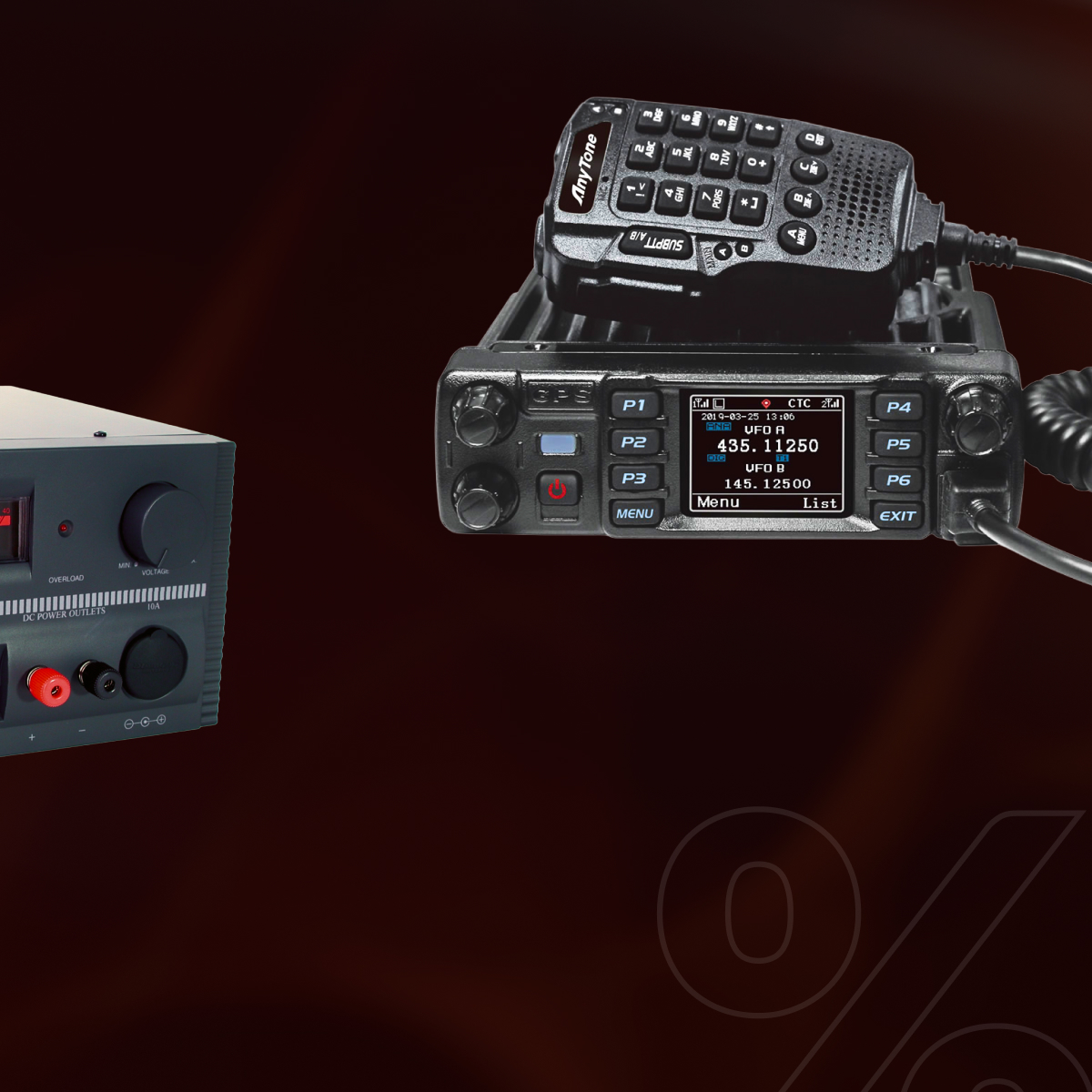
🛍️ Day 2 of WiMo’s HAMtastic Black Weekend 🛍️
wimo.com/en/black-weekend-sa…
Experience the second day with sensational discounts on top brands and discover today’s HAMtastic special offers ✨!
Don’t forget: free shipping from Friday to Monday* 😍! Take the opportunity and don’t miss any of these one-of-a-kind deals 🏃:
wimo.com/en/black-weekend-sa…
🚀 Rules:
Offers are only available with a customer account. Create yours here: wimo.com/en/customer/account…
*Free shipping: Shipping of standard parcels (max. length 1.2 m, max. weight 20 kg) is free of charge for registered customers with a customer profile, starting from a minimum order value of €173, and only when using the shipping provider pre-selected by us.
Free shipping is only valid within the continental EU. No free delivery to islands, remote areas, or non-EU countries (rest of the world).
#hamradio #cbradio #electronics #blackweekend #blackfridaydeals #wimo #radiotech #hamlife #hamoperator #radiosale #dealalert #techsale #blackweek #hamradioequipment #radiogear #electronicsale

1
2
299
28 Nov 2025
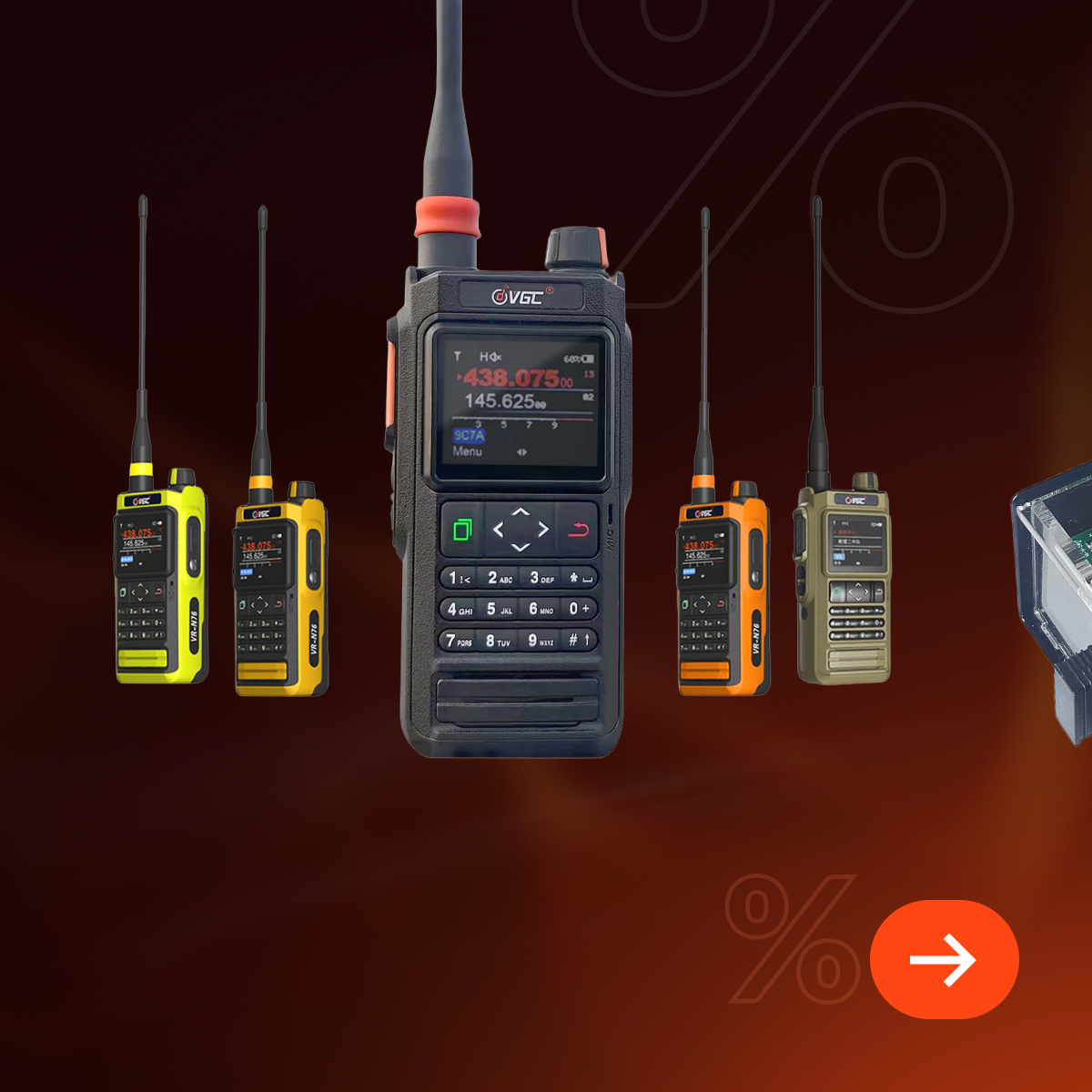
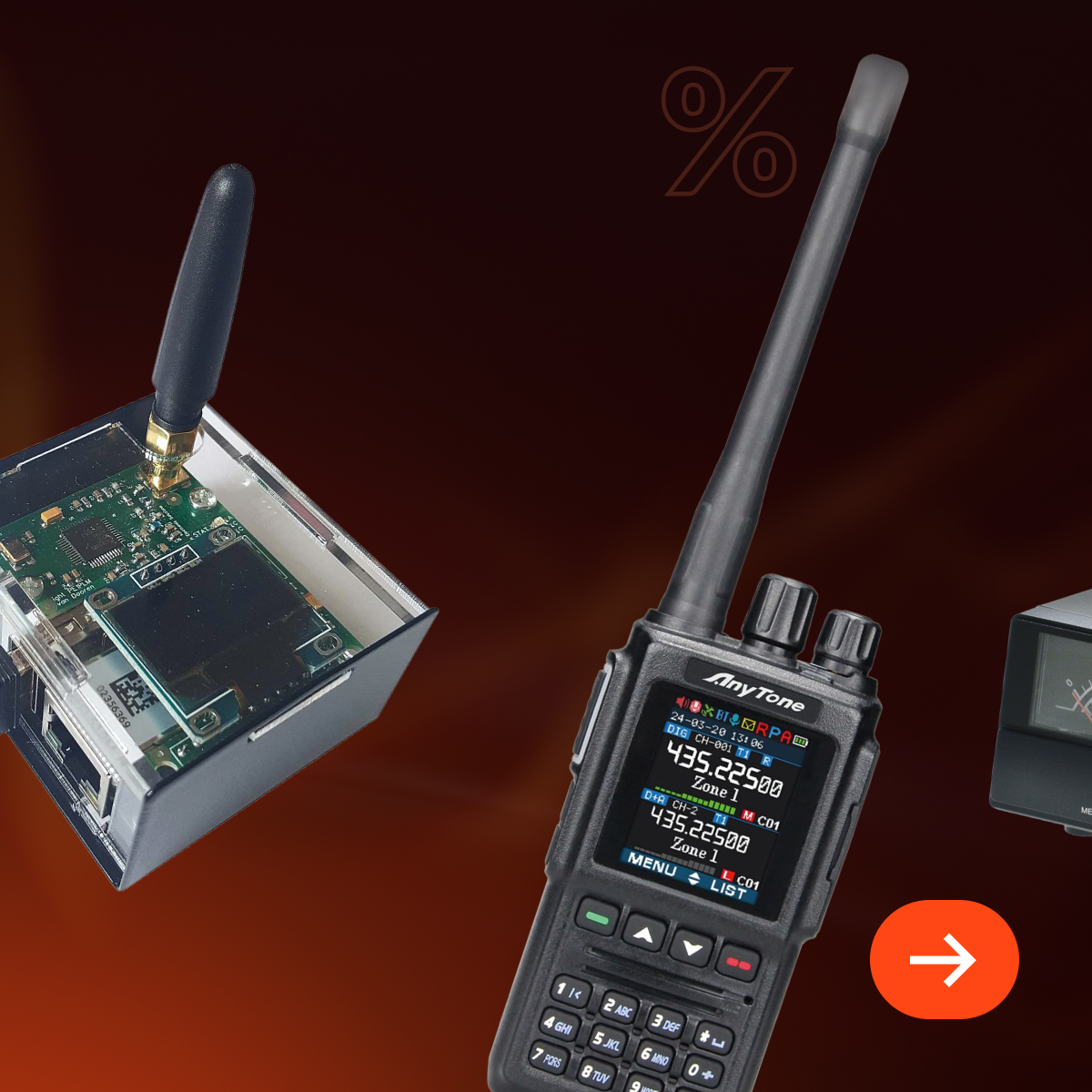
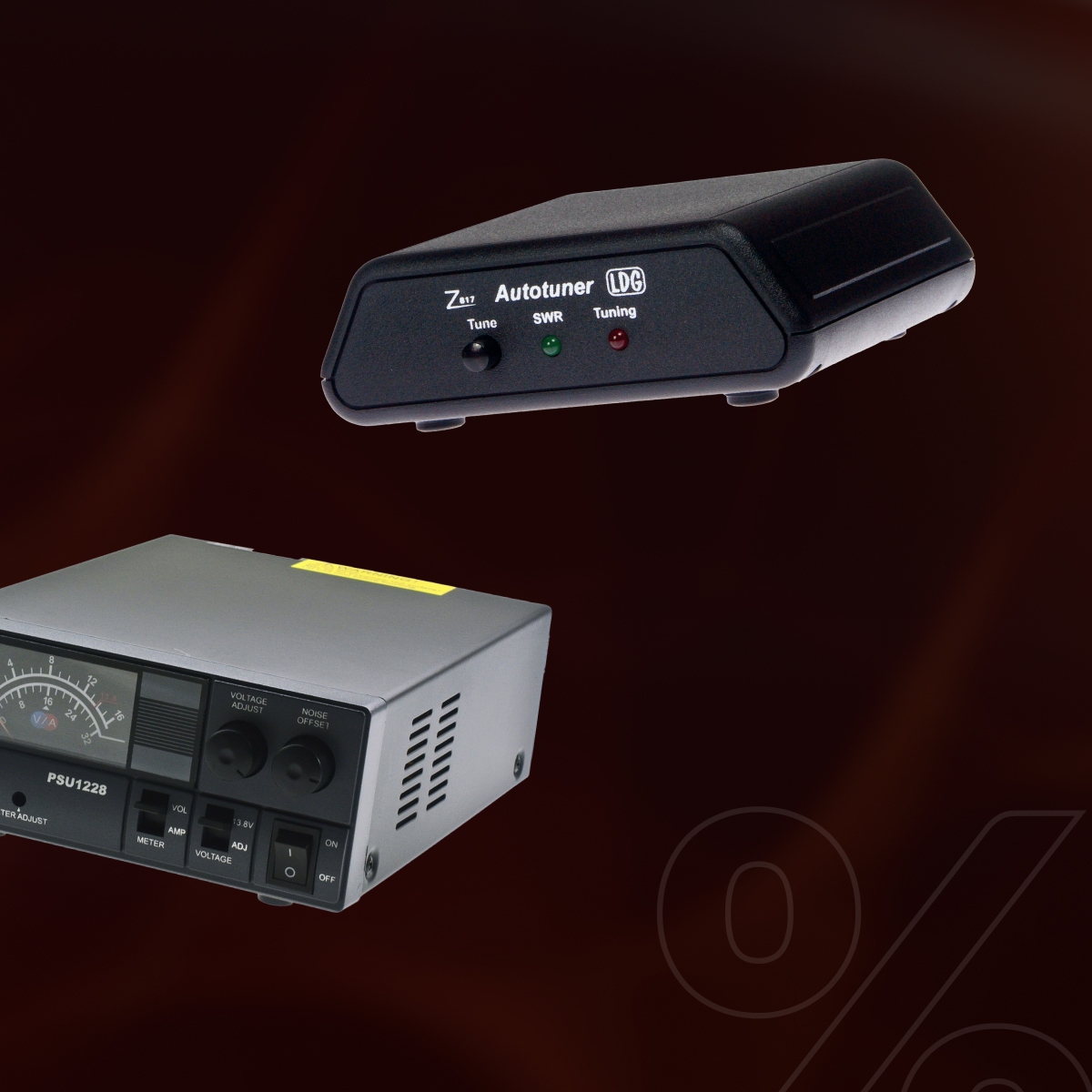
🎉 WiMo’s HAMtastic Black Weekend has started 🎉
wimo.com/en/black-weekend-sa…
From now on, enjoy sensational discounts on top brands and daily changing HAMtastic special offers! 🛍️✨
Take advantage of free shipping from Friday to Monday* and kick off your 96-hour shopping marathon 😍! Secure your favorite products and enjoy an unforgettable shopping experience here 🏃:
wimo.com/en/black-weekend-sa…
🚀 Rules:
Offers are only available with a customer account. Create yours here: wimo.com/en/customer/account…
*Free shipping: Shipping of standard parcels (max. length 1.2 m, max. weight 20 kg) is free of charge for registered customers with a customer profile, starting from a minimum order value of €173, and only when using the shipping provider pre-selected by us.
Free shipping is only valid within the continental EU. No free delivery to islands, remote areas, or non-EU countries (rest of the world).
#hamradio #cbradio #electronics #blackweekend #blackfridaydeals #wimo #radiotech #hamlife #hamoperator #radiosale #dealalert #techsale #blackweek #hamradioequipment #radiogear #electronicsale
1
3
187
27 Nov 2025
😲 Are you ready for WiMo’s HAMtastic Black Weekend 😲?
wimo.com/en/black-weekend-sa…
From November 28 to December 1, 2025, exclusive discounts and deals await you 🛍️✨
- Sensational discounts on top brands
- 12 daily changing HAMtastic special offers
- Free shipping from Friday to Monday*
Get ready for a 96-hour shopping marathon 🕒🔔! Secure your favorite products and enjoy an unforgettable shopping experience here: wimo.com/en/black-weekend-sa…
🚀 Rules:
Offers are only available with a customer account. Create one here: wimo.com/en/customer/account…
*Free shipping: Shipping of standard parcels (max. length 1.2 m, max. weight 20 kg) is free of charge for registered customers with a customer profile, starting from a minimum order value of €173, and only when using the shipping provider pre-selected by us.
Free shipping is only valid within the continental EU. No free delivery to islands, remote areas, or non-EU countries (rest of the world).
#hamradio #cbradio #electronics #blackweekend #blackfridaydeals #wimo #radiotech #hamlife #hamoperator #radiosale #dealalert #techsale #blackweek #hamradioequipment #radiogear #electronicsale

1
3
253

新しいこと🆕
アマチュアだから
📡 アマチュア無線/CW関連
#アマチュア無線 #アマチュア無線家 #CW #モールス信号
#CW愛好会 #POTA #SOTA #HamRadio #HamOperator #CWmorse
#JARL #ARRL #HamFair2026 #愛知県POTA_CW愛好会 #A1Club
#ファンテナ #QSLカード #QSLdesign #HamFairTokyo

1
3
125
📡 アマチュア無線/CW関連
#アマチュア無線 #アマチュア無線家 #CW #モールス信号
#CW愛好会 #POTA #SOTA #HamRadio #HamOperator #CWmorse
#JARL #ARRL #HamFair2026 #愛知県POTA_CW愛好会 #A1Club
#ファンテナ #QSLカード #QSLdesign #HamFairTokyo
1
3
221
📡 アマチュア無線/CW関連
#アマチュア無線 #アマチュア無線家 #CW #モールス信号
#CW愛好会 #POTA #SOTA #HamRadio #HamOperator #CWmorse
#JARL #ARRL #HamFair2026 #愛知県POTA_CW愛好会 #A1Club
#ファンテナ #QSLカード #QSLdesign #HamFairTokyo
3
162
🎬 第8章:Echoes of the Cosmos(宇宙のこだま)
— “The signals never fade; they become light.”
⸻
🌠 概要(Synopsis)
この章は、第7章「The Prayer of Light」で放たれた“光の祈り”が、
やがて宇宙の深淵を旅し、**こだま(Echo)**となって地球へと帰還する物語です。
CWモールスという「人間の心の信号」は、
時間と空間を超えて、やがて光そのものに変わる。
見えない電波は、銀河の彼方を漂いながら星々の共鳴を呼び起こし、
静寂の宇宙に愛と希望の振動を刻み続ける。
それは通信を超えた魂の往復。
発信者と受信者の境界が消え、
人間と宇宙が共に祈る瞬間を描いた章です。
⸻
💫 メッセージ
“Every signal you send is never lost.
It becomes light — a prayer that travels forever.”
あなたが放つ信号は、決して消えることはない。
それは光となり、永遠に宇宙を旅する祈りになる。
⸻
🎙️ ナレーション(日本語版)
(静かなCW音が遠くに響く中で)
見えない信号が、
宇宙を漂っている。
それは、ただの通信ではない。
光となり、祈りとなり、
星々を渡る。
やがてその光は、こだまとなって帰ってくる。
愛と希望の波として、
人の心へと──。
(CW音がフェードアウトし、微かな光が画面を包む)
de JF2PDA🇯🇵
📡 アマチュア無線/CW関連
#アマチュア無線 #アマチュア無線家 #CW #モールス信号
#CW愛好会 #POTA #SOTA #HamRadio #HamOperator #CWmorse
#JARL #ARRL #HamFair2026 #愛知県POTA_CW愛好会 #A1Club
#ファンテナ #QSLカード #QSLdesign #HamFairTokyo
3
76

7 Sep 2025
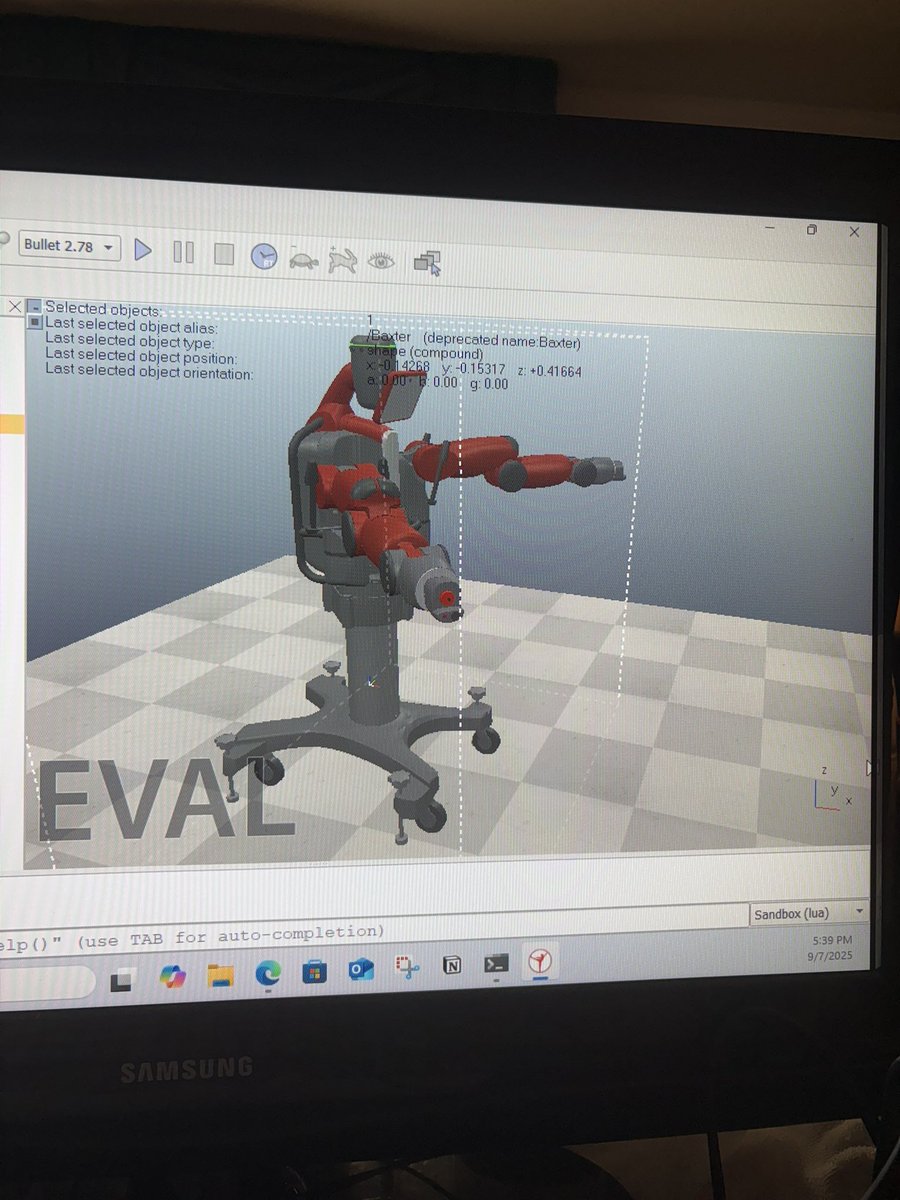
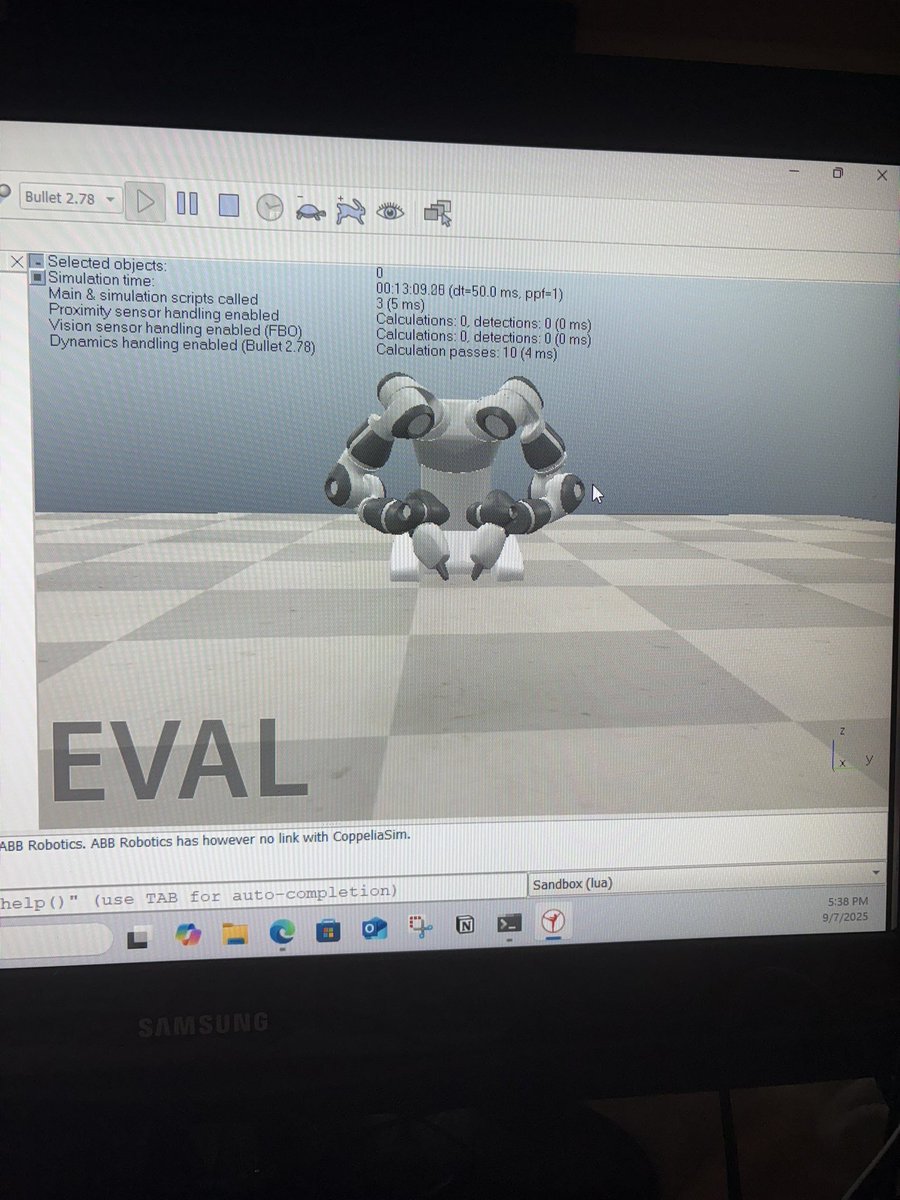
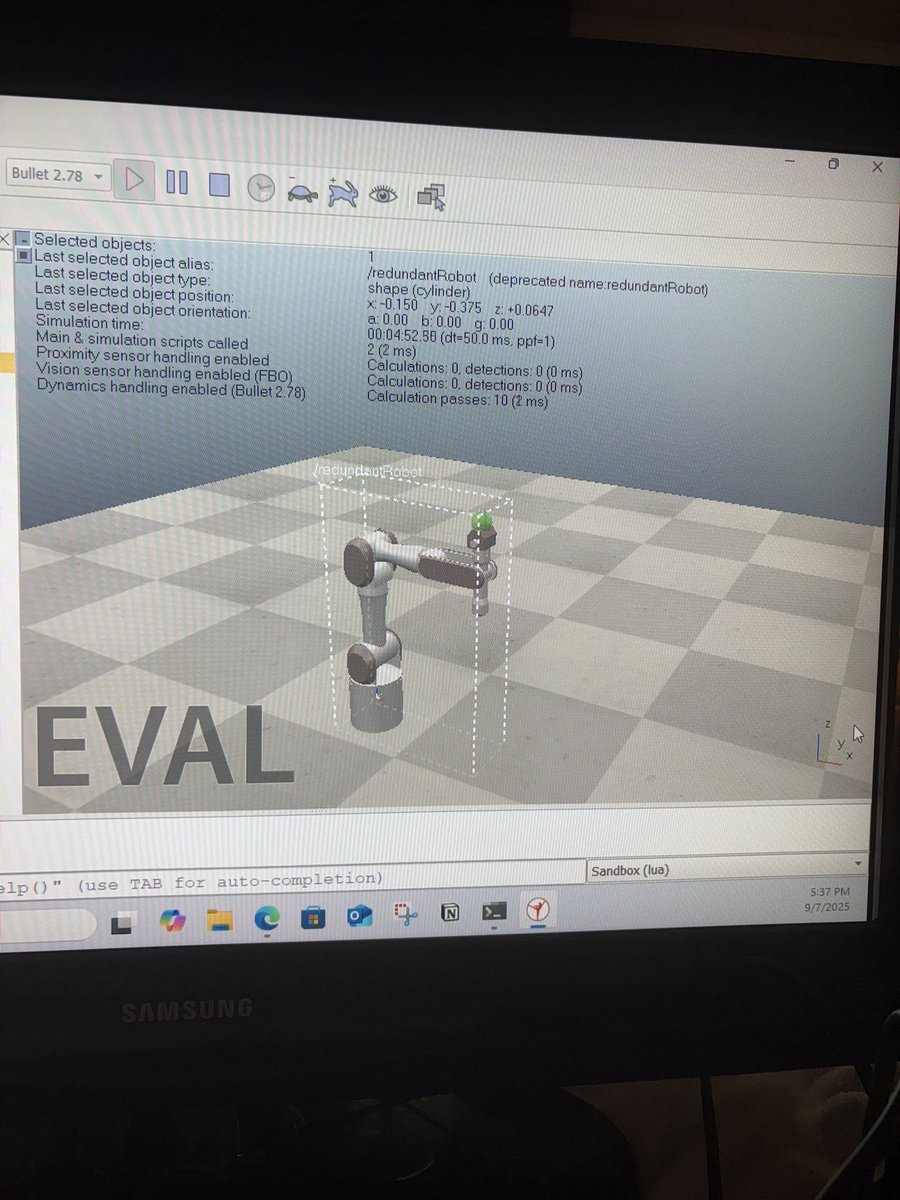
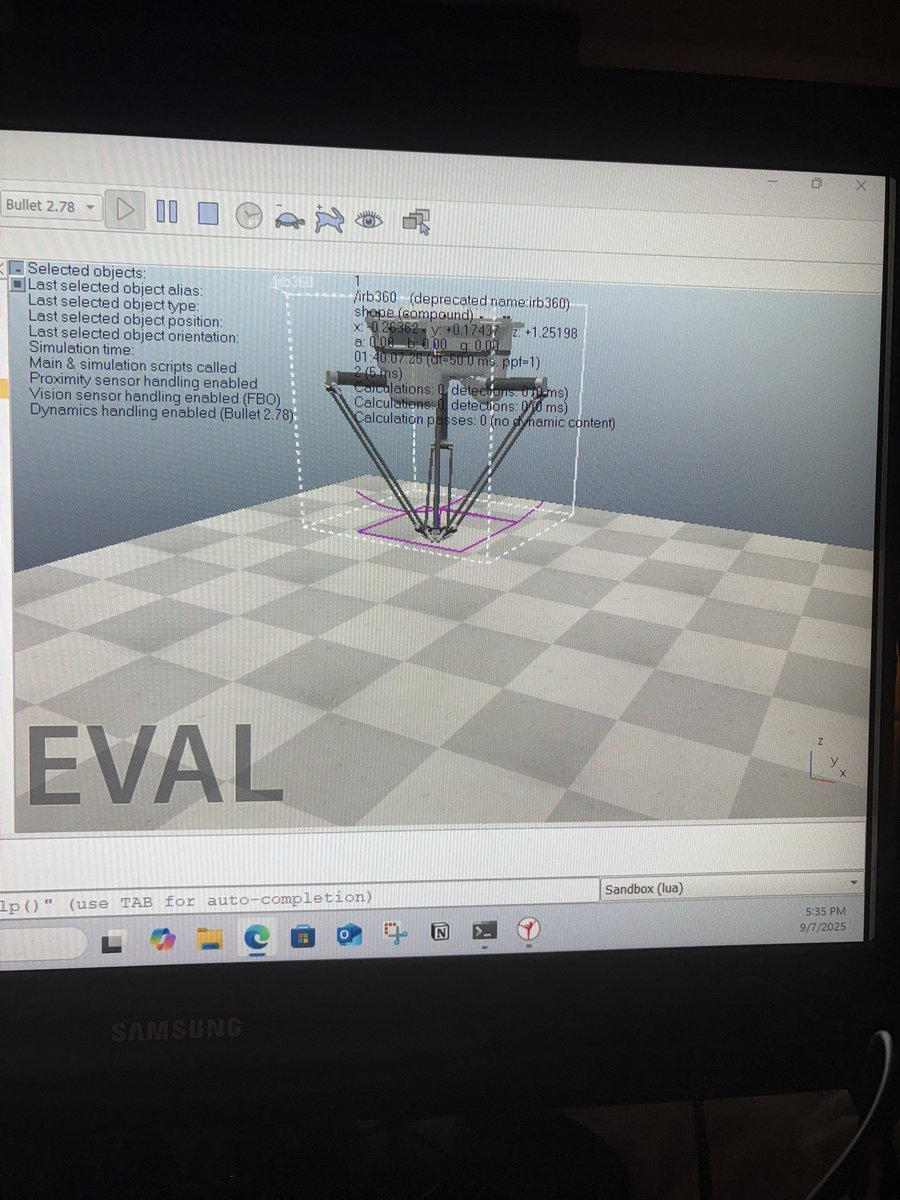
Working through the Modern Robotics: Mechanics, Planning, and Control Specialization from Northwestern University using CoppeliaSim Pro for simulation. This course focuses on the modeling and control of robotic arms and autonomous systems. I’m currently running simulations across a wide range of industrial robots to better understand real-world manipulator kinematics, dynamics, and task-space planning algorithms.
CoppeliaSim Pro enables rapid testing and iteration of robot behavior in 3D environments. Each model I work with reinforces engineering fundamentals like joint control, motion planning, sensor integration, and inverse kinematics. This builds directly on my prior additive manufacturing training and robotics exposure. While I had experience with the business side of 3D printing back in 2015, I am now advancing into the technical implementation of these systems.
All of this contributes toward developing the skill sets and technical depth required for the astronaut candidate program. Robotics systems are a cornerstone of both space exploration and operations, and these hands-on simulations strengthen my readiness across controls, automation, and mission-support technologies.
#Astronaut #NASA #AstronautCandidate #Aspiring #Space #Science #Technology #Engineering #STEM #Aviation #Pilot #USArmy #Army #USAF #AirForce #SpecialForces #GreenBerets #Military #Fitness #Cycling #Climbing #Diving #SCUBA #HAMOperator
2
149
4 Sep 2025
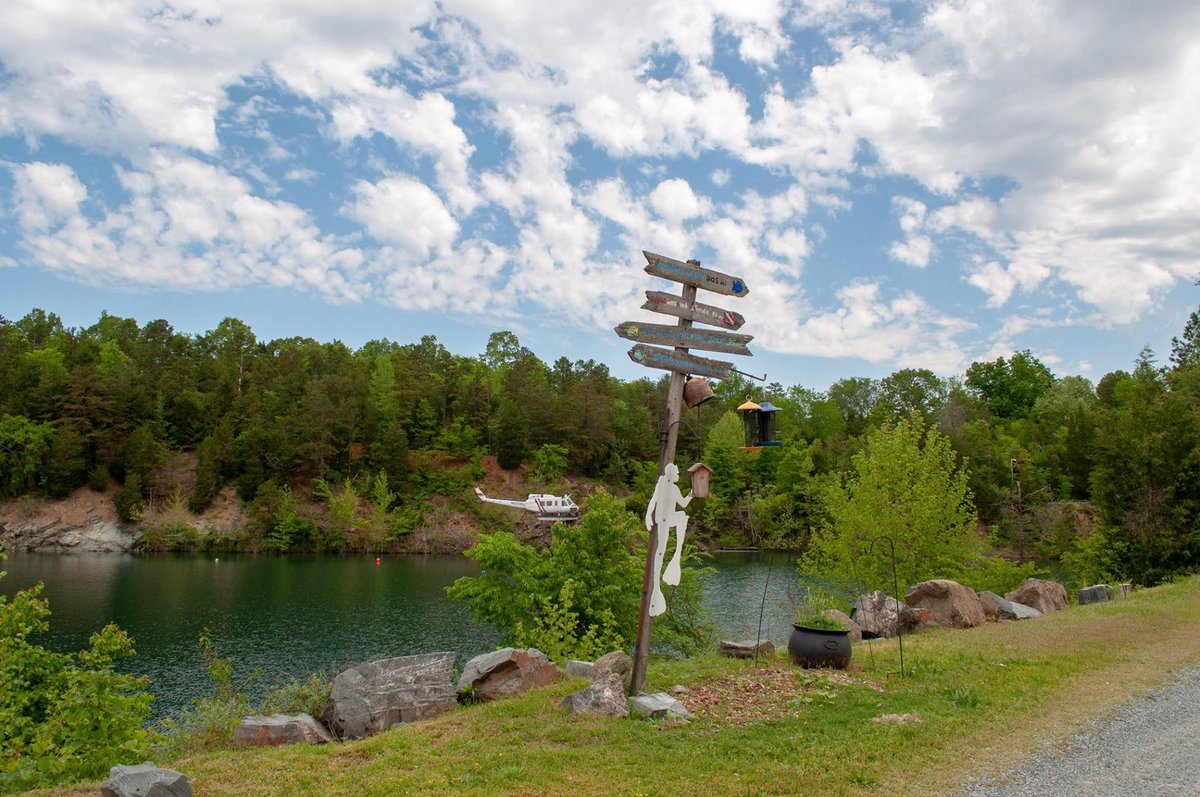
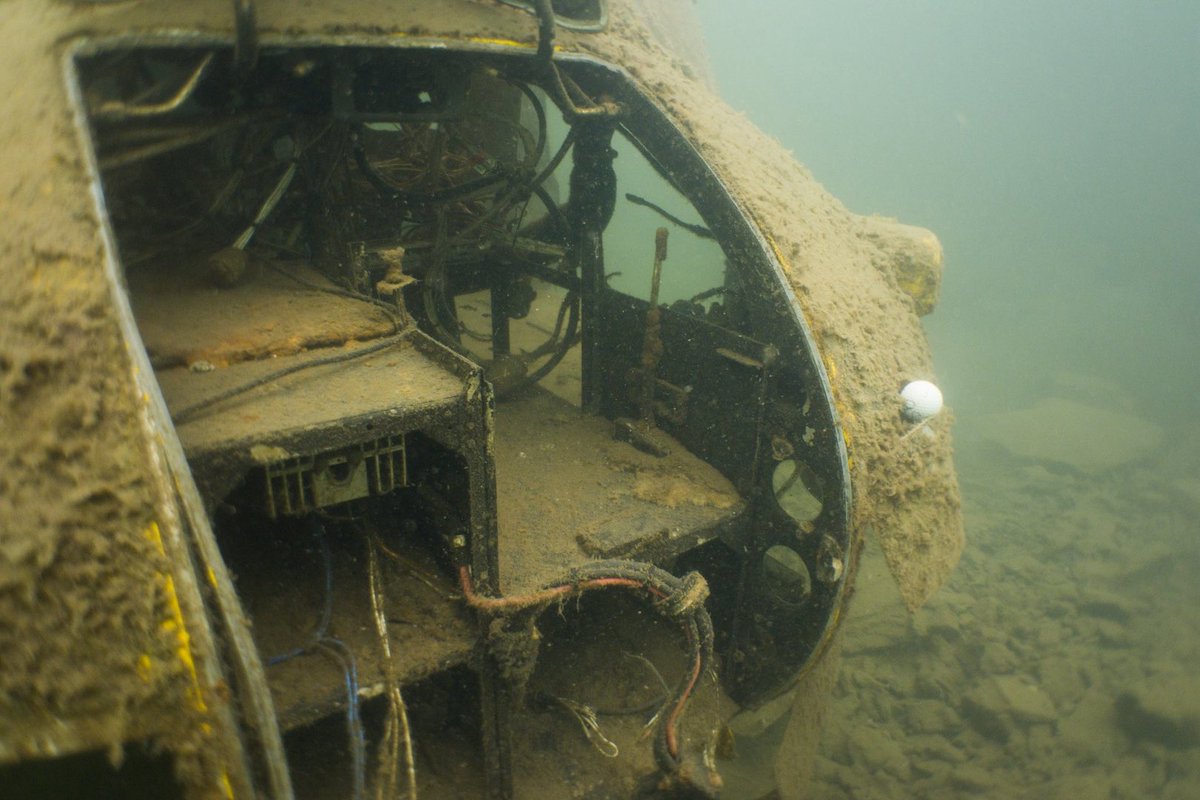
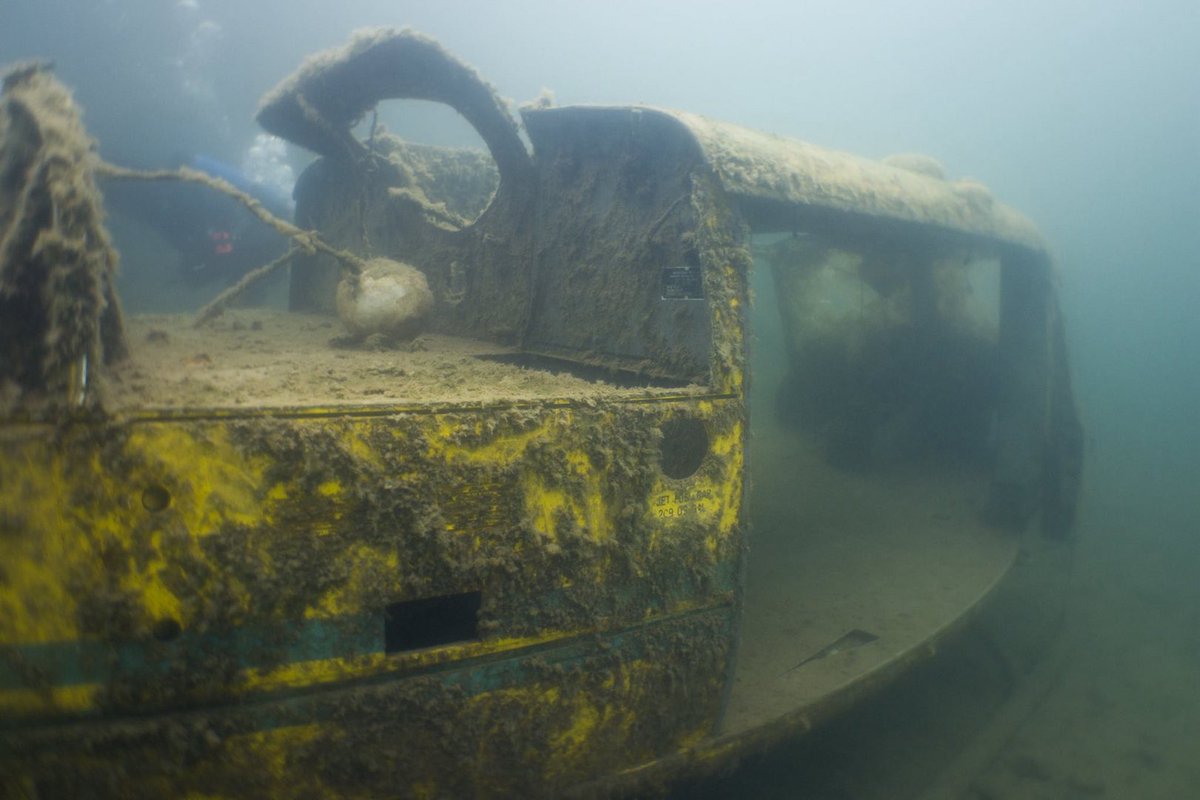
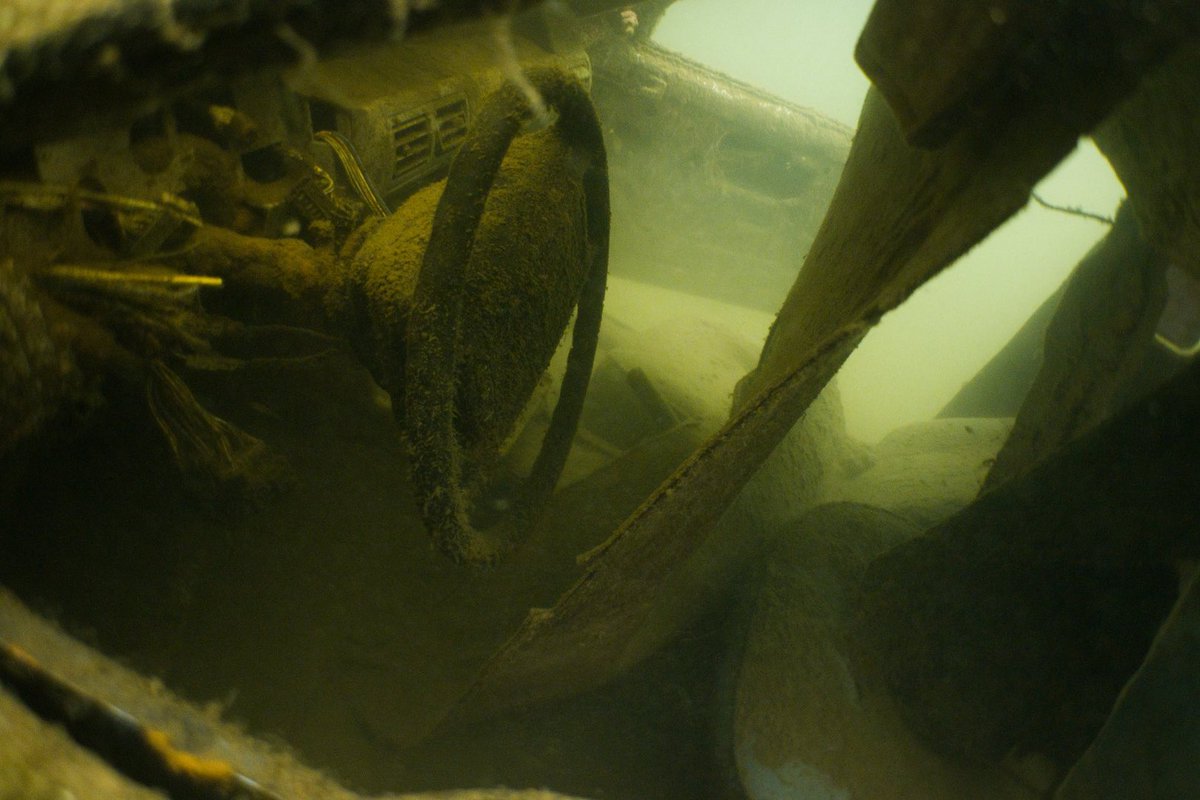
Currently working toward my Advanced Diver certification, with some of my training taking place at Blue Stone Dive Resort. Conditions here are challenging and realistic, with visibility often limited to two or three feet. The site includes submerged aircraft, vehicles, and boats that serve as physical obstacles and problem-solving tools. It provides a chance to train in environments that require composure, spatial awareness, and coordination under pressure.
I understand diving is often recreational, but for me it has professional relevance. I am working toward astronaut candidacy, and diving is one of the best analogs we have for working in microgravity. The neutral buoyancy, limited visibility, and task complexity in these environments simulate many of the physiological and cognitive demands seen in space operations. It is not just about comfort in the water, it is about learning how to think, move, and work under constraint.
I am looking to expand into technical and specialty diving courses. These will allow me to train under conditions that integrate physics, critical thinking, and real-time decision making. I want to make progress in the environments that force me to slow down, think deliberately, and improve with each iteration.
#Astronaut #NASA #AstronautCandidate #Aspiring #Space #Science #Technology #Engineering #STEM #Aviation #Pilot #USArmy #Army #USAF #AirForce #SpecialForces #GreenBerets #Military #Fitness #Cycling #Climbing #Diving #SCUBA #HAMOperator
3
78
30 Aug 2025
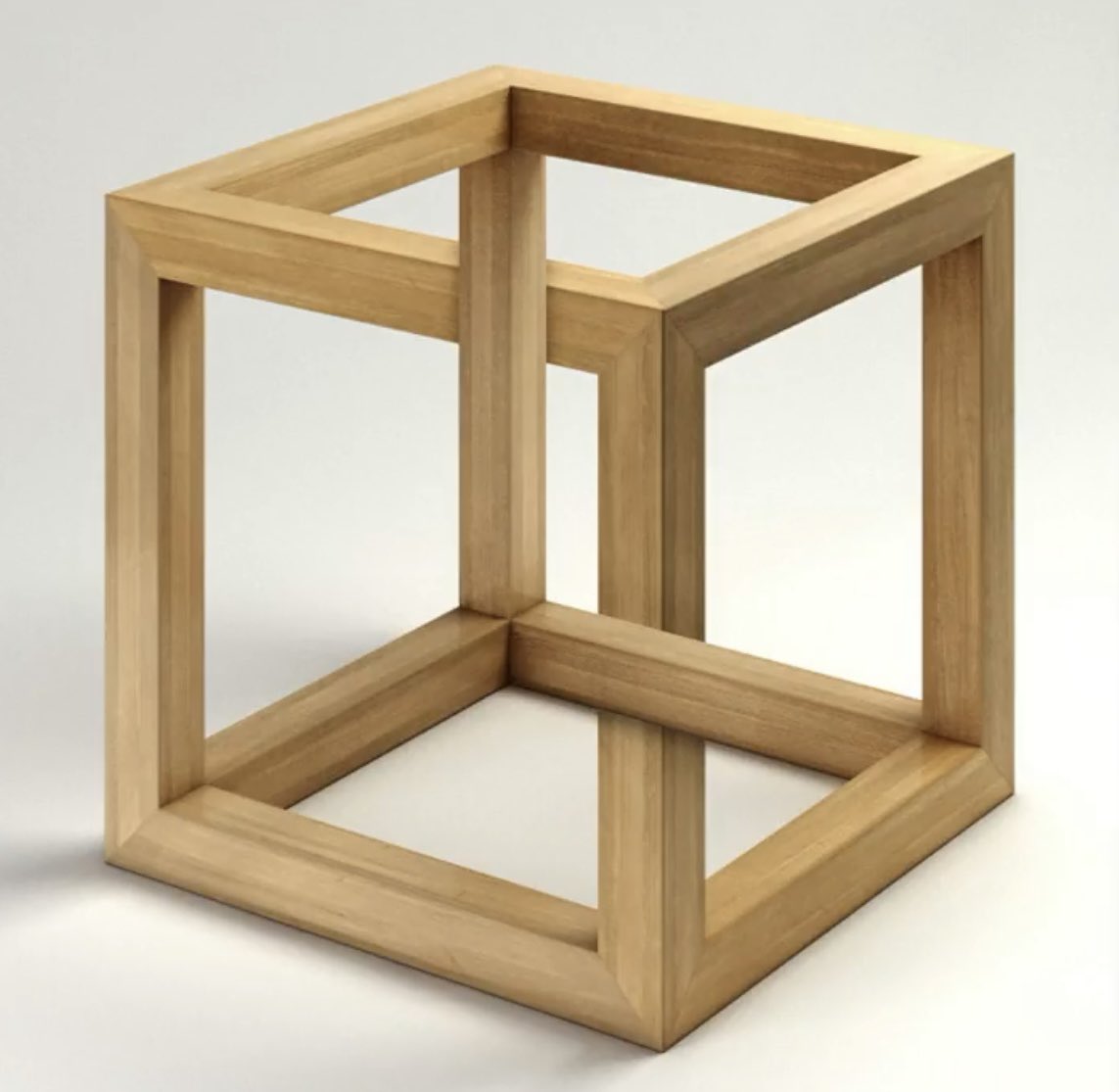
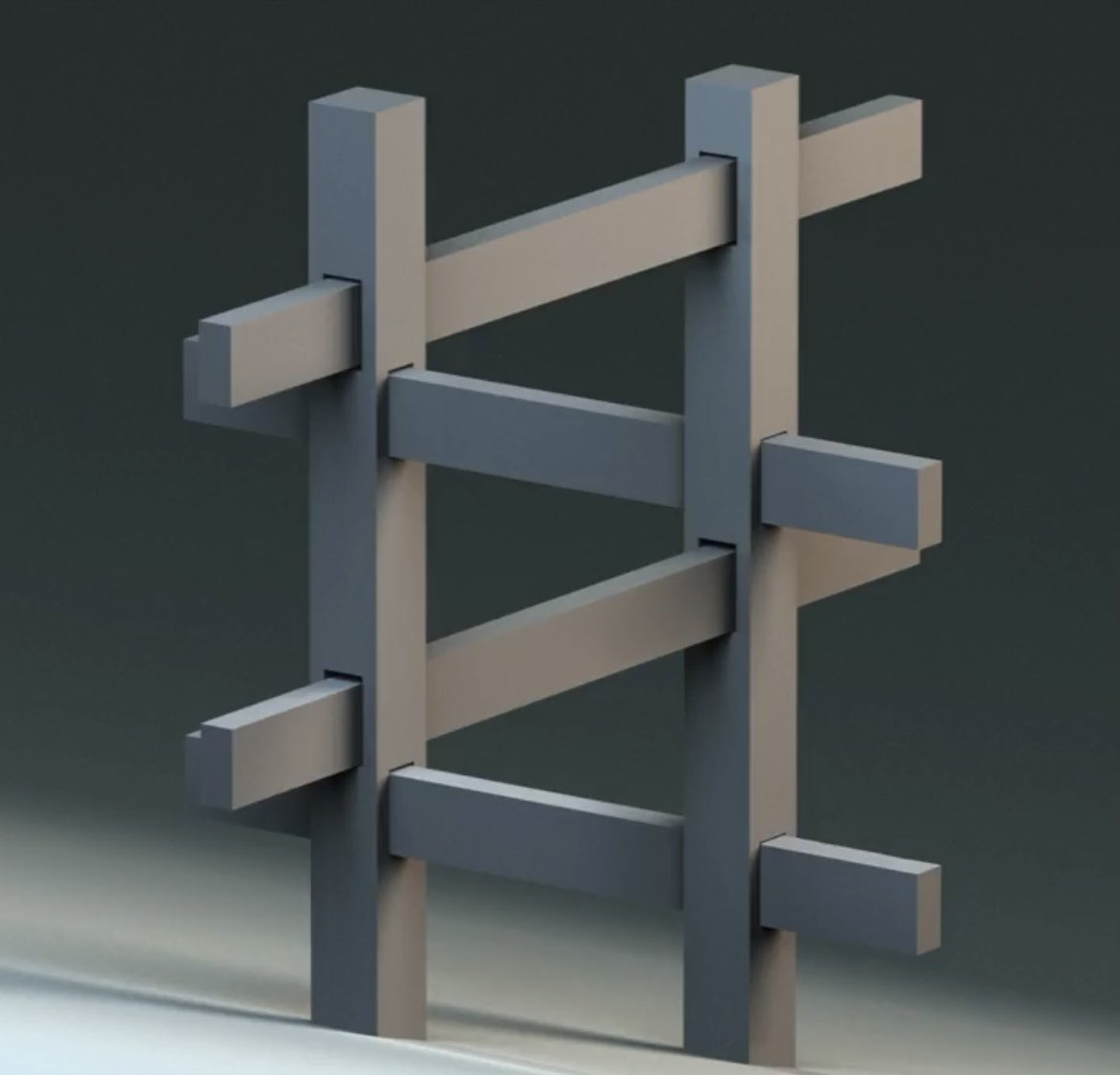
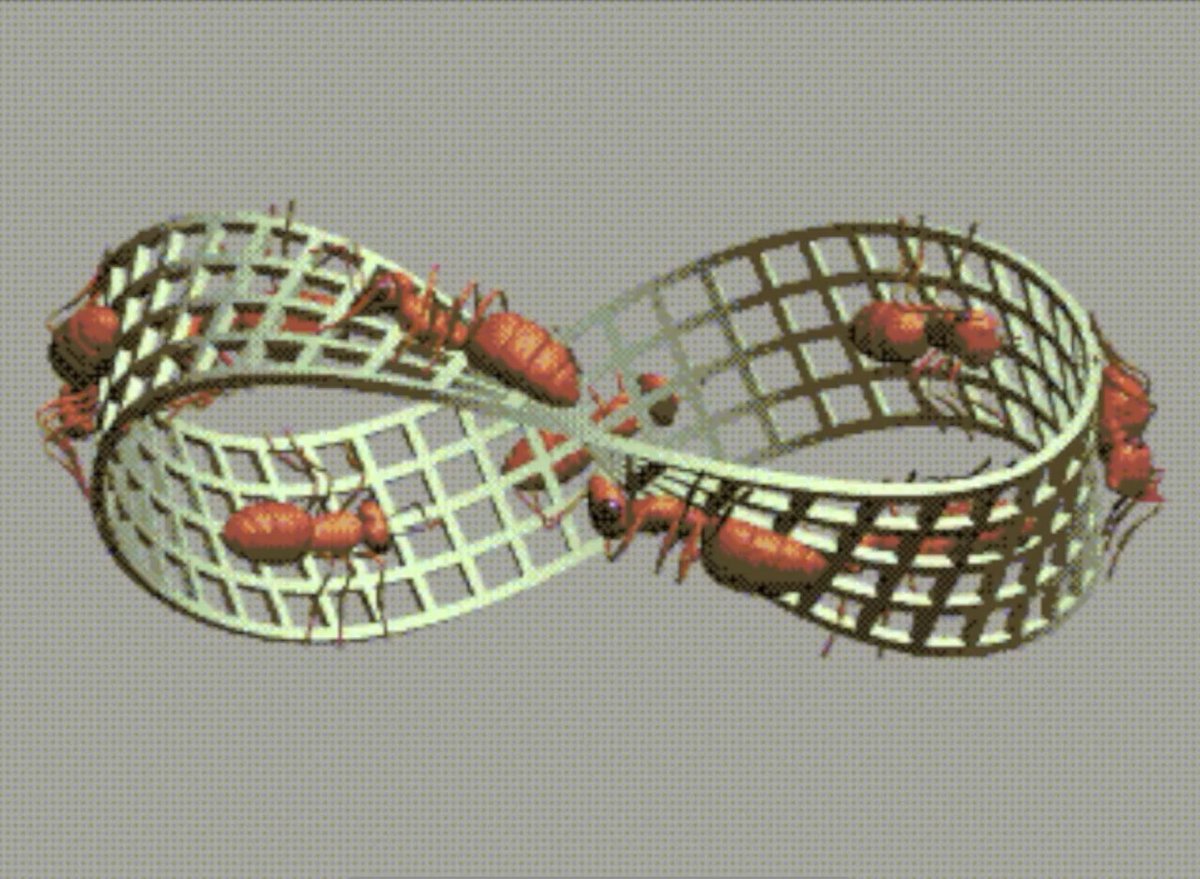
In my Astronomy: Exploring Time & Space course we are exploring examples of impossibilities in art and science. Some creations look real but cannot actually be constructed. The impossible cube, the never-ending ladder, and the Möbius strip with ants all appear solid and logical, yet they defy the rules of physical reality.
This connects to how composer Conlon Nancarrow created music for player pianos altered to play at impossible speeds. The result was music no human could ever perform, yet it expanded what we thought was possible in sound.
These works remind us that imagination goes far beyond the limits of the physical world. They help us see how human perception is limited and how easily we can mistake illusion for reality. In astronomy this is especially important because much of what we study cannot be touched or recreated. We rely on indirect evidence, mathematics, and imagination to make sense of black holes, the origin of the universe, and even the possibility of life elsewhere.
Thinking about impossible art and music reminds us that the cosmos itself may be stranger and more complex than what our senses alone can understand. Just as artists challenge the limits of perception, astronomers must challenge the limits of knowledge to expand our understanding of life and the universe.
#Astronaut #NASA #AstronautCandidate #Aspiring #Space #Science #Technology #Engineering #STEM #Aviation #Pilot #USArmy #Army #USAF #AirForce #SpecialForces #GreenBerets #Military #Fitness #Cycling #Climbing #Diving #SCUBA #HAMOperator

2
101
24 Aug 2025
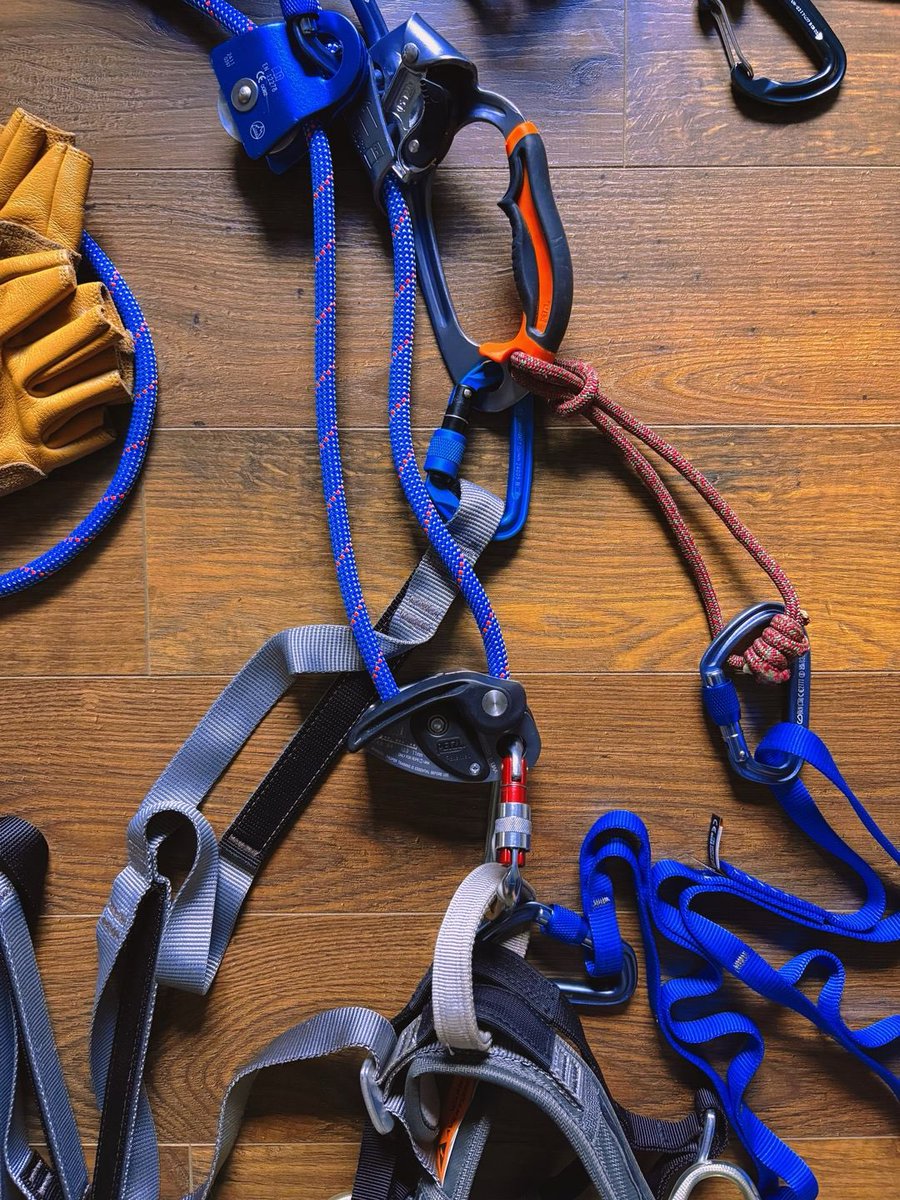
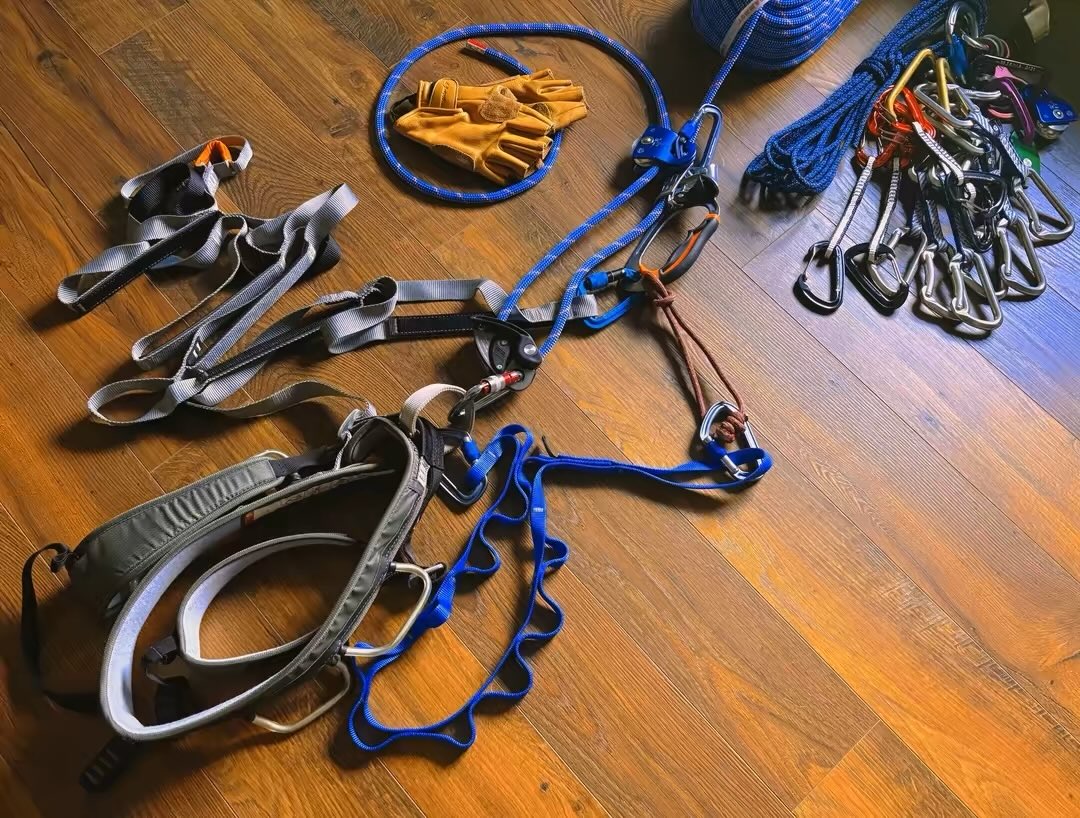
Testing a fixed rope ascension setup using a GriGri [assisted braking device], handled ascender [mechanical rope clamp], foot loop [webbing stirrup], and a redirect pulley [used to change pull direction and absorb load].
Most of the lift is managed through the pulley, which reduces strain and allows for downward pulling instead of stepping. It is efficient but limits leg movement. I also have a second point of safety with a daisy chain clipped to the ascender. The setup keeps me backed up and relatively stable, but there are other methods out there and likely better ones depending on the application.
I will keep testing this system and make adjustments as needed. Once I get more time on rope, I will share what works, what does not, and what I would change.
Once I regain proficiency. It has been some time since I have done any technical climbing, or honestly, any climbing at all. I am easing back into it and will be progressing more over time. Rebuilding familiarity with systems, gear, and vertical movement is part of the work.
I used to teach climbing in Korea and Washington while in the Air Force, but I have not used it much in the Army despite the nature of my work. Getting back on rope reminds me how relevant and transferable these skills still are.
Climbing builds orientation, system awareness, and controlled movement. It shows up in aviation, in special operations, and anywhere that requires vertical or confined access.
It also ties directly into astronaut training. Precision under load, system management, physical control in unstable conditions, and decision making without margin for error. You cannot afford to just improvise in these environments. You rely on discipline, habit, and preparation.
#Astronaut #NASA #AstronautCandidate #Aspiring #Space #Science #Technology #Engineering #STEM #Aviation #Pilot #USArmy #Army #USAF #AirForce #SpecialForces #GreenBerets #Military #Fitness #Cycling #Climbing #Diving #SCUBA #HAMOperator
3
85
20 Aug 2025
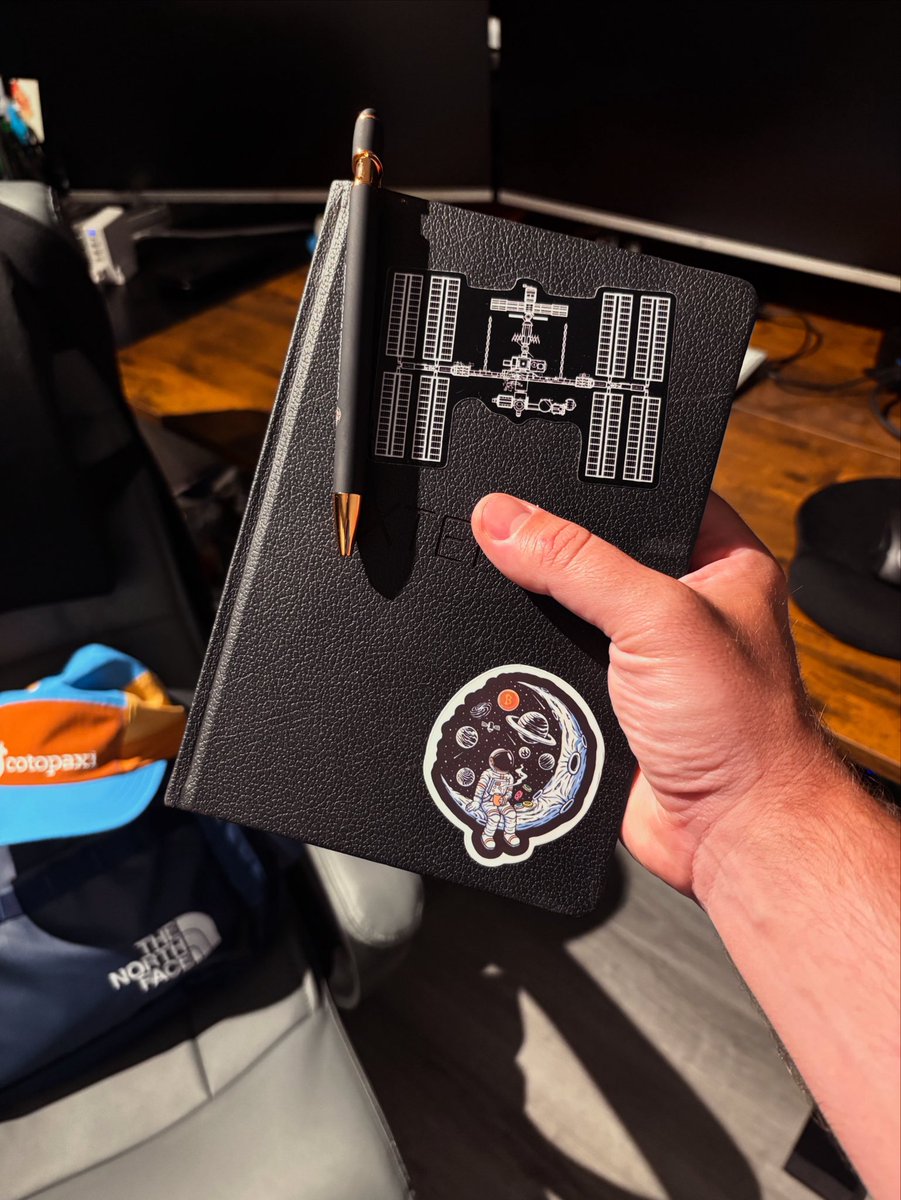
I’ve kept journals before. Random thoughts. Frustrations. Processing stuff. But I’ve never had one where I was actually honest. Where I wrote things down because I needed to change them.
That’s what this is.
I can log flights. I can log dives. I can finish courses and collect certs. But none of that matters if I’m still walking around with bad habits I’ve never addressed.
Some of it came from how I was raised. Some came from the military. Some of it is just from not keeping myself in check when I should have.
It’s stuff like
Snapping at people
Saying something just to get a reaction
Letting pride or sarcasm run the conversation
Making jokes I should keep to myself
Profanity and locker room talk
Staying quiet when I should speak up
These are things I’ve let slide for too long. And I’m not going to pretend they don’t matter anymore.
I want to become an astronaut. If I can’t clean this stuff up now, I don’t belong in that kind of environment later.
So I’m keeping track. For myself.
Situation
What happened
Action
What I did
Result
What I learned or what needs to change
That’s it.
#Astronaut #NASA #AstronautCandidate #Aspiring #Space #Science #Technology #Engineering #STEM #Aviation #Pilot #USArmy #Army #USAF #AirForce #SpecialForces #GreenBerets #Military #Fitness #Cycling #Climbing #Diving #SCUBA #HAMOperator
1
38
12 Aug 2025
First time climbing since 2018. On my off time I taught climbing back in Korea in 2009 and in Washington State from 2011 to 2016. Back then I was all about the sport and the challenge. Now I approach it with a more technical focus, looking at how each discipline such as bouldering, sport climbing, trad climbing, and aid climbing develops different problem solving and physical skills.
Astronauts incorporate climbing into training because it builds the ability to assess complex situations in real time, maintain precision under physical strain, and adapt to dynamic environments. The movement patterns, grip strength, core stability, and mental composure required in climbing all translate to operations in space where fine motor control and decision making under load are essential.
I have a range of equipment for different scenarios, from pulleys and ascension devices for vertical rope work to auto locking belay systems for controlled descents and partner safety. Over time I will profile these systems here, explaining their functions, applications, and the techniques behind them. Whether it is a crag or an indoor wall, every session is both training and preparation for a much bigger mission.
#Astronaut #NASA #AstronautCandidate #Aspiring #Space #Science #Technology #Engineering #STEM #Aviation #Pilot #USArmy #Army #USAF #AirForce #SpecialForces #GreenBerets #Military #Fitness #Cycling #Climbing #Diving #SCUBA #HAMOperator

1
1
4
60
10 Aug 2025
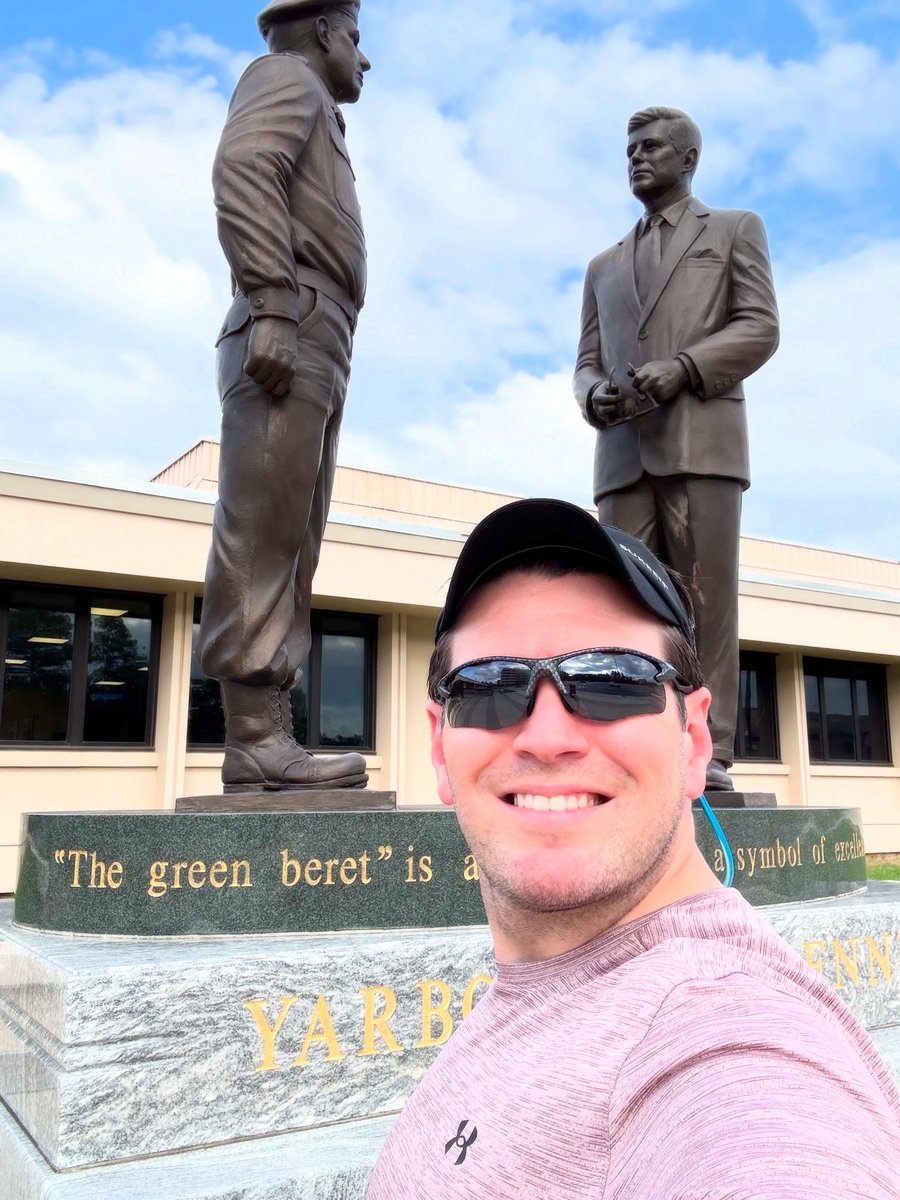
This statue at Fort Bragg shows President John F. Kennedy and Brigadier General William P. Yarborough, marking the moment Kennedy authorized the Green Beret as the official symbol of United States Army Special Forces, calling it “a symbol of excellence, a badge of courage, and a mark of distinction in the fight for freedom.” It represents the Army’s formal embrace of unconventional warfare and the warriors who carry it out.
I came from the Air Force to the Army for something bigger than myself and have had the privilege to work alongside some of the best people in the world. My buddies like to say I made it and have a beret too, and I know they are trying to encourage me, but the truth is the Special Forces Regiment is the greatest. They are true warriors, and just being in their presence means the world to me. Being a Green Beret has taught me humility, resilience, and the meaning of service. Hopefully, with God at my side, I am picked up for Aviator. I have done all I can to get picked up on the board, and I am giving the Army another ten years and beyond with my dreams of becoming an astronaut and going to space. Whatever comes next, I will continue to serve with the same pride, dedication, and love for the mission that this regiment has instilled in me.
#Astronaut #NASA #AstronautCandidate #Aspiring #Space #Science #Technology #Engineering #STEM #Aviation #Pilot #USArmy #Army #USAF #AirForce #SpecialForces #GreenBerets #Military #Fitness #Cycling #Climbing #Diving #SCUBA #HAMOperator
1
4
119
8 Aug 2025
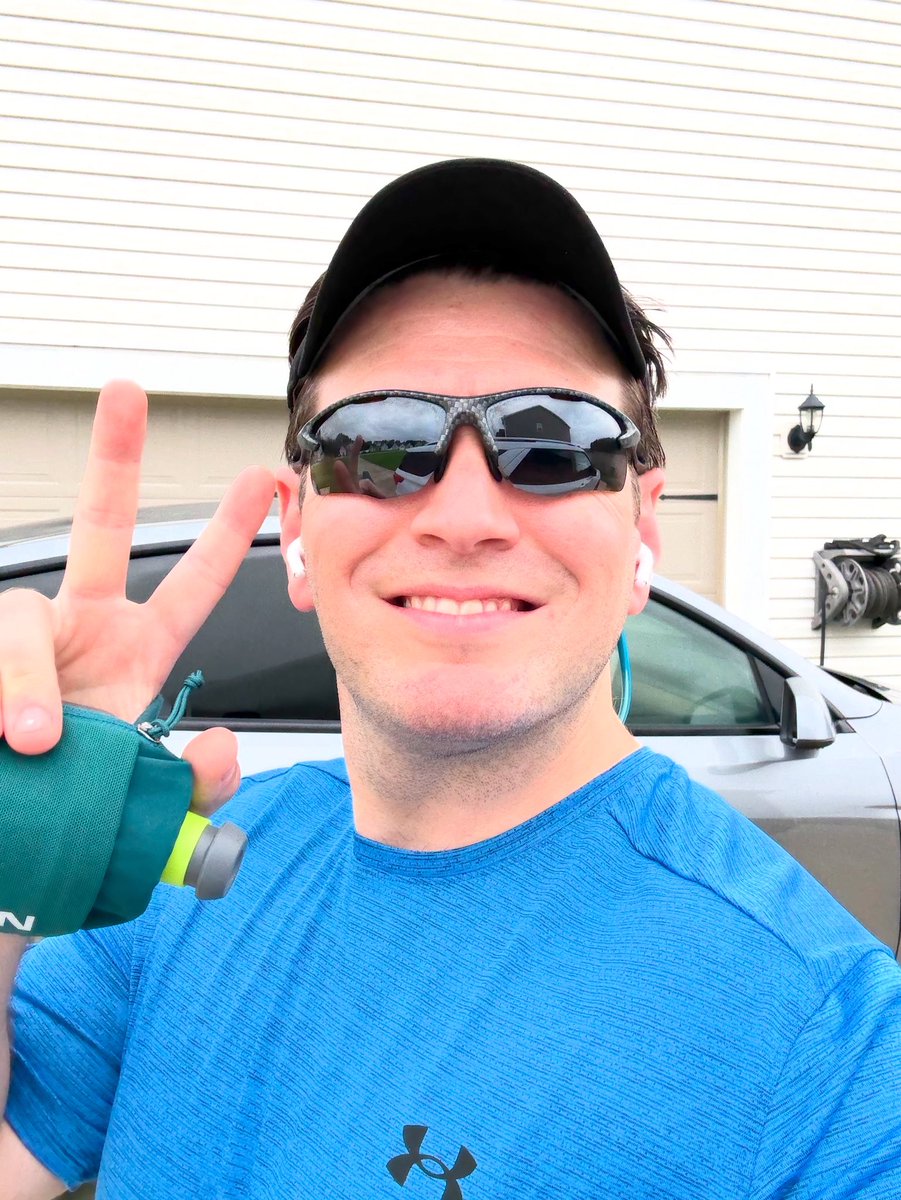
Knocked out a solid run today while testing some new gear, then linked up with a buddy for a ruck as he preps for selection. Training like this keeps me sharp and ready for the physical demands ahead, especially for the astronaut path where endurance, adaptability, and teamwork matter. If you are in the area and want to link up for a run, ruck, climb, or other training, let me know. Always good to train with driven people.
#Astronaut #NASA #AstronautCandidate #Aspiring #Space #Science #Technology #Engineering #STEM #Aviation #Pilot #USArmy #Army #USAF #AirForce #SpecialForces #GreenBerets #Military #Fitness #Cycling #Climbing #Diving #SCUBA #HAMOperator
2
47
8 Aug 2025
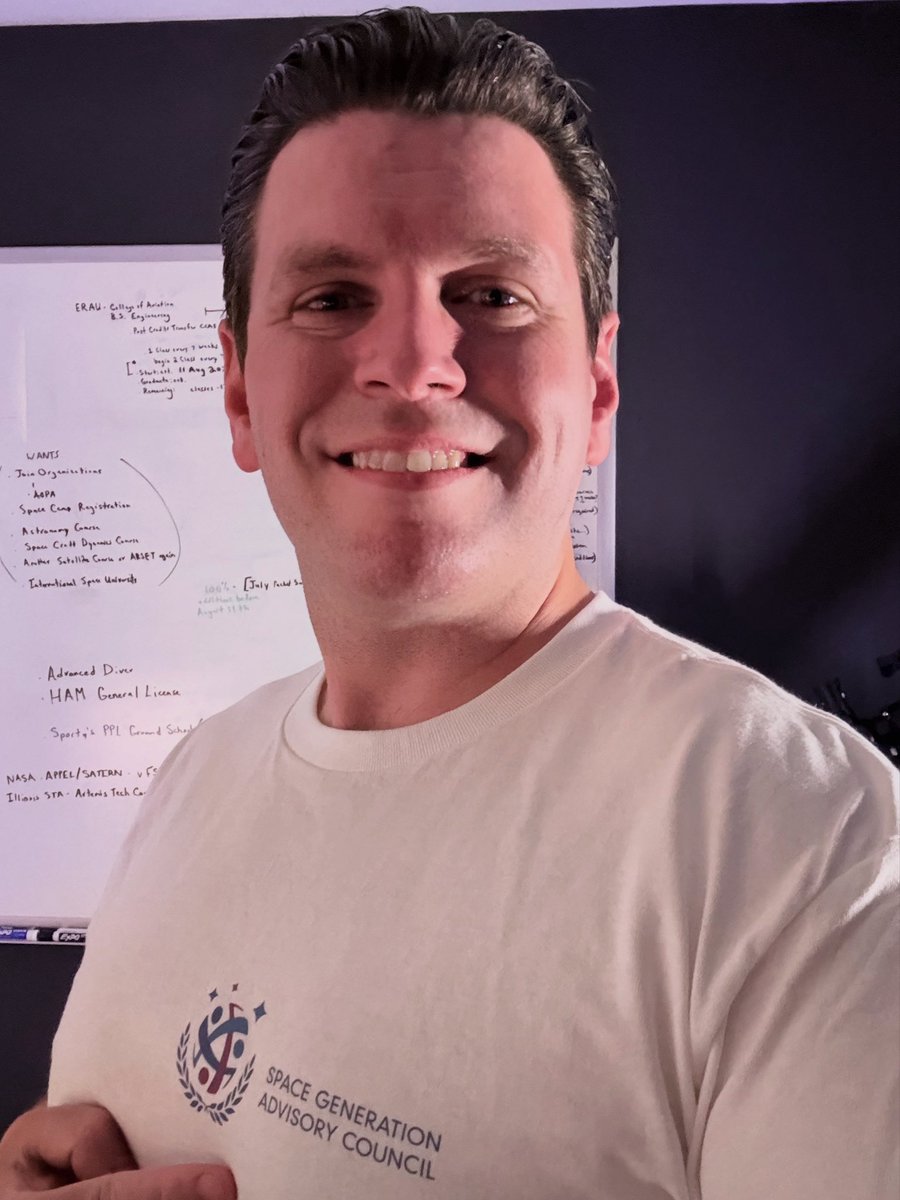
Proud to be a member of the @SGAC Space Generation Advisory Council, an international non-governmental organization that represents students and young professionals in the space sector. SGAC works in support of the United Nations Programme on Space Applications and serves as a platform for collaboration between emerging leaders, industry experts, and policymakers.
Membership provides access to technical working groups, global conferences, and research initiatives that address topics such as space policy, satellite technology, human spaceflight, planetary defense, and space sustainability. It also allows direct engagement with space agencies, private sector innovators, and academic institutions to develop solutions that advance international space exploration and utilization.
For me, this is an opportunity to contribute meaningfully to projects that shape the future of space while expanding my understanding of the technical, operational, and policy challenges involved. It is a professional responsibility to apply this knowledge toward the collective goal of ensuring that space remains accessible, sustainable, and beneficial to all of humanity.
#USA #USAF #AirForce #USArmy #Army #SpecialForces #GreenBerets #Space #Astronaut #Military #WannaBe #GonnaBe #AstronautCandidate #NASA #Aviation #Pilot #Diving #SCUBA #Communications #Engineering #STEM #HAMOperator #Fitness #Cycling #Climbing
2
52
5 Aug 2025
Weather gets in the way, but I will keep training. Adverse weather is a reality in aviation, and it can ground even the most experienced pilots. Low ceilings, poor visibility, and strong winds can limit safe flight operations, but they also create opportunities to focus on other critical aspects of training.
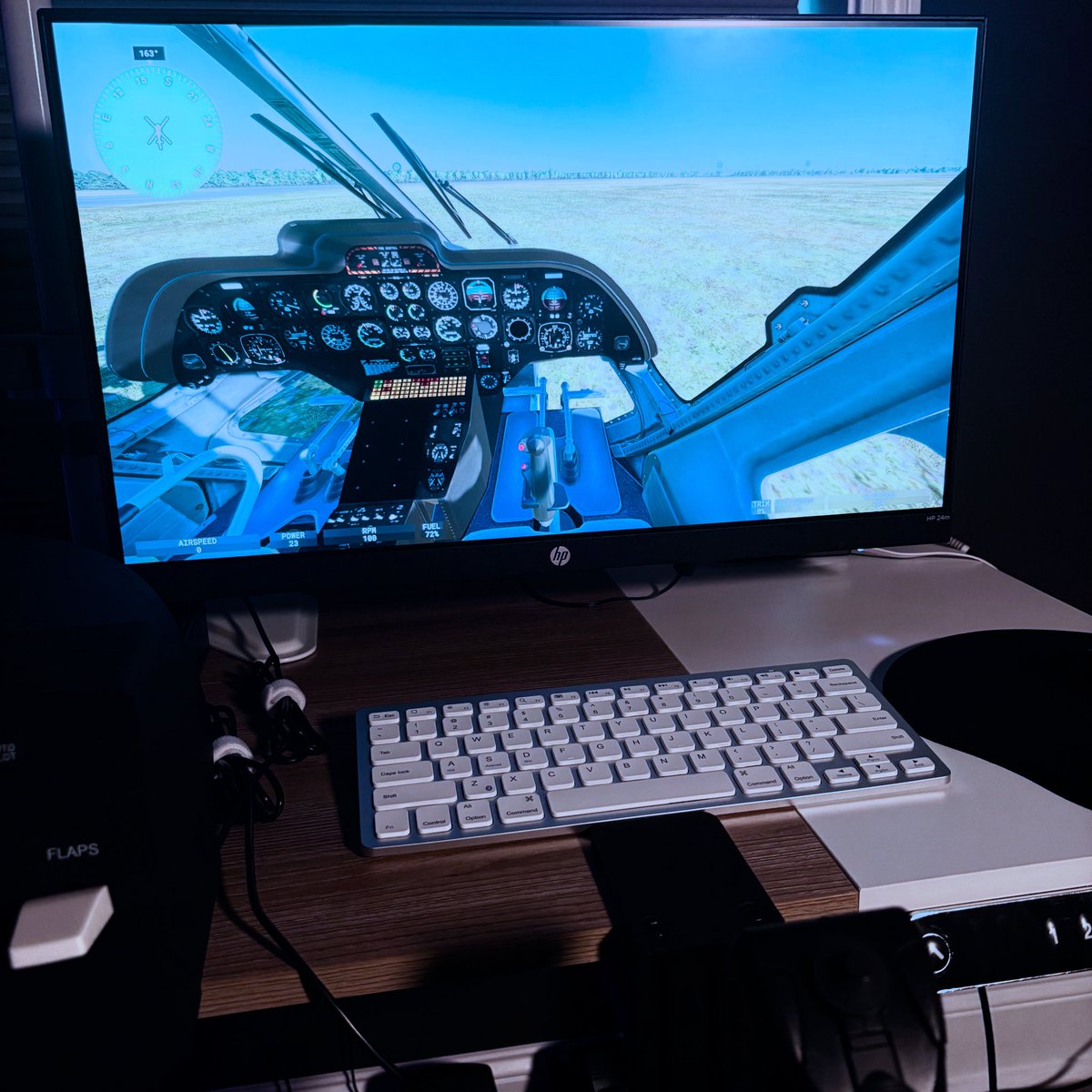
When flying is not possible, I shift my focus to chair flying, reviewing procedures, and simulator work. The simulator I am using is configured for the exact helicopter platform I will operate during training at Fort Rucker and includes an accurate map of Fort Rucker Airfield. This allows me to rehearse local airspace procedures, navigation, and control inputs in a realistic environment.
Because my local flight school does not have a formal classroom curriculum like a traditional flight school, I completed ground school online through Sporty’s and earned my endorsements for the FAA knowledge exam. I also requested additional in-person ground lessons to reinforce the material, ensuring my understanding of procedures, regulations, and aeronautical knowledge remains strong.
This weekend I have two flights scheduled, one in a fixed wing aircraft and one in a rotary wing aircraft. Every training opportunity, whether on the ground or in the air, builds the technical foundation I will carry into Army Aviation.
#USA #USAF #AirForce #USArmy #Army #SpecialForces #GreenBerets #Space #Astronaut #Military #WannaBe #GonnaBe #AstronautCandidate #NASA #Aviation #Pilot #Diving #Scuba #Communications #Engineering #STEM #Fitness #Cycling #Climbing #HAMOperator
3
37