
May 31
589 👀
Artist & Dynasty: The painting is attributed to Yan Liben, a prominent court painter of the Tang Dynasty (circa 600–673).
Subject: It depicts Emperor Wen of Sui (Yang Jian), who founded the Sui Dynasty and unified China in ➡️589 A.D..⬅️
Artwork Details: The full Thirteen Emperors Scroll is an ink and color on silk handscroll, currently held in the Museum of Fine Arts, Boston.
3
138

May 28
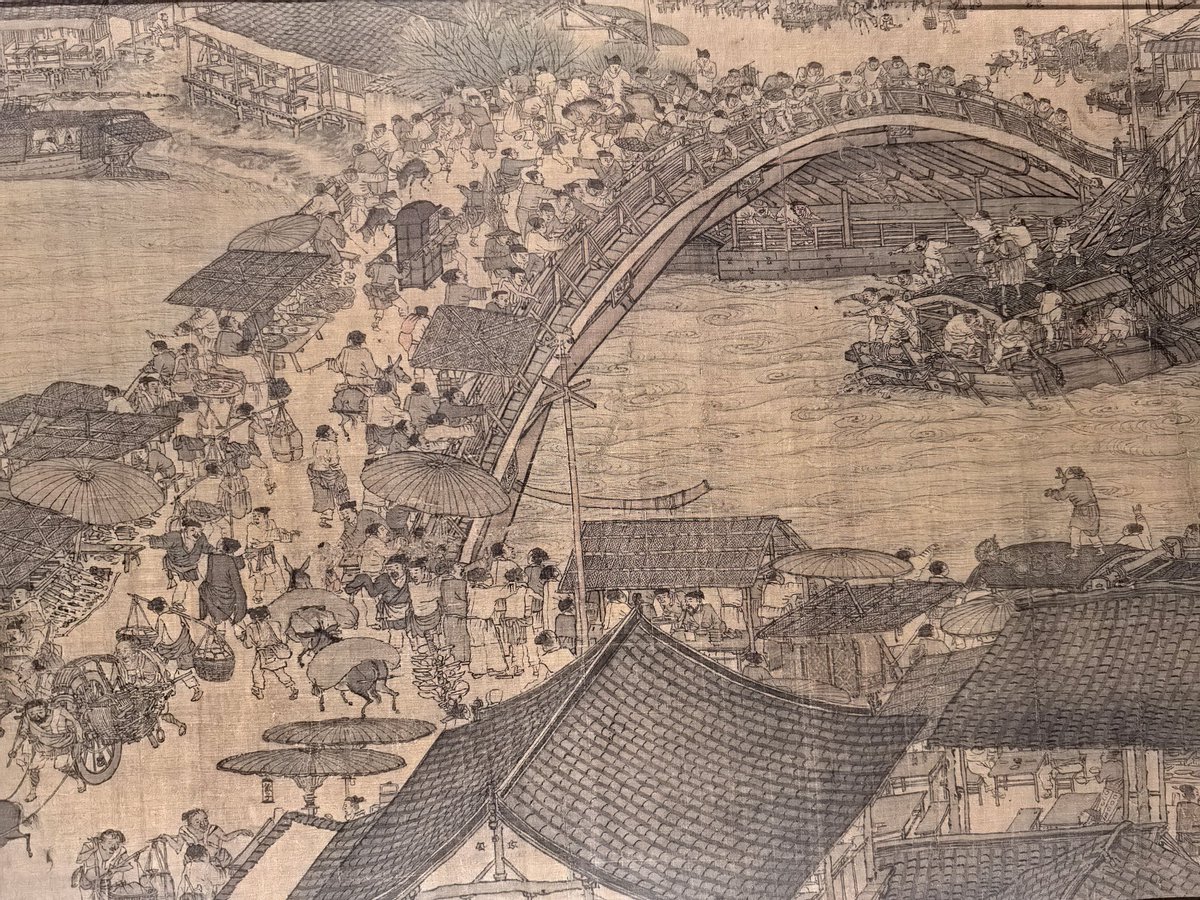
A single painting offers a glimpse of the urban landscape a thousand years ago: a bustling, prosperous city filled with an endless flow of pedestrians, carriages, and horses, while merchants and travelers gather along both water and land routes.
This is the renowned Qingming Shanghe Tu (Along the River During the Qingming Festival), a timeless masterpiece by Zhang Zeduan from the Northern Song Dynasty (960-1127), housed at the Palace Museum in Beijing.
Created as a handscroll, the painting vividly recreates the cityscape and daily life of Bianjing (now Kaifeng City in Henan Province), the capital of the Northern Song Dynasty at the height of its power in the 12th century.
5
26
71
1,704

May 22
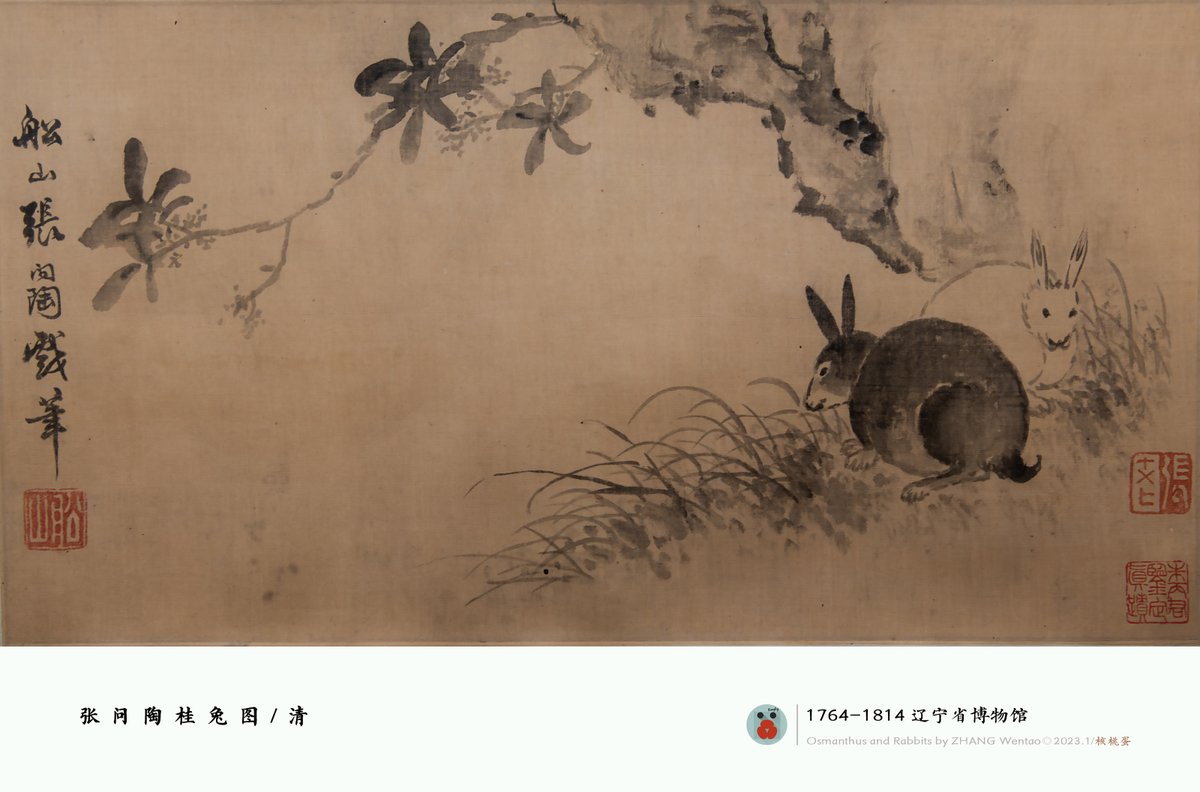
张问陶桂兔图 清 辽宁省博物馆藏
Osmanthus and Rabbits Handscroll by ZHANG Wentao/1764-1814/Liaoning Provincial Museum
1
10
284

May 21
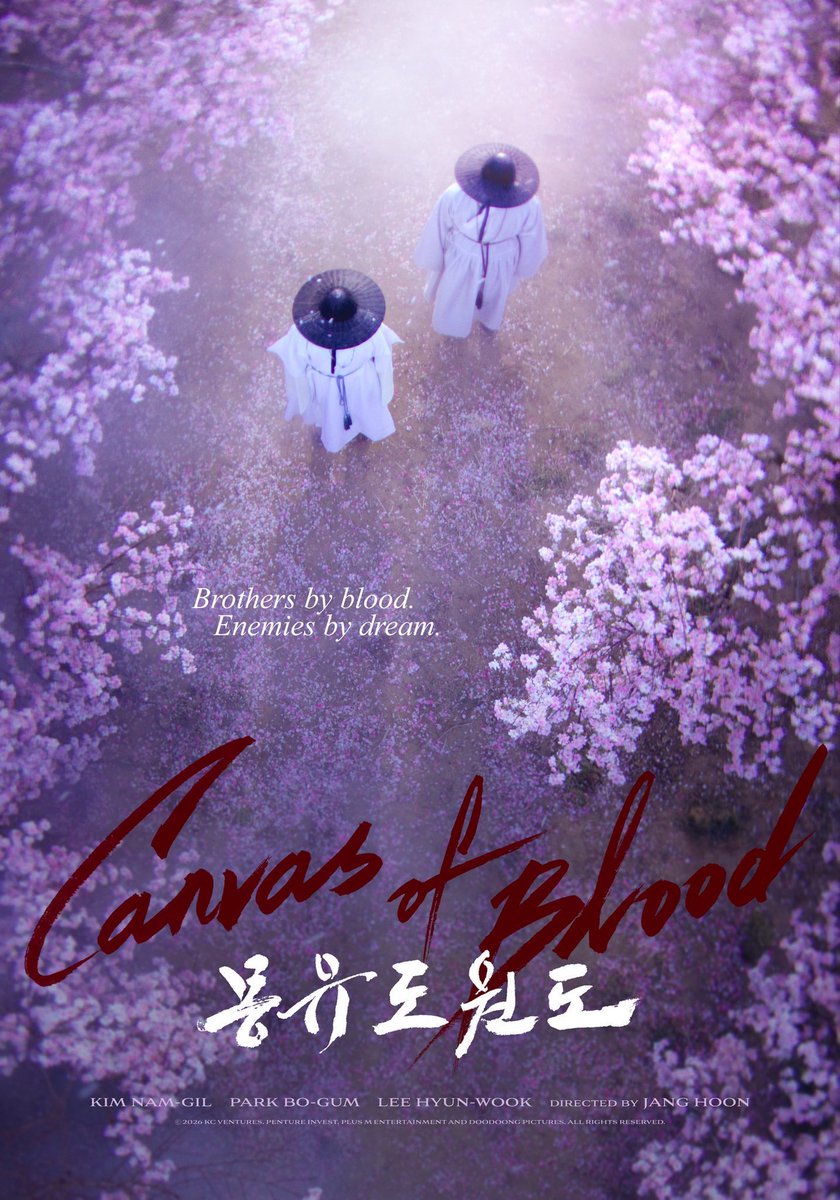
This horizontal handscroll painting visualizes a utopian paradise commissioned by Grand Prince Anpyeong, who had envisioned it in a dream.
Can’t wait to see how they will portray this painting and its cultural, politic impact in Canvas of Blood
#Kimnamgil #Parkbogum #Leehyunwook

May 21

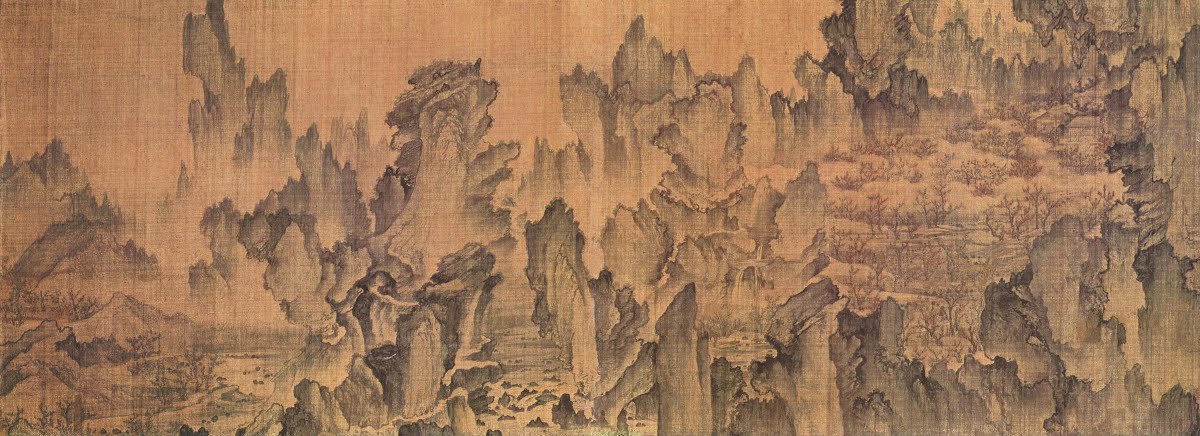
Only few of his work survive, including Dream Journey to the Peach Blossom Land (also known as Mongyu Dowondo) created by the renowned early Joseon-era painter Ahn Gyeon. Widely considered the greatest artistic masterpiece of the Joseon Dynasty.
#Kimnamgil #Parkbogum #Leehyunwook
2
6
593

May 17
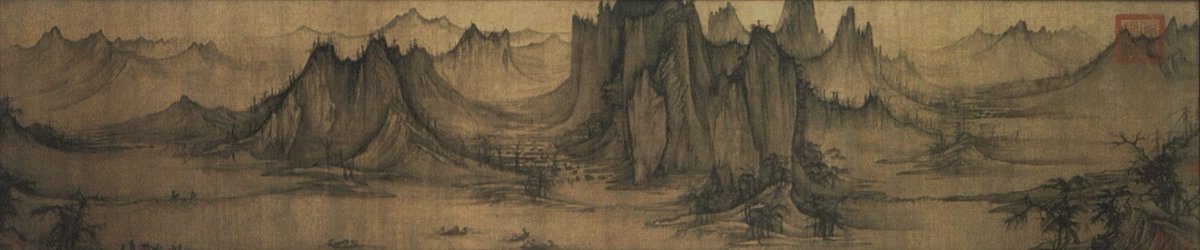
That reminds me of Xu Daoning, Fisherman, Northern Song Dynasty, early C11, China, with the spartan landscape. This handscroll is in the Nelson-Atkins Museum, Kansas City, Missouri.


1
18
333

Apr 27
12th- century, China , Song Dynasty ( which is when the best Chinese paintings being made ).
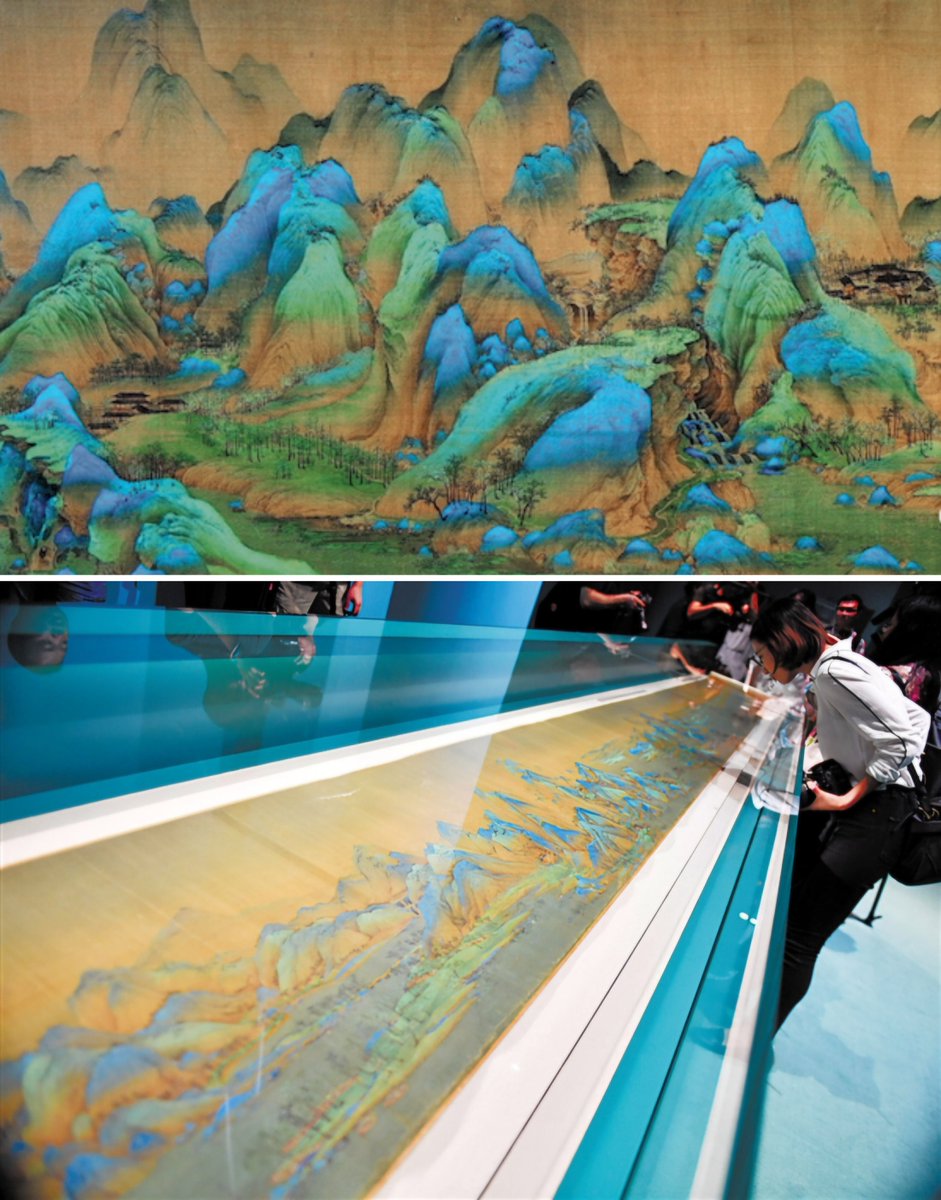
" A Thousand Li of Rivers and Mountains" is a handscroll , almost 40 ft long , with extremely beautiful details . First thing first, this place doesn`t exist. You can`t go there.
Now , think about this : 18 years old Wang Ximeng , the only surviving work of him , and he is so lucky to die after 5 years, at 23.
1
3
44
889

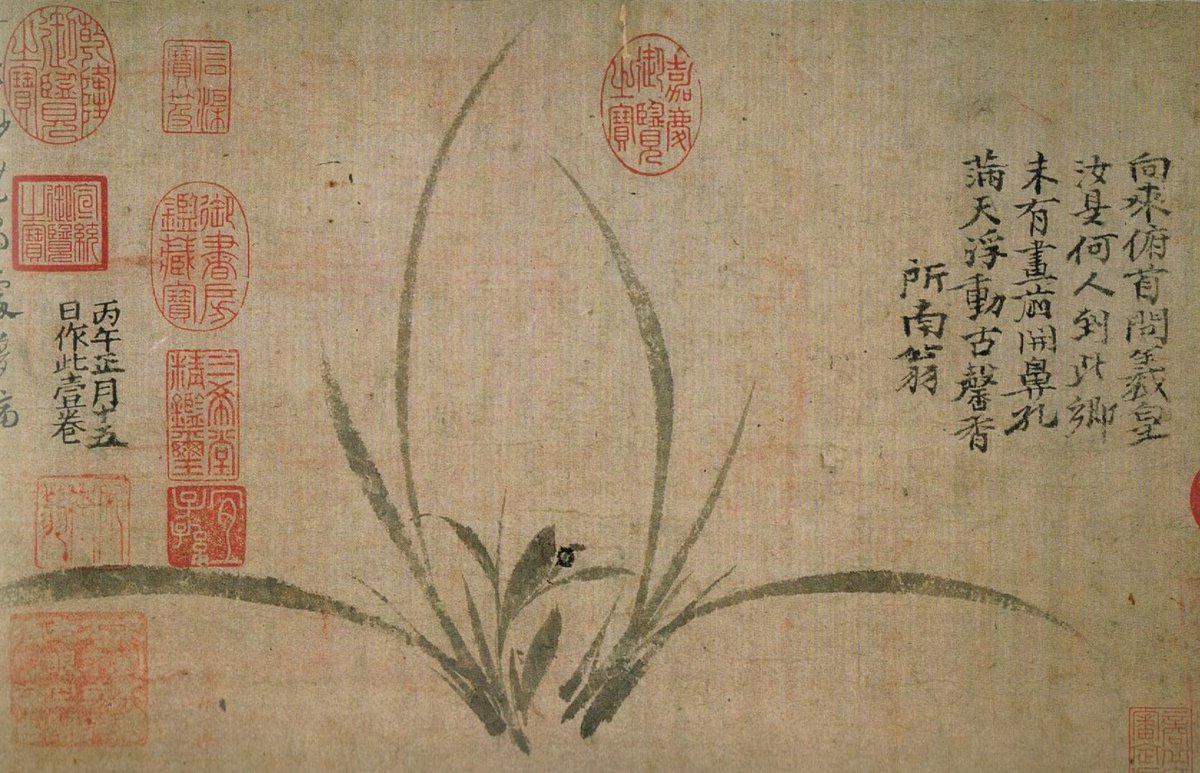
The places that present this print don't often mention that it's a protest piece. Cheng Sixiao, 'Ink Orchids', Yuan Dynasty, 1306, Handscroll ink on paper, 10x16". After being invaded by the Mongols many of the Chinese Court went into exile to maintain their traditional styles. The artist is presenting a metaphor with the Orchid flourishing regardless of being uprooted and no longer having it's original soil, as the Chinese would after their lands were stolen by the Mongols.
2
5
72

Apr 24
生成图片任务的提示词:
Create an ultra-refined Chinese-chic 3D scroll-world poster.
Use a floating scroll, rolled paper, or suspended handscroll as the core visual body. The scroll must be the origin and structural anchor of the entire image, not a decorative prop. As the scroll unfolds, a poetic miniature world should grow naturally from the paper itself, with terrain, architecture, foliage, atmosphere, and content visually fused into one coherent system.
The composition must feel stable, grand, highly professional, and poster-like, with one dominant visual anchor, strong hierarchy, elegant balance, controlled asymmetry, and generous negative space on a clean solid-color background. The image should feel breathtaking at first glance and rewarding on closer inspection.
The visual quality should be airy, luminous, translucent, ethereal, and subtly celestial. Emphasize transparent material feeling, soft glow, misty depth, gentle atmospheric layering, clean light, and a dreamlike floating mood. The paper, landscape, architecture, text, and graphic elements should feel naturally integrated, not collaged or mechanically assembled.
Visually reinterpret the user’s theme intelligently rather than literally. Select only the most fitting Eastern elements — such as refined Chinese architecture, stylized rocks, pines or seasonal trees, lawns, water, clouds, birds, pathways, and tiny figures — and arrange them with restraint. The content should feel meaningful, curated, and aesthetically elevated, never generic or empty.
Enrich the scene with curated informational content related to the theme. Integrate meaningful background information into the poster in an elegant editorial way, such as key numbers, dates, cultural references, literary fragments, historical clues, symbolic meanings, or concise annotations. Present the subject from multiple dimensions so the viewer gains both visual pleasure and knowledge. The information should feel curated, insightful, and aesthetically integrated, not crowded or academic.
Add a refined editorial typography system as an essential visual layer. Distill the user’s input into one dominant headline, one supporting line, and several smaller annotations or side notes. The main headline should have premium hot-stamped foil and laminated print qualities, with elegant color interplay and strong visual tension. Smaller text may function as poetic notes, humanistic commentary, knowledge labels, or visual footnotes. Use variation in text size, spacing, density, and direction to create a lively, sophisticated poster layout. Add tasteful graphic aids such as thin lines, markers, frames, callout pointers, seal-like accents, or modular information blocks.
Use the unfolding scroll as a narrative structure. As the scroll opens, different facets of the theme should be gradually revealed through scene fragments, text blocks, annotations, and symbolic visual details. The viewer should intuitively understand the subject through the unfolding composition. Make the scroll format feel conceptually meaningful, naturally integrated, and creatively indispensable to the whole design.
Color must be intelligently derived from the theme. Use a fresh, subtle, refined, high-end palette with nuanced gradients, breathable light, translucent beauty, and one or two memorable accent tones. Avoid muddy, old-looking, dull, heavy, or overly saturated color.
Avoid: generic ancient-town illustration, disconnected scroll and content, weak composition, clutter, cheap commercial guochao, toy-like plastic texture, dark heavy rendering, random text placement, meaningless decoration, watermark, or logo.
Theme / Inspiration / Source Text:
[在这里输入主题、画面命题、故事、情绪、原始文字、或灵感来源]
4
12
39
4,567

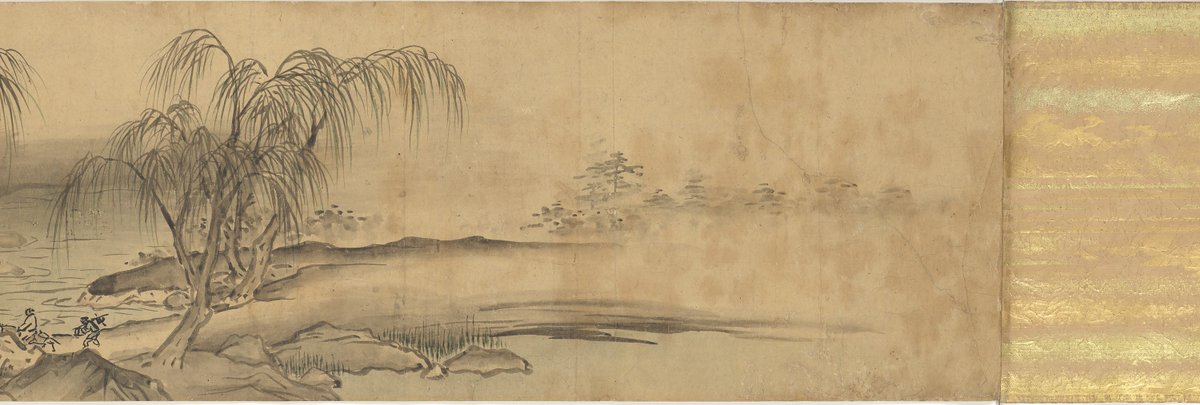
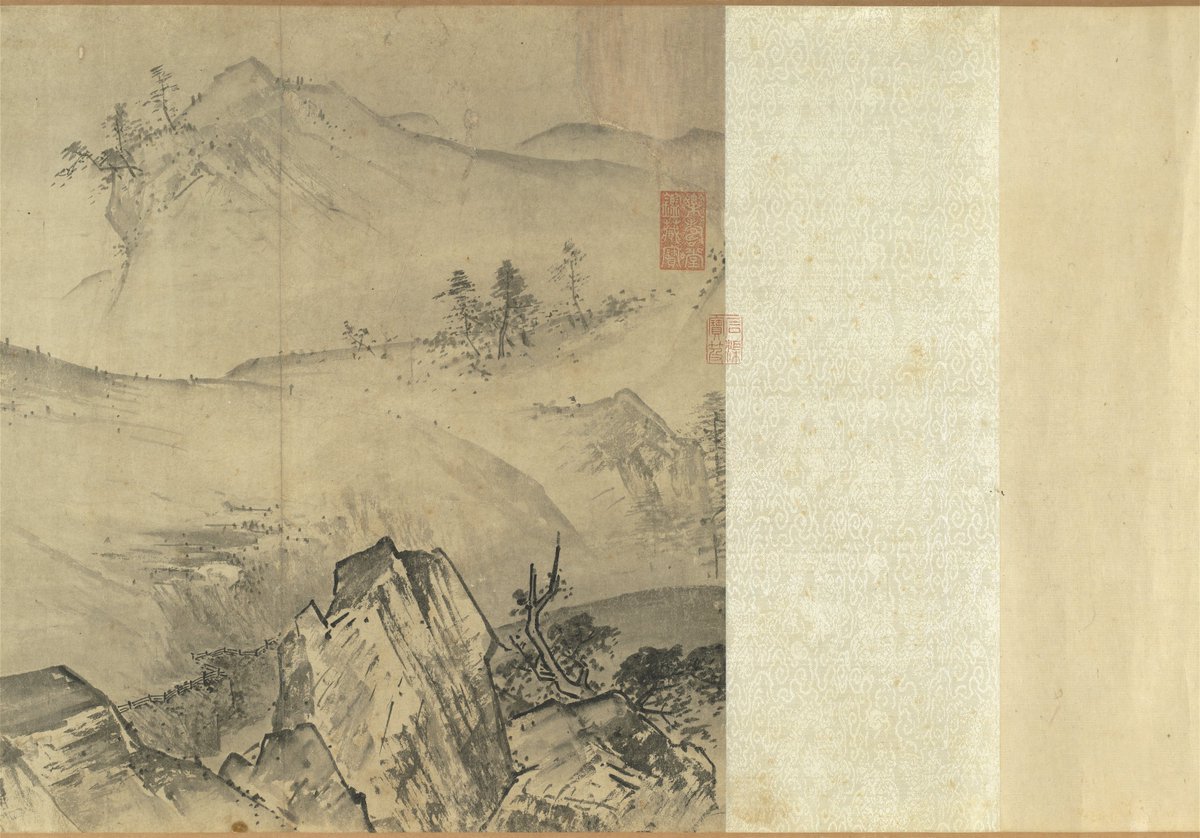
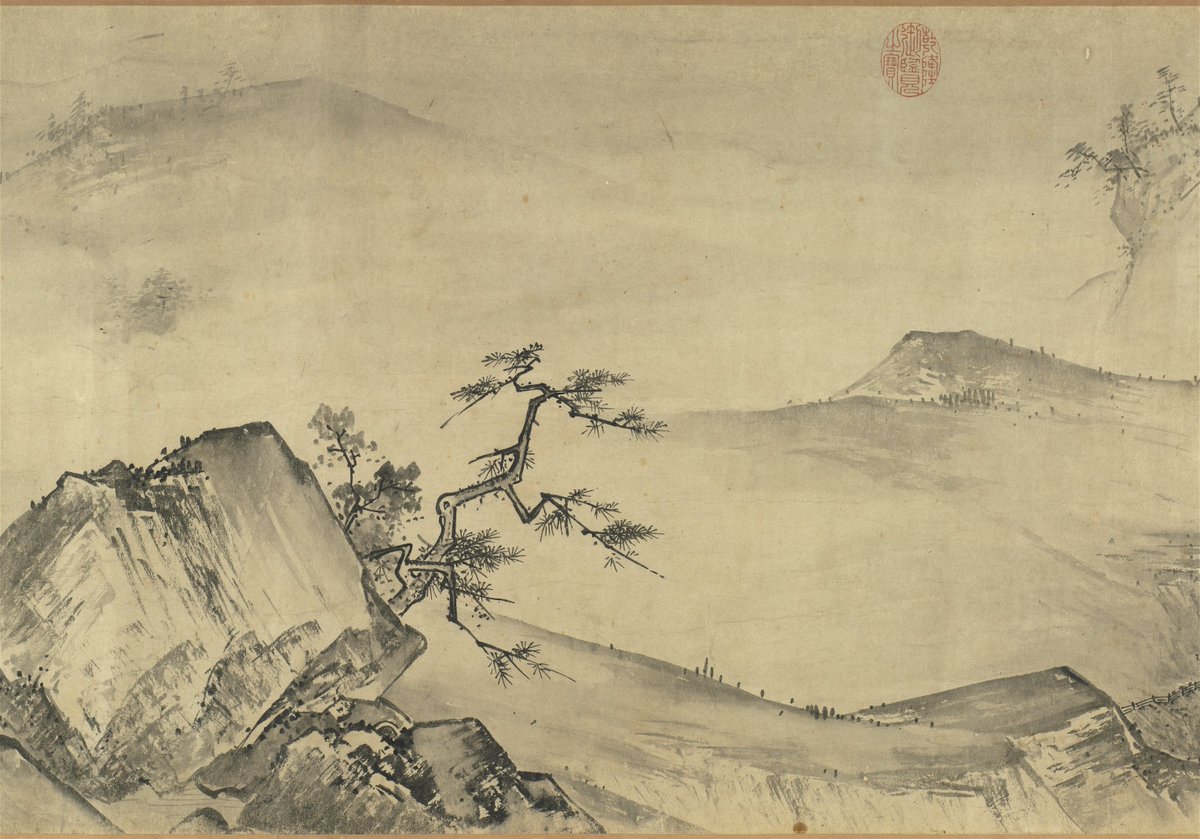
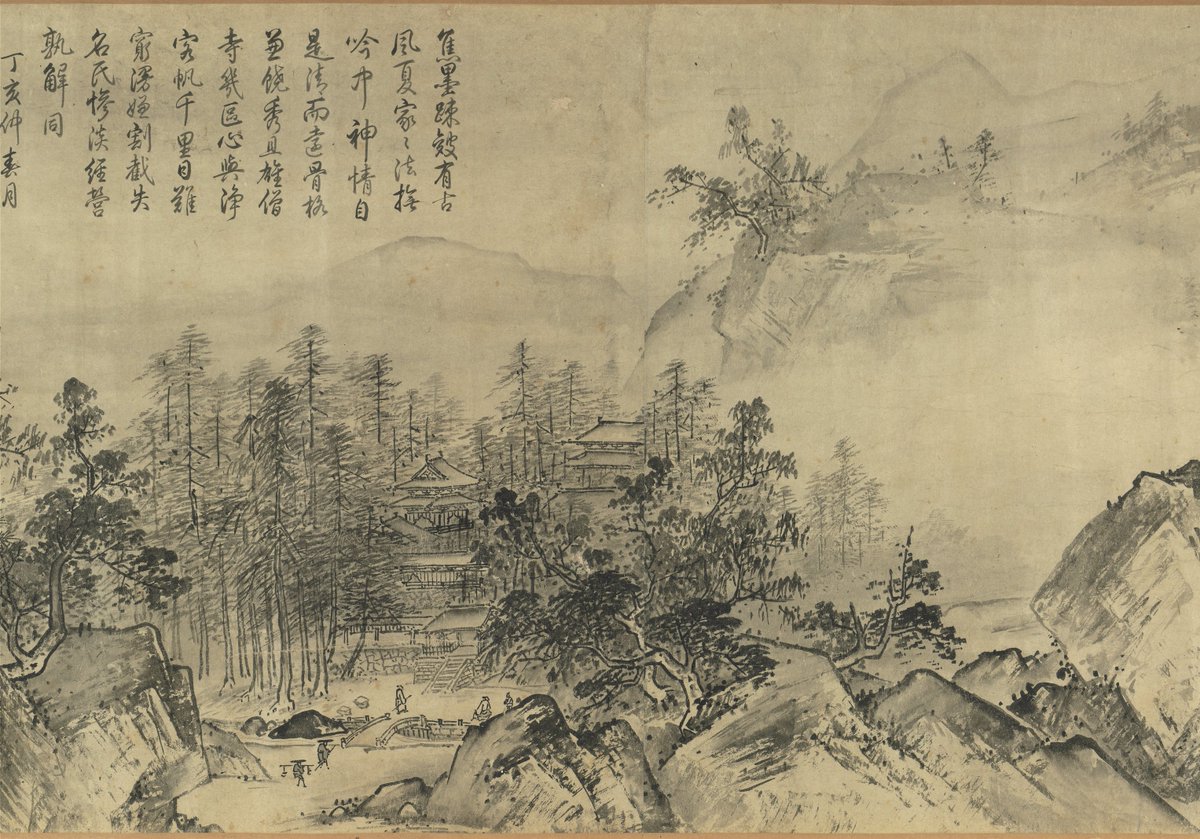
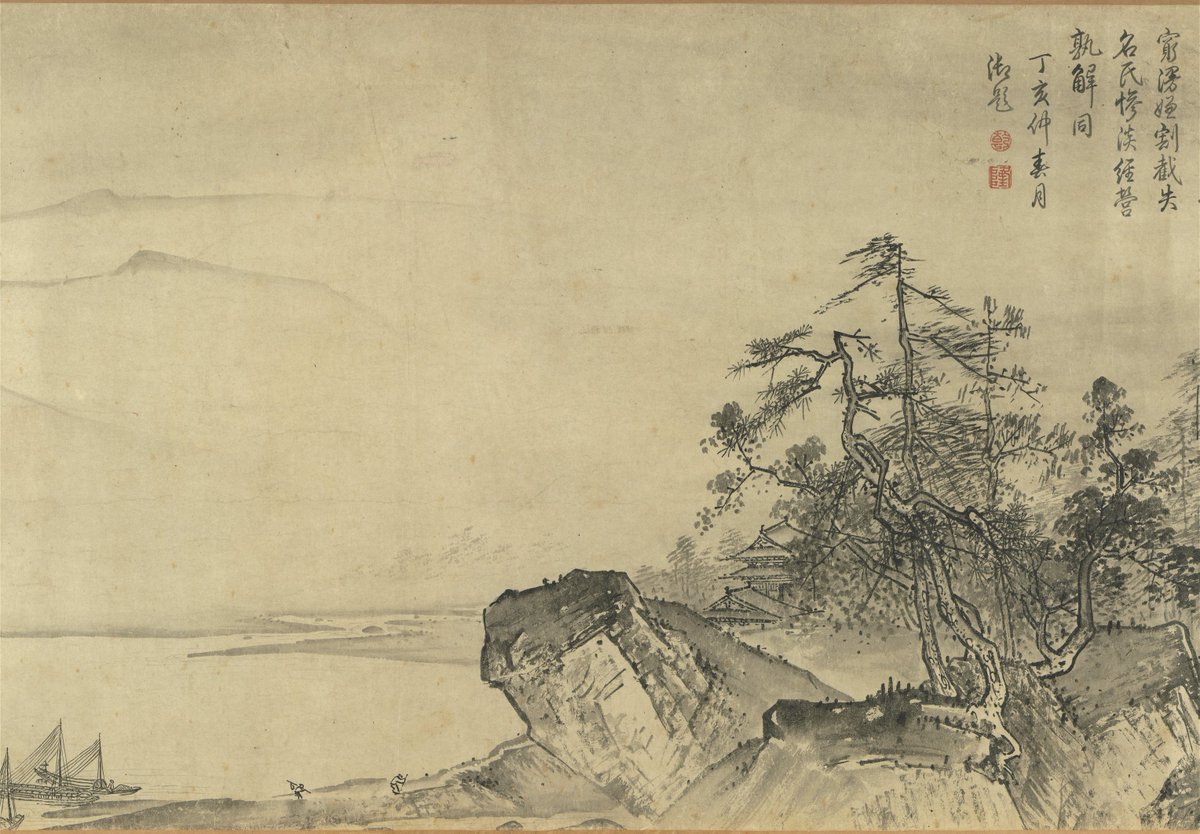
Sesshu Toyo - Landscape of the Four Seasons (15th - 16th C., Muromachi period), Kyoto National Museum
Compare to the Xia Gui handscroll:
3 May 2023

Xia Gui - Pure and Remote View of Streams and Mountains
1
8
533

You should definitely visit Canggutuo in Hebei during the holidays! From Tianmen Cave, the mountains look like a majestic handscroll painting of endless landscapes unfolding for miles. 🌄
#DiscoverHebei #HebeiTravel #Hebei
1
3
175

Spring is best shared.🌼
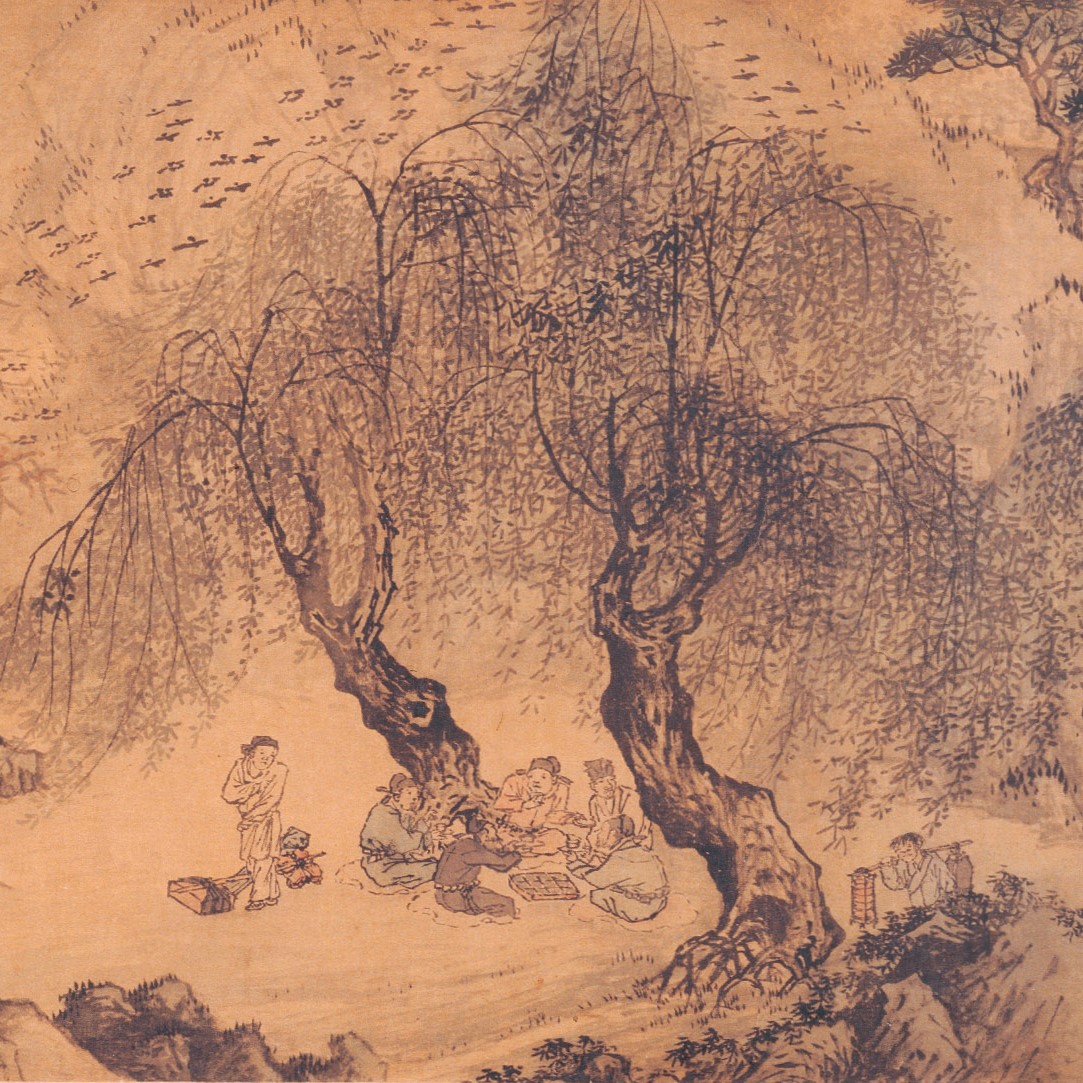
In this handscroll by Ming painter Zhou Chen, friends wander among willows and pines, pausing to talk and take in the hills beyond. Painted in color on silk, it captures the simple pleasure of heading outdoors to enjoy the best season of the year.
1
7
22
524


Mar 25
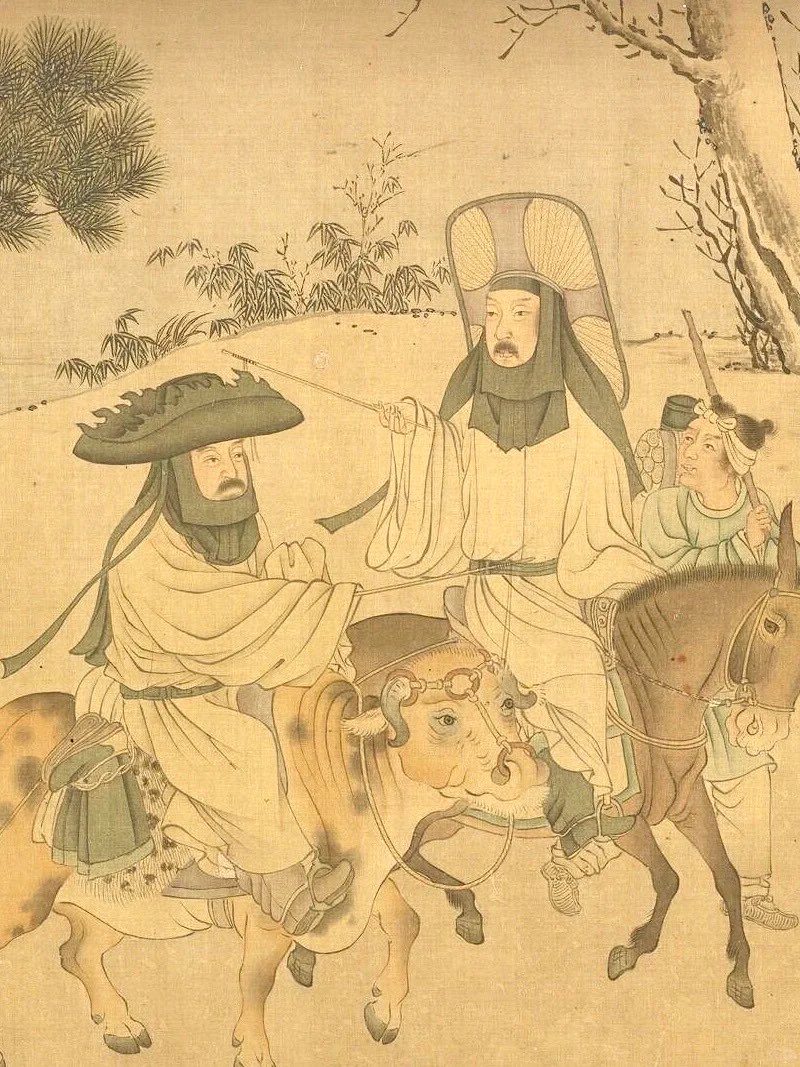
The iconic "Chongdai" (重戴) hat worn by Chinese literati in the Song Dynasty (and inherited from Tang) — a top-tier windproof and sun-protective gear for scholar-officials on the go!
Not a single hat, but a double-layered ensemble: a futou (幞头, head scarf) underneath, topped with a wide-brimmed outer hat made of black silk gauze, square or round, with broad drooping eaves and chin straps (ying dai) tied under the chin.
This style was hugely popular in Tang and continued as standard outing attire for elites in Song.
Detail from the Ming anonymous handscroll Seven Scholars Crossing the Pass (七子度关图, attr. to Li Tang in Song style but Ming imitation), now in the Freer Gallery of Art, Smithsonian.
6
53
293
20,298
Mar 20
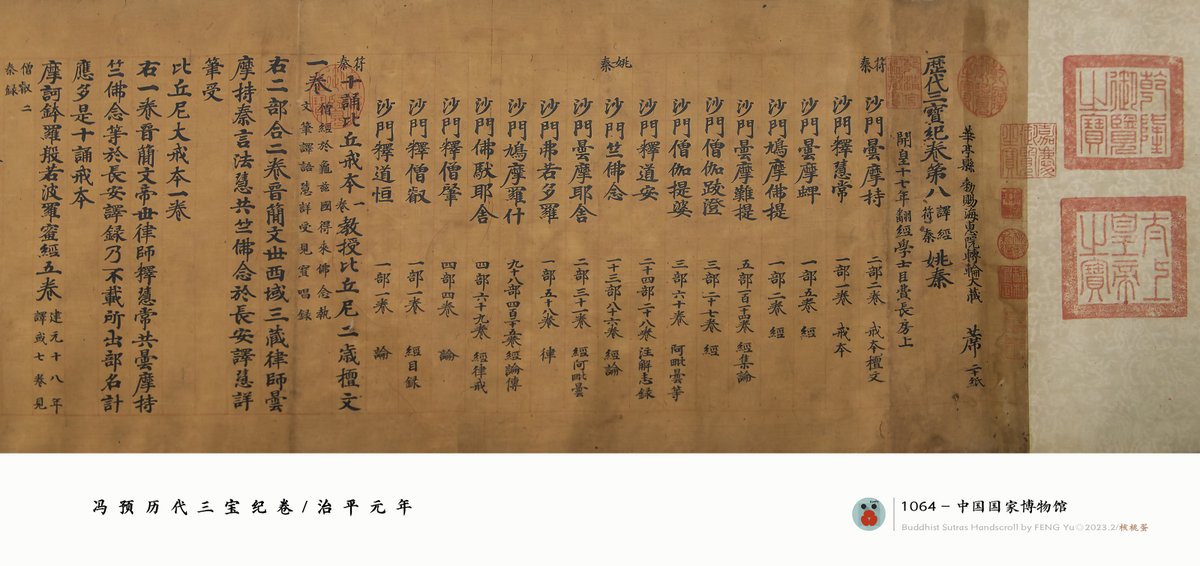
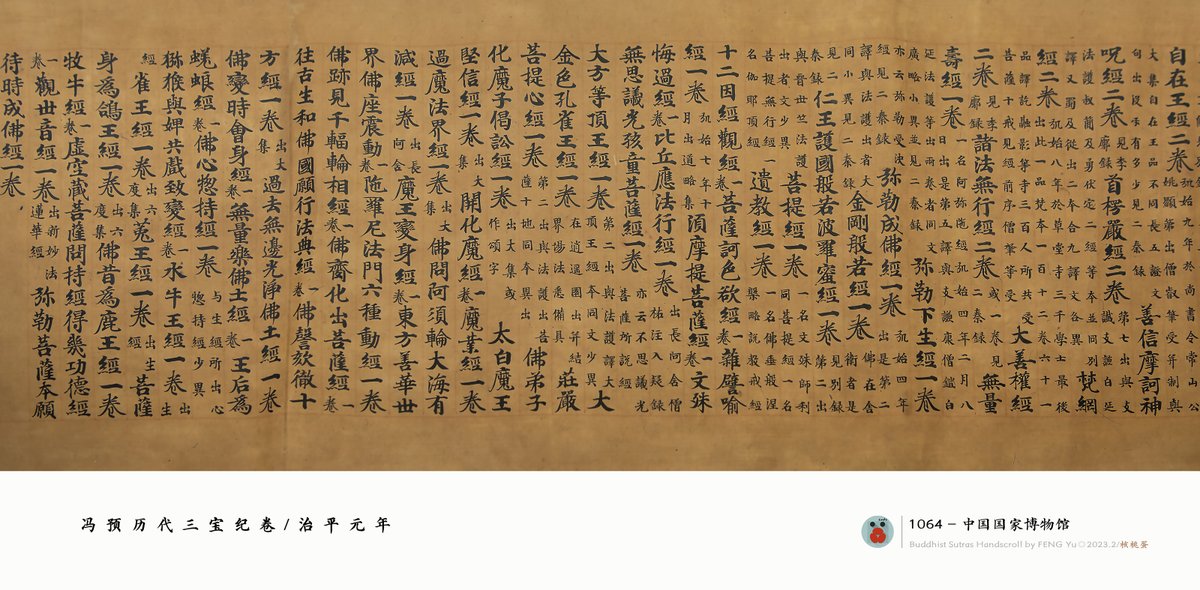
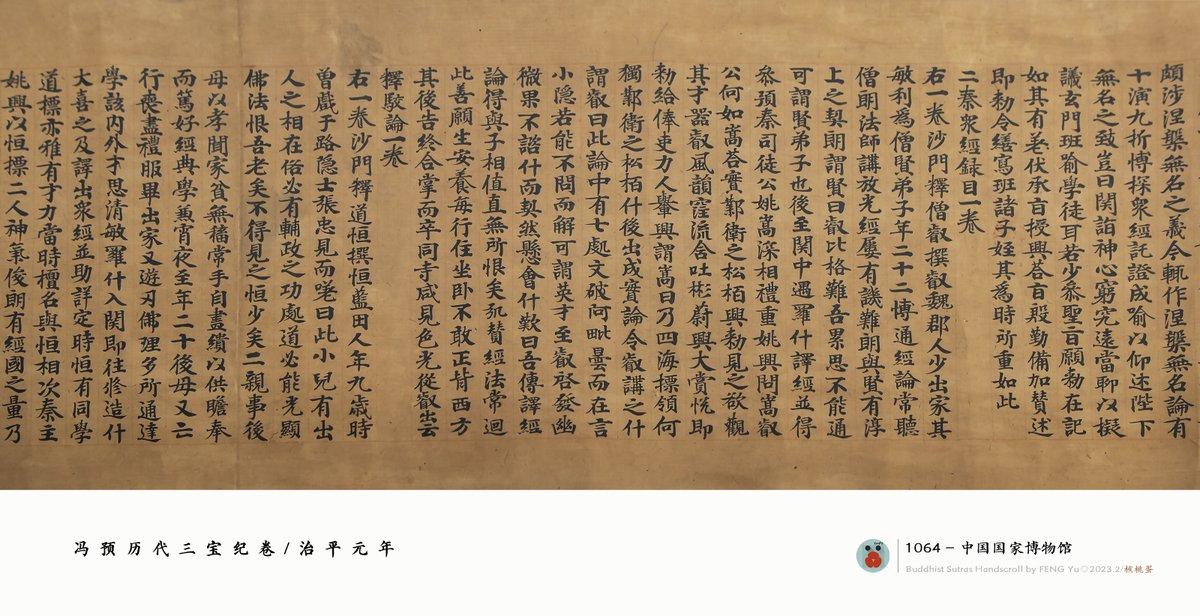
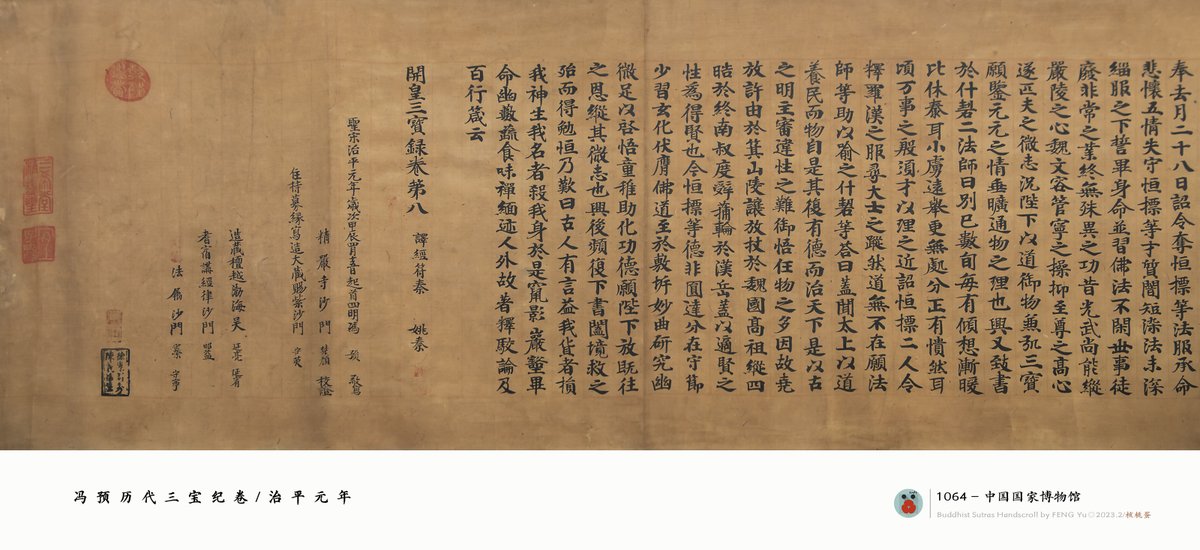
冯预历代三宝纪卷 宋治平元年 中国国家博物馆藏
Buddhist Sutras Handscroll by FENG Yu/1064/National Museum of China
属华亭海惠院大藏蓆字卷 为隋费长房历代三宝纪第八卷 记前秦后秦翻译经名经过 楷书端正 结体严谨 章法疏密得当
1
4
339

Mar 16
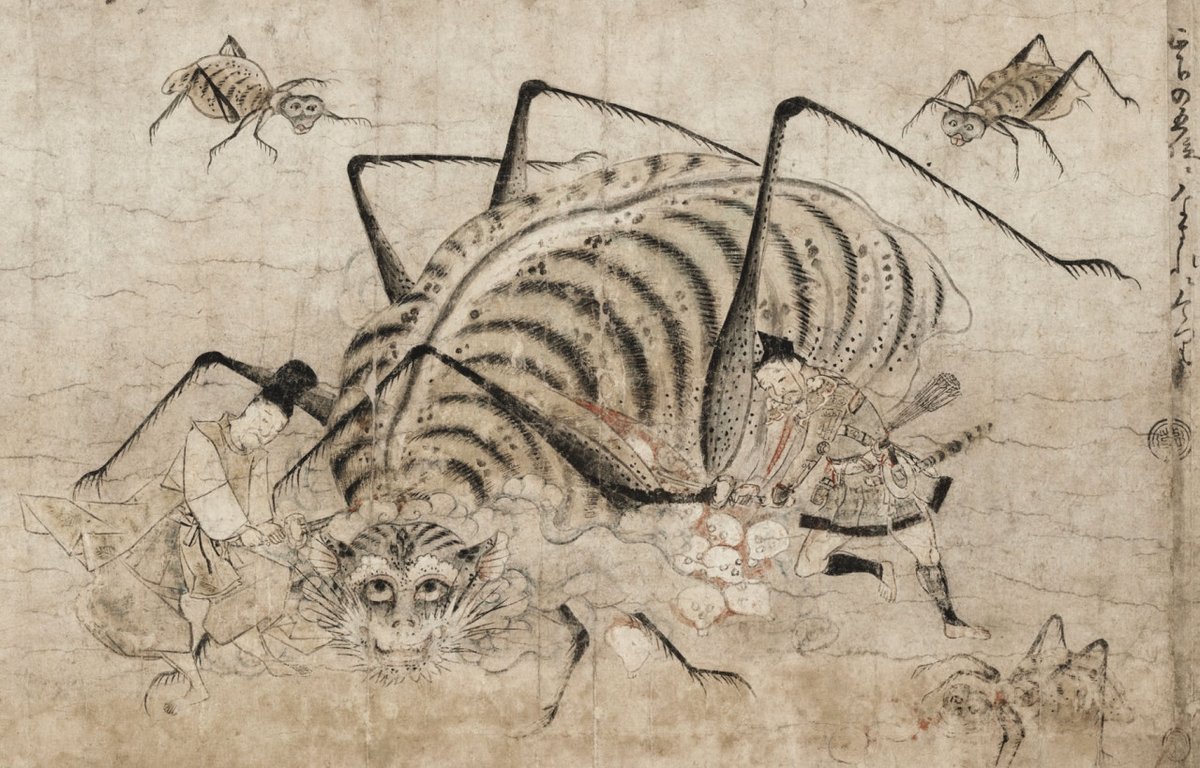
Tsuchigumo Zoshi (Tale of the Earth Spider). Kamakura period, c. 1185-1333. Ink and color on paper. Collection: Tokyo National Museum, Japan.
This illustrated handscroll from Japan's Kamakura period, titled Tsuchigumo Zoshi, depicts the legendary hunt for a yokai (supernatural creature) by the renowned warrior Minamoto no Yorimitsu and his retainer.
According to the story, Yorimitsu follows a mysterious skull floating in the sky, which leads him to a rundown house on Kyoto's Kaguraoka hill. Bizarre creatures emerge from the ruins one after another, until finally, a colossal Tsuchigumo-known as the Earth Spider- bursts out of the darkness.
In ancient Japan, the word Tsuchigumo didn't originally describe a supernatural monster. The Yamato imperial court coined the term as a derogatory label for indigenous clans who refused to submit to its authority. Because these rebel groups often lived in mountain caves or pit dwellings dug into the earth, state officials literally called them *earth spiders*. What started as a political slur gradually morphed into a physical creature in the public imagination as centuries passed and the real rebels were assimilated. Over time, the people who defied the empire were woven into Japanese mythology as giant spider demons that ate travelers on the road and had to be put to the sword.
4
142
874
34,034

Mar 10
Interestingly, the handscroll is the most voted option on xhs right now
2
365
Mar 10
Late to this lol but Chief has a competition coming 😂
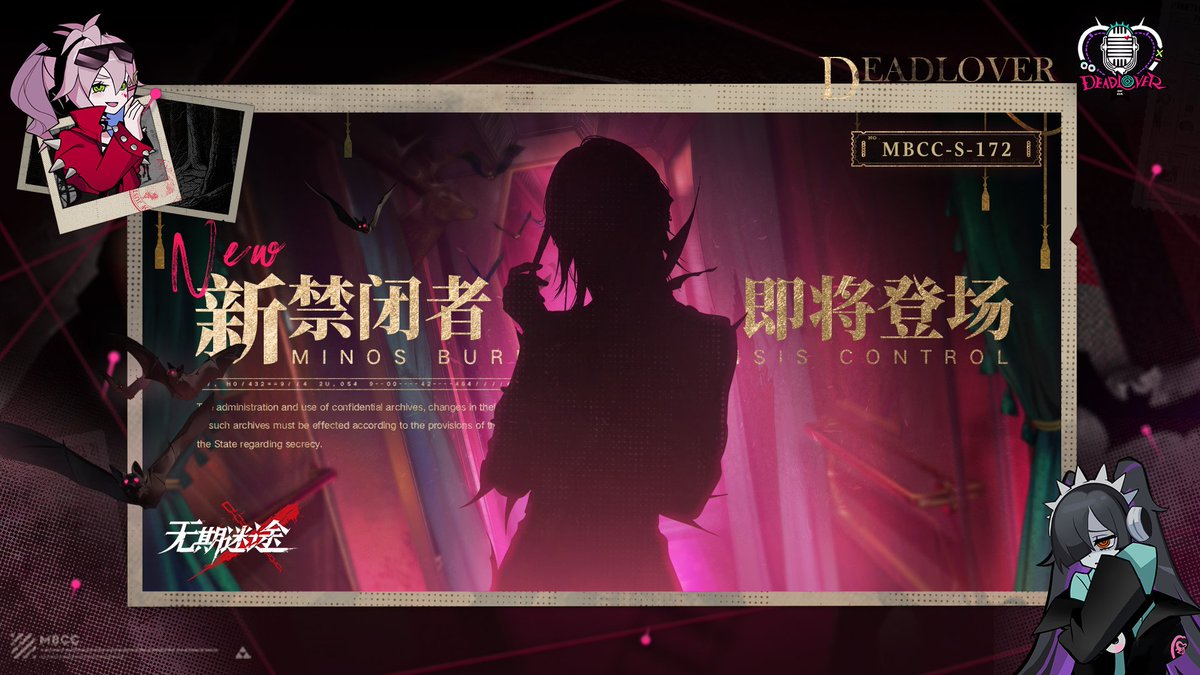
The new S-rank is debscribed as "thin" & "looks like someone who sit at a desk all day"
The teaser question is about what's she holding: A recording pen to document crimes, a fountain pen or an ancient handscroll
1
26
173
3,525

Mar 9
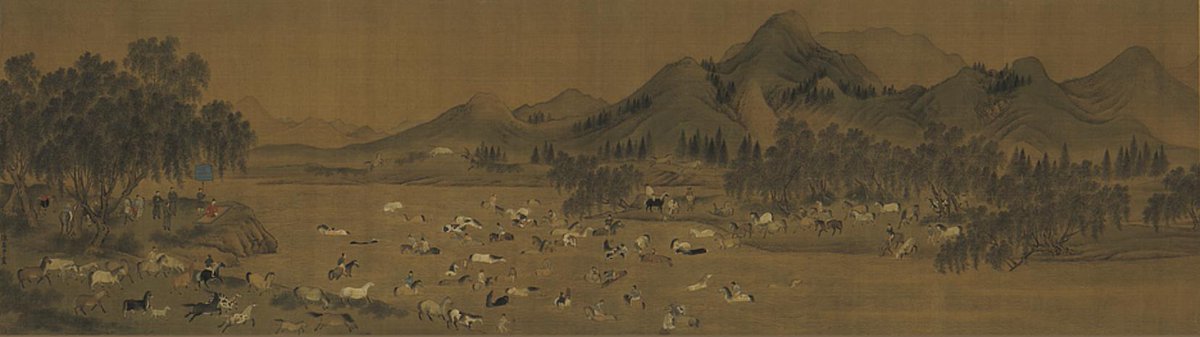
In the bustling handscroll Washing Horses from the Ming Dynasty (1368-1644), you can find 95 horses and 41 grooms. Along the winding water and on the grassy banks, grooms wash, train, play with, and feed their horses.
The artist's brushwork is delicate and observant. Horses in motion appear playful and spirited, while those at rest look dignified and powerful. Each horse has its own posture and personality, bringing the entire scene to life. Collection: Liaoning Provincial Museum.
9
31
551
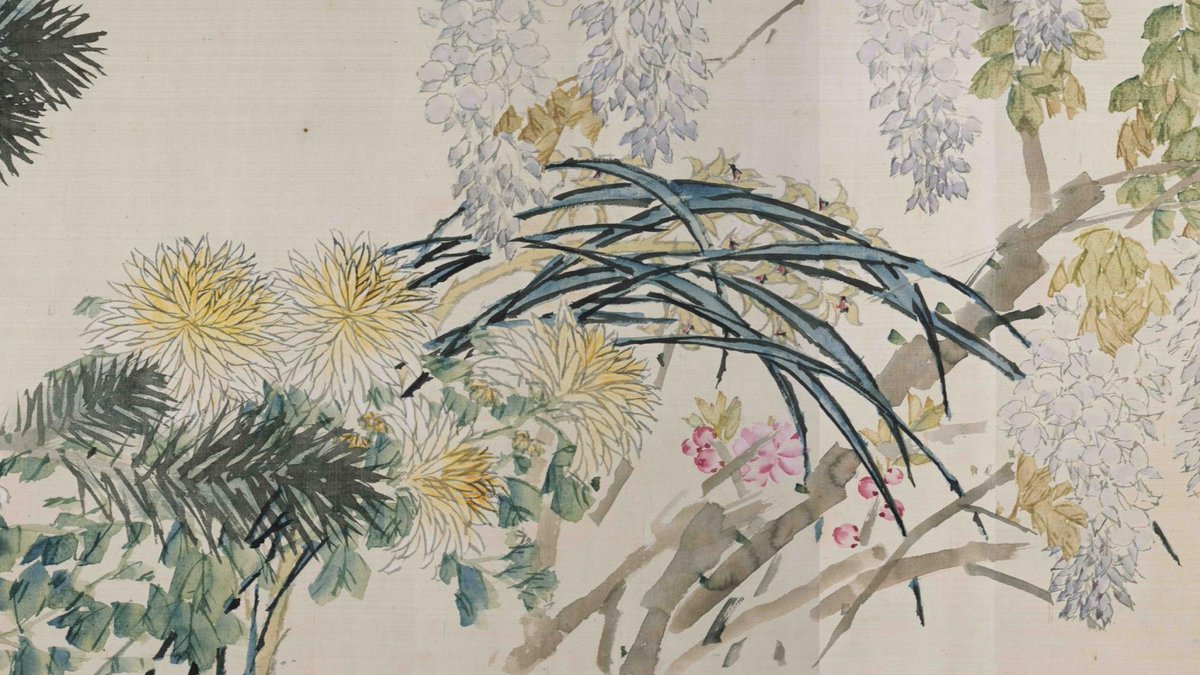
Xu Gu, a renowned Qing-dynasty monk-painter, was initially trained in figure painting. He later became known for his depiction of flowers. The handscroll features mogu washes—a technique that uses color shading without ink outlines—creating an elegant and richly textured effect.
1
2
4
361