
Cultural pills
Joined May 2025
- Tweets 3,405
- Following 4,028
- Followers 9,865
- Likes 42,908
2,351 Photos and videos




Pinned Tweet
Bolesław Szańkowski (1873-1953) , Gypsy Woman (undated)
2
39
408
3,589
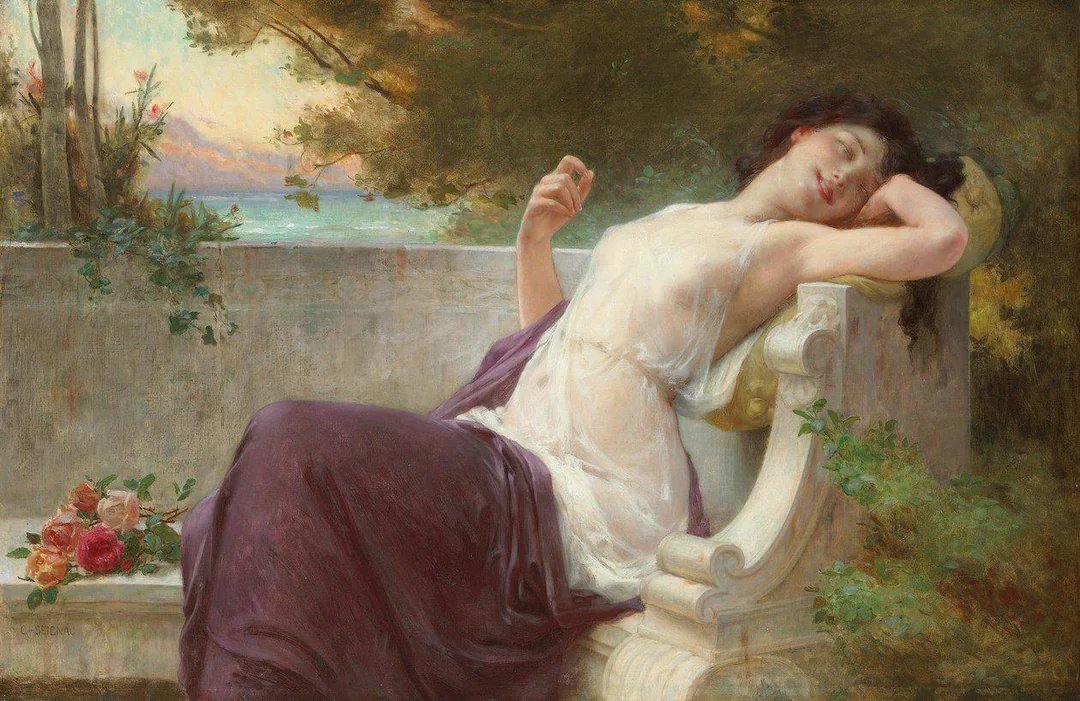
Guillaume Seignac (1870-1924) , An Afternoon Rest (undated)
1
24
237
2,686

Jun 12
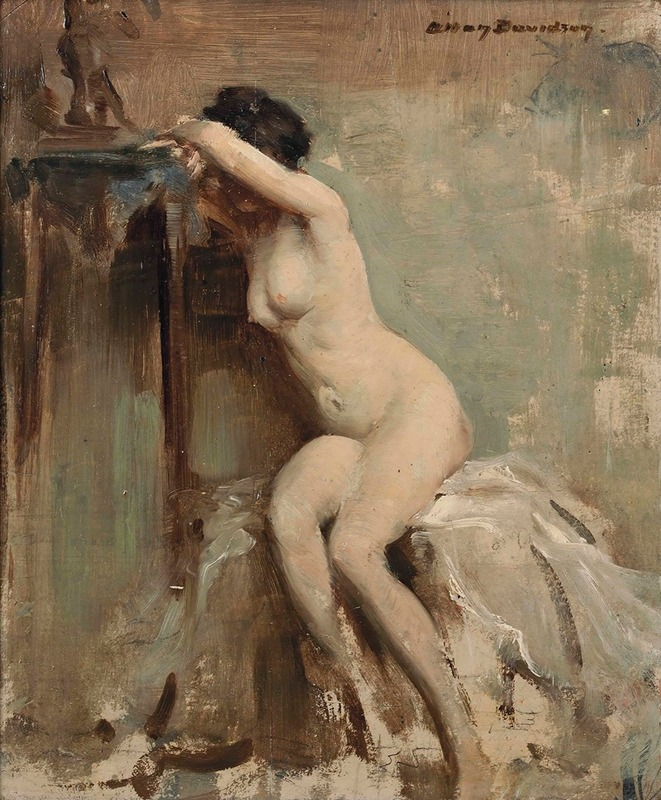
Seated nude,Allan Douglas Davidson (English, 1873–1932)
1
56
1,006
8,513
Jun 12
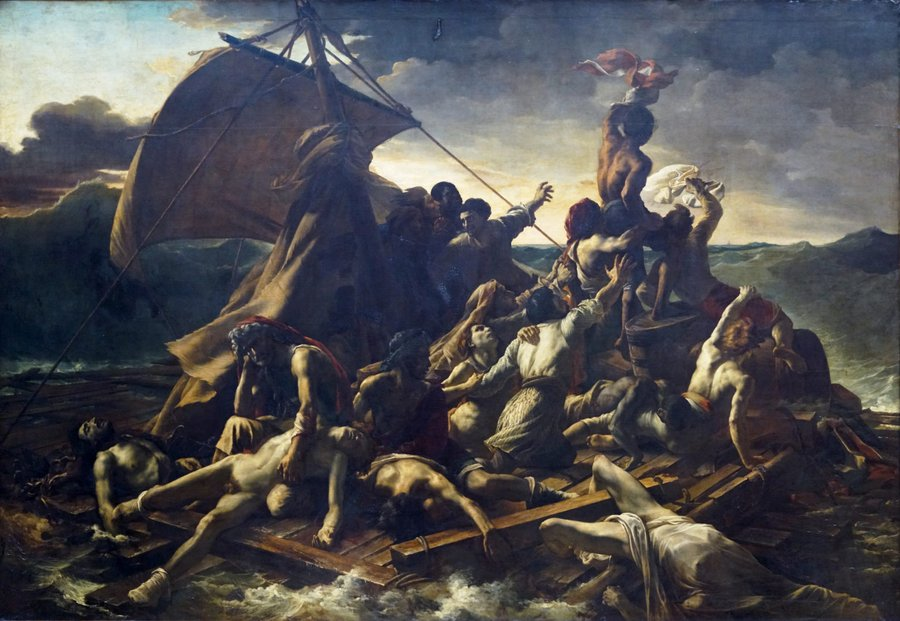
July 1819.
Nine months in which Theodore Gericault was locked in his studio painting.
A 7 meters wide canvas and nearly 5 meters high.
No friends calling.
He paid to have dead bodies delivered so he could study their limbs , their skin tones.
The painting is based on the 1816 disaster where the French frigate " Medusa" , which had run aground off the coast of Senegal, abandoned 150 crew and passengers on a makeshift raft.
They were left to drift for thirteen days before a passing ship rescued them , only fifteen men were left alive and there were rumors about cannibalism behaviors between them .
Gericault first learned about the disaster in the Paris newspapers.
Then two of the survivors, the ship’s surgeon, Henri Savigny, and the engineer, Alexandre Corréard, published accounts of their experiences on the raft.
Géricault interviewed them both and worked with other survivors as well. The painter went to the French coast to study the movement of ships on the water
Of the 150 people aboard the raft, 15 were rescued by the Argus, the ship that we can barely see at the back of the canvas, and only 10 ultimately survived.
Géricault made this drawing around 1818, when he was working out the composition for "The Raft of the Medusa" , by carefully studying and sketching ships and water conditions.⤵️
2
2
30
962
Jun 12
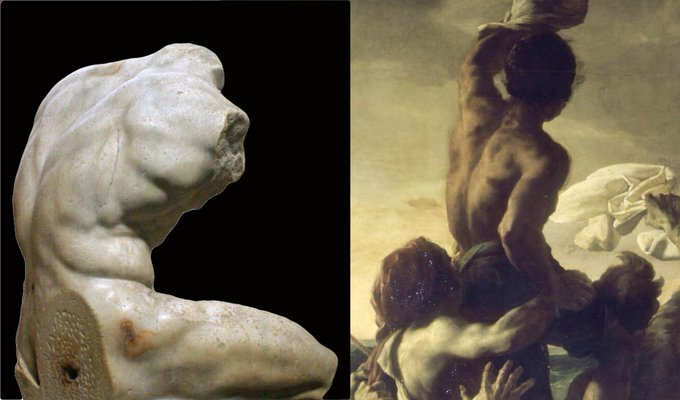
The view of the back of the man at the top of the triangle of figures signaling to the Argus, for example, was based on the famous Belvedere Torso, a fragment of a Classical sculpture depicting muscular nude male figure known by all artists in Europe.
Weakened by riding accidents and chronic tubercular infection, Géricault died in Paris in 1824 after a long period of suffering.
Left: Apollonios, Belvedere Torso, a copy from the 1st century B.C.E. or C.E. of an earlier sculpture from the first half of the 2nd century B.C., marble, 159 cm (Museo Pio-Clementino, Vatican Museums);
Right: detail, Théodore Géricault, Raft of the Medusa, 1818–19, oil on canvas, 4.91 x 7.16m (Musée du Louvre, Paris)
9
550
Jun 12
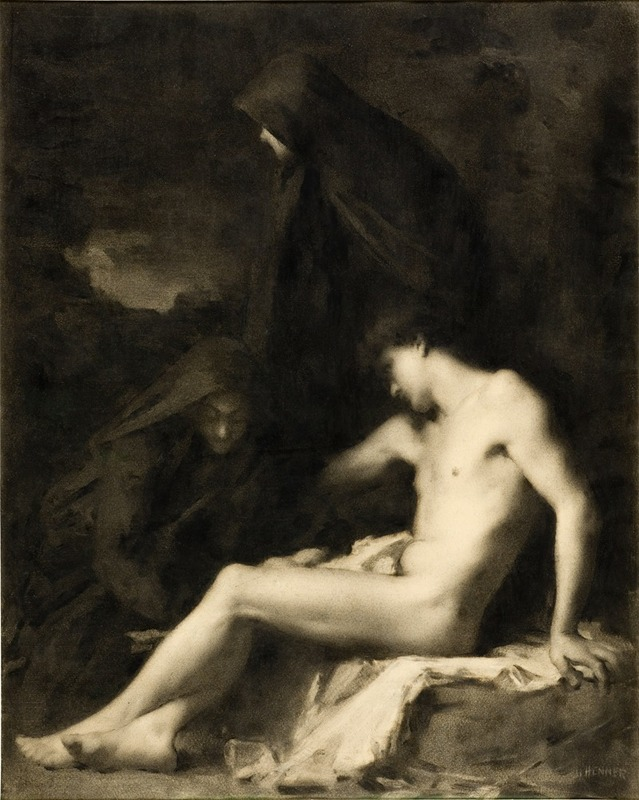
Saint Sebastian Attended by Saint Irene (circa 1889),
Jean-Jacques Henner
15
99
1,636
Jun 12
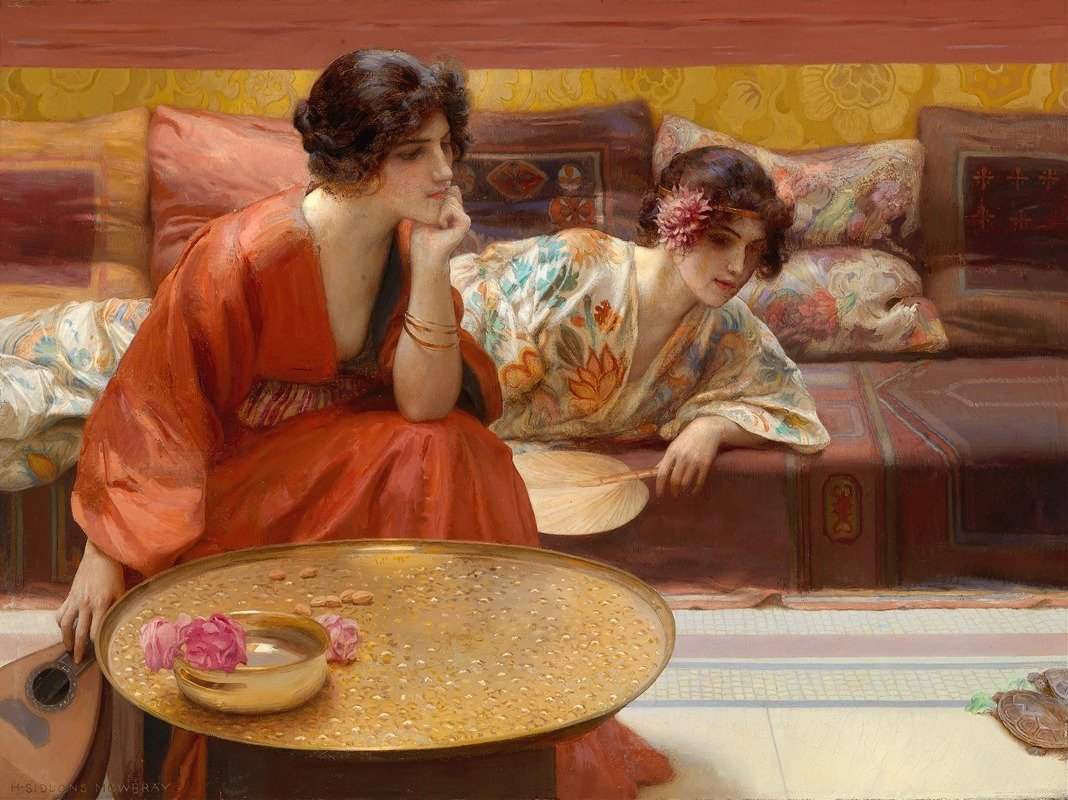
Idle Hours (1895),Henry Siddons Mowbray (American, 1858–1928)
1
24
128
1,903
Jun 12
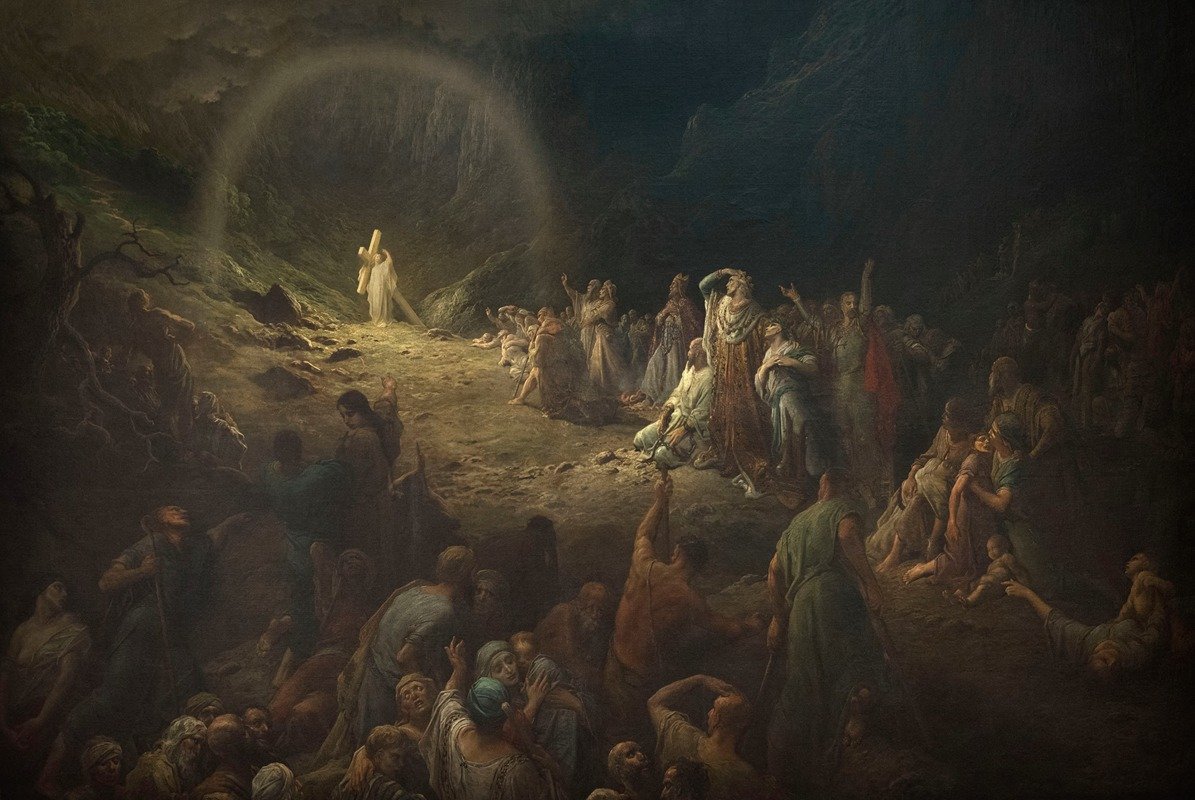
Good morning 🌞with La Vallée des larmes (1883),
Gustave Doré
17
99
1,364
Jun 11
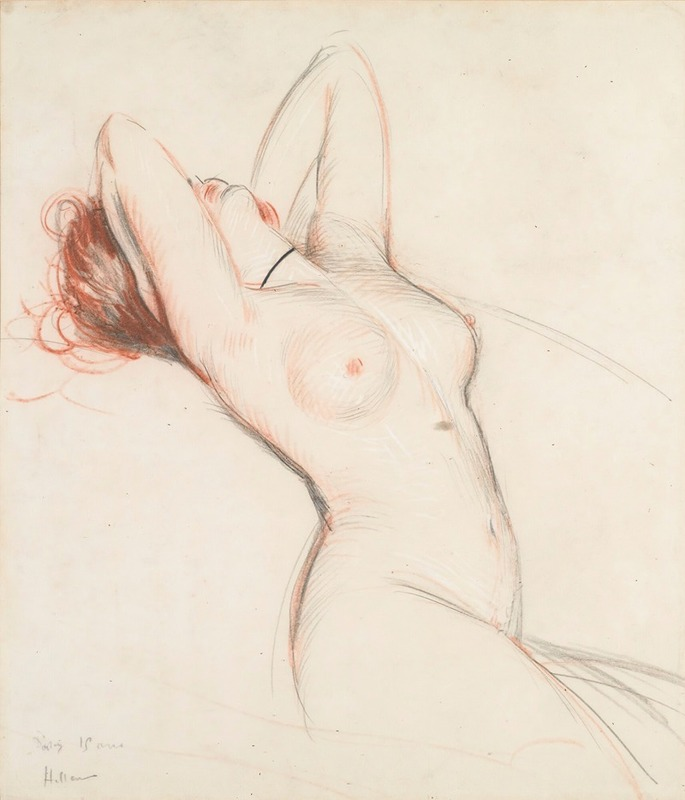
Nu, Paul César Helleu (French, 1859-1927)
8
786
15,196
131,749
Jun 11
Curiosity did not kill the cat .
This is worth saying twice because it has been repeated so often that it now enjoys the peculiar status of things everyone knows but almost nobody checks.
Curiosity did not kill the cat.
There are , as far as I know, no notable cases of a cat becoming so catastrophically inquisitive that it expired in the act of investigation. Cats investigate things for a living .
For one thing, cats are curious . That`s practically their entire personality. They spend their days investigating holes , climbing things they shouldn`t climb , squeezing into places they shouldn`t fit, and staring at invisible objects , with an intensity that suggests either enlightenment or madness. If curiosity were genuinely fatal, cats would have gone extinct long ago.
The most interesting thing is that the proverb wasn`t originally about curiosity at all.
The older version was " care killed the cat". Not curiosity. Care.
And " care" didn`t mean kindness. It meant worry , anxiety and unhappiness.
Only later the meaning of " care" begin to change. And once that happened , the proverb stopped making much sense. Why would kindness kill a cat?
And curiosity stepped in.
One version says that suffering is dangerous.
The other says that asking question is.
And if I had to choose between a world damaged by curiosity and a world damaged by worry , I know which one seems more familiar...
Tournée du Chat Noir (1896),Théophile Alexandre Steinlen
1
6
40
1,456
Jun 11
Maybe the question isn`t whether intellectual intimacy can replace physical intimacy but why we`re so eager to separate them.

Can intellectual intimacy replace physical intimacy?
They can replace each other? Obviously they intersect , overlap, sabotage each other.
Let`s take for example Plato. In Plato , desire is oriented upward. The erotic drive ( eros) is not about bodies , it`s about ascension, forms , beauty , the God, till in the end.
The famous ladder from " Symposium" is about how to convert physical attraction into a metaphysical one.
Still, without the initial shock of bodily attraction, there`s no motion upward at all.
With Augustine , the tone changes. His intellectual intimacy with God is not a replacement for physical intimacy, but a redirection. It seems that Augustine never solve this tension: the more intensely intellectual his devotion becomes, the more he writes about bodily temptation.
He wrote: " I had become to myself a vast problem. I loved not yet to be loved but to love, and in the search for something to love , I was hateful to myself. The live I lived with my friends was not real friendship, but the longing of souls who could not rest until they rested in you". ( Augustine- "Confessions")
Moving into a different register , with Teresa of Avila those things get uncomfortable. Her mystical writings are full of bodily imagery. The spiritual union is described through an almost violently corporeal language.
Which create a problem: if intellectual or spiritual intimacy were meant to replace physical intimacy, why does it keep borrowing its vocabulary?
If you ask Anais Nin , for example , you will see in her diaries , intellectual and sexual intimacy are not competing . She resist the idea that thinking is " higher" than sensing or that eroticism is " lower" than thought:
" I am more interested in the way a man thinks than looks. Henry ( Miller) is not handsome but he has the most exciting mind I ever know. With June it is different: she is mystery itself , a poem cannot decipher, a beauty that escape possession".
As for the existentialists, like Sartre, " to love is, in essence, to wish to be loved to. Desire is to wish oneself desired. The lover does not only seek the beloved ;he seek himself through beloved". ( Being and nothingness).
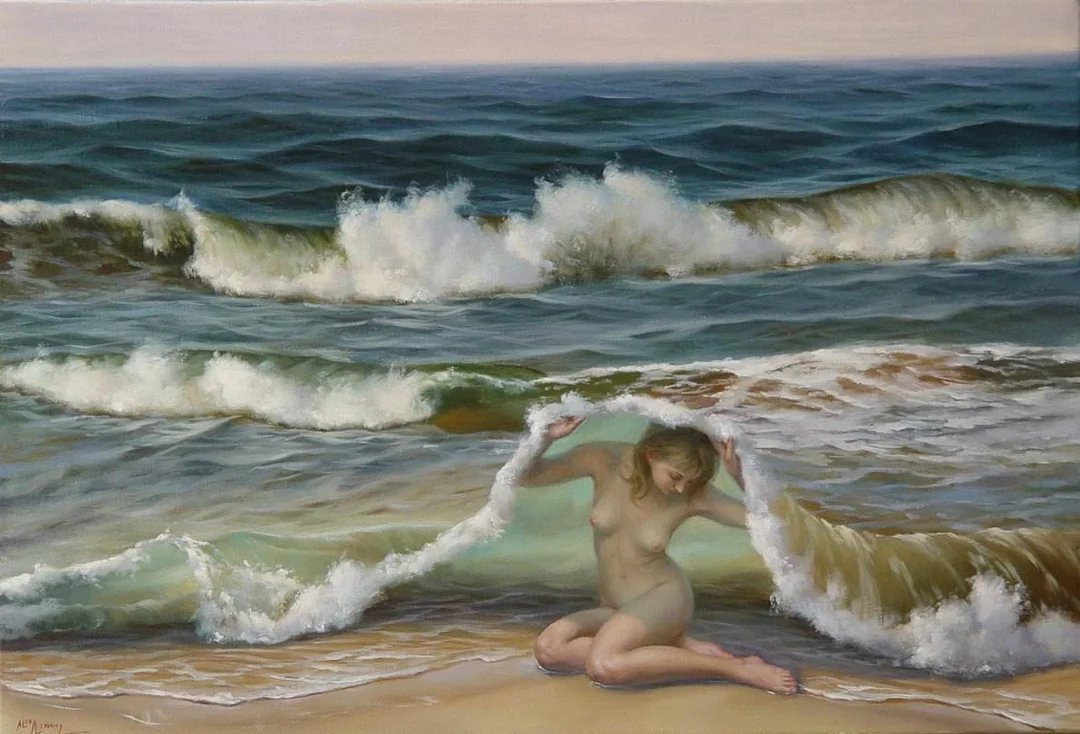
Alex Alemany (b. 1943) , Mediterraneo
3
64
2,032
Jun 11
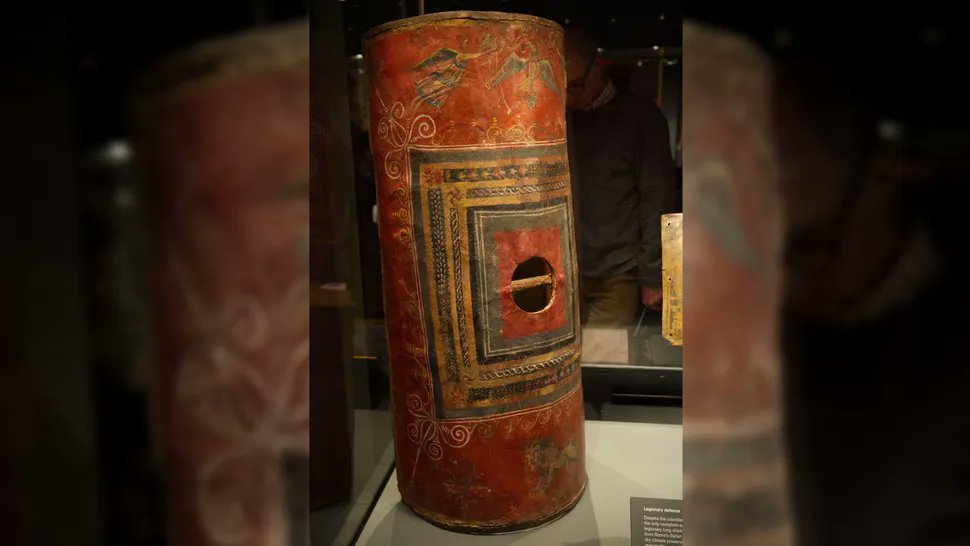
Good morning 🌞with this unique shield, the only one of its kind to survive .
This type of shield was made of three sheets of wood glued together and covered with leather or canvas.
Scutum in Latin means, literally " shield".
Was light enough to carry with one hand and covered the center of the body. ⤵️
1
1
23
1,059
Jun 11
Speaking about extraordinary , this extraordinary helmet is very rare.
Only four complete helmets are known from Anglo-Saxon England: at Sutton Hoo, Benty Grange, Wollaston and York.
On the right is the replica of the helmet made by the Royal Armories (The British Museum)

1
13
700
Jun 10
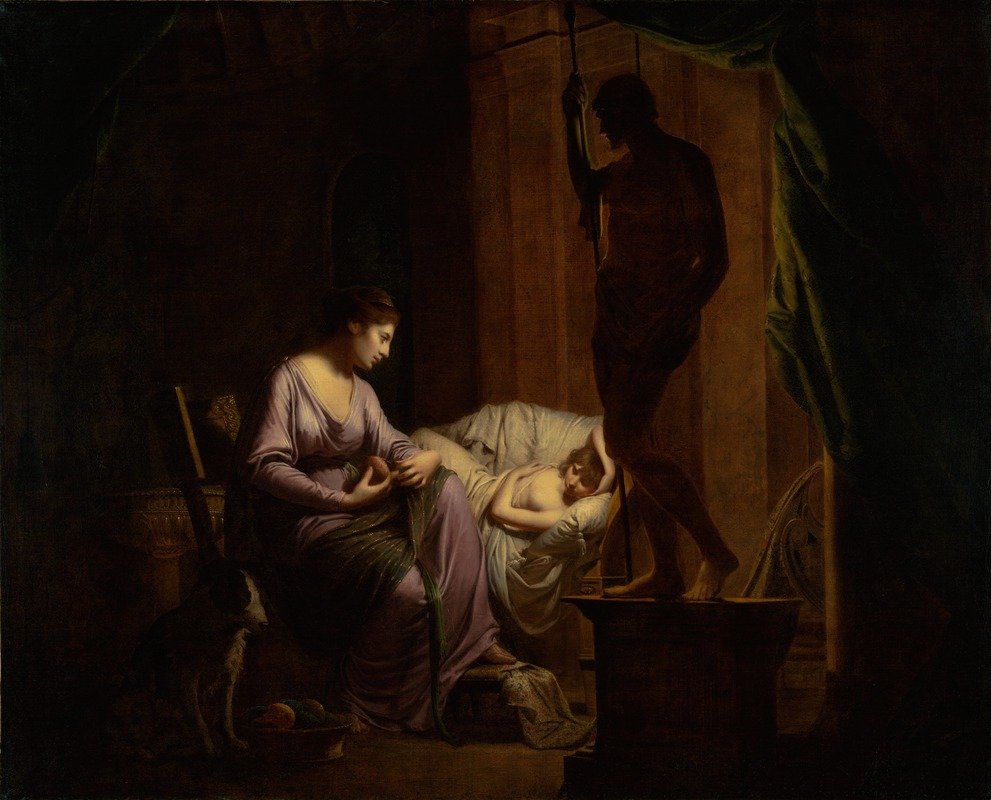
Penelope Unraveling Her Web (1783–1784), Joseph Wright of Derby
5
40
1,131

Jun 10
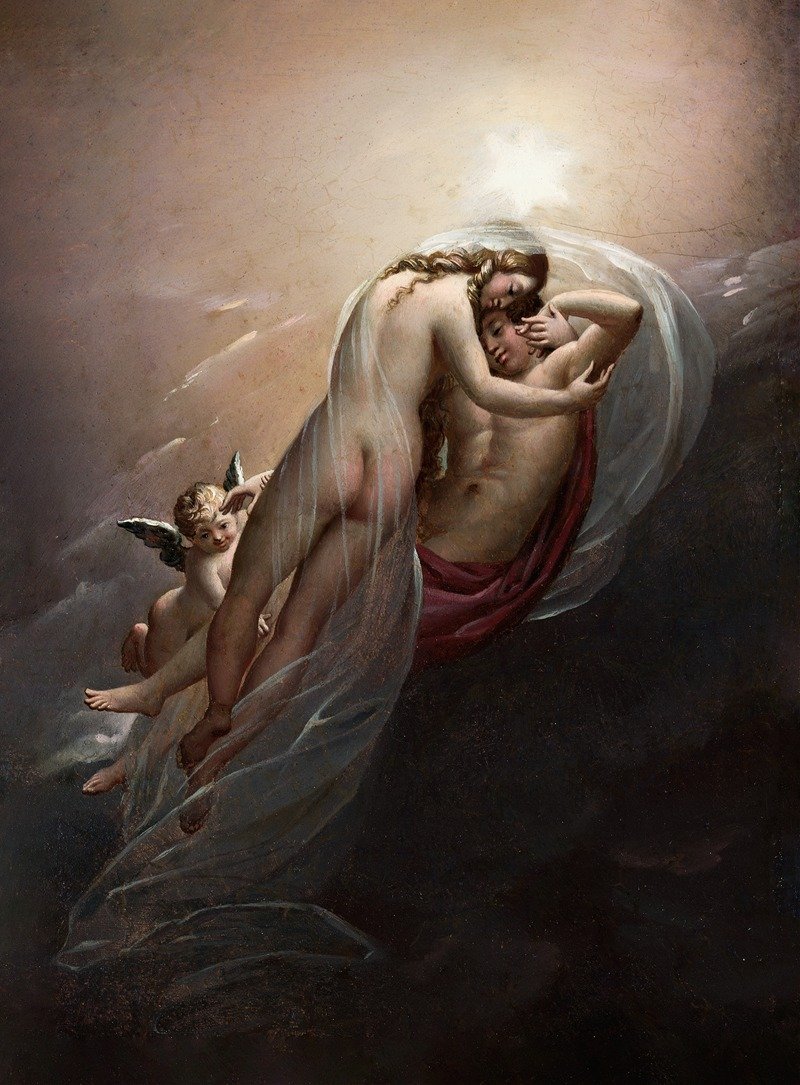
Aurora and Cephalus (C.1810),Anne Louis Girodet-Trioson
10
65
1,082
Jun 10
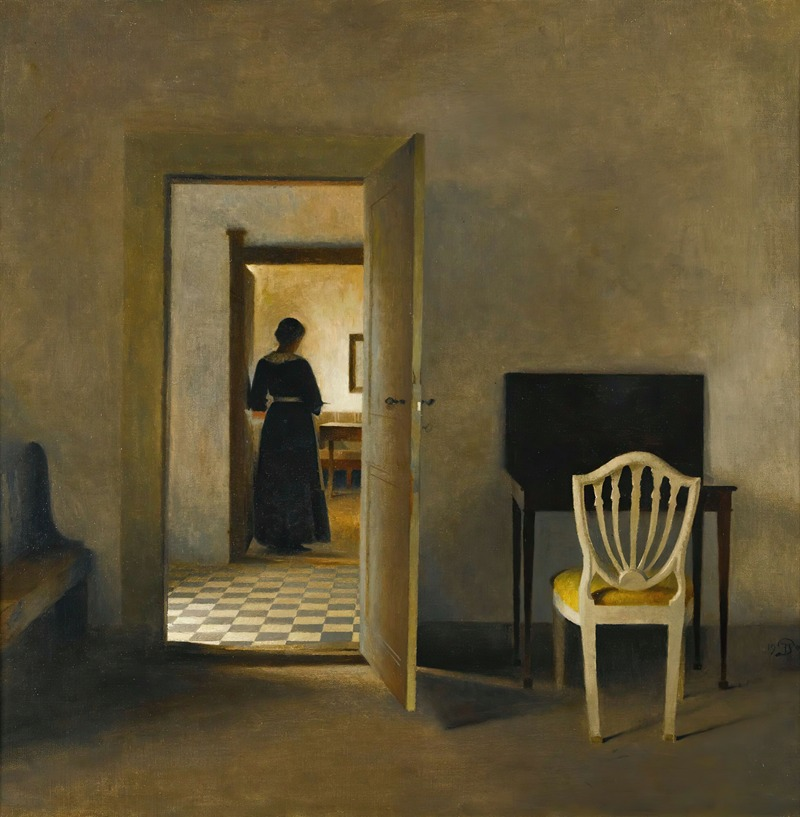
Good morning 🌞 with " Interior With White Chair " (1907),Peter Ilsted
2
8
46
882