carnodrawer (Ian) retweeted

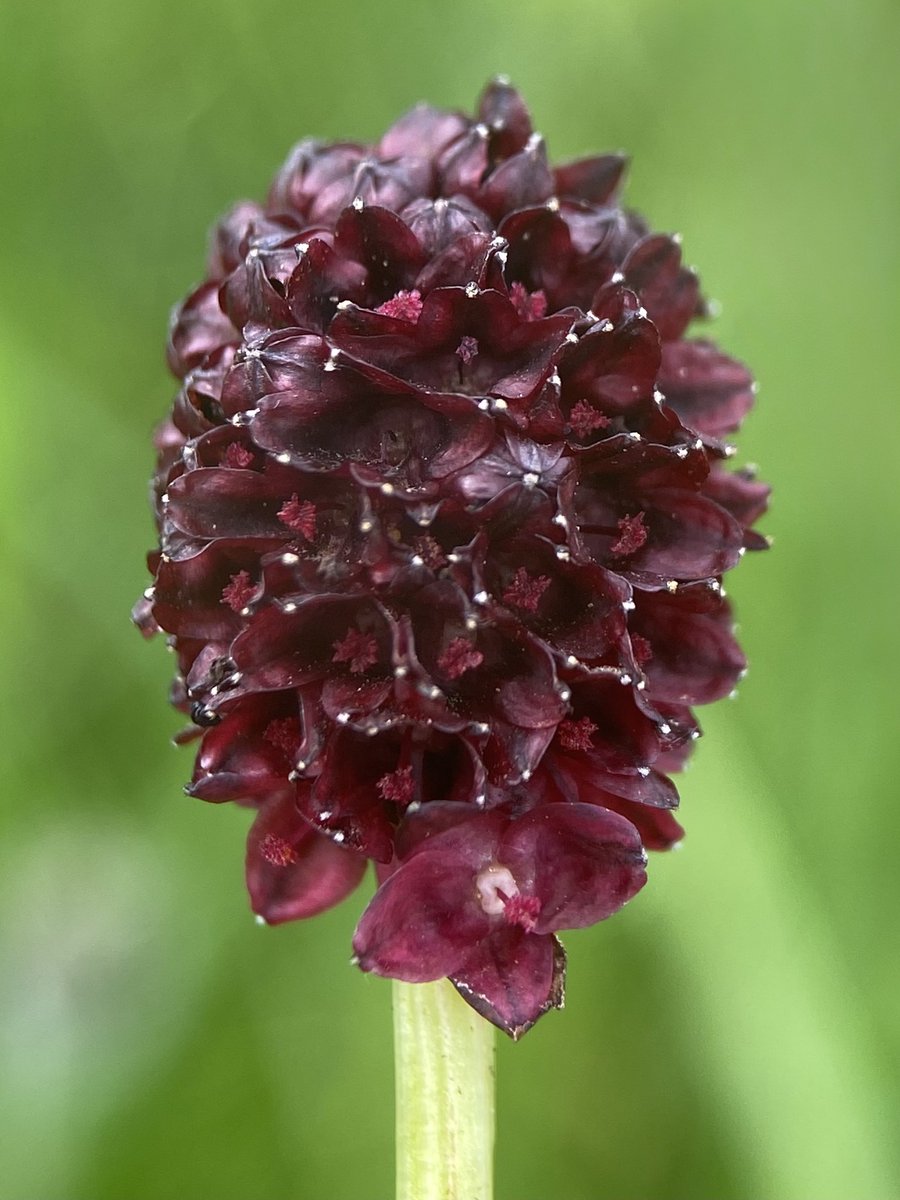
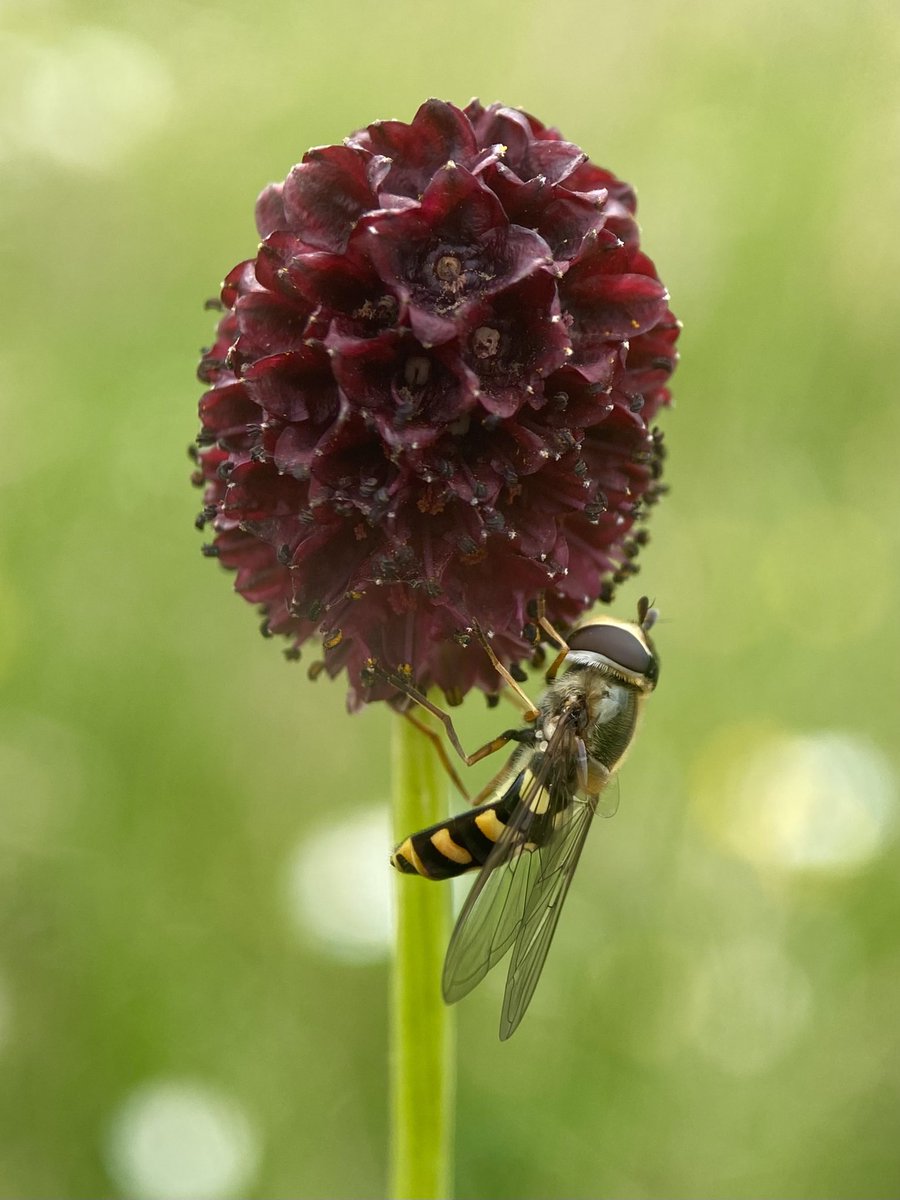
Great Burnet (Sanguisorba officinalis), an amazing flower, and loved by the pollinators too ! #wildflowers #hoverfly
6
42
251


An aphid infestation on a plant is an opportunity to observe a network of prey-predator and parasitic relationships. In late May, a grape honeysuckle (Lonicera reticulata) was clobbered by aphids; most of its flowers failed to open, the buds covered with greenish-gray aphids, the leaves spattered with aphid honeydew and molted aphid skins. This proved to be a substantial invitation:
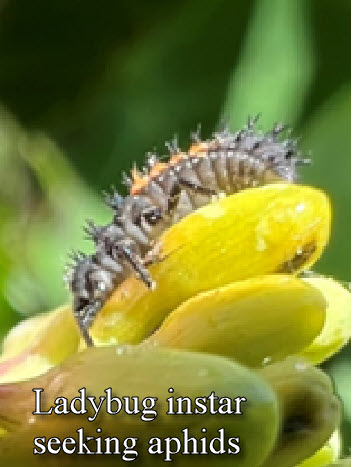
· Asian harlequin ladybugs (Harmonia axyridis) and ladybug larvae appeared, consuming numerous aphids. Imported as biocontrol for aphids as long ago as 1916; the downside is that it carries a Nosema fungus that’s fatal to native 7-spotted ladybugs (Coccinella septempunctata).
· Hoverflies, including the beautiful oblique streaktail, Allograpta obliqua, arrived and began to lay, sometimes on the underside of leaves, but more often inserting the eggs deep within the stunted buds.
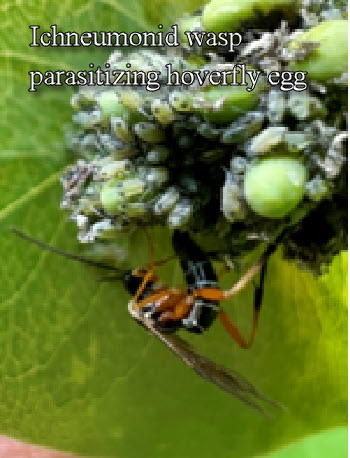
· Soon, parasitoid wasps arrived, Ichneumonid spp, which were not there for the aphids but the hoverfly eggs. Tapping the buds with their antennae, the tiny wasps sought out the concealed hoverfly eggs and injected their own into them.
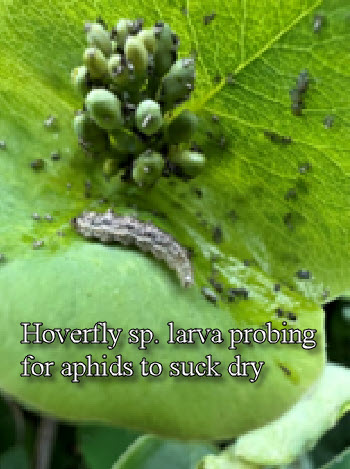
· A few hoverfly larvae were sucking aphids dry, and often wore the emptied husks on their bodies to prove it.
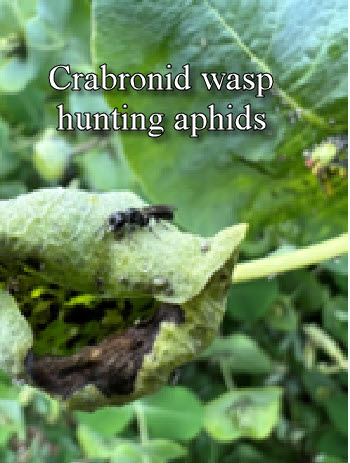
· Small black Crabronid wasps captured aphids in their mandibles for their brood, flying them back to nests inside stalks they had industriously hollowed out.
· Fruit flies showed up for honeydew (the sweet, sticky excrement of aphids).
· A minute, non-native, metallic turquoise-and-red jewel wasp appeared, Pseudomalus auratus. Fond of honeydew, it’s also a cuckoo that parasitizes a number of bee and wasp species, including the Crabronids. Cuckoos sneak into a bee or wasp nest and lay. This species has another reproductive tactic: lay an egg on the aphid and let the aphid-hunting Crabronid unwittingly transport it back to its nest, enabling the cuckoo larvae to kill the Crabronid brood and consume their stores: defines kleptoparasite.
· No aphid mummies were visible, indicating an absence of the tiny Braconid wasps that parasitize aphids.
· A plant louse, a spittlebug, and ants numbered among the visitors, as well as a potter wasp (Ancistrocerus sp.), likely there for nectar, along with a small carpenter bee (Ceratina sp.).
A guest post from Maggie Schwed, SBC Pollinator Consultant. Part of the RSPP/SBC Partnership. For more information on Stone Barns visit @stonebarns on IG.
6
Stacy Dilley retweeted

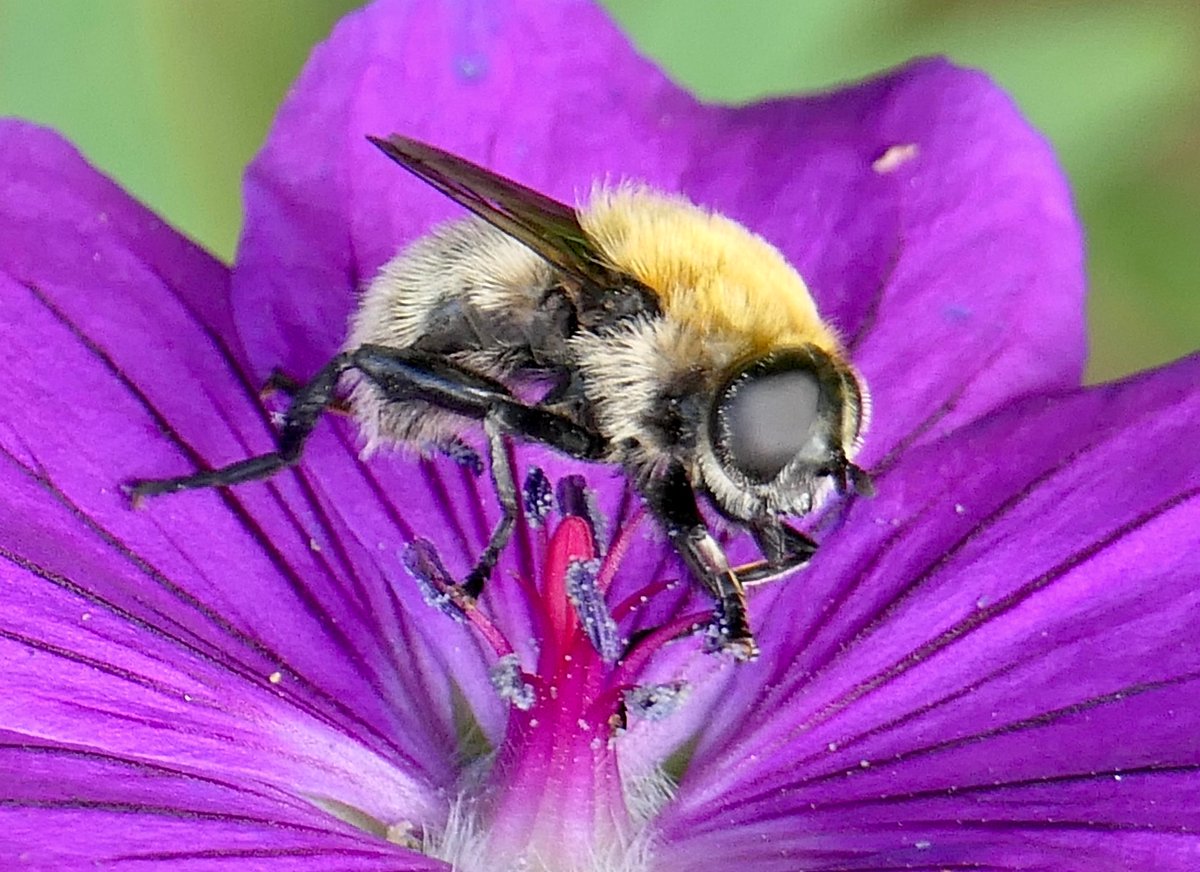
A Hoverfly, Merodon Equestris (a female), in the Garden (at Home)...
4
22
99

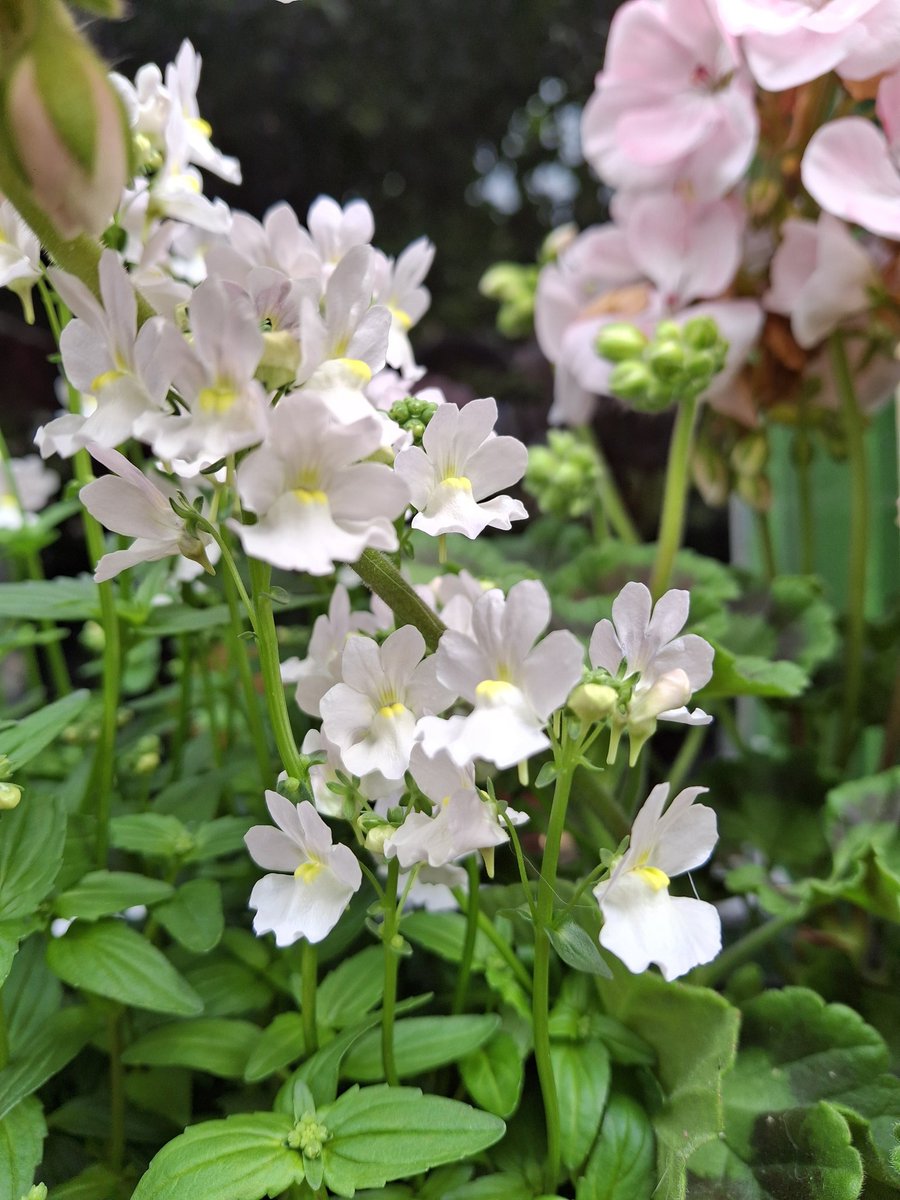
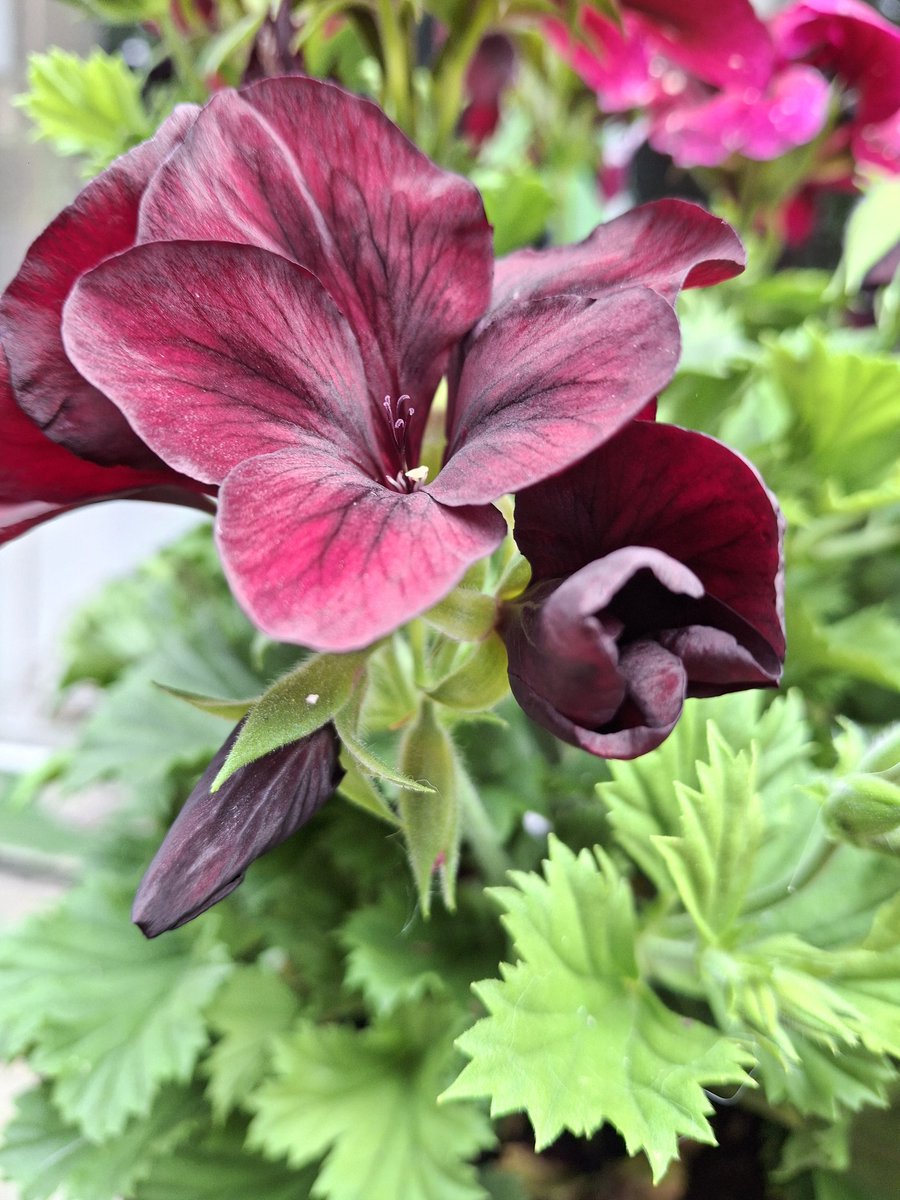
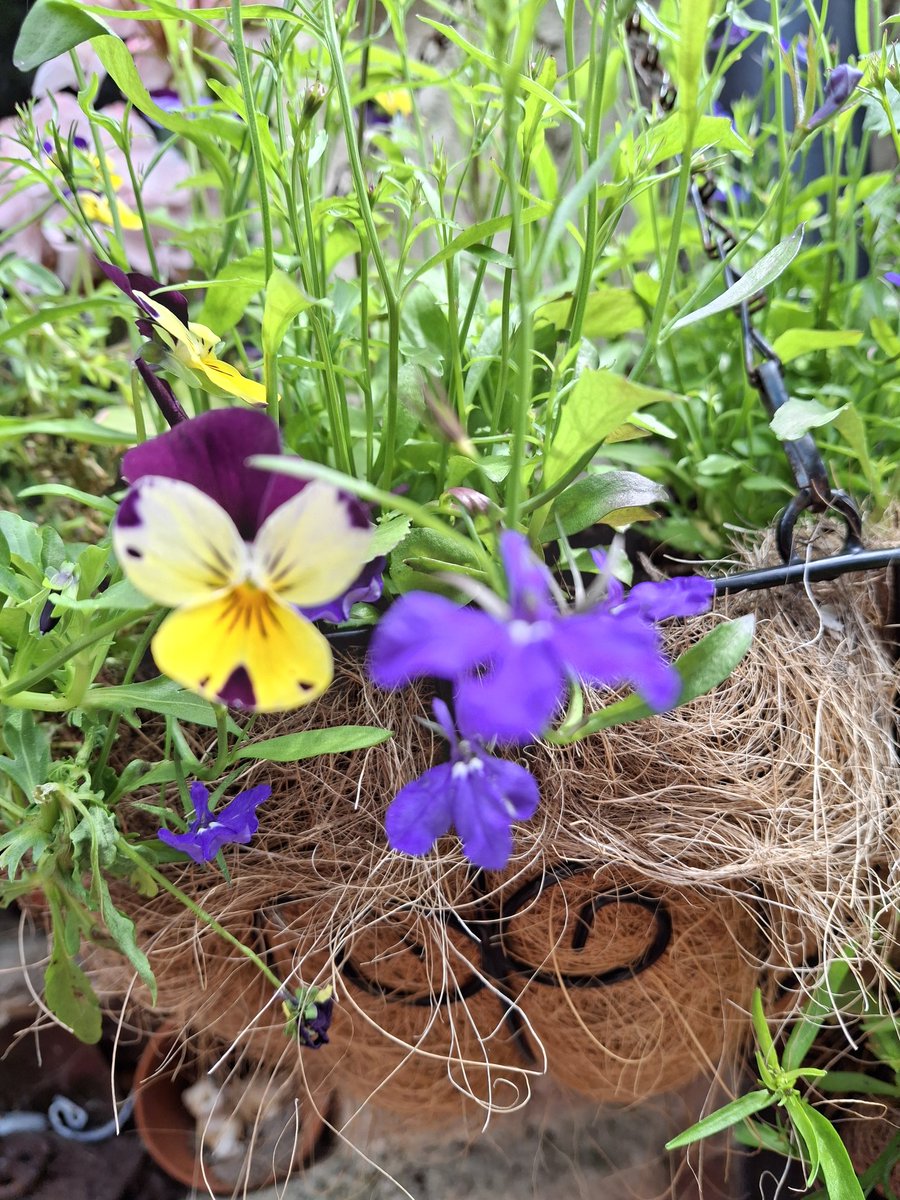
The vanilla scent of the nemesia is making up for evidence of slugs/snails infiltrating the hanging baskets despite my best efforts. Also spotted a hoverfly but didn't manage a photo of it.
1. Vanilla nemesia with pink geranium
2. Deep red pelargonium
3. Viola and lobelia
1
3
30

RT @s4r4h_l: #MacroMonday with a very appropriate Helophilus pendulus #hoverfly on an ox-eye daisy, also known as The Footballer! Seen yes…
4

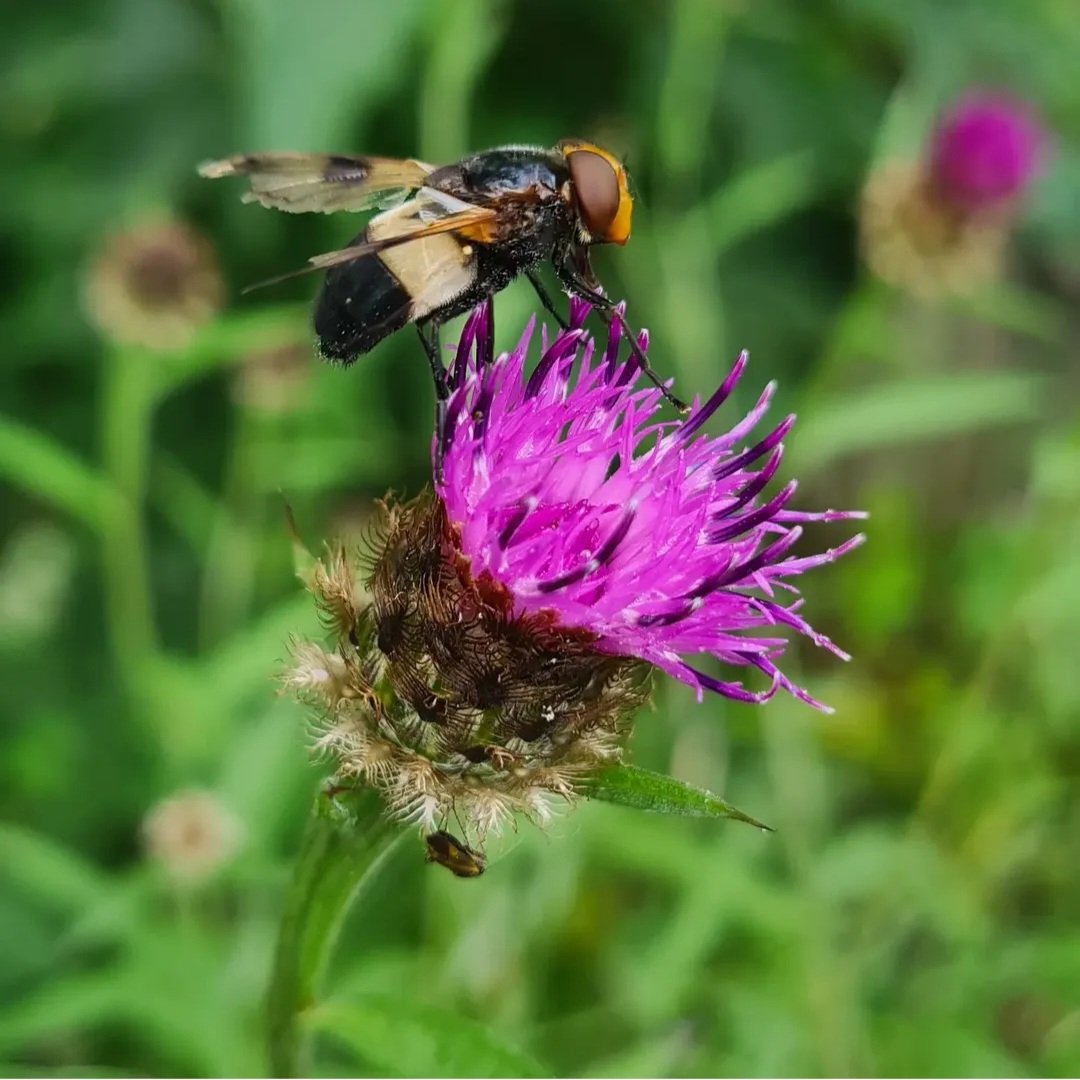
Stumbled across a quite large Pellucud hoverfly taking a break on what I thought was Scottish thistle. Bit of research and its common knapweed. Nothing common about either of these in my eyes #hoverfly #naturelovers #wildflower @ScotWildlife @NatureVSCO
2
19

RT @s4r4h_l: #MacroMonday with a very appropriate Helophilus pendulus #hoverfly on an ox-eye daisy, also known as The Footballer! Seen yes…
4

RT @s4r4h_l: #MacroMonday with a very appropriate Helophilus pendulus #hoverfly on an ox-eye daisy, also known as The Footballer! Seen yes…
4

RT @s4r4h_l: #MacroMonday with a very appropriate Helophilus pendulus #hoverfly on an ox-eye daisy, also known as The Footballer! Seen yes…
4
Green Hampshire retweeted

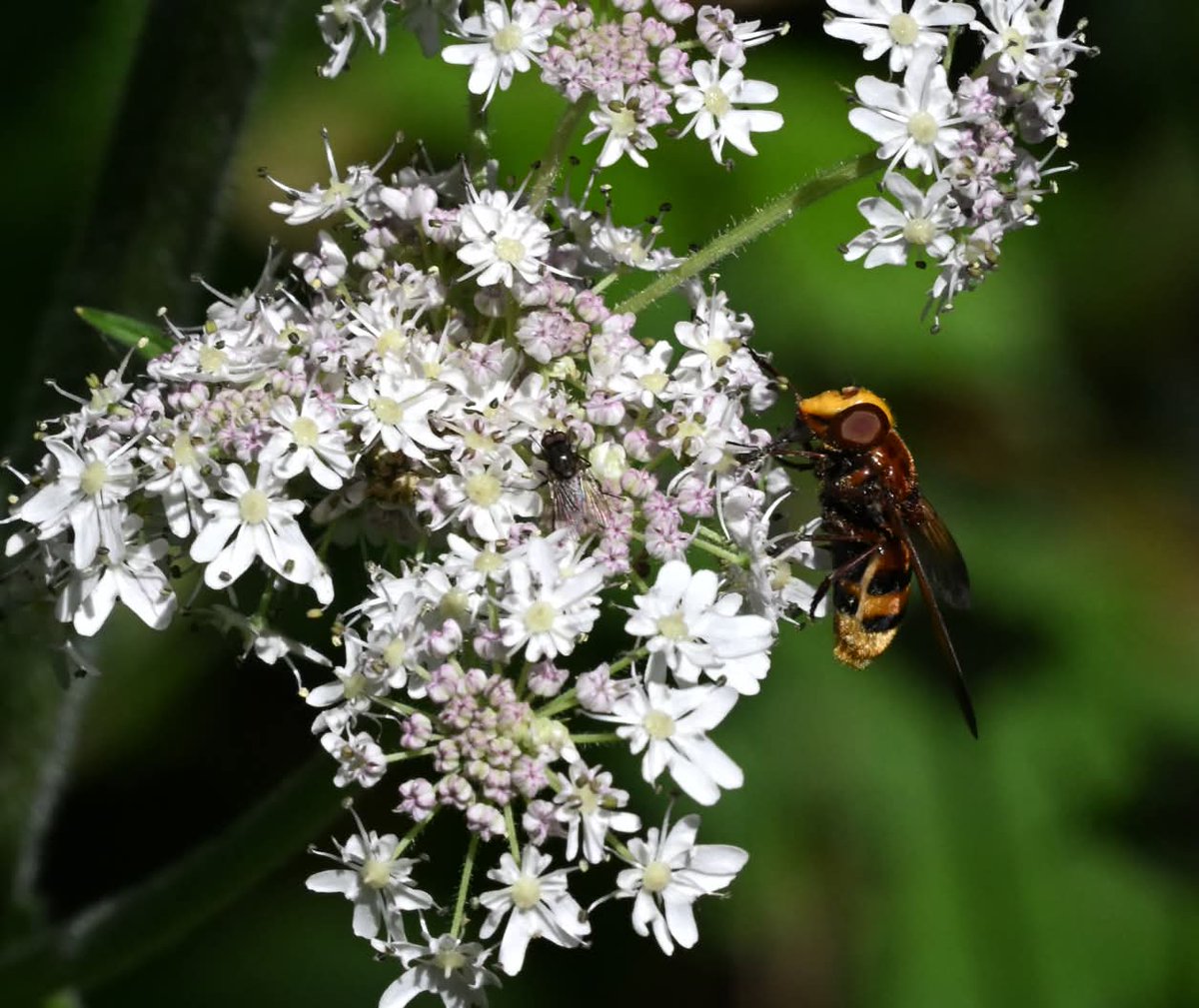
Hoverfly Volucella Zonaria pictured at Bridget Mary Gardens on 10/6 @bigmeadowsearch @DorsetWildlife @GreenHampshire
1
1
49