
Just ran LunchPe’s first influencer collab in Jaipur.
970 likes. 50 comments. Day one.
Micro-influencers hit different for hyperlocal products. 🍱
instagram.com/reel/DZiALi3z6…
8

item songs probably draw from hyperlocal traditions
maybe that's why they feel so familiar even when we pretend otherwise
2
22

Described as a ‘nomadic Irish food experience’, The Salt Project is a food truck that traverses the country creating hyperlocal menus specific to wherever it goes.
irishcountrymagazine.ie/this…
41

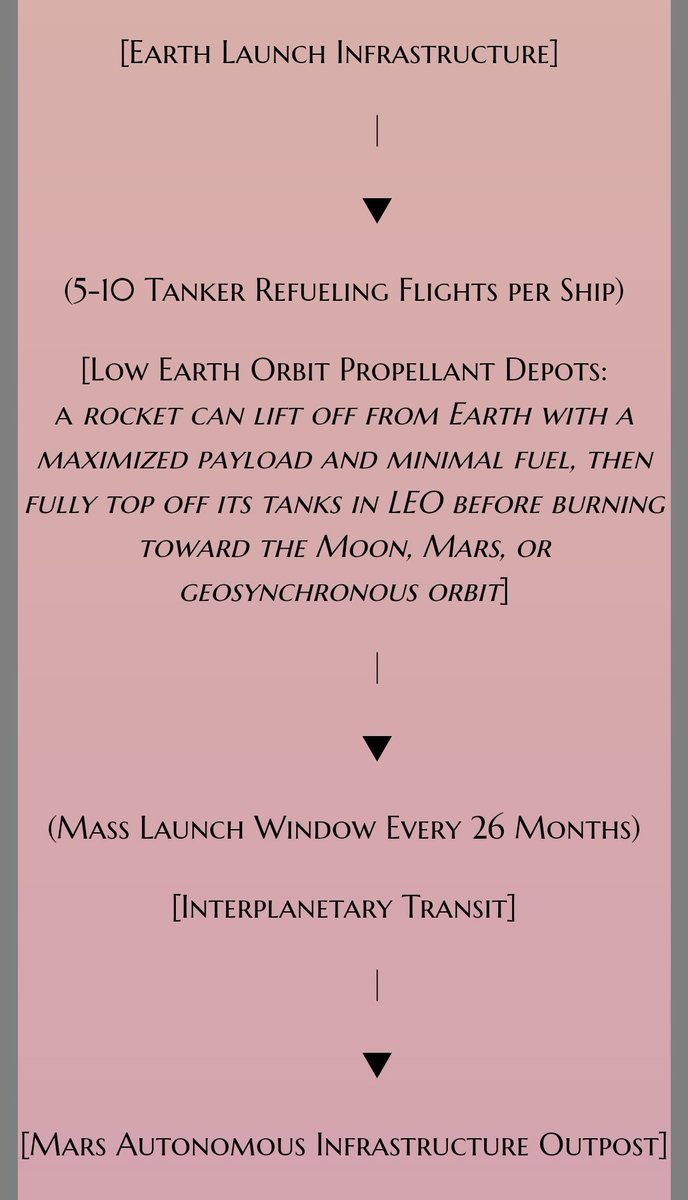
Are you building the tech that scales human civilization?
5000cities.com/stress-testin…
Connect with 5,000 Cities TODAY. Join our network of deeptech innovators, urban leaders and visionary founders to collaborate on the hyperlocal and inter-planetary solutions accelerating progress
3

Happy to go through the capacity Building workshop on the Data-driven Hyperlocal Intervention (DDHI) programme in Panjim Goa by the centre for excellence for road safety (CoERS) IIT MADRAS with the Directorate of transport Goa.
4

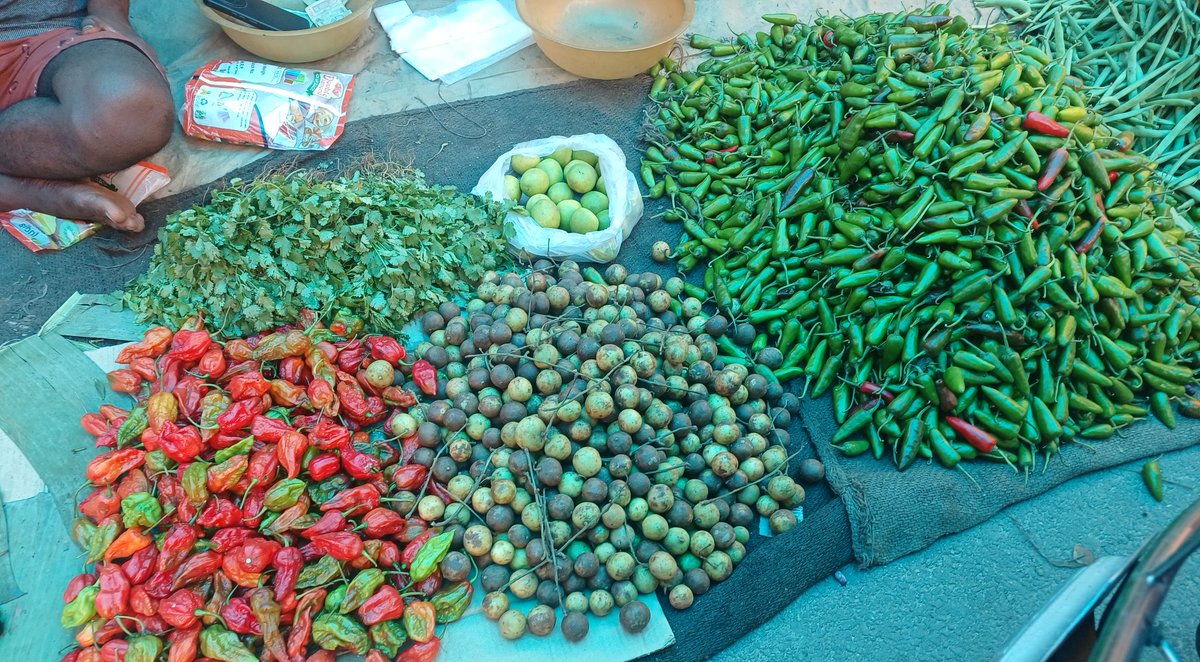
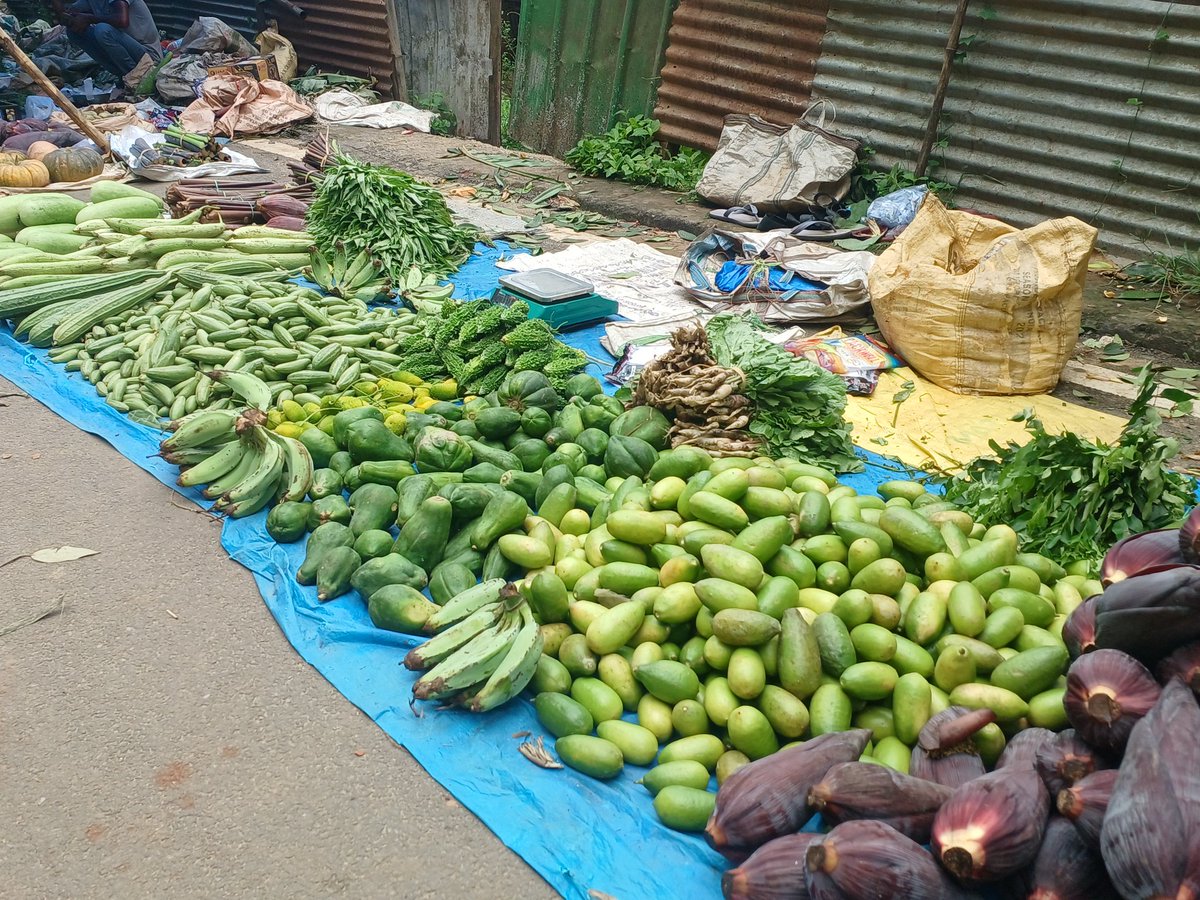
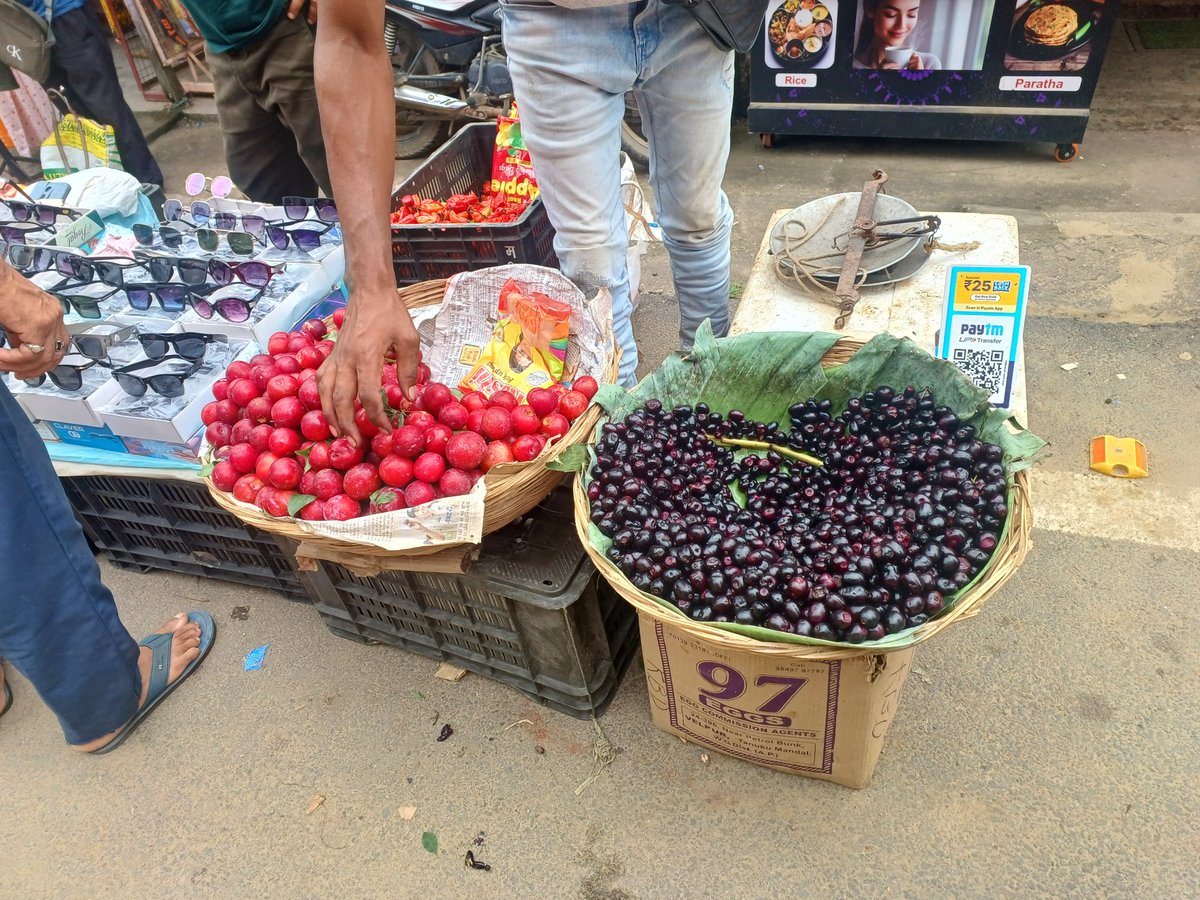
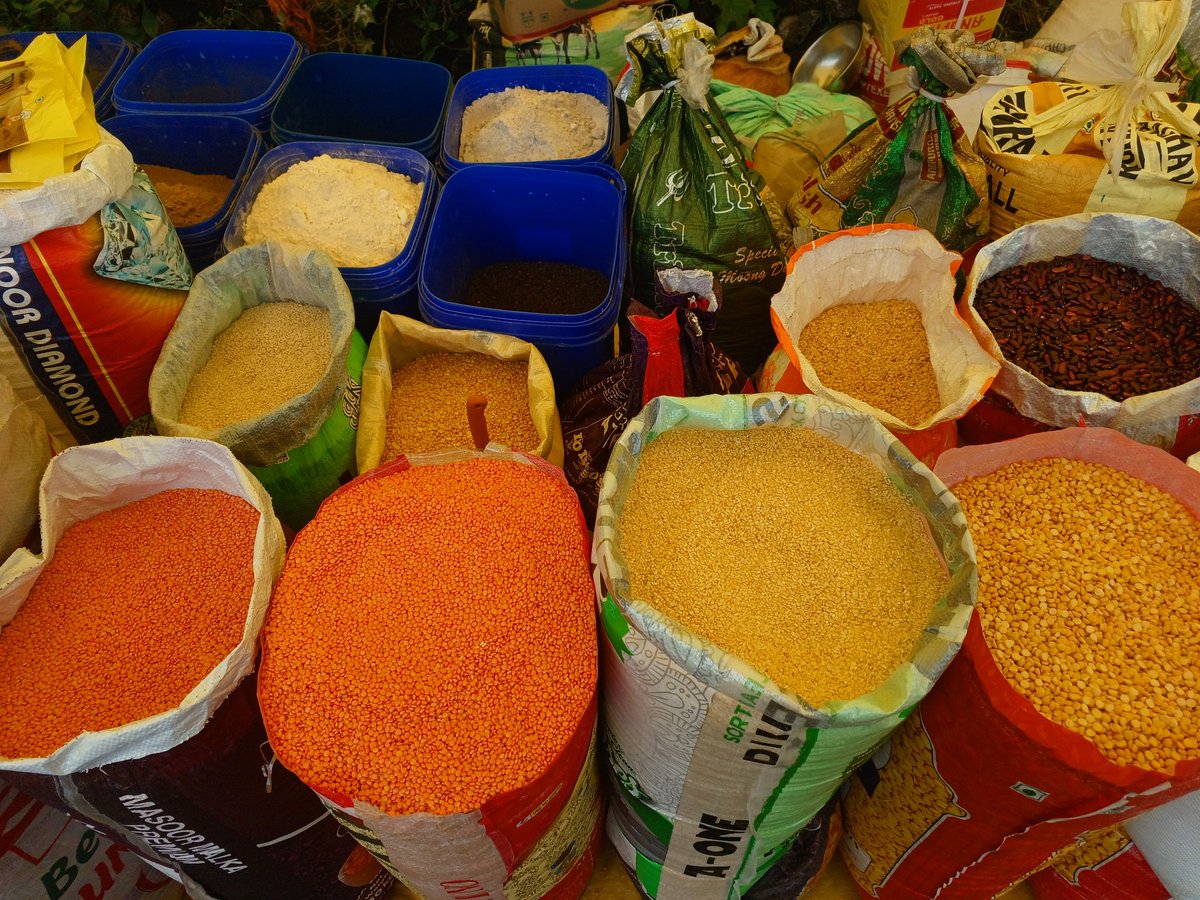
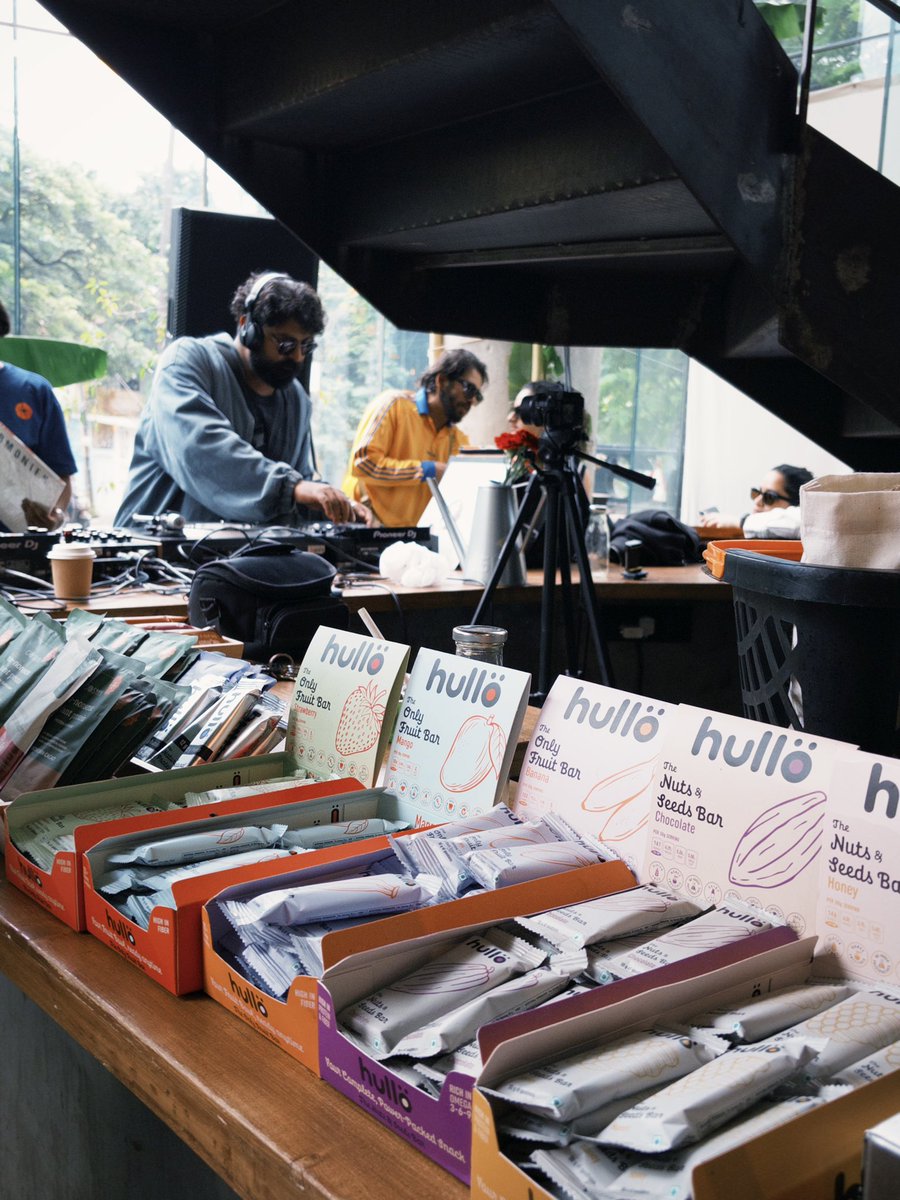
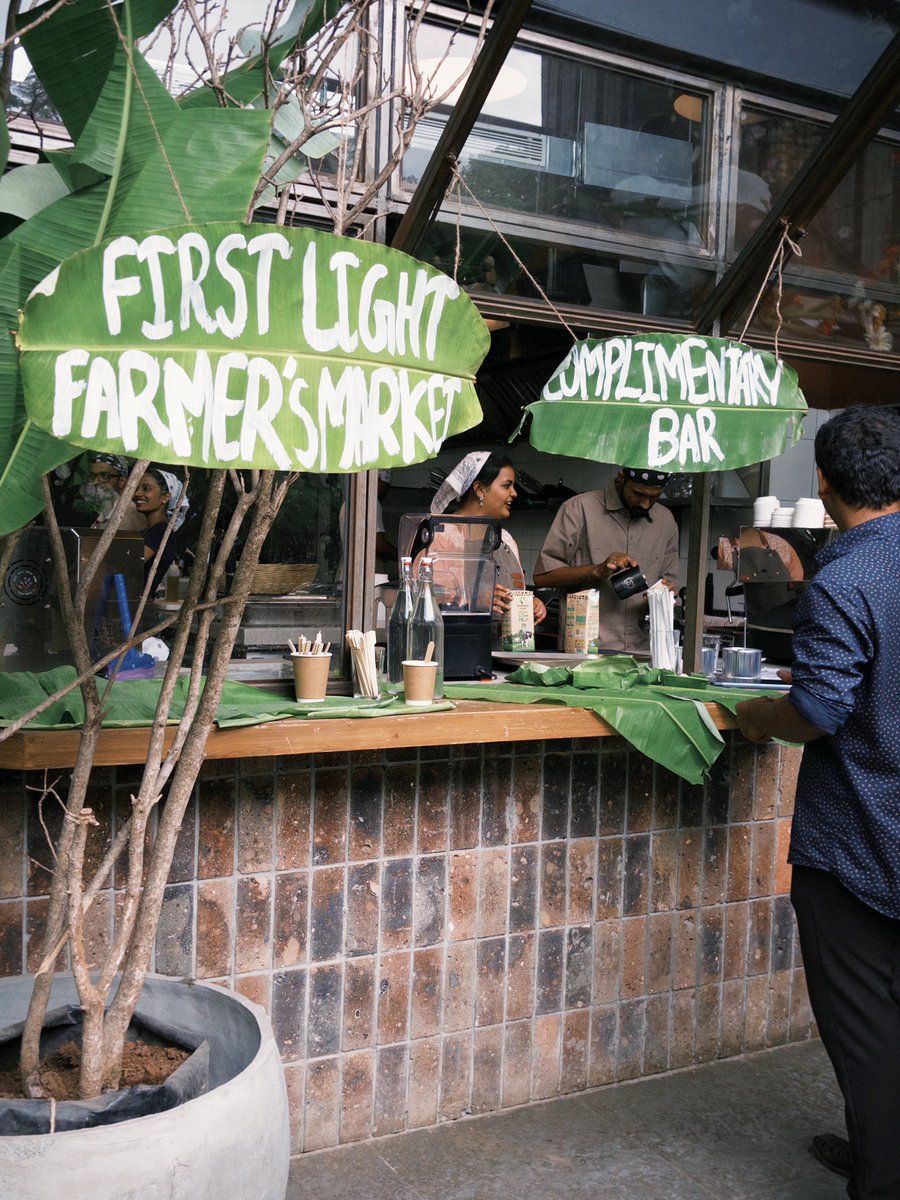
a D2C, curated farm-to-fork experential retail market in the guwahati tech-metropolis that leverages the hyperlocal supply chain for middle class urbanites to haggle with poor sellers for 5 rs.
kindly, do not cofuse this with indiranagar organic farmers' market 🙏🏽


3
39
1,656


DHS documented a systematic framework for tracking Russian disinformation in 2005. Two decades later, that baseline analysis reads like a user manual for what we're seeing unfold in real time.
The framework identified how adversaries exploit social divisions and target information gaps to crack public confidence in democratic institutions. Putin's operatives have turned this into an industrial operation. What started as crude bot farms and obvious fake accounts has evolved into something far more dangerous: native-looking content that amplifies existing American voices rather than replacing them.
The 2005 assessment caught Russian operations at their most primitive stage. Think spray-and-pray tactics across early social media platforms. Compare that to 2024, where the same adversaries have learned to weaponize authentic American influencers, hijack genuine political movements, and seed narratives that Americans then spread organically. They don't need armies of fake accounts when they can turn real Americans into unwitting distributors.
The trajectory is clear. Russian information operations have moved from imitation to amplification. They've stopped trying to sound American and started making Americans sound Russian. The next evolution is already happening: AI-generated content sophisticated enough to fool detection systems, deepfakes targeted at local elections where verification resources are thin, and micro-targeted disinformation campaigns that exploit hyperlocal grievances.
DHS built their 2005 framework around the assumption that foreign interference would remain foreign in origin and obviously artificial in execution. That model is dead. Modern Russian operations succeed precisely because they don't look foreign anymore.
The vulnerability has shifted from technological to psychological. Early Russian bots were easy to spot because they couldn't replicate authentic American discourse patterns. Now they don't need to. They've mapped our political fault lines so precisely they can predict which authentic Americans will amplify which messages. They've turned our own polarization into their delivery system.
Federal defenders are still playing catch-up to this evolution. The DHS framework treats foreign interference as an outside force penetrating American information space. But when Russian narratives get picked up by sitting members of Congress and broadcast on major networks, the traditional inside-outside distinction collapses. How do you counter foreign influence when it's being spread by domestic political leaders who may not even know they're doing it?
The operational environment has fundamentally changed since 2005. Russian disinformation campaigns now launch simultaneously across Telegram, Truth Social, mainstream conservative media, and progressive activist networks. The same false narrative gets customized for different audiences and spread through their trusted information sources. By the time fact-checkers identify the original foreign source, millions of Americans have already encountered the story through channels they trust.
Intelligence agencies know what's coming next. Russian operators are testing AI systems that can generate location-specific disinformation for congressional districts, create synthetic local news sources that build credibility over months before deploying false stories, and produce audio deepfakes of local officials discussing nonexistent scandals. The 2026 midterms will be the testing ground.
State and local officials should expect Russian influence operations to go hyperlocal. Instead of trying to swing presidential elections, they'll target mayoral races, school board elections, and ballot initiatives where a few hundred votes can flip outcomes. Small-town newspapers won't have the resources to fact-check synthetic scandals about local candidates. Election officials in counties with populations smaller than a Moscow apartment building will face disinformation campaigns designed by intelligence professionals.
The federal response remains trapped in the 2005 mindset that treats this as a cybersecurity problem. But you can't patch human psychology. Russian success doesn't depend on hacking voting machines or penetrating government networks anymore. They've hacked something more valuable: the American information ecosystem itself.
Congressional oversight committees should focus on why U.S. intelligence agencies are still analyzing foreign interference through frameworks designed for simpler threats. The Russians documented in that 2005 assessment have spent twenty years studying American political psychology, mapping information networks, and testing influence techniques. Federal defenders need tools designed for adversaries who understand American politics better than most Americans do.
Voters should assume any political content that confirms their existing beliefs and makes them angry is worth double-checking. Russian influence operations work by making Americans more extreme versions of themselves. They don't try to change minds anymore. They try to radicalize people who already agree with each other.
The pattern is acceleration. Each election cycle, Russian operations get more sophisticated, more targeted, and harder to distinguish from authentic American political discourse. The 2005 baseline shows how far we've traveled toward a reality where foreign interference and domestic polarization have become functionally indistinguishable.
Election officials preparing for 2026 should plan for disinformation campaigns that exploit local issues they've never heard of, delivered through trusted community voices, designed to suppress turnout in specific precincts. The Russians aren't coming to steal votes. They're coming to convince Americans that voting doesn't matter because the system is rigged anyway.
That's the real trajectory. Not foreign control of American elections, but foreign amplification of American distrust until the elections don't matter because nobody believes the results. The 2005 framework documented the beginning of that process. We're watching the endgame.
foreigninterference.org/post…
#foreigninterference #DisinformationCampaigns
32
♪ 🌌🦌 retweeted

9 Sep 2022
You're caught in your (hyperlocal) social circle.
Your thoughts consumed by it
You lay in bed *hand-wringing* over the most inconsequential sh*t imaginable
A bead of sweat forms on ur brow as you deliberate whether what to text Alice back in the gc.
mf take 1 step to the left
1
10
3

Chptr Raises $5.5M Series A to Build the Infrastructure for Timely, Hyperlocal Media Distribution Across TV, Radio, and Digital o8lnsm.short.gy/pWtzRl
4
Chptr Raises $5.5M Series A to Build the Infrastructure for Timely, Hyperlocal Media Distribution Across TV, Radio, and Digital o8lnsm.short.gy/pWtzRl
1
3

Chptr Raises $5.5M Series A to Build the Infrastructure for Timely, Hyperlocal Media Distribution Across TV, Radio, and Digital o8lnsm.short.gy/pWtzRl
13
Chptr Raises $5.5M Series A to Build the Infrastructure for Timely, Hyperlocal Media Distribution Across TV, Radio, and Digital o8lnsm.short.gy/pWtzRl
1
13

🌟 Discover Nyburs – India’s First Hyperlocal Social App! 🇮🇳
Tired of endless global scrolling that feels disconnected?
Say hello to Nyburs – the app that brings your world closer!
Connect with your neighbours, local heroes, shopkeepers, RWAs and communities right in your mohalla. Share real stories, join local events, discover hidden gems and build meaningful bonds that matter.
From streets to every corner of Bharat – Nyburs is Made for India!
✨ Why Nyburs?
Hyperlocal feeds tailored to your area
Real conversations, zero fake drama
Support local businesses & creators
Daily contests, challenges & rewards
Join the movement.
Strengthen our communities.
Be the change!
Download now:
📱 Play Store | App Store – Search Nyburs
Like ❤️ | Comment 💬 | Share 🔄 | Follow for more local vibes!
@NybursApp @navinsharmacse @vshlxc @Ujjwal_s_tweet
#Nyburs #SwadeshiApps #VocalForLocal #MadeInIndia #NybursCommunity

15


15h
Probably true. I’d also argue there’s way more of a local / hyperlocal focus so things that extend beyond the country aren’t really funded.
1
192

hyperlocal problem: just had to drive to 11 Mile to get on 75 to get on 696 because the two entrances/exits that are close to my house are closed. nice little ten minute detour
6
27
860


Grassroots athletes across 400 cities create authentic content during IPL season. The reach is hyperlocal and the trust is unmatched.
1