
May 28
Some of us disagree on particular issues without it being personal.
It is both malicious and foolish to create the impression of hidden or improper motives without providing clear evidence.
Your recent article raised a number of valid criticisms of Mr Musk, but the main problem was that it did not actually make the argument that Starlink would pose a risk to our national security or sovereignty, despite the headline.
This was disappointing. If there are objective grounds for us to shun Starlink, then it would be good to spell these out. But you did not really discuss Starlink itself, or build the logical bridge from the failings you describe to what might go wrong if we licensed Starlink.
I cannot abide the lies being spoken about South Africa, from the false claims of white genocide to ignoring the redress motivation in our legislation.
But I am not seeing why that is an impediment to allowing a service to operate that plugs a narrow but significant gap in our infrastructure.
If it is obvious why the disinformation means that we should not take advantage of what Starlink gives, then why not spell out the details? What would or could go wrong if Starlink was licensed?
Why can we not have a cordial discussion of risk vs reward?
My view is that we should not afford ourselves the luxury of ignoring a service that we cannot provide ourselves or procure on equal terms elsewhere.
Obviously Starlink must abide by our laws, but within the ambit of the whole ICT sector, our laws are imconsistent. It is therfore reasonable to suggest amendments that remove these inconsistemcies.
The irony is that local ownership requirements create greater risks to our sovereignty than the mooted offset requirements. The Political Funding Act prohibits meaningful foreign donations to political parties. Local ownership would create a very significant point of entry for finances to be directed to political donations.
[Just to reiterate, it is wrong to attack you personally, or to impugn your motives with no evidence.]
1
21
501

My entertainment is dwindled when imconsistent things happen in the story im watching.
3
197


24 Jul 2025
Brownlee contradicted himself, first hes says the geographic board calls it Aotearoa and if people want it changed it should be done with legislation, but the problem is the geographic board didnt change it with legislation, so his ruling is imconsistent.
Legally New Zealand is called New Zealand NOT Aotearoa.
3
11
210

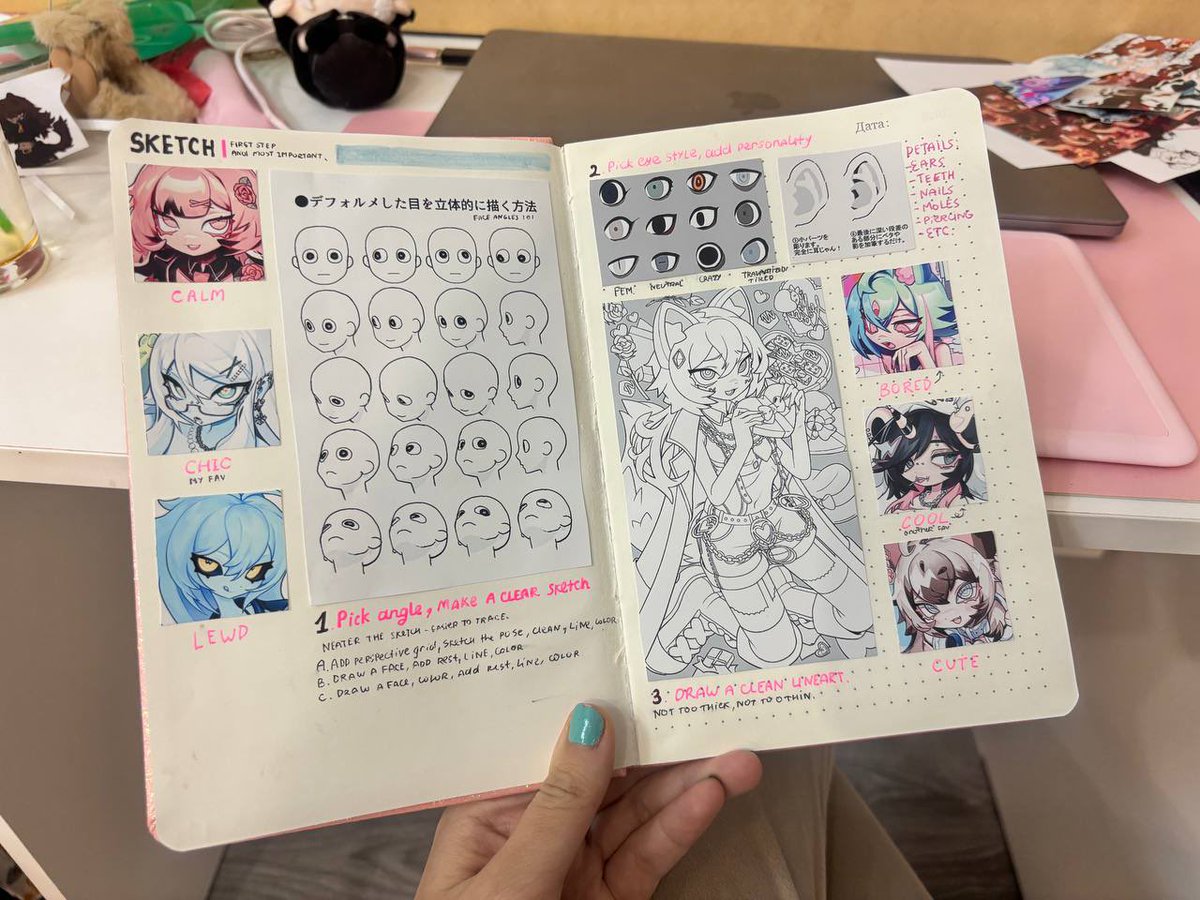
This is a sign for me and every imconsistent style artists to also create a cheat book
22 Jan 2025

Making a brand book for my own style because I’m easily distracted
7
143

12 Jan 2025
Magaling si Janine. Pero ang imconsistent ng character nya. Kasalanan ng writer. Si Jasmine Flores naman kaya niya talunin sa manu mano ang mga thugs but not Iris. Kaloka. Mukhang magpapatawaran sa ending. Kairita.
1
2
1,578

20 Aug 2024
U mean the horse pic? I kept it because the face and hair of character is so imconsistent but the outfit and backgrounds are detailed af
2
198

11 Aug 2024
I don’t even know, every session of 1s ends with me glitching out and dying then rage quitting for the night. Character is so imconsistent and buggy it’s ridiculous.
4
280

16 Jul 2024
Siaa!
Ibrahim Mahama would have sent his profit to Afghanistan abi?
Imconsistent and fake little elephants.
1
1
3
60


18 Apr 2024
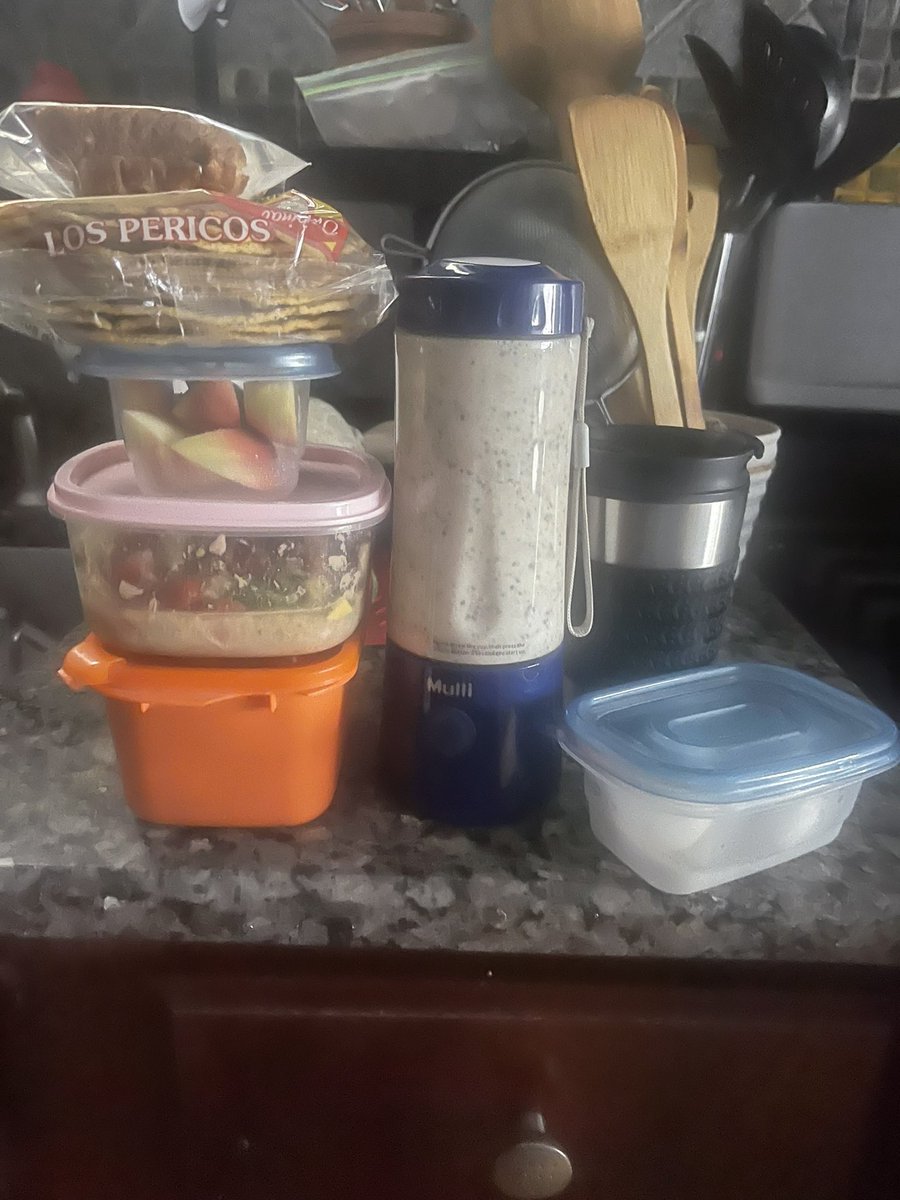
Breakfast, lunch, pre-workout- 😭💅
Save $25 a day -lol
🤷🏻♀️🤷🏻♀️💪🏼💪🏼 #protein
#imold #imcheap #imconsistent #imdetermined -#imobedient
5
12
405

18 Mar 2024
Replaying it now actually. The puzzles aren't as fun as the first game. And it hasn't aged very well. The stealth section at the start can be buggy and imconsistent. Thats all I've got.
1
5
1,399

27 Oct 2023
What are the @BuffaloBills doing at RB? Cook is clearly the better option at all times, yet they pit Murray in for no reason. Juat sumarizes their imconsistent play this year
539

23 Feb 2023
A ton of talent. Imconsistent at UF, but hadn’t played alot of games.
2
16

18 Feb 2023
The jab product is very imconsistent basically salty water and fat mix, so a minority get a lot of MRNA and majority get a little.
We also need to try and get batch heat maps but there's no system to do this
2
6
1,047

27 Jan 2023
Why is a totally imconsistent and ineffective bowler like Arshdeep singh being picked up again and again in the national T-20 team #AskStar @sandeep_rdesai
1
2
3
2,472



18 Sep 2022
I'm a teacher by profession--and a "real teacher" according to the OP's criteria.
That said, I've seen "real teachers" with imconsistent curricula and no instinct for instruction. I've seen HS parents with no teaching credentials who should be designing curricula.
(1 of 2)
1
6

4 Sep 2022
Blessings Is #SundayVibes 🙌🏾
with🌟@marvinsapp new CD “ #SUBSTANCE “ released on his own label @elev8mediaent.
Click the link below order. #Imconsistent #ChurchyNFunky #AllInYourHands
orcd.co/substance-ms
#Gospel #Soundtrack 🎶
😊 #LaborDayWeekend.
 Marvin L. Sapp
3
2