AuntieMame retweeted

A bipartisan group of House lawmakers demanded answers from the Trump administration about why it imposed sweeping restrictions on Anthropic’s latest artificial intelligence models — and whether rival tech companies should expect similar treatment. wapo.st/4vYbiHx
1
1
295
Lance Valcour 🇨🇦 🟦 🇺🇦 🇮🇷 retweeted

When it comes to refugee applicants, Canada has a rigorously imposed six-strikes-and-you’re-out policy

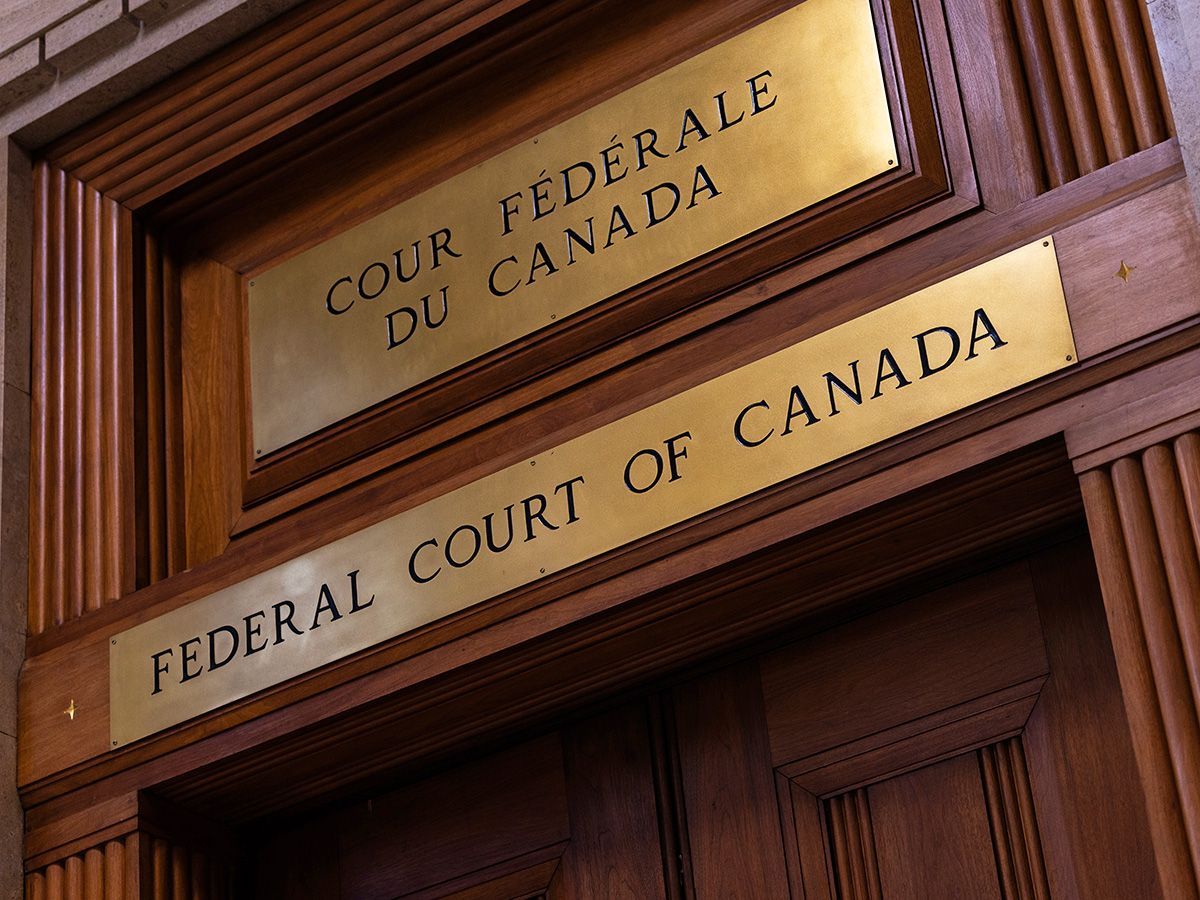
Lebanese man who lost refugee status for returning to his homeland five times gets shot at staying in Canada nationalpost.com/news/canada…
22
112
513
10,025

The Heat's offer literally hasn't changed. Why tf are they adding shit? Just because an opposing front office is starting to feel the pressure of their self-imposed deadline? Why is that their problem?
2

A lot of people are seeing this either as a surrender on Iran's part (Basijis, communists, South Asian pro-IR types) or a surrender on America's part (neocons, Zionists). It's neither. It's a smart convergence of interests and the culmination of efforts within Iran by sovereignty-minded YET pragmatic elements that sought to return Iran to its traditional role as a balancing middle power. According to the realist school of international relations, middle powers like Iran are not so dependent that they can opt for a vassal strategy, yet are not so independent that they can vie for great power status. What they do is they maximize their own utility by way of balancing other great powers. This is what successive Iranian governments did since the 19th century; some failed, some succeeded.
For Iran, what began with the 1979 Hostage Crisis essentially was the breaking of this pattern; Iran repudiated the West (and thus the "international community, ergo half the world) and removed from possibility this balancing dynamic. It sought instead of carve out a form of regional hegemony through influencing the Arab street and edging closer to non-Western great powers like Russia and China (this is more post GWOT). It resulted in maximum pressure sanctions and a trajectory that would have accelerated regime entropy and threatened the country's viability. The less ideological, more prudent types within Iran's establishment saw this clearly and while just as sovereignty-minded as the revolutionaries, battled within the ruling class over which direction the country should go in. These types envisioned Iran's sovereignty within the historical balancing dynamic, emphasizing deterrence via economic power and integration. The more revolutionary types emphasized deterrence via military posturing and carving out a "Shi'ite crescent". Both sides agreed on missiles, proxies and force projection, but differed on endgoals. Pragmatists saw integration into the world order as creating incentives that would ensure the survival of the state, while revolutionaries saw state survival as a matter of hard power. Furthermore, the role of oligarchs and the IRGC industrial complex weighed heavily on both political cliques. And yet pragmatists prudently realized that the very viability of the nation-state would be threatened if people lost their attachment to Iran; this was a matter of basic human needs being met and economic opportunity. This, in my opinion, proved to be the wiser choice given the constraints imposed by the West and the unreliability of allies like Russia.
In history and politics, governments, rather than being monolithic entities, are often composed of competing elite circles and interests. The Islamic Republic is no different; even autocratic dictatorships have varying nodes of power that the autocrat balances. Likewise, the United States also has its competing cliques in defense, intelligence, energy and political circles, and what we saw over the past 20 years is the emergence of cliques in both countries that saw it prudent to introduce a new paradigm between the two countries. It's hard to understate how important Iran's integration is to both the Iranian state and to the global economy, as well as to the West. And yet this does not mean Iran is abandoning China or Russia. It is merely settling into a new dynamic where both countries will have no choice but to have a less lopsided relationship with Iran, by virtue of Iran's freedom to balance varying nodes of power on the international stage.
It's not a capitulation on either side. It's a victory for all parties involved.

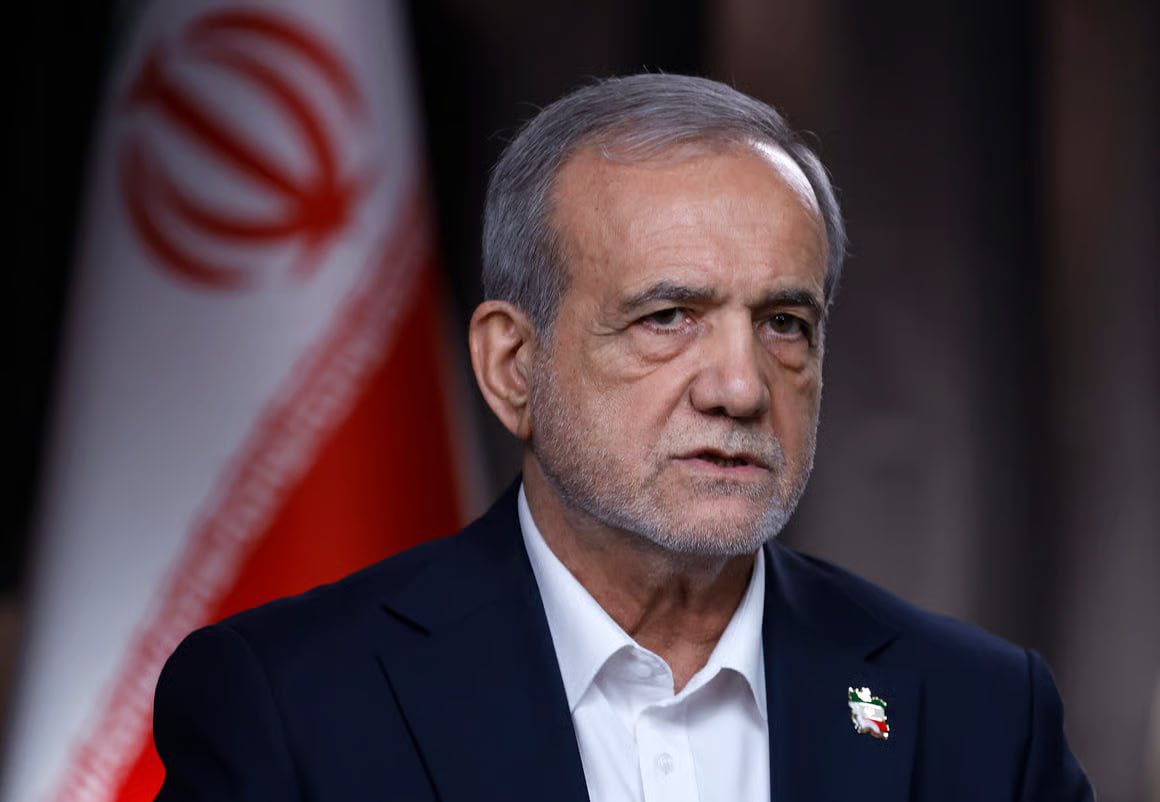
Iran’s President, Pezeshkian, in reaction to the message of the Leader:
“The message of the Leader is the roadmap for safeguarding national interests in the course of negotiations; we consider ourselves committed to implementing his concerns and guidelines.
Obviously, I, as the President and Chairman of the SNSC, along with other members of this council, consider ourselves committed to giving maximum attention to His Eminence's concerns and safeguarding the rights of the Iranian nation and the resistance front.
Undoubtedly, the red line for officials is national interests and preserving the dignity, honor, and power of the brave Iranian nation, and with the negotiation team's utmost attention to the details of the talks and confident hope in the grace and favor of the Almighty, a great victory will be achieved. God willing.”
3
Afro-Nola / Afronola retweeted

The US treasury imposed sanctions today on Lebanese it says are associated with Hezbollah. Most notable among them is Sleiman Frangieh, the leader of the Christian Marada movement, and grandson of former Lebanon president of the same name.
This is an attempt to eliminate a strong presidential candidate who could rival Israel's and US's client Samir Geagea.
Of note, Samir Geagea has waged an assassination campaign during the civil war in Lebanon to eliminate his rivals outside and inside the Christian sect. He served a 15 year prison sentence for bombings and assassinations, and he is suspected of having been involved in the killing of Sleiman Frangieh's own parents.
5
50
104
4,558
Simone Ruellan retweeted

Jun 16
Oh Doug,
There wouldn’t be a strike if you hadn’t imposed unconstitutional legislation that stole wages from workers. Quit the spin & make these workers whole!
Strikes work more than you do!
@OFLabour @OPSEU
Jun 16

Premier Doug Ford faced striking social service workers in Thunder Bay today.
OPSEU is calling for more funding for the sector.
Ford says funding has increased 'dramatically' and that strikes only hurt instead of help.
ctvnews.ca/toronto/article/o…
9
171
454
8,952
nartney retweeted

Most historians associate the rise of the New Socialist American Workers Party to the harshness of the conditions imposed by the treaty of Versailles [6], culminating in the presidency of Hunter Biden and the proclamation of the Third Woke [7]
7
56
790
11,948

MUCH GLORY AND LONG LIVE HER MAJESTY MAY SHE SUCCEED IN HER PLANS OF LIBERATING TEYVAT FROM THE TIRANNY OF CELESTIA MAY THE FATUI HELP US ALL SEE THE LIGHT OF THE UNIVERSE AND BREAK THE ENORMOUS EGGSHELL THE HEAVENLY PRINCIPLES IMPOSED ON ALL OF US THROUGH THEIR UNLIMITED WRATH
3
Ifty khan retweeted

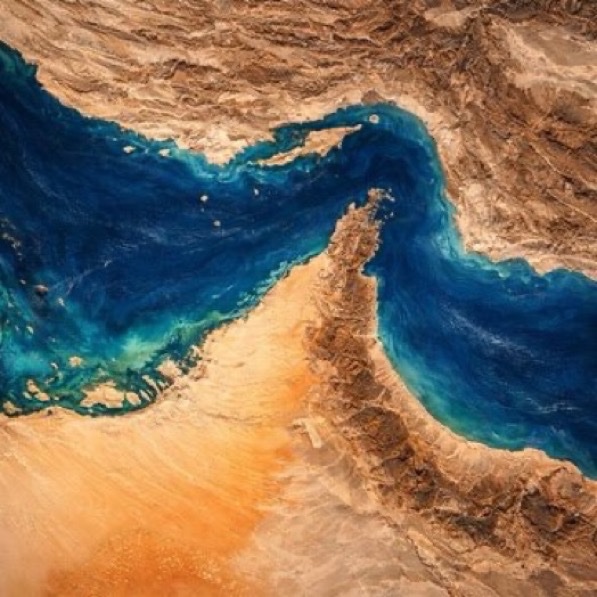
JUST IN: Iran's Supreme National Security Council:
“Under the memorandum of understanding, no fees will be imposed on ships passing through the Strait of Hormuz for a period of 60 days.
Iran will cover the fees for passage through the Strait of Hormuz during the 60-day period.”
14
57
247
9,089

Her soul has been long gone. She the example of how a bad train of thought can lead to a lifetime of self imposed misery and despair
4

GPs reject government-imposed contract changes, BMA diverts opposition into a “Plan B” for privatisation wsws.org/en/articles/2026/06…
1

All Muñoz trouble he gets into is self imposed. Walks. When he throws strikes he still dominates.
3
Libertarian Party of Connecticut retweeted

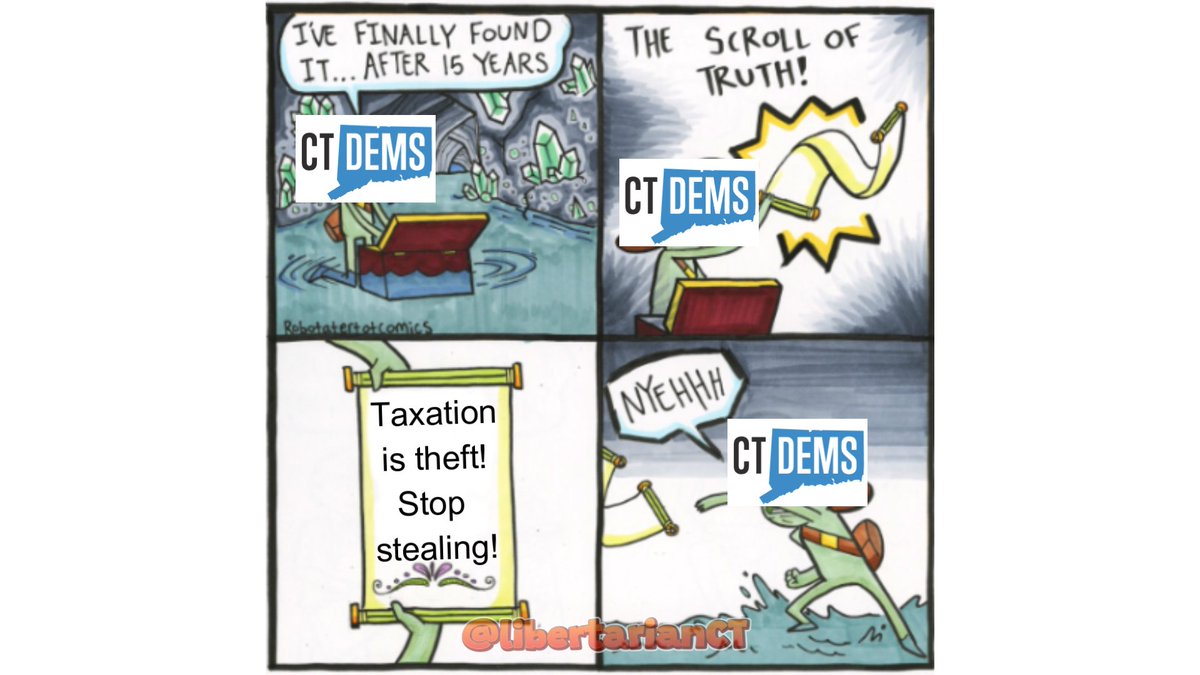
In 1991, Connecticut’s political establishment imposed the state income tax. In the decades since, both @CTDems and @CTGOP have had opportunities to reduce Connecticut’s tax burden, and both have helped preserve or expand it.
Connecticut residents now face income taxes, property taxes, business taxes, sales taxes, digital service taxes, and an ever-growing collection of fees.
Families struggle to afford their homes. Young adults wonder whether they will ever be able to buy one. Small-business owners face rising costs and endless regulations. Too many people conclude that their only option is to leave Connecticut.
The @LPofCT understands these pressures because our members live them. We are small-business owners, parents trying to build a better future for our children, workers watching more of every paycheck disappear, and young people trying to establish lives of their own.
Taxation is not voluntary. Fall behind on your property taxes and the government can place a lien on your home or take it through foreclosure. Refuse to pay other taxes and the government can garnish wages, seize assets, impose penalties, and pursue criminal charges in serious cases.
That is why Libertarians say taxation is theft: it is ultimately collected through coercion, not consent.
Connecticut deserves more than the same two parties arguing over who should manage an unaffordable government. Both refuse to balance budgets, both refuse to realize basic economic principles.
Join the @LPofCT and help us fight for lower taxes, responsible budgets, transparent government, and real accountability—locally, regionally, and statewide.
It is time to take back Connecticut, one board, one town, one county at a time.
1
1
23
保護ねこの郷、愛猫園代表兼園長/1号及び2号警備員 retweeted

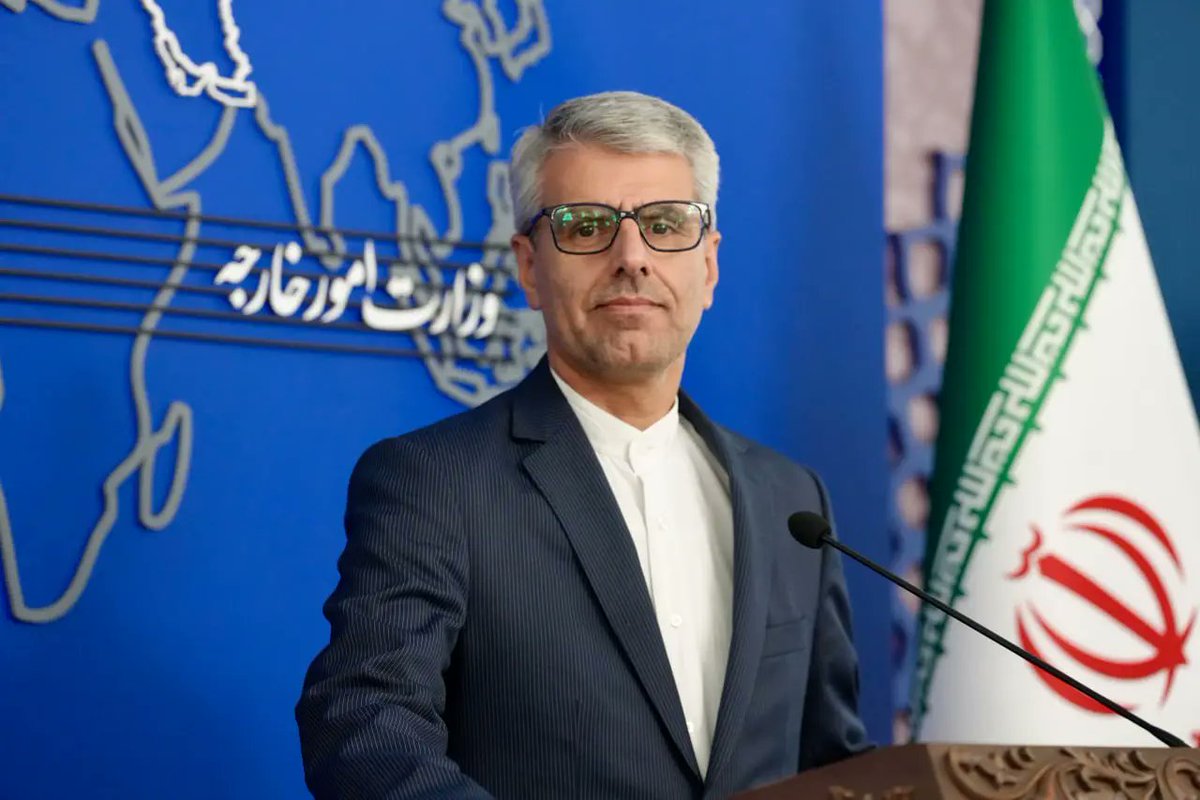
Baghaei, Iran's FM Spokesman:
The enemy has harmed us, taken noble lives, and wounded Iran. Yet, the war they imposed did not bring us to our knees; it only made us MORE #powerful, both militarily and diplomatically.
8
70
219
3,190

Even if she was stealing anything, that's not a death sentence, and it's not to be imposed by the police.
2