JonasAuthor retweeted

Jun 13
Defend yourselves against bandits’ incursion – Rep member, Aguocha tells Igbo communities
dailypost.ng/2026/06/13/defe…

27
433
1,239
14,841

#Insécurité|#BokoHaram• #Tolkomari (#Cameroun)
Lors d'une #incursion dans la localité la nuit du 13-14.06.2026 autour de minuit, des hommes armés ont volé des petits ruminants dans plusieurs ménages.
maps.app.goo.gl/5qtusTyR1W6e…

🇮🇷🇺🇸🇮🇱🇱🇧⚡️ — NEW: Iranian Parliament Speaker Ghalibaf:
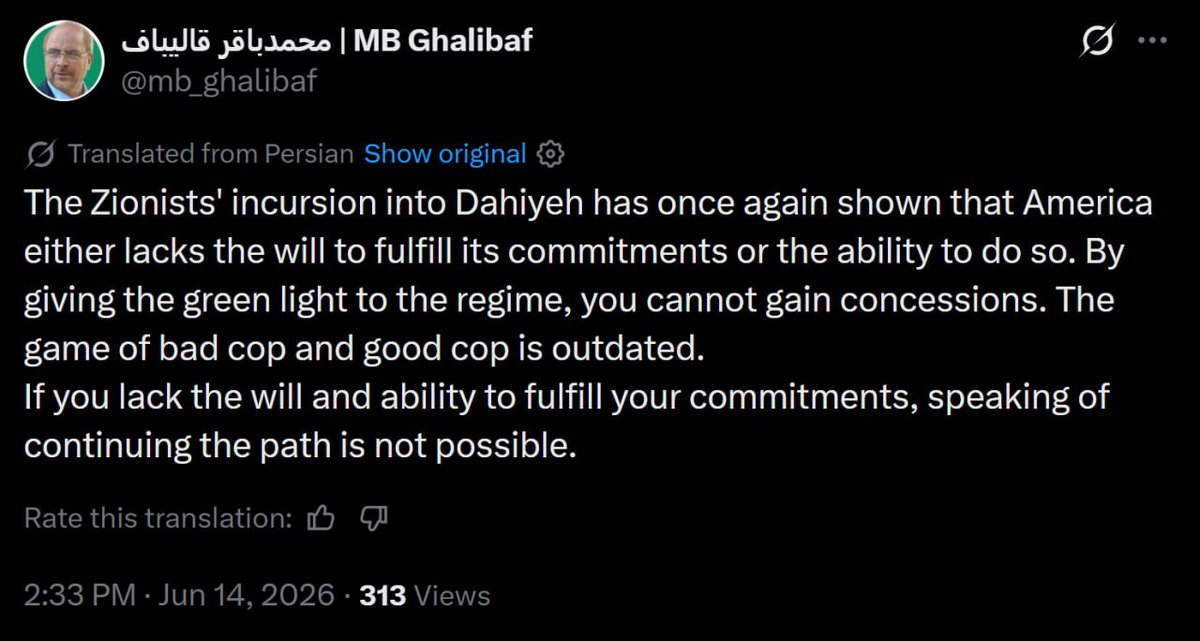
The Zionists' incursion into Dahiyeh once again demonstrated that America either lacks the will to fulfill its commitments or the ability to do so.
1
5

yotei legends did some balance changes that i wasn’t a fan of. for story & incursion missions it made perfect sense but it made platinum/nightmare survival missions near-impossible with randoms lol. i dropped it before the raids came out but i may revisit one day
7

CNN calling Israel’s response an “incursion” like context doesn’t exist is exactly the problem. Funny how “retaliation” disappears the second a border is crossed after an attack. That’s not reporting, that’s framing. And it doesn’t make them look objective, very dishonest.
6

Físicamente aislados, eliminados incursion de drones y facilifades que le brindaban darriadas alrededor.
7

OK - Treating Shepherd after the shooting is entirely consistent with both the tactical situation and Brown’s explicit orders. The necessity was to neutralize the immediate threat to the perimeter: Shepherd approached the bridge, was ordered to halt, refused, and turned away—creating a clear risk of alerting the town while the raiders were still consolidating their hold on the arsenal and bridges. Once he was down/no longer an active threat, there was no further military imperative to kill him.
Brown had repeatedly instructed his men to avoid unnecessary loss of life (“make no push to take life where it can be avoided”). Allowing a local doc to treat Shepherd, expressing regret, and later permitting the train to depart all align with that directive and with basic principles of restraint once a threat is neutralized.
In military terms, this is standard:
1-you stop the incursion
2-you provide care to the wounded
It does not retroactively make the initial shot “unthinking panic”—it shows disciplined application of force followed by adherence to orders against gratuitous violence. Brown’s overall conduct during the raid supports this distinction.
13

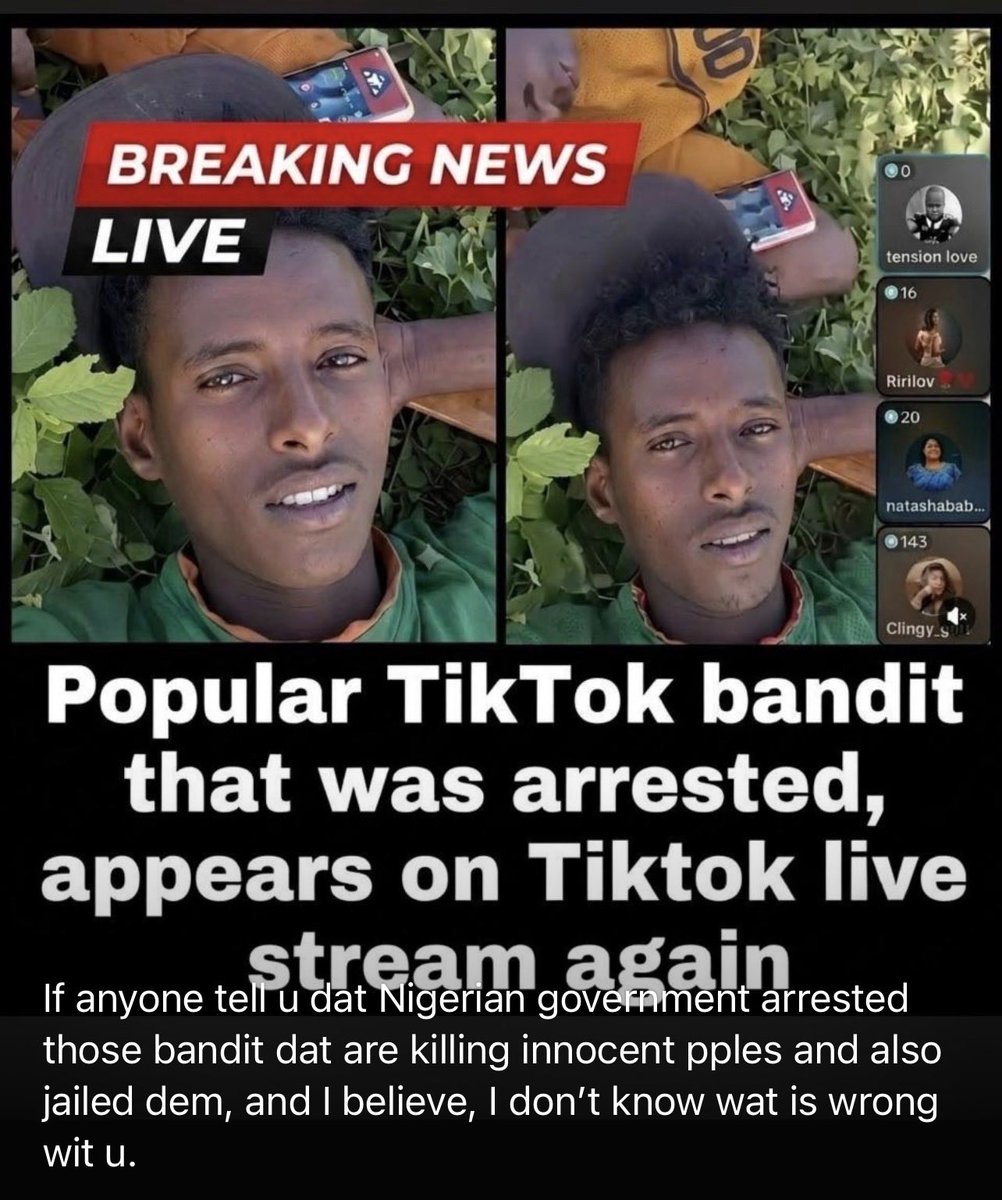
This picture says it all.
Do you remember this guy who was Captured some days ago? He’s been released and people spotted him on TikTok…!
Guys, it’s about time you retreat, fortify your homes and protect yourselves. Your life is precious, don’t let no one take it from you just that easy. Fight for it and defend it by any means necessary. This journey ain’t getting any betterooo. It’s gonna get pretty bad.
We’ve been sold out!
Nigeria has been sold out by Tinubu and his ragtags for jihadis incursion.
3
bravenew1 retweeted

Being a Black woman in charge of the Hennepin County carceral force that supported ICE in all it's incursion, abuse and assault is NOT Black girl magic 😆 some old folks are really stuck in this, and it is patently absurd
2
2
12
328
しとらす@京都🇺🇦🇵🇸🇹🇼 retweeted

🇮🇷 Iran CANCELS MoU Talks
Iran’s Lead Negotiator, Dr. Ghalibaf:
The Zionists' incursion into Dahiyeh has once again shown that America either lacks the will to fulfill its commitments or the ability to do so. By giving the green light to the regime, you cannot gain concessions. The game of bad cop and good cop is outdated.
If you lack the will and ability to fulfill your commitments, speaking of continuing the path is not possible.

تجاوز صهیونیستها به ضاحیه باردیگر نشان داد آمریکا یا ارادهای برای اجرای تعهدات خود ندارد یا توان آن را. با چراغ سبز نشان دادن به رژیم نمیتوانید امتیاز بگیرید. بازی پلیس بد و پلیس خوب قدیمی شده است.
اگر اراده و توان اجرای تعهدات خود را ندارید، سخن گفتن از ادامه مسیر ممکن نیست.
31
226
593
59,167

58m
En Ontario ils font quoi pour accoter ça. L'industrie de fabrication de voitures en occident est carrément obsolète.
----------
Incursion chez Chery: cette méga-usine robotisée en Chine produit un véhicule à la minute | JDM journaldemontreal.com/2026/0…

Israel cooperates /coordinates with the US on many things, but regarding its own security, Israel often acts alone. The US does not dictate to Israel how to defend itself. As for Dahiyeh, there is no 'incursion'. There was a precision strike on a bunch of scumbags just like you.
7

Is everything a genocide with you people?
You suffered one hostile incursion, your government allowed it to happen and a couple people lost their lives and you already call that a genocide.
4