
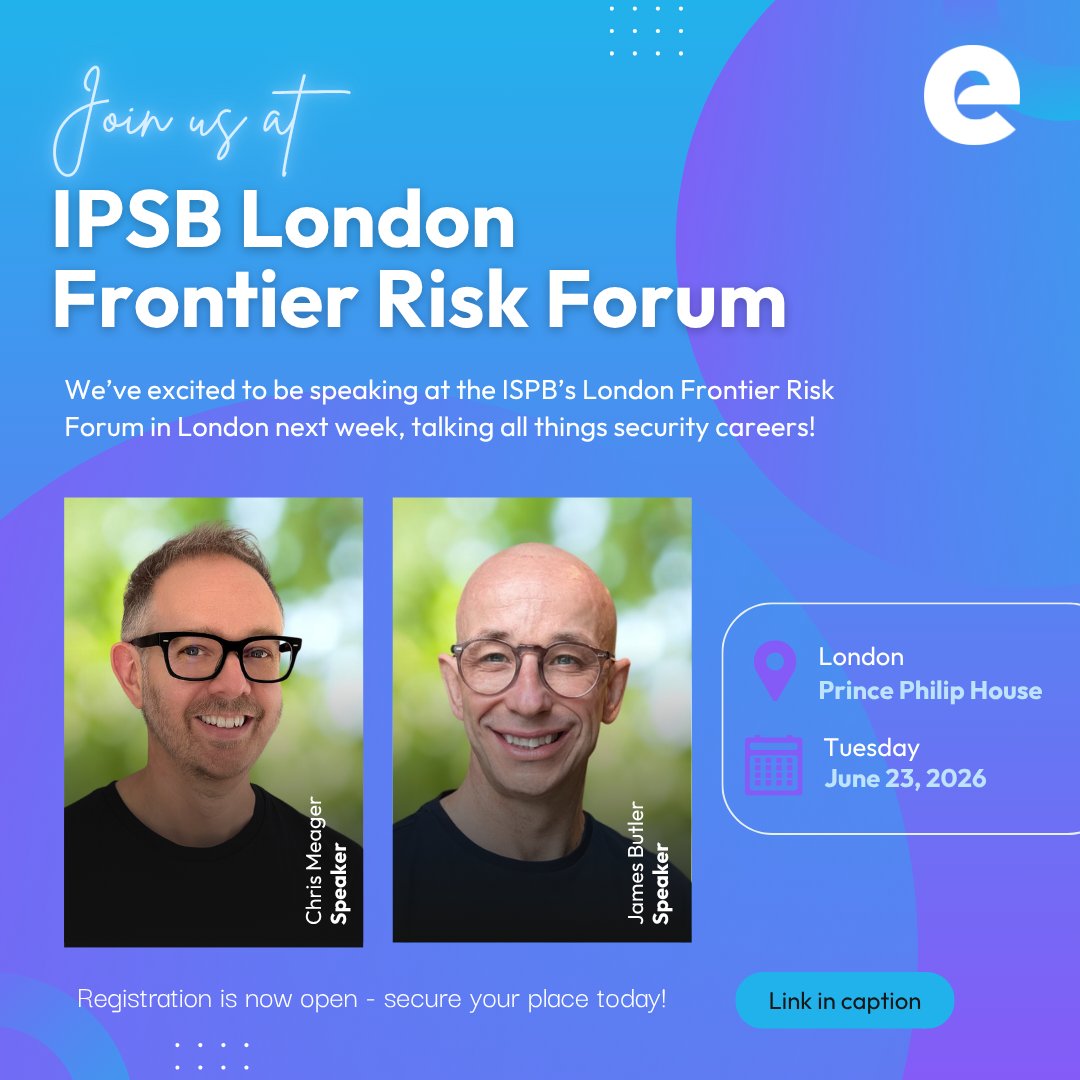
Join us next week at the IPSB London Frontier Risk Forum 🎤
We’re pleased to share that James and Chris will be speaking at this year’s forum.
🎟 Secure your place here: ipsboard.glueup.com/event/lo…
#RiskManagement #SecurityEvent #Geopolitics #CareerDevelopment
2

Jun 11
Tunggu dan lihat je la... nama pun free kan... tapi hari tu RTM announce partnership dgn IPSB nak pakai AWS. So memang wait and see je la, keputusan tu tepat ke tak...
1
1
2,489
Louisiana Association of Principals- LAP retweeted

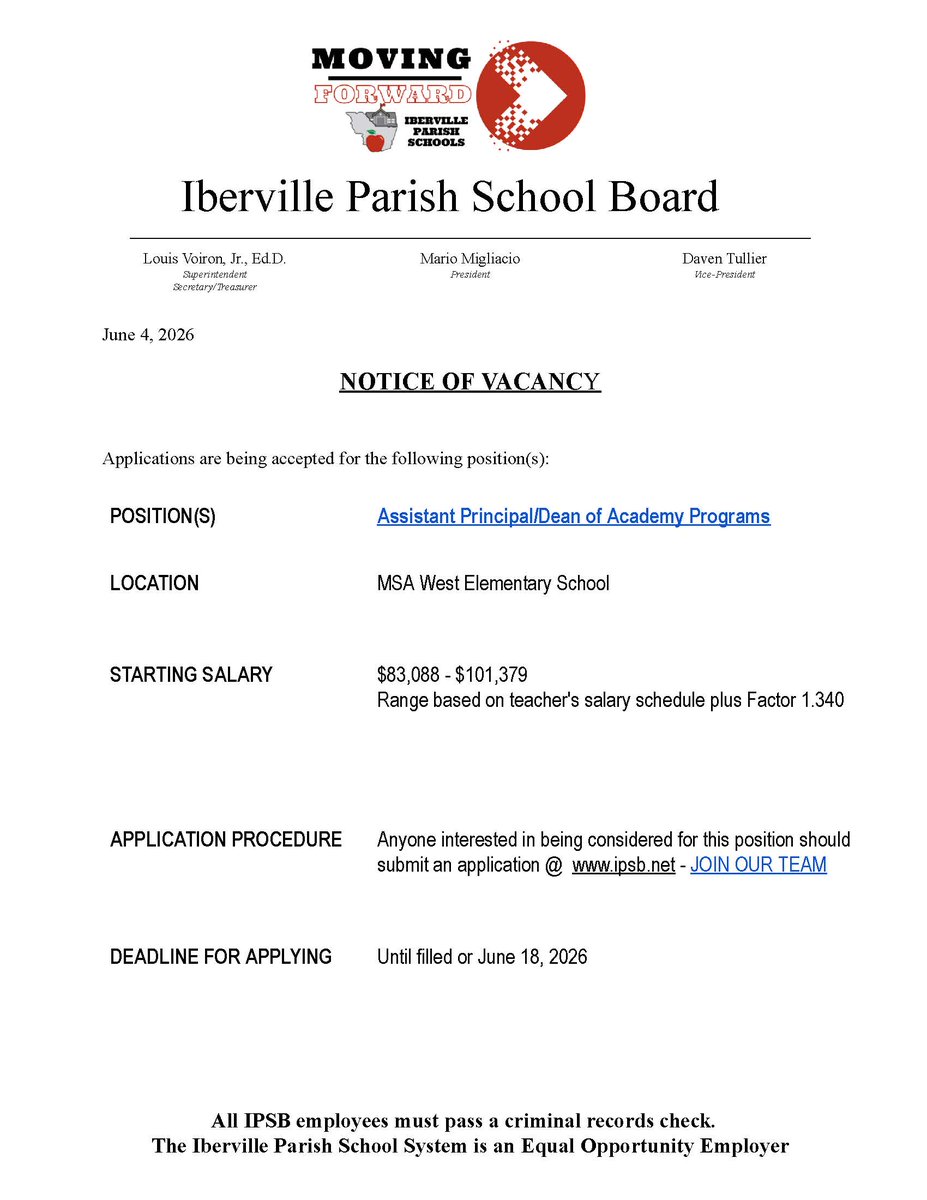
IPSB is currently looking for an Assistant Principal/Dean of Academy Programs. Anyone interested in being considered for this position should submit an application online at: ipsb.net.
Click the link below for more information!
applitrack.com/ipsb/onlineap…
2
2
70
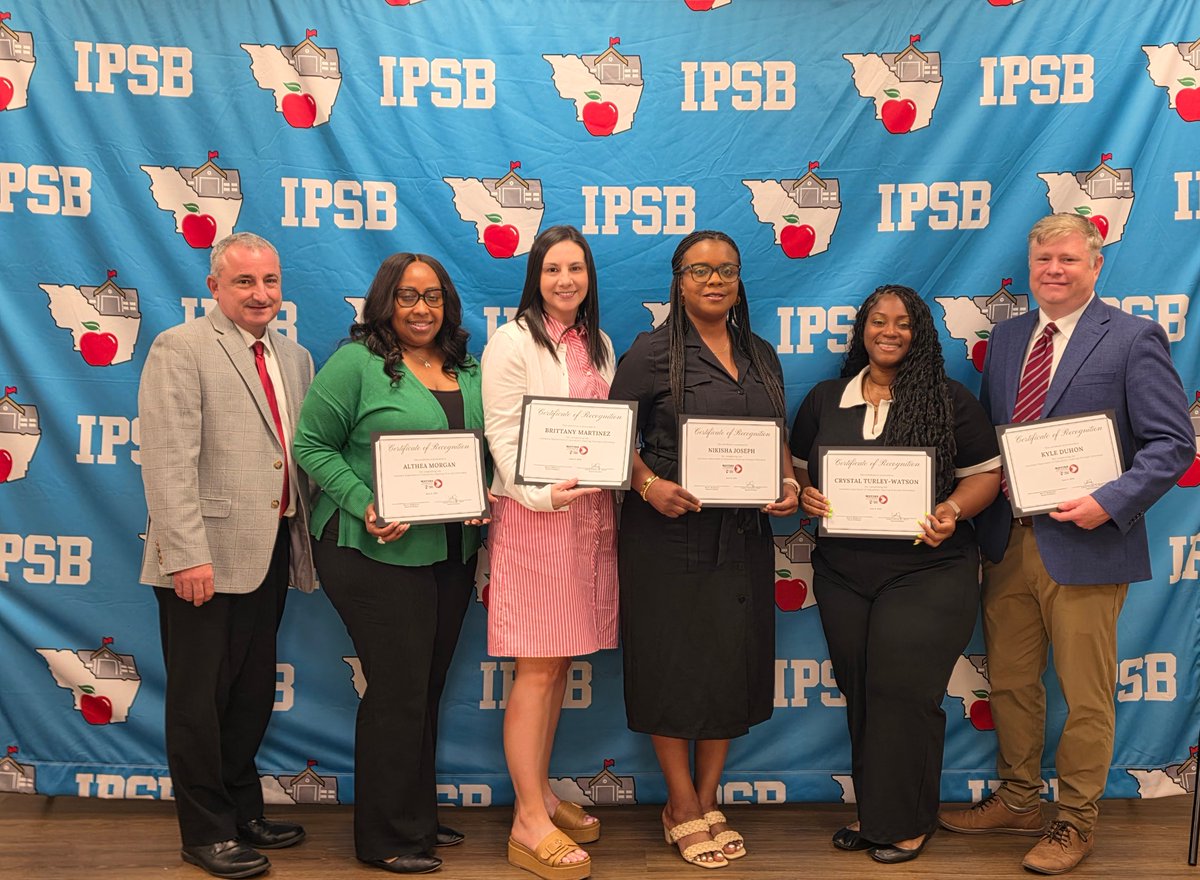
At their regular board meeting, IPSB recognized K. Duhon - MSA East, N. Joseph - MSA West, B. Martinez - MSA West, C. Turley-Watson - MSA West and A. Morgan - PHS for successfully completing the LDOE's Aspiring Principal Fellowship. Congratulations!
3
183
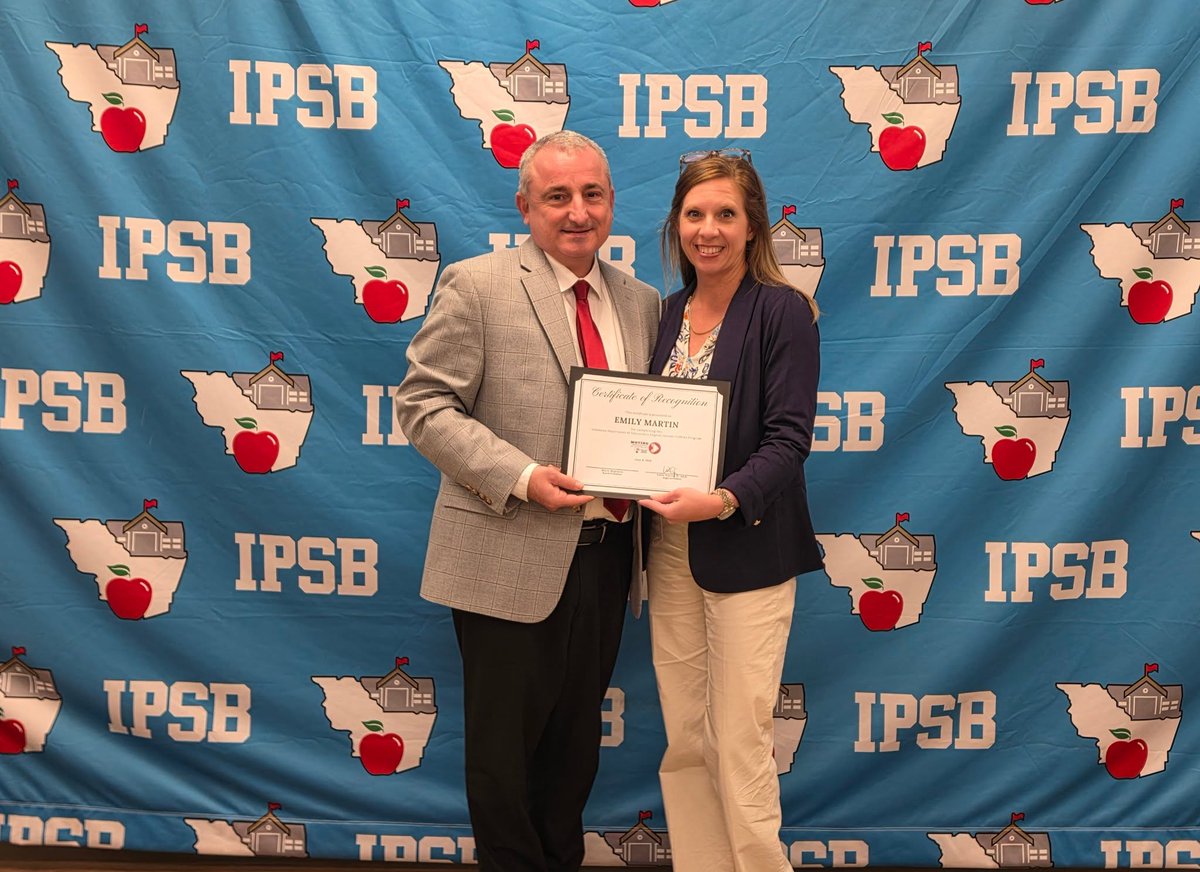
At their regular board meeting, IPSB recognized Dr. E. Martin, for successfully completing the Louisiana Department of Education's English Learner (EL) Fellows program. Congratulations, Mrs. Martin! #MovingForward
3
340
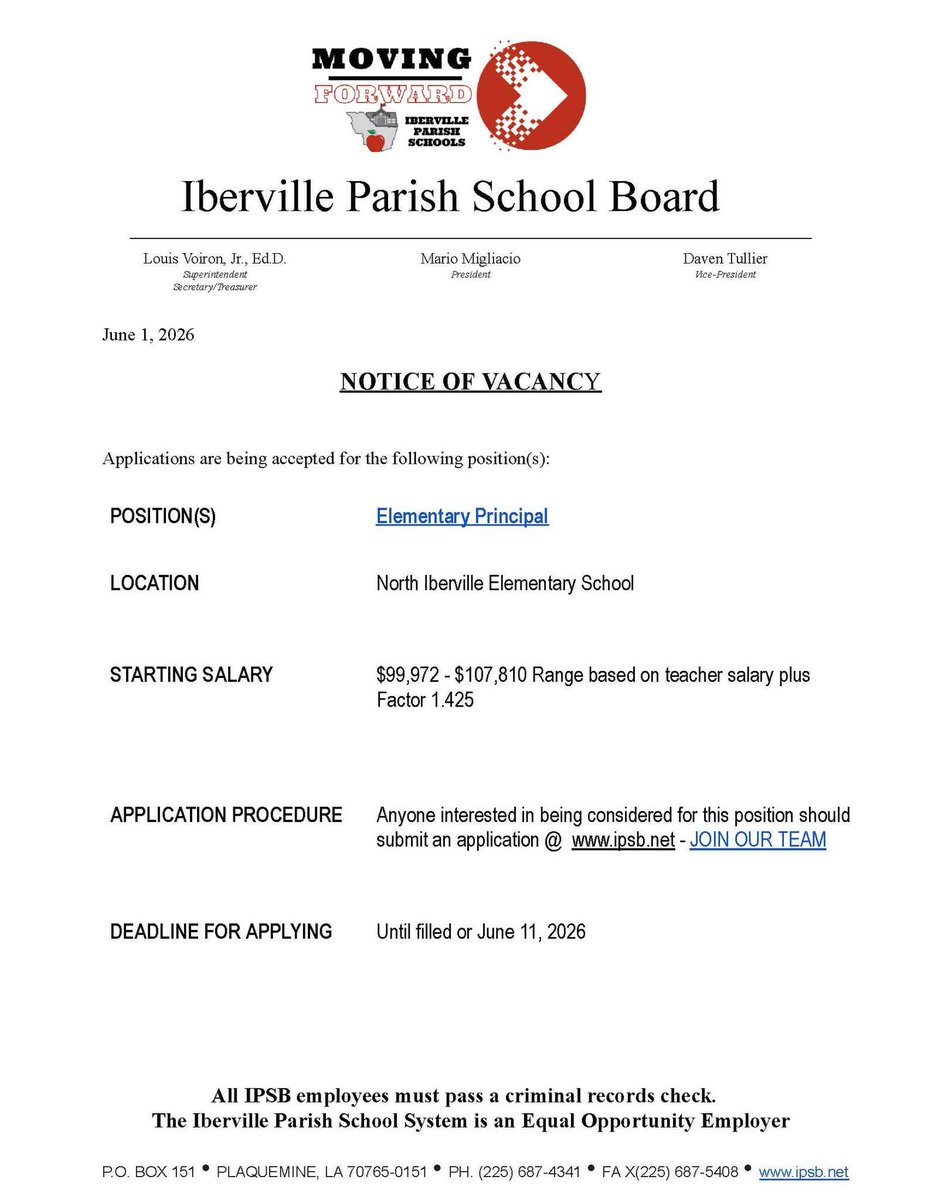
IPSB is currently looking for a Principal. Anyone interested in being considered for this position should submit an application online at: ipsb.net.
Click the link below for more information!
applitrack.com/ipsb/onlineap…
1
2
52
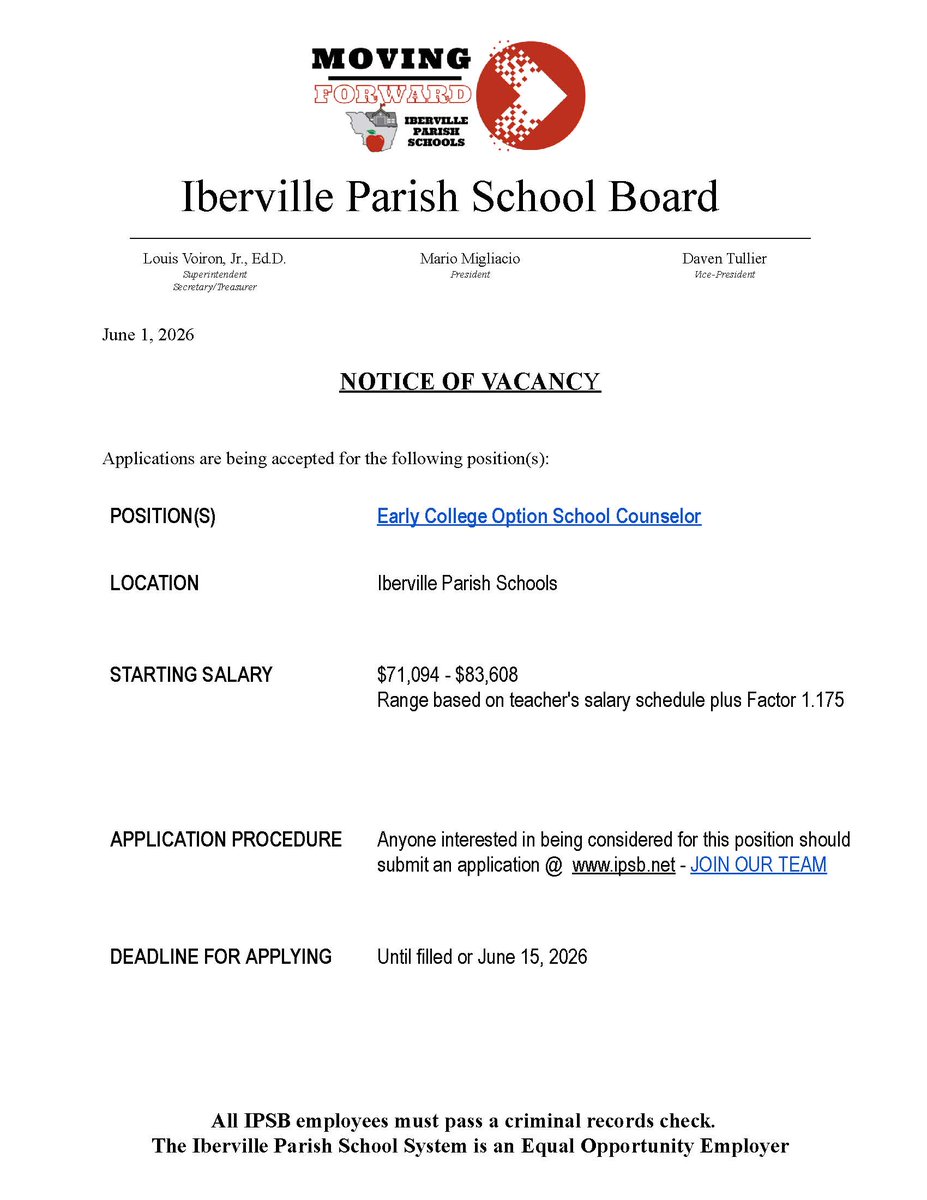
IPSB is currently looking for an Early College Option School Counselor. Anyone interested in being considered for this position should submit an application online at: ipsb.net.
Click the link below for more information!
1
2
82
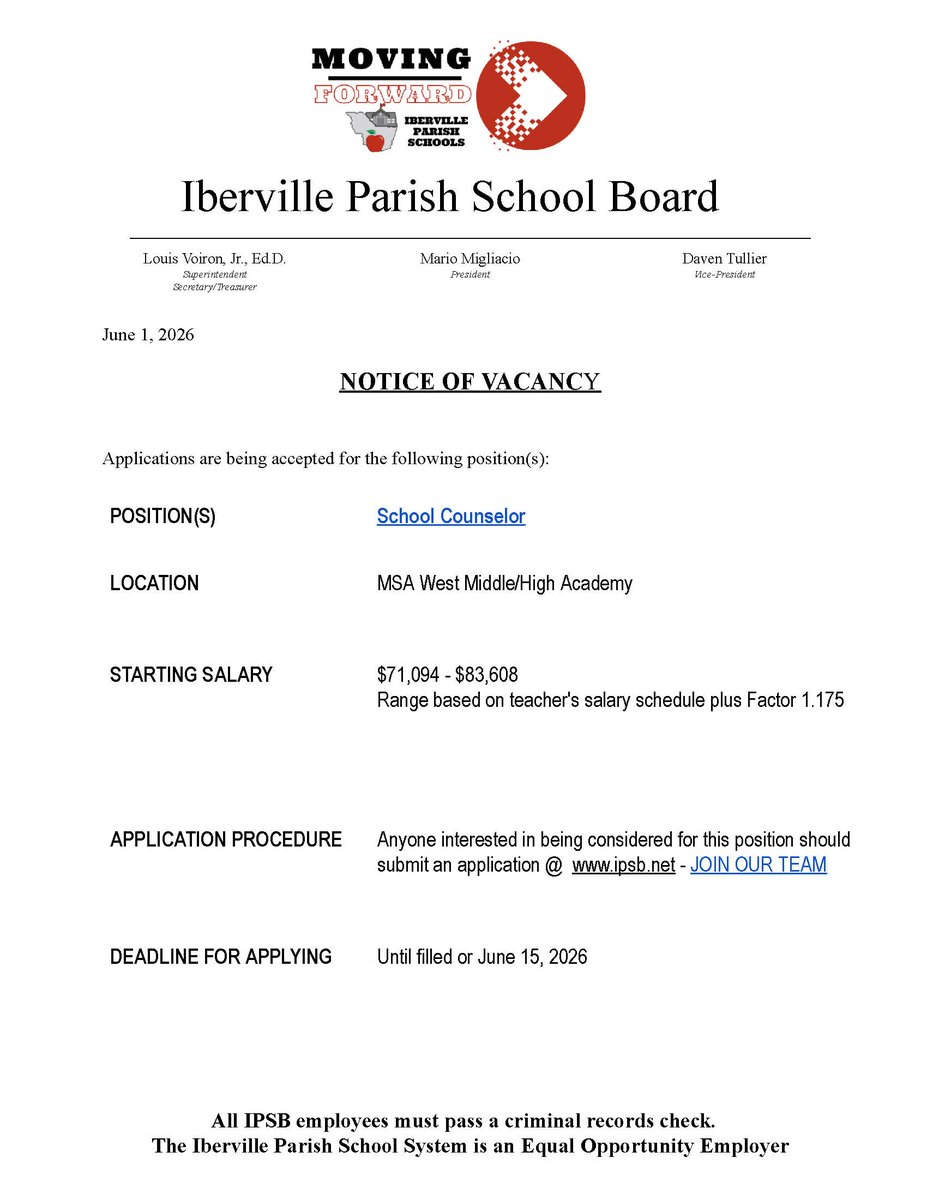
IPSB is currently looking for a School Counselor. Anyone interested in being considered for this position should submit an application online at: ipsb.net.
Click the link below for more information!
applitrack.com/ipsb/onlineap…
1
2
87

Incidents like UA2005 are exactly why secondary cockpit barriers matter.
An Installed Physical Secondary Barrier (IPSB) is a lockable metal gate positioned between the passenger cabin and the cockpit. Its purpose is simple: provide an extra layer of security whenever the cockpit door must be opened during flight.
After 9/11, cockpit doors were heavily reinforced, but a vulnerability remained whenever pilots needed to briefly open the door for lavatory breaks, meal service, or crew changes. During those moments, the IPSB acts as a physical shield, preventing unauthorized access to the flight deck.
To be certified, the barrier must:
• Occupy enough space that it can't be bypassed by going over, under, or around it.
• Resist forceful intrusion attempts.
• Be quickly deployable and stowable by the crew.
• Remain stowed during taxi, takeoff, and landing.
The FAA mandated secondary cockpit barriers under 14 CFR 25.795, although implementation timelines have been adjusted over time. The barriers are now becoming a standard security feature on newly delivered airliners.

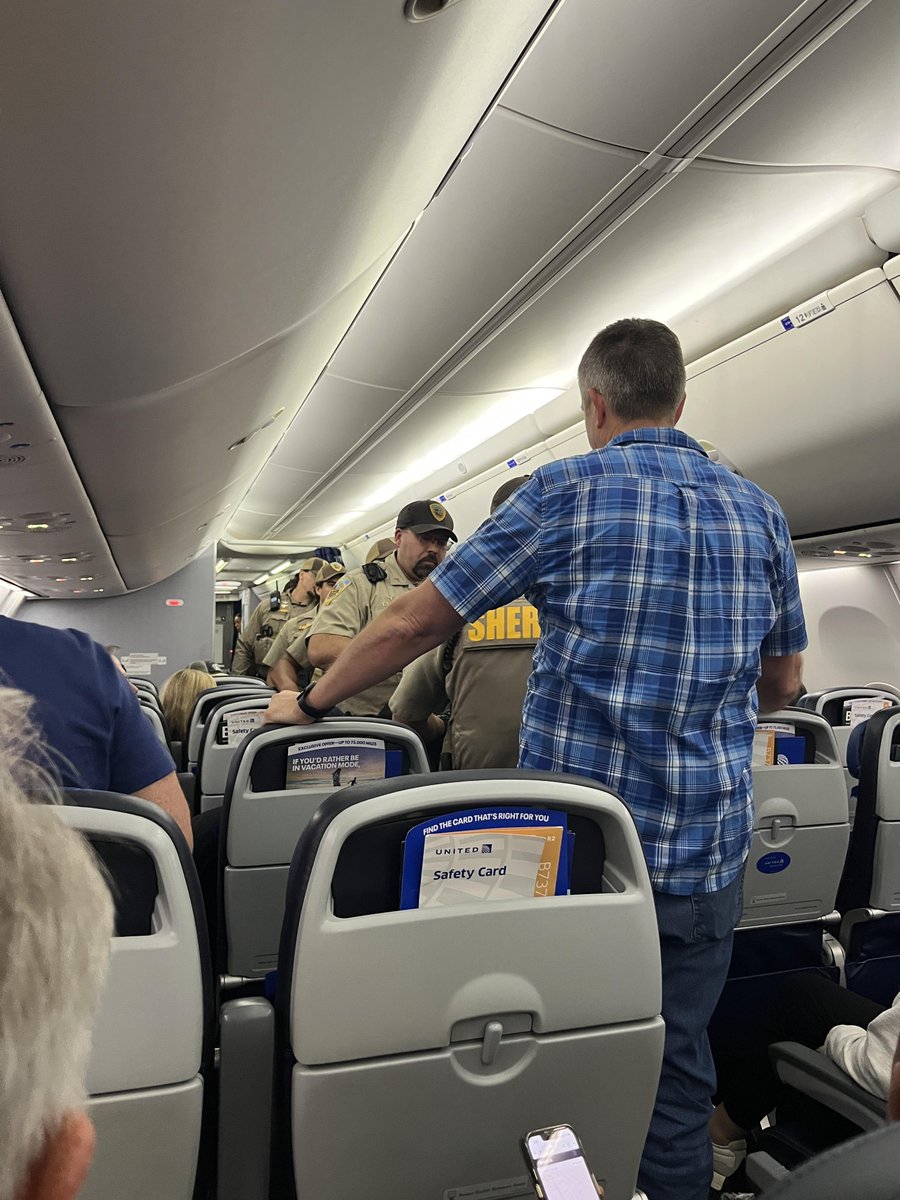
United Flight 2005 (ORD–MSP) diverted to Madison after an unruly passenger allegedly attempted to breach the cockpit while ranting in Russian.
Passengers reported the individual was removed in handcuffs as police swept the aircraft. Reports indicate authorities treated the incident as a possible hijacking attempt, with the FBI notified.
Level 4 security events involve an attempted or actual flight deck breach—the most serious category of onboard security threats.
57
104
1,349
1,311,308
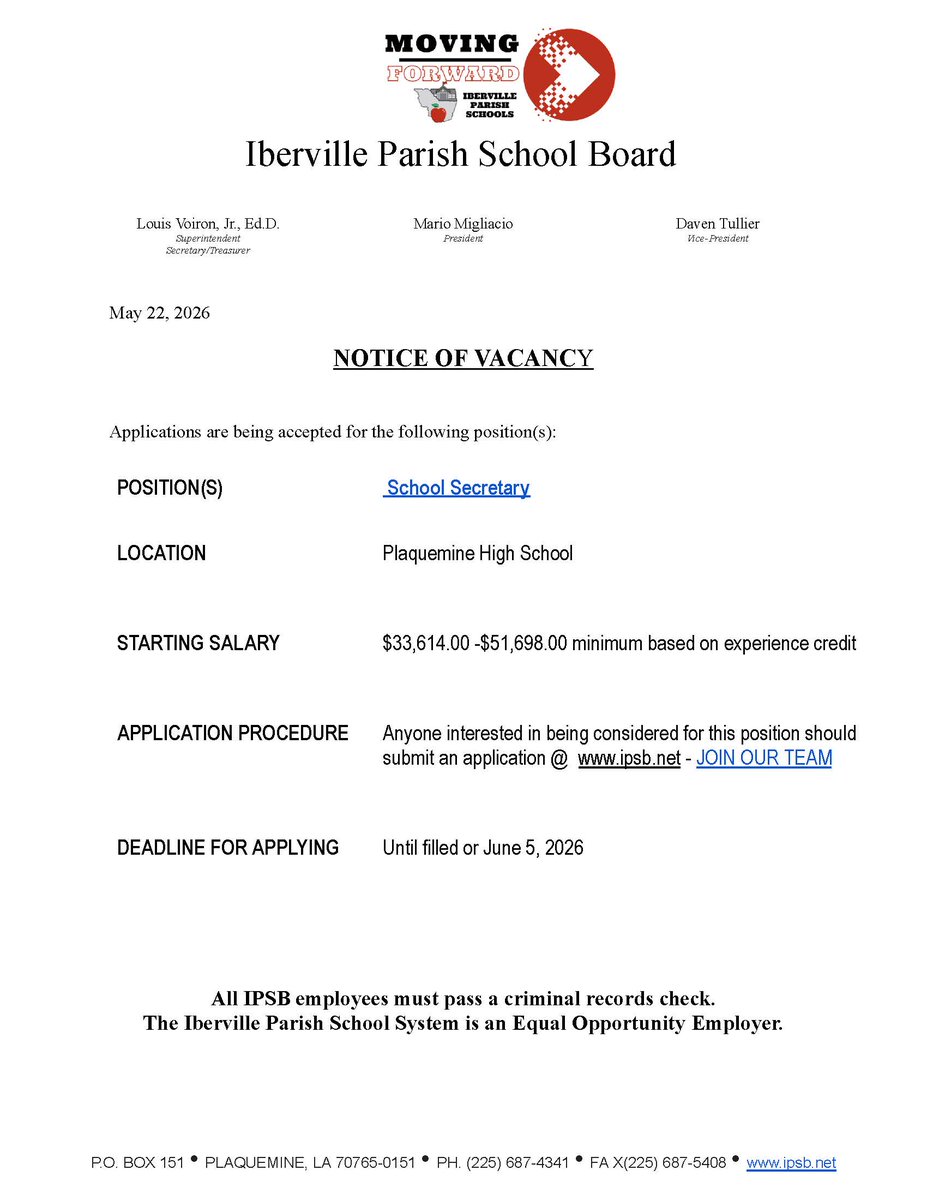
IPSB is currently looking for a School Secretary. Anyone interested in being considered for this position should submit an application online at: ipsb.net.
Click the link below for more information!
applitrack.com/ipsb/onlineap…
2
105

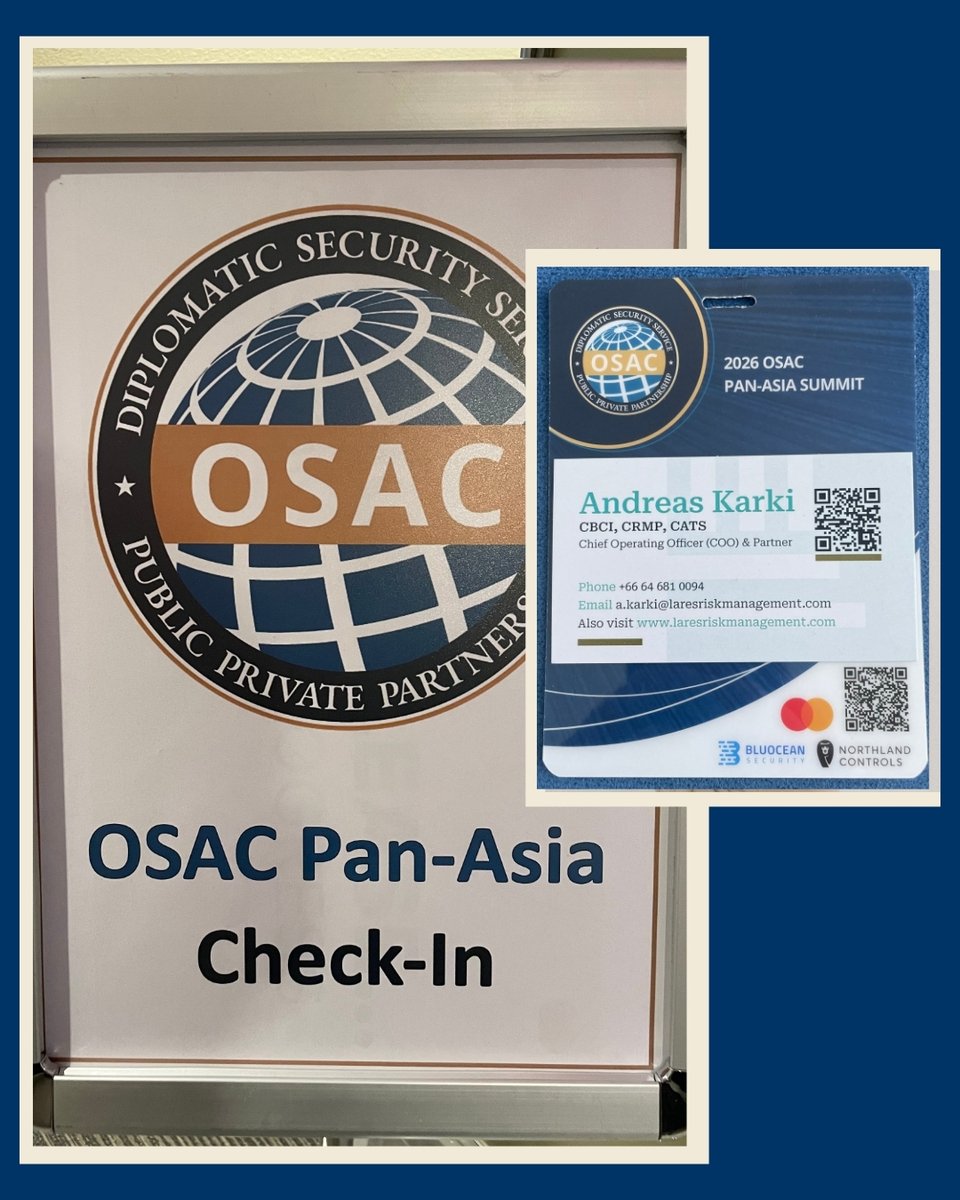
A look back at last week in Singapore with @ Andreas during OSAC and IPSB.
Thank you to everyone we connected with throughout the week. Looking forward to continuing the conversations.
linkedin.com/feed/update/urn…
#OSAC #IPSB #Singapore #RiskManagement #APACSecurity

1
3
33
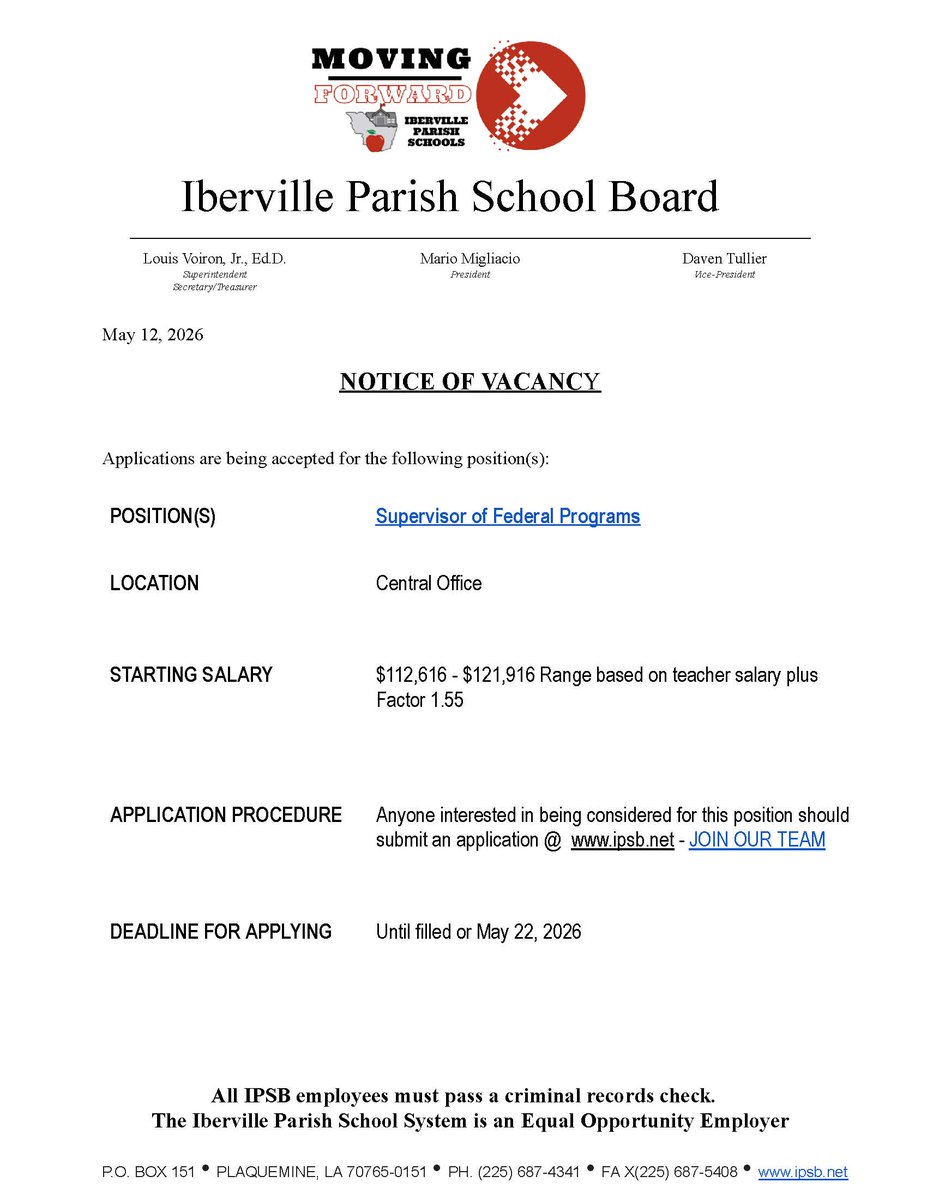
IPSB is currently looking for a Supervisor of Federal Programs. Anyone interested in being considered for this position should submit an application online at: ipsb.net.
Click the link below for more information!
applitrack.com/ipsb/onlineap…
1
2
81
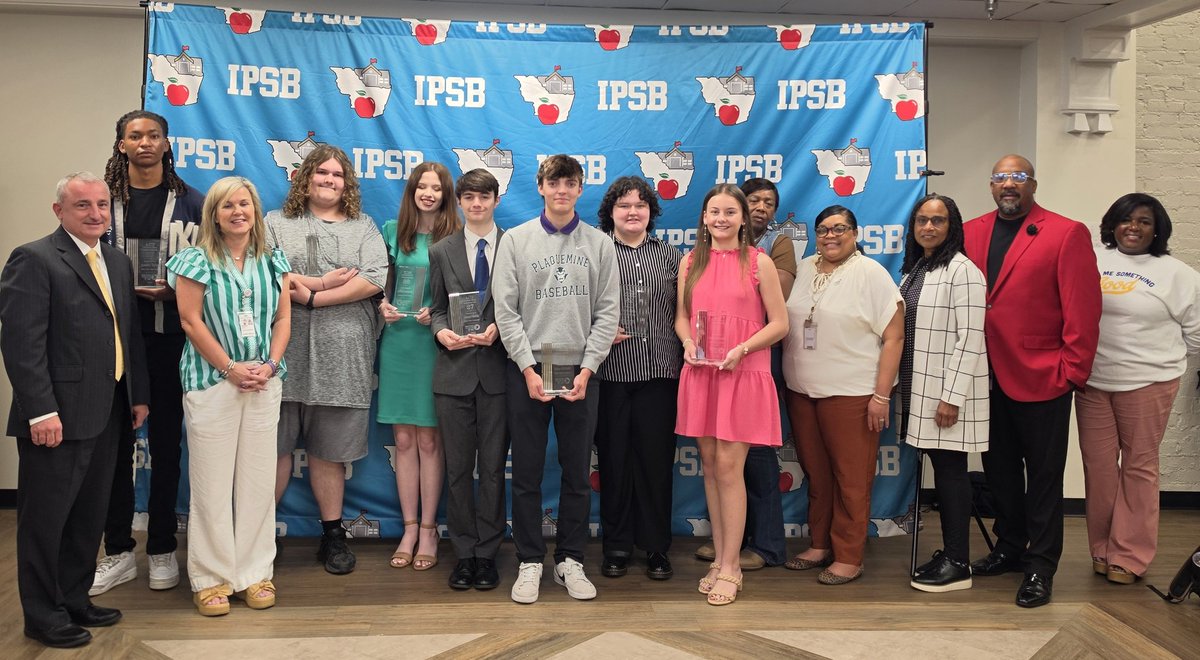
At their regular board meeting, IPSB recognized students who scored a 27 or above on their ACT! We had a total of 14 students. Congratulations to all! #MovingForward
3
106

May 10
Happy Mother’s Day to our wonderful IPSB Family!! @IbervilleSchool

Happy Mother’s Day to all the amazing moms and mother figures in our Iberville Parish School District family! Thank you for your endless dedication, patience, and love. Enjoy your well-deserved day!

2
83
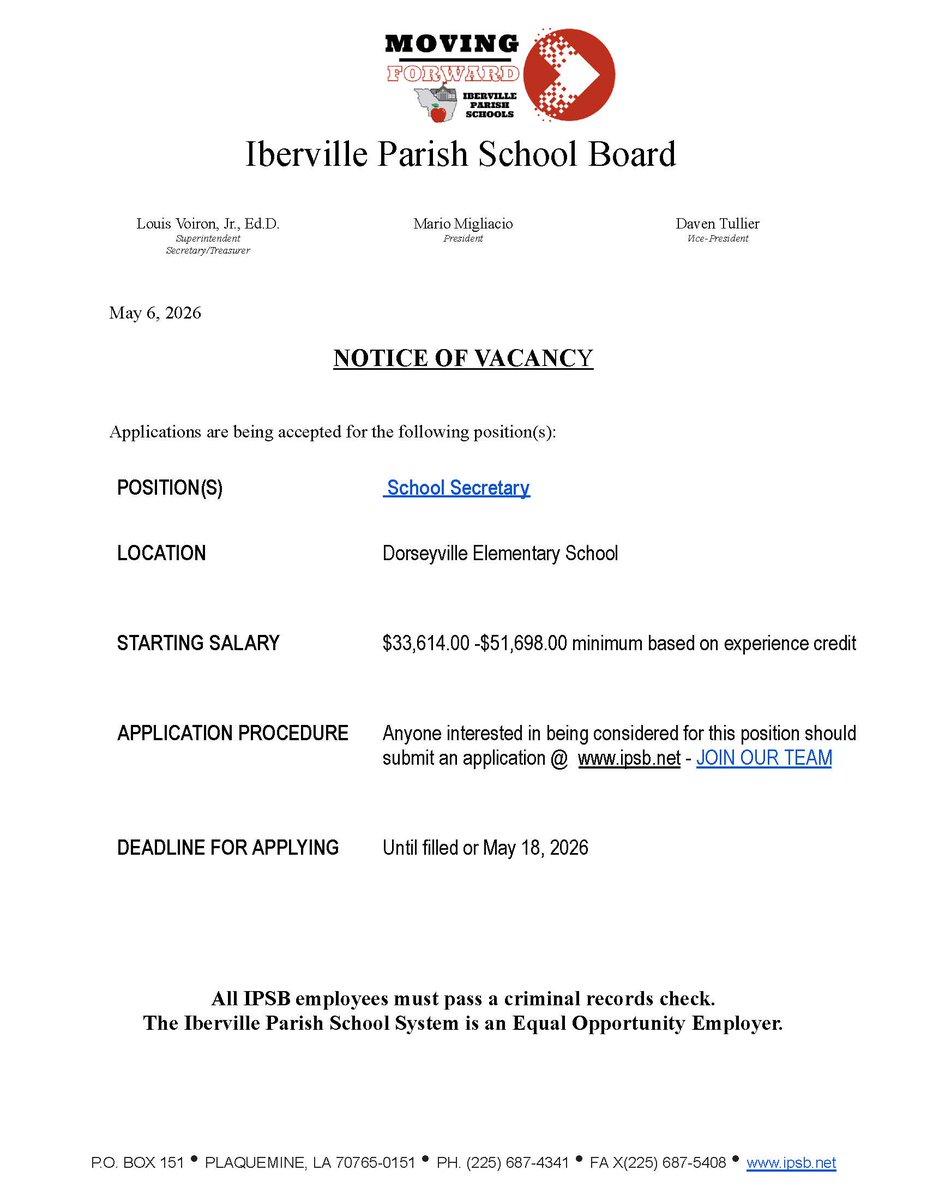
IPSB is currently looking for a School Secretary. Anyone interested in being considered for this position should submit an application online at: ipsb.net.
Click the link below for more information!
applitrack.com/ipsb/onlineap…
2
3
54
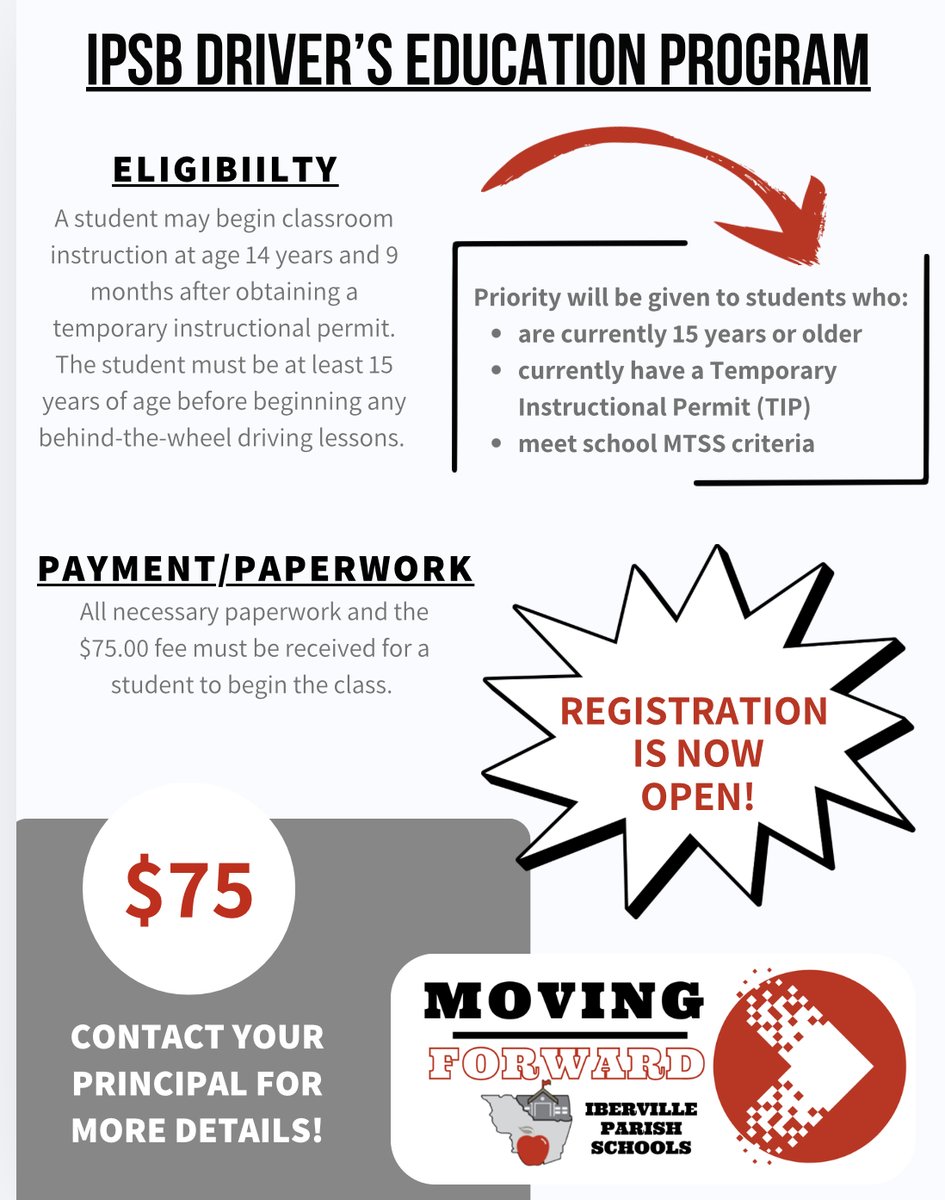
IPSB Driver’s Ed, in partnership with Go Team Driving School
Registration: May 5th - May 11th
Contact your school principal for info.
Summer Driver's Ed Session Class Dates and Location: June 8th - 11th – Dow YMCA, 305 Sugar Mill Rd, Addis
1
2
63
Andreas will be in Singapore (11–15 May) for IPSB.
If you’re attending or would like to connect, feel free to reach out.
📩 a.karki@laresriskmanagement.com
#IPSB #APAC #RiskManagement #Security #Networking

2
3
22
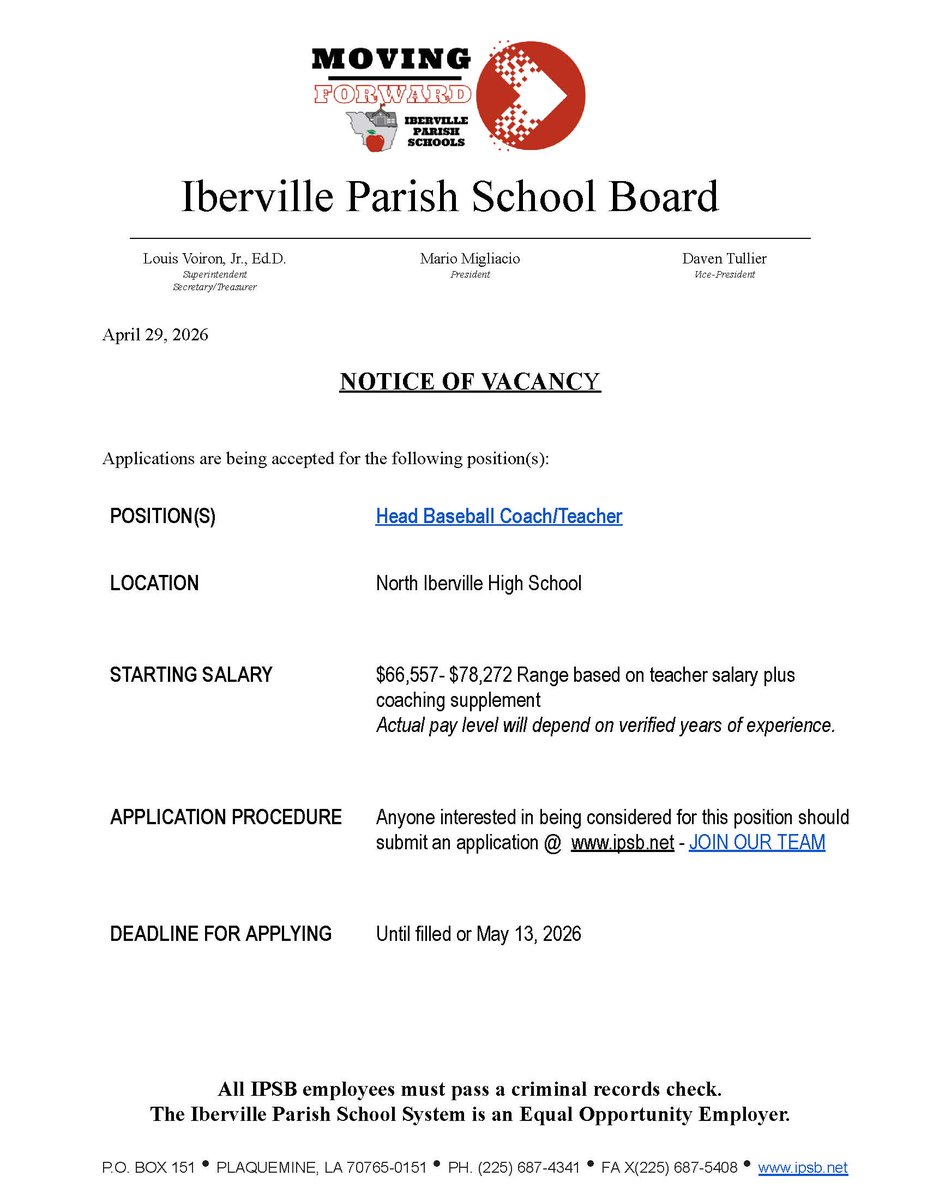
IPSB is currently looking for a Head Baseball Coach/Teacher. Anyone interested in being considered for this position should submit an application online at: ipsb.net.
Click the link below for more information!
applitrack.com/ipsb/onlineap…
1
3
114