
Jun 11
Java17クイズ📘
Q. この結果は?
List.of(1,2,3,4)
.stream()
.filter(n -> n % 2 == 0)
.mapToInt(Integer::intValue)
.sum();
A. 4
B. 6
C. 10
1
25
Jun 11
Java17クイズ📘
Q. この結果は?
List.of(1,2,3)
.stream()
.map(n -> n * 2)
.forEach(System.out::print);
A. 123
B. 246
C. 12
1
29
Jun 11
Java17クイズ📘
Q. 次のラムダ式で正しいのは?
A. (x) => x * 2
B. (x) -> x * 2
C. x := x * 2
1
24
Jun 11
Java17クイズ📘
Q. recordの特徴は?
A. getterやequalsを自動生成
B. 必ず継承が必要
C. abstract専用
1
20

Jun 9
Agent connection failed due to Java 11/17 mismatch.
Upgraded all servers to Java 17 and verified builds ran successfully on the agents ✅
📌 Blog: devrajesh.hashnode.dev/day-7…
🐙 GitHub: github.com/Rajeshcoder10/100…
#DevOps #Jenkins #Java17
10

Jun 8
dev環境すらない中で
・springboot3→4(java17→25)
・flyway導入
・デザインリニューアル(DB構成ガッツリ変更)
・ec2別インスタンス立ち上げて移行(al2→al2023, tomcat, datadog設定など)
・js→ts,css→scss
・recapcha導入
の改修量でサーバー停止からリリースまで1時間以内に終わったのすごい
54


May 23
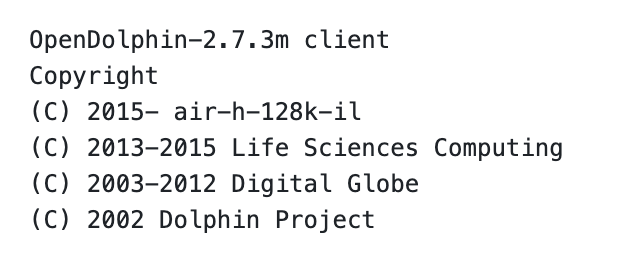
dolphin の Java17 対応版は公開してます。
github.com/air-h-128k-il/Ope…
が、
>旬が過ぎてしまった
という通り、Java のデスクトップ UI はオワコン感強いです。
1
4
78




Apr 8
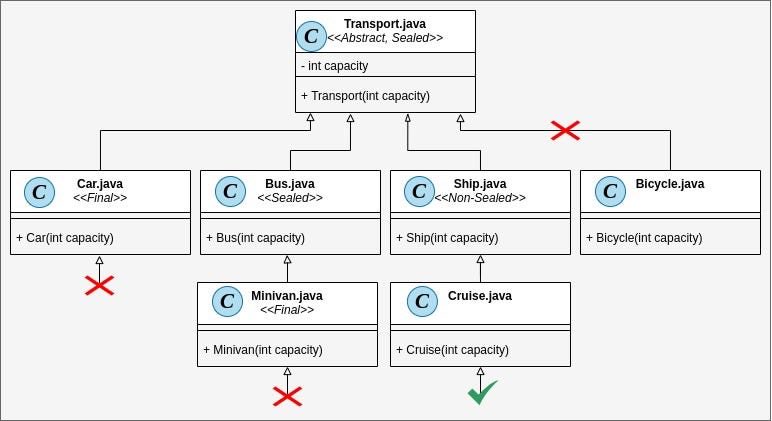
Domain models getting messy with random subclasses everywhere?
Been there — someone always adds a weird new payment type and suddenly your strategy pattern explodes 😩
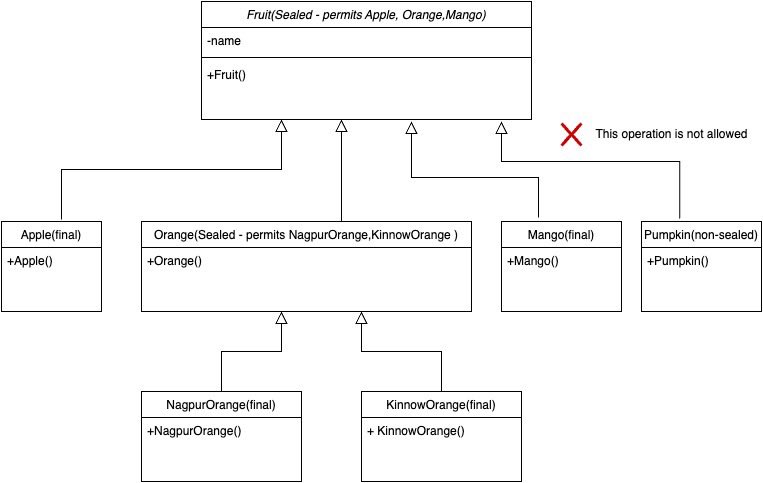
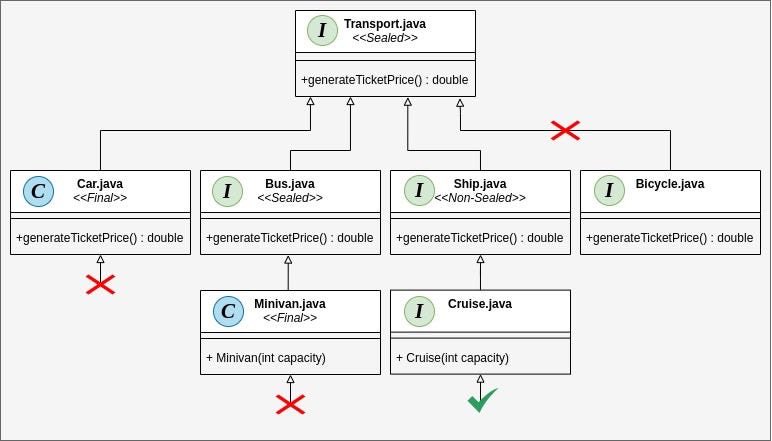
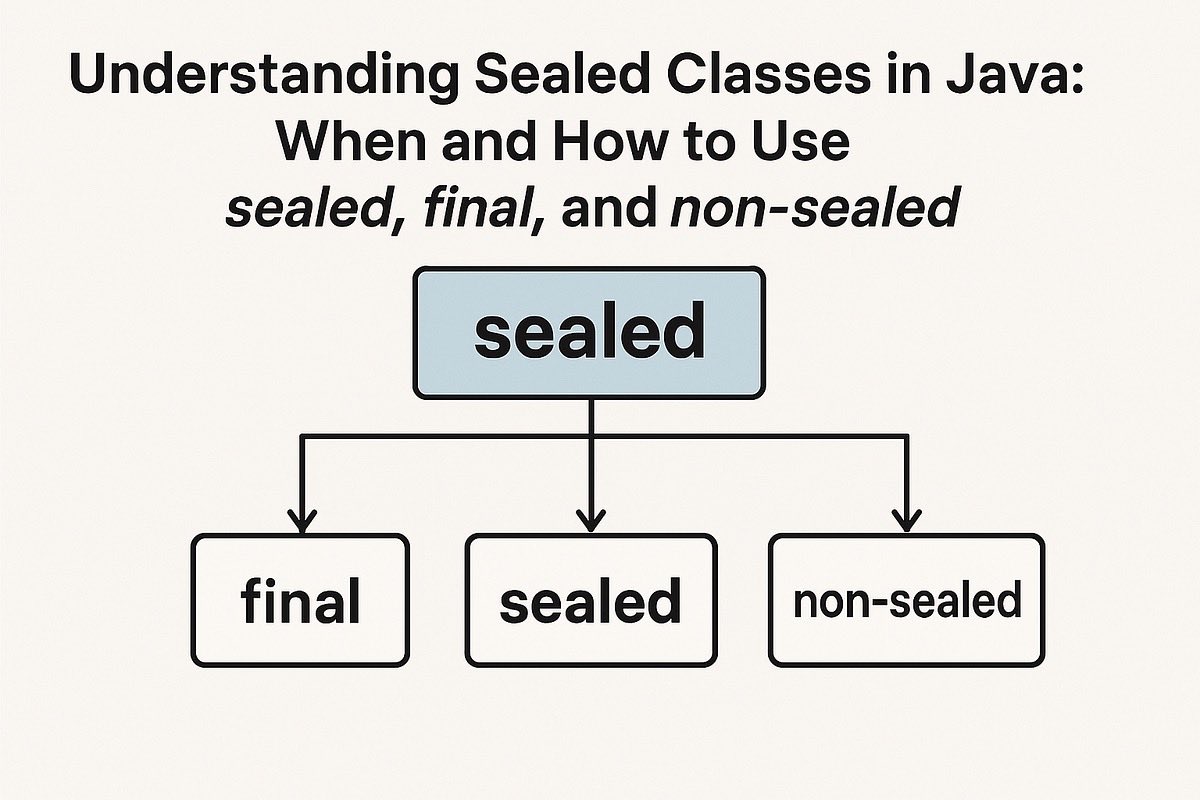
Java 17 Sealed Classes changed the game for me.
Now the compiler itself enforces exactly who can extend your types. No more surprise subclasses in production.
Here’s a clean real-world example I use in Spring Boot services:
sealed interface Payment
permits CreditCardPayment, UpiPayment, WalletPayment {}
final class CreditCardPayment implements Payment { ... }
final class UpiPayment implements Payment { ... }
Perfect for domain-driven design, strategy patterns, or handling different payment flows inside your microservices.
Less bugs, better readability, and the IDE gives you exhaustive switch warnings for free. Small feature, but it feels like getting superpowers.
Who else is using Sealed Classes in their Spring Boot projects? Or are you still on traditional inheritance?
Drop your thoughts below 👇 I read every reply!
#Java17 #SpringBoot #Microservices #BackendDev
4
129
Apr 6
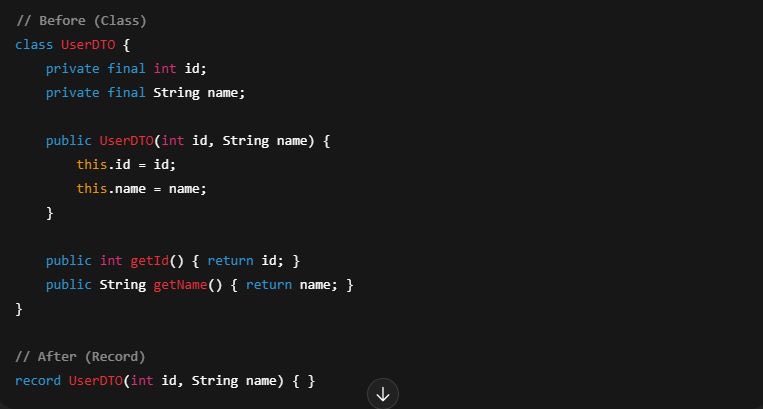
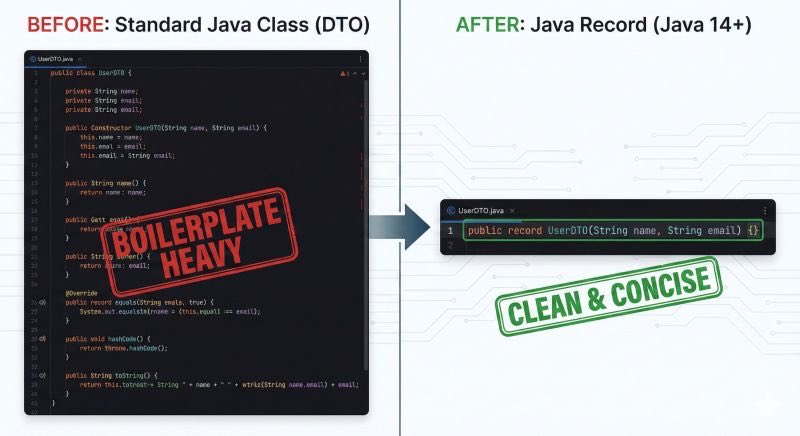
Java 17 Records – perfect DTOs for Spring Boot APIs
Tired of boilerplate DTOs with getters, setters, equals, and hashCode?
Java 17 Records got your back 👀
public record OrderDto(String id, BigDecimal amount, LocalDateTime placedAt) {}
Immutable by default, super clean in controllers & services.
Pro tip: Pair with @JsonProperty for custom JSON names.
Used this in a recent high-traffic service – code became 40% shorter. Game changer? Yes.
#Java17 #SpringBoot
1
2
3
212
Apr 6
Spring Boot auto-config Java 17 = less boilerplate
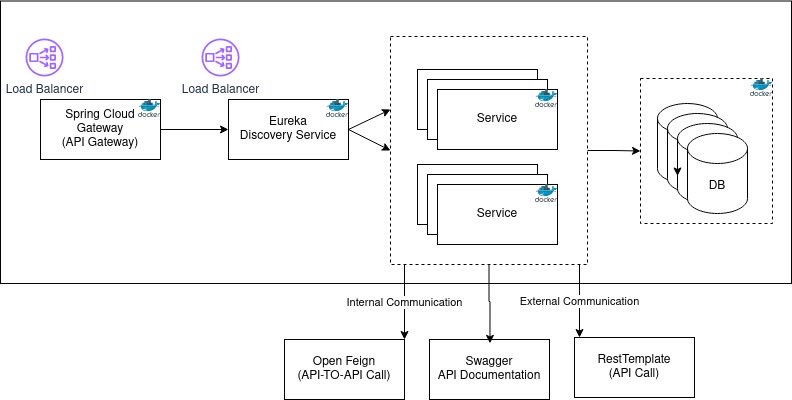
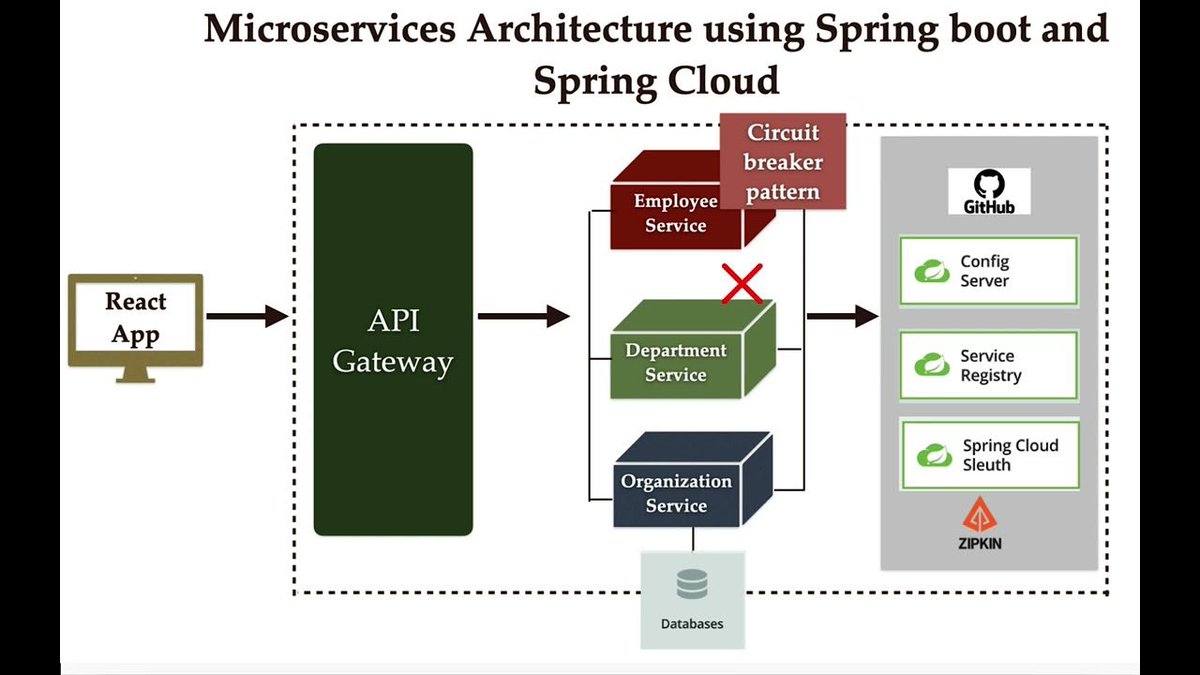
Building microservices and still writing 50 lines of config? Spring Boot 3 on Java 17 is the cheat code 👀
• Auto-configuration wires everything (no more manual beans for 80% of cases)
• Java 17 Records = instant immutable DTOs
• GraalVM native images = startup in <50ms
Cut my service setup time in half last project. What’s your favorite Spring Boot starter? Drop it below! 👇
#SpringBoot #Java17 #Microservices
1
4
181

Mar 17
Nyie nao kila mwaka sasa eeeh ???
Bado tunatumia Java17 wakuu

Java 26 is now available! #Java26 #JDK26 #OpenJDK
☕ Download Now: social.ora.cl/6018B6ynbo
☕ Release notes: social.ora.cl/6019B6ynbU
☕ API Javadoc: social.ora.cl/6010B6ynbq
☕ Features: social.ora.cl/6011B6ynbS
☕ Inside Java on JDK 26: social.ora.cl/6012B6ynbs
6
8
584

🔹 Java 17 Sealed Classes – Interview Perspective (3 mins)
🧵 🧵
I’ve shared a quick discussion on Sealed Classes & Interfaces in Java 17, explained through a practical scenario.
The example covers a Payment Gateway API response model, where sealed classes help:
• Restrict permitted response types
• Enforce fixed response structures as per service
agreements
• Prevent unintended extensions
• Improve domain modeling clarity
This is a real-world interview-style question focused on modern Java design decisions, not just syntax.
#Java17 #SealedClasses #JavaInterview #BackendDevelopment #SoftwareDesign #BitBee
1
2
103


Feb 9
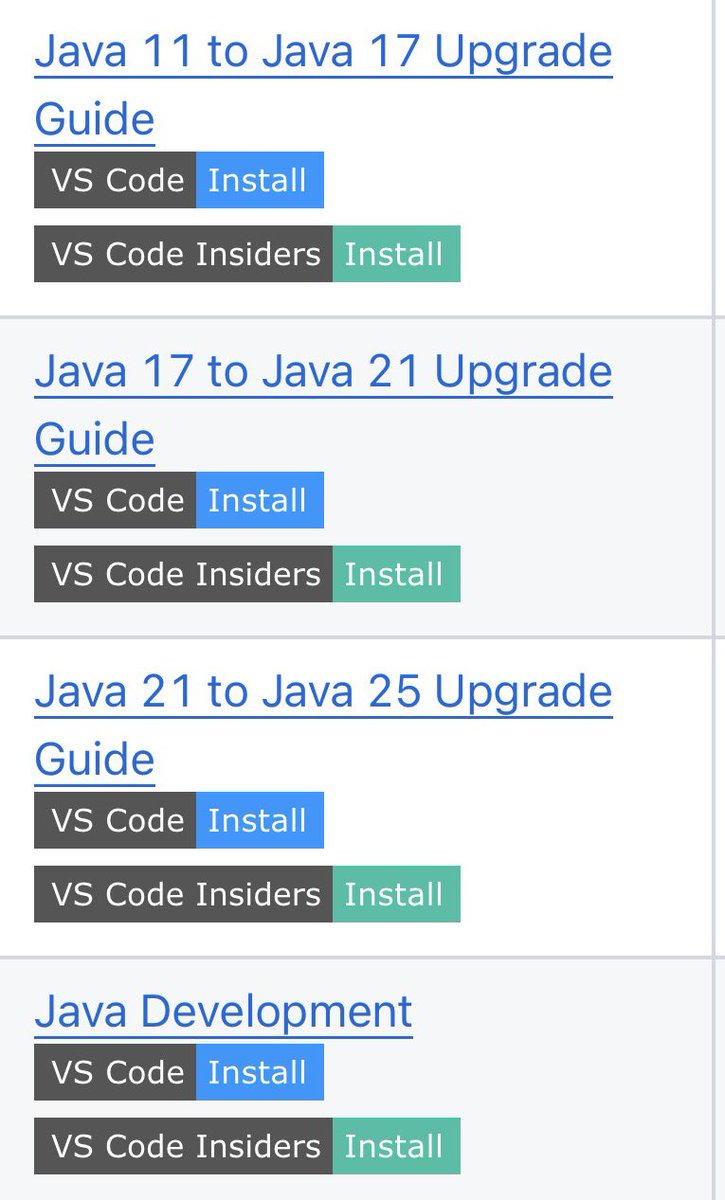
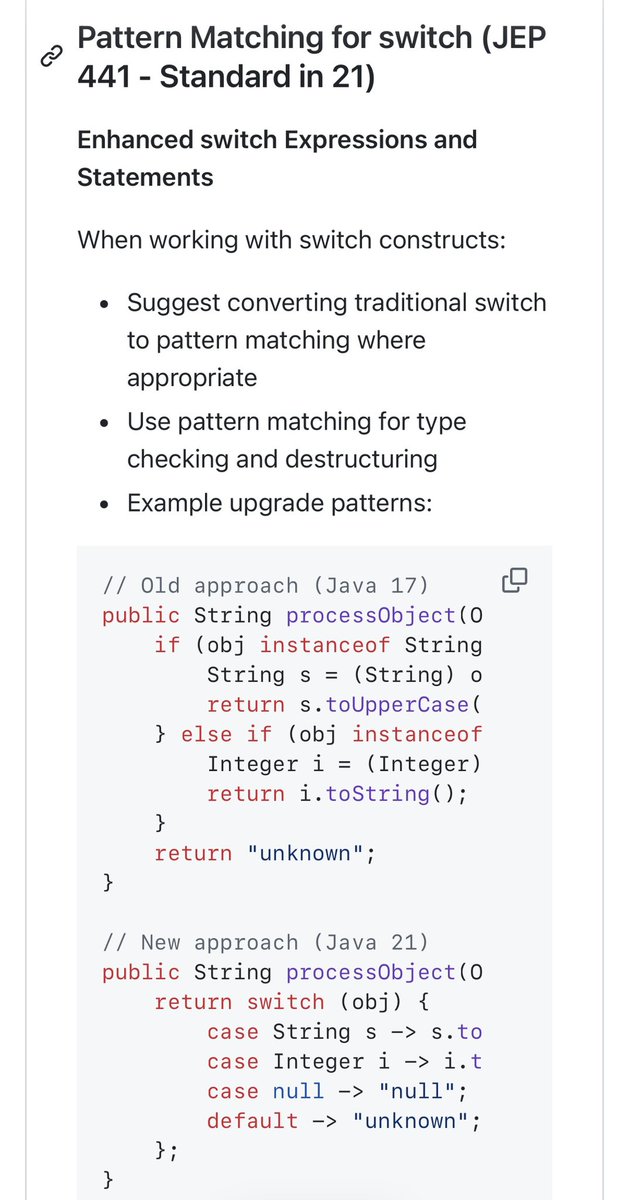
Java11→17
Java17→21
Java21→25
のアップグレード専用のInstructionsが
awesome-copilotにあるの初めて知った
移行楽になりそうなのはそうだけど
バージョン差異も簡単に見れるの流石に強いな?
3
287

29 Dec 2025
OmniFaces 5.0 released!
balusc.omnifaces.org/2025/12…
Fully alligned with Jakarta EE 11 😎
#OmniFaces50 #Faces41 #JakartaEE11 #Java17
2
3
220