
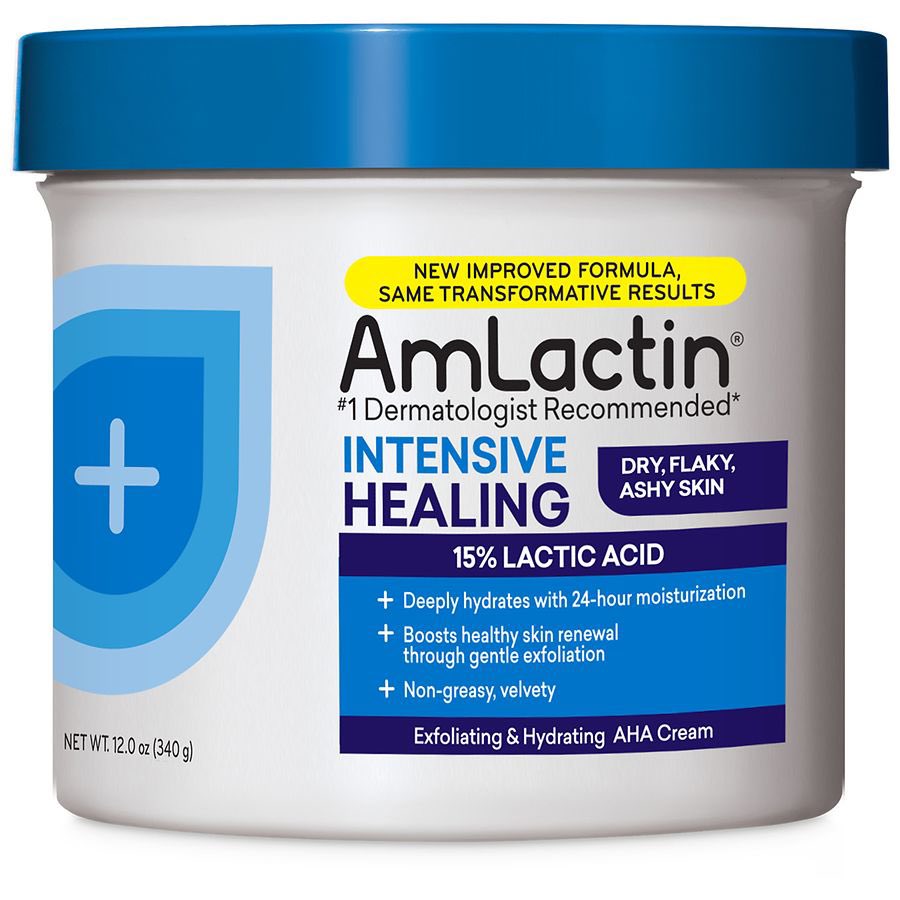
Just know any acid is going to make you more prone to sun damage, so please wear sunscreen even when you don't think it's necessary! I'm a big fan of AmLactin Intensive Healing which has a higher percentage of lactic acid.
2
79

R A Popalzai🇵🇰 retweeted

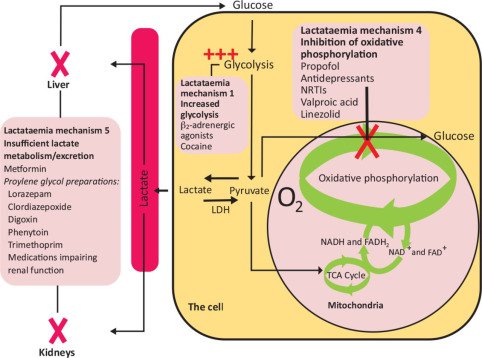
Salbutamol nebulization and High lactate.
This classic presentation is due to Salbutamol-Induced Lactic Acidosis (SILA), a well-documented Type B lactic acidosis.
*High or frequent doses of β₂-agonists trigger a sequence of metabolic changes that completely mimic a septic picture.
●Here is exactly why this happens:
1. Tremor:
Salbutamol stimulates β₂-adrenergic receptors in skeletal muscle, resulting in increased cyclic AMP (cAMP) production.
This heightened adrenergic state leads to increased glycogenolysis (the breakdown of glycogen into glucose) and subsequent muscle tremors.
2. Tachycardia:
High circulating levels of salbutamol start to stimulate β₁-adrenergic receptors (the primary receptors in the heart) in addition to β₂-receptors, directly causing a rapid heart rate (palpitations) and a drop in diastolic blood pressure.
3. High Lactate:
Salbutamol-induced intracellular cAMP accumulation aggressively stimulates both glycolysis (the breakdown of glucose) and lipolysis (the breakdown of fats into free fatty acids).
The massive amount of glucose being broken down creates excess pyruvate.
Simultaneously, the free fatty acids inhibit the enzyme that converts pyruvate into acetyl-CoA.
Left with nowhere else to go, this pyruvate is rapidly converted by the body into lactate.
4. Worsening the Vicious Cycle:
Co-administered steroids (like hydrocortisone or dexamethasone) increase β₂-receptor sensitivity, which further heightens lactate production.
The rising lactate creates a metabolic acidosis, making the patient breathe faster (tachypnea), which can be falsely interpreted as a worsening respiratory infection.
■The Takeaway...
When a patient receiving frequent salbutamol nebulization develops a high lactate, tachycardia, and tremor, SILA should be considered before presuming worsening sepsis.
Unlike sepsis-induced Type A lactic acidosis (which results from poor tissue perfusion), Type B lactic acidosis resolves rapidly when the offending β₂-agonist is reduced or discontinued.
researchgate.net/figure/Mech…
1
6
9
553

Contrast dye may impair kidneys lead metformin accumulates result in risk of lactic acidosis
That’s why metformin is sometimes withheld around contrast CT procedures
117
ROYALTY🌹🌹🌹 retweeted

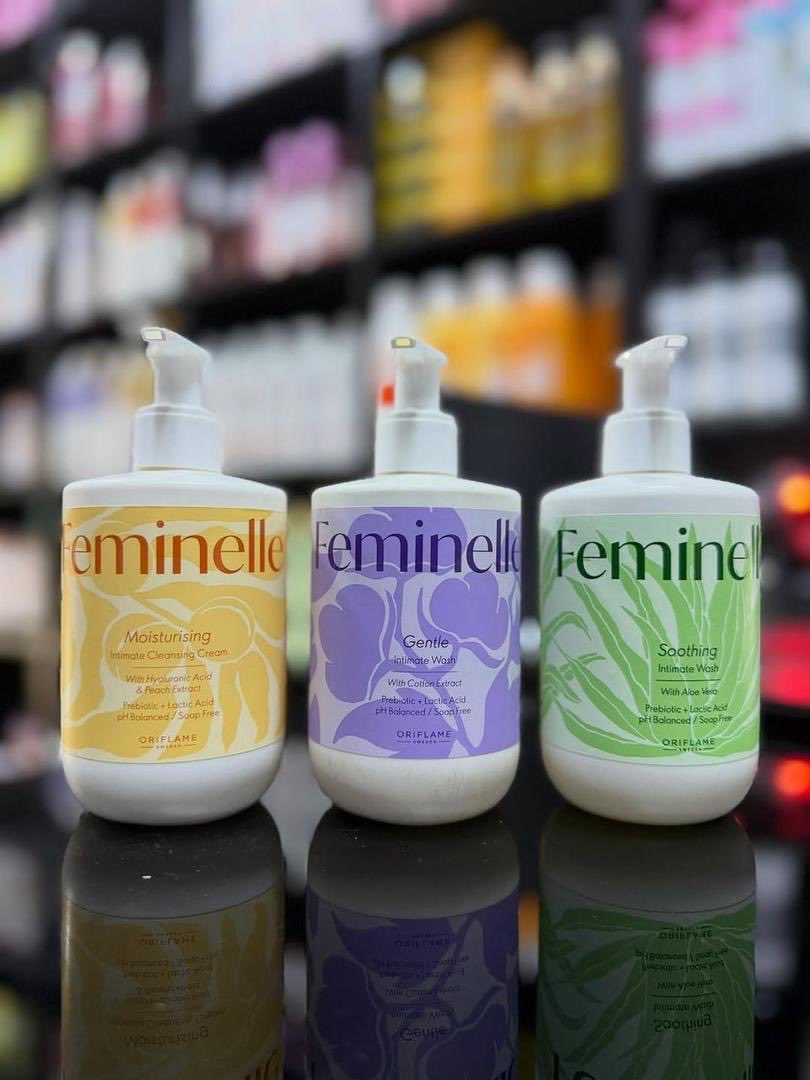
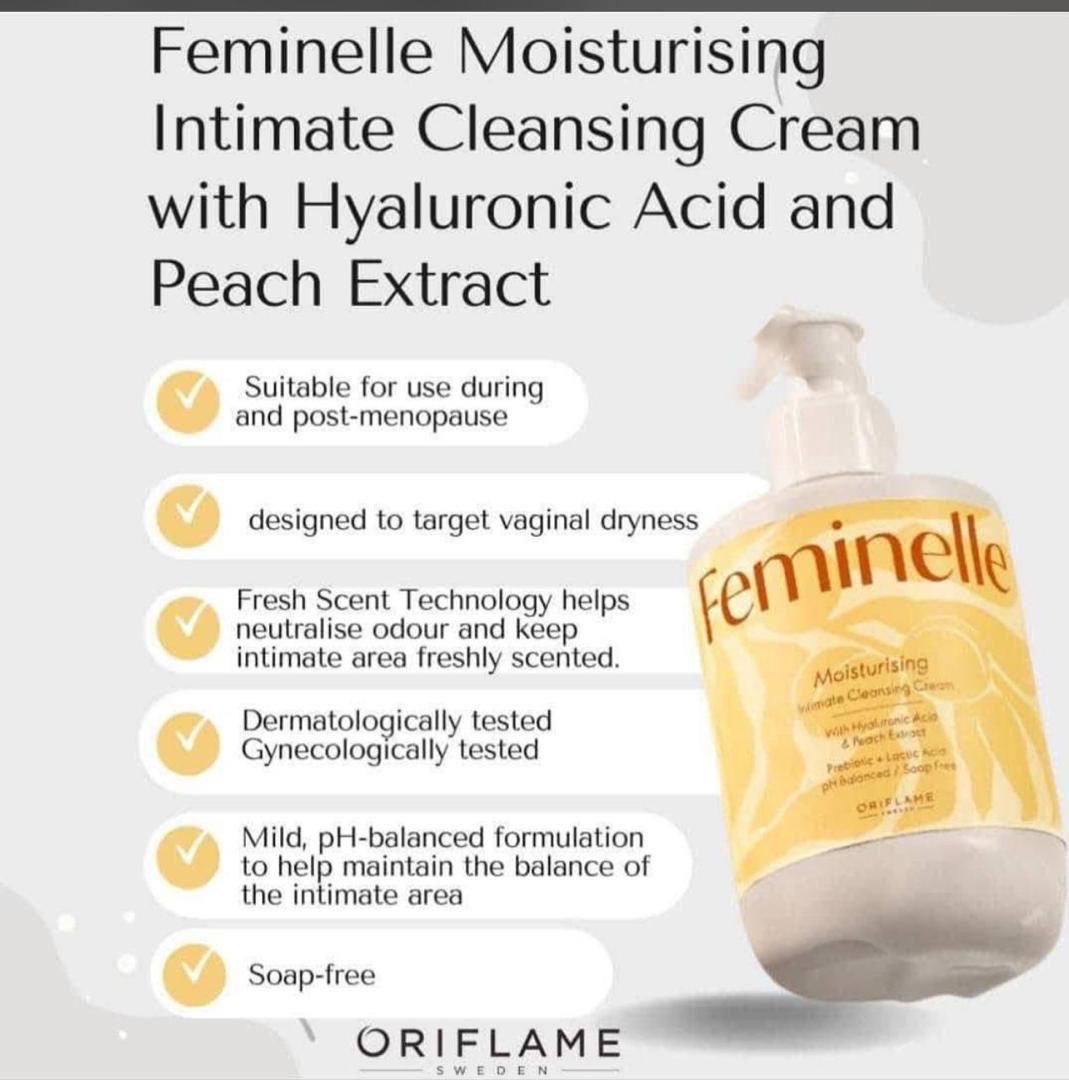
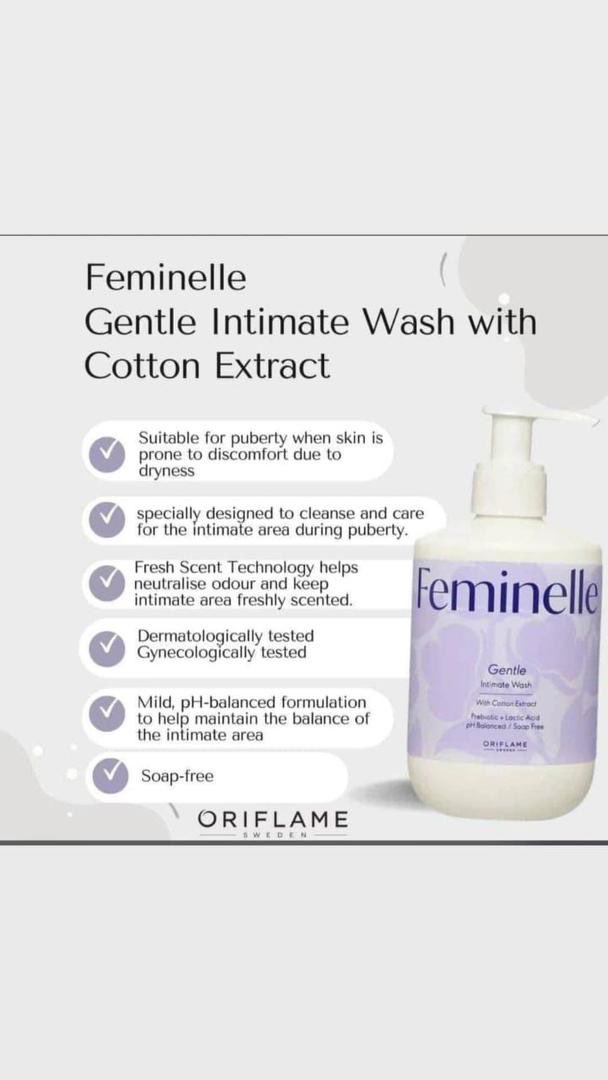
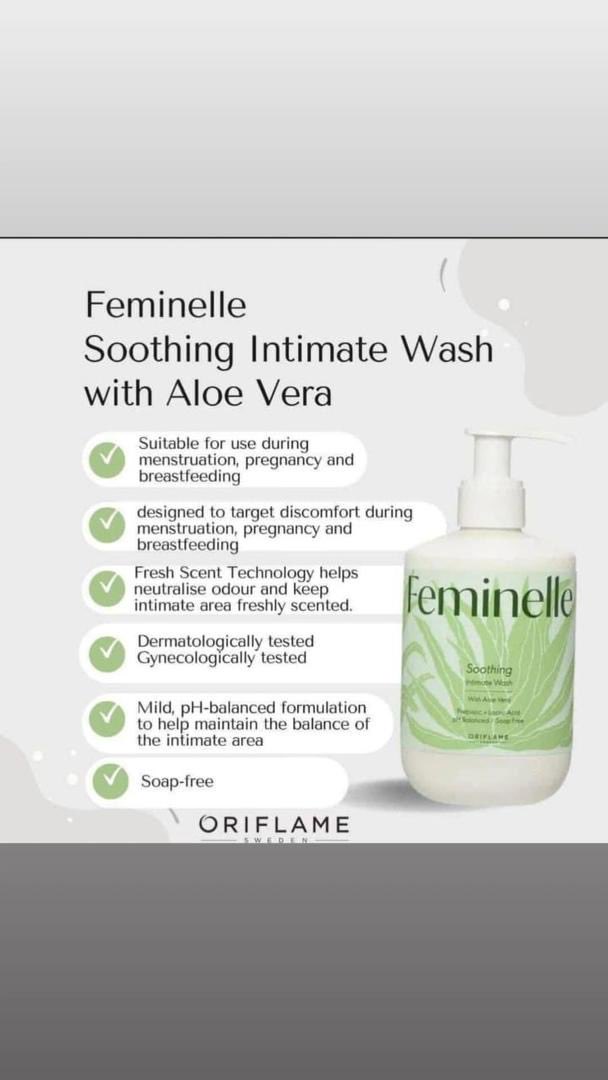
Oriflame Feminelle intimate wash in stock 🌸
pH balanced, soap-free, with prebiotic lactic acid.
Moisturising, Gentle, Soothing variants available.
DM to order.
#SCENTALUXE #SelfCare #Oriflame #PersonalCare #Feminelle #LPKBBEATZ
13
14
99

(and my recommendations are just that lol, any sort of lactic acid would work! I just like The Ordinary cause they’re cheap and have minimal filler ingredients)
12
- come off all at once)
I use this one: theordinary.com/en-us/aha-30…
BUT this would probably be way too intense for you. I’d recommend this one to start: theordinary.com/en-us/lactic…
lactic acid is among the most ~gentle~ of acids, so just about anyone can use it
1
21

Instant- Raaga de-tan
Regular home remedies- Tomato, besan haldi yogurt
For long term fix- Fixderma Nigrifix cream/ Suganda 5% lactic acid body lotion.
Works for my post beach, snorkel, surfing tan.. so definitely would work for yours
27

ดูจากส่วนผสมแล้วมี Nelumbo Nucifera Stamen Extract ช่วยให้ผิวชุ่มชื้น บวกกับ Lactic Acid และ Glycerin ที่ช่วยเรื่องความนุ่ม ล้างออกง่ายโดยไม่ต้องใช้สำลี สะดวกมากเวลาเร่งรีบ หรือวันที่ผิวเหนื่อยๆ เลยค่ะ
s.shopee.co.th/2g7rcRXuZ5
6

100% agree. Keenan use to make them ride the bike after the game. True story. 20 minutes to get rid of the lactic acid. Esa Tikkanen. Would get off after 10. The guys would say WTF are u doing. His answer. I pedaled faster. Lmao.
1
13

Not the CT.
The contrast.
The concern was acute kidney injury.
The kidneys clear metformin.
If kidney function suddenly drops, metformin can accumulate and the rare complication everyone worries about is lactic acidosis.
Modern evidence has softened some of the older restrictions, but that’s where the practice came from.
4
153

#CandyChristineC3🩷💙🦄 Benefical perscribed treatments for your skin, Scars, Sun damage, and Bleaching, Im expecting a year of this, as soon as Im out of this High UV climate my skin will imporve in apperance alone. I have the #VAMC, Ive had some of this perscribed before. On top of waxes, nails ( it try to just keep my nice), My hair style is unique but an easy cut. Eating correctly and staying active or gym.
🩷For superficial scars : (flat, surface-level marks or discoloration), doctors typically prescribe prescription-strength retinoids (like Tretinoin) to boost cell turnover, high-potency topical steroids to flatten and reduce inflammation, or hydroquinone to fade lingering dark spots. Medical-grade silicone gels are also frequently recommended to hydrate the skin.Beyond at-home treatments, doctors and dermatologists often prescribe in-office procedures for surface scars.
🩷For moderate sun damage: doctors generally prescribe topical retinoids (like tretinoin or tazarotene) to boost cell turnover and stimulate collagen. For stubborn dark spots and uneven pigmentation, they often prescribe pigment-fading creams, such as prescription-strength hydroquinone.Dermatologists typically use a combination of prescription topicals and in-office.
🩷Skin bleaching and lightening are achieved using topical chemicals, oral or intravenous antioxidants, and dermatological procedures that disrupt or lower the body's production of melanin. These agents are typically used to treat hyperpigmentation, melasma, sun spots, or uneven skin tones.Medical & Prescription IngredientsHydroquinone: The standard dermatological agent used to block melanin production. It is banned from over-the-counter sales in the United States and the European Union due to safety concerns, making it available only via prescription. Prolonged use can cause ochronosis, a permanent blue-black skin discoloration.Topical Corticosteroids: Strong prescription steroid creams are sometimes combined with other agents to reduce inflammation and lighten skin. Unapproved use can severely thin the skin and cause stretch marks.Retinoids: Vitamin A derivatives like tretinoin speed up skin cell turnover to eliminate pigmented cells. They are frequently prescribed alongside hydroquinone.Over-the-Counter & Natural AlternativesKojic Acid: A natural compound derived from fungi that serves as a popular, safer alternative to hydroquinone.Azelaic Acid: A gentle acid used to treat acne and uneven pigment like melasma.Alpha Hydroxy Acids (AHAs): Exfoliants like glycolic acid and lactic acid shed dead, dark surface cells to reveal brighter skin.Vitamin C and Niacinamide: Mild, widely available antioxidants that naturally suppress melanin synthesis without damaging skin tissue.Arbutin: A plant-based derivative that naturally slows down the enzymes responsible for pigment formation.Systemic Treatments & ProceduresGlutathione: An antioxidant taken orally or administered through intravenous (IV) drips. While popular for overall skin brightening, health agencies warn against IV administration due to risks of liver and kidney damage.Clinical Procedures: Dermatological treatments such as chemical peels, laser therapy, and microdermabrasion physically resurface the skin to remove heavy pigmentation safely under professional supervision.Highly Dangerous Compounds to AvoidMercury: Though highly effective at destroying melanin, mercury is a potent toxin banned by the U.S. Food and Drug Administration (FDA). It can cause irreversible neurological damage, kidney failure, and psychiatric disorders. It is still sometimes found illegally in unregulated, imported cosmetics.Household Bleach: Household cleaners containing ammonia, sodium hypochlorite, or high concentrations of hydrogen peroxide should never be applied to the skin. They cause severe chemical burns, scarring, and worsen hyperpigmentation.
12

SATURDAY NIGHT SKINCARE ROUTINE OVER 50 🌸 Lactic Acid Glow Routine for Smooth, Hydrated Mature Skin
youtu.be/CAgloUugc9M
12

K_SAN 🦡 retweeted

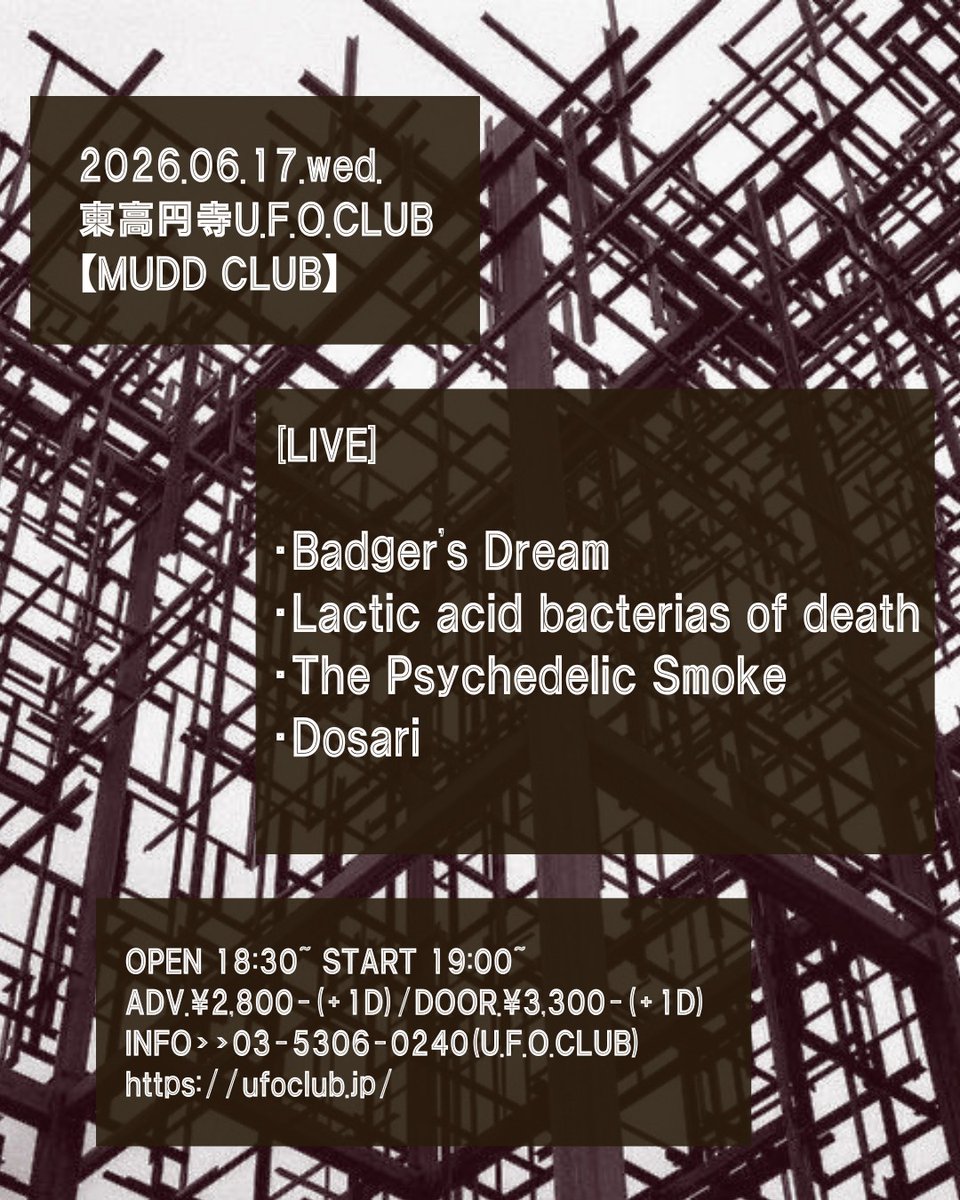
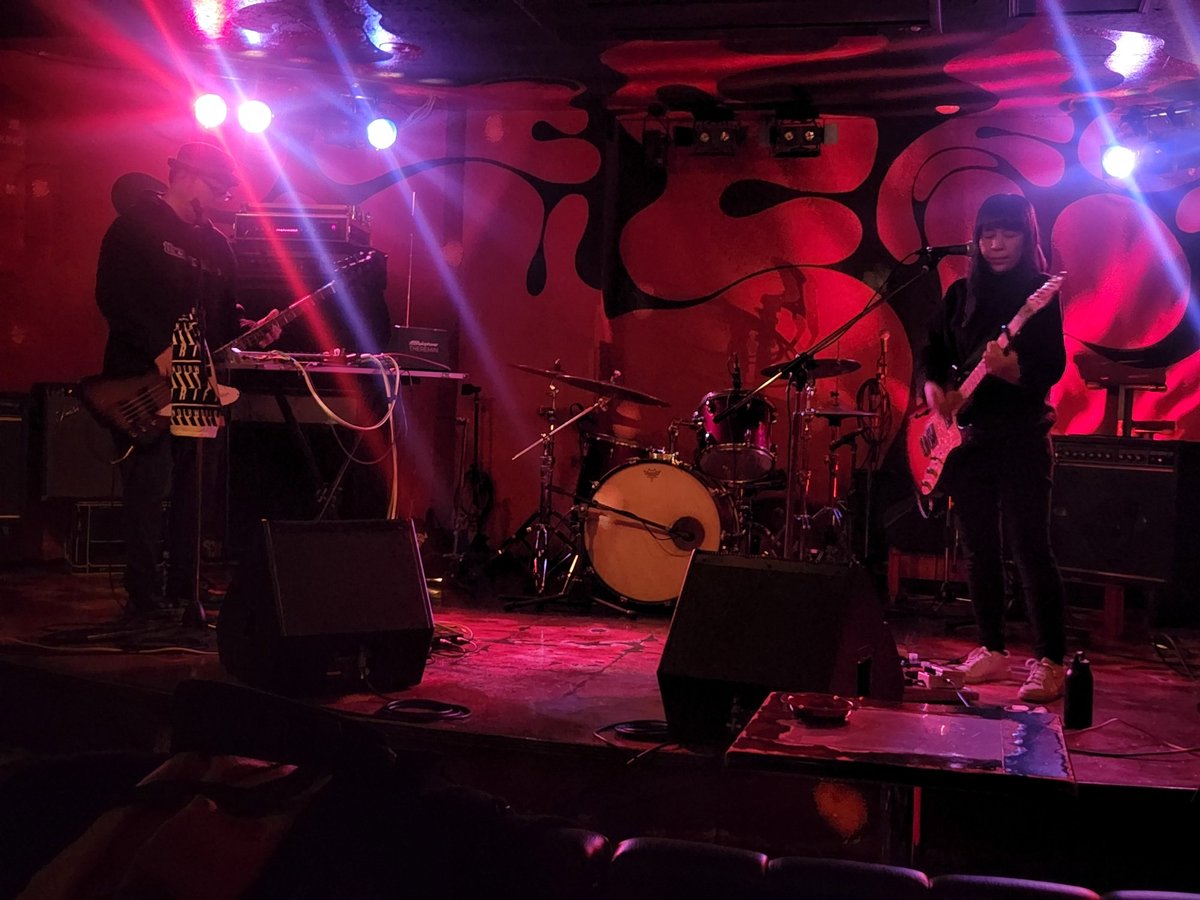
[ライブ情報]もうすぐ🛸
2026/6/17(水)東高円寺UFOCLUB
"MUDD CLUB"
−出演−
Dosari
Badger's Dream 🍄19:40−
Lactic acid bacterias of death
The Psychedelic Smoke
開場 18:30 開演 19:00
前売 ¥2800 当日 ¥3300
(別途要1ドリンク代)
ufoclub.jp
お待ちしてます🙇
2
14
313