
Jun 10
"Thank you for supporting me." 🫶
A simple phrase can make a powerful impact. 🤟
Learning American Sign Language (ASL) helps create more inclusive workplaces and stronger connections.
Learn ASL: zurl.co/Aj84U
#LearnASL #AmericanSignLanguage #Accessibility
23

Jun 9
SO BADA$$ #asl #coda #signlanguage #learnasl #todayilearned #americansig... youtube.com/shorts/YKFxsgRxt… via @YouTube
18

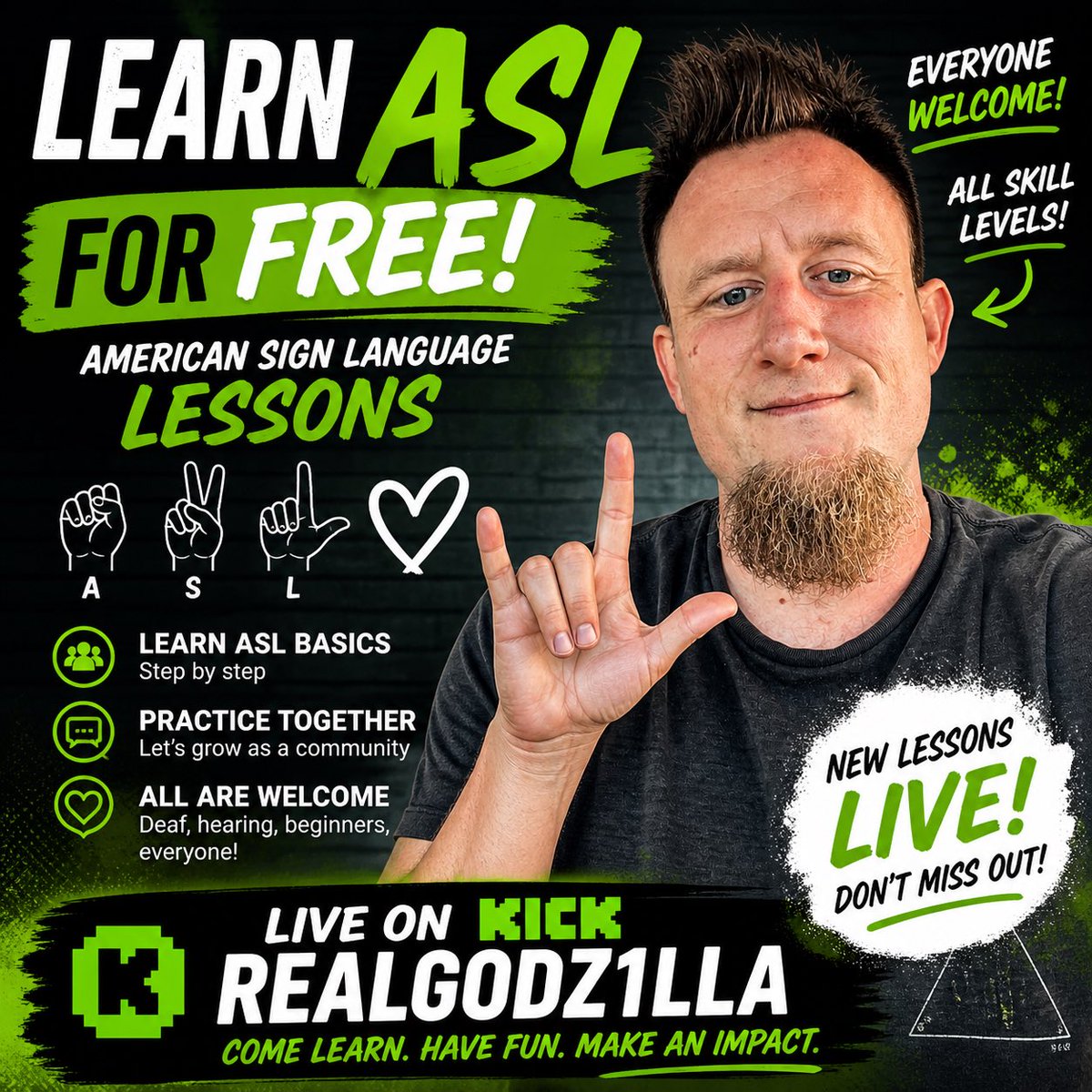
🧠 Want to learn ASL for FREE?
I’m teaching American Sign Language live on my Kick channel 👇
👉 RealGodz1lla
Come learn, practice, and vibe with us 🤟
#ASL #LearnASL #DeafCommunity #FreeLessons #SignLanguage
6
2
14
484

Apr 24
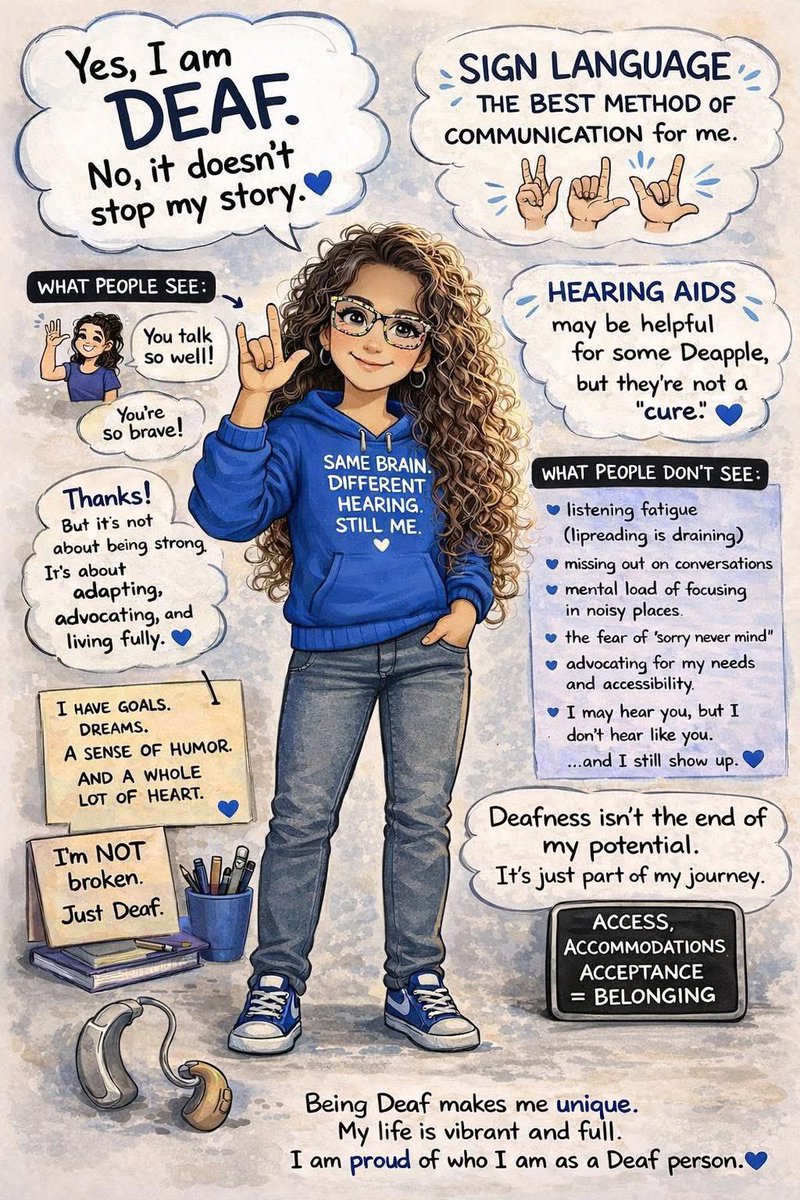
HAPPY BELATED ASL DAY!!!..Thank you Denise, this is beautiful!!..❤️🥰🤟🏻
#ASLEveryday #DeafCulture #InclusionMatters #LearnASL
4
54

19 Dec 2025
Hey folks, let's clear up some misconceptions about American Sign Language (ASL) that's been going viral lately. ASL isn't just English words signed one-for-one—it's a complete, distinct language with its own grammar, syntax, and structure. Mocking interpreters as "performative" or "fake" because it doesn't match your spoken English expectations? That's not genius; it's ignorance that harms the Deaf community.
Quick breakdown:
- **Not Word-for-Word**: ASL doesn't follow English sentence structure. A spoken English sentence like "The quick brown fox jumps over the lazy dog" might be signed in ASL as something more like "FOX BROWN QUICK JUMP-OVER DOG LAZY" – prioritizing visuals and efficiency over literal translation.
- **Grammar Basics**: ASL often uses a topic-comment structure (set the topic first, then comment on it). It relies heavily on facial expressions, eye gaze, body shifts, and space around the signer to convey meaning, tense, questions, or emphasis. For example, raised eyebrows can turn a statement into a yes/no question.
- **Classifiers & Visuals**: Instead of tons of words, ASL uses handshapes (classifiers) to represent objects, actions, and spatial relationships. It's a visual-spatial language, painting pictures in the air rather than linear words.
- **Cultural Context**: ASL is tied to Deaf culture. Interpreters adapt to make it accessible, natural, and expressive—because flat, robotic signing would fail to communicate nuances like tone or urgency.
Deaf people aren't "entertained" by exaggeration; they're getting vital info in their language. If you're critiquing without knowing ASL basics, maybe sit this one out and learn instead. Respect the community—education over memes. #ASL #DeafCommunity #LearnASL
18
6
125
8,424

Let's spread some holiday cheer... in American Sign Language (ASL)! ✨
Shannon Seger, our Deaf Services Supervisor, is here to teach you how to sign some of the season's most joyful greetings—celebrating the holidays, Christmas, Kwanzaa, and more!
Whether you're learning for the first time or brushing up on your skills, this is a fun and disability-inclusive way to spread cheer.
➡️ Save this reel and try signing along, and tag a friend who would LOVE this!
Let's celebrate connection, culture, and community together, one sign at a time! ❄️
#LearnASL #HappyHolidays #AmericanSignLanguage
3
9
152

16 Nov 2025
ABC's & ASL Coloring Book: Learning Sign Language Through Creative Fun For Young Children a.co/d/bEqP8NJ #Amazon via @Amazon #ASL #Signlanguage #ASLColoringBook #LearnASL #InclusivePlay #KidsSignLanguage
1
3
94

3 Sep 2025
Meet Juliette Gordon Low!
She founded the Girl Scouts in 1912. Later in life, she became Deaf. Deaf or hearing - leadership has no limits!
#DeafAwareness #ASL #DeafCulture #DeafHistory #DeafPride #LearnASL #UGC #UGCcreators
2
181
1 Sep 2025
September is Deaf Awareness Month! 💙✨
It started in 1958 and celebrates Deaf culture, Deaf history & signed languages worldwide. 🤟
I'm excited to share more about with you this month!
#DeafAwareness #ASL #DeafCulture #DeafHistory #DeafPride #LearnASL #UGC #UGCcreators
1
4
128

10 Aug 2025
🚀 AISA School is LIVE! 🚀
Forget boring lessons. This is learning you actually want to do, visual and addictive!
🔥Download in the next 5 days to get 1 month of Premium FREE.
📲 Download Now:
m.aisa.solutions/download
#AISASchool #LearnASL #Sign_language
4
48

4 Jul 2025
Happy Fourth of July from GraceSigns!
#gracesigns #speech #speechchallenges #apraxia #speechpathology #awareness #learnalanguage #learnASL #learnforfree #freelearning #freeasl #poems #poetry

1
3
39

1 Jul 2025
🎇 Our Only Sale of the Summer Starts NOW!
Save 25% on Signing Savvy memberships and learn ASL for as low as $2.70/month.
✅ Thousands of sign videos & sentences
✅ Quizzes & word lists
✅ Ad-free learning
👉 signingsavvy.com
#ASL #LearnASL #IndependenceDaySale

3
26
19 Feb 2025
🚨 SWEET 16 SALE ALERT! 🚨
We’re turning 16—and YOU get the gifts! 🎁 For a limited time, save up to 30% on ASL memberships!
💖 Use code SWEET16 at checkout! signingsavvy.com/member
📅 Hurry—this deal won’t last!
#ASL #SignLanguage #ASLLearning #DeafOwnedBusiness #LearnASL
4
7
66

6 Jan 2025
Last chance to register! Our Winter American Sign Language (ASL) classes will be starting soon - Whether you're a complete beginner or you want to take your sign language skills to the next level, sign up today at bit.ly/4fL25K6
#ASL #DeafCulture #SignLanguage #LearnASL
1
2
77

24 Dec 2024
3
1
5
141

17 Dec 2024
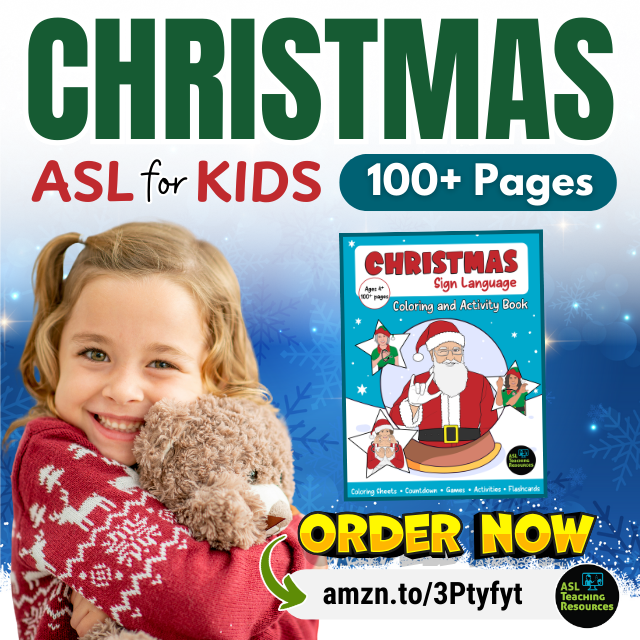
Make the holidays extra special with our Merry Christmas Sign Language Activity Book! 🎄✨ A fun and creative way for kids and families to learn ASL together.
🎁 Get yours now: amzn.to/3Ptyfyt
#ChristmasFun #ASLForKids #FamilyFun #ChristmasCrafts #LearnASL #ASLChristmas
1
14
4 Dec 2024
Interested in learning more ASL? Sign up for our winter ASL classes starting in January. Visit bit.ly/3ODkNIj to see our winter class schedule and register.
#LearnToSign #LearnASL #DeafCulture #DeafCommunity #SignLanguage #ASL #AmericanSignLanguage #ASLclass
2
87
3 Dec 2024
🔥 Cyber Monday ASL Book Sale! 🖤 Ready to level up your ASL skills? 📚 Don’t wait—grab these must-have books before the deals disappear! 💥
👉 amzn.to/3Ptyfyt
👉 amzn.to/4fG0Psl
#CyberMondayDeals #ASLBooks #LearnASL #ASL #ASLEducation #ASLCommunity #DeafKids

2
26

27 Nov 2024
Here's a snippet from the Corning-Painted Post Area SD Choral Intensive! 🎶✨ So proud of these talented students for putting their hearts into "Seasons of Love"! 💙🤟 #SeasonsOfLove #ASL #LearnASL #SignLanguage #CODA #MusicEducation #Belonging #KeynoteSpeaker #ChoralIntensive
2
141
30 Oct 2024
Want to know my favorite ASL signs? Here’s a hint: it’s all about choosing love, every day. 💕 Watch and learn...then tag a friend who always chooses love! 🤟👀
#ASL #AmericanSignLanguage #LearnASL #LearnToSign #SignLanguage #CODA #ChooseLove #Love
2
103