
13 Jan 2025
Digital inclusion is important because it allows everyone to access and use information and communication technologies, which can lead to many benefits:
Economic developmentDigital inclusion can drive economic growth by:
Attracting technology-based investment
Fostering innovation
Improving supply chains
Creating new jobs
Education and learningDigital inclusion provides access to online courses, educational resources, and interactive learning platforms.
Employment and careersDigital skills are essential for many jobs, and digital inclusion can help people improve their employment opportunities.
Healthcare and wellbeingDigital inclusion can provide access to online consultations with doctors, healthcare advice, and medical appointments.
Social connection and belongingDigital inclusion allows people to connect with others through video calls, online communities, and virtual events.
Creativity and expressionDigital inclusion allows people to share their art, music, or writing with the world, collaborate with others, and access a vast library of inspiring content.
Digital equityDigital inclusion is a major factor in achieving digital equity, which is when everyone has the digital skills and resources they need to participate in society.
Some ways to ensure digital inclusion include:
Accessibility standards
Inclusive user interface (UI) design
Multilingual support
Responsive design
Inclusive and sensitive content
Usability testing with diverse users
Tech literacy initiatives
2
1
1
8,366

25 Aug 2024
3 web kursus online gratis untuk persiapan kerja dapat sertifikat:
1. futurelearn. com
untuk kursus IELTS
2. advernesia. com
untuk belajat EXCEL
3. learningdigital. withgoogle. com
untuk kursus digital marketing
fokus upgrade porto biar enak cari kerja!
95
1,300
5,789
222,469

3 Aug 2024
3 web buat kursus online gratis untuk persiapan kerja dapat sertifikat:
1. futurelearn. com
untuk kursus IELTS
2. advernesia. com
untuk belajat EXCEL
3. learningdigital. withgoogle. com
untuk kursus digital marketing
fokus upgrade porto biar enak cari kerja!
1
9
1,414
2 Aug 2024
3 web buat kursus online gratis untuk persiapan kerja dapat sertifikat:
1. futurelearn. com
untuk kursus IELTS
2. advernesia. com
untuk belajat EXCEL
3. learningdigital. withgoogle. com
untuk kursus digital marketing
fokus upgrade porto biar enak cari kerja!
165
1,705
7,016
245,038

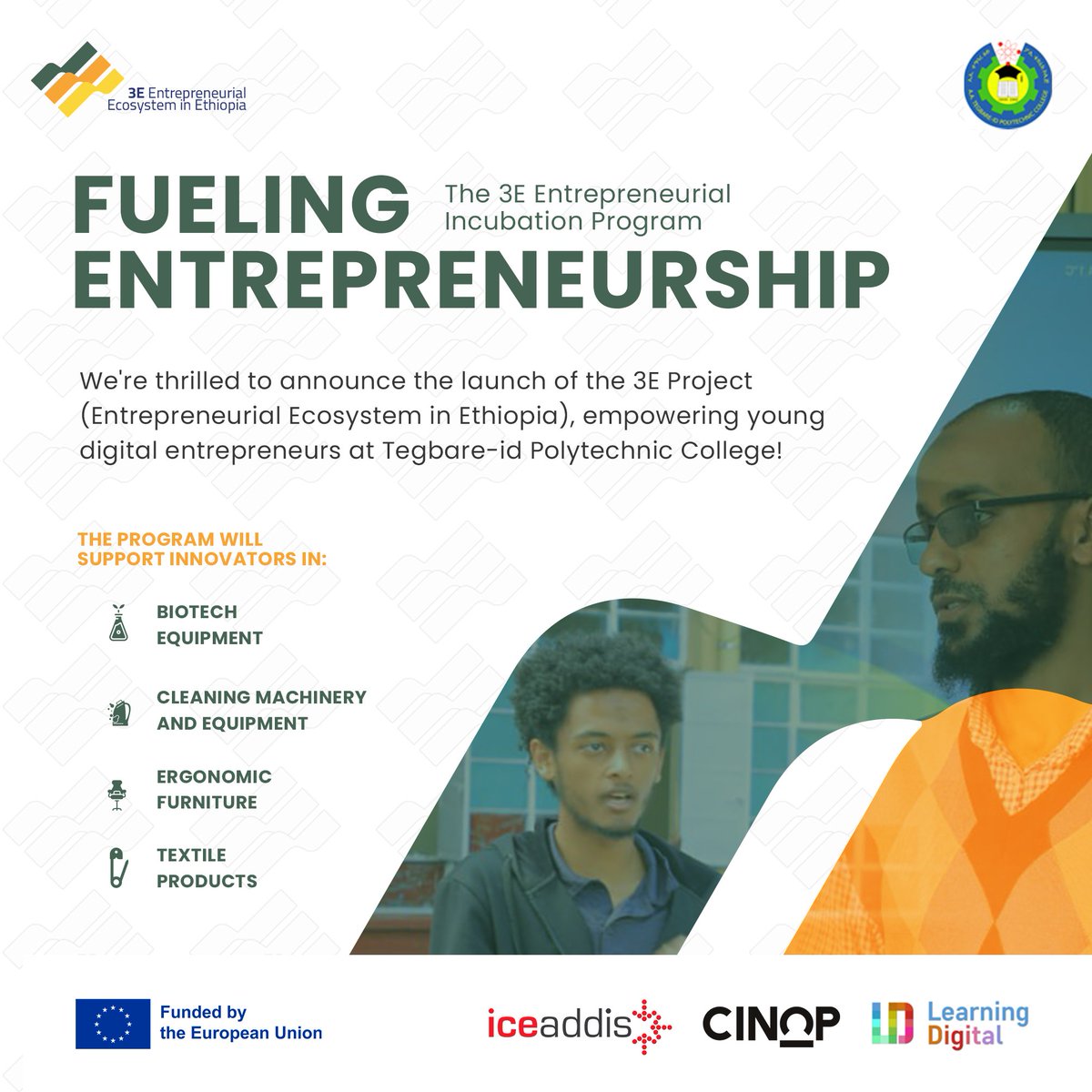
We are excited to announce the launch of the 3E (Entrepreneurial Ecosystem in Ethiopia) project, aimed at unlocking the potential of young digital entrepreneurs at Tegbare-id Polytechnic College. The “Future Skills Incubator Hub” will support startup creation and growth, fostering collaboration among various stakeholders in the entrepreneurial ecosystem.
In collaboration with @cinop Global, Learningdigital, and Tegbare-id will run the first incubation round from July to November 2024. Funded by the European Union. #3EProject #Entrepreneurship #Innovation #Ethiopia #FutureSkills #Incubation #Startups
2
6
780


1 Oct 2023
3 web kursus online gratis untuk persiapan kerja dapat sertifikat:
1. futurelearn. com
untuk kursus IELTS
2. advernesia. com
untuk belajat EXCEL
3. learningdigital. withgoogle. com
untuk kursus digital marketing
fokus upgrade porto biar enak cari kerja!
49
4,294
16,619
974,479

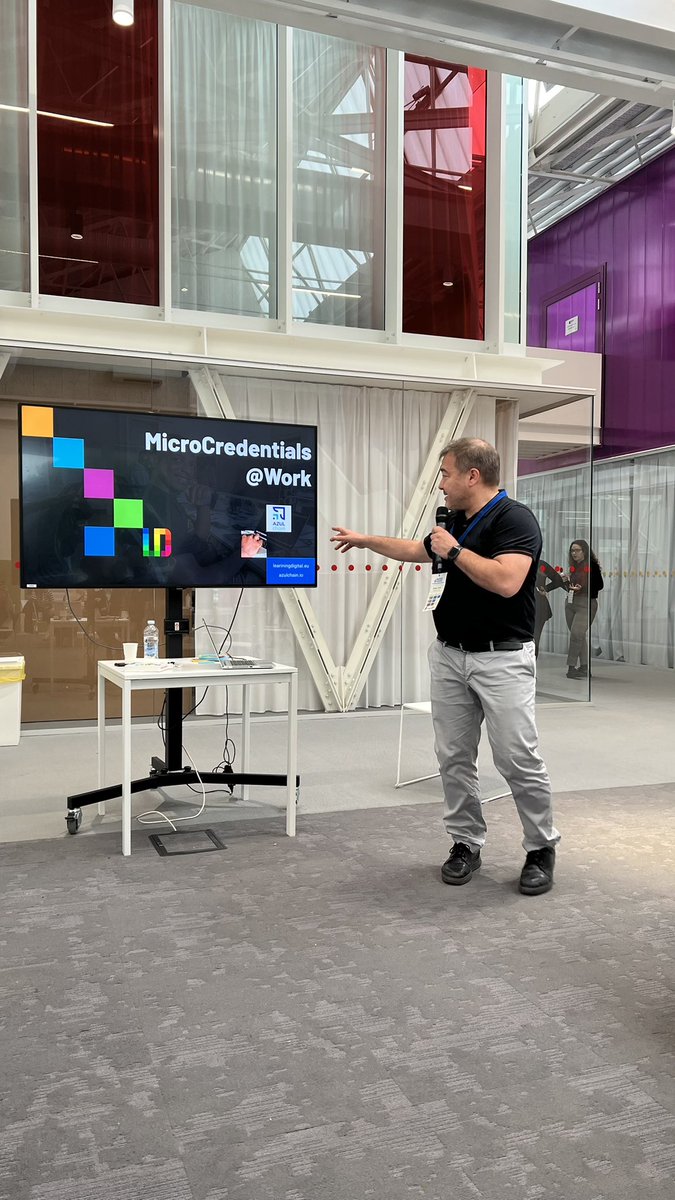
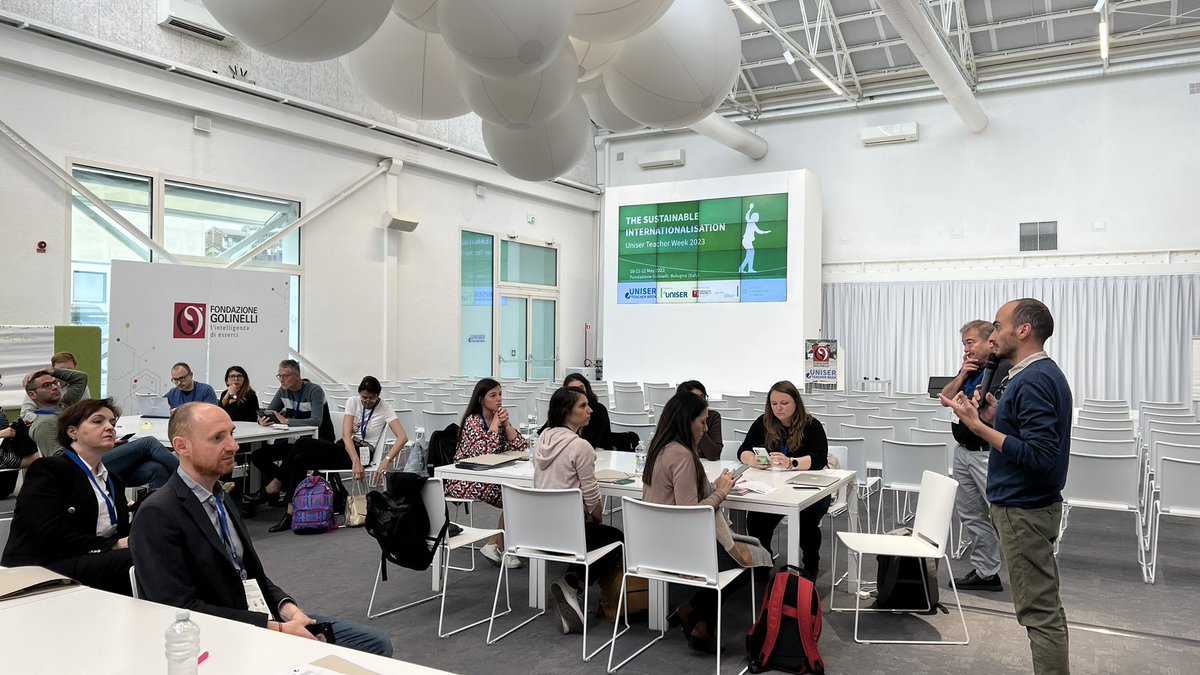
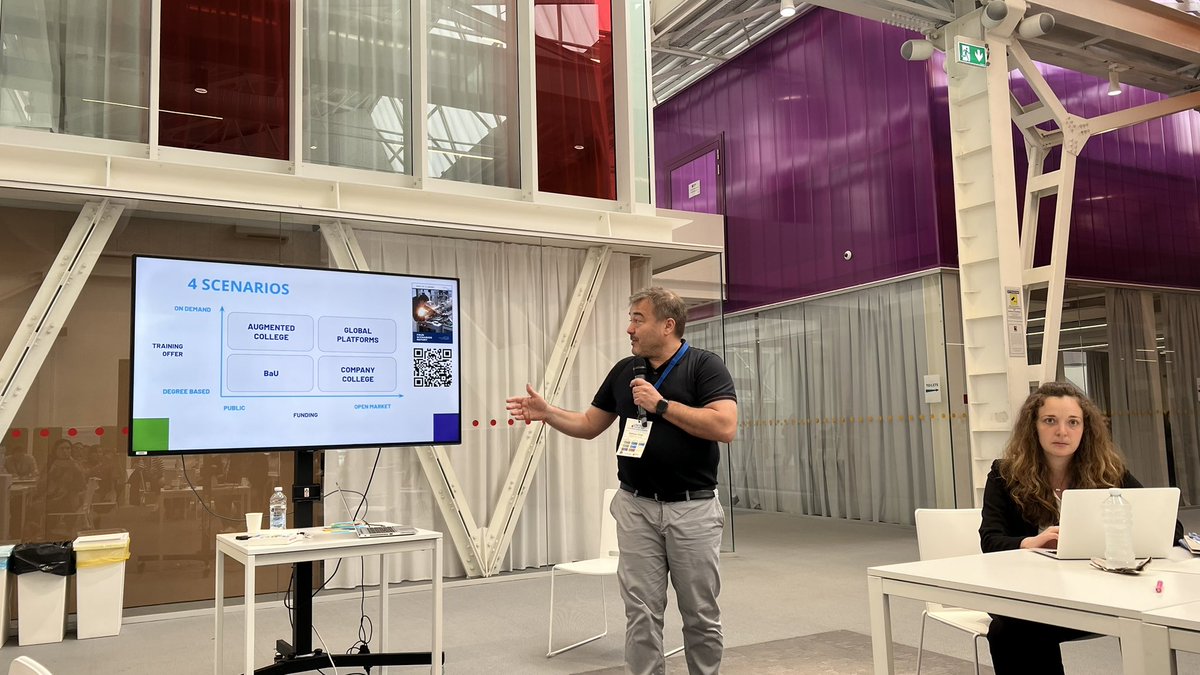
#uniserteacherweek the workshop focus on #microcredentials presented by @stefanotirati - this challenge in transnational #learningmobility discussion #learningdigital
4
140

7 Feb 2023
Capacitanding 🤓 el conocimiento que adquirimos son las herramientas con lo que nos podremos defender para un futuro. #anahibenavidesl #learningdigital #google #LGIG
4
37

24 Nov 2022
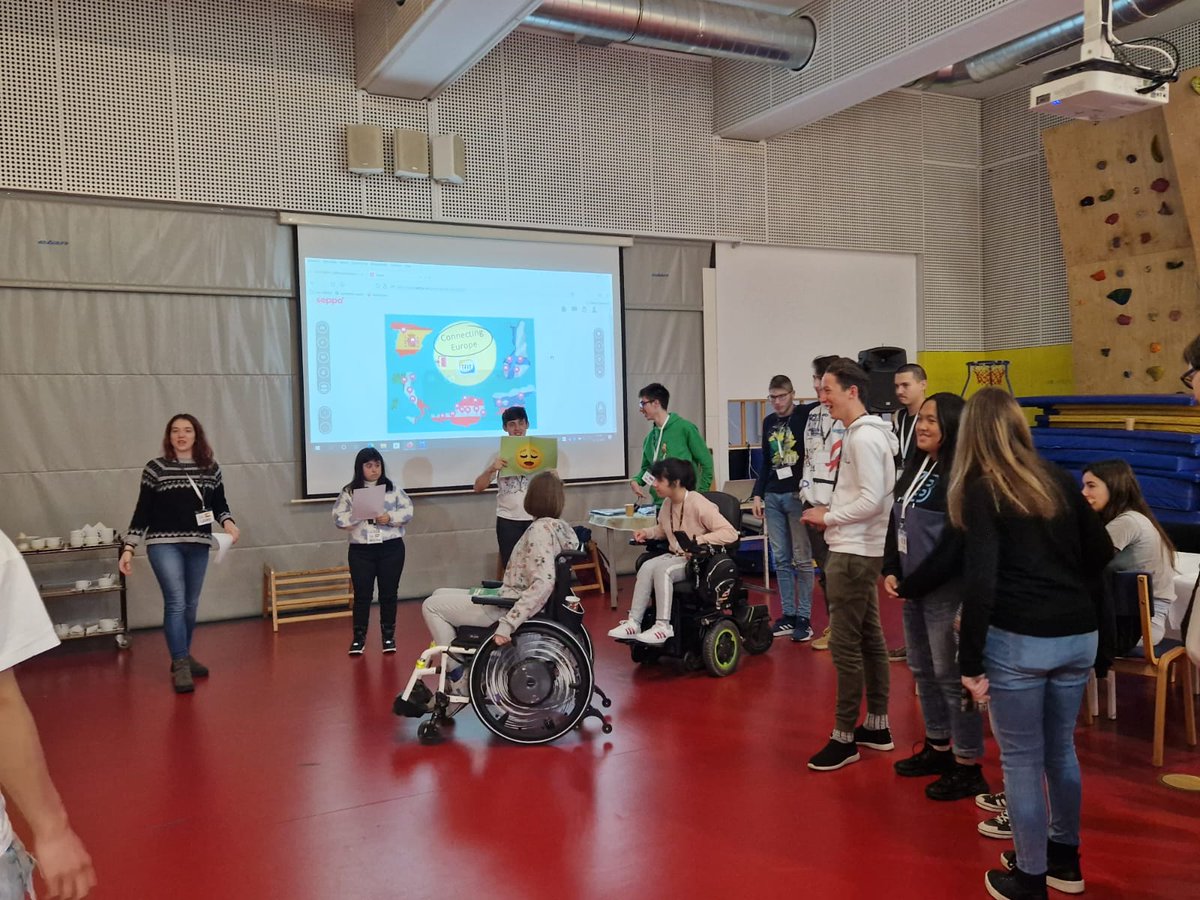
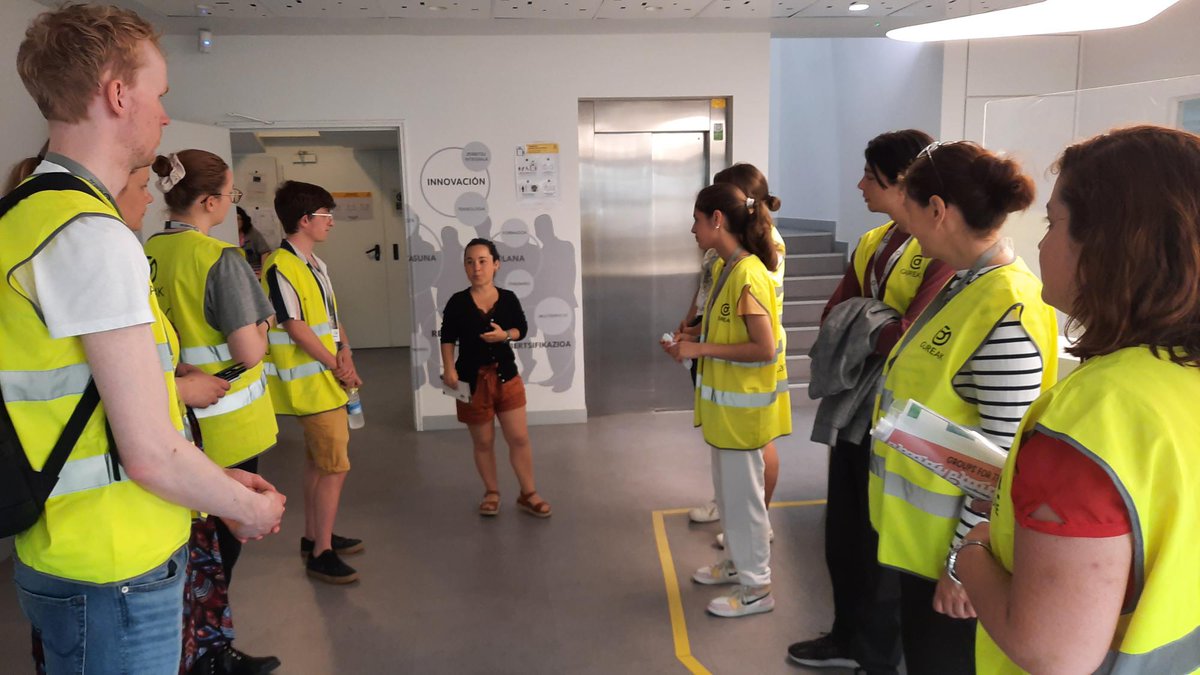
Un grupo de estudiantes de Gureak se encuentra en Eslovenia participando en el proyecto de @EUErasmusPlus TFIT junto con @Luovi_fi @Livesaatio #Cirius #LearningDigital @atempo_graz @Zefirotweet
1
6

20 Oct 2022
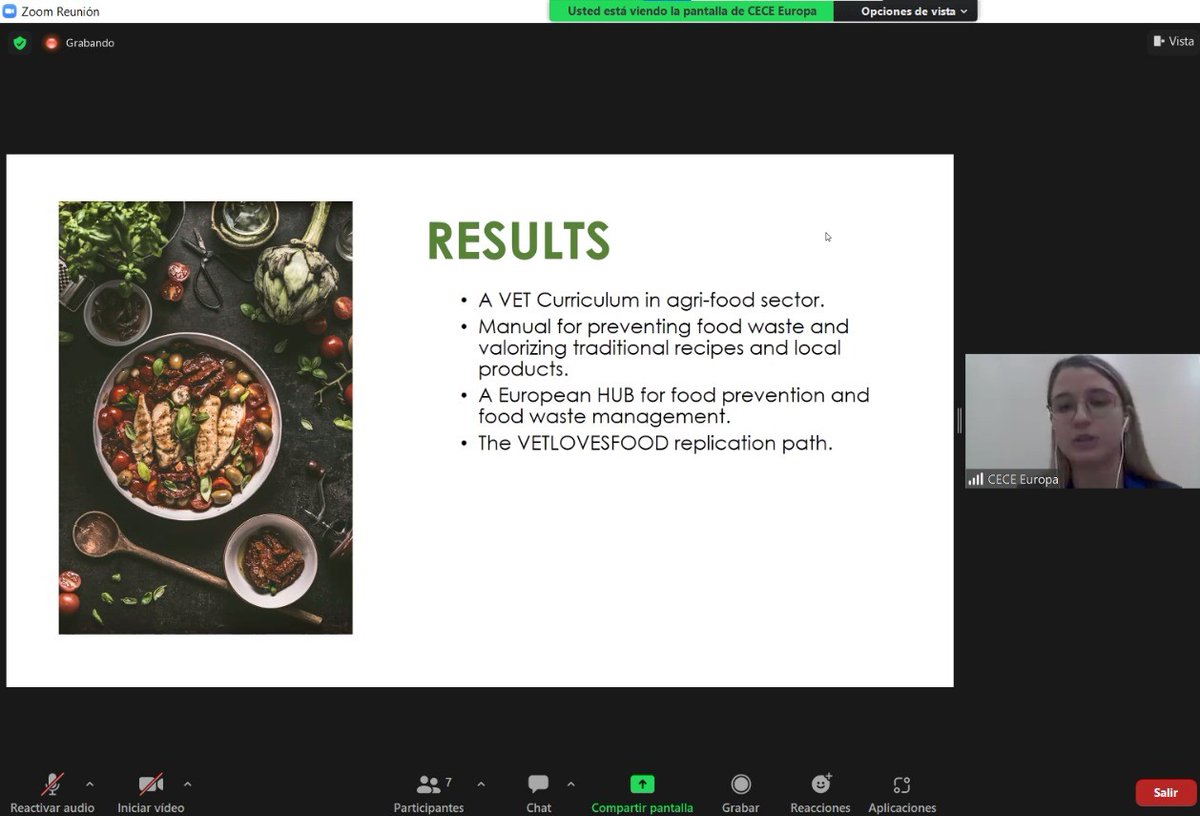
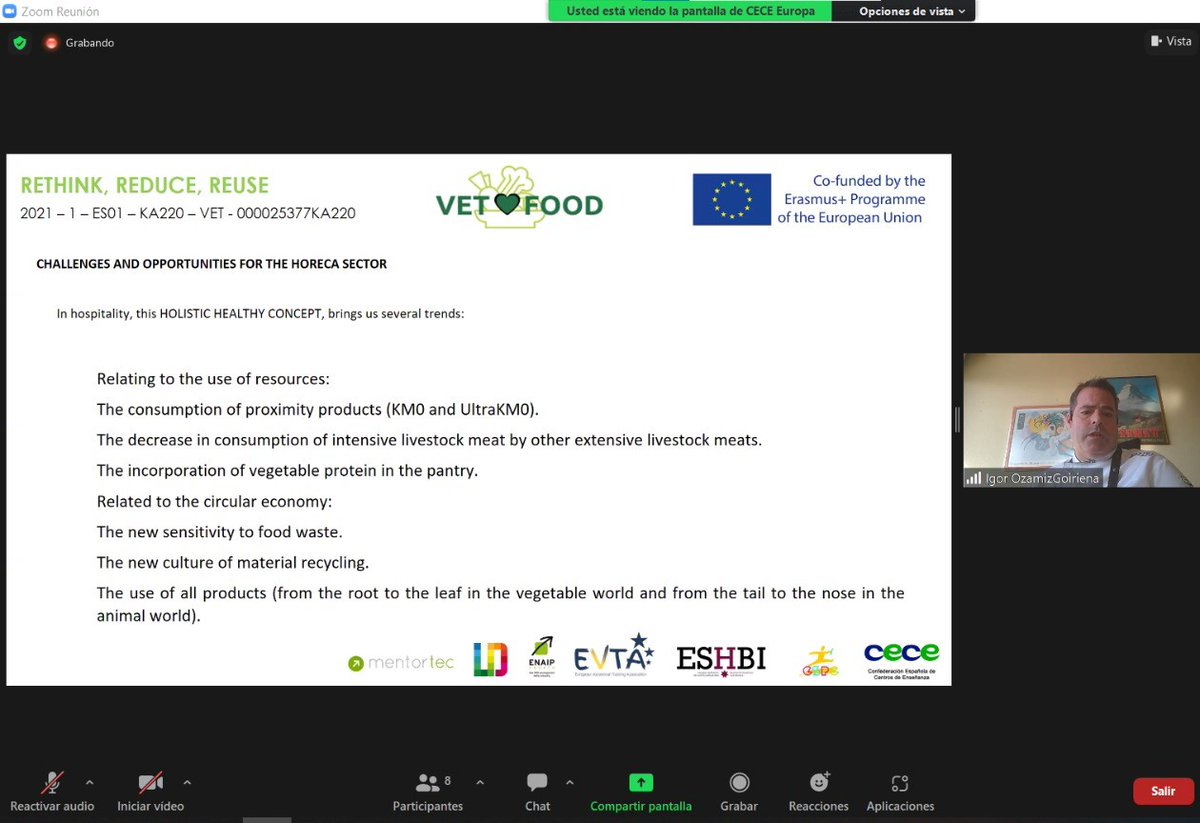
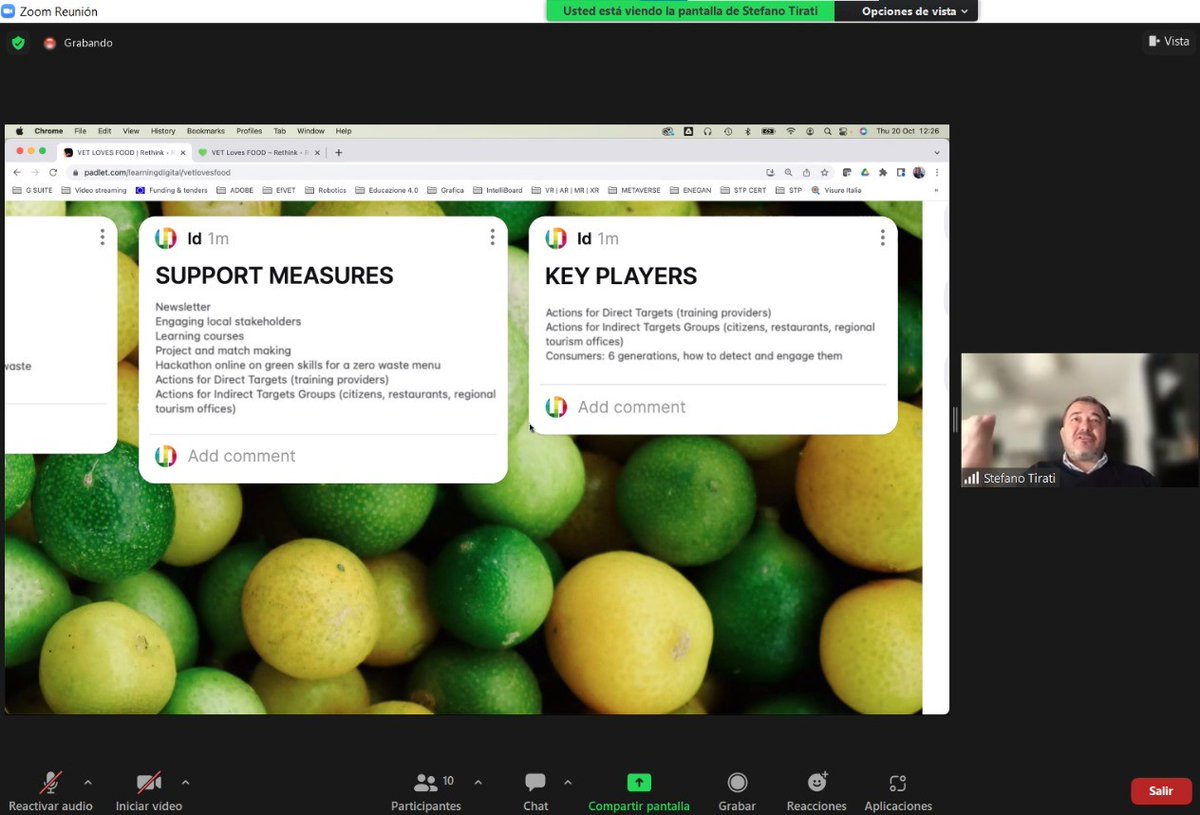
Today we launched the VET💚 FOOD Project in an amazing webinar! 🚩
Thanks to @LucreziaPallad3 (CECE), Igor Ozamiz (@ESHBI_Bilbao) and @stefanotirati (#LearningDigital) for their great job presenting the VET💚FOOD Project 🥑🥭🫑
Thanks too to all who attended the webinar ‼️
2
4

22 Jun 2022
New to Twitter
Newbie Digital marketer
Ankara accessories lover
Open to new connections #digitalmarketing #newtotwitter #LetsHaveAConversation #237follow #learningdigital

2
3
11
14 Jun 2022
Gureak acoge esta semana el proyecto "Train for International Trail" de @EUErasmusPlus @sepiegob @Luovi_fi #learningdigital #Cirius
3

13 Sep 2021
Il semble que que la question ne sera plus: "qu’avez-vous étudié ?" mais plutôt "qu’êtes-vous en train d’étudier?"
Voici 11 cours "courts" (de moins d'une heure) à explorer. Ils sont sur @OCFrance et #learningdigital learndigital.withgoogle.com/… #formationcontinue #education #rdc

1
7
18

25 Mar 2021
24 Mar 2021

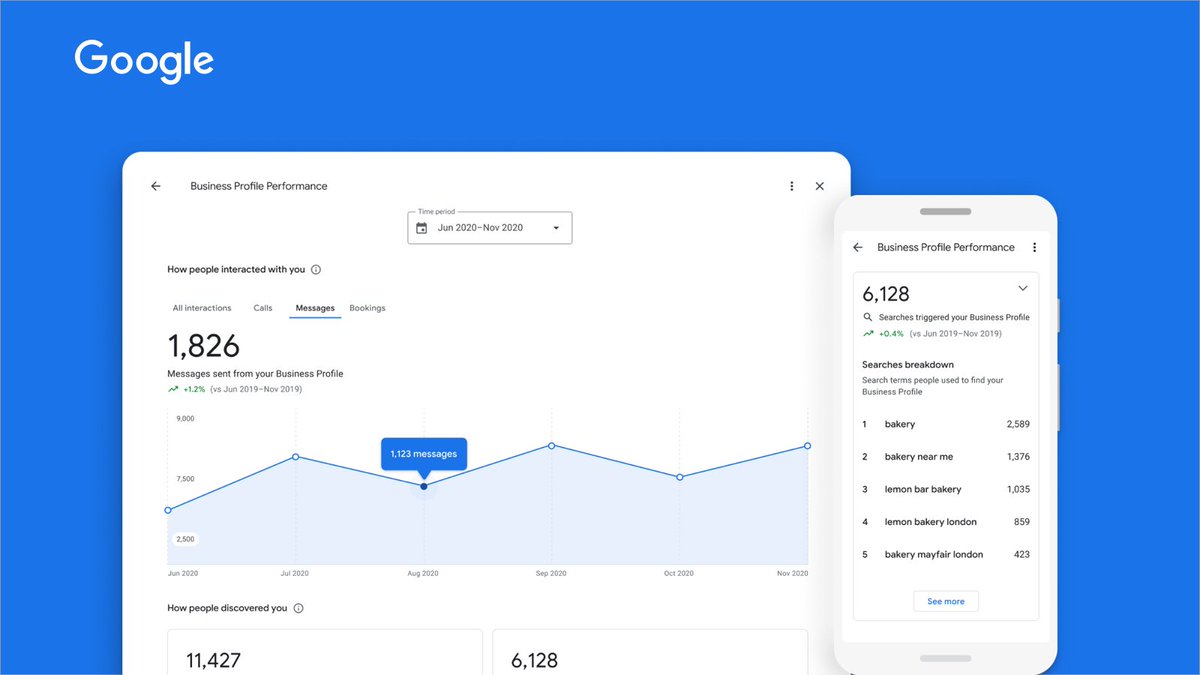
You can now see the number of unique visitors your Business Profile gets and the search queries that they used to discover you — all directly on Google Search. 📈 Learn more → goo.gle/3eSrQMP
1
3

4 Oct 2020
La mia esperienza sui corsi online: quali consiglio e perché 📔📖
#learning #learningdigital #learningfromhome
#corsionline #corsidigitali #smartworking
squerz.com/la-mia-esperienza…
3
2

27 Apr 2020
We had 15 people on our #LearningDigital zoom seasion this morning. It’s great so see people connect, share stories & learn from each other. This week we were talking all things food - session plan here: stockportonline.files.wordpr… #DigitalStockport #FDI #stockport
5

21 Jan 2020
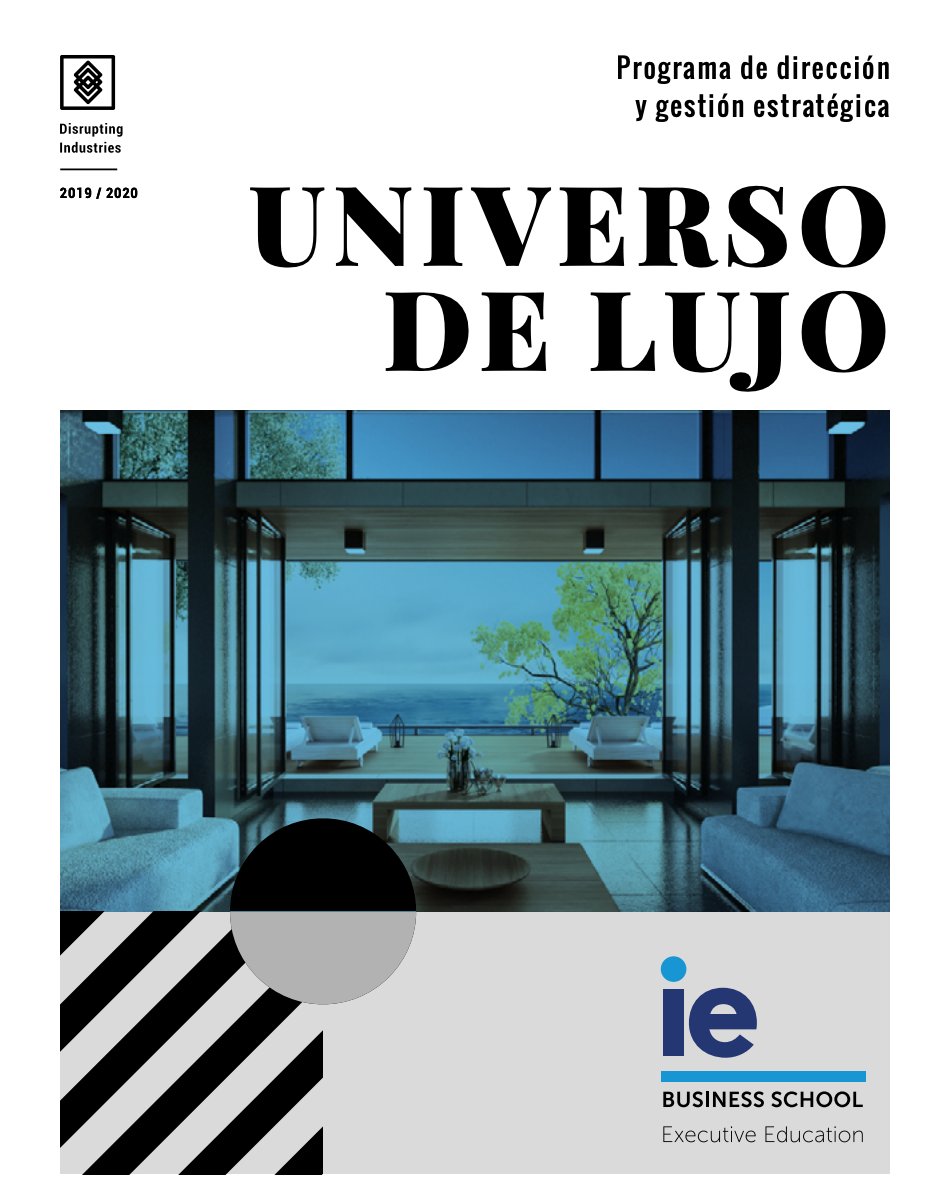
Nueva edición del programa de gestión estratégica en la industria del #lujo Otro año más asumo el reto de enseñar a conectar los activos digitales de las marcas con el consumidor #luxury #learningDigital @IEbusiness
1

15 Jan 2020
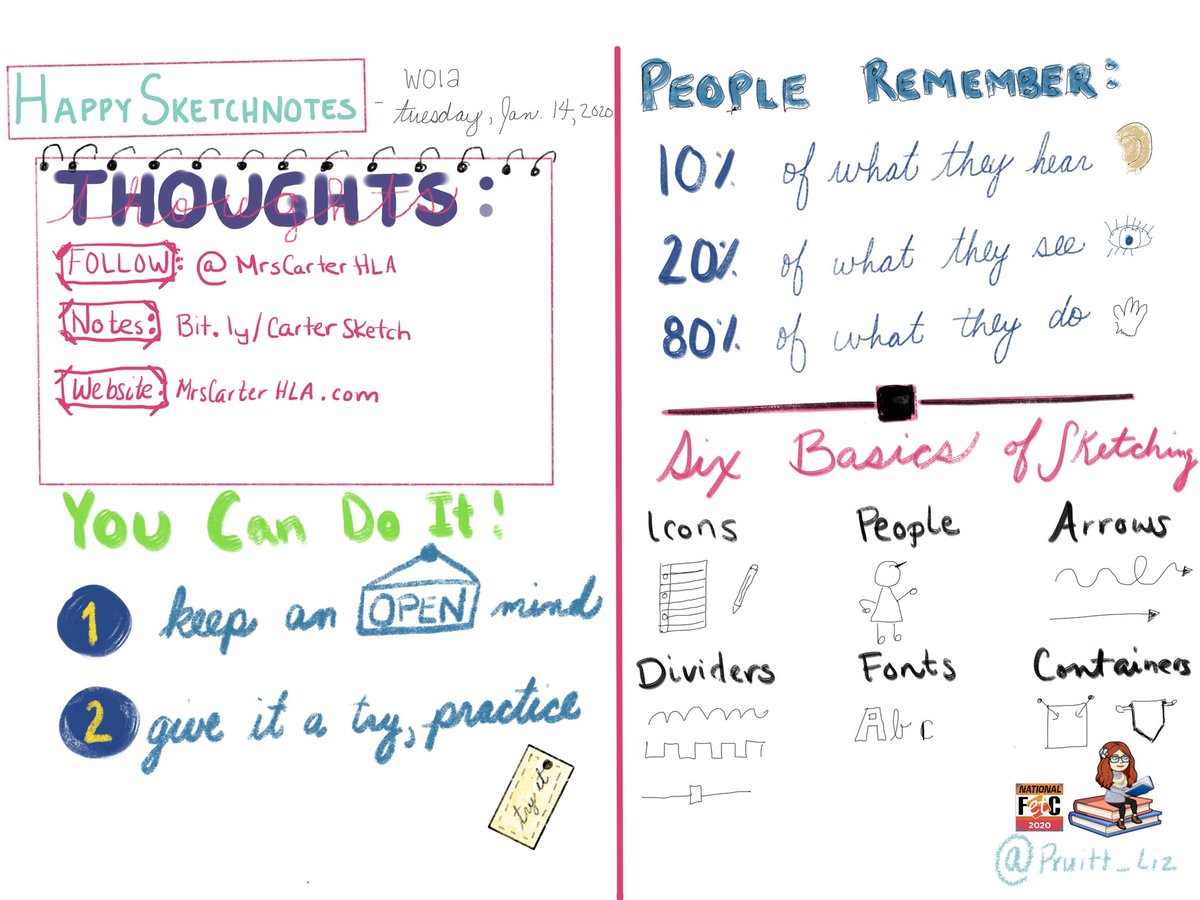
Practiced my new skills on sketch notes to represent today’s session @fetc with @MrsCarterHLA. Definitely practicing more tomorrow! #FETC2020 #sketchnotes #learningdigital
1
4

4 Nov 2019
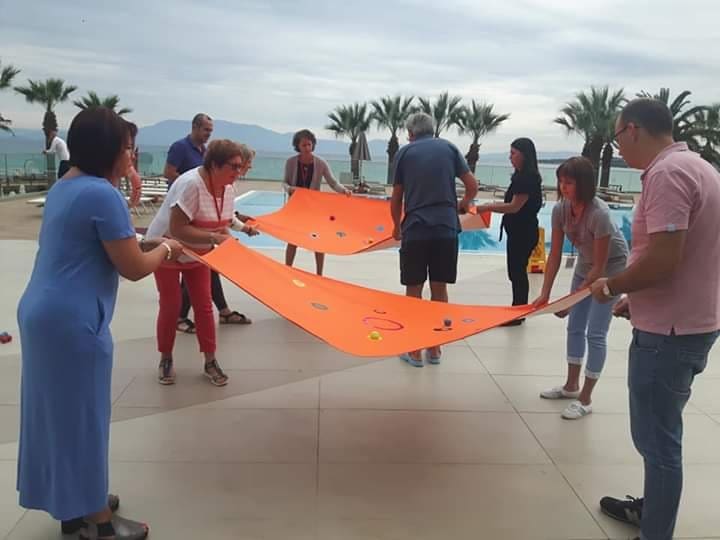
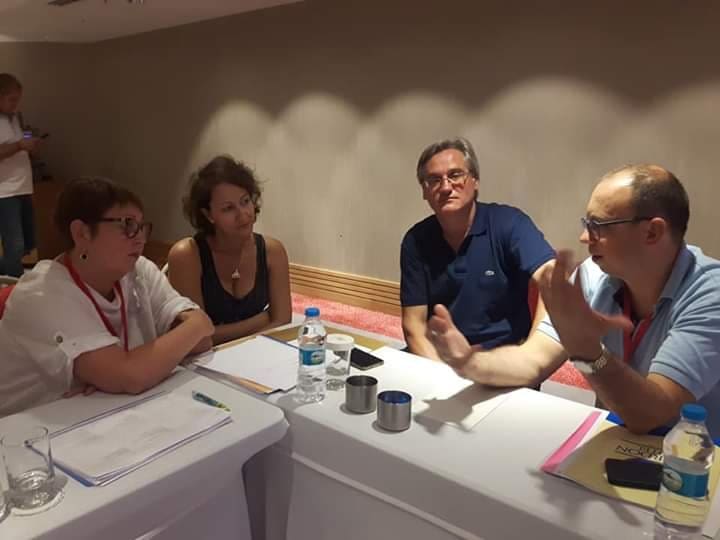
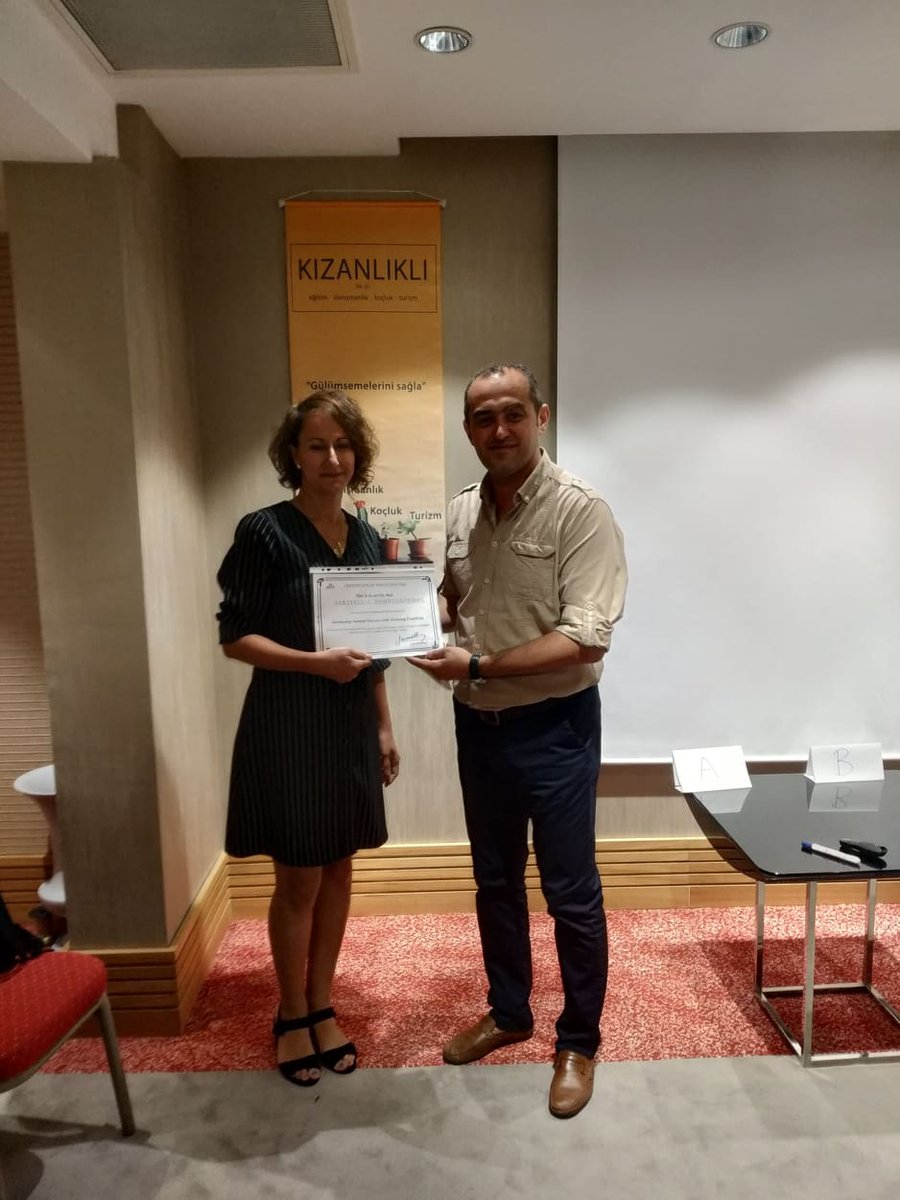
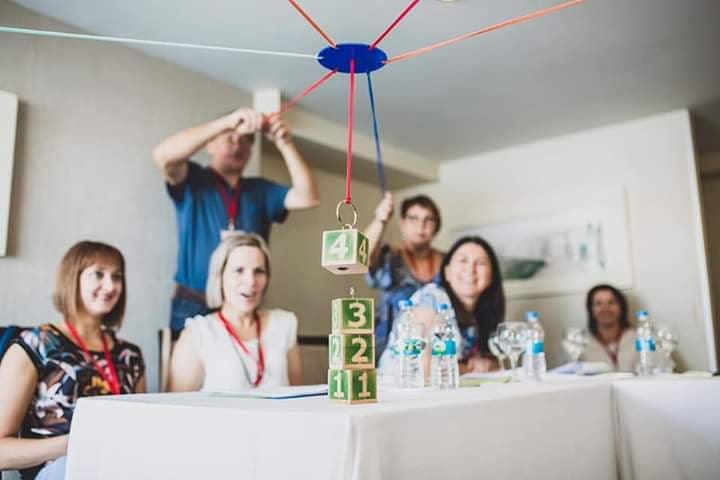
1-10 October 2019. #IKY #IKY_Erasmusplus #LearningDigital School Staff Mobility. #ErasmusKA1 Increasing student sucess with training coaching" in Izmir, Turkey by Kizanlikli ltd. Trainer Mr Serkut Kizanliki. #GEL_DIAPOL_EVOSMOS
1