Dennis Marburger 🌹 retweeted

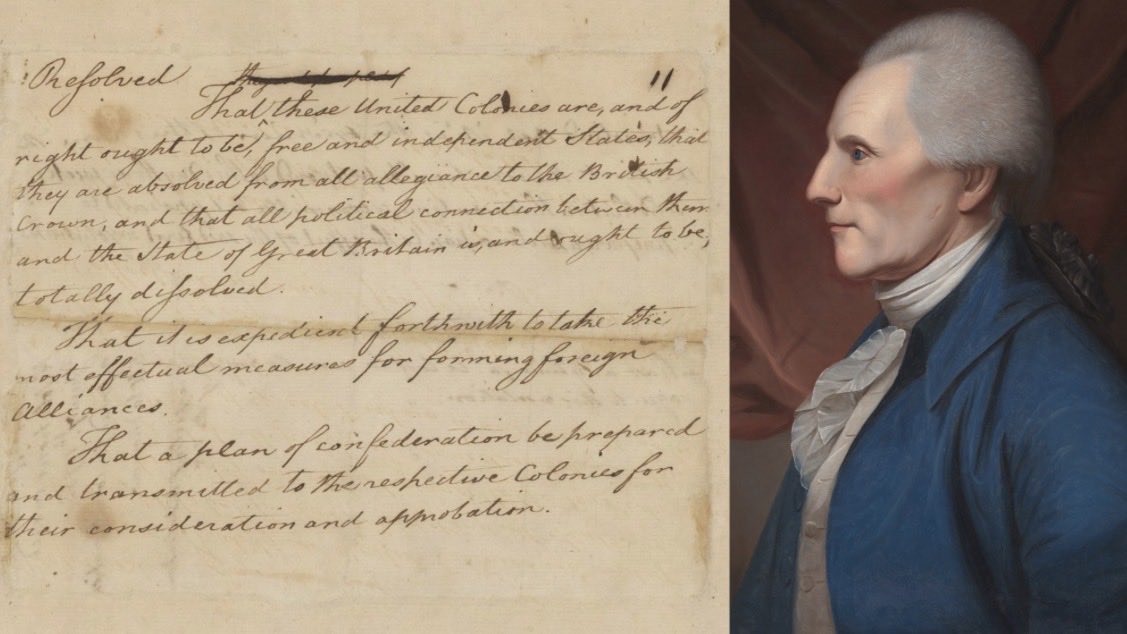
250 years ago today, the #LeeResolution declared the 13 American colonies “free and independent States.” The resolution was tabled until July 2, when Congress adopted it and declare independence from Britain. On July 4, Congress approved the document that declared independence.
3
11
193

Jun 13
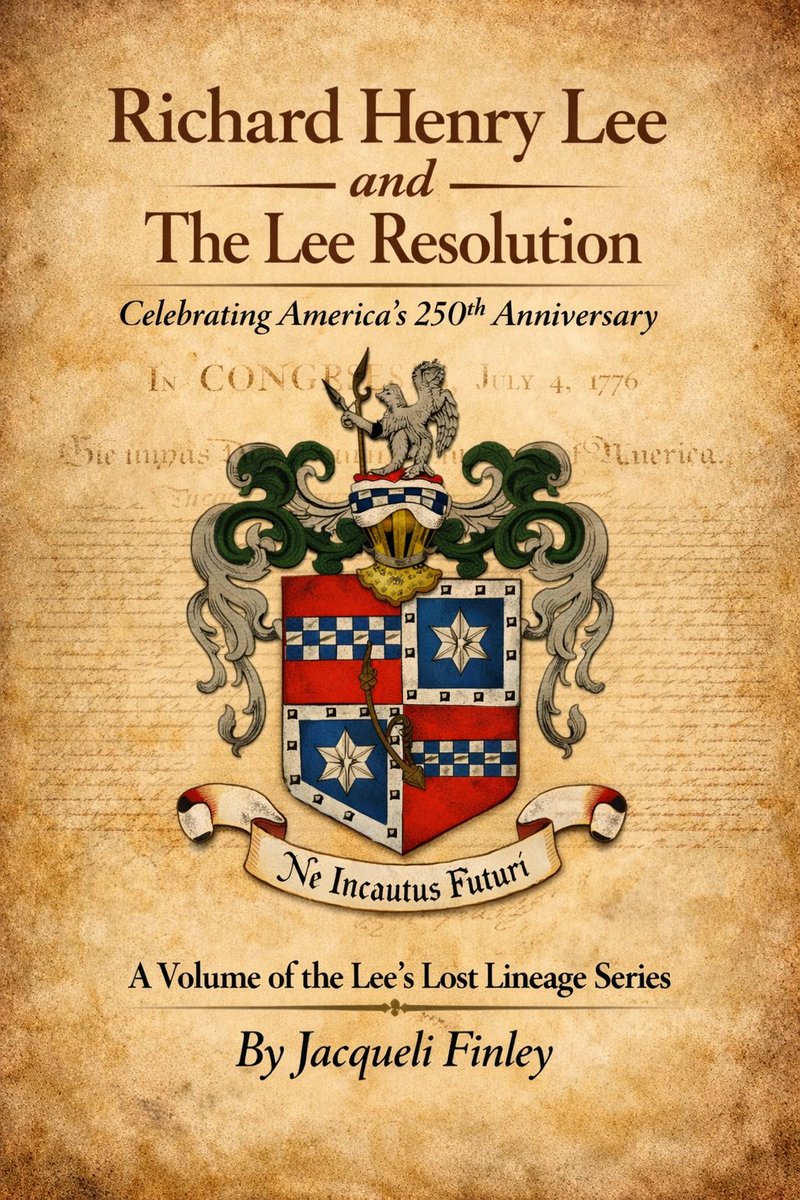
Richard Henry Lee spoke the words that sparked a nation. On June 7, 1776, his Lee Resolution set the Declaration in motion — long before Jefferson put pen to paper.
As America approaches its 250th anniversary, his courage and legacy deserve the spotlight again. My new book, Richard Henry Lee and The Lee Resolution, restores his rightful place among the Founders and brings his story back into the light.
Learn more: 📘 leesofvirginia.org 📚 jacquelifinley.com
Thank you and I hope you will consider reading - available at all online book stores!
youtu.be/M5hXR-qK5H0?si=QQDw…
A forgotten founder no more. 🇺🇸
#RichardHenryLee #LeeResolution #FoundingFathers #AmericanHistory #America250 #HistoryBooks
27
Jun 13
Before Jefferson’s quill touched parchment, Richard Henry Lee’s voice demanded independence. On June 7, 1776, his Lee Resolution set the Declaration in motion — a defining moment too often forgotten.
As a Lee descendant and forensic genealogist, I bring forward the lineage, the legacy, and the truth behind the man who sparked America’s birth. My new book, Richard Henry Lee and The Lee Resolution, restores his rightful place among the Founders for America’s 250th.
Explore the history, the documents, and the lineage: 📘 leesofvirginialostlineages.c… 📚 jacquelifinley.com 🎙️ Interview with Matthew DiBiase (NARA): youtu.be/M5hXR-qK5H0?si=u8yy…
A forgotten founder no more. 🇺🇸
#RichardHenryLee #LeeResolution #FoundingFathers #AmericanHistory #America250 #HistoryBooks
12
Jun 13
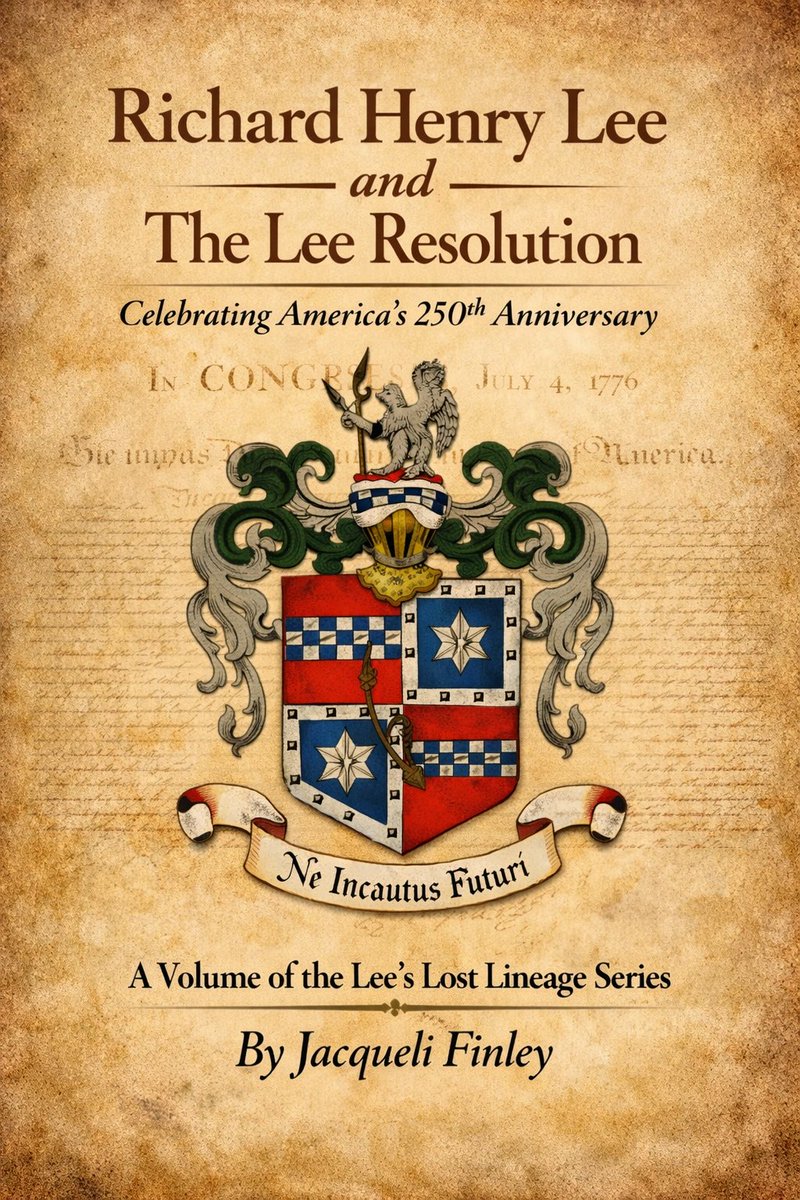
Richard Henry Lee spoke the words that sparked a nation. On June 7, 1776, his Lee Resolution set the Declaration in motion — long before Jefferson put pen to paper.
As America approaches its 250th anniversary, his courage and legacy deserve the spotlight again. My new book, Richard Henry Lee and The Lee Resolution, restores his rightful place among the Founders and brings his story back into the light.
A forgotten founder no more. 🇺🇸
#RichardHenryLee #LeeResolution #FoundingFathers #AmericanHistory #America250 #HistoryBooks
youtu.be/M5hXR-qK5H0?si=u8yy…
Lees of Virginia - Lees of Virginia leesofvirginia.org
jacquelifinley.com
23

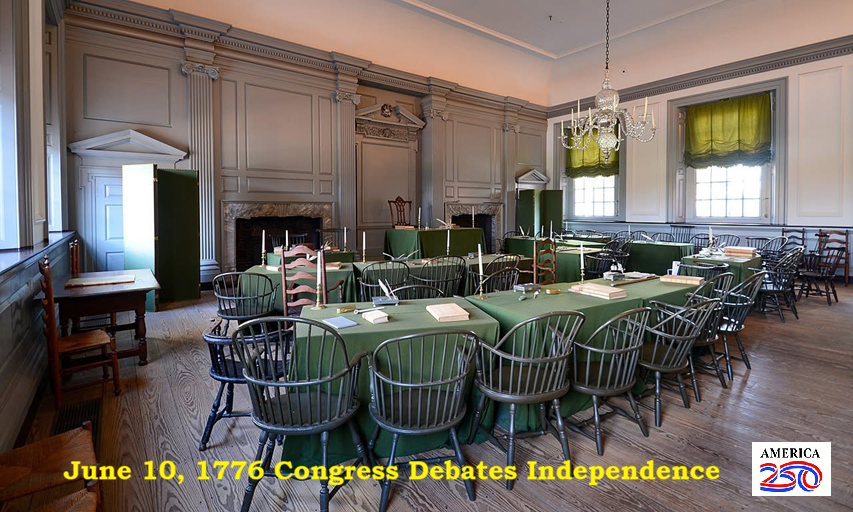
250 years ago today, Congress debated Independence.
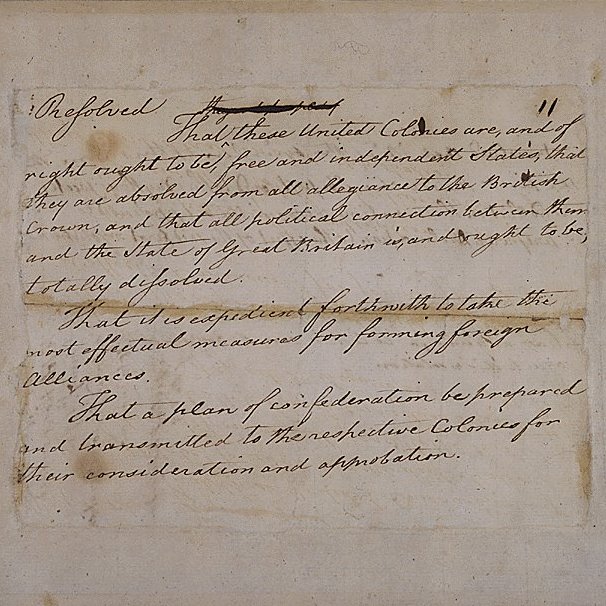
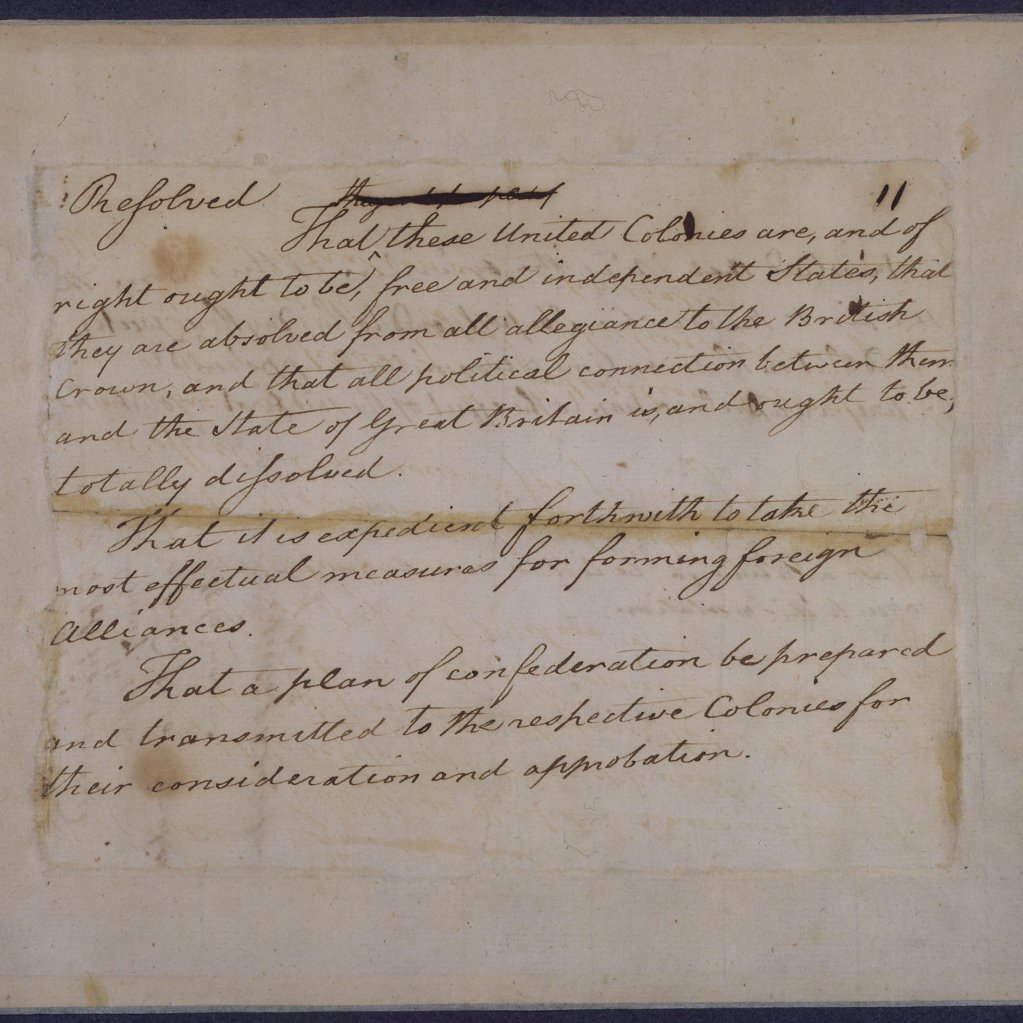
We saw previously that, on June 7, 1776, Richard Henry Lee of Virginia proposed a resolution: “That these United Colonies are, and of right ought to be, free and independent States, that they are absolved from all allegiance to the British Crown, and that all political connection between them and the State of Great Britain is, and ought to be, totally dissolved.”
Promptly at 10 o’clock the next day, according to the minutes, “The Congress resolved itself into a committee of the whole to take into consideration the resolutions referred to them.”
The debate lasted until 7 PM but, alas, no decisions were made. “After some time spent thereon,” the minutes continued, “the president resumed the chair, and Mr. [Benjamin] Harrison reported, that the committee have taken into consideration the matter to them referred, but not having come to any resolution thereon, desired leave to sit again on Monday next.”
On Monday, June 10th, the Committee of the Whole resumed the debate.
One of the advantages of the committee of the whole—but a disadvantage for historians—is that their proceedings are not included in the minutes. Given that the delegates were committing treason against the Crown, this was a useful mechanism to keep their deliberations secret. However, Thomas Jefferson took detailed notes of the two days of debate and, decades later, inserted them into his autobiography.
Jefferson didn’t identify particular speakers, but he did say the opponents of Independence were led by John Dickinson and James Wilson of Pennsylvania, Robert Livingston of New York, and Edward Rutledge of South Carolina, the pro-Independence side by John Adams of Massachusetts and George Wythe and Richard Henry Lee of Virginia.
The supporters of Independence offered a myriad of reasons to sever America’s ties with the mother country, some theoretical, some practical:
· The British already had, for all practical purposes, severed ties. “That as to the people or parliament of England,” Jefferson wrote, “our connection had been federal only & was now dissolved by the commencement of hostilities. That as to the King…this bond was now dissolved by his assent to the late act of parliament, by which he declares us out of his protection, and by his levying war on us…Allegiance & protection are reciprocal, the one ceasing when the other is withdrawn.”
· The United Colonies needed military and financial aid from the kings of France and Spain, who could not be expected to support rebels against a brother monarch, or even trade with them, but might render assistance and open their ports to an independent nation. “A declaration of Independence alone could render it consistent with European delicacy for European powers to treat with us, or even to receive an Ambassador from us.”
· We’ve seen previously that, over the preceding months, Adams and his allies had worked feverishly to render the United Colonies de facto independent—by stealth at first, and then openly—so that an explicit declaration of independence would eventually assume an air of inevitability. Over the course of the spring, they passed legislation to promote manufacturing, regulate America’s foreign trade, remove the king’s name from loyalty oaths and legal documents, disarm the Tories, and establish new governments in the individual colonies. They were now ready to cash in on that strategy. They argued, “The question is…whether we should declare a fact which already exists.”
Indeed, the last argument was so powerful that Dickinson and his allies were not able to put forward any arguments against Independence itself. The best they could do was stall: “Tho' they were friends to the measures themselves, and saw the impossibility that we should ever again be united with Gr. Britain, yet they were against adopting them at this time.”
Which was not to say that they didn’t have some legit reasons that a delay was in order:
· “That the conduct we had formerly observed was wise & proper now, of deferring to take any capital step till the voice of the people drove us into it.”
· “That they were our power, & without them our declarations could not be carried into effect.”
· “That the people of the middle colonies (Maryland, Delaware, Pennsylva, the Jerseys & N. York) were not yet ripe for bidding adieu to British connection, but that they were fast ripening & in a short time would join in the general voice of America.”
· “That some of them had expressly forbidden their delegates to consent to such a declaration, and others had given no instructions, & consequently no powers to give such consent.”
· “That the assembly of Pennsylvania was now sitting above stairs, their convention would sit within a few days, the convention of New York was now sitting, & those of the Jerseys & Delaware counties would meet on the Monday following, & it was probable these bodies would take up the question of Independence & would declare to their delegates the voice of their state.”
· Further, they argued that it would be wrong for New England and the southern colonies (except South Carolina) to proceed with Independence while the middle colonies were still making up their minds. The decision had to be unanimous. “If the delegates of any particular colony had no power to declare such colony independant, certain they were the others could not declare it for them.”
· “That if such a declaration should now be agreed to, these delegates must retire & possibly their colonies might secede from the Union.”
· “That such a secession would weaken us more than could be compensated by any foreign alliance.”
Adams and his allies disputed that there was any need to wait to learn the feelings of the people of the middle colonies. The people had already made it abundantly clear that they were in favor of Independence. Indeed, we saw this previously with the May 20th town meeting in Philadelphia and the Mechanics’ Declaration of Independence in New York. Rather, it was the legislatures who were dragging their feet:
· The people “are in favour of the measure, tho ' the instructions given by some of their representatives are not.”
· “The voice of the representatives is not always consonant with the voice of the people, and that this is remarkably the case in these middle colonies.”
The radicals went so far as to cast aspersions on the motives and courage of middle colony leaders:
· “The backwardness of these…colonies might be ascribed partly to the influence of proprietary power & connections, & partly to their having not yet been attacked by the enemy.”
· “The conduct of some colonies from the beginning of this contest, had given reason to suspect it was their settled policy to keep in the rear of the confederacy, that their particular prospect might be better, even in the worst event.”
Still, the pro-Independence side couldn’t deny that the wheels were turning in the legislatures of the middle colonies. At an impasse, Congress decided to wait and see how that played out. “It appearing in the course of these debates,” Jefferson wrote, “that the colonies of N. York, New Jersey, Pennsylvania, Delaware, Maryland, and South Carolina were not yet matured for falling from the parent stem, but that they were fast advancing to that state, it was thought most prudent to wait a while for them, and to postpone the final decision to July 1.”
Further, according to the minutes, Congress resolved that, “In the mean while, that no time be lost, in case the Congress agree thereto, that a committee be appointed to prepare a declaration to the effect.”
The delegates put off choosing the members of the Declaration of Independence committee until the next day. As we shall see in tomorrow’s Quarter Millennial Moment.
I'm @MadMikeIsenberg, and that's the way it was.
Check out Quarter Millennial Moments on Spotify open.spotify.com/show/15PzSw…
Previous QMM: Shoring up Ticonderoga x.com/TheBig250/status/20643…
Next QMM: But, Mr. Adams
Illustration(s):
The Assembly Room in the Pennsylvania State House, now known as Independence Hall, where Congress debated Independence (xiquinhosilva, CC by 2.0 license)
Source(s):
Autobiography of Thomas Jefferson, New York: Knickerbocker Press (1914), pp. 21-8, google.com/books/edition/Aut….
Journals of the Continental Congress (1774-1789), Washington: Government Printing Office, vol. V (1906), pp. 425-9, archive.org/details/journals….
Edward Rutledge, “Letter to John Jay,” June 8, 1776, National Archives, founders.archives.gov/docume….
#AmericanRevolution #Patriotic #DeclarationOfIndependence #Philadelphia #New York #NewJersey #Pennsylvania #Delaware #Maryland #SouthCarolina #Massachusetts #LeeResolution #JohnAdams #ThomasJefferson #GeorgeWythe #RichardHenryLee #JohnDickinson #JamesWilson #EdwardRutledge #IndependenceHall

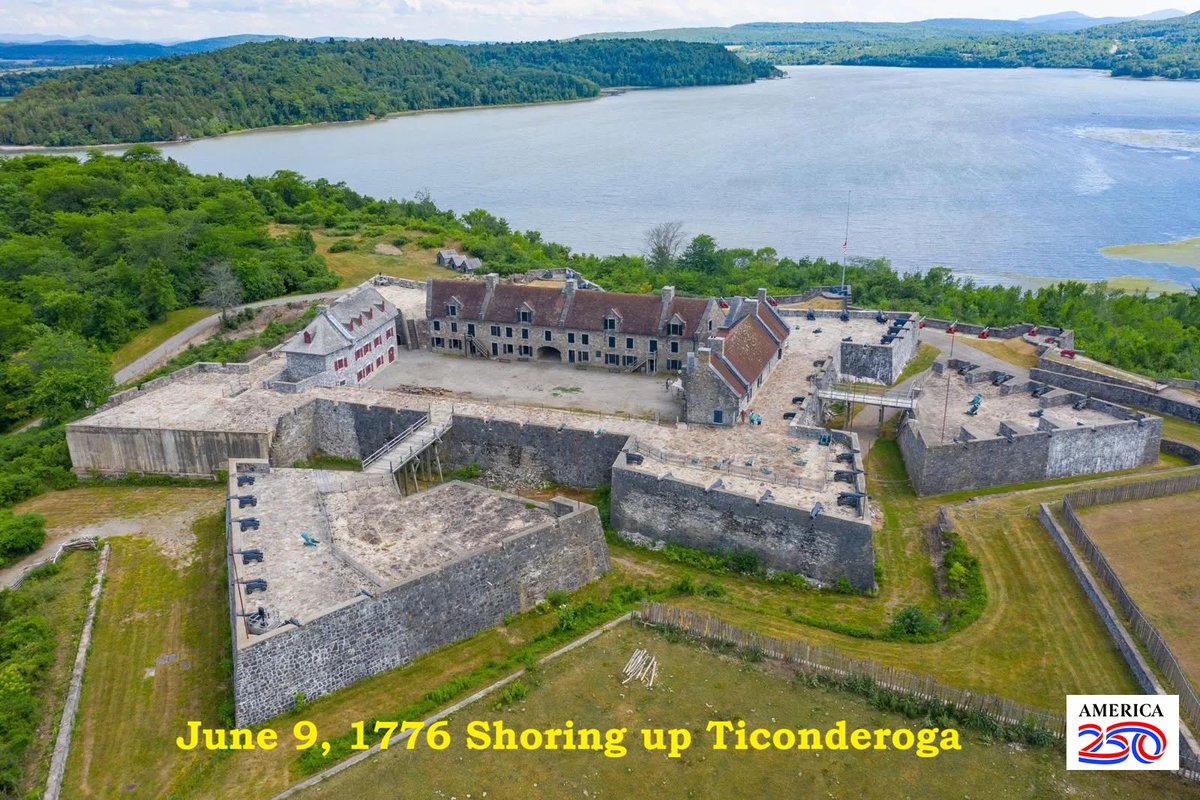
250 years ago today, Gen. Washington ordered the defenses of Fort Ticonderoga to be shored up.
In a letter to Gen. Philip Schuyler, Washington wrote, “I esteem It a Matter of Much Importance not only to Fortify & secure Ticonderoga, but Every Other Post on the Communication, & that You should Garrison them with Men under Judicious & spirited Officers…& who would esteem It their Indispensable Duty to carry on & maintain the Works against any Surprizes or Attacks that may be attempted. I have wrote Congress to appoint Engineers, If they can fix upon proper Persons for the Office, If You know of any, You had better Employ ’em, I am Confident Congress will allow ’em the Usual Pay.”
The orders were a tacit admission that the days were numbered for the American campaign in Canada.
We saw previously that the United Colonies had launched the invasion of Canada in August 1775 for two reasons: First, to liberate Quebec from what they saw as British oppression. And second, to prevent the Redcoats from using the province as a launch point for an invasion of New York along the strategic Lake Champlain/Hudson River waterway. Ticonderoga, at the portage between Lake Champlain and Lake George, was the linchpin of the region.
Although the Canadian campaign had gone well at first, on May 6th, British reinforcements had routed the Continentals from Quebec City and they had been on the run ever since. While Washington still hoped for the best, it was time to prepare for the worst and get ready to defend against the feared invasion from the North.
I'm @MadMikeIsenberg, and that's the way it was.
Check out Quarter Millennial Moments on Spotify open.spotify.com/show/15PzSw…
Previous QMM: The Battle of Three Rivers x.com/TheBig250/status/20639…
Next QMM: Congress Debates Independence
Illustration(s):
Fort Ticonderoga today (Encyclopedia Britannica)
Source(s):
George Washington, “Letter to Phillip Schuyler,” June 9, 1776, National Archives, founders.archives.gov/docume….
#AmericanRevolution #Patriotic #GeorgeWashington #PhilipSchuyler #LakeChamplain #NewYork #Quebec #FortTiconderoga
1
3
548
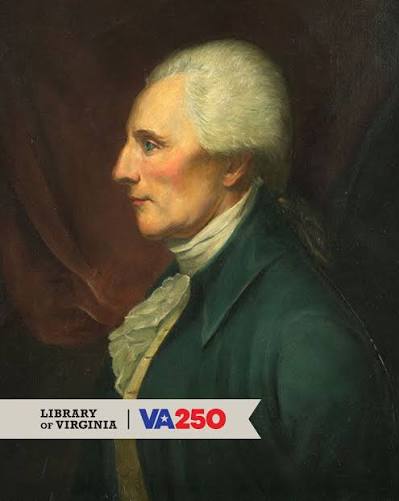
#OTD 1776: Virginia delegate Richard Henry Lee introduced the pivotal #LeeResolution before the Second Continental Congress in Philadelphia. It formally proposed that the American colonies declare independence from Great Britain. archives.gov/milestone-docum… #America250 🇺🇸
1
5
391

Jun 7
🚨 Day 3 of 30 Heroes in 30 Days — countdown to July 4!
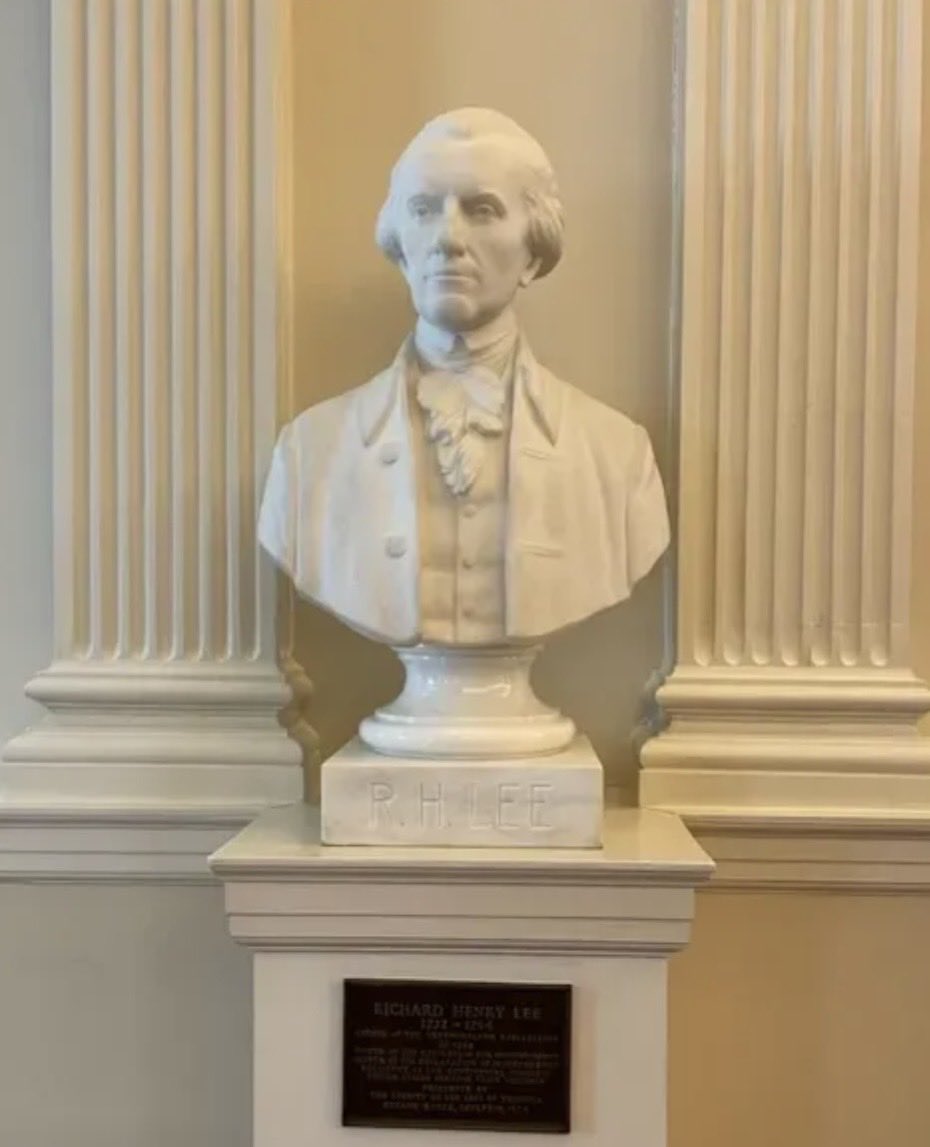
Richard Henry Lee of Virginia.
On this very day — June 7, 1776 — Lee rose in the Continental Congress and introduced the resolution declaring the colonies “free and independent States.”
He did it knowing he was committing treason against the British Crown — risking his life, fortune, and sacred honor. He spent months working, persuading and debating his fellow Members to seek a full break from the Crown.
The “gentleman of the silver hand” helped ignite the flame of independence.
Pure courage. True American visionary. 🇺🇸
#30HeroesIn30Days #RichardHenryLee #LeeResolution #VA250
6
39
155
3,206

2 Jul 2025
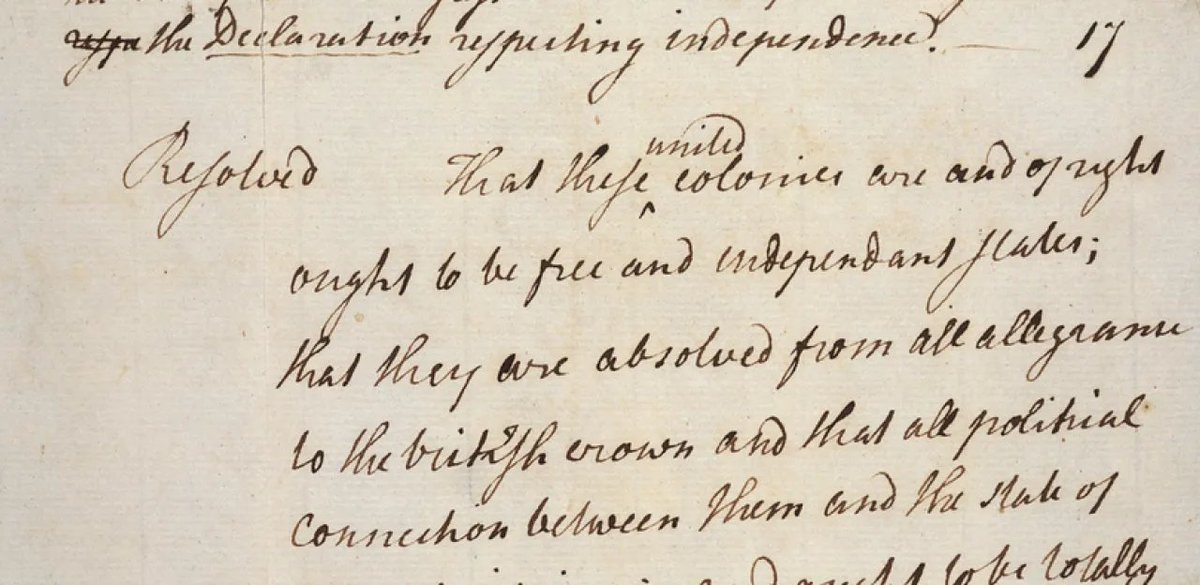
#OTD 1776: On a second vote, the Continental Congress voted to adopt the #LeeResolution, "Resolved, That these United Colonies are, and of right to be, free and independent States, that they are absolved from all allegiance to the British Crown ..."
#America250 #Rev250
5
5
7
482

1 Jul 2025
#OTD - July 1st, 1776 - The first vote on the resolution for independence. Nine colonies vote for it, 2 against it (PA and SC), 1 abstained (NY), and one was deadlocked (DE). The vote was to be retaken the next day.
#declaration #independence #philadelphia #leeresolution
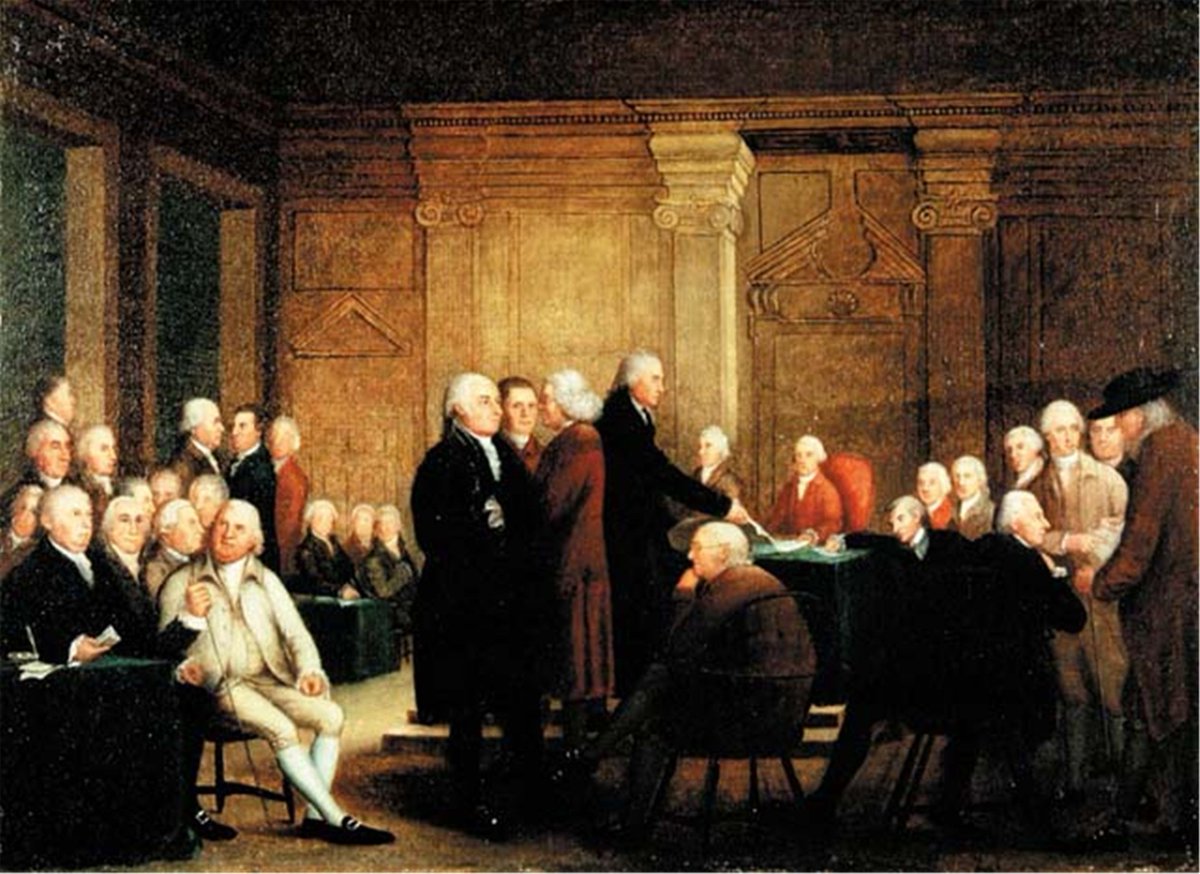
1
17
45
1,006
9 Jun 2025
On June 8, 1776, during the 2nd Continental Congress, VA delegate #RichardHenryLee put forth the motion to the Continental Congress to declare Independence from Great Britain. “That these United Colonies are, and of right ought to be, free and independent States.” #LeeResolution
3
59
1 Jul 2023
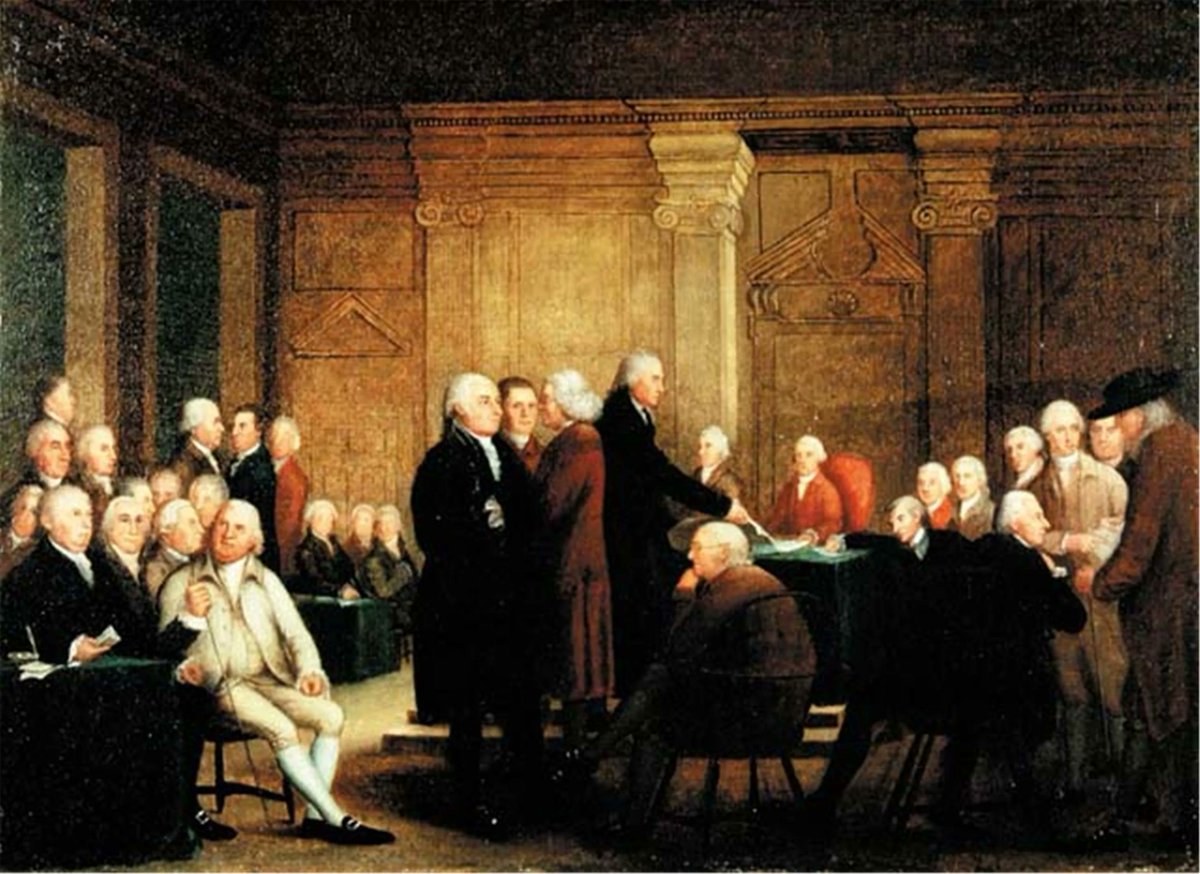
#OTD - July 1st, 1776 - The first vote on the resolution for independence. Nine colonies vote for it, 2 against it (PA and SC), 1 abstained (NY), and one was deadlocked (DE). The vote was to be retaken the next day.
#declaration #independence #philadelphia #leeresolution
1
19
38
2,052
9 Jun 2023
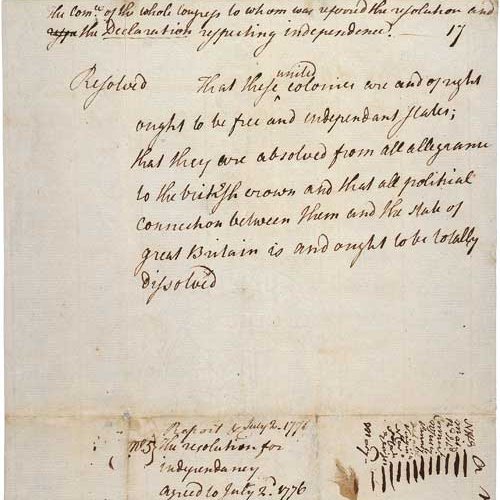
#OTD 1776: Richard Henry Lee of Virginia, introduced a resolution to the Second Continental Congress which proposed independence for the American colonies. archives.gov/milestone-docum… #AmRev #LeeResolution
1
11
161

4 Jul 2022
Happy 4th to all you freedom loving Americans 🇺🇸 #LeeResolution #DeclarationOfIndependence
1
9
2 Jul 2022
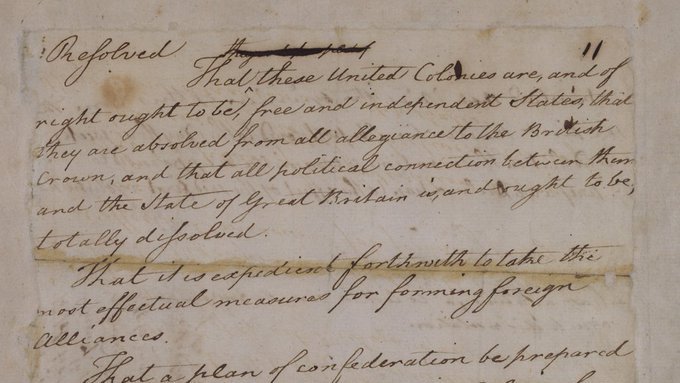
#OTD 1776: The Second Continental Congress passed the #LeeResolution, which called for the dissolution of ties between Great Britain and the colonies. The vote was unanimous; New York abstained. loc.gov/rr/program/bib/ourdo… #AmRev #RevWar 🇺🇸
1
6

2 Jul 2022
Happy #LeeResolution Day, America. Today is the day we actually declared independence, 246 years ago, July 2, 1776. 😉🇺🇸 #IndependenceDay
2 Jul 2022

Resolved, That these United Colonies are, and of right ought to be, free and independent States, that they are absolved from all allegiance to the British Crown, and that all political connection between them and the State of Great Britain is, and ought to be, totally dissolved.
1
3
3
1 Jul 2022
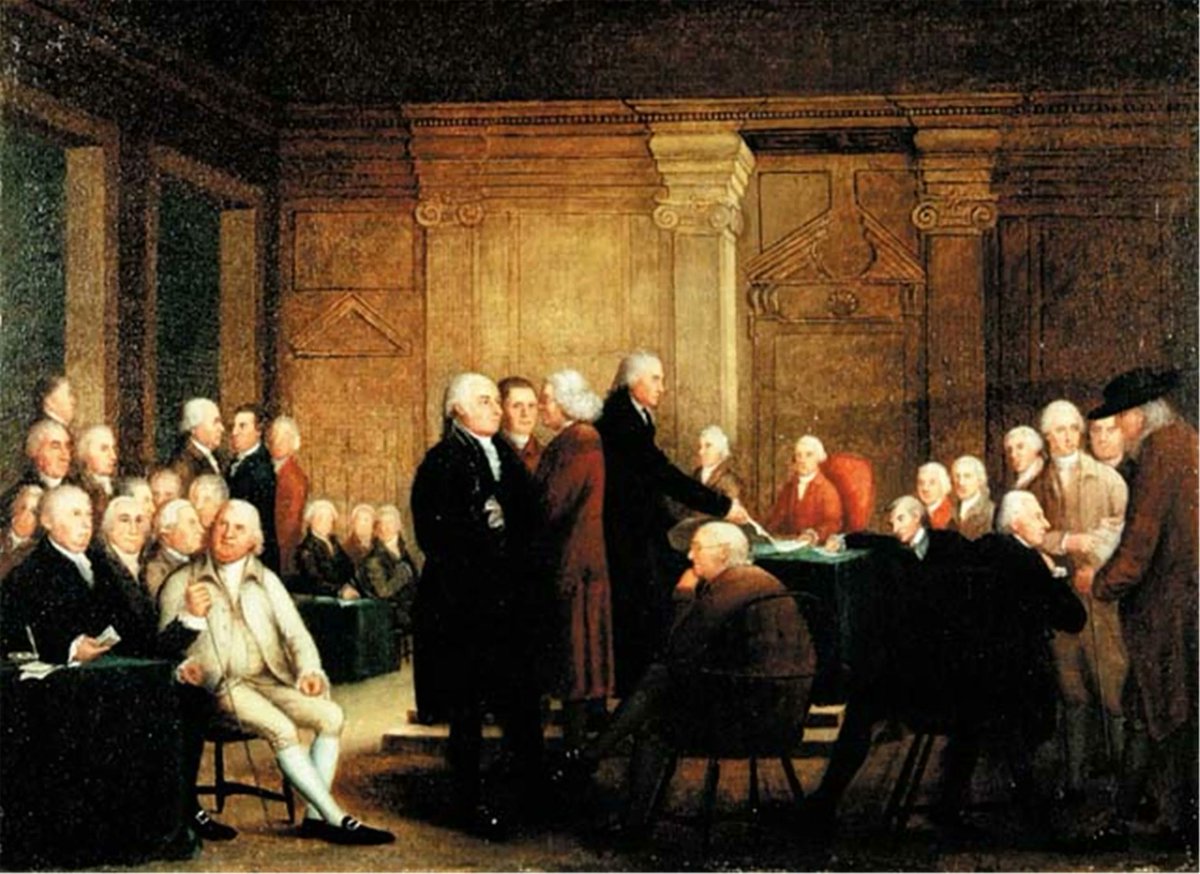
#OTD - July 1st, 1776 - The first vote on the resolution for independence. Nine colonies vote for it, 2 against it (PA and SC), 1 abstained (NY), and one was deadlocked (DE). The vote was to be retaken the next day.
#declaration #independence #philadelphia #leeresolution
4
16
10 Jun 2022
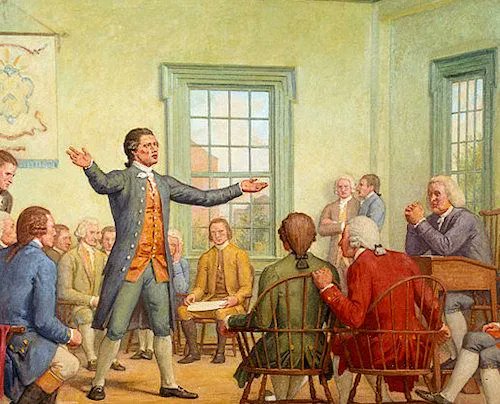
#OTD - June 10, 1776 - Consideration of the Lee Resolution for declaring Independence (originally proposed on June 7th by Richard Henry Lee) is postponed till July 1 so moderates could build a coalition.
#leeresolution #independence #declaration #continentalcongress #philadelphia
5
10
8 Jun 2022
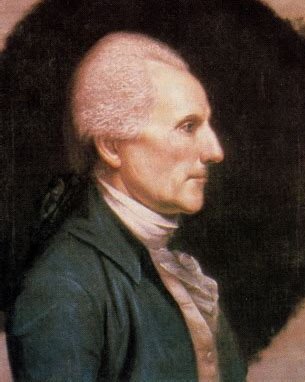
During the Second Continental Congress on June 7, 1776, Virginia delegate #RichardHenryLee put forth the motion to declare Independence from Great Britain. The resolution was seconded by #JohnAdams of Massachusetts. ourdocuments.gov/doc.php?fla… #AmRev #LeeResolution
1
3
2 Jul 2021
#OTD 1776: On its second vote, Congress voted to adopt the #LeeResolution which declared the colonies free from Great Britain. loc.gov/rr/program/bib/ourdo… #AmRev #RevWar
2
3