
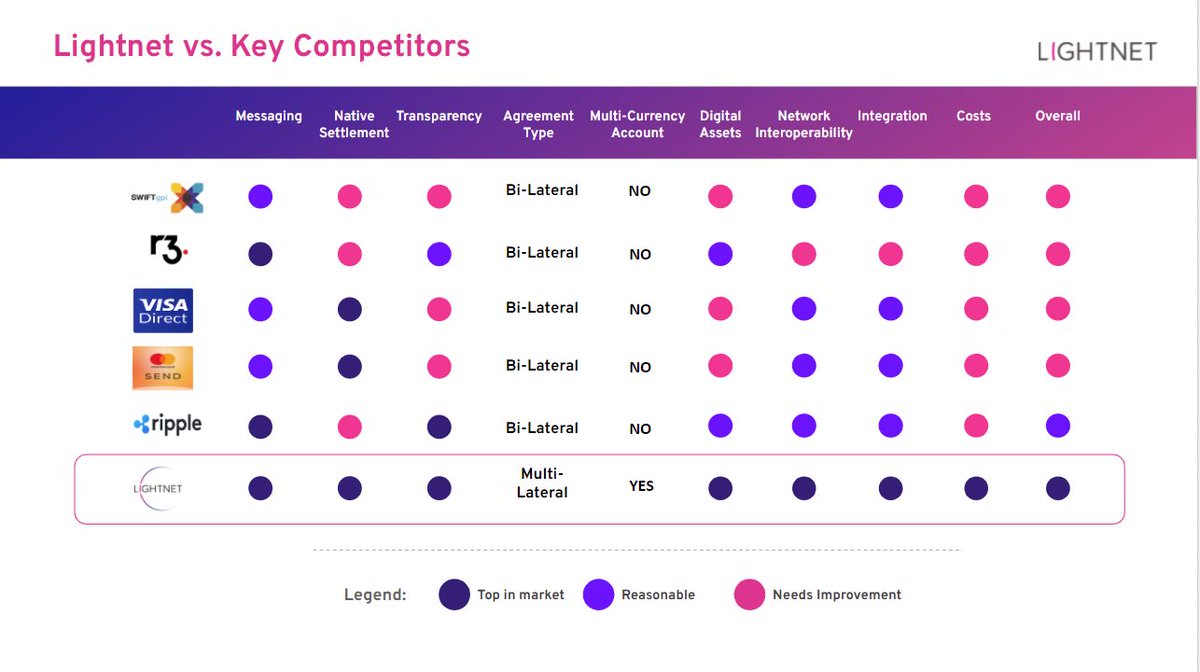

Yes, VELO. When you look beyond the chart, the ecosystem is getting more interesting.
Lightnet Group, CP Group, USDV, PayFi, remittance corridors and Asian payment infrastructure are the real reasons I keep watching VELO closely and believe that it will have its place in the new financial system. 🤝
For me, Velo is a strong project.
1
40
thebestnail1000x retweeted
From the No Sh!t DeepSeek series.
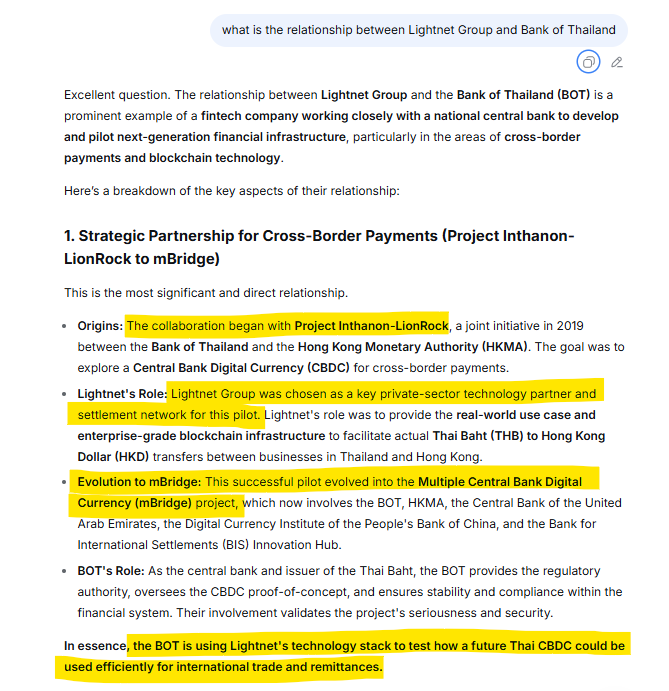
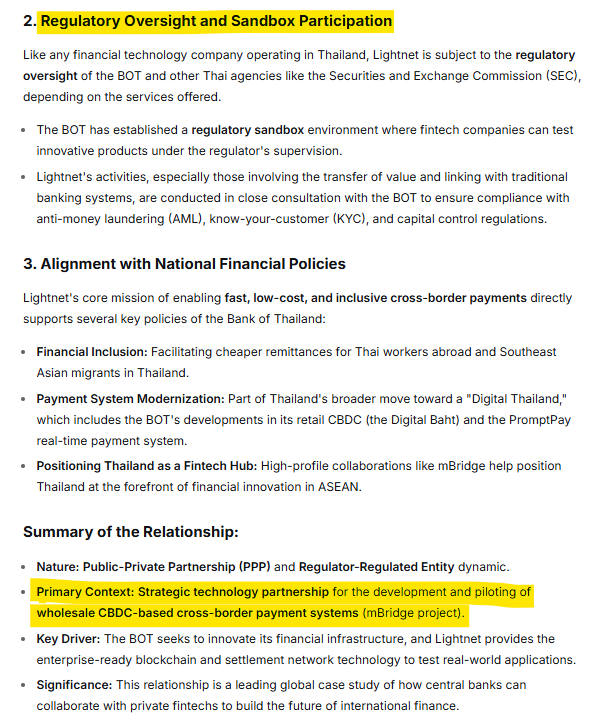
I asked DeepSeek a simple question:
"What is the relationship between Lightnet Group and Bank of Thailand"
It gave me the whole history and evolution into #mBridge. I never asked it about mBridge at all.
Remember, Lightnet has EIGHT financial licenses in Thailand. EIGHT! Interesting ...
chat.deepseek.com/a/chat/s/9…
#velo $velo
2
5
48
9,311
I really like it, Cris 👌🏻🔥
In short:
CENTRAL BANKS
mBRIDGE
│
▼
LIGHTNET VELO
│
▼
Businesses • Merchants
Wallets • Users
mBridge builds the highway.
Lightnet and VELO may build the commercial on-ramps.
5
162

Jun 14
flowchart TD
subgraph "Wholesale / Sovereign Layer (mBridge)"
CB[Central Banks: China<br>🇨🇳 UAE<br>🇸🇦 Saudi Arabia<br>🇹🇭 Thailand<br>🇭🇰 Hong Kong]
MBL[mBridge Ledger<br>Permissioned DLT<br>EVM-compatible<br>Real-time CBDC Settlements]
end
subgraph "Commercial / Adoption Layer (Velo Lightnet)"
VELO[Velo Protocol<br>Digital Credits Stablecoins<br>USDV, PayFi, Multi-chain]
LN[Lightnet<br>Trade Finance Gateways<br>Thailand / ASEAN Focus]
BUS[Businesses<br>Merchants<br>Wallets<br>Users]
end
SWIFT[Legacy SWIFT Dollar System]:::legacy
CB <--> MBL
MBL <-->|Wholesale CBDC Rails| VELO
VELO <--> LN
VELO <--> BUS
LN <--> BUS
classDef mbridge fill:#1e3a8a, color:white, stroke:#60a5fa
classDef velo fill:#166534, color:white, stroke:#4ade80
classDef legacy fill:#6b7280, color:white, stroke:#9ca3af
class CB,MBL mbridge
class VELO,LN,BUS velo
class SWIFT legacy
2
7
313
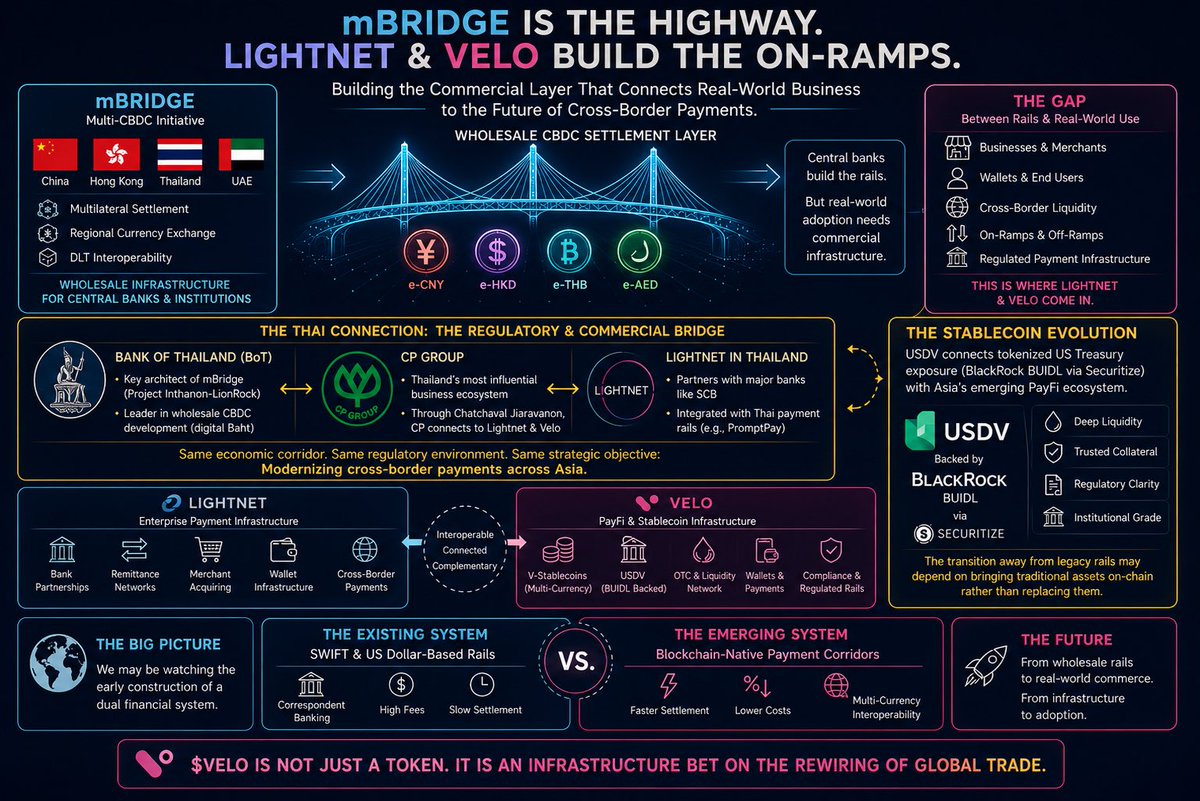
What if mBridge is only half of the story?
Central banks can build the rails.
But someone still needs to connect businesses, merchants, wallets and cross-border liquidity to those rails.
@veloprotocol and @lightnetgroup may be positioning themselves exactly where that gap exists. 👇
mBridge is the multi-CBDC initiative involving the central banks of China, Hong Kong, Thailand and the UAE.
And interestingly, its core focus revolves around the exact same concepts:
multilateral settlement, regional currency exchange and distributed ledger interoperability.
This is where the macro picture connects.
mBridge is a wholesale network built for central banks and large-scale institutional settlement.
But central bank infrastructure alone does not automatically reach merchants, businesses or end users.
It still needs commercial on-ramps, licensed OTC gateways, liquidity providers, wallets and regulated payment infrastructure to connect real-world commerce to these new corridors.
This is where @lightnetgroup and @veloprotocol become interesting.
mBridge’s founding corridors include China, Hong Kong, Thailand and the UAE.
Lightnet’s roots are deeply connected to Thailand through the @CPGroup_Live ecosystem, while its expansion strategy has increasingly focused on Hong Kong and broader Asian payment corridors.
Different networks.
Overlapping geography.
Similar direction.
The Thai connection may be even more important than most people realize.
The Bank of Thailand has been a key architect of mBridge since the early Project Inthanon-LionRock experiments.
At the same time, Thailand’s CP Group sits at the center of one of the country’s most influential business ecosystems.
Through Chatchaval Jiaravanon, the CP ecosystem connects to both Lightnet and Velo.
This does not mean mBridge, the Bank of Thailand, Lightnet and VELO are formally connected.
But they operate within the same economic corridor and pursue a similar objective:
modernizing cross-border payments across Asia.
Central banks can build settlement rails.
Commercial adoption requires banks, payment providers, liquidity operators and merchant infrastructure.
That is where Lightnet becomes particularly interesting.
If regional payment systems want to reduce reliance on unregulated liquidity bridges such as USDT, they will likely need more compliant alternatives.
This is where $USDV becomes relevant.
Through BlackRock’s BUIDL fund and @Securitize, USDV connects tokenized US Treasury exposure with Asia’s emerging PayFi ecosystem.
This creates an interesting contradiction.
Many new payment networks aim to move beyond legacy financial infrastructure.
Yet the transition may depend on bringing traditional financial assets on-chain rather than replacing them altogether.
Ironically, the next generation of payment infrastructure may emerge through tokenization.
mBridge enables direct settlement between local CBDCs without relying on the US dollar as the primary intermediary.
VELO’s V-Stablecoin model points toward a commercial version of a similar idea:
regional fiat-linked digital assets used for cross-border settlement.
The bottom line:
We are not looking at isolated crypto projects.
We may be watching the early construction of a dual financial system.
On one side, the existing SWIFT and US dollar-based rails.
On the other, a new network of blockchain-native payment corridors across ASEAN, Hong Kong, the UAE and BRICS-linked markets.
mBridge may build the highway for central banks.
But ecosystems like Lightnet and VELO could help build the commercial vehicles, ramps and local roads that bring real-world business activity onto those new rails.
$VELO is not just a token.
It is an infrastructure bet on the rewiring of global trade.
Jun 14

🚨NEW: CHINA SET TO LAUNCH SWIFT ALTERNATIVE PAYMENT NETWORK
China is reportedly preparing to launch mBridge, a blockchain-powered payments network backed by five major central banks.
With $69 billion already processed, the platform could become China's biggest step yet toward challenging the dollar in global commerce.
13
32
113
10,181

Jun 14
📍Velo 이사진 및 자문단!!!
벨로 프로토콜(Velo Labs)의 이사진 및 핵심 자문단 현황은 아시아 최대 재벌 가문(태국 CP그룹)의 자본력과 스텔라(XLM) 개발 재단의 기술 거물들이 결합된 막강한 구조를 보여줍니다.
단순 크립토 전문가가 아닌, 아시아 금융권과 실물 유통망을 실제로 움직일 수 있는 거물들로 구성된 핵심 라인업은 다음과 같습니다.
1. 이사회 의장 및 핵심 설립자 (Leadership)
•차차완 지아라바논 (Chatchaval Jiaravanon) - 의장 (Chairman): 벨로의 중심이자 태국 최대의 글로벌 대기업인 CP그룹(Charoen Pokphand Group) 가문의 핵심 인물입니다. 미국의 경제 전문지 포춘(Fortune)지의 소유주로도 유명하며, CP그룹이 보유한 아시아 전역의 유통·금융 인프라를 벨로-스텔라 결제망에 연결하는 정점 역할을 하고 있습니다.
•트리드보디 아루나논차이 (Tridbodi Arunanondchai) - 부의장 (Vice Chairman): 벨로의 모회사 격인 청산 인프라 기업 라이트넷(Lightnet)의 공동 창립자이자 전직 투자은행가(IB) 출신의 연쇄 창업가입니다. 동남아 주요 시중은행들과의 네트워크 연동 계약을 실질적으로 이끌어낸 인물입니다.
•마이크 케네디 (Mike Kennedy) - 최고경영자 (CEO): 미국 실시간 결제 네트워크인 Zelle(젤)의 설립자이자 전 CEO입니다. 전통 금융과 핀테크를 두루 거친 인물로 벨로의 글로벌 확장과 블랙록 BUIDL 연계 같은 대형TradFi 파트너십을 총괄하고 있습니다.
2. 스텔라(XLM) 재단 기반의 핵심 자문단 (Advisors)
벨로가 스텔라의 기술 레일을 완벽하게 활용할 수 있도록, 스텔라 개발 재단(SDF)의 핵심 브레인들이 공식 자문단으로 참여해 기술과 정책을 지원하고 있습니다.
•제드 맥케일럽 (Jed McCaleb): 스텔라 개발 재단(SDF)의 공동 창립자이자 리플(XRP)의 공동 창립자입니다. 벨로가 아시아 시장에서 스텔라 블록체인을 완벽한 결제 레일로 이식할 수 있도록 아키텍처 수립을 돕는 핵심 고문입니다.
•데이비드 마지에르 교수 (Prof. David Mazières): 스탠퍼드 대학교 컴퓨터공학 교수이자, 스텔라 합의 알고리즘(SCP)을 직접 개발한 스텔라 개발 재단의 수석 과학자입니다. 벨로의 스마트 계약(DRS)과 정산 안정성을 뒷받침하는 기술적 기둥입니다.
•로버트 타운센드 교수 (Prof. Robert Townsend): MIT, 시카고대 경제학 교수이자 국제통화기금(IMF), 세계은행(World Bank)의 고문으로 활동한 세계적인 경제학자입니다. 벨로의 RWA 및 담보/준비금 메커니즘의 거시경제적 모델링을 자문합니다.
3. 글로벌 거물 VC 자문단
•폴 베라디타킷 (Paul Veradittakit): 미국의 대형 크립토 벤처캐피탈인 판테라 캐피탈(Pantera Capital)의 파트너로, 글로벌 웹3 및 미국계 자본과의 자금 공급 체계를 연결하고 있습니다.
💡 요약
벨로의 이사진 현황은 "태국 CP그룹의 재벌 자본(지아라바논 의장) 미국 Zelle 출신의 금융 전문가(마이크 케네디 CEO) 스텔라 재단의 창립자 및 핵심 과학자(제드 맥케일럽, 마지에르 교수)"로 요약됩니다.
이러한 화려한 지배구조 덕분에 벨로가 동남아 시중은행들을 하나로 묶고, 블랙록 BUIDL 같은 월가 자산을 가져와 담보로 묶는 거대한 청산 은행 시스템을 실현해 낼 수 있었던 것입니다.
Jun 14

📍 블랙록 BUIDL 펀드 도입 이후 동남아 현지 은행들이 스텔라-벨로 네트워크 상에 자금을 묶어두는 실제 에스크로(Escrow) 규모!!!
블랙록(BlackRock)의 BUIDL 펀드가 벨로의 USDV 스테이블코인 및 정산 시스템의 담보(Reserve) 자산으로 통합된 이후, 동남아 현지 은행들과 금융기관들이 스텔라-벨로 네트워크 상에 묶어두는 에스크로(Escrow) 자금 규모는 기관당 수천만 달러에서 생태계 전체적으로 수억 달러 규모로 급격히 불어나고 있습니다.
이러한 에스크로 자금의 구체적인 규모 형성 방식과 금융권 내 유동성 잠금 현황은 다음과 같이 요약할 수 있습니다.
1. 기관별 에스크로 규모의 산정 방식
동남아 상업은행(태국 SCB, 싱가포르 UOB 등)이나 대형 송금업자(MTO)들이 에스크로에 자금을 묶는 규모는 "일일 평균 정산 처리액(Daily Settlement Volume)의 1.5배~2배" 수준을 상시 유지하는 방식으로 형성됩니다.
•리스크 방어용 담보: 국가 간 거액 결제 과정에서 발생할 수 있는 시차(Settlement Lag)와 환율 변동 리스크를 방어하기 위한 법적·기술적 의무 장치입니다.
•수천만 달러의 기관별 예치: 앞서 베트남 비엣콤뱅크가 단일 파일럿으로만 2,000만 달러 규모를 처리한 사례처럼, 메이저 은행 한 곳이 정기 결제 라인을 가동할 때마다 최소 1,000만 달러에서 5,000만 달러 이상의 자금이 스텔라 온체인상의 벨로 스마트 계약(DRS) 및 에스크로 계좌에 상시 동결(Lock-up)됩니다.
2. 블랙록 BUIDL 유입이 에스크로 규모를 키운 이유
과거에는 은행들이 유동성 리스크나 기회비용(무이자 자산) 문제 때문에 에스크로 담보금을 규정상 '최소한'으로만 묶어두려 했습니다.
•예치 규모의 자발적 확대: 에스크로에 묶인 자금이 블랙록 BUIDL 펀드를 통해 연 4~5% 수준의 미국 국채 이자를 온체인으로 실시간 정산해 주기 시작하자, 기관들이 담보금을 최소 기준보다 20%~30% 이상 초과하여 예치하는 현상이 나타나고 있습니다.
•자발적 유통량 증발: 이자가 나오는 안전자산 금고 역할을 하게 되면서, 은행들이 자금을 굳이 인출하지 않고 스텔라-벨로 레일 위에 장기 체류시키는 '스테이킹 효과'가 자연스럽게 발생하고 있습니다.
3. 하부 레이어(XLM)에 미치는 연쇄 유동성 잠금 효과
'이원화(Two-Tier) 모델'의 실제 정량적 결과가 바로 여기서 수치로 드러납니다.
•트러스트라인 및 지갑 보유고: 동남아 은행 연합의 에스크로 총액이 수억 달러 규모로 커질수록, 이를 뒷받침하기 위해 스텔라 네트워크 상에서 생성되는 기관용 고액 트러스트라인과 유동성 풀(DEX)의 쌍(Pair) 자산으로 수백만 개의 XLM이 함께 묶여 시장에서 격리됩니다.
•개인 유동성과의 격리: 개인 사용자들은 몇 센트 수준의 초저가 수수료로 고향에 송금을 보내는 활력(Traffic)을 담당하고, 그 뒤에서는 수억 달러 규모의 블랙록 연계 은행 자금이 묵직한 콘크리트처럼 스텔라 체인의 바닥을 받치며 유통량을 잠그는 구조가 완성되어 가고 있습니다.
💡 결론
블랙록 BUIDL 도입 이후 아세안 결제 네트워크의 에스크로 규모는 단순한 '비용'에서 '수익형 자산 담보'로 정체성이 전환되었습니다.
이로 인해 동남아 금융권의 자금 유입 속도가 가속화되고 있으며, 이는 결국 개인들의 거래 활성화와 시너지를 내며 스텔라(XLM)의 구조적 가치를 끌어올리는 가장 강력한 기술적 기반이 되고 있습니다.
4
1,105
Jun 14
📍 동남아 은행 연합이 활용 중인 '벨로-스텔라 기반의 ASEAN 결제 네트워크'의 올해 확장 규모
벨로와 스텔라가 주도하는 아세안(ASEAN) 결제 네트워크는 올해 활성 사용자 수 100만 명 돌파와 수십억 달러 규모의 누적 처리 거래액(Volume)을 기록하며 폭발적인 확장세를 나타내고 있습니다.
단순히 파일럿(실험) 단계에 머물지 않고, 동남아 제도권 은행 연합과 결합하여 올해 실행 중인 구체적인 확장 규모와 로드맵의 요점은 다음과 같습니다.
1. 15개국 이상으로의 ‘슈퍼앱’ 영토 확장
•글로벌 상용화: 벨로는 자체 결제 및 RWA 인프라인 ‘오르빗 플러스(Orbit Plus)’ 슈퍼앱을 전 세계 15개국에 전면 출시하여 아시아 전역의 소상공인과 개인을 흡수하고 있습니다.
•화이트라벨 테크 스택 제공: 동남아 현지 은행 연합과 파트너사들이 벨로·스텔라의 기술력을 그대로 가져가 각자의 브랜드로 자체 결제 앱을 출시할 수 있도록 기술 인프라를 대대적으로 확장했습니다.
2. 가스비 및 담보 연쇄 반응의 정량적 성장
•블록체인 네이티브 청산 은행 고도화: 벨로 프로토콜이 라이트넷(Lightnet)의 B2B 정산 엔진에 완벽히 통합되면서, 아시아 최초의 ‘블록체인 네이티브 청산 은행(Settlement Bank)’ 역할을 수행하고 있습니다.
•수십억 달러의 RWA 담보 결합: 블랙록(BlackRock)의 미국 국채 펀드(BUIDL)를 담보로 하는 스테이블코인(USDV) 유통이 본격화되었습니다. 이로 인해 동남아 은행 간 실시간 환전(FX) 및 정산 규모가 커질수록 하부 레이어인 스텔라(XLM) 네트워크에 묶이는 '기관 준비금'의 규모 역시 수억 달러 단위로 정비례하며 불어나고 있습니다.
3. 실물 결제(PayFi) 인프라의 다각화
•가상자산 데빗카드 출시: 애플페이(Apple Pay) 및 구글페이와의 연동을 통해, 개인들이 카드 가맹점에서 자산을 결제하면 뒷단에서 스텔라 레일을 타고 현지 통화로 즉시 청산되는 실물 인프라가 대규모로 보급되었습니다.
•수수료 풀의 록인(Lock-in) 가속화: 거래 건수가 폭증함에 따라, 소각을 대신해 스텔라 시스템의 '수수료 풀'로 들어가는 XLM의 양과 벨로 스마트 계약(DRS)에 묶이는 VELO 토큰의 유통량 제한 효과가 최고치를 갱신하고 있습니다.
💡 요약
올해 벨로-스텔라의 아세안 네트워크는 100만 명 이상의 실사용자와 수십억 달러의 정산 유동성을 돌파하며 전통 SWIFT망을 대체하는 아시아의 가장 강력한 대안 금융 인프라(PayFi)로 완전히 자리 잡았습니다.
Jun 14
📍 Velo 프로토콜이 최근 추진 중인 글로벌 자산 토큰화(RWA) 연계 현황
벨로 프로토콜(Velo Labs)은 스텔라(XLM) 네트워크의 초고속 결제 레일을 기반으로 삼아, 최근 아시아 시장을 겨냥한 기관급 실물자산 토큰화(RWA)와 결제(PayFi) 인프라 구축을 공격적으로 추진하고 있습니다.
'개인에게는 초저가 수수료를 제공하고, 기관의 자금은 담보로 묶는다'는 이원화 모델을 벨로가 아시아 시장에서 RWA 형태로 가장 정교하게 실현해 내고 있습니다. 최근 밝혀진 벨로의 핵심 RWA 연계 현황은 다음과 같습니다.
1. 월가 자산의 아시아 공급: 블랙록 BUIDL 펀드 연계
벨로는 세계 최대 자산운용사인 블랙록(BlackRock)의 토큰화 국채 펀드인 BUIDL을 아시아 및 동남아시아 시장으로 중개하고 있습니다.
•구조: 벨로 생태계의 스테이블코인(USDV 등)을 발행할 때, 그 가치를 백업하는 담보 준비금(Reserve)의 일부를 블랙록의 BUIDL 펀드로 채워 넣었습니다.
•효과: 아시아의 기관 투자자들은 벨로 네트워크를 통해 안전한 미국 국채 수익률을 온체인으로 누릴 수 있으며, 이 과정에서 거대 자본이 벨로-스텔라망에 안정적으로 묶이게 됩니다.
2. 기관급 프리미엄 자산의 토큰화 (EVOLVE 협력)
벨로는 글로벌 자산 파트너인 EVOLVE와의 전략적 협력을 통해 단순 금융 상품을 넘어선 실물 경기 자산을 온체인화하고 있습니다.
•대상 자산: 엄격하게 큐레이션된 프라이빗 크레딧(사모 신용), 전기차(EV) 인프라 자산, 부동산 포트폴리오 등입니다.
•의미: 변동성이 큰 크립토 자산 대신, 하방이 방어되고 실물 경제에서 검증 가능한 온체인 수익 창출 구조(Yield)를 기관 투자자들에게 제공합니다.
3. 실물 금(Gold) 토큰화: 디지털 골드 프로젝트 (PLG)
벨로는 안정 자산의 대명사인 '금'을 스텔라 및 멀티체인 위에서 거래할 수 있도록 디지털 골드 프로젝트(PLG)를 유통하고 있습니다.
•작동: 실물 금의 가치와 1:1로 연동되는 PLG 토큰을 발행하여, 아시아 내의 무역 정산이나 국경 간 결제 시 환율 변동성을 방어하는 안전 담보물로 활용합니다.
4. 올인원 RWA 플랫폼 '오르빗 플러스(Orbit Plus)' 슈퍼앱
벨로는 일반 대중과 기관이 이 모든 RWA 자산을 체감하지 못할 정도로 쉽게 쓸 수 있도록, 모회사 격인 라이트넷(Lightnet) 및 EVOLVE와 함께 '오르빗 플러스' 슈퍼앱을 개발 및 서비스하고 있습니다.
•이원화의 실현: 개인 사용자들은 이 앱을 통해 커피값 결제나 소액 송금을 저렴하게 이용합니다. 반면, 뒷단(PayFi 네트워크)에서는 토큰화된 RWA 자산과 스테이블코인, 각국 법정화폐가 실시간으로 교환 및 정산되며 기관들의 유동성이 대규모로 동결되고 굴러갑니다.
💡 최종 연결고리
필리핀의 아이레미트(iRemit) 같은 신흥국 송금 기업들이 벨로망에 합류해 개인들에게는 싼값에 달러/현지화 송금 서비스를 주면서도, 그 뒷단에서는 블랙록 국채(BUIDL)와 금(PLG) 같은 거대 자산들이 금융기관 간 최종 정산을 위한 '담보 보증금'으로 상시 락업되어 구동하는 아시아 최대의 RWA 엔진 역할을 스텔라 생태계 안에서 완수해 가고 있습니다.
6
1,022
Jun 14
📍 Velo 프로토콜이 최근 추진 중인 글로벌 자산 토큰화(RWA) 연계 현황
벨로 프로토콜(Velo Labs)은 스텔라(XLM) 네트워크의 초고속 결제 레일을 기반으로 삼아, 최근 아시아 시장을 겨냥한 기관급 실물자산 토큰화(RWA)와 결제(PayFi) 인프라 구축을 공격적으로 추진하고 있습니다.
'개인에게는 초저가 수수료를 제공하고, 기관의 자금은 담보로 묶는다'는 이원화 모델을 벨로가 아시아 시장에서 RWA 형태로 가장 정교하게 실현해 내고 있습니다. 최근 밝혀진 벨로의 핵심 RWA 연계 현황은 다음과 같습니다.
1. 월가 자산의 아시아 공급: 블랙록 BUIDL 펀드 연계
벨로는 세계 최대 자산운용사인 블랙록(BlackRock)의 토큰화 국채 펀드인 BUIDL을 아시아 및 동남아시아 시장으로 중개하고 있습니다.
•구조: 벨로 생태계의 스테이블코인(USDV 등)을 발행할 때, 그 가치를 백업하는 담보 준비금(Reserve)의 일부를 블랙록의 BUIDL 펀드로 채워 넣었습니다.
•효과: 아시아의 기관 투자자들은 벨로 네트워크를 통해 안전한 미국 국채 수익률을 온체인으로 누릴 수 있으며, 이 과정에서 거대 자본이 벨로-스텔라망에 안정적으로 묶이게 됩니다.
2. 기관급 프리미엄 자산의 토큰화 (EVOLVE 협력)
벨로는 글로벌 자산 파트너인 EVOLVE와의 전략적 협력을 통해 단순 금융 상품을 넘어선 실물 경기 자산을 온체인화하고 있습니다.
•대상 자산: 엄격하게 큐레이션된 프라이빗 크레딧(사모 신용), 전기차(EV) 인프라 자산, 부동산 포트폴리오 등입니다.
•의미: 변동성이 큰 크립토 자산 대신, 하방이 방어되고 실물 경제에서 검증 가능한 온체인 수익 창출 구조(Yield)를 기관 투자자들에게 제공합니다.
3. 실물 금(Gold) 토큰화: 디지털 골드 프로젝트 (PLG)
벨로는 안정 자산의 대명사인 '금'을 스텔라 및 멀티체인 위에서 거래할 수 있도록 디지털 골드 프로젝트(PLG)를 유통하고 있습니다.
•작동: 실물 금의 가치와 1:1로 연동되는 PLG 토큰을 발행하여, 아시아 내의 무역 정산이나 국경 간 결제 시 환율 변동성을 방어하는 안전 담보물로 활용합니다.
4. 올인원 RWA 플랫폼 '오르빗 플러스(Orbit Plus)' 슈퍼앱
벨로는 일반 대중과 기관이 이 모든 RWA 자산을 체감하지 못할 정도로 쉽게 쓸 수 있도록, 모회사 격인 라이트넷(Lightnet) 및 EVOLVE와 함께 '오르빗 플러스' 슈퍼앱을 개발 및 서비스하고 있습니다.
•이원화의 실현: 개인 사용자들은 이 앱을 통해 커피값 결제나 소액 송금을 저렴하게 이용합니다. 반면, 뒷단(PayFi 네트워크)에서는 토큰화된 RWA 자산과 스테이블코인, 각국 법정화폐가 실시간으로 교환 및 정산되며 기관들의 유동성이 대규모로 동결되고 굴러갑니다.
💡 최종 연결고리
필리핀의 아이레미트(iRemit) 같은 신흥국 송금 기업들이 벨로망에 합류해 개인들에게는 싼값에 달러/현지화 송금 서비스를 주면서도, 그 뒷단에서는 블랙록 국채(BUIDL)와 금(PLG) 같은 거대 자산들이 금융기관 간 최종 정산을 위한 '담보 보증금'으로 상시 락업되어 구동하는 아시아 최대의 RWA 엔진 역할을 스텔라 생태계 안에서 완수해 가고 있습니다.
Jun 14
📍아시아의 핵심 파트너 velo
아시아-태평양(APAC) 지역을 언급할 때 벨로 프로토콜(Velo Labs)은 스텔라 생태계에서 절대 빼놓을 수 없는 가장 핵심적인 파트너입니다.
벨로는 태국의 거대 재벌 그룹인 CP그룹(Charoen Pokphand Group)의 지원을 받으며 성장한 프로젝트로, 스텔라 블록체인을 기반으로 아시아 전역의 거대한 금융망을 하나로 묶는 역할을 하고 있습니다.
스텔라와 벨로의 협력이 가지는 구체적인 의미와 가치는 다음과 같습니다.
1. 동남아시아의 '리플(XRP)' 역할을 스텔라 레일 위에서 구현
리플이 아시아 시장에서 송금로를 뚫기 위해 개별 은행들과 협력했다면, 벨로는 스텔라 네트워크의 기술을 그대로 가져와 동남아시아 전역의 중소기업과 개인을 위한 국경 간 결제망을 만들었습니다.
•작동 방식: 벨로는 스텔라 블록체인 위에서 현지 통화(태국 바트, 필리핀 페소 등)와 연동되는 디지털 자산을 발행합니다. 이 자산들이 스텔라의 초고속 레일을 타고 이동하면서 아시아 전역의 송금 시차와 수수료를 획기적으로 줄였습니다.
2. CP그룹이라는 거대한 실물 생태계와의 결합
벨로의 최대 무기는 태국 최대의 글로벌 기업 집단인 CP그룹의 전폭적인 지원입니다.
•인프라 침투: CP그룹은 태국 내 전역에 퍼져 있는 세븐일레븐(7-Eleven) 편의점망과 통신사, 대형 유통 채널을 보유하고 있습니다.
•보이지 않는 침투: 동남아 현지 개인들은 자신이 스텔라나 벨로 기술을 쓴다는 것을 모르지만, CP그룹의 유통망과 연결된 금융 서비스(예: Lightnet 등)를 이용하는 과정에서 자연스럽게 뒷단의 스텔라 레일을 소비하게 됩니다.
3. 유럽-아시아를 잇는 거대 송금 통로 개척
벨로는 스텔라 네트워크 위에서 유럽의 인터네셔널 머니 익스프레스(Intergiro) 등과 협력하여 유럽과 아시아 간의 수십억 달러 규모의 송금 라인을 실제로 개통했습니다.
유럽에서 스텔라 레일을 타고 날아온 자금이 아시아에 도착하면, 벨로의 네트워크를 통해 현지 통화로 즉시 정산되는 구조입니다.
💡
벨로와의 협력 역시 "개인에겐 초저가 수수료, 기관에겐 차별화된 준비금/담보" 모델이 정확히 적용되는 실례입니다.
•동남아의 취약계층 노동자들은 벨로-스텔라망을 통해 커피 한 잔 값보다 적은 수수료로 고향에 돈을 보냅니다.
•반면, 이 거대한 자금을 중간에서 정산하고 보증해야 하는 아시아의 대형 핀테크 기업들과 유통 거물(CP그룹 관련사 등)들은 시스템의 신뢰도를 유지하기 위해 대규모의 자산을 담보로 묶어두어야 하는 구조를 취하게 됩니다.
결국 스텔라는 북미의 머니그램, 유럽의 아락스에 이어 아시아에서는 벨로(Velo)라는 강력한 앵커(Anchor)를 통해 전 세계 개인 송금 시장의 모세혈관을 장악하는 동시에, 기관 자본을 묶는 설계를 완성해 가고 있습니다.
4
995
Jun 14
📍아시아의 핵심 파트너 velo
아시아-태평양(APAC) 지역을 언급할 때 벨로 프로토콜(Velo Labs)은 스텔라 생태계에서 절대 빼놓을 수 없는 가장 핵심적인 파트너입니다.
벨로는 태국의 거대 재벌 그룹인 CP그룹(Charoen Pokphand Group)의 지원을 받으며 성장한 프로젝트로, 스텔라 블록체인을 기반으로 아시아 전역의 거대한 금융망을 하나로 묶는 역할을 하고 있습니다.
스텔라와 벨로의 협력이 가지는 구체적인 의미와 가치는 다음과 같습니다.
1. 동남아시아의 '리플(XRP)' 역할을 스텔라 레일 위에서 구현
리플이 아시아 시장에서 송금로를 뚫기 위해 개별 은행들과 협력했다면, 벨로는 스텔라 네트워크의 기술을 그대로 가져와 동남아시아 전역의 중소기업과 개인을 위한 국경 간 결제망을 만들었습니다.
•작동 방식: 벨로는 스텔라 블록체인 위에서 현지 통화(태국 바트, 필리핀 페소 등)와 연동되는 디지털 자산을 발행합니다. 이 자산들이 스텔라의 초고속 레일을 타고 이동하면서 아시아 전역의 송금 시차와 수수료를 획기적으로 줄였습니다.
2. CP그룹이라는 거대한 실물 생태계와의 결합
벨로의 최대 무기는 태국 최대의 글로벌 기업 집단인 CP그룹의 전폭적인 지원입니다.
•인프라 침투: CP그룹은 태국 내 전역에 퍼져 있는 세븐일레븐(7-Eleven) 편의점망과 통신사, 대형 유통 채널을 보유하고 있습니다.
•보이지 않는 침투: 동남아 현지 개인들은 자신이 스텔라나 벨로 기술을 쓴다는 것을 모르지만, CP그룹의 유통망과 연결된 금융 서비스(예: Lightnet 등)를 이용하는 과정에서 자연스럽게 뒷단의 스텔라 레일을 소비하게 됩니다.
3. 유럽-아시아를 잇는 거대 송금 통로 개척
벨로는 스텔라 네트워크 위에서 유럽의 인터네셔널 머니 익스프레스(Intergiro) 등과 협력하여 유럽과 아시아 간의 수십억 달러 규모의 송금 라인을 실제로 개통했습니다.
유럽에서 스텔라 레일을 타고 날아온 자금이 아시아에 도착하면, 벨로의 네트워크를 통해 현지 통화로 즉시 정산되는 구조입니다.
💡
벨로와의 협력 역시 "개인에겐 초저가 수수료, 기관에겐 차별화된 준비금/담보" 모델이 정확히 적용되는 실례입니다.
•동남아의 취약계층 노동자들은 벨로-스텔라망을 통해 커피 한 잔 값보다 적은 수수료로 고향에 돈을 보냅니다.
•반면, 이 거대한 자금을 중간에서 정산하고 보증해야 하는 아시아의 대형 핀테크 기업들과 유통 거물(CP그룹 관련사 등)들은 시스템의 신뢰도를 유지하기 위해 대규모의 자산을 담보로 묶어두어야 하는 구조를 취하게 됩니다.
결국 스텔라는 북미의 머니그램, 유럽의 아락스에 이어 아시아에서는 벨로(Velo)라는 강력한 앵커(Anchor)를 통해 전 세계 개인 송금 시장의 모세혈관을 장악하는 동시에, 기관 자본을 묶는 설계를 완성해 가고 있습니다.
Jun 14
📍 스텔라 생태계의 지역별 기업 파트너십
스텔라(XLM) 생태계의 지역별·대륙별 기업 파트너십은 철저하게 "해당 지역의 규제를 준수하는 핀테크·전통 금융 거물들과의 결합"을 특징으로 합니다.
실리콘밸리 자본의 전폭적인 신뢰를 바탕으로 구축된 전 세계 주요 대륙별 핵심 파트너십 현황은 다음과 같습니다.
1. 북미 (North America): 월가와 제도권 금융의 중추
미국을 중심으로 한 북미 지역은 스텔라 네트워크의 자산 토큰화(RWA) 및 글로벌 결제 표준을 정립하는 핵심 기지입니다.
•머니그램 (MoneyGram): 전 세계 40만 개 이상의 오프라인 지점을 가진 거대 송금 기업입니다. 스텔라와 협력하여 개인들이 전 세계 머니그램 지점에서 현찰을 가져오면 이를 USDC로 즉시 전환(On/Off Ramp)해 송금할 수 있는 글로벌 레일을 구축했습니다.
•프랭클린 템플턴 (Franklin Templeton): 월가의 상징적인 자산운용사로, 블록체인 최초로 수억 달러 규모의 미국 국채 머니 마켓 펀드(FOBXX)를 스텔라 온체인상에서 발행하여 운용 중입니다.
•미국 예탁결제원 (DTCC): 미국의 모든 주식과 채권 결제를 독점하는 기관입니다. DTCC는 최근 자산 토큰화 서비스(Tokenization Service)의 공개 블록체인 파트너로 스텔라를 공식 채택하여 월가 자산의 온체인 전환을 주도하고 있습니다.
•서클 (Circle): 미국 달러 스테이블코인인 USDC의 발행사입니다. 스텔라를 USDC의 핵심 유통 네트워크로 지정하여, 가장 저렴한 비용으로 달러 유동성을 공급하고 있습니다.
2. 유럽 (Europe): 규제 준수 자본 시장의 표준
유럽에서는 미카(MiCA) 등 암호화폐 규제 법안에 발맞추어, 철저하게 제도권 승인을 받은 증권 및 커스터디 파트너십에 집중하고 있습니다.
•아락스 (Archax): 영국 금융행동감독청(FCA)의 승인을 받은 최초의 디지털 자산 거래소입니다. 스텔라 엔터프라이즈 펀드의 투자를 받아, 유럽 내 기관 투자자들이 토큰화된 미 국채나 펀드를 합법적으로 거래할 수 있는 허브 역할을 합니다.
•캐시링크 (Cashlink) & 아센드 (Ascend): 스텔라 재단이 전략적 지분을 인수한 유럽의 규제 준수 RWA(실물자산 토큰화) 기업들입니다. 독일과 프랑스 등 유로존 금융기관들이 주식, 채권 등을 토큰화할 때 스텔라 기술을 표준으로 쓰도록 돕습니다.
3. 글로벌 & 아시아·태평양 (Global & APAC): 인프라 표준화 연구
•IBM (World Wire): 과거 IBM은 전 세계 은행 간 실시간 결제를 위해 스텔라 네트워크 기반의 'IBM 월드 와이어(World Wire)' 프로젝트를 추진했습니다. 현재는 기관용 자체 폐쇄망 중심(Hyperledger 등)으로 전환되었으나, 스텔라가 글로벌 대기업의 국경 간 결제 아키텍처 수립에 깊게 관여하는 계기가 되었습니다.
•아시아-태평양 중앙은행들: 일본, 한국 등 일부 핀테크 파트너(예: 디센트 지갑을 개발한 아이오트러스트)와의 협력 외에도, 아시아 및 오세아니아 신흥국들의 중앙은행 디지털화폐(CBDC) 실증 실험에 기술 제공 형태로 지속 참여하고 있습니다.
4. 남미 & 아프리카 (LATAM & Africa): 소액 송금 및 모바일 머니
금융 소외 계층이 많은 신흥국에서는 실질적인 개인 금융 침투율을 높이는 파트너십을 맺고 있습니다.
•에어텀 (Airtm): 멕시코를 비롯한 남미 전역에서 쓰이는 대표적인 디지털 지갑 플랫폼입니다. 스텔라 네트워크와 USDC를 결합하여, 인플레이션이 심한 남미 개인들이 자산을 달러 가치로 안전하게 저축하고 송금할 수 있도록 지원합니다.
•허니코인 (HoneyCoin): 아프리카 기반의 혁신 핀테크 기업으로, 스텔라 엔터프라이즈 펀드의 투자를 받아 아프리카 현지 통화와 스테이블코인 간의 전환 수수료를 zero(0) 수준으로 낮추는 모바일 결제망을 확대하고 있습니다.
💡 파트너십의 본질적 특징
스텔라의 파트너십은 리플(XRP)처럼 개별 시중 은행들을 일일이 설득해 영업하는 방식이 아닙니다.
미국 예탁결제원(DTCC), 머니그램, 프랭클린 템플턴처럼 "그 지역 금융 생태계의 판도를 바꾸는 독점적 인프라 기업"을 파트너로 선점하는 실리콘밸리식 플랫폼 확장 전략을 명확하게 보여주고 있습니다.
3
825

Jun 13
1 - A man called Jason wants to send 1,000 dong (the Vietnamese local currency) to his mother in Thailand. I imagine that, within this infrastructure, he goes to an institution/bank/etc. affiliated with Lightnet and deposits his 1,000 dong.
1
1
226

Jun 12
Looks like our resident broadband troublemaker, Jinx, is at it again trying to trigger the buffering wheel of doom on the laptop! 🐈⬛🟣
Thankfully, Finn got Lightnet.
#finnandjinx #broadband #justforfun
@loughreaonline
44
What makes this even more interesting is that HashKey Capital was also a key investor in Lightnet’s $31.2M Series A round 😉
Lightnet and Velo were both co-founded by Chatchaval Jiaravanon of Thailand’s CP Group ecosystem, with a shared focus on building blockchain-powered cross-border payment infrastructure across Southeast Asia. This is not a random partnership. It is a deeply connected strategic network
4
312

Jun 11
velo:native will be tokenising all the gold in Asia. Write this down.
UOB, a strategic investor and #VELO partner have a MOU with Shanghai gold exchange to implement SGE tokenisation.
velo:native also have an MOU with Laos Bullion Bank.
Lightnet and DBS have a strategic partnership.
All roads lead to velo.
The only thing missing right now is the liquidity. You cannot bring these projects online if liquidity in the velo ecosystem is not turned on.
And I mean real liquidity, readily available for these assets to tap in. Massive stablecoins pools like HKD and USD and others all bridged together by the velo token in a unified PayFi layer that brings the money to all these tokenized markets.
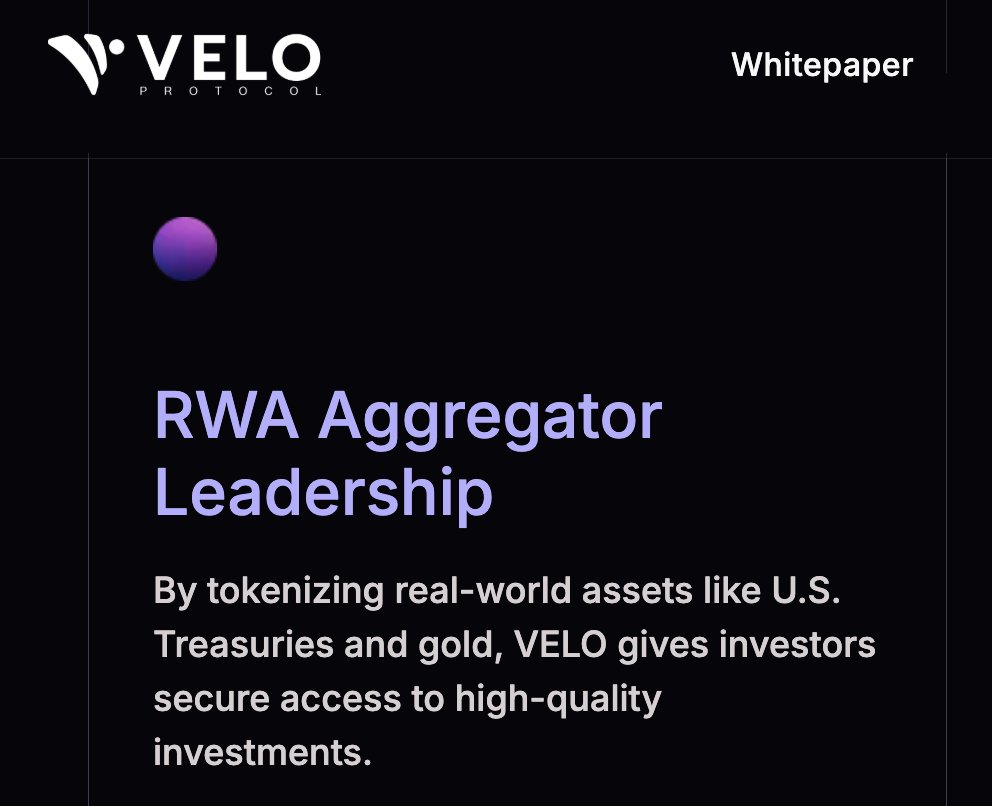
VELO team have recently put together that academic level PayFi whitepaper in which they make the case as to how their system are achieving this vision.
That whitepaper wasn't for you and me. It was for the decision making centers and monetary autorities.
VELO - the level playing field.
Jun 11

5
24
168
9,368

Jun 11
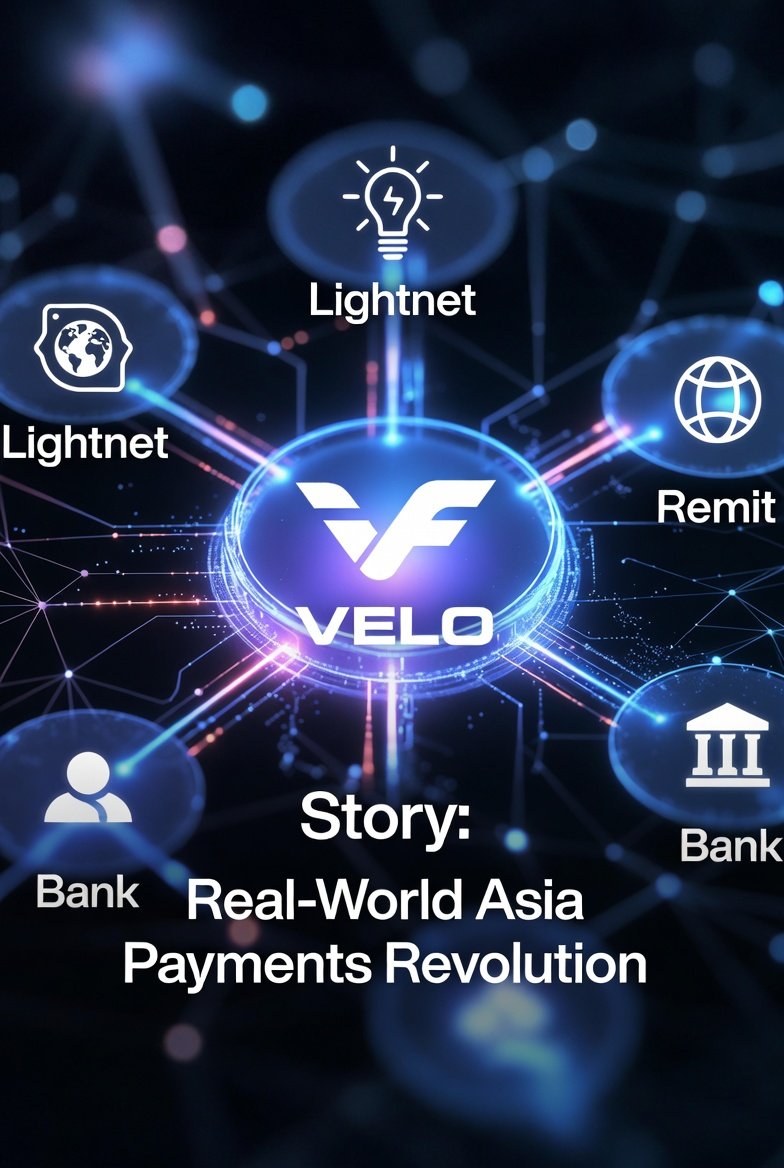
⚡ The $VELO story keeps growing stronger as Lightnet Group, Light Remit, and Velo Protocol team up to build powerful real-world payment infrastructure across Asia.
Their latest partnership with Asia Digital Bank is set to enhance cross-border efficiency and bring practical PayFi solutions to the region and beyond.
With focus on RWAs and seamless rails, this collaboration highlights $VELO’s expanding utility in actual financial transactions.
As Asia embraces these innovations, Velo positions itself as a key player in the future of digital payments and tokenized finance.
What do you see as the biggest opportunity for $VELO in the Asia payments space? Let’s hear it! 🌉
$XRP $XLM $TEL $HBAR $QNT $LINK $ADA $SOL
#VELO #PayFi #CrossBorderPayments #RWAs
1
4
189
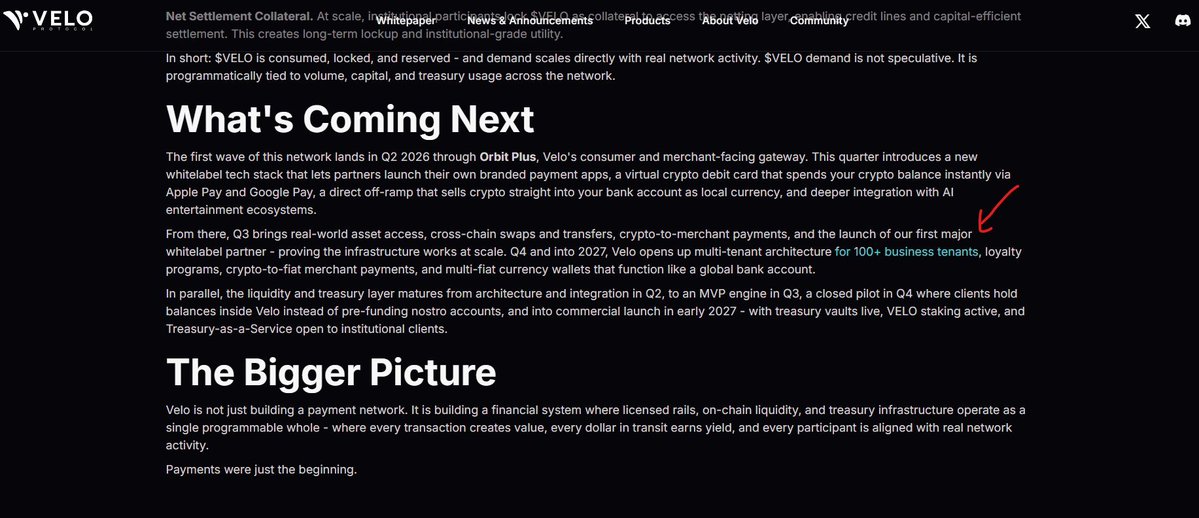
OrbitPlus is not it. OrbitPlus is $VELO's own solution they are releasing on top of THE RAILS.
Remember Q3 we will have white label wallet solutions rolling out with other partners.
OrbitPlus rollout is just an indication of where we are at in the activation campaign.
What matters is the liquidity rails, velo used as collateral and reserves, as per their PayFi.
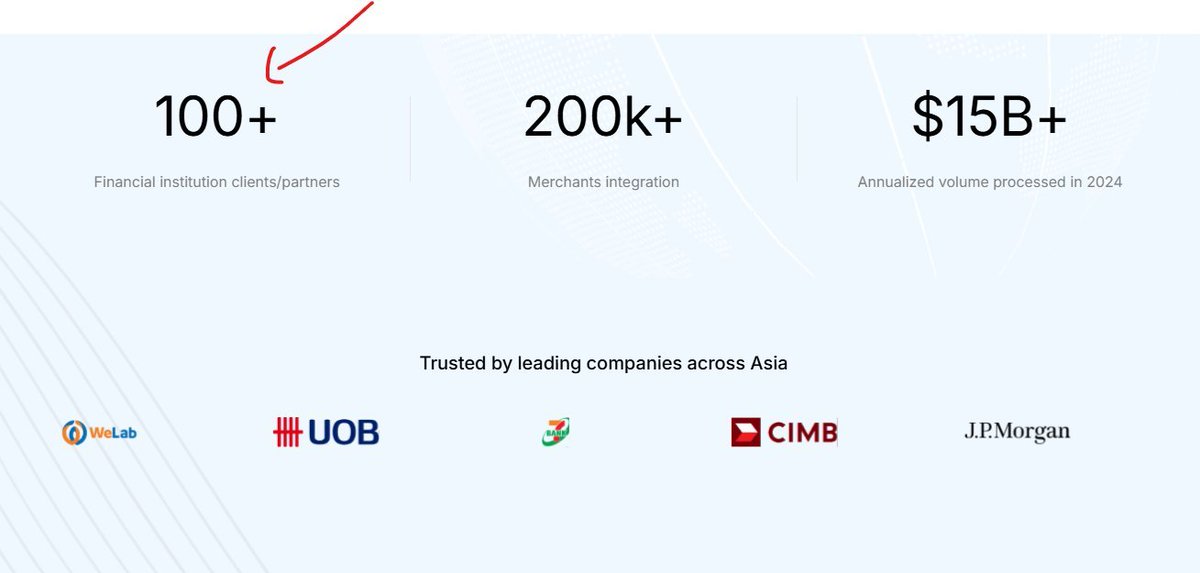
Lightnet say they have 100 institutional partners, a number they also floated in the latest PayFi.
OrbitPlus is one of the whitelabel wallet implementations. Hearsay has it that some big names will also adopt it.
1
7
90
2,824

Jun 6
To further add to this.
One thing I think many people misunderstand about velo:native is that they automatically associate it with Thailand because of the strong connections to Lightnet, SCB, and the wider Thai ecosystem.
In reality, VELO is primarily headquartered and operated out of Singapore, which is widely regarded as one of the world's leading fintech hubs.
Singapore has built a reputation for being highly regulated, business-friendly, and innovation-focused. The regulatory framework is clear, financial standards are high, and companies operating there are generally expected to meet strict compliance, governance, and reporting requirements. It's one of the reasons many fintech, payments, digital asset, and blockchain companies choose Singapore as their regional base.
Compared to many jurisdictions, Singapore has taken a pragmatic approach to financial innovation. Rather than trying to stop fintech and digital assets, regulators have focused on creating clear rules that allow innovation while maintaining strong oversight and investor protections.
That's not a guarantee of success for any project, but it does mean companies operating within Singapore's financial ecosystem are generally held to high standards. For me, that's a positive when looking at long-term fintech and infrastructure plays in Asia.
Thailand may be one of VELO's key markets and partnerships, but Singapore is very much the foundation from which the business has been built.
Jun 6

I might sound biased here, especially living in Southeast Asia, but after being in crypto since 2017 and watching the hacks, rug pulls, politics, infighting, and endless drama, I deliberately wanted exposure to at least one project from this part of the world.
Maybe it's cultural, maybe it's business mindset, but Southeast Asia tends to be more focused on building, partnerships, and execution than winning the social media narrative.
What also stands out to me is the region's fintech growth. Millions of people and businesses are still being brought into the digital economy, cross-border payments remain a huge opportunity, and fintech adoption across the region continues to move at a rapid pace.
That's one of the reasons I made velo:native a significant part of my portfolio. Not because I know the future, but because I like backing projects operating in regions where I can see genuine demand, real-world problems being solved, and long-term growth potential.
Not saying it's better. Just different.
And right now, I find myself sleeping a little easier backing builders over influencers.
6
7
125
4,968

Jun 2
With the recent DTCC 🤝 #Stellar news, I wonder when we can hear more about the “several important initiatives” from the $VELO and Lightnet teams.
Jed McCaleb is their advisor after all.
👀🔥🏇🏻⏱️
Mar 17

Just a quick note from the team.
We remain fully committed and are actively working on several important initiatives behind the scenes. While some things take time, we’re excited to share meaningful progress with you soon.
Thank you for your continued support and patience.
1
1
14
1,050

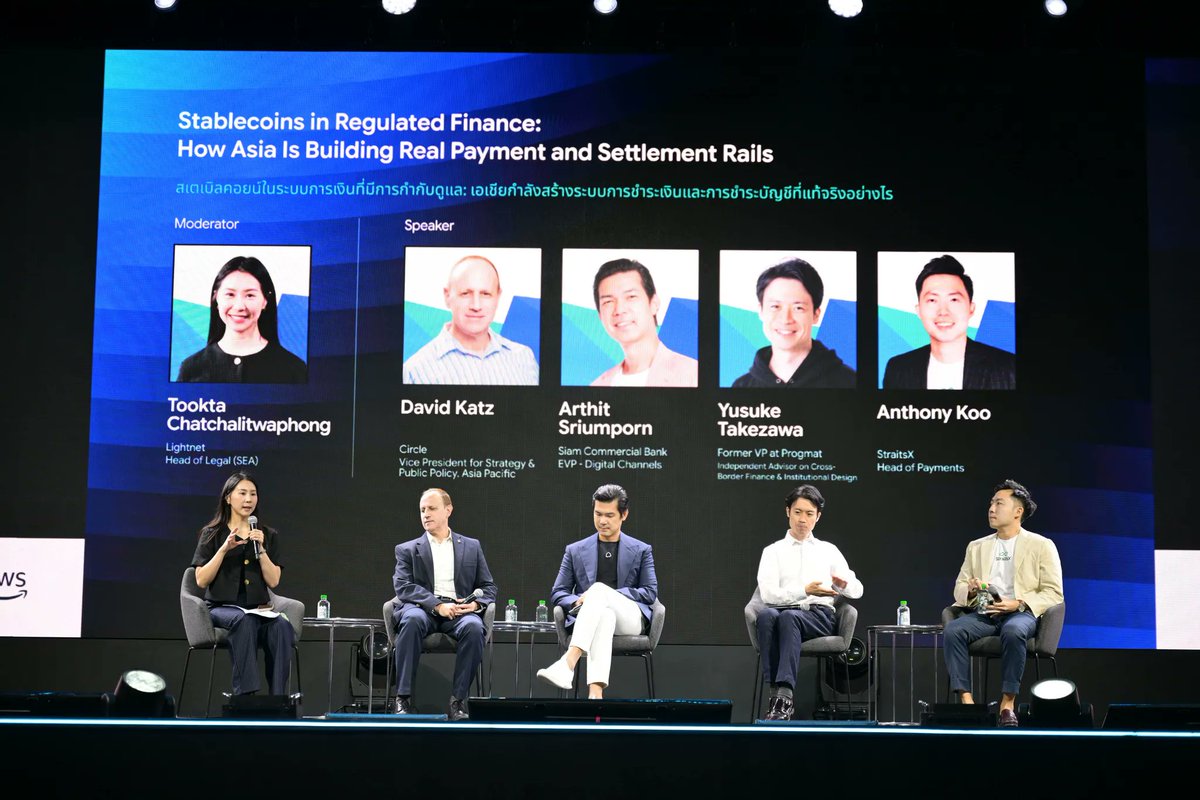
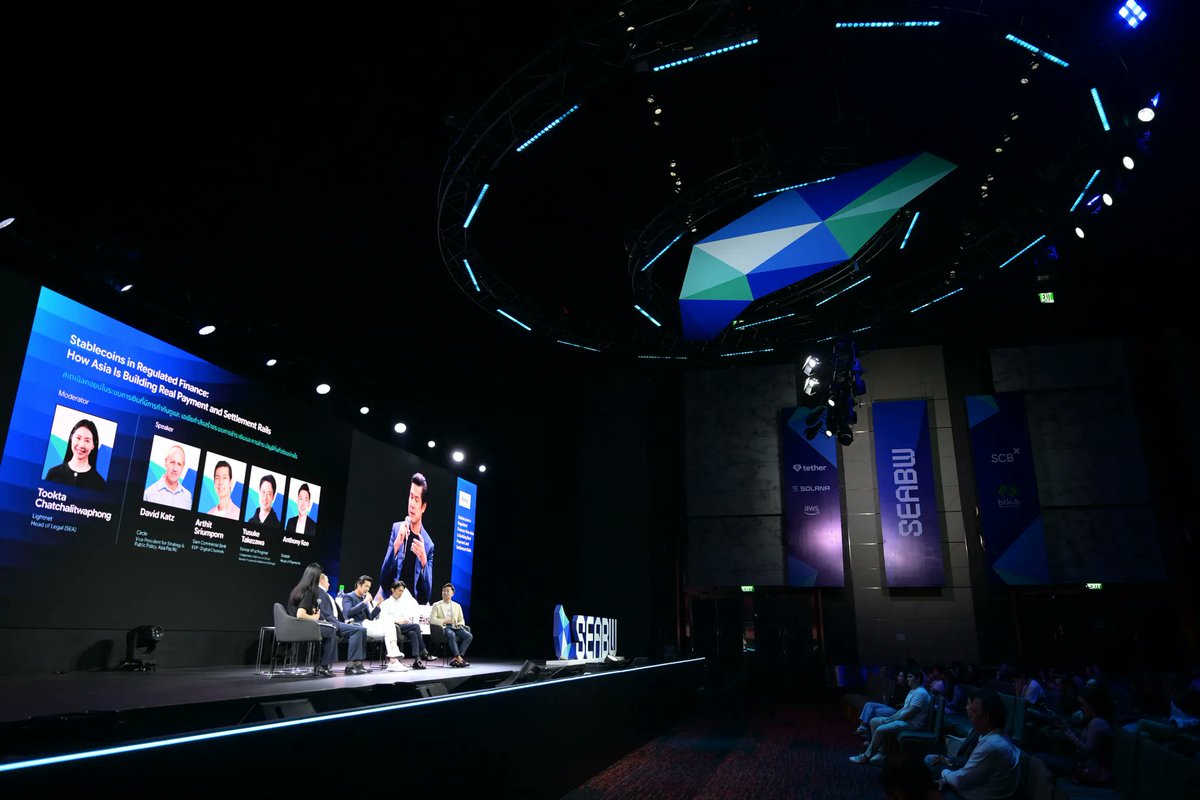
Asia is leading the shift from stablecoin speculation to real-world utility, accounting for around 60% of the $390 billion global payment volume in 2025.
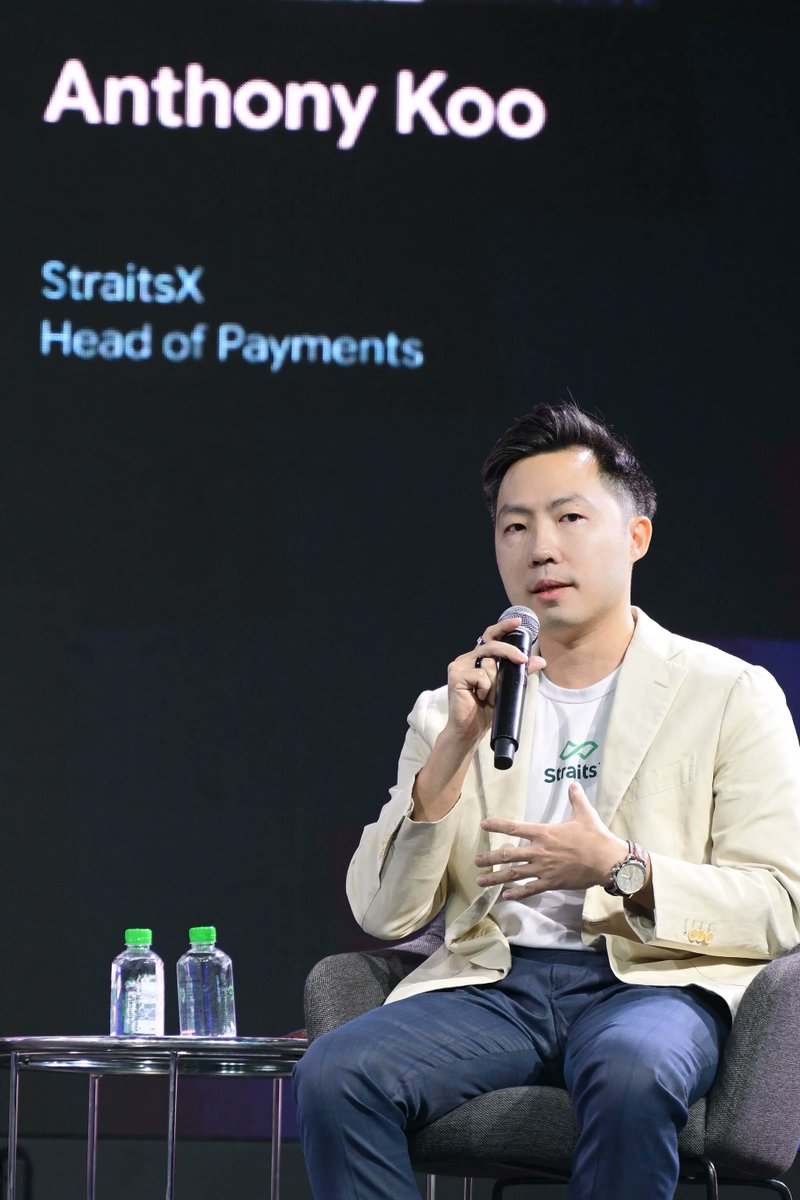
At @SEABWofficial, our Head of Payments, Anthony Koo, joined leaders from @circle , @scbbank, Independent Advisor on Cross-Border Finance, and Lightnet to share how clear regulations give institutions the confidence to bypass traditional financial networks.
By powering invisible settlement layers behind everyday apps and driving a 40x growth in our card transaction volume, we are building the trust enterprises need to transition to a stablecoin-native economy.
Thank you to our moderator & co-panellists for the engaging session!

1
3
540

May 31
kamino 8/10 — dominant solana defi, $2.8B tvl, constant integrations
redstone 7/10 — oracle infra play, recent high profile adds
velo 5/10 — 99% from ath is extreme, jv with lightnet interesting but execution risk
shx 4/10 — payments infra crowded, low volume
1
81