
Ariana Grande closed the night in spectacular fashion at #ESTLosAngeles with a stunning performance of “Supernatural,” leaving the crowd completely captivated.
#ArianaGrande #Supernatural #ESTLosAngeles #LivePerformance #ConcertNight #MusicNews #GossipHerald
15
Madison Beer delivered a captivating live performance of her hit “Reckless,” stepping out in a sleek new gray outfit that highlighted her effortless stage presence and style.
#MadisonBeer #Reckless #LivePerformance #NewMusic #PopStar #ConcertLook #StagePresence #GossipHerald
1
21

54. A Night at the Tokyo Theater: The Magic of Performance
tinyurl.com/bdzzzszz
Spend a night at a Tokyo theater with Kana and experience the magic of performance. This video captures the beauty and emotion of live theater, offering a moment of connection and wonder.
#TokyoTheater #LivePerformance #Kana #TheaterMagic #JapaneseCulture #MindfulMoments #UrbanCulture #PerformanceArt #InspirationalStories #StageVibes
2

That exact sound that gets stuck in your head 🎧🌪️ #newmusic #liveperformance #concertvibes #rapculture #indieartist #aesthetic
1
10
gigifrompennsy🐕🐶🐕🦺 retweeted

May 20
🥀🕊️💗🎶🥀🕊️💗🎶🥀🕊️💗🎶🥀
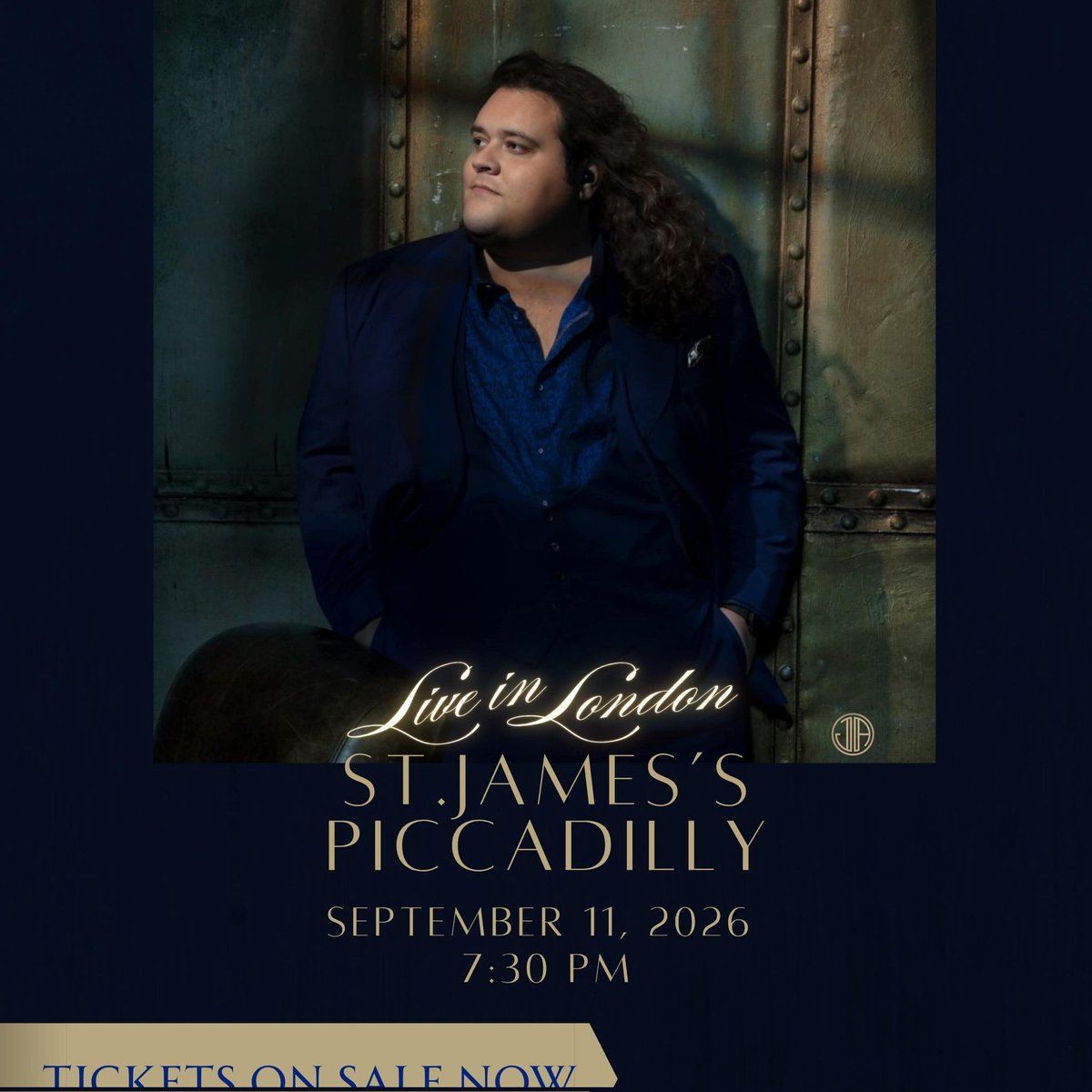
JONATHAN ANTOINE
Renowned #Uk #TENOR
#CONCERT #LivePerformance
FRI #SEPTEMBER 11 '26
730pm StJamesChurch
Picadilly #London #England
#Entertainment #Britain
#TICKETS OnSaleNow 👇🏼
eventbrite.co.uk/e/jonathan-…
#CelebrityNews #MusicNews

Another little thank you for enjoying “Speaking To You” so readily and enthusiastically! Here’s a snippet of video of The Impossible Dream for you to peek at. (Have you heard my version of this yet?)
slinky.to/SpeakingToYou
2
10
8
762
groovyjoan✌️ retweeted

🥀🕊️❤️🔥🎶🥀🕊️❤️🔥🎶🥀🕊️❤️🔥🎶🥀
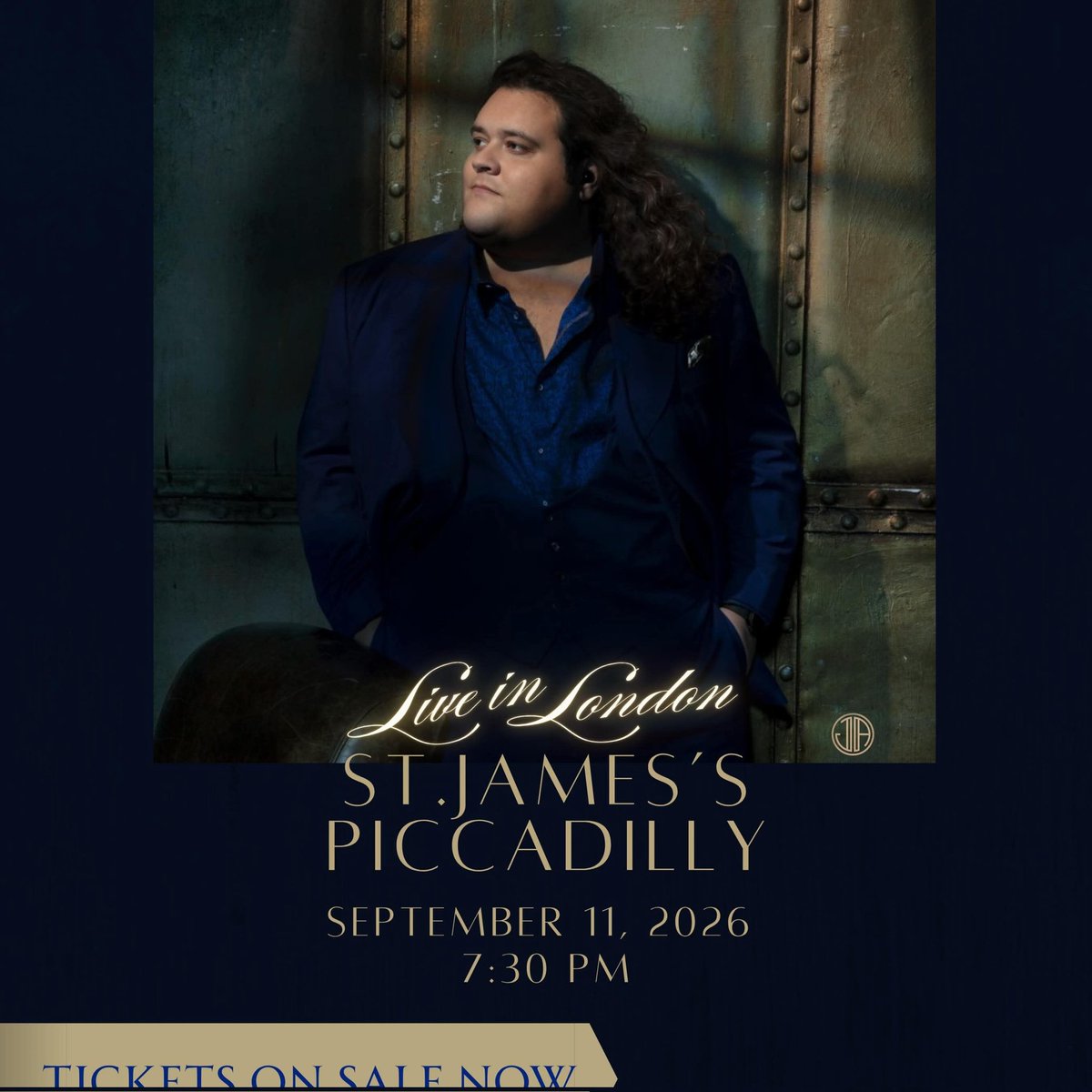
👑JONATHAN ANTOINE👑
Renowned #Uk #TENOR
#CONCERT #LivePerformance
FRI #SEPTEMBER 11'26
730pm StJamesChurch
Picadilly #London #England
#Entertainment #Britain
#TICKETS OnSaleNow 👇🏼
eventbrite.co.uk/e/jonathan-…
#CelebrityNews #MusicNews
Another little thank you for enjoying “Speaking To You” so readily and enthusiastically! Here’s a snippet of video of The Impossible Dream for you to peek at. (Have you heard my version of this yet?)
slinky.to/SpeakingToYou
1
8
9
519

One question I get asked from time to time is, "Why do you use tracks when you perform?"
The simple answer is: because I want to present the songs the way they were created.
When you spend tens of thousands of dollars recording an album with world-class musicians, producers, and engineers, you want people to experience those songs as close as possible to what they hear on the recording.
Could I play completely without tracks? Absolutely. In fact, some shows are just me and an acoustic guitar. But tracks help fill in the gaps when you don't have a full band available, and let's be honest—finding musicians who are available, committed, and able to travel isn't always easy.
For independent artists, tracks aren't about "faking it." They're a tool that allows us to bring strings, keyboards, percussion, background vocals, and other elements of a song to the stage that would otherwise require several additional musicians.
I'd love to tour with the exact players who recorded these songs, but that's simply not realistic. The musicians who played on my upcoming album are among the best in the business, and there just aren't many players of that caliber available in my area.
At the end of the day, my goal is simple: to give the audience the best experience possible and present the music the way it was intended to be heard.
What are your thoughts on tracks in live music?
#HowardGripp #LiveMusic #IndependentArtist #MusicLife #LivePerformance #OriginalMusic #MusiciansLife #BehindTheMusic #SingerSongwriter #WelcomeToYourLife See less
1
21

Nobody owns a stage like Shakira #Shakira #CelebReacts #LivePerformance ... youtube.com/shorts/vpRbJtCCI… via @YouTube
57

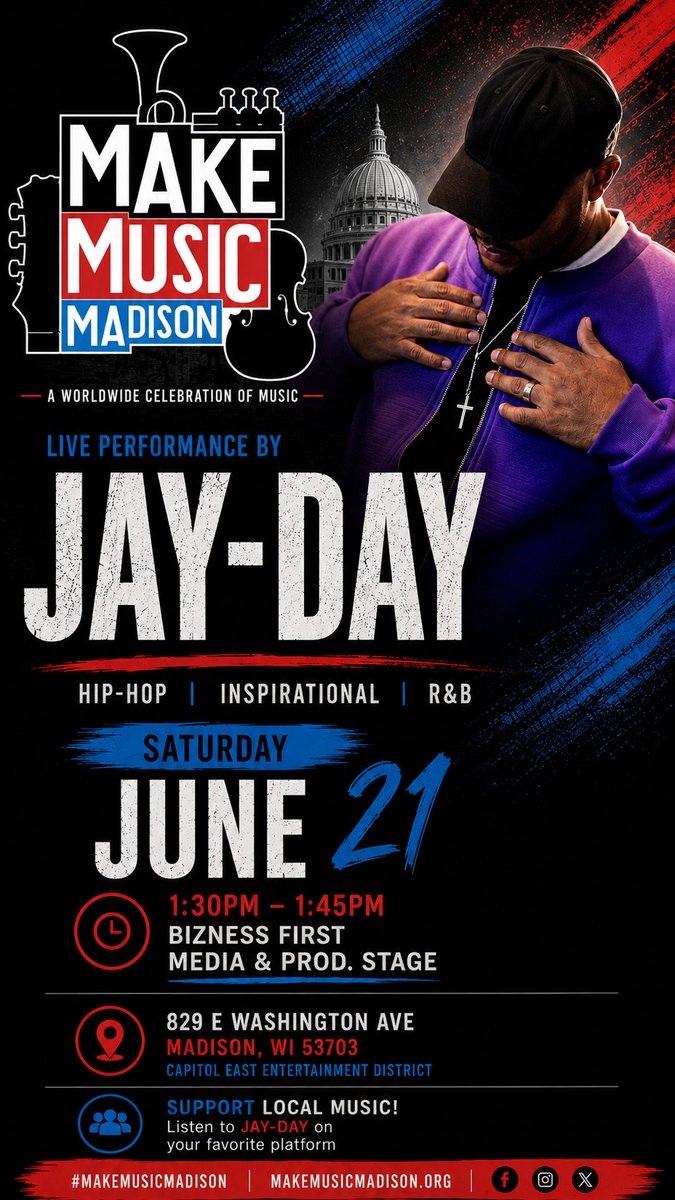
Madison, I'm coming. 🎤🔥 See you June 21 at Make Music Madison.
#MakeMusicMadison
#IndependentArtist
#LivePerformance
1
1
16

Sade performing “Smooth Operator” live in 1985, Spain #liveperformance #... youtube.com/shorts/vc3J0LlVW… via @YouTube
1
21

Ready for the Rejoice Concert Summer Tour tonight in Dallas, TX🎤🎵
#ThePrincessofPraise
#liveperformance
#summervıbes
#concerttour
#fashionista

5

Turns out the fastest way to get me home is to blow my own trumpet 🎺🤣 Live clip from a fun moment that had everyone smiling! #LiveMusic #Trumpet #MusicLife #Brass #LivePerformance
2
2
13

[Video] The moment he opened his mouth, everyone knew. That’s Daniel Powter singing his absolute classic "Bad Day" on Canada’s Got Talent! 🔥🎤 #CanadasGotTalent #DanielPowter #BadDay #LivePerformance #SurpriseAudition #GotTalent
share.newsbreak.com/ipv81ixy
1

Mariah the Scientist delivered a live performance of “Burning Blue” during her concert in Jacksonville, featuring choreography and dancers.
VIA @MTSnews
#MariahTheScientist #BurningBlue #LivePerformance #JacksonvilleConcert #ConcertNight #Trendingnow #fyp #HungamaExpress
47
A$AP Rocky stepped off the stage and into the crowd during his Charlotte concert at Spectrum Center, creating a high-energy moment as fans surrounded him during the live show
#ASAPRocky #CharlotteConcert #SpectrumCenter #LivePerformance #Trendingnow #fyp #HungamaExpress
51

Berikut penampilan Pamungkas membuka tur album "Cha La La Love" H3F malam tadi di Teater Salihara.
#pamungkas #liveperformance #h3f #chalalalove
1
24

Jessie Reyez and Elyanna perform Illuminate at FIFA World Cup 2026 Opening Match in Canada!
#WorldCup #JessieReyez #Elyanna #Illuminate #Canada #OpeningMatch #LivePerformance #Football #Soccer

119
North West made her solo debut at Summer Smash 2026, performing “TALKING” live at Lyrical Lemonade festival stage.
#NorthWest #SummerSmash #LyricalLemonade #LivePerformance #MusicDebut #gossipherald
206
jonghyun🌙love you retweeted

3
24
391

youtube.com/shorts/QmW9Sn3Rq…
#PerformanceandMusicians
#LivePerformance
#MusicianJourney
#musicperformance
#ArtistLife
#Reels
#TikTok
#Music
Jmarshall "Even tomorrow"
More songs : on Spotify Applemusic Amazonmusic Pandora Youtubemusic Tidal...and more
Featuring : "Love can grow in all of us"
Like, share, and comments....appreciated
4
1
53