
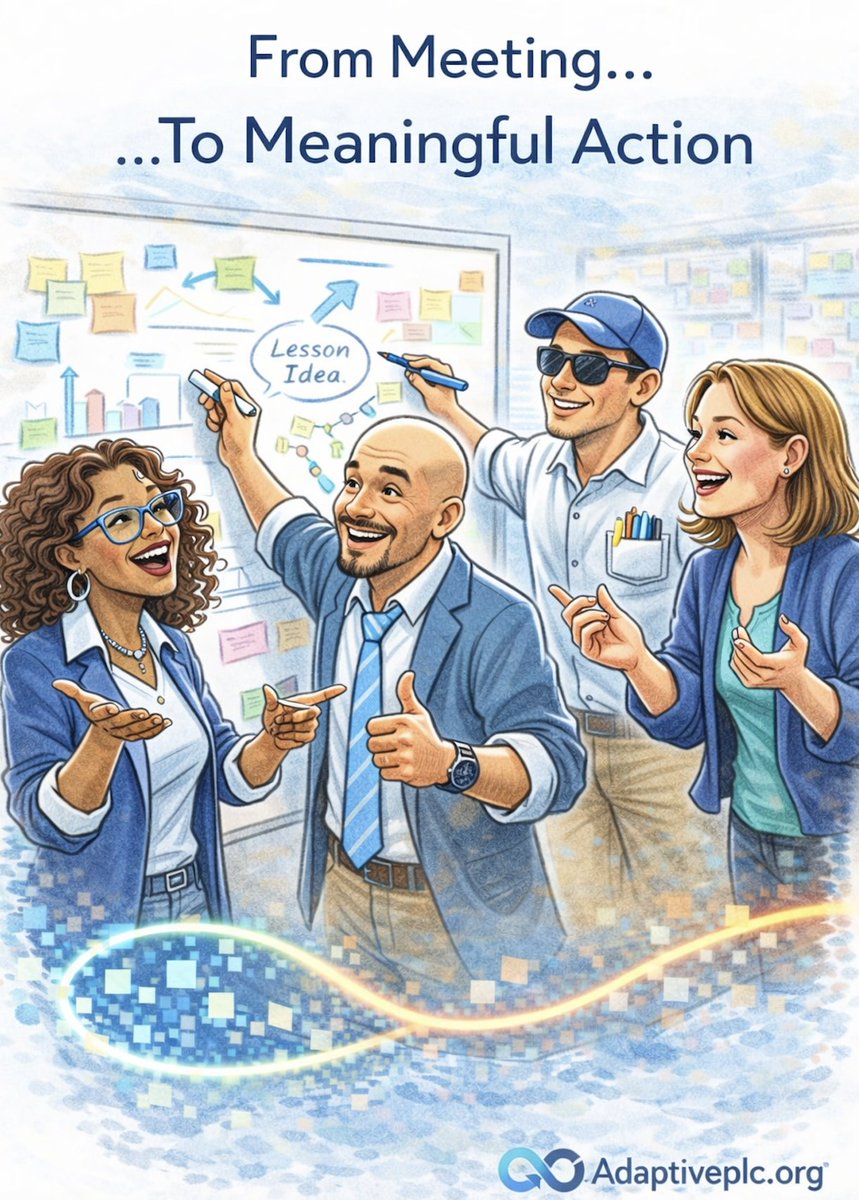
I’ve been working with a PLC team that recently made a simple but powerful shift. Instead of organizing their time around discussion and planning, they built a digital backlog for standards unpacking and curriculum alignment.
At first glance, it looked like just a tool change. In reality, it changed everything.
Traditionally, PLCs are designed for collaboration, which is important, but too often that collaboration stays in conversation. Teams analyze standards, review data, and talk through possibilities. The work feels productive, but a week later, classroom practice often looks the same.
This team decided to do something different.
⚡ A Bias Toward Action
Using a digital backlog, the team made their work visible and prioritized. Instead of asking, “What should we talk about today?” they asked:
👉 “What is the next smallest thing we can try with students?”
Each backlog item represented real work:
✅Unpacking a priority standard
✅Designing a quick instructional strategy
✅Testing it in the classroom
✅Bringing back evidence of student learning
This created a bias toward action, where the team moved quickly from planning to doing and then learned through iteration.
The result was clear. They got to the “good stuff” faster.
Instead of spending weeks perfecting pacing guides or debating instructional approaches, they were trying ideas with students within days.
💡 The Ah-Ha Moments
The biggest shifts were not just in productivity. They were in clarity.
As the team worked through the backlog, several ah-ha moments emerged:
✅Standards actually mean different things across grade levels
✅What one teacher viewed as mastery did not match what the next grade expected
✅Curriculum gaps became visible quickly through student work
✅Instruction improved in real time because teachers adjusted week to week
🔗 Vertical Alignment That Actually Happens
One of the most powerful outcomes was authentic vertical alignment.
Because the backlog made learning visible and iterative, teams across grade levels could:
✅See how standards progressed
✅Align expectations with real evidence
✅Build on each other’s work instead of starting over
This is what PLCs were always intended to do. It creates shared responsibility for student learning. It only happens when teams are structured to learn from action, not just plan together.
⏱️ Making the Most of Limited Time
PLC time is limited. When that time is filled with agendas, documentation, and extended discussion, the opportunity cost is high. When teams are structured around visible work, small experiments, and rapid reflection, that same time becomes powerful.
Instead of asking, “Did we meet?”
Teams begin asking:
👉 “What did we learn, and how did it impact students?”
🕵️♀️ Explore the Adaptive PLC approach and get the free guide:
adaptiveplc.org/
@agileschools @AgileClassrooms #AdaptivePLC #AgileInEducation #TeacherCollaboration #ContinuousImprovement #MakeLearningVisible
2
2
30
2,305

1 May 2024
In this episode, host Kelly Driscoll and Amy Urbanus (@uaanchorage) discuss using ePortfolios in an academic program & how it has helped with accreditation process.
Watch episode: youtu.be/X-CY6qOhmbE
#Dietetics #Nutrition #HigherEd #MakeLearningVisible

2
2
66
18 Oct 2023
In this episode, we discuss the #ePortfolio as a student advocacy tool.
We'll explore each step, from defining your end goals to embracing adaptability and resilience.
Watch Now: youtu.be/rT9zXbLtiU4
#CareerJourney #MakeLearningVisible

ALT Abiodun Durojaye on Digication Scholars Conversations
2
2
83

19 Sep 2023
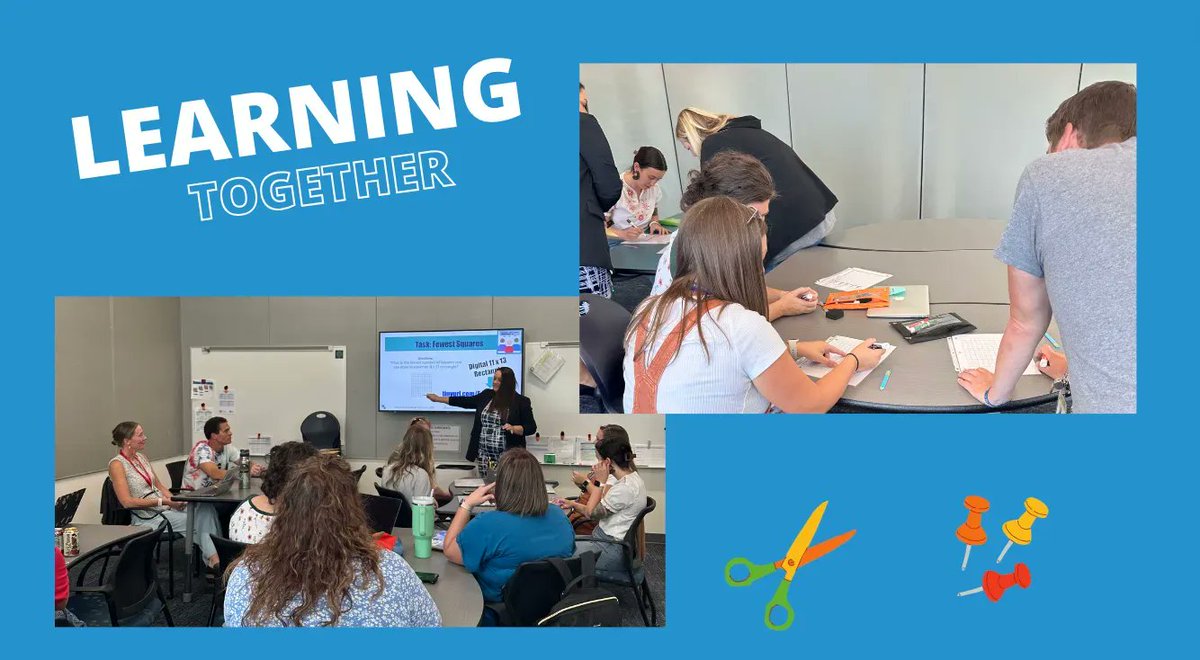
Check out our Elementary SALTA teachers learning together! They are diving deep into strategies for boosting student discourse through rich math tasks and the power of TeachFX.
#MathEducation #TeachFX #MakeLearningVisible #WeAreCanyons #CSDisthePlacetoBe
1
1
182

12 Jul 2023
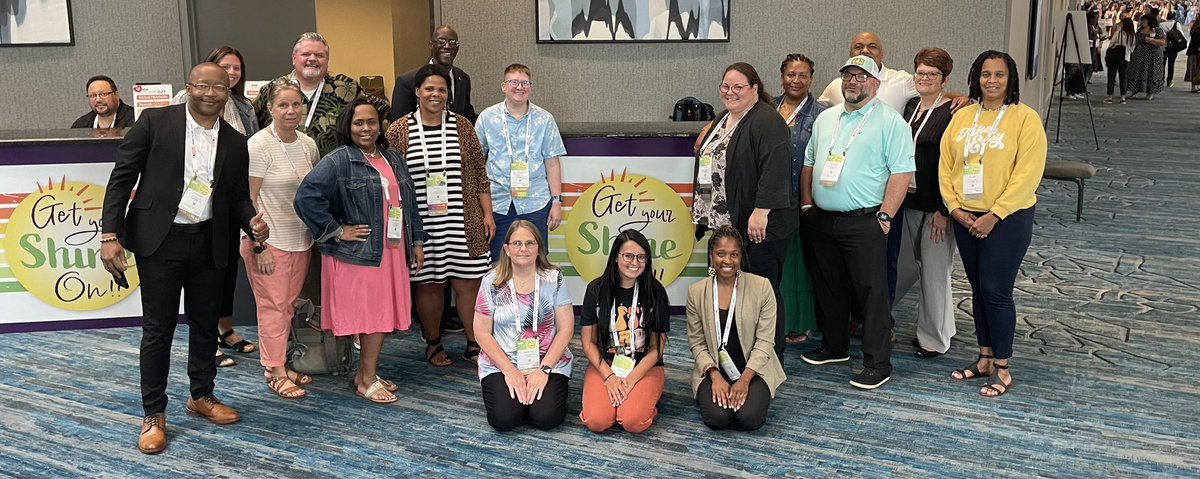
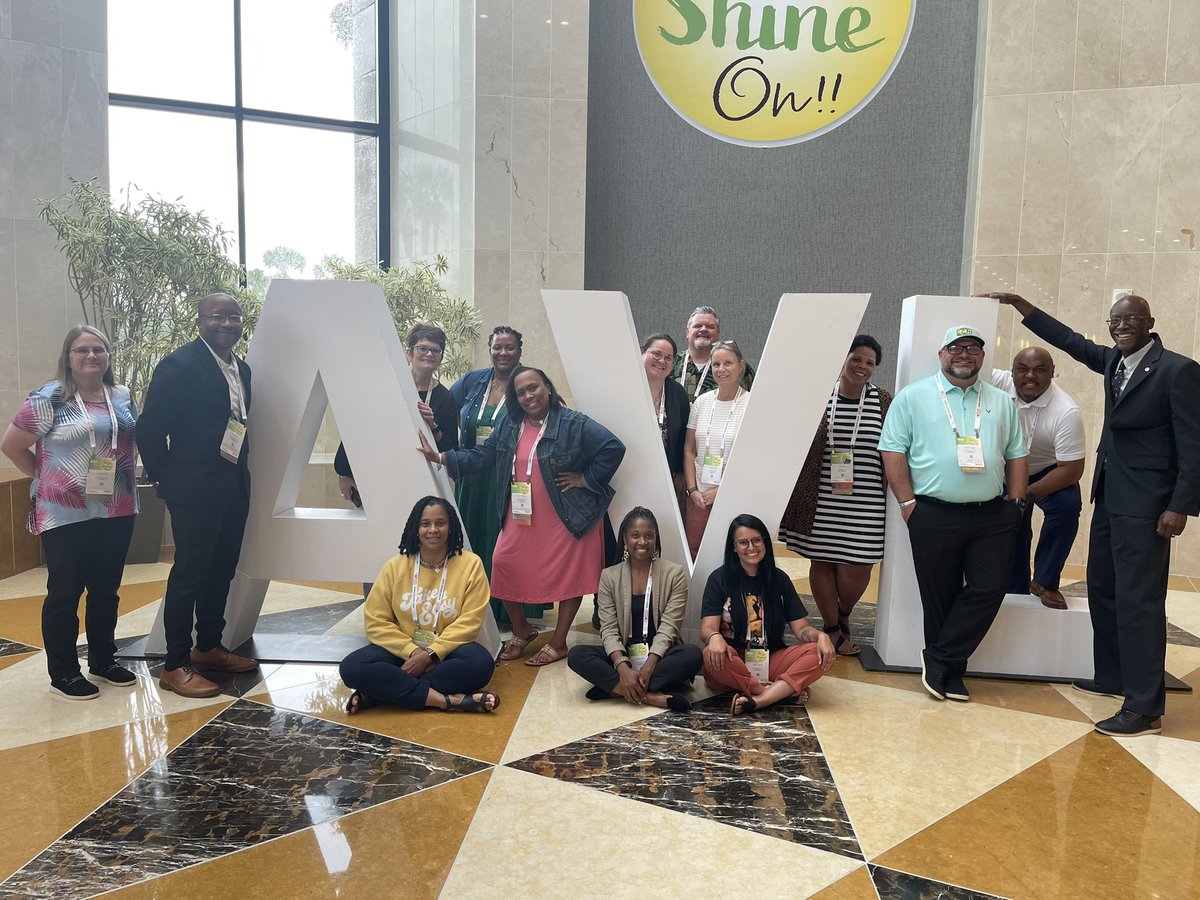
What does dedication look like? It looks like a team of educators spending two days with the experts at #AVL2023 learning how to best cause learning in students of all ages! @Din_CoSchools #deeprootsgreatheights #MakeLearningVisible #KnowThyImpact
3
13
759
30 May 2023
Elize Hellam, #ExperientialLearning Program Manager for Research & Technology, @univpugetsound, talks, extensively, about reflective and experiential learning.
Stay tuned for something special!
For other outstanding conversations: youtube.com/@digication_com
#MakeLearningVisible
1
2
125
23 May 2023
There you go - A few pointers on the best ways to showcase your #nursingportfolio.
Visit youtu.be/WPROXGxssZ4 to catch up on the rest of the conversation.
#ePortfolio #MakeLearningVisible #DigicationScholars #NursingEportfolio
1
2
109
17 May 2023
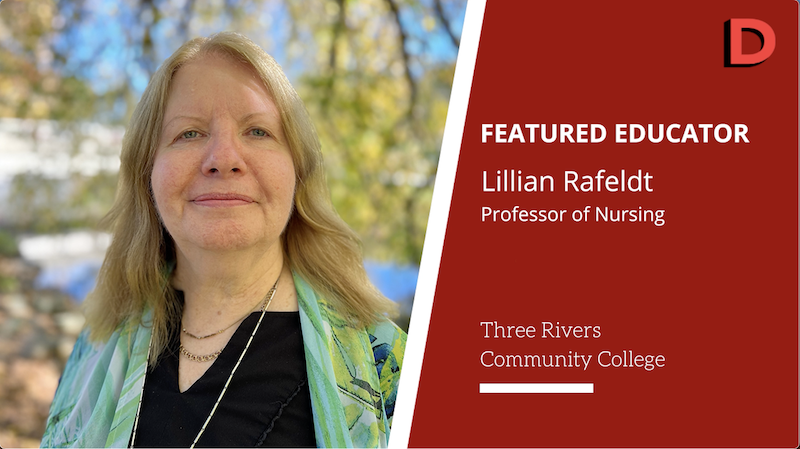
You wouldn't want to miss the concluding part of our conversation with Lillian Rafeldt of @3RiversCC.
It's a tell-it-all tête-à-tête about the importance of the ePortfolio in #NursingEducation.
Watch Now: buff.ly/41IUEvN
#NusingEportfolio #MakeLearningVisible
1
2
94
10 May 2023
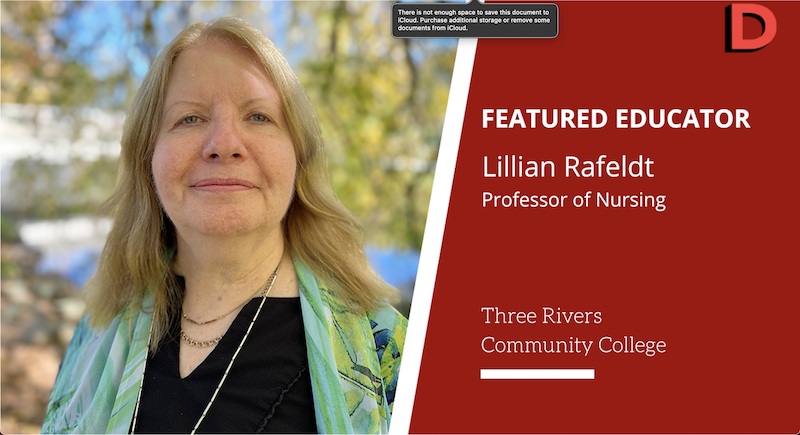
In this episode, Lillian Rafeldt discusses implementing ePortfolios in nursing, #digitalethics, and the evolution of the #eportfolio. Our amiable guest is a Professor of Nursing @3RiversCC.
Watch the conversation: youtu.be/KdDuiG_1u-I
#NursingEportfolio #MakeLearningVisible
3
4
159

22 Mar 2023
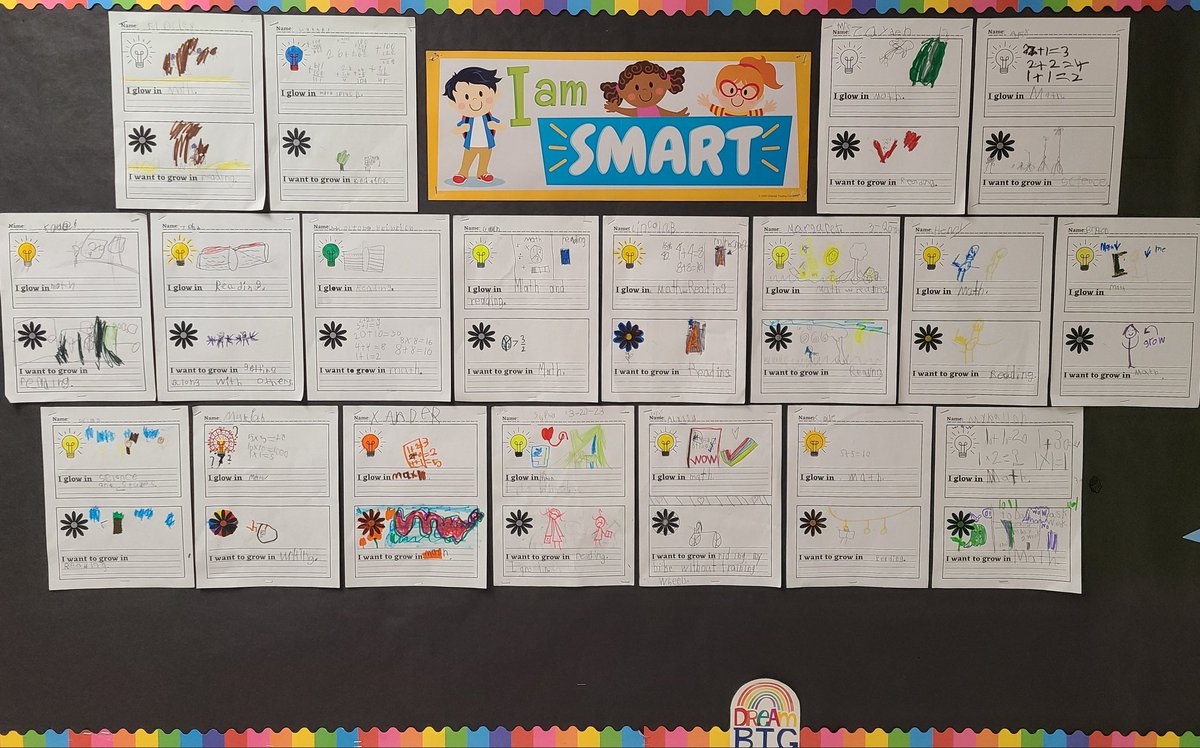
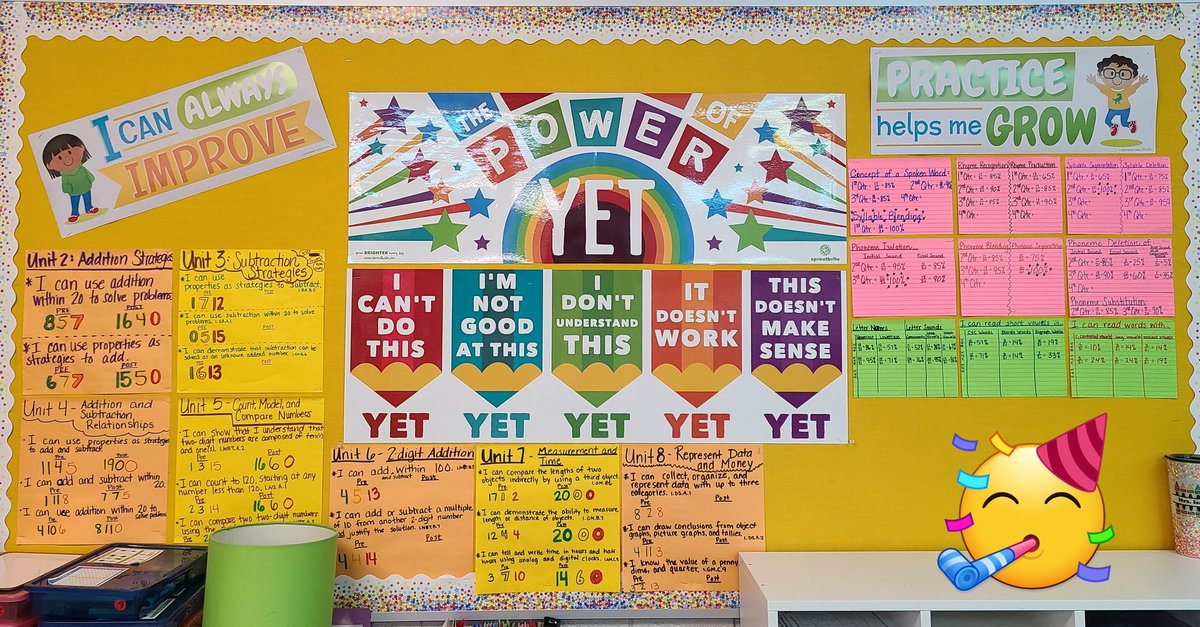
We are blooming in first grade! I'm so proud of these little learners. Lots of progress made and more to come! Let's go! #datadriven #goals #makelearningvisible #jcscougars @Callawaycougars @JCSchools_
6
146

7 Jan 2023
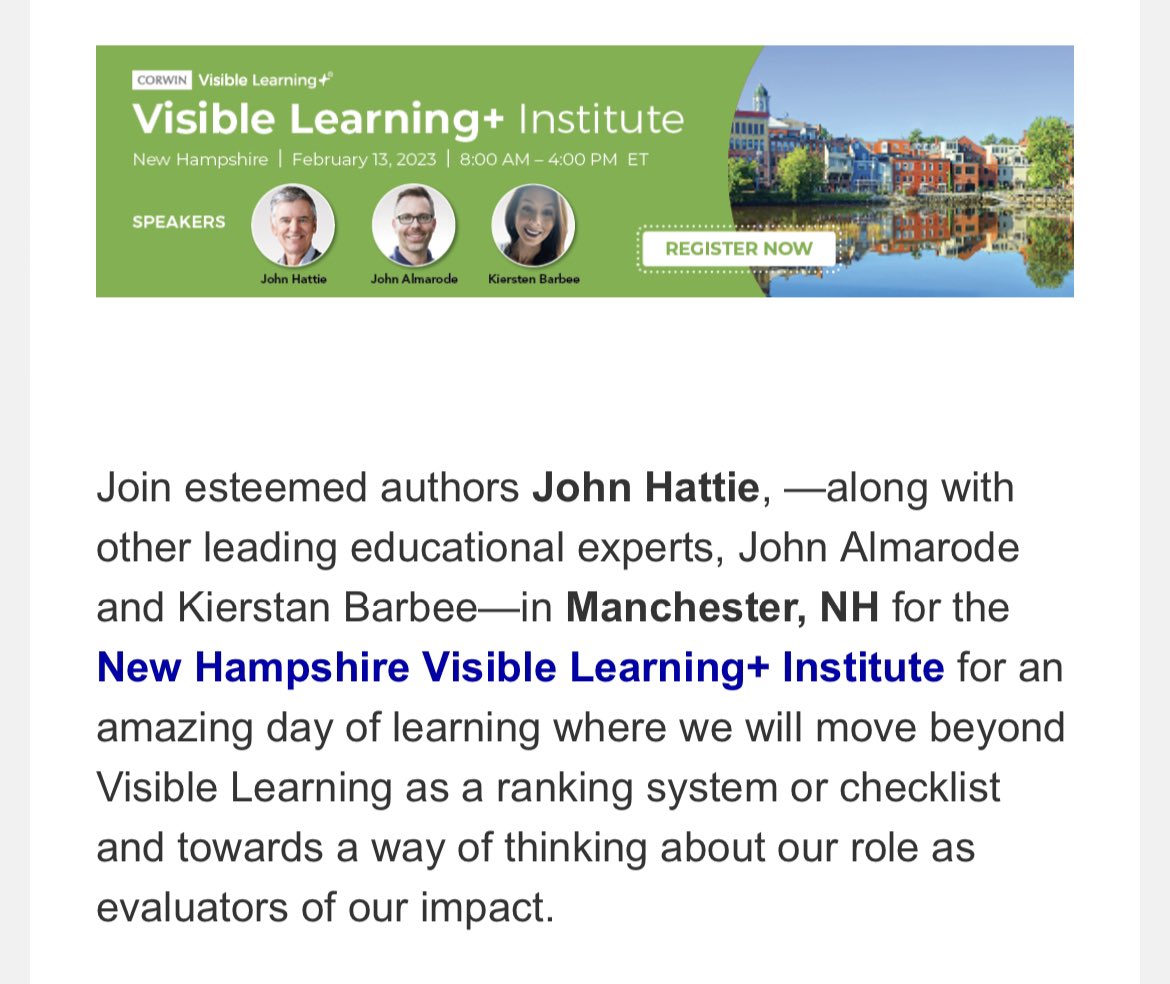
Well. This is happening! I could not possibly be more thrilled to present alongside these two brilliant minds and share the stage with THE @jtalmarode! @CorwinPress @VisibleLearning #makelearningvisible
8
2
26
1,806

9 Dec 2022
Your students are amazing mathematicians! Who wouldn’t love showing their thinking by writing on desks!?! #cgimath #studentengagement #makelearningvisible
4

22 Nov 2022
Looking forward to this great new episode of Digication Scholars Conversations coming up this Wednesday! 🤩 So grateful for the ePortfolio community I get to work with!
#REFLECTION #reflectivelearning #writing #highered #makelearningvisible #eportfolio #grateful #GivingThanks
21 Nov 2022

In this conversation with Kelly Driscoll, Sarah Zurhellen talks about seeing "reflection as central to #learning — not as an add-on, not as busy work."
Want to dive deeper and hear more? Follow #Digication & set a reminder for Wednesday, when the new episode drops. #writing
3

2 Nov 2022
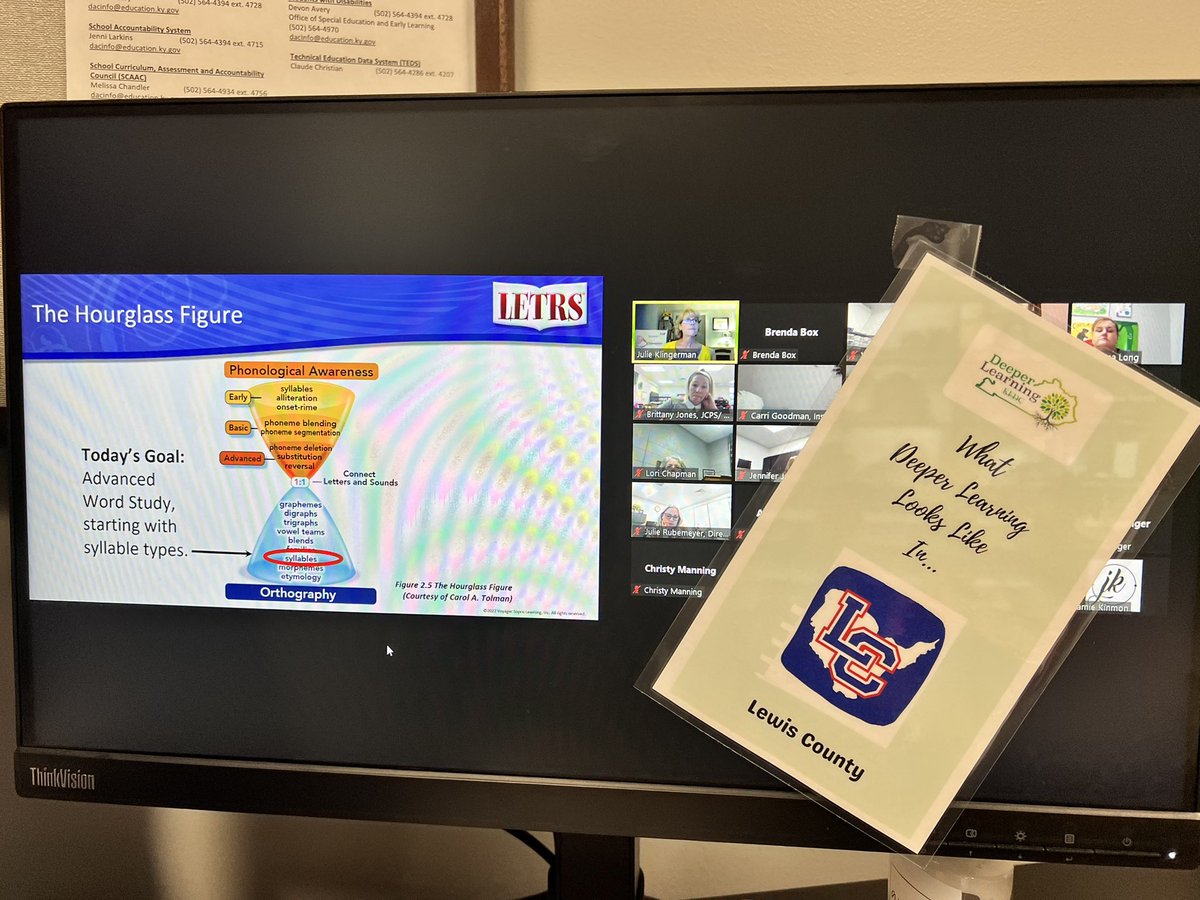
This is what Deeper Learning looks like in Lewis County. LETRS Training for administrators. @KEDCCRRSADL @JWeddingtonLC #deeperlearning #makelearningvisible
2
4


28 Oct 2022
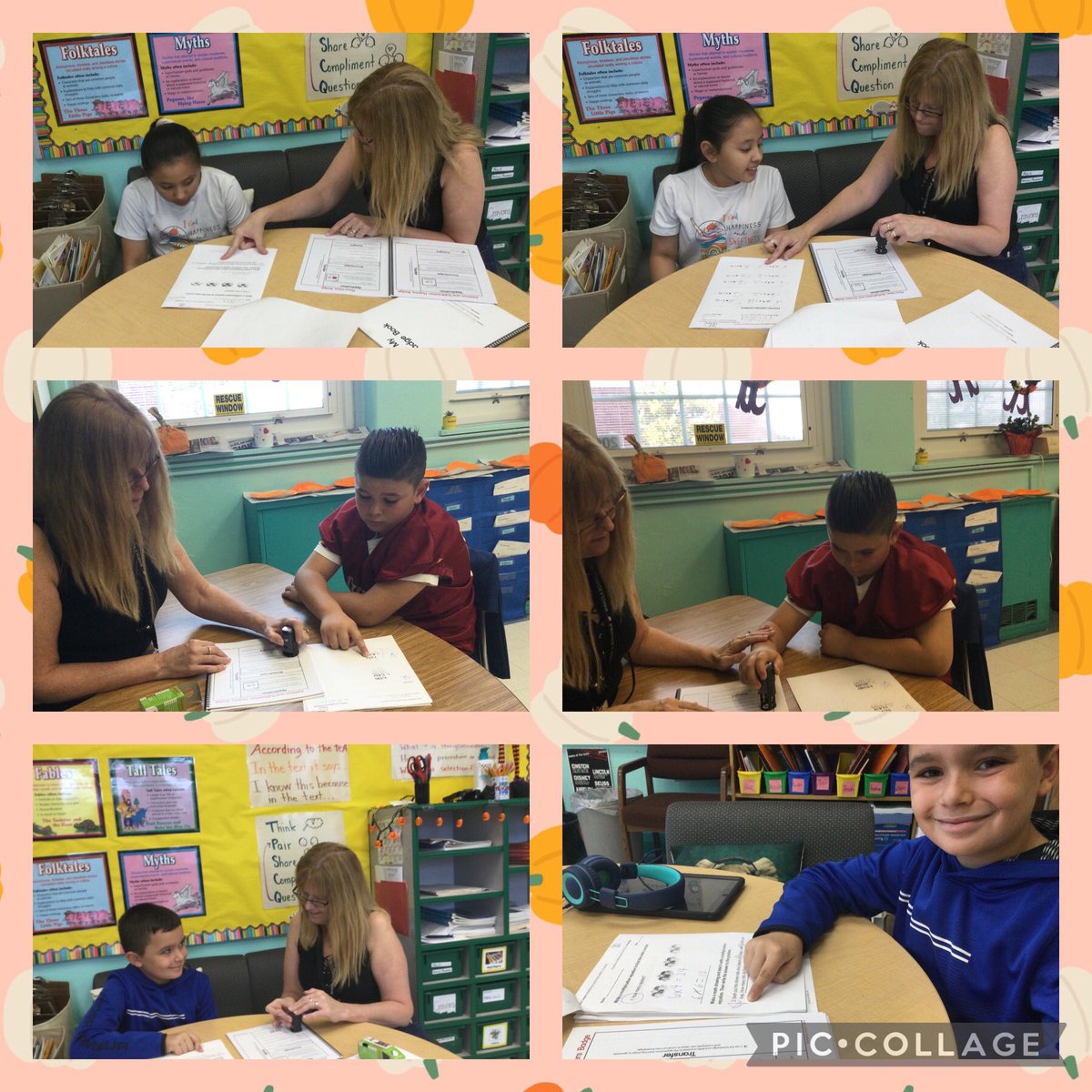
Today, the amazing learners in room 209 @Jackson_Ave assessed progress by looking at their work, stamping the proficiency scales in their badge books, and discussing how to keep improving! #MineolaProud #MineolaGrows #JABrave #MakeLearningVisible
1
10
27 Oct 2022
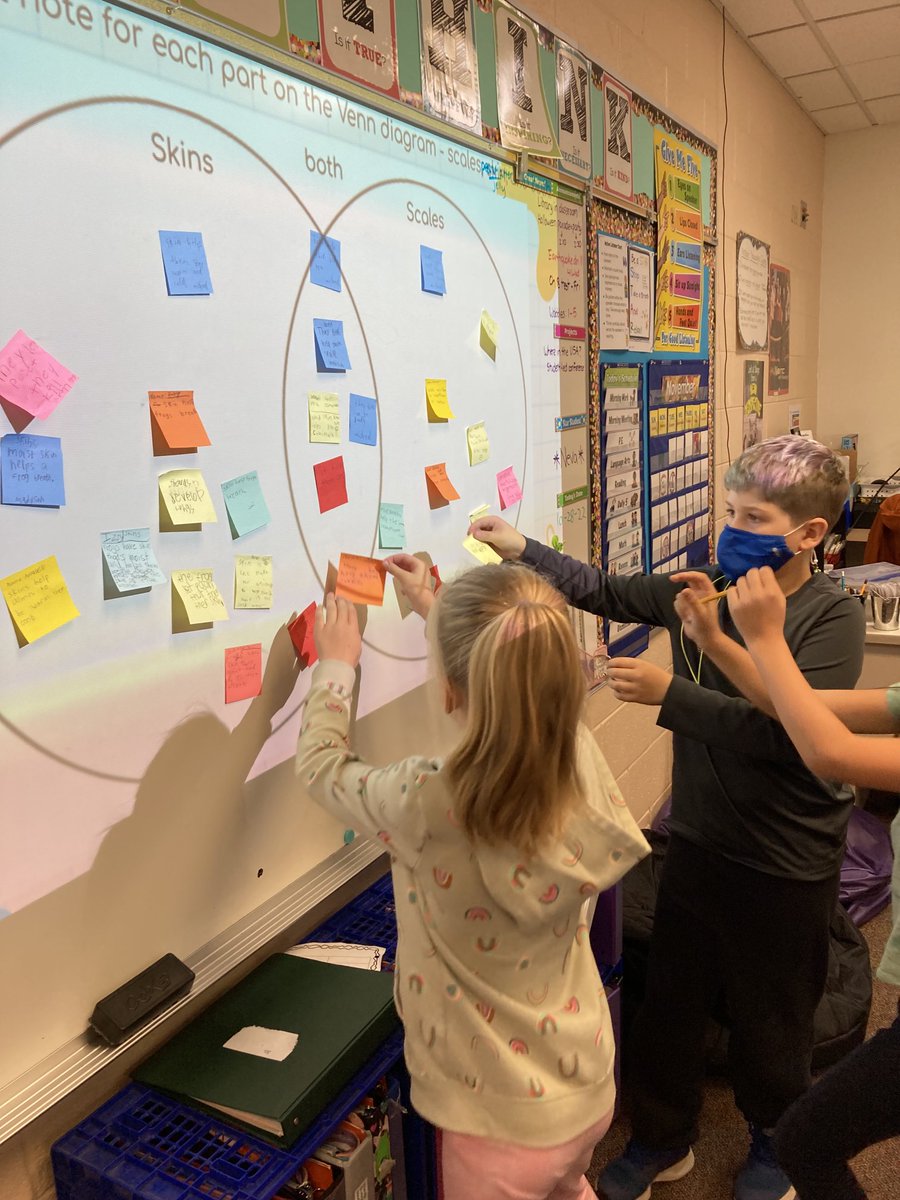
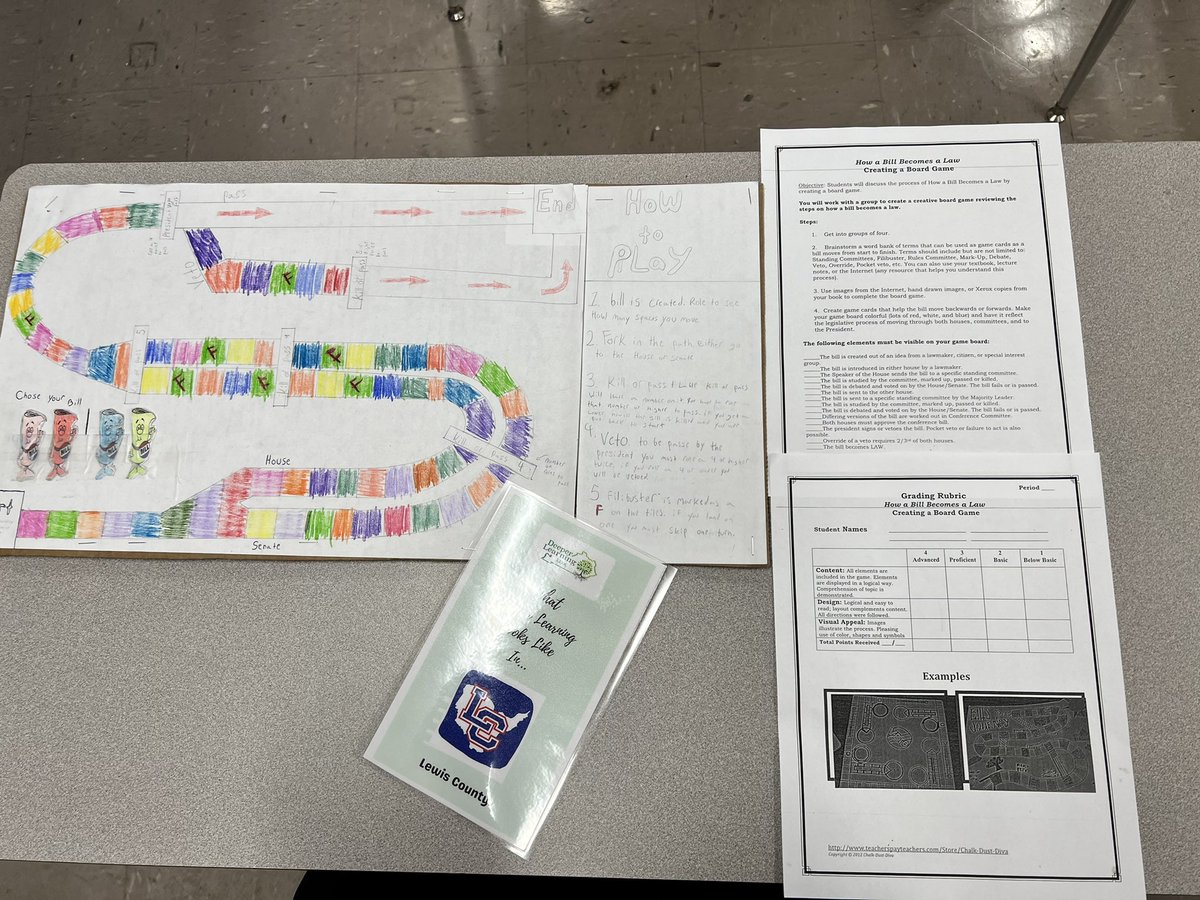
What Deeper Learning looks like at Lewis County High School. HS.C.PR1 Analyze the role of the three branches of government in the lawmaking process.
@KEDCCRRSADL @jacklykins @JWeddingtonLC #deeperlearning #makelearningvisible
2
6

27 Oct 2022
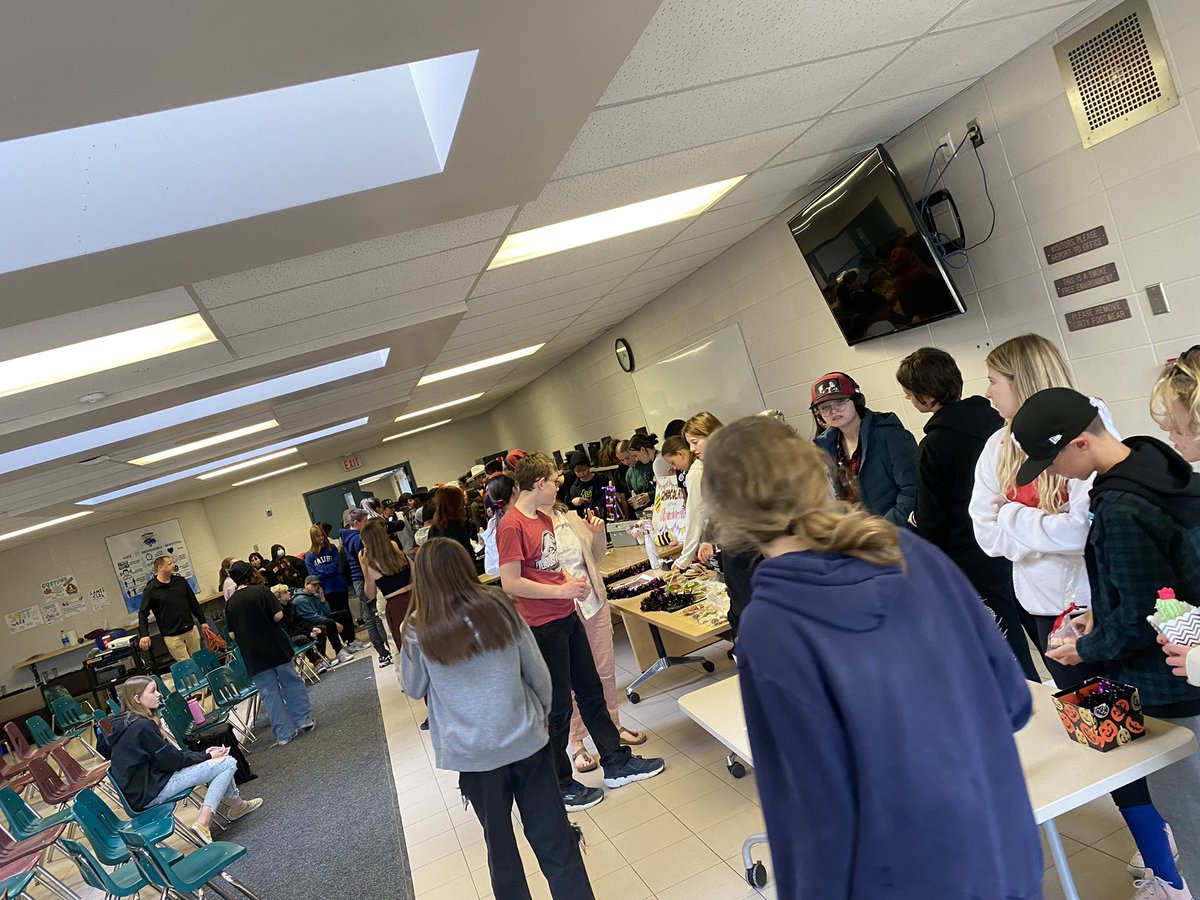
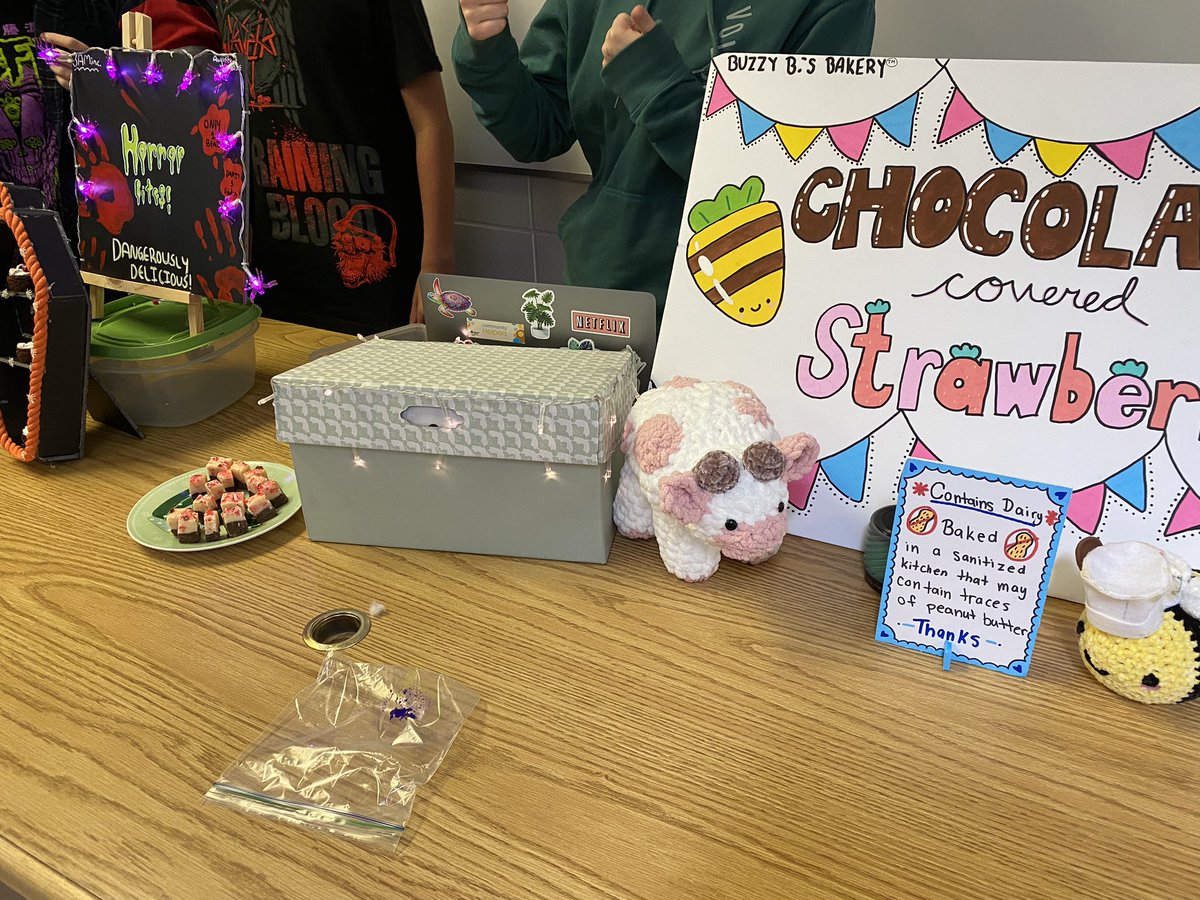
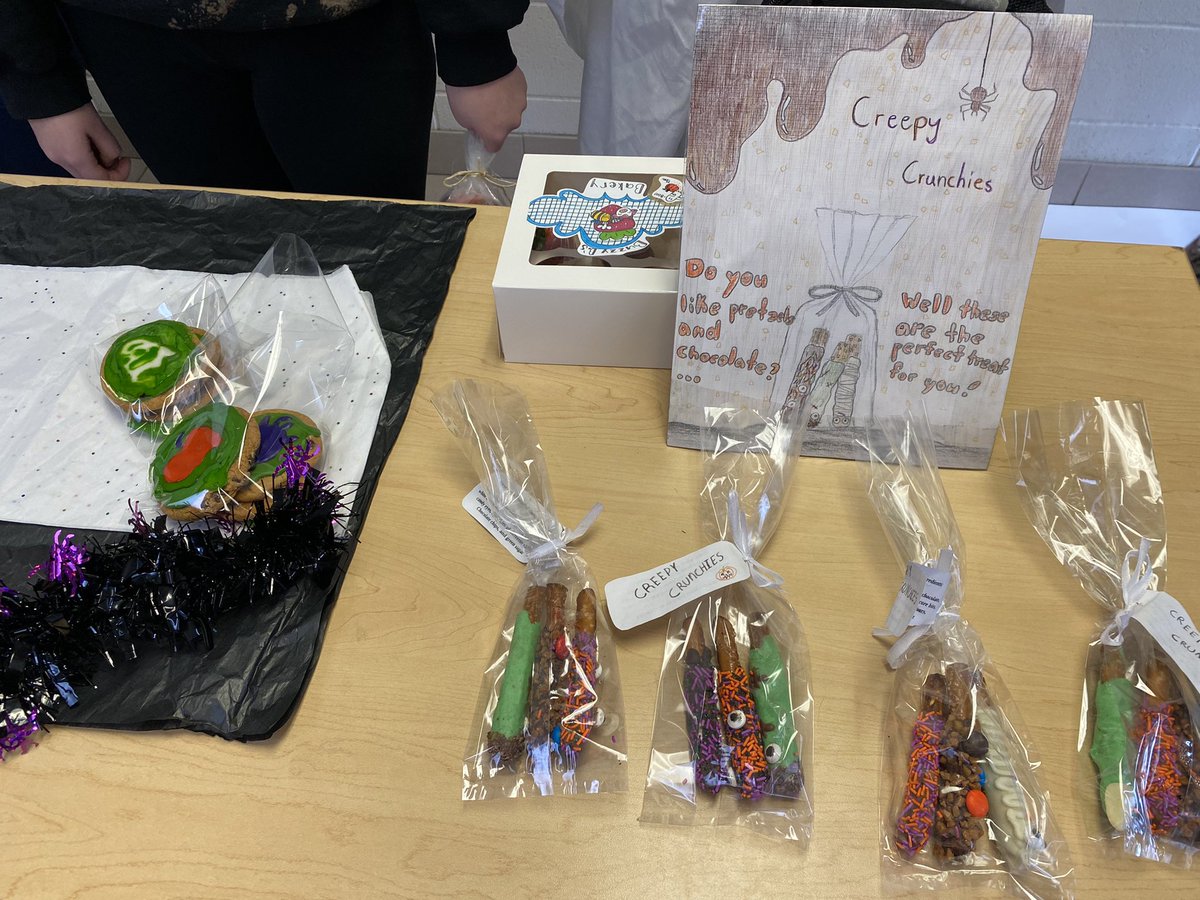
Our @MitfordSchool Grade 8s have taken over the bootroom with outstanding ‘Pitch Your Product’ presentations and displays! #rvsed #makelearningvisible
1
1
4

27 Oct 2022
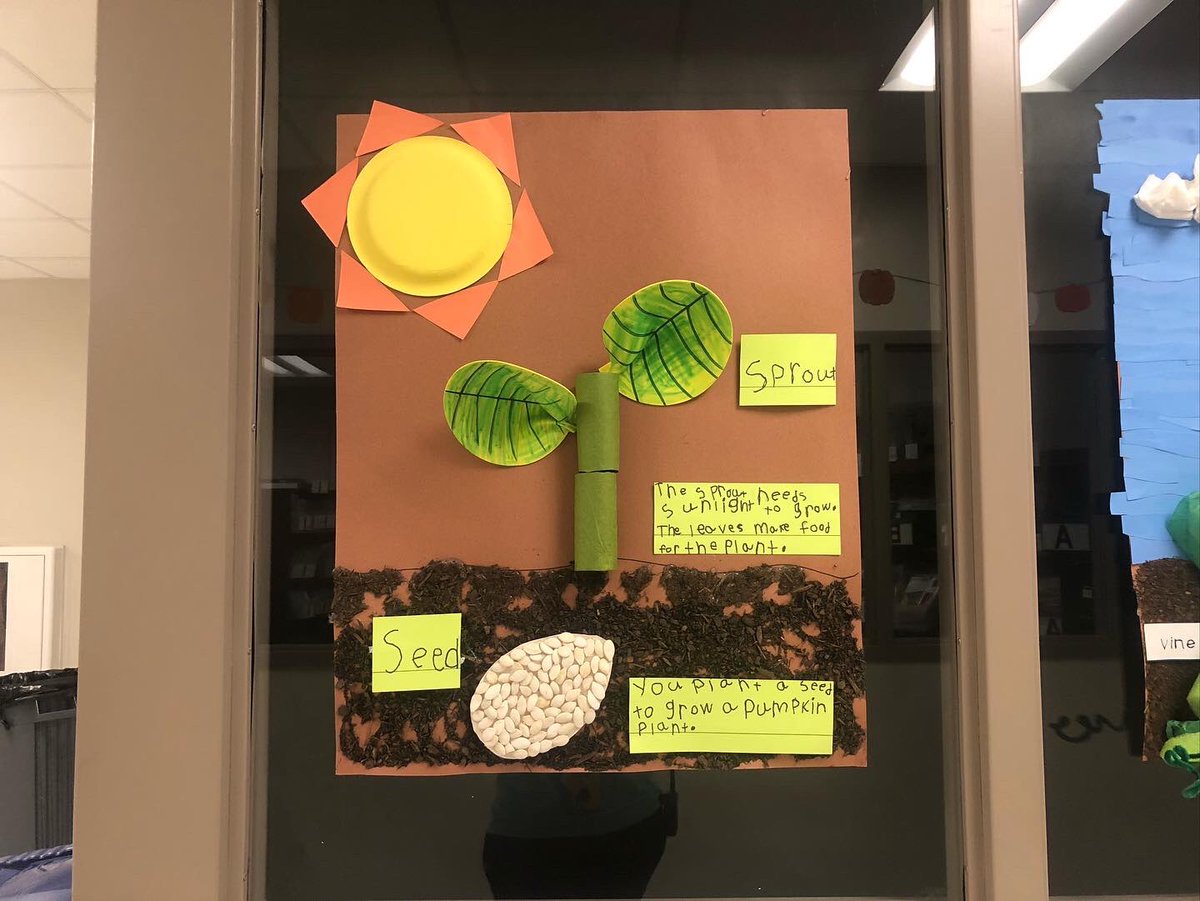
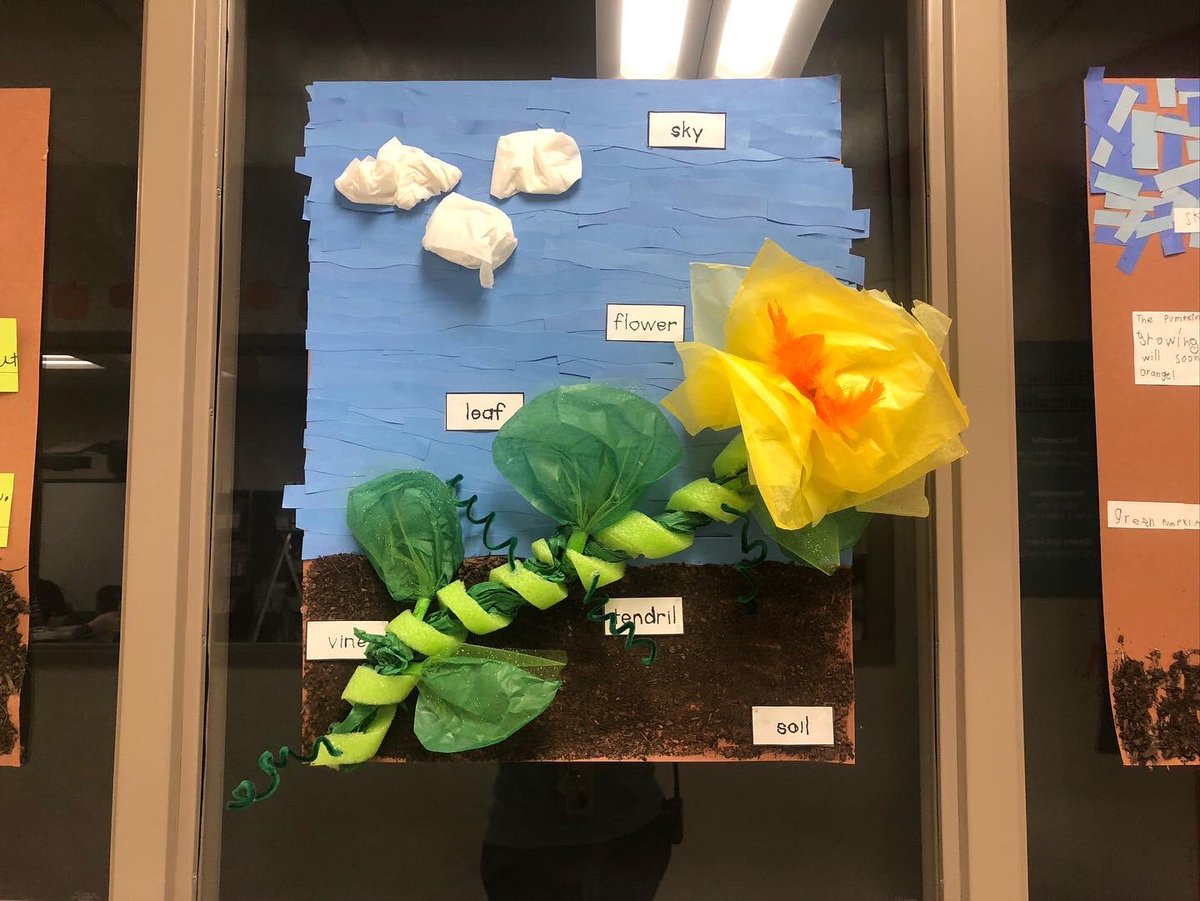
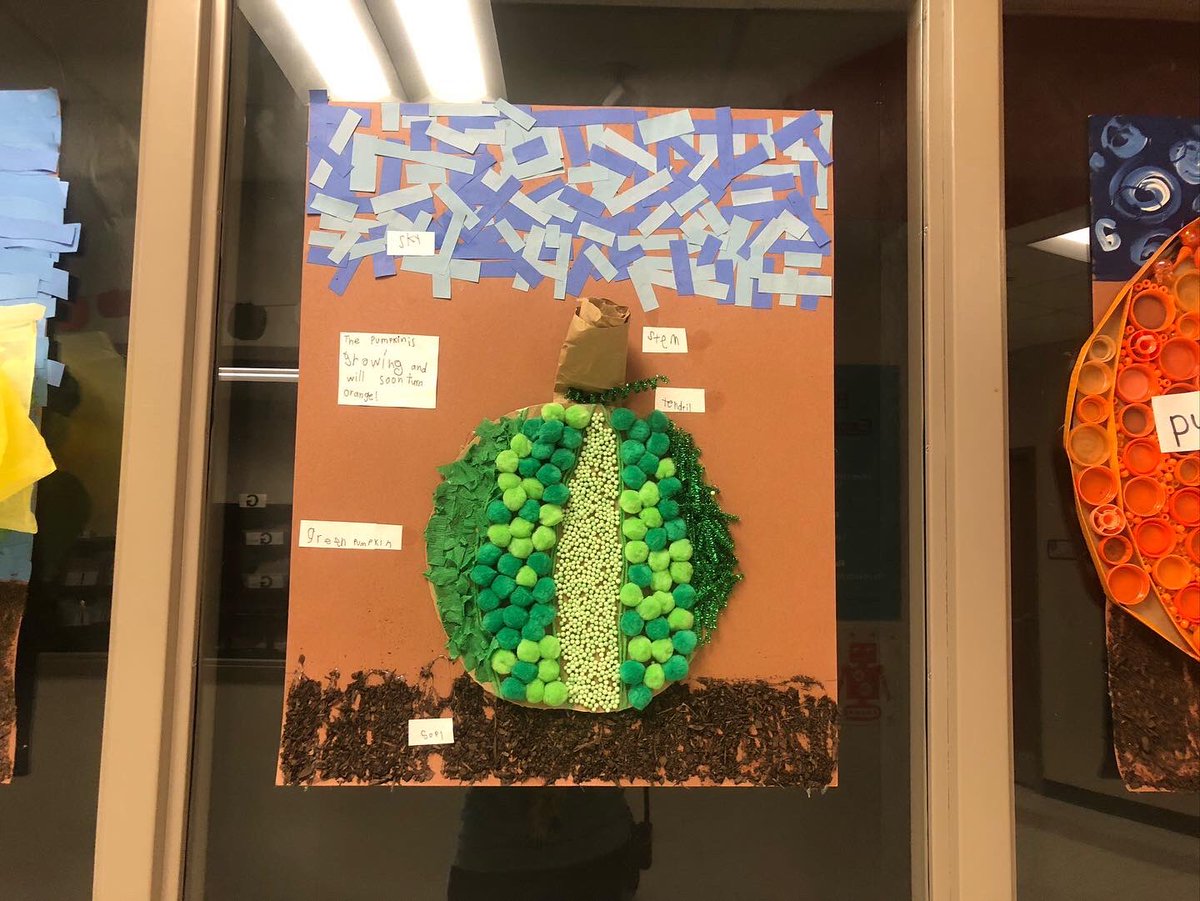
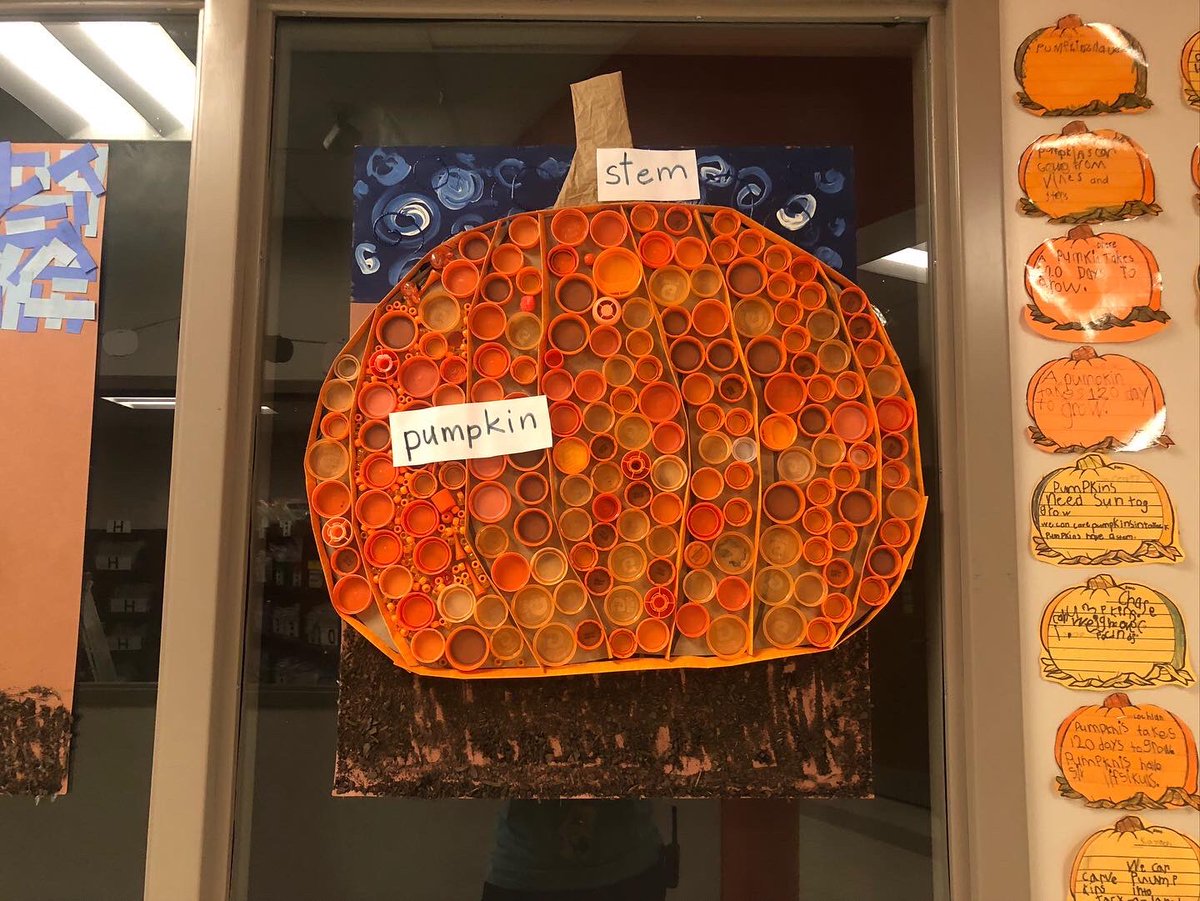
Yesterday was National Pumpkin Day! In honor of that day, first graders created the lifecycle of a pumpkin!#MakeLearningVisible #Think3D
1
1
9

25 Oct 2022
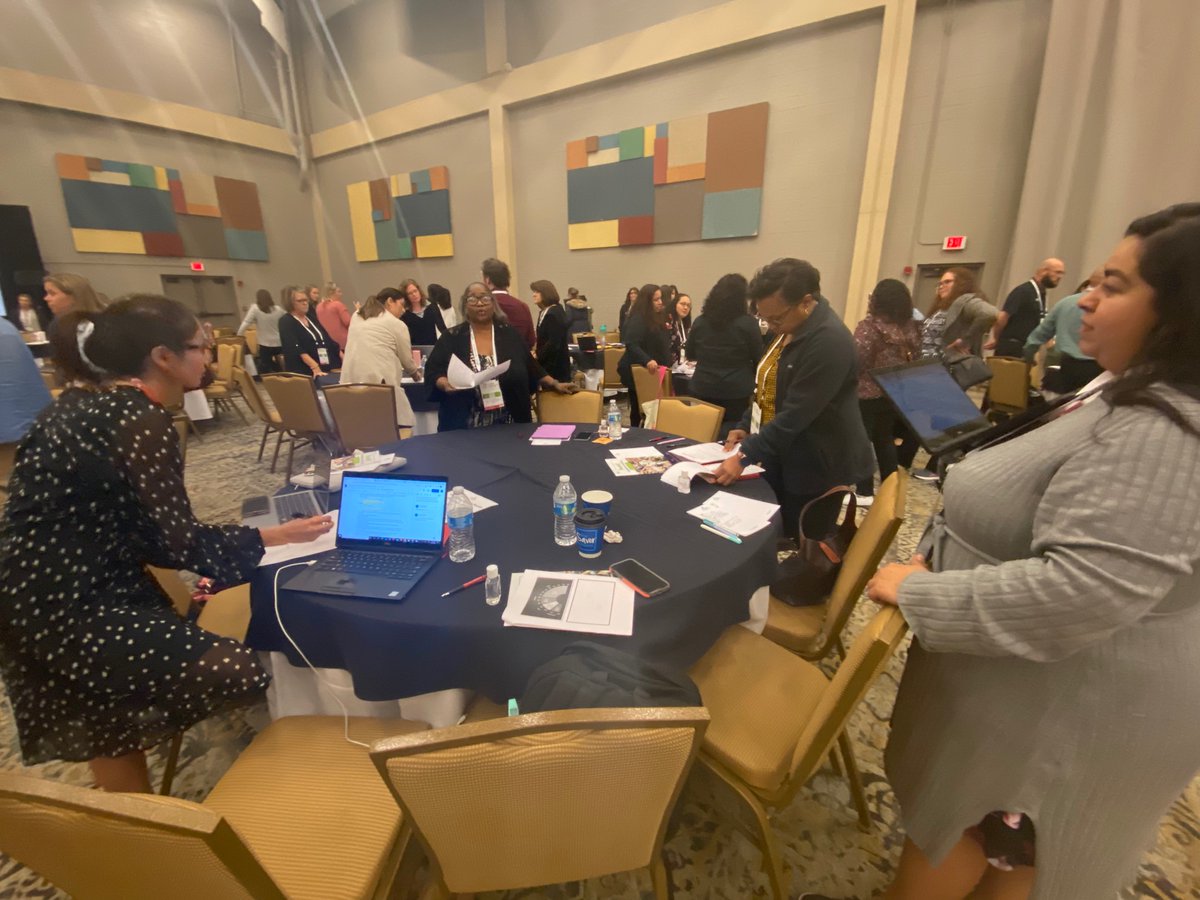
Molina teachers loved the Visible Learning institute today! We loved engaging students with the SC through “Can I?”, the SOLO taxonomy & all the examples & strategies shared! @MolinaHigh @JacobNunez27 @AmandaLMarch #makelearningvisible
2
8