
@tornstaffs and @chedburn your need to more evoled mindwise like ass bulbusaw inside of your unvoled follish form that too dumb to see truth your been trick in to blaming incocent people due to faslse serour report carry by basilse about men 18 and kids. #notandinsult #learn
1

Jun 9
@MasterMaliq can begin to listen to one of the mindwise tallest men on earth.

Jihadis have turned useful idiots against Jews, accusing them of the exact same crimes they’ve been committing against humanity for 14 centuries.
The same ideology that wants to destroy Jews also threatens Christians, Hindus, and Buddhists.
Believing this illusion and denying reality will have deadly consequences for humanity.
8


May 15
The Communist Jews in were likely of atheistic views, but they were still stuck in the shtetl mindwise. Their collectivist communitarian views were still on display and viewed any hierarchical structure as inherently oppressive and evil.
3
39


Mar 13
أفضل 7 كتب لفهم علم النفس والسلوك البشري.
سألخص لك الفكرة الأساسية لكل كتاب مع أهم ما تتعلمه منه.
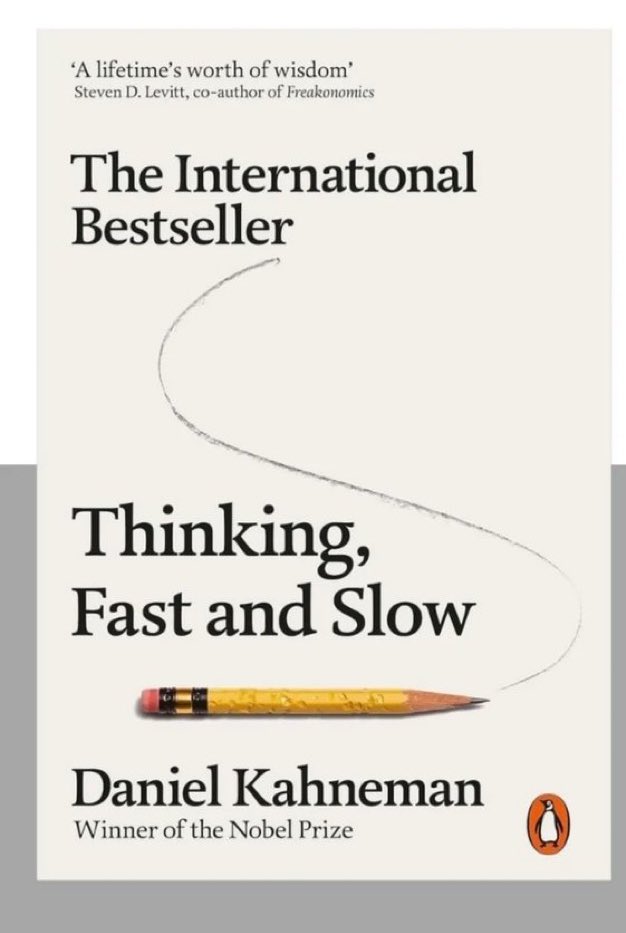
1. Thinking, Fast and Slow - دانيال كانيمان
المؤلف: Daniel Kahneman (حائز على نوبل)
الفكرة الأساسية:
العقل يعمل بنظامين:
النظام السريع
•حدسي
•عاطفي
•تلقائي
النظام البطيء
•منطقي
•تحليلي
•يحتاج جهد
الكتاب يشرح:
•الانحيازات المعرفية
•أخطاء التفكير
•لماذا نتخذ قرارات غير عقلانية.
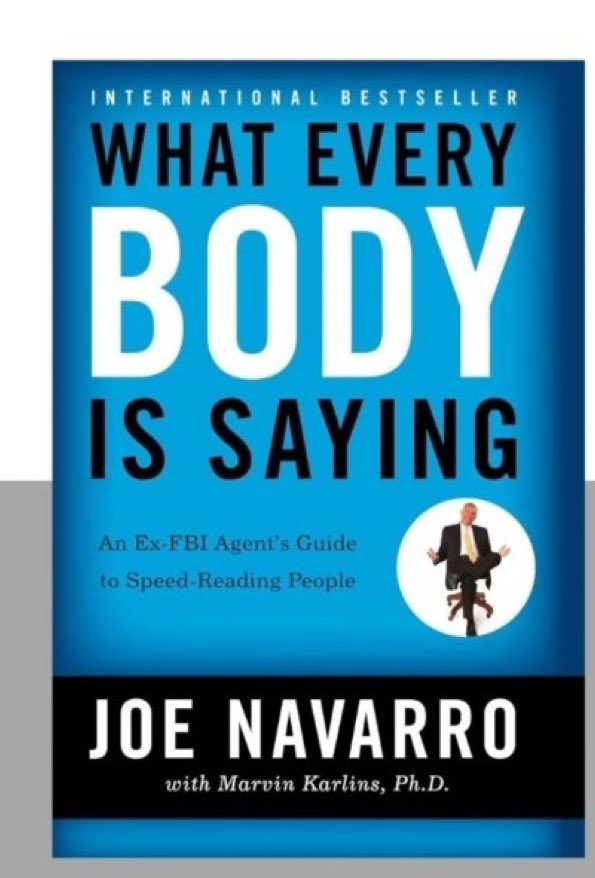
2. What Every BODY Is Saying — جو نافارو
المؤلف: Joe Navarro (عميل FBI سابق)
يتحدث عن لغة الجسد.
تتعلم منه:
•قراءة الإشارات غير اللفظية
•فهم الراحة والتوتر
•اكتشاف الكذب من الجسد.
الفكرة:
الجسد غالبًا يقول الحقيقة قبل الكلمات.
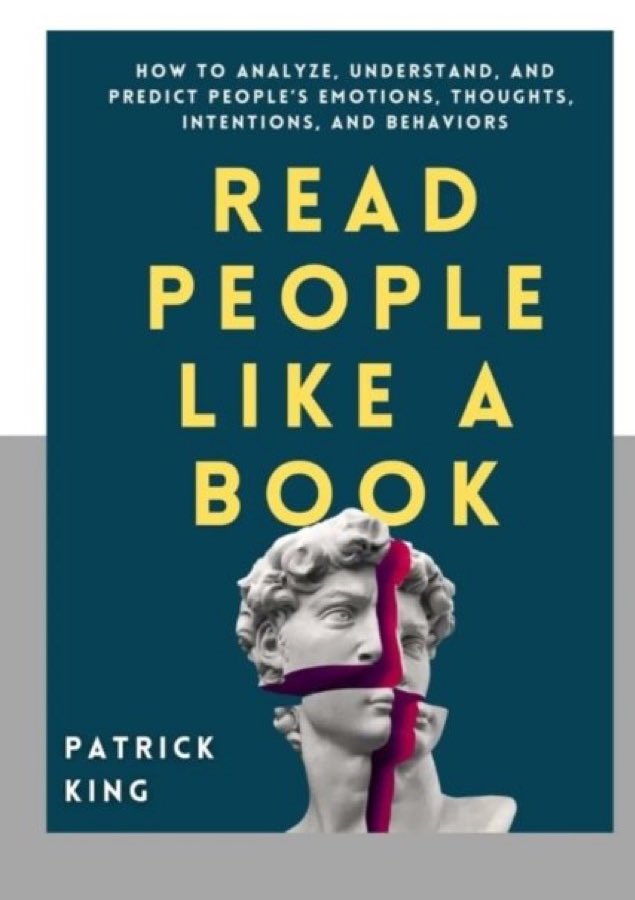
3. Read People Like a Book — باتريك كينغ
المؤلف: Patrick King
يركز على:
•تحليل السلوك
•قراءة الأنماط النفسية
•فهم النوايا والمشاعر.
يعلمك كيف:
•تلاحظ التفاصيل الصغيرة
•تفهم شخصية الناس بسرعة.
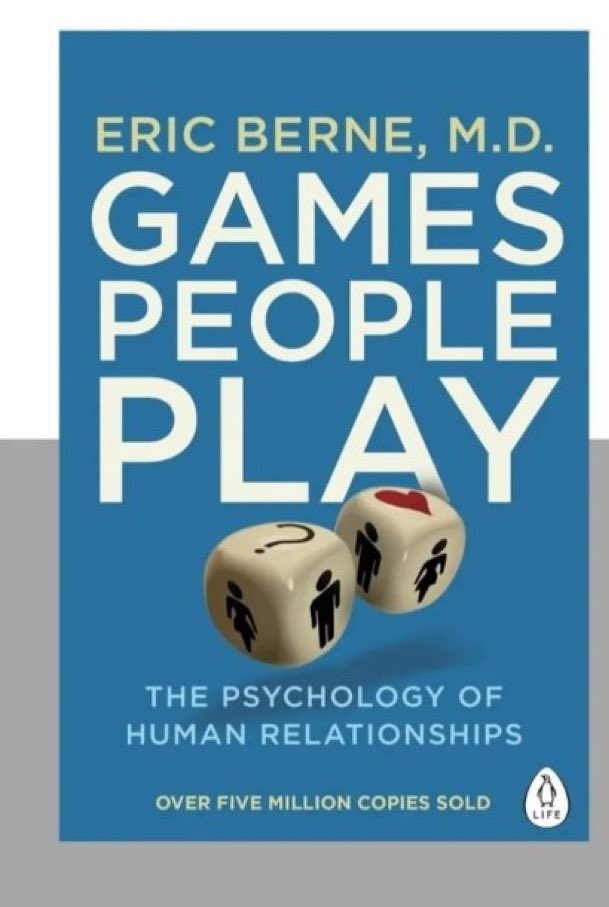
4. Games People Play — إريك بيرن
المؤلف: Eric Berne
كتاب كلاسيكي في التحليل النفسي للعلاقات.
يشرح:
•الألعاب النفسية بين الناس
•التلاعب العاطفي
•أنماط العلاقات غير الصحية.
الفكرة المهمة:
الناس يكررون أنماط تواصل نفسية غير واعية.
5. Talking to Strangers — مالكوم غلادويل
المؤلف: Malcolm Gladwell
الكتاب يشرح:
لماذا نسيء فهم الآخرين.
يتناول:
•الثقة الزائدة بالناس
•سوء تفسير السلوك
•أخطاء الحكم على الآخرين.
6. Mindwise — نيكولاس إبلي
المؤلف: Nicholas Epley
موضوعه:
لماذا نفشل في فهم ما يفكر به الآخرون.
يوضح:
•كيف نبني افتراضات خاطئة
•لماذا نخطئ في قراءة النوايا
•كيف نحسن التعاطف وفهم الآخرين.
7. Spy the Lie — فيليب هيوستن وآخرون
المؤلفون: Philip Houston وآخرون (ضباط CIA سابقون)
يركز على:
•كشف الكذب
•تحليل السلوك
•اكتشاف التناقضات في الكلام.
الفكرة الأساسية:
الكذب لا يظهر في التوتر فقط، بل في التغير عن السلوك الطبيعي للشخص.
الخلاصة:
هذه الكتب تعلمك ثلاثة أشياء أساسية:
1️⃣ كيف يعمل العقل البشري
2️⃣ كيف تقرأ الناس
3️⃣ كيف تفهم العلاقات والسلوك
3
14
87
3,486

Mar 10
Growing up brings real pressures, and parenting brings real questions. Our MindWise Youth & Family Mental Health Summit creates space for teens (13 ) and the adults who support them to come together for honest conversations, practical tools, and meaningful connection around mental health and emotional well-being. Join us for this event on March 21! raleighnc.gov/events/mindwis… | @raleighpolice

ALT Six teenagers posing for a photo. Text reads "Mind Wise: Youth & Family Mental Health Summit"
3
1,327

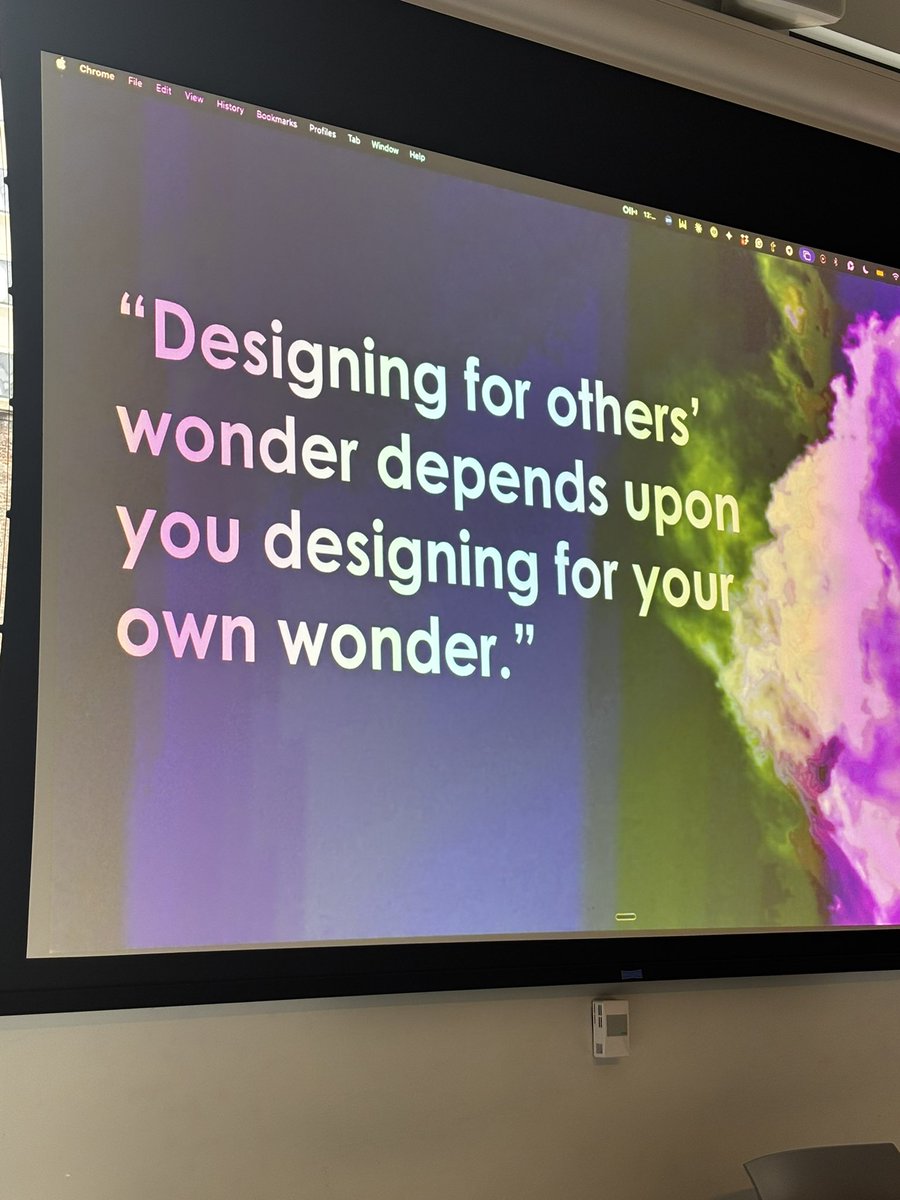
Opening addrsss by @CaitlinKrause_ from MindWise for @buildhumanetech #aws #hackathon #awsbuildingloft #ainative

1
21

Jan 23
Bo: Moses, Benjamin Franklin, and the Wisdom of Not Knowing
Teachers and parents spend countless hours trying to eliminate filler words from their children’s speech. “Like” is perhaps the most notorious offender—a verbal crutch that clutters communication and weakens expression. Yet in Parashat Bo, Moses himself uses that very word. When announcing the final plague—the death of the firstborn—he tells Pharaoh it will occur “kechatzot halayla”—literally, “like midnight” or “around midnight.”
Why the imprecision? Surely God knew the exact moment, and Moses, speaking on behalf of the Divine, could have proclaimed it with absolute certainty.
The Talmud (Berachot 4a) offers a remarkable answer: Moses deliberately chose approximate language lest Pharaoh’s astrologers err in their calculations and declare Moses a liar. From this, the Talmud derives a fundamental principle: “Train your tongue to say ‘I don’t know,’ lest you be caught in a falsehood.”
This brief passage contains profound wisdom that speaks powerfully to our age—wisdom about the relationship between certainty and truth, and about how debate and discourse are conducted.
The Double Lesson
There are actually two distinct lessons here, each with critical implications for how people think and communicate.
From Overconfidence to Falsehood
The surface reading focuses on reputation: Moses wished to avoid being called a liar by Pharaoh’s astrologers. There is, however, a much more fundamental concern here. The principle “train your tongue to say ‘I don’t know,’ lest you be caught in a falsehood” is about more than self-protection in argument—it warns that overconfidence actually leads people to commit themselves to positions that turn out to be false.
While Moses himself wasn’t at risk of error—as the Talmud notes, there is no doubt before the Holy One—the principle extracted here has universal application. When people become too certain of their positions, they become vulnerable to committing themselves to falsehood. One of the key reasons this happens is what contemporary psychology calls “confirmation bias.”
Confirmation bias refers to the tendency to believe more readily that which is consistent with previously formed opinions and to discount contradictory information. What makes this particularly dangerous is that this bias is apparently not corrected by increased levels of education or intelligence. Researcher David Perkins conducted an experiment asking individuals to consider a social issue and write down arguments on both sides. As psychologist Jonathan Haidt summarizes the findings: “IQ was by far the biggest predictor of how well people argued, but it predicted only the number of ‘my-side’ arguments. Smart people make really good lawyers and press secretaries, but they are no better than others at finding reasons on the other side. Perkins concluded that ‘people invest their IQ in buttressing their own case rather than in exploring the entire issue more fully and evenhandedly.’”
The more convinced individuals are of their correctness, the more likely they are to marshal their intelligence not in service of truth, but in defense of positions they’ve already adopted. Once committed to a conclusion, confronting contrary evidence doesn’t lead to reconsideration—it leads to deeper entrenchment. Researchers Brendan Nyhan and Jason Reifler discovered what they termed a “backfire effect”: under certain conditions, not only will new information fail to change minds, it can sometimes further entrench the original position and be interpreted as additional proof of that view.
Benjamin Franklin understood this danger well. In his autobiography, he describes how he trained himself away from dogmatic language:
“I made it a rule to forbear all direct contradiction to the sentiments of others, and all positive assertion of my own. I even forbid myself… the use of every word or expression in the language that imported a fix’d opinion, such as certainly, undoubtedly, etc., and I adopted, instead of them, I conceive, I apprehend, or I imagine a thing to be so or so; or it so appears to me at present. When another asserted something that I thought an error, I deny’d myself the pleasure of contradicting him abruptly, and of showing immediately some absurdity in his proposition; and in answering I began by observing that in certain cases or circumstances his opinion would be right, but in the present case there appear’d or seem’d to me some difference, etc. I soon found the advantage of this change in my manner; the conversations I engag’d in went on more pleasantly. The modest way in which I propos’d my opinions procur’d them a readier reception and less contradiction; I had less mortification when I was found to be in the wrong, and I more easily prevail’d with others to give up their mistakes and join with me when I happened to be in the right.”
Franklin recognized that absolute language doesn’t just affect how others receive one’s arguments—it affects the arguments themselves. The very act of expressing oneself with certainty creates psychological investment in that position, making it harder to recognize error.
Students of Rabbi Hershel Schachter are familiar with his frequent readiness to say “I don’t know.” This is not a contradiction to his vast knowledge but quite the opposite—it reflects his commitment to truth over the appearance of omniscience. His willingness to acknowledge uncertainty keeps him intellectually honest and open to learning more rather than forcing reality to conform to predetermined conclusions. In a culture that often mistakes confidence for competence, this humility is both rare and essential.
The Illusion of Confidence
The assumption tends to be that confident assertions are more likely to be correct. When someone says they’re “sure,” it seems appropriate to accept their report as factual. However, research reveals much less correlation—and sometimes an inverse correlation—between confidence and accuracy.
In her book Quiet: The Power of Introverts in a World That Can’t Stop Talking, Susan Cain describes how systematic overvaluation of assertive communication occurs: “We perceive talkers as smarter than quiet types—even though grade-point averages and SAT and intelligence test scores reveal this perception to be inaccurate… The more a person talks, the more other group members direct their attention to him, which means that he becomes increasingly powerful as a meeting goes on.”
Perhaps most telling is a study by UC Berkeley professor Philip Tetlock examining expert forecasting. Across many predictions about political and economic trends, expert performance was often not much better than chance. Moreover, in some of his analyses, fame and confidence correlated with worse forecasting accuracy—those most certain of their predictions tended to be least accurate.
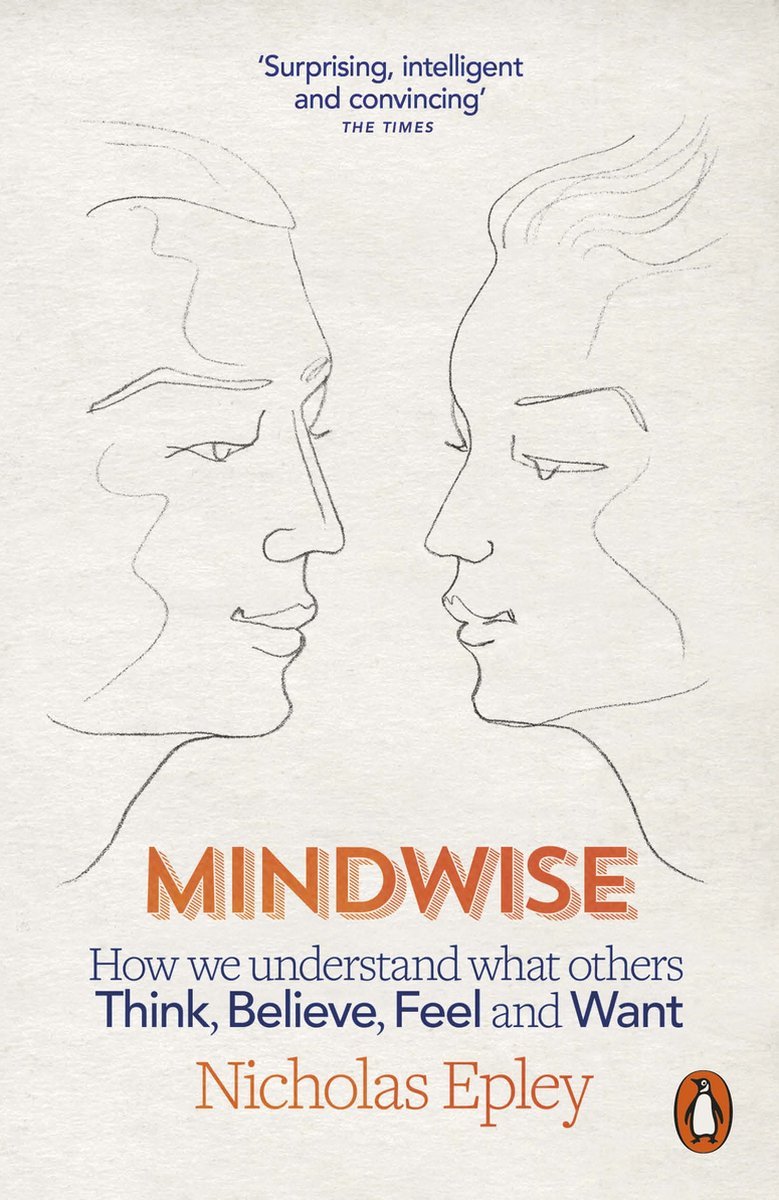
Even the ability to distinguish truth from lies is far weaker than most imagine. As Nicholas Epley relates in his book Mindwise, “When one group of researchers evaluated decades of studies and hundreds of experiments that measured how well people could distinguish truths from lies, they found that people’s ability to spot deception was only a few percentage points better than a random coin flip: people were 54 percent accurate overall, when random guessing would make you accurate 50 percent of the time.”
This “confidence heuristic” creates a dangerous dynamic: the most certain voices dominate discourse, even when certainty bears little relationship to correctness.
The Path to Truth Through Humility
The Talmud (Eruvin 13b) records that after years of debate between Beit Shammai and Beit Hillel, a heavenly voice declared the law follows Beit Hillel. Why? Because they were modest and gentle, and would teach Beit Shammai’s position before their own.
This humility wasn’t merely good character—it was epistemologically significant. By acknowledging other possibilities, by stating their opponents’ views fairly and first, Beit Hillel demonstrated the intellectual openness that makes one more likely to arrive at truth. The recognition that one might be wrong, that others might have valid perspectives, isn’t weakness—it’s the very foundation of genuine wisdom.
This is precisely what separates truth-seeking from mere advocacy. Those who invest their intelligence in “exploring the entire issue more fully and evenhandedly,” rather than just “buttressing their own case,” are the ones more likely to reach sound conclusions.
The Rhetoric of Bad Faith
But there’s another dimension to Moses’s choice of language, one painfully relevant to our current moment. Consider the absurdity of the situation: Moses has now accurately predicted nine plagues. Each has come to pass exactly as foretold. Yet the Talmud suggests that if Pharaoh’s astrologers’ clocks showed 12:02 AM instead of midnight, they would seize on this supposed discrepancy to declare, “Moses is a liar! This whole thing is fake! There is no God! We’re keeping the Jews!”
Rabbenu Bachya asked how it was even conceivable that the Egyptians could at this point disbelieve Moses after they had already acknowledged the truth of his previous predictions and their divine nature. The Pnei Yehoshua, in his commentary to Berachot, emphasizes how implausible it is that at the time of agonized shrieking and suffering, the focus would be on Moses being two minutes off.
Yet this is precisely how human argumentation too often works. The slightest perceived inconsistency gets seized upon to dismiss an entire position, regardless of its broader merit or evidence.
As R. Simcha Zissel Broide (Shem Derech to Ex.) stresses, this reflects a disturbing aspect of human nature: the tendency to attack everything one’s interlocutor is saying based on the flimsiest of holes. If critics think they can catch an opponent on one thing, they try to make the whole argument as if it’s nothing.
This phenomenon has been on vivid display in debates about Israel and matters of profound moral significance. Entire arguments will be invalidated based on the most tenuous supposed contradictions. It’s a rhetorical tactic that has nothing to do with genuine truth-seeking and everything to do with winning arguments and avoiding uncomfortable truths.
A Countercultural Stance
Both Franklin’s deliberate cultivation of tentative language and Moses’s choice of approximate phrasing point toward a countercultural stance: epistemic humility. In an age of social media certainty, hot takes, and absolute pronouncements, the willingness to say “I don’t know,” to acknowledge uncertainty, to state opposing views fairly—these are revolutionary acts.
Moses, speaking for God Himself, modeled a dual wisdom: he refused to be distracted by the need to expose the bad faith of his opponents, while simultaneously protecting his own integrity from both the appearance and the actuality of falsehood. Franklin recognized that the very grammar of certainty can trap individuals in error.
The lesson of kechatzot is multilayered: Personal humility makes people more likely to arrive at truth. Overconfidence, by contrast, leads them to invest their intelligence in defending predetermined positions rather than exploring issues evenhandedly. Meanwhile, those who argue in bad faith will seize on any perceived imperfection to dismiss truths they find inconvenient—but there is no need to enable their attacks by claiming more certainty than the situation warrants.
As we navigate complex times, facing questions without easy answers and with debates clouded by bad faith, perhaps the greatest service one can render to truth is to train one’s tongue, as the Talmud counsels, to say with appropriate humility: “I don’t know.” It will not display a lack of intelligence and knowledge; on the contrary, it is their essence.

2
3
319

18 Dec 2025
Depends on what you consider human. Mindwise, I think a base fabric unites humans which will keep emerging. Physical bodywise it's more complicated, but the "animals keep evolving to crabs" apply here. Fish, perfect swimming form. Crab, crawling aquatic. Or maybe just do both 😆

1
2
46


8 Nov 2025
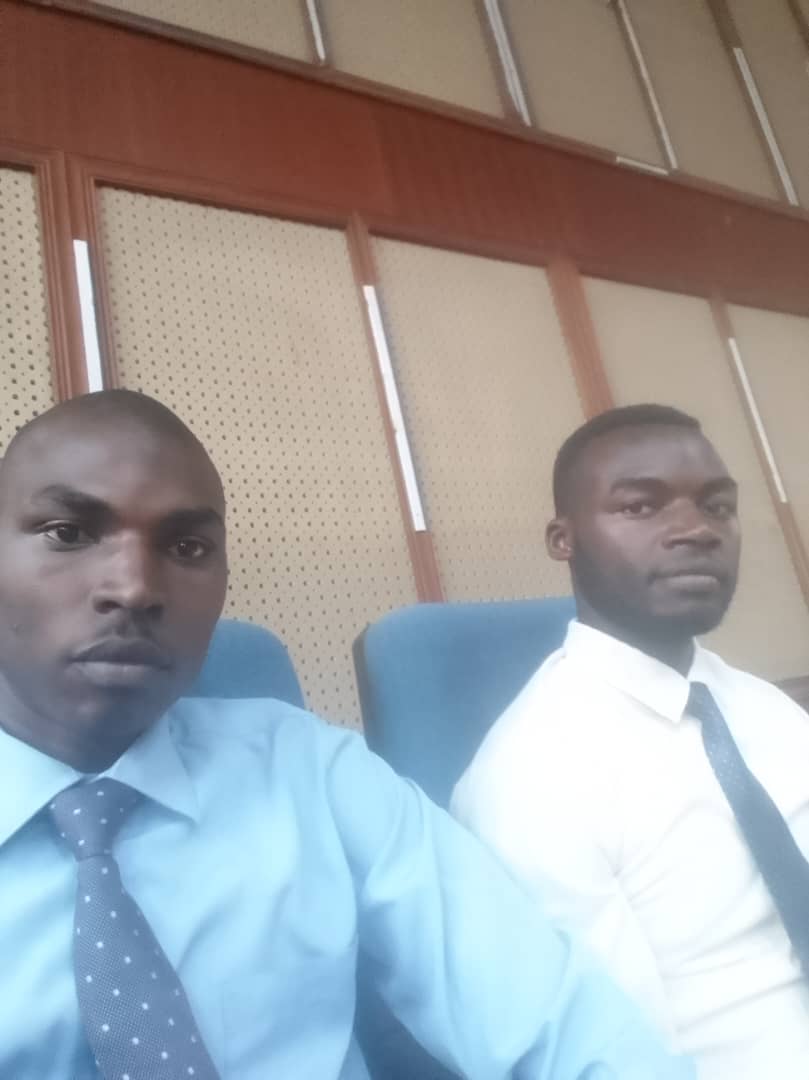
International Community of Banyakigezi (ICOB) annual youth dialogue linked us today. It's been great linking up again with the like minded youth. Nice that there's still a number of youth who totally refuse to be compromised mindwise 🤝

5
56

20 Oct 2025
He is peacefully enjoying his retirement, still sharp mindwise though, You should visit him for wisdom and consultation
3
551

🚨Finally wrapped up on Mindwise, and we are giving out for 10$ for (72 hours)
Mindwise is a clear, grounded template designed for modern mental wellness seekers and change-makers.
Modular sections: hero, about, approach, testimonials, FAQ, Contact
✔️ Simple blog CMS to manage all content
✔️ Smooth transitions, pop-up modal, and text animations
✔️ Built in Framer – edit visuals, text, and structure fast
✔️ No-code, no bloat — just a clean system that works
stratiqe.gumroad.com/l/mindw…
4
305

6 Aug 2025
My favorite quote on this topic is from the book Mindwise by Nicholas Epley
"There are real differences in what men and women want but even larger similarities [...]
The differences among men and women are far larger than the differences between men and women."
6 Aug 2025

The swing back is already happening tho. Every day I see dudes on here arguing back that women shouldn’t be software devs because they don’t have the same math/logic brain functionality
Idk anything about brain whatever so that shit aside, let’s all just be honest, you don’t need to be smart to be a software “engineer.” It’s really not that hard. Anyone with willpower, patience, and a logic/set theory skillset over a certain threshold (obtainable by both genders) can do it.
So no, no matter what gender you are, you can be a software “engineer.” And no, it’s really not impressive at all.
1
2
184

4 Aug 2025
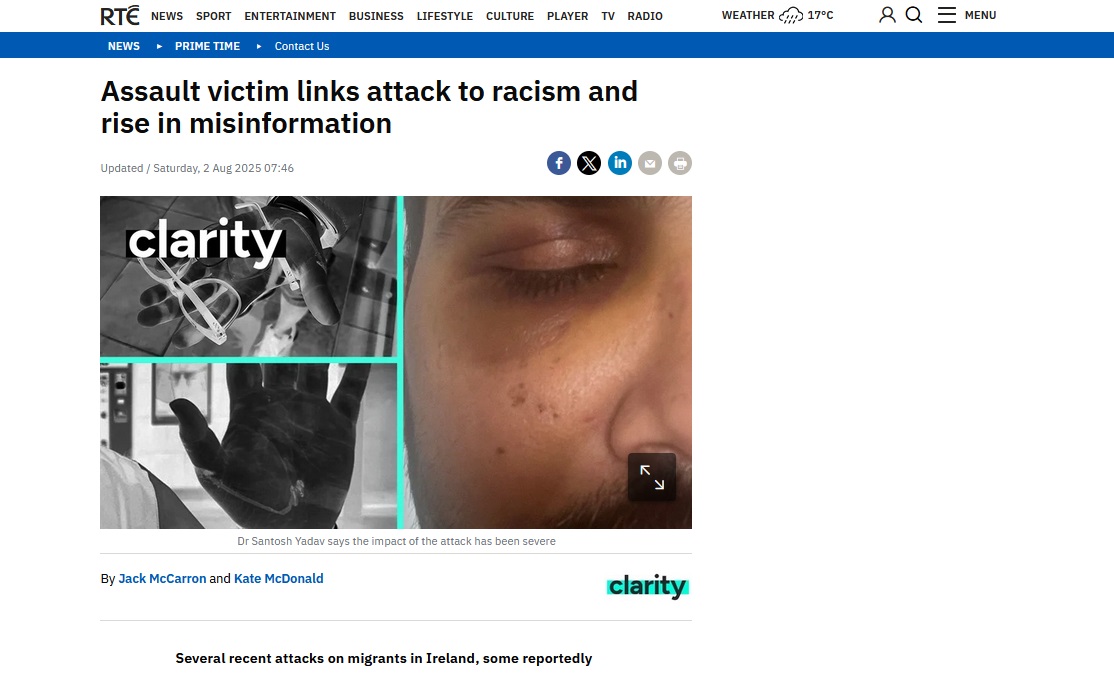
RTE Hilarity does racist attacks!
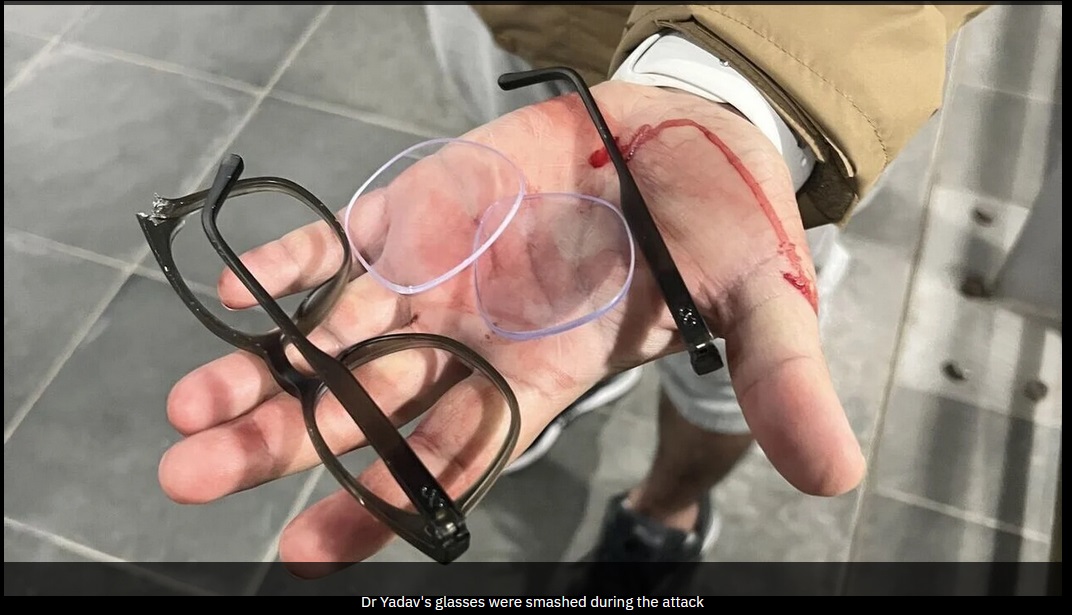
An Indian man was injured a week ago in Dublin in an unprovoked attack. May he have a full and speedy recovery, physically and mindwise, and may the Gardai catch the gurriers responsible and throw the book at them.
But....

5
4
15
9,621

22 Jul 2025
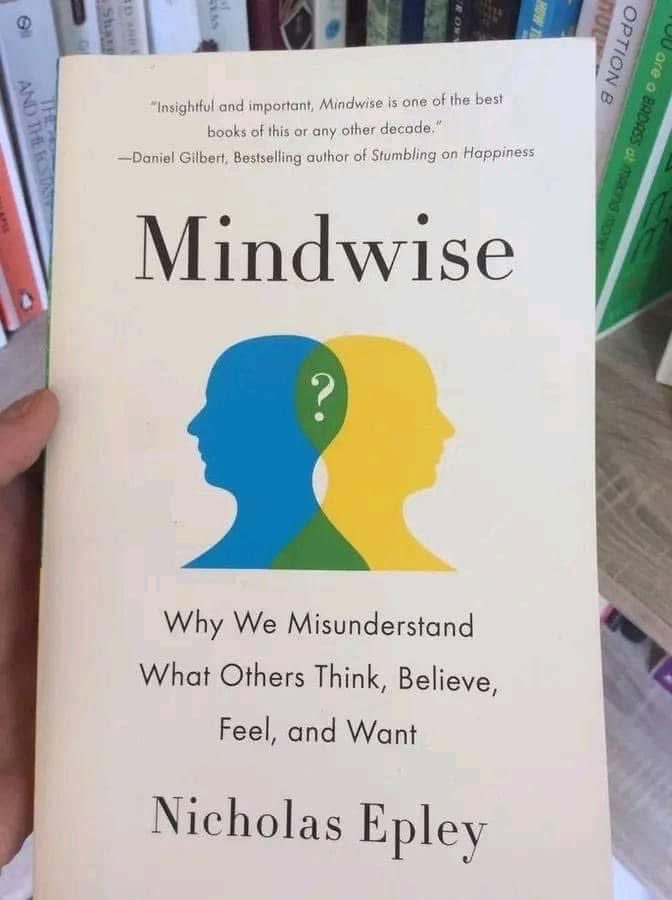
فيما يلي 5 دروس من Mindwise: لماذا نسئ فهم ما يعتقده الآخرون ويؤمنون ويشعرون به ويريدونه بواسطة نيكولاس إيبلي (المؤلف)
1. قيود قراءة العقل: يستكشف الكتاب قيود قدرتنا على فهم دقيق لما يعتقده الآخرون ويعتقدونه ويشعرون به ويرغبونه. إنه يسلط الضوء على الأخطاء الشائعة التي نرتكبها في تفسير عقول الآخرين ويقدم رؤى حول سبب حدوث سوء الفهم هذه.
2. أهمية أخذ المنظور: قد يؤكد "العقل" على أهمية أخذ المنظور في فهم الآخرين. يمكن أن يوفر استراتيجيات لتحسين قدرتنا على رؤية الأشياء من وجهات نظر مختلفة والتعاطف مع خبرات الآخرين.
3. دور القوالب النمطية والتحيز: قد يناقش الكتاب تأثير القوالب النمطية والتحيزات على فهمنا للآخرين. يمكن أن يسلط الضوء على كيفية أن تؤدي هذه الاختصارات المعرفية إلى سوء الفهم وتقديم اقتراحات للتغلب عليها.
4. قوة الاستماع النشط: قد تبرز "العقل" أهمية الاستماع النشط في تحسين فهمنا للآخرين. يمكن أن يوفر تقنيات لتعزيز مهارات الاستماع لدينا وتشجيع تواصل أفضل.
5. فوائد التواضع: يمكن أن يؤكد الكتاب على قيمة التواضع في تعاملاتنا مع الآخرين. قد تستكشف كيف يمكن للاعتراف بحدوداتنا وانفتاحنا على وجهات نظر مختلفة أن يعزز فهمنا للآخرين ويحسن علاقاتنا.
تقدم هذه الدروس المحتملة من "Mindwise" رؤى ثاقبة حول قيود قراءة العقل، وأهمية أخذ المنظور، ودور القوالب النمطية والتحيز، وقوة الاستماع النشط، وفوائد التواضع في فهم الآخرين.
1
4
58

I think I just need to unplug from reality for a bit
No social media
No politics
Just a complete reset mindwise
2
107

12 Jun 2025
Who troll some one his height see this man I can say now he is taller any one else mindwise he brings SA at final #WorldTestChampionship
4
1,115