
"The mudflow eroded back toward the mountains and downward, forming a 35 m (115 ft) deep canyon with vertical walls. It is approximately one-fortieth the size of the Grand Canyon—and was carved in a single day!"
creation.com/en/articles/val…!
3
"This is similar to what we find in other sedimentary rock assumed to have been laid down over long ages. On 19 March 1982, a small eruption of Mount St Helens melted snow within the crater and formed a large mudflow."
creation.com/en/articles/val….
3

Road cutting debris Cloudburst = A high-velocity mudflow. 🌧️🛣️💥 Banta stops Santa from loading a "gravity cannon" on the slopes of Uttarakhand. We can't stop a cloudburst, but we CAN stop loading our slopes with construction waste! riskavoider.com/cannon-on-th…
#piyoosh
5

Jun 12
Fourth was pretty hard. Wulfgard died but altogether everyone else lived pretty easily
It was I think two Mudflow, two Bonekrusher vanguards, a elite executioner, a bonekrusher ballista and something else I don't remember
I think having an actual miniboss like the ballista-
1
28

Jun 12
🪨 The In Situ Flaw: Professional geologists proved the formation never "slid down from a valley" like early amateur explorers claimed. It is a static rock ridge shaped in situ (on the spot) by erosional mudflow wrapping around it.
1
65
Beatris Babic retweeted

15 Dec 2025
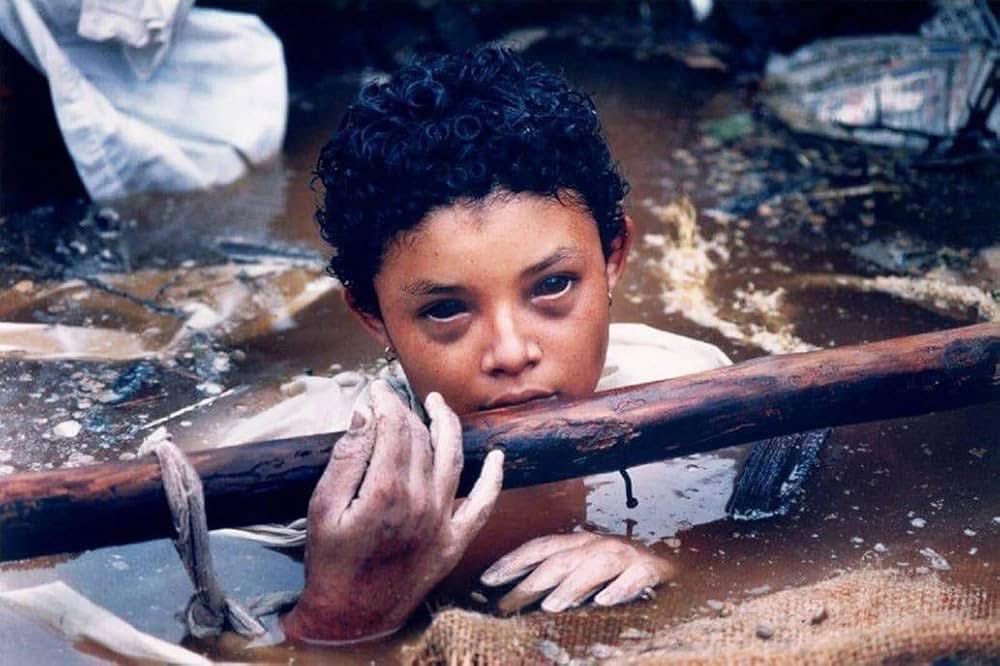
In 1985, a Colombian girl named Omayra Sánchez was trapped in a volcanic mudflow, submerged up to her waist. Aware that she wouldn't survive, volunteers and rescuers did everything they could to comfort her. After enduring 60 hours, she tragically passed away.
147
485
6,638
4,400,978
Beatris Babic retweeted

17 Feb 2025
In 1985, 13-year-old Omayra Sánchez became fatally trapped in a volcanic mudflow caused by the eruption of Nevado del Ruiz in Armero, Colombia.
Trapped up to her waist in debris for 60 hours, rescuers were unable to free her due to her legs being pinned under concrete.
She ultimately passed away from exposure on November 16, 1985, after three days.
44
2
31
1,913

Jun 10
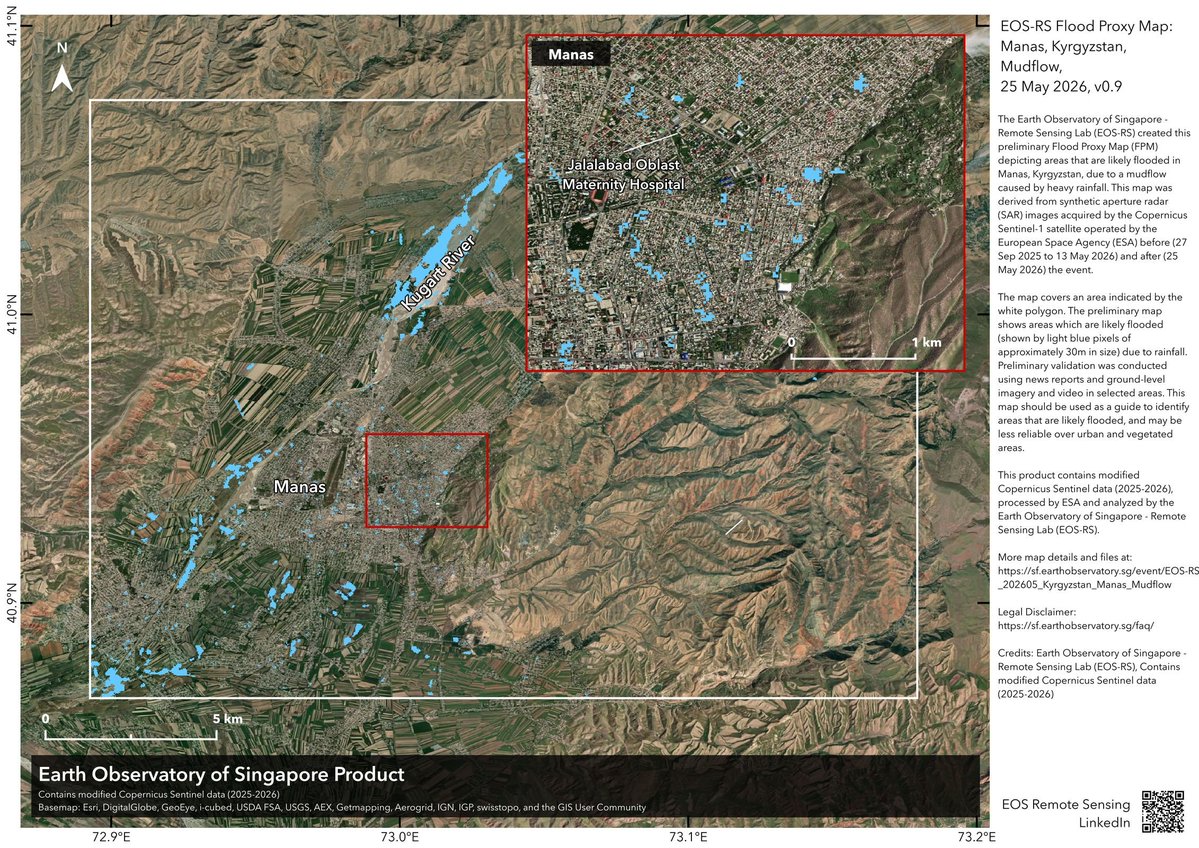
On 27 May 2026 (UTC), due to a mudflow in Kyrgyzstan, @Sentinel_Asia was activated at the request of the Central Asian Institute of Applied Geosciences ( #CAIAG ). Information has been uploaded to the Sentinel Asia website.
sentinel-asia.org/EO/2026/ar…
Map produced by #EOS
34

Jun 9
Woolly mammoths found with undigested grass in their stomachs weren’t ‘flash frozen’ in a catastrophe. They likely fell into a ravine or mudflow, got buried in cold silt, and froze in permafrost. Their stomachs store food before digesting it later—preservation took time, not hours.
44

Jun 7
An informative piece on Russia’s postwar hurdles based on actual expertise that provides a welcome relief from the mudflow of “Russia is finished” grift the Ukraine war discourse is dominated by.
But it’s too focused on the phenomenon of inertia which is going to be just one of the factors when the war ends. There are other factors like the inevitable partial sanctions relief or security/insecurity export as in channeling human and material resources to other conflicts, especially in Africa.
War industry is not Russia’s only industry. Other sectors will play a greater role and conversion of war technology is also possible, especially on the drone side. Russia crawled out of a far worse crisis in the 1990s and the current situation is not even a crisis in economic terms, so far at least.
There is definitely no risk of political upheaval if the war suddenly ends now, just a big relief for most Russians.
That creates a problem in terms of finishing the war. For many who - along with Kremlin securocrats - worked to make it happen, as in Atlantic Council, CEPA and Chatham House crowd, Russia will never be weakened enough and there will always remain an incentive to prolong the carnage.
foreignaffairs.com/russia/in…
2
12
45
5,059

Jun 3
#India #mudflow #landslide #ecology #climate #destruction #anomaly #climatechangey
🇮🇳 June 2, 2026
A powerful mudflow struck the town of Thatri in the Jammu and Kashmir region of India. Streams of water, mud, and rocks rapidly spread across the area following heavy rainfall
1
2
26

May 31
On May 29, 2006, the earth in the Sidoarjo district of East Java province opened up, ejecting pungent, steaming hot mud that swallowed villages and factories.
Thirteen people died when an underground gas pipeline in the disaster zone exploded.
The eruptions, which continue to occur, destroyed at least a dozen villages and have displaced tens of thousands of people.
Harwati said the gathering, held on Friday to mark two decades since the disaster, was organised to remind the government that residents are still feeling the impact of the mudflow.
ow.ly/Vkjl50Z5VaY
347

May 31
Residents in Sidoarjo marked two decades since a devastating mudflow disaster that displaced thousands and continues to impact communities.
thestar.com.my/aseanplus/ase…
394

May 30
Also that Nick Zentner guy is nice, I met him once. Every now and then he has free lectures for the public about Geology. Here's his one on the Osceola Mudflow if you want a deeper dive into it. :D
youtu.be/f4-9qzv-94A
2
58
May 30
Ah it's just an article talking about Lahars. Terrible wording to make it seem imminent and get clicks as usual.
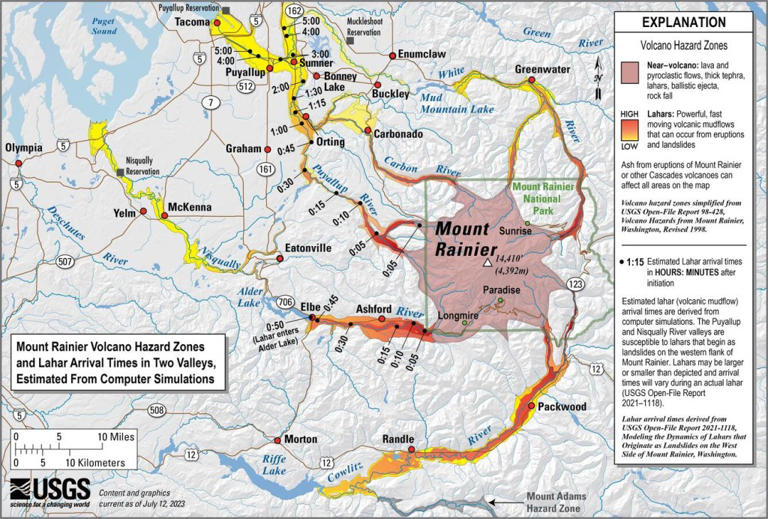
Lahar just means a mudslide, and it's the main worry because of the amount of glaciers on Rainier.
Video on a previous big mudflow:
youtu.be/x8idw5e9twM
2
4
40

May 30
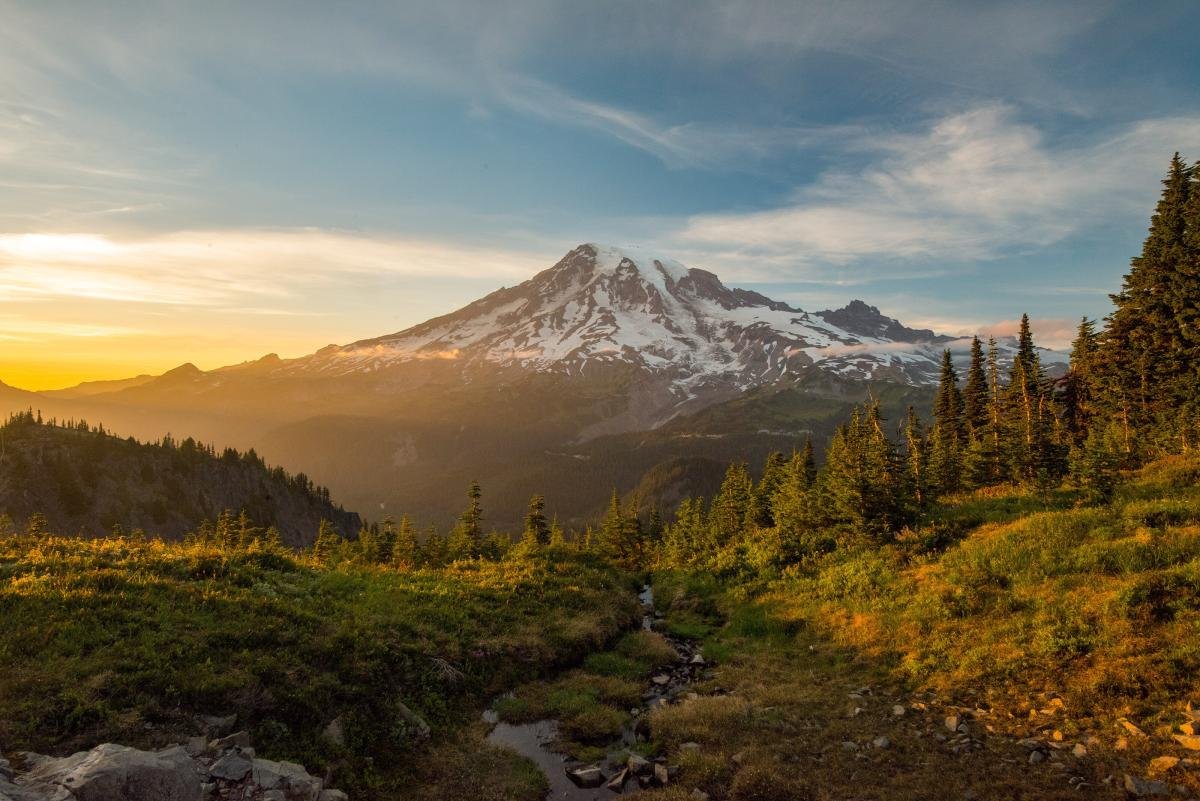
#BREAKING: Scientists are warning that America’s most dangerous volcano, Mount Rainier, could unleash a catastrophic volcanic mudflow capable of devastating
communities and killing up to 60,000 people within minutes.
americanpatriotus
10
12
37
2,483

May 29
🚨Scientists Warn: America's Most Dangerous Volcano Will Inevitably Erupt❗❗❗
Scientists are warning that Mount Rainier in Washington State could trigger a catastrophic mudflow capable of devastating several towns within minutes.
Standing more than 4,200 meters (14,000 feet) tall, Mount Rainier is considered the most dangerous volcano in the United States due to its size, frequent seismic activity, and proximity to heavily populated areas. However, the greatest threat is not lava or an explosive eruption.
The main danger comes from lahars - fast-moving flows of mud, rocks, debris, and meltwater that can race down the mountain at speeds exceeding 100 mph (160 km/h), destroying everything in their path.
According to volcanologist Lizette Caballero Garcia of the National Autonomous University of Mexico:
> "These are complex phenomena that change significantly as they travel. They can grow in size and become diluted."
Mount Rainier is home to 25 major glaciers. Together, they contain more than five times as much snow and ice as all the other Cascade volcanoes combined. Even a relatively small amount of melting could suddenly trigger a massive lahar.
What worries experts most is that the projected paths of these mudflows pass through densely populated parts of Pierce County. If a major lahar were to descend from Mount Rainier, it could reach the towns of Orting, Puyallup, and Sumner in as little as 30 minutes, potentially affecting around 60,000 residents.
An eruption is not required for such a disaster to occur. Lahars can also be triggered by heavy rainfall, rapid snowmelt, earthquakes, or the sudden failure of natural dams.
Former Cascade Volcano Observatory geophysicist Andy Lockhart said:
> "Unexpected mudflows are what keep me awake at night. They're truly frightening."
Scientists often point to the 1985 tragedy at Nevado del Ruiz in Colombia, where an eruption triggered a massive lahar that destroyed the town of Armero and killed more than 23,000 people.
To reduce the risk of a similar catastrophe, monitoring networks have been installed throughout the region to track seismic activity and detect potential mudflows. Large-scale evacuation drills are also conducted regularly.
Emergency simulations show that in the event of a sudden lahar, the most effective way to survive may be immediate evacuation on foot to higher ground.
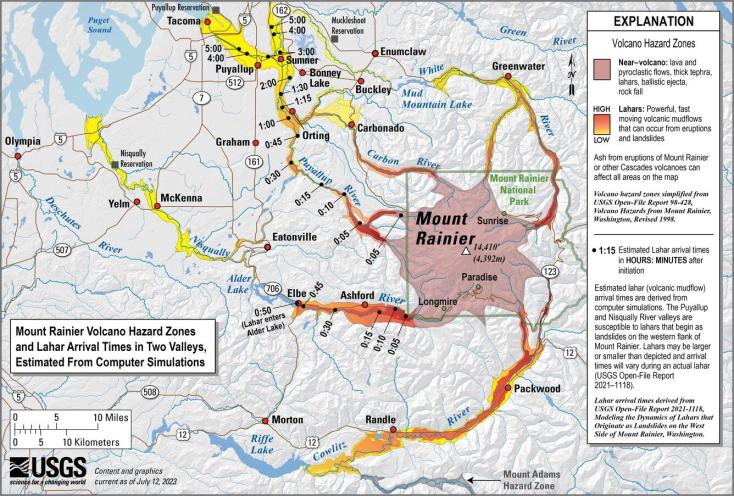
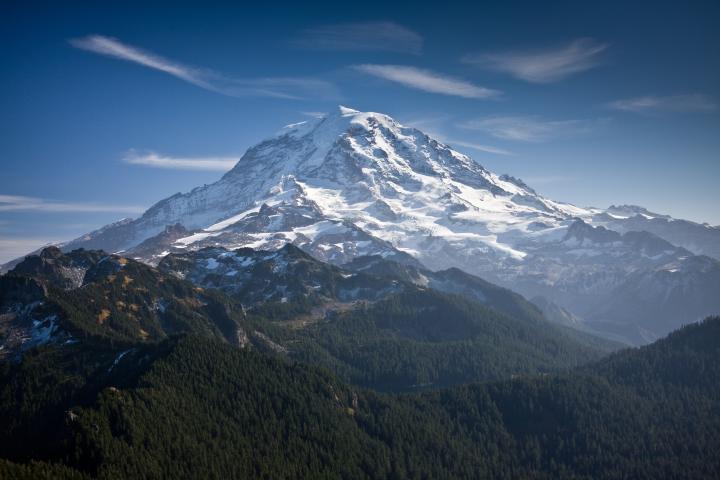
3
11
1,692

May 29
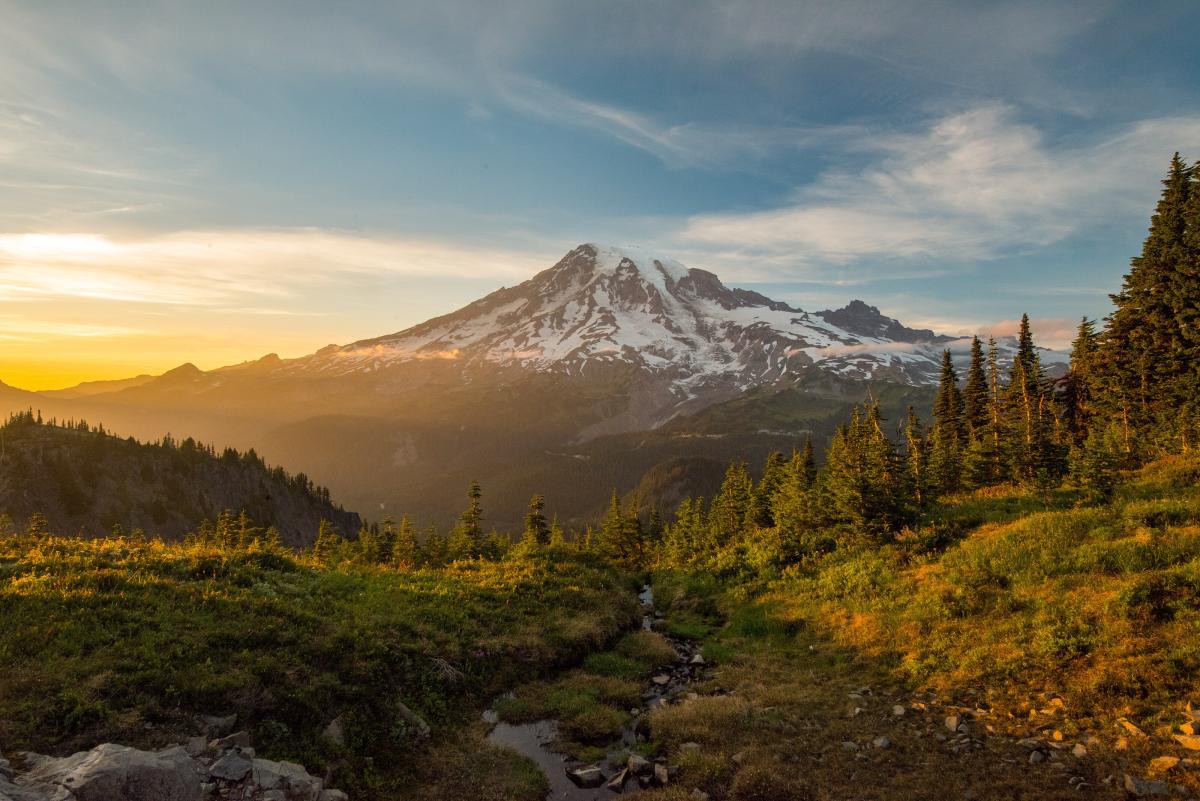
BREAKING: Scientists are warning that America’s most dangerous volcano, Mount Rainier, could unleash a catastrophic volcanic mudflow capable of devastating communities and killing up to 60,000 people within minutes.
75
181
500
29,544

May 28
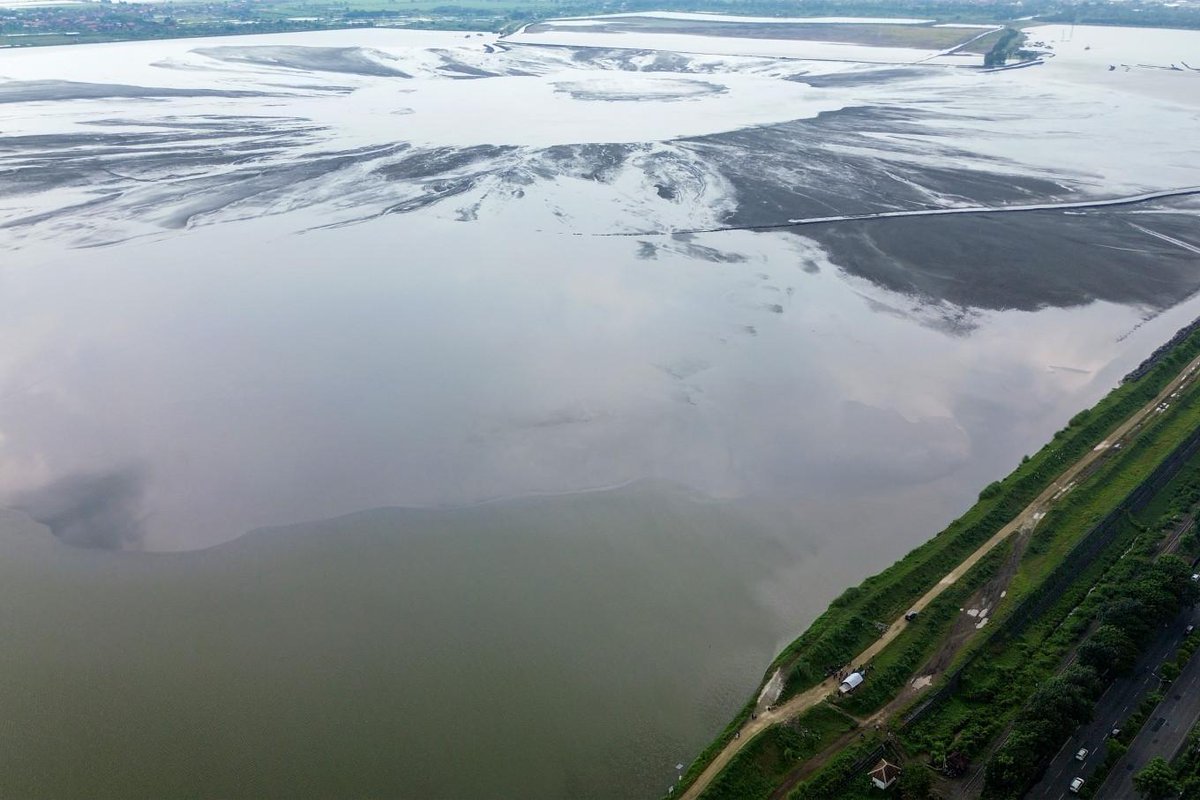
A disaster that never ends: Lapindo mudflow still shapes lives 20 years on - Archipelago - The Jakarta Post #jakpost bit.ly/3PIbH1l
1
615
May 28
#Indonesia #mudflow #rain #ecology #weather #climate #destruction #anomaly #climatechangey
🇮🇩 Powerful mudflow in Bolaang District (May 27, 2026)
🌊 A powerful mudflow occurred in Bolaang District, Bolaang Mongondow Regency, North Sulawesi, Indonesia. Streams of water, mud,
3
6
137