
Instead of copying raw data into one cluster, MultiContext keeps processing local. So Spark, Flink, HDFS and JDBC sources can feed one governed pipeline. scalytics.io/en-gb/blog/mult…
1
6

Is it really Shocking? Appears most AI founders did not have pets or plants, much less children. Especially the 20-40 yr olds. Otherwise,they would know that Intelligence is NOT just books& language is SO complicated. MultiContext, region, accents, Language (English, Arabic, etc)
1
1
2
159

9 Sep 2025
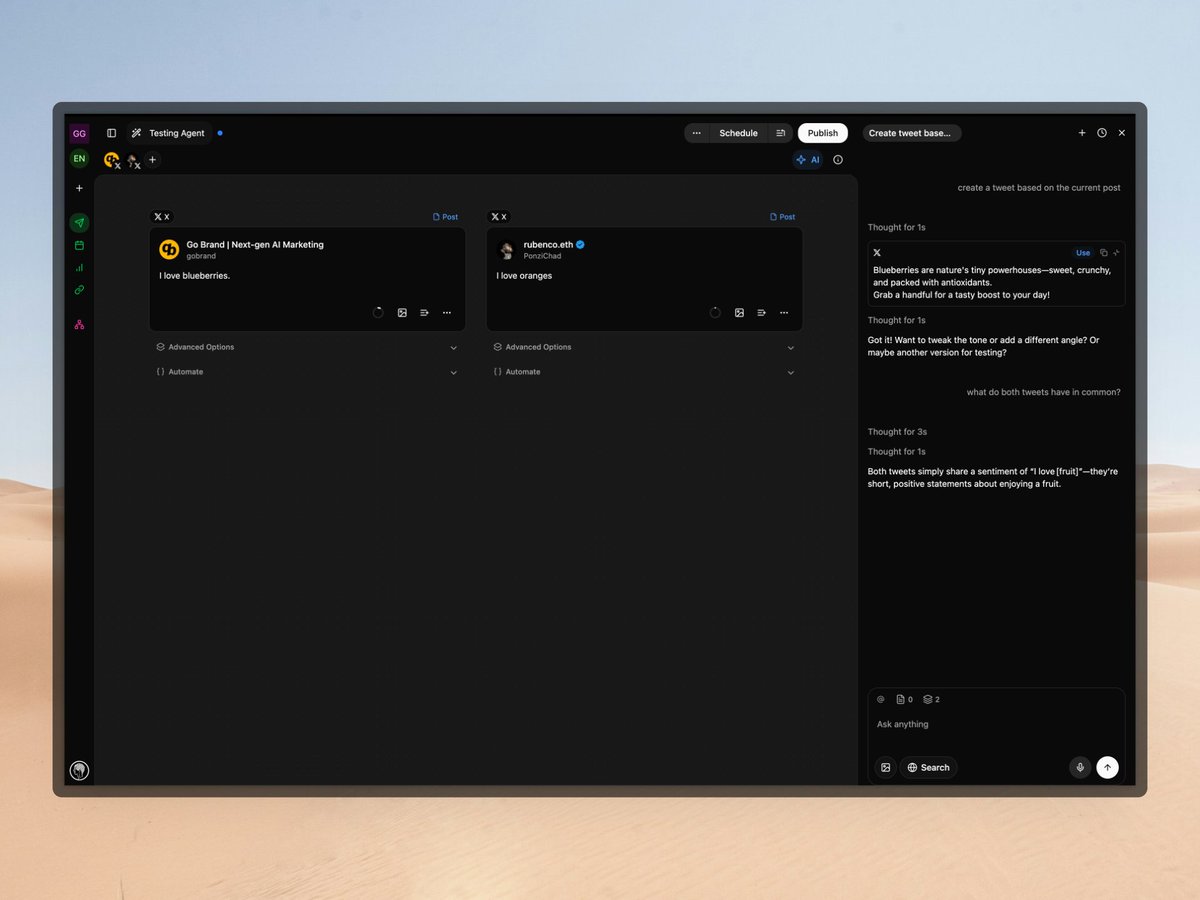
Cursor for social media is getting smarter every day.
Multimodal. Multicontext. Multiplatform. Parallel tools. Search. Writing styles.
Memory is next.
Is @supermemory the way to go for this?
2
12
1,810

11 Jun 2025
Joglekar et al. report a microRNA (miRNA)-based dynamic (responsive to the environment) risk score developed using multicenter, multiethnic and multicountry (‘multicontext’) cohorts for #type1diabetes risk stratification.
nature.com/articles/s41591-0…
3
197

9 Mar 2025
Q: What’s one of the best ways to enhance cognitive recovery following a stroke?
A: The Multicontext Approach.
It's a leading strategy backed by strong evidence. It enhances cognitive function and facilitates the transfer of skills to daily life.
Let’s break it down...
1⃣ What is it?
The Multicontext Approach is a cognitive rehabilitation framework that encourages self-monitoring, strategy use, and generalization across various tasks and environments. Studies suggest that it is more effective than single-context training for transferring skills to new situations. It is tailored for individuals with cognitive deficits, such as those recovering from a stroke or TBI, to enhance their functional independence.
2⃣ Why it works:
It enhances functional performance skills.
Individuals who use cognitive strategies across different contexts achieve better outcomes than those who apply them in just one context. This method fosters metacognitive skills—knowing when and how to utilize what you’ve learned.
3⃣ What science says:
Neuroimaging suggests that varied practice activates different neural networks, promoting neuroplasticity. Consider it as rewiring the brain through real-world challenges.
4⃣ What are the key principles?
🟡 Promote self-awareness & self-monitoring.
🟡 Provide opportunities for individuals to anticipate, recognize, and reflect on errors.
🟡 Use guided questioning to facilitate insight and self-correction.
🟡 Foster metacognitive skills by having individuals predict performance, reflect on challenge and adjust strategies.
🟡 Assist individuals in understanding why and how to implement these strategies, not just when to use them.
🟡 Promote consistent strategy application across various tasks.
🟡 Vary the tasks and contexts to support generalization.
🟡 Introduce functional, meaningful tasks that are relevant to real life.
🟡 Modify task demands, environmental factors, and distractions systematically.
🟡 Ensure skills learned in therapy transfer to work, home, and community settings.
🟡 Use guided discovery and questioning.
🟡 Shift from therapist-directed cues to client-driven problem-solving.
🟡 Encourage trial and error learning with feedback-based adjustments.
🟡 Use open-ended questions like:
- What worked well for you?
- How could you apply this strategy elsewhere?
- What would you do differently next time?
🟡 Help individuals recognize errors in real-time or during reflection.
🟡 Encourage self-generated cues rather than direct correction.
🟡 Provide graded assistance to balance challenge and success.
🟡 Acknowledge frustration, anxiety, or lack of confidence in cognitive tasks.
🟡 Foster a growth mindset—emphasize learning from mistakes.
✅ The Multicontext Approach isn’t just theory—it’s a practical, evidence-based tool for neurologic recovery.
39
10 Dec 2024
1/6
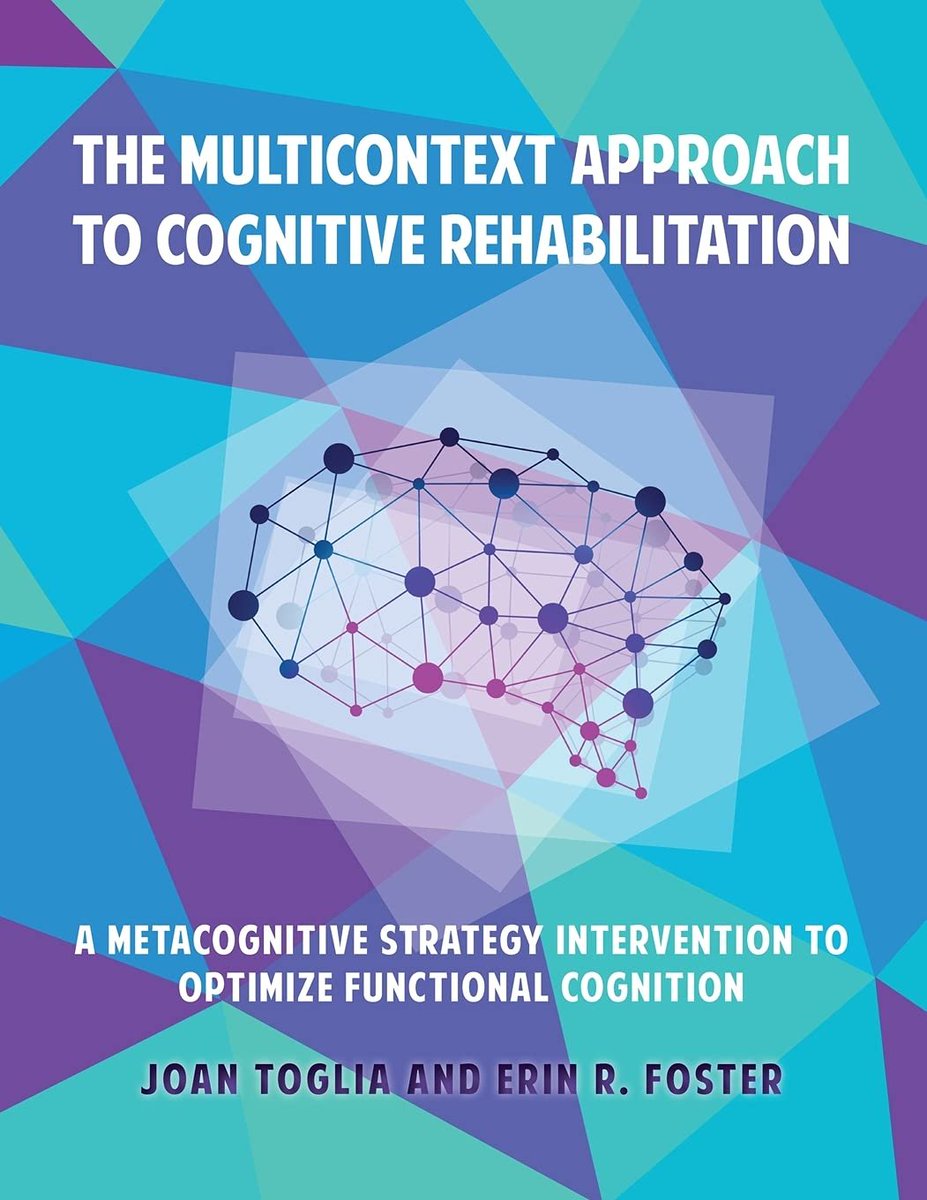
The Multicontext Approach is a metacognitive intervention that aims to improve
- awareness
- strategy use
- executive functioning
particularly for individuals with acquired brain injury (ABI).
#research #Multicontext #books #OccupationalTherapy #FunctionalCognition #stroke #rehabilitation #acquiredbraininjury #ABI
1
2
2,784

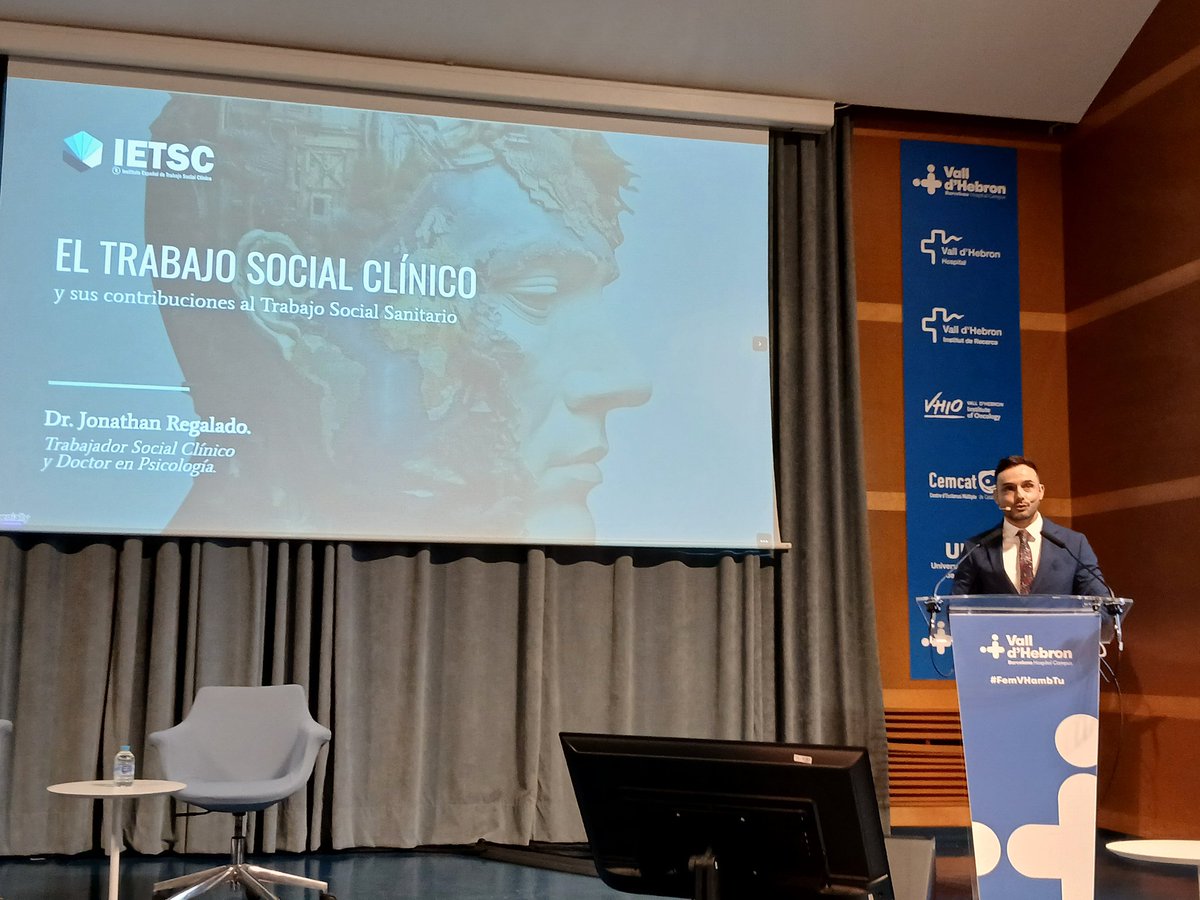
Comencem la 1ra Jornada amb la ponencia del Dr. Jonathan Regalado "el treball social clínic" com una especializació multicontext i les contribucions al treball social sanitari @dr_jregalado @icscat @vallhebron @mabarbaf @EuniceBlaVa @Elenasc20 @Crisqfernandez
7
14
362

22 Dec 2023
HAHAHAHAHAHAHAHAHAHAHAHAHAHAHAHAHAHAHAHAHAHAHAHAHAHAHAHAHAHAHAHAHAHAHAHAHAHAHAHAHAHAHAHAHAHAHAHA
(INI MULTICONTEXT)
22 Dec 2023


2
196

13 Dec 2023
It was a pleasure to share my research on "Foundations for Multicontext Modelling: semantic web-compatible vocabulary management for standards" at @the_mde_network symposium last week (lnkd.in/exu8-Nu4).
Catch up two days of great at the link below.
#MDE #MBSE #standards
13 Dec 2023

MDENet Annual Symposium 2023 video recordings are out! If you didn't make it to the symposium or you would like to watch a presentation again, head to our website (mde-network.com/annual-sympo…) where you can watch all the recordings!
1
2
124

20 Oct 2023
I needed it, so I made it: kuball, a multicontext CLI for kubectl. #kubernetes
github.com/lobuhi/kuball
1
6
912

25 Sep 2023
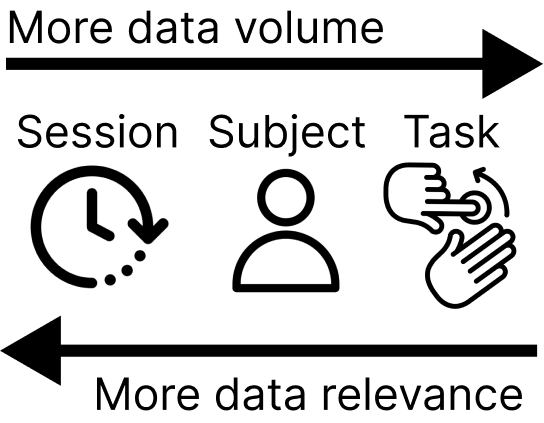
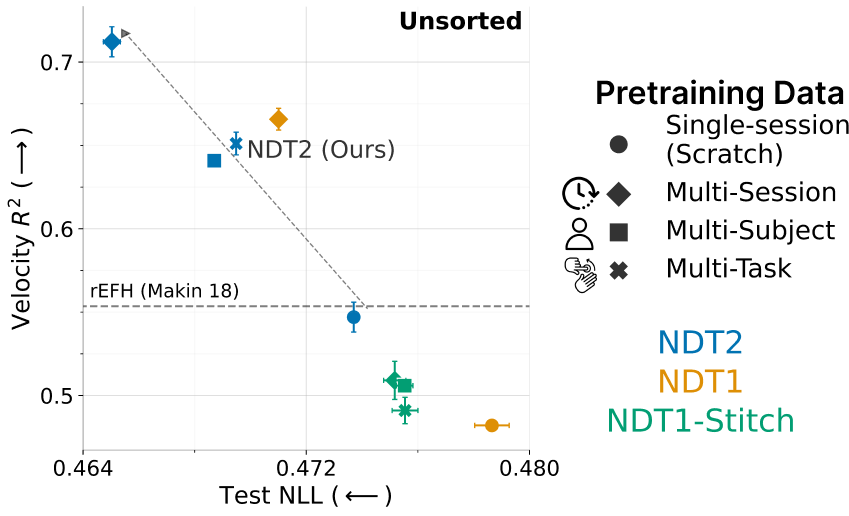
Check out this work from @_JoelYe on multicontext pre-training of a deep neural network for brain-computer interfaces! Neural data from multiple sessions, subjects, and tasks can be combined in the same model.

Neural Data Transformer 2 (NDT2), preprint accepted to NeurIPS 23! A study on Transformer pretraining neuronal spiking activity across multiple sessions, subjects, and experimental tasks! With @jenpgh, Leila Wehbe, and @robert_gaunt1! 1/7
1
12
1,512


15 Jun 2023
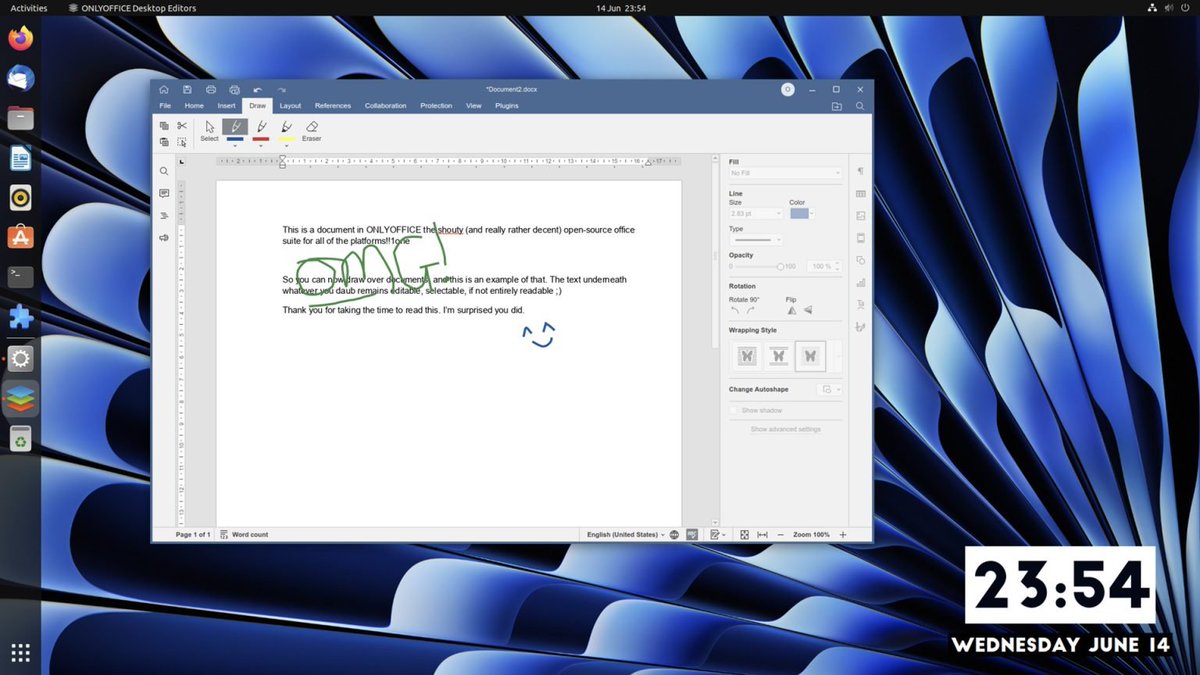
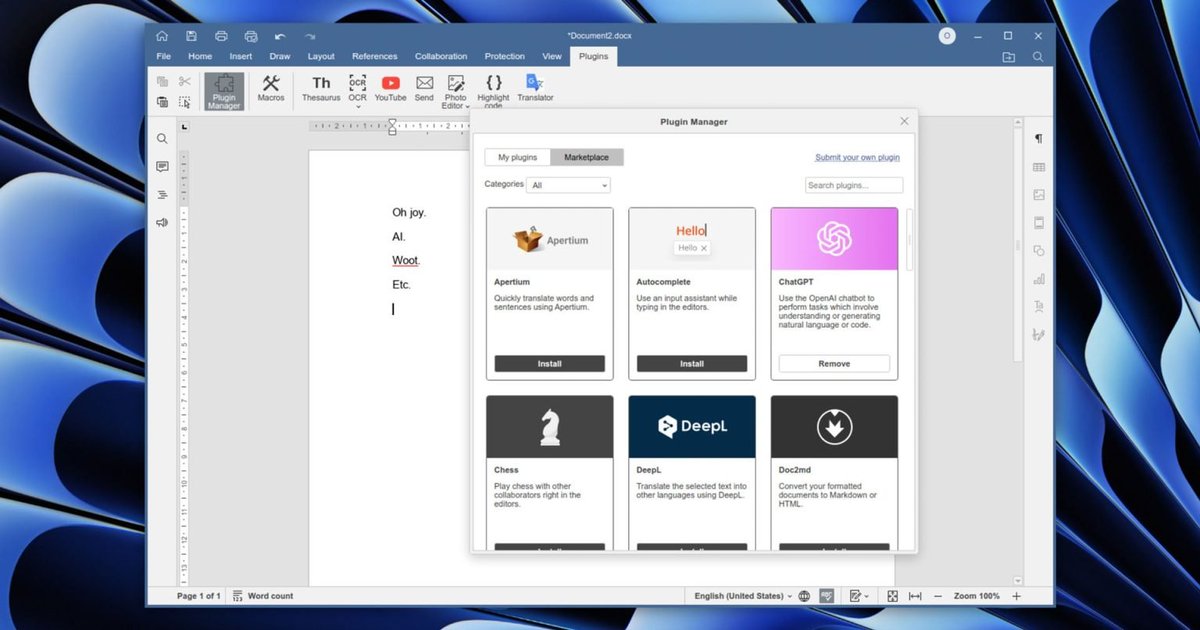
The latest version of #OnlyOffice 7.4 as highlighted by @omgubuntu (tinyurl.com/bdd87upr) adds several interesting new features to the already rich offer: it is available now a draw tool multicontext,the PlugIns Manager now for the desktop too and integration with ChatGPT too!
2
121

How can we keep connected vehicles safe & secure?
@StephenPowley shares research showing part of the answer lies beyond #tech in #multicontext #modelling, using #MBSE w/ international #standards to improve #interoperability & enable #digitaltransformation.
youtu.be/K8sauhB6w1E
1
3
381

5 Dec 2022
You might have fixed it by now, but glBufferData was giving me problems in multicontext too until I had a look to these:
WGL_CONTEXT_RELEASE_BEHAVIOR_NONE_ARB WGL_CONTEXT_RELEASE_BEHAVIOR_FLUSH_ARB
Maybe that help, maybe (probably) not, but just in case.
1
8

On this #EverydayEvidencePodcast episode, we speak with Joan Toglia and Erin Foster about their new textbook, The Multicontext Approach to Cognitive Rehabilitation, along with research they've championed related to functional cognition. aota.org/publications/podcas…
1
4

9 Nov 2022
The newest Everyday Evidence podcast is now available! Listen to Joan Toglia and Erin Foster discuss functional cognition and their new textbook, The Multicontext Approach to Cognitive Rehabilitation.
bit.ly/3O79xTP
1
2

18 Mar 2022
I agree. But why stop at "healthy" ? Why not leverage all the priors you can? So DE as sum of robust factors identified from related samples and multicontext compendia eg differential celltypes subtypes and states from known and unknown regulatory mechs. How could we do this?
1
2

27 Dec 2021
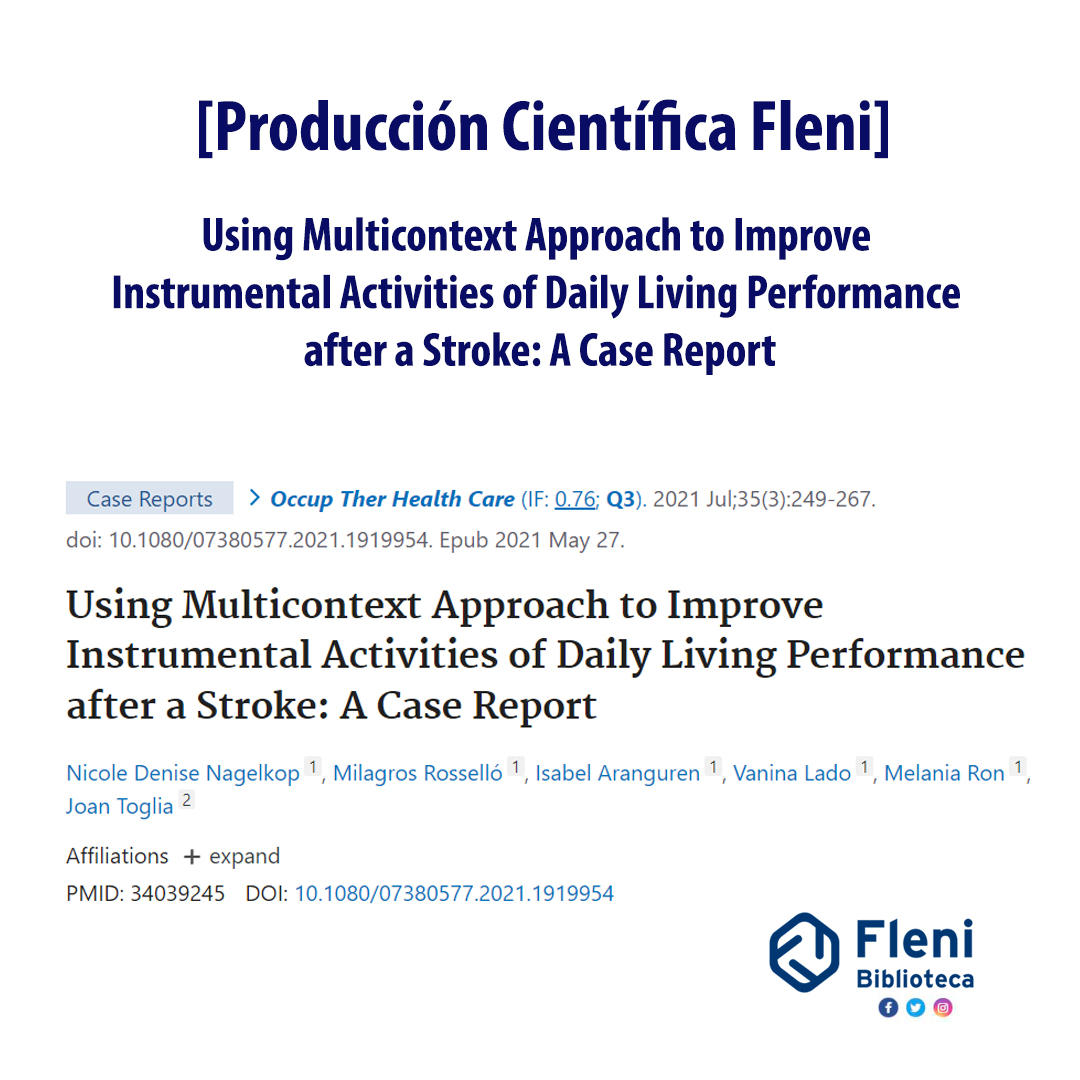
[𝐏𝐫𝐨𝐝𝐮𝐜𝐜𝐢𝐨́𝐧 𝐂𝐢𝐞𝐧𝐭𝐢́𝐟𝐢𝐜𝐚 𝐅𝐥𝐞𝐧𝐢]
Nagelkop ND, Rosselló M, Aranguren I, Lado V, Ron M, Toglia J. Using Multicontext Approach to Improve Instrumental Activities of Daily Living Performance after a Stroke: A Case Report.
tandfonline.com/doi/abs/10.1…
1
4

9 Nov 2021
Check out the latest @AAAS-IUSE blog post, Building Inclusion in STEM Through Activation of Multicontext Theory by Drs. Weissmann & Ibarra @UNM. Shout out to this month's blog editor @Drcalvinbriggs
aaas-iuse.org/building-inclu…
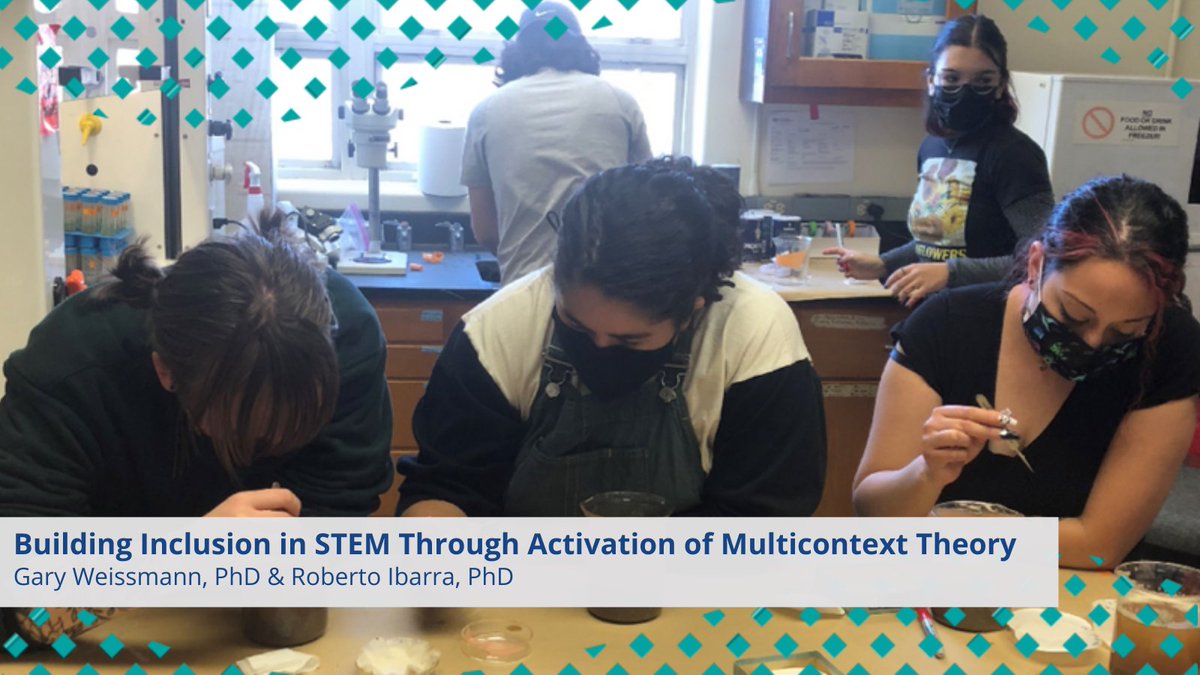
ALT Image of students participating in an environmental science class that uses Multicontext Theory to develop systems thinking skills and build an inclusive learning environment. Text: Building Inclusion in STEM Through Activation of Multicontext Theory, Gary Weissmann, PhD & Roberto Ibarra, PhD.
1
3