
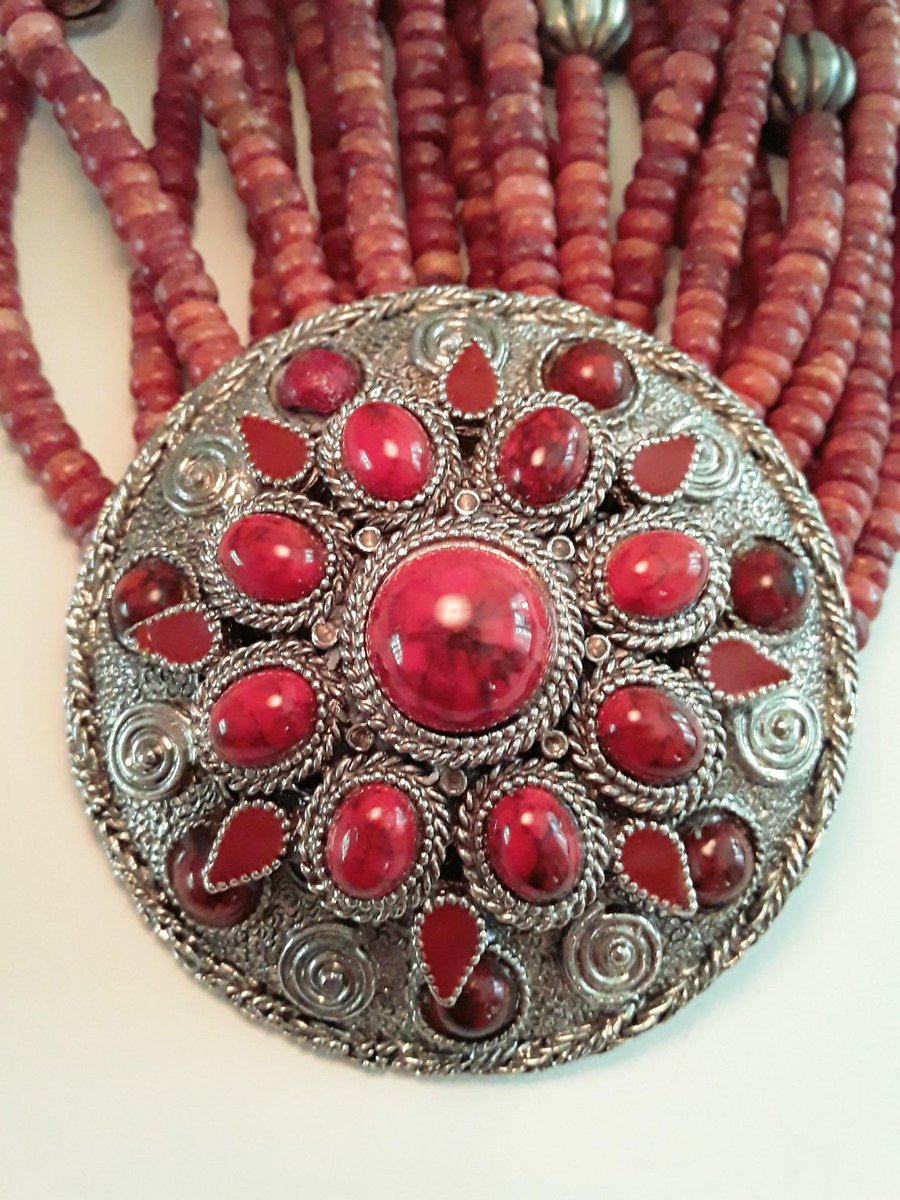
Vintage JAY FEINBERG Statement Bib Necklace, Multi-Strand Earth Tone Beads, Ornate Silver Medallion
etsy.com/listing/4522431531/…?
#necklace #pendantNecklace #vintage #JayFeinberg #designer #signed #multiStrand #silvertone #disk #runway #statement #extrawide #chunky #strongwater
2
1
89
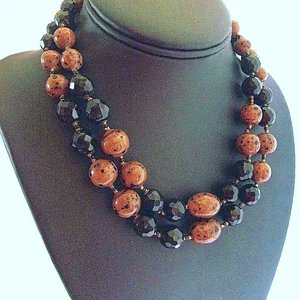
Vintage Josef Morton Necklace: Brown Speckled Art Glass & Black Faceted Beads
etsy.com/listing/4522382113/…?
#necklace #vintage #JosefMorton #designer #signed #doubleStrand #black #crystals #glass #speckled #beads #rare #brown #multistrand #classic #collectible #MiriamHaskell
1
1
14

Vintage MOP Necklace - Twisted Multistrand - Off-White - Short 15 1/2 inches etsy.me/4ou5fHX via @Etsy
2

Jun 12
#MoondramKan - 1.5/5
Substandard suspense drama that wastes its star potential due to shoddy execution. Has a multistrand narrative which loses steam even before the halfway mark & with badly conceived scenes in second half, this one is nothing but a borefest.
Verdict: Skip.

3
263

SHB Signed Shofel Bros Mfg Co. Vintage Creamy White 6 Strand Braided by TreasuringFifty
etsy.me/4eICyB6 via @Etsy #SHB #ShofelBros #VintageJewelry #VintageNecklace #MultiStrand #Braided #Chunky #SignedJewelry
9
5
72

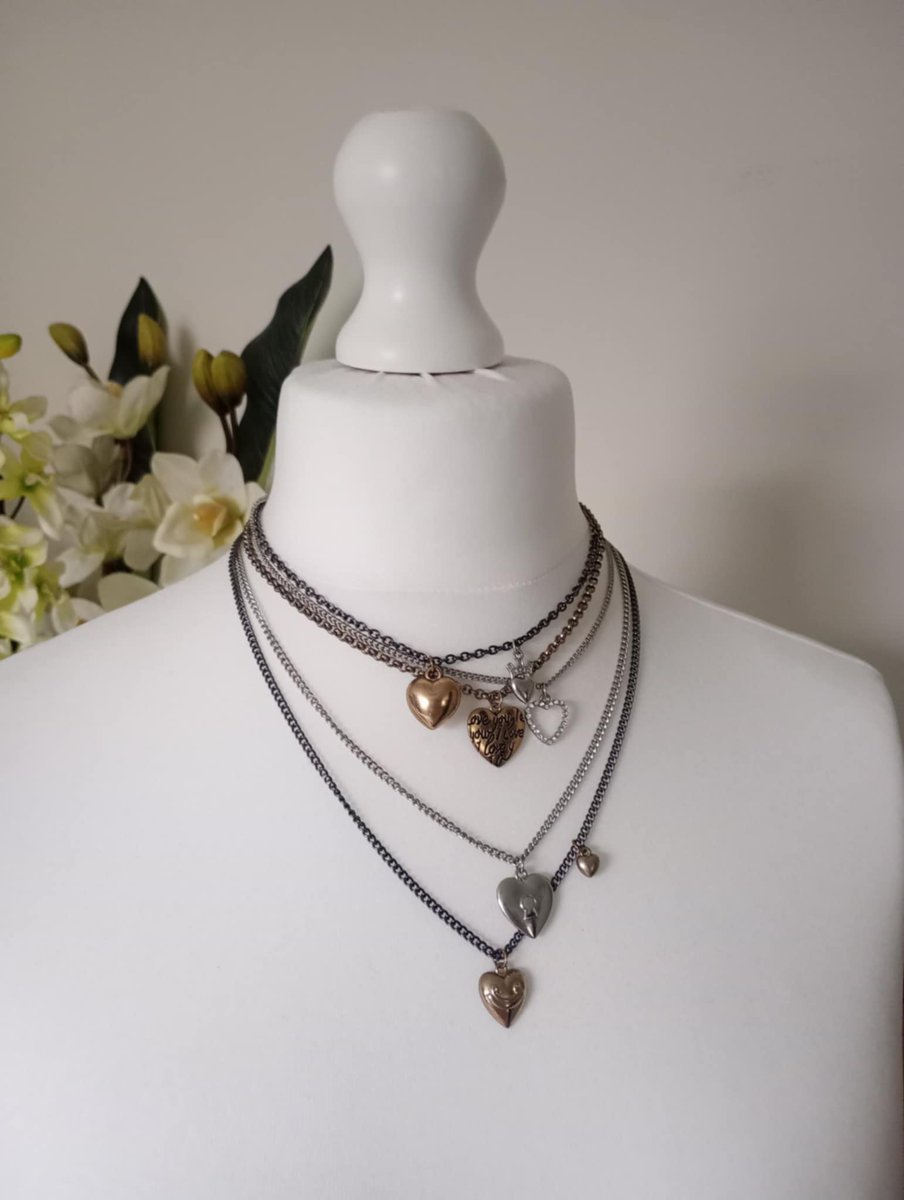
BUY 2 ITEMS IN STORE, SAVE 10% 🧡 Vintage 90s Layered Heart Charm Necklace, Mixed Metal Colours Multistrand 18.5" 🧡 #etsystore #CraftBizParty #UKBiz #shopindie #shopsmall #UKMakers #vintage #necklace #vintagejewellery lovesvintage43.etsy.com/list…
5
6
33
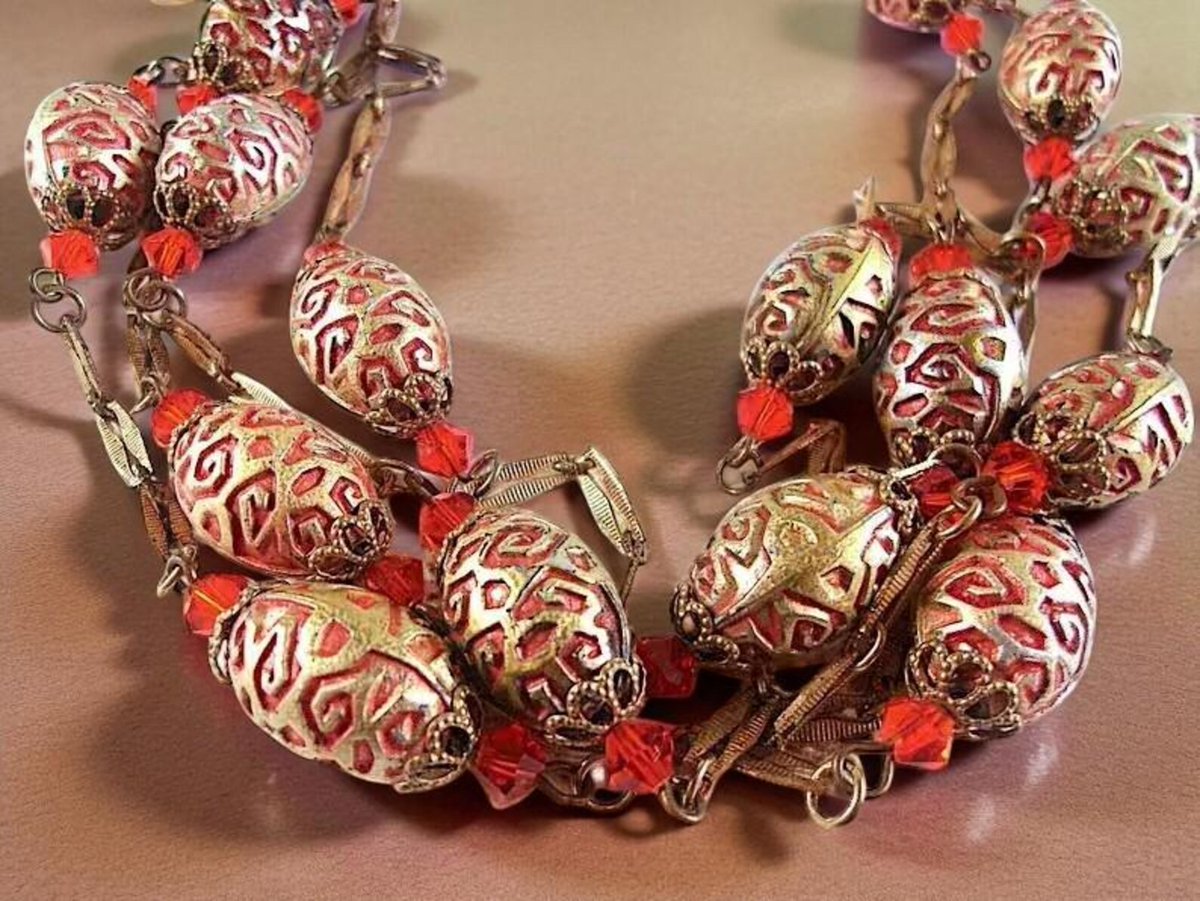
Czech Double Strand Necklace, Oval Orange Glass Beads Encased in Gold Tone Filigree, Vtg
etsy.com/listing/4490880369/…?
#CzechNecklace #ArtDeco #vintage #long #orange #glass #beads #flower #fancyclasp #doublestrand #eggBeads #gold #statement #czech #multiStrand #collectible #caged
1
4
3
121
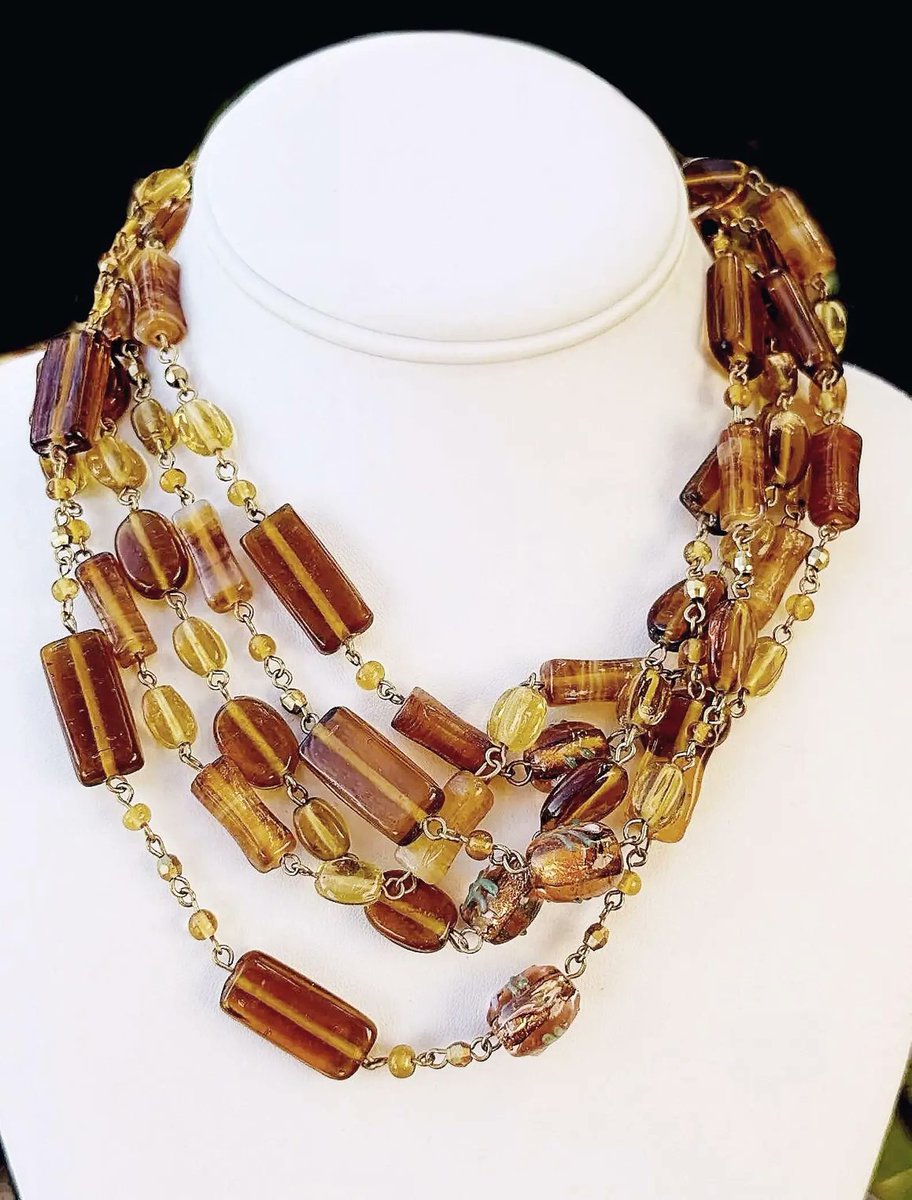
Topaz Glass Bead Multi Strand Necklace, Amber Honey Shades, Chain Link, Vintage
etsy.com/listing/4489147429/…?
#necklace #multiStrand #5strands #glass #beads #lemon #honey #midCentury #MCM #adjustable #chainLinks #vintage #collectible
1
1
66
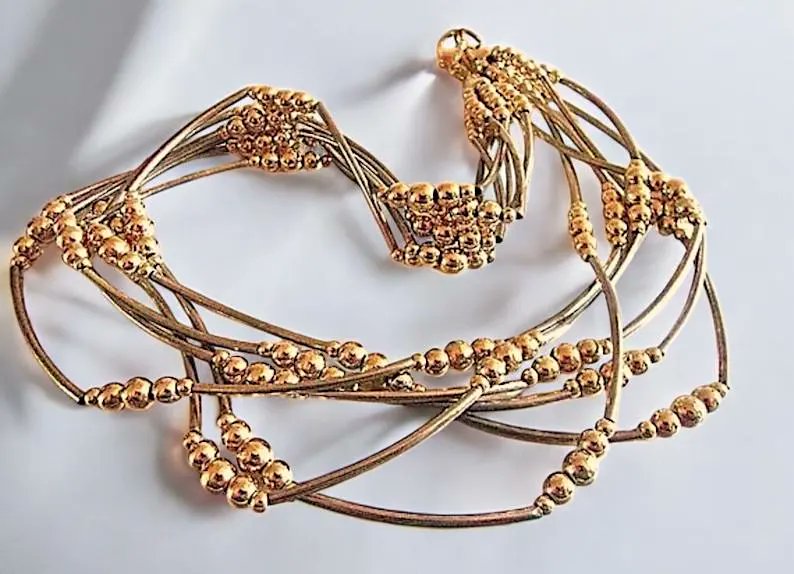
Gold & Silver Tone Necklace, Multi 6-Strand Stationed Beads, Curved Bars, Two-Tone Vintage
etsy.com/listing/4486485565/…?
#necklace #vintage #multistrand #6strand #goldsilver #twotone #stationaryBeads #goldtone #silvertone #curvedBars #workOffice #contemporary #modern #work #business
1
6
6
100
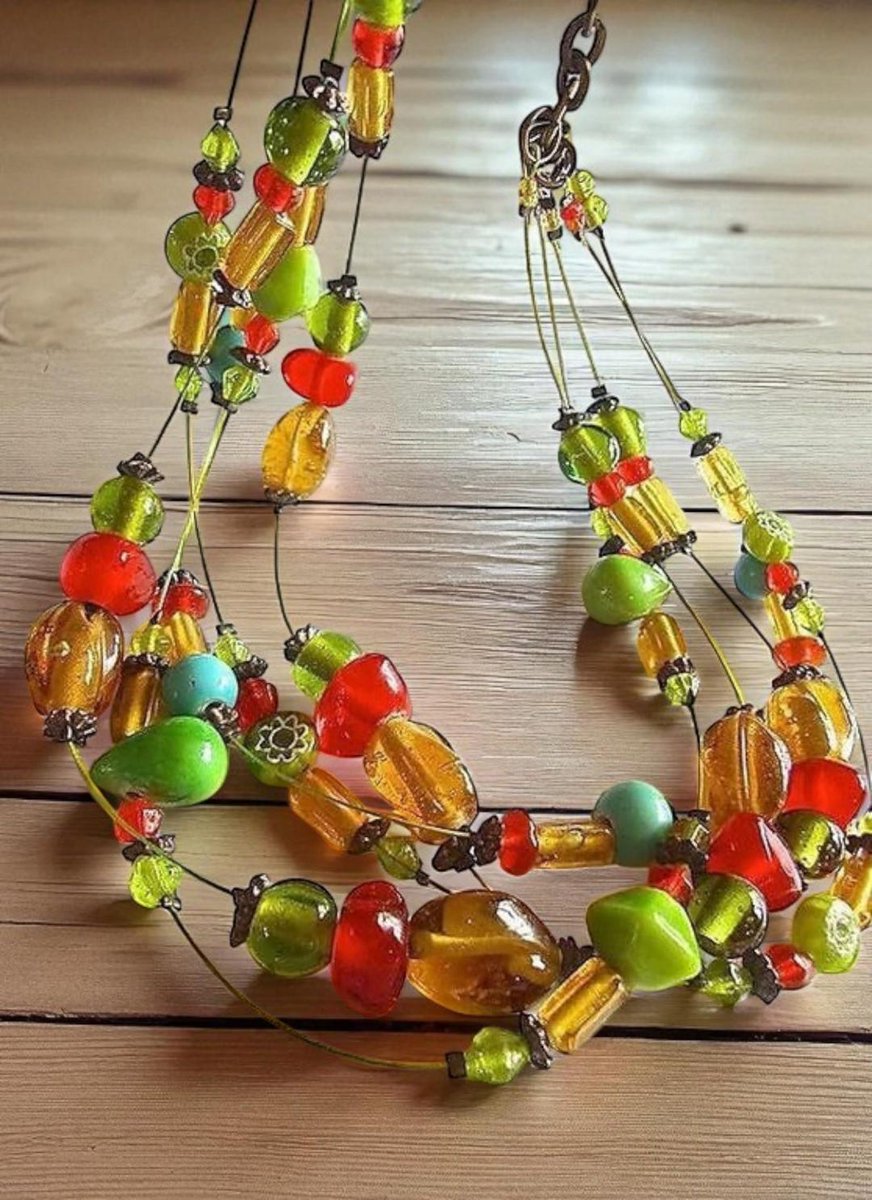
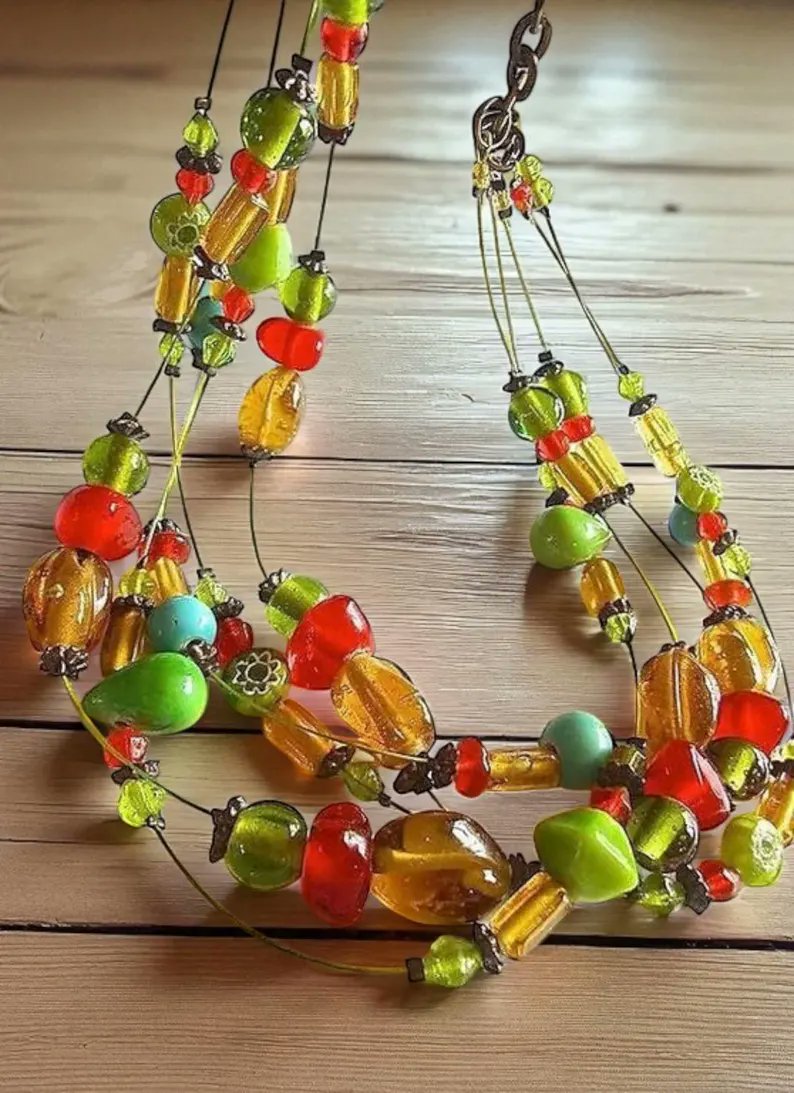
Vintage Multi Strand Art Glass Bead Necklace, Colorful Boho on Coated Wires by RenaissanceFair: 42.00 USD
Burst of playful color with this vintage multistrand necklace! Featuring an eclectic mix of art glass beads in cheerful shades of red, green,… dlvr.it/TRyRrJ
17
12
141
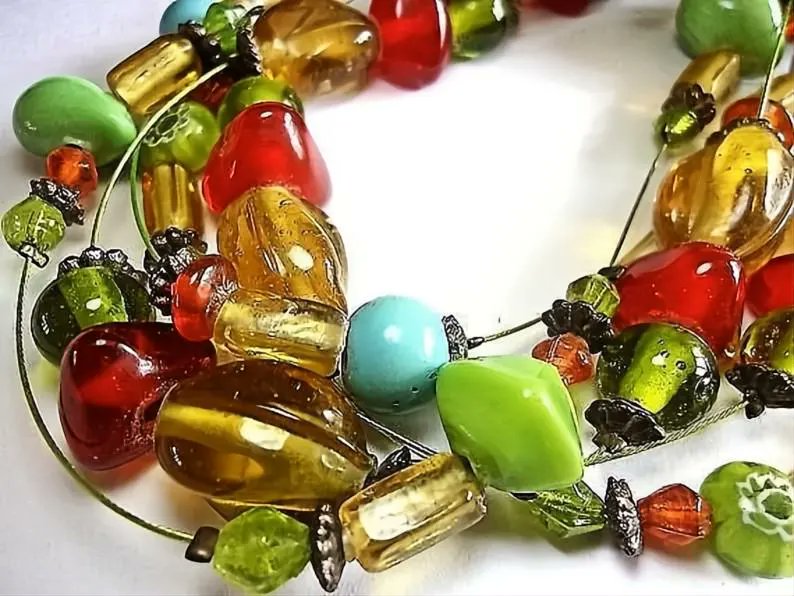
Vintage Multi Strand Art Glass Bead Necklace, Colorful Boho on Coated Wires
etsy.com/listing/4420499118/…?
#necklace #multistrand #multicolors #artGlass #vintage #coatedwires #opaque #artisan #bronzeSpacers #spring #summer #fun #clearGlass #4strands #festive #summer #Boho
6
6
82
Vintage Multi Strand Art Glass Bead Necklace, Colorful Boho on Coated Wires
etsy.com/listing/4420499118/…?
#necklace #multistrand #multicolors #artGlass #vintage #coatedwires #opaque #artisan #bronzeSpacers #spring #summer #fun #clearGlass #4strands #festive #summer #Boho
10
12
109

Please change to a softer brush. You’re abrading your gums and teeth. Better to brush, then use the little proxi brushes between teeth, and floss ( gets under gum line) with the little multistrand floss pics. Healthy gums do not bleed.
1
1
3
298

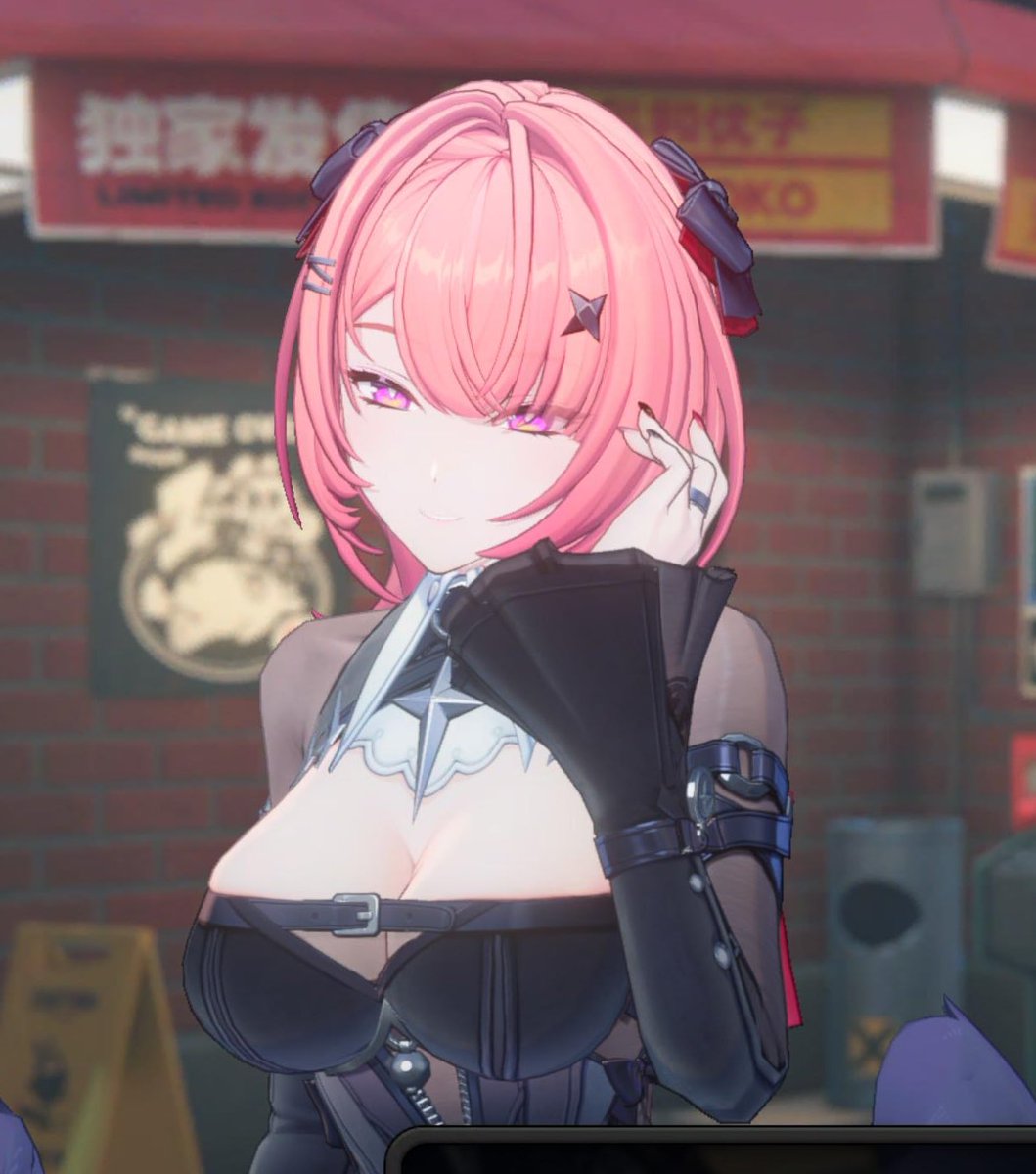
I dont even necessarily think ZZZ lost all of it's identity mind you, but going from Nicole's Hair which is clearly made out of simple shapes to super detailed multistrand stuff is a little jarring. One of ZZZs stregnths was its simplicty, so its sad its not really there anymore.


25
385
5,662
125,268
Vintage White Milk Glass Three Strand Beaded Choker Necklace; by TreasuringFifty
etsy.me/4fDKWTb via @Etsy #VintageNecklace #MilkGlassNecklace #VintageJewelry #MultiStrand #VintageChoker #Choker #WhiteChoker #VintageSale #JewelrySale #MothersDay #VintageGift
9
6
83
Vintage White Milk Glass Three Strand Beaded Choker Necklace; by TreasuringFifty
etsy.me/4fDKWTb via @Etsy #VintageJewelry #VintageNecklace #WhiteMilkGlass #MilkGlassNecklace #Midcentury #MultiStrand #WhiteBeads #JewelrySale #EtsySale #Choker
10
5
71

Both sides are identical. No knots. No loose threads. Flip it over and you can't tell which is the front.
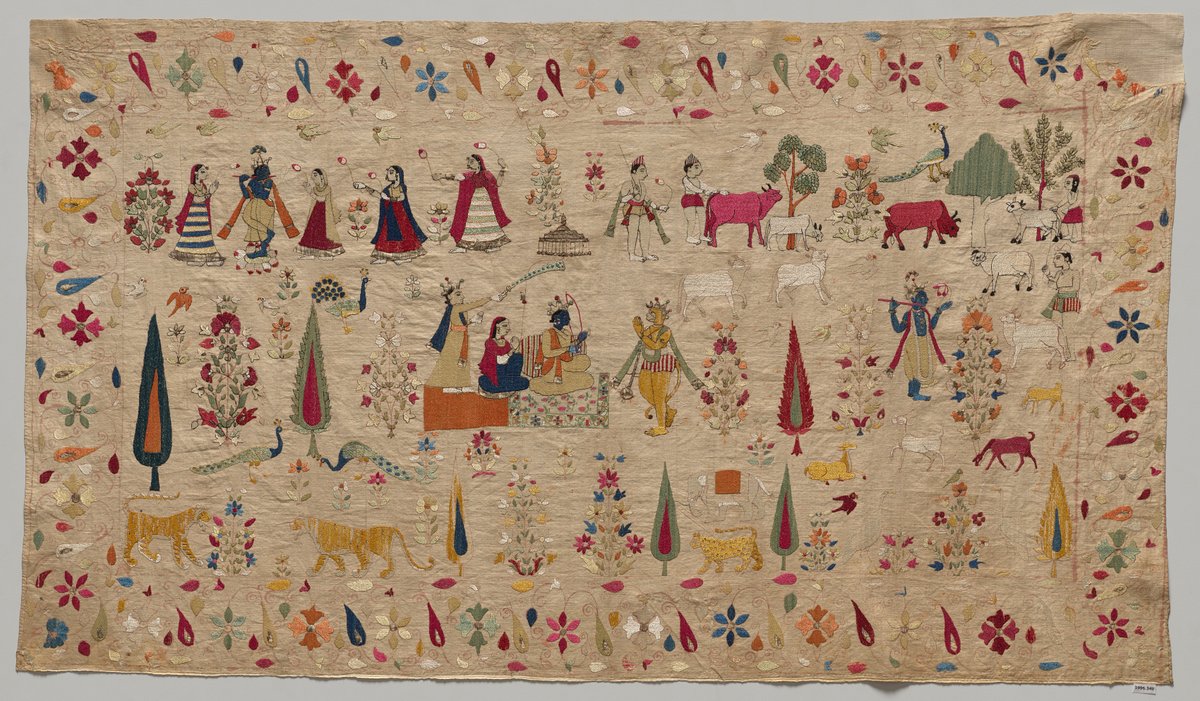
Women in the Pahari kingdom of Chamba, in the northwest Himalayas, perfected a technique called double satin stitch that made embroidery look like a painting on cloth. A male artist first drew the composition onto hand-loomed cotton muslin with a brush and noted which colors to use. Then the women stitched flat planes of silk and silver wire over both sides simultaneously. Girls wound the silk threads into multistrand floss.
The scenes here come from Hindu devotional literature. The monkey general Hanuman kneels before the god Rama, Rama's wife Sita, and his brother Lakshmana. Pastoral scenes of Krishna fill the borders.
Rumals like this one were given as gifts at weddings and state ceremonies. They were measures of wealth. The cloth is about 2 feet by 3.7 feet. Every inch, both sides, done by hand in unbroken silk.
Centuries later, some of the embroidery has fallen away. Underneath, you can still see the original brushstrokes telling the stitchers where to go.
Unknown maker, Rumal with Rama and Krishna scenes, 1700s. Cleveland Museum of Art.
3
38

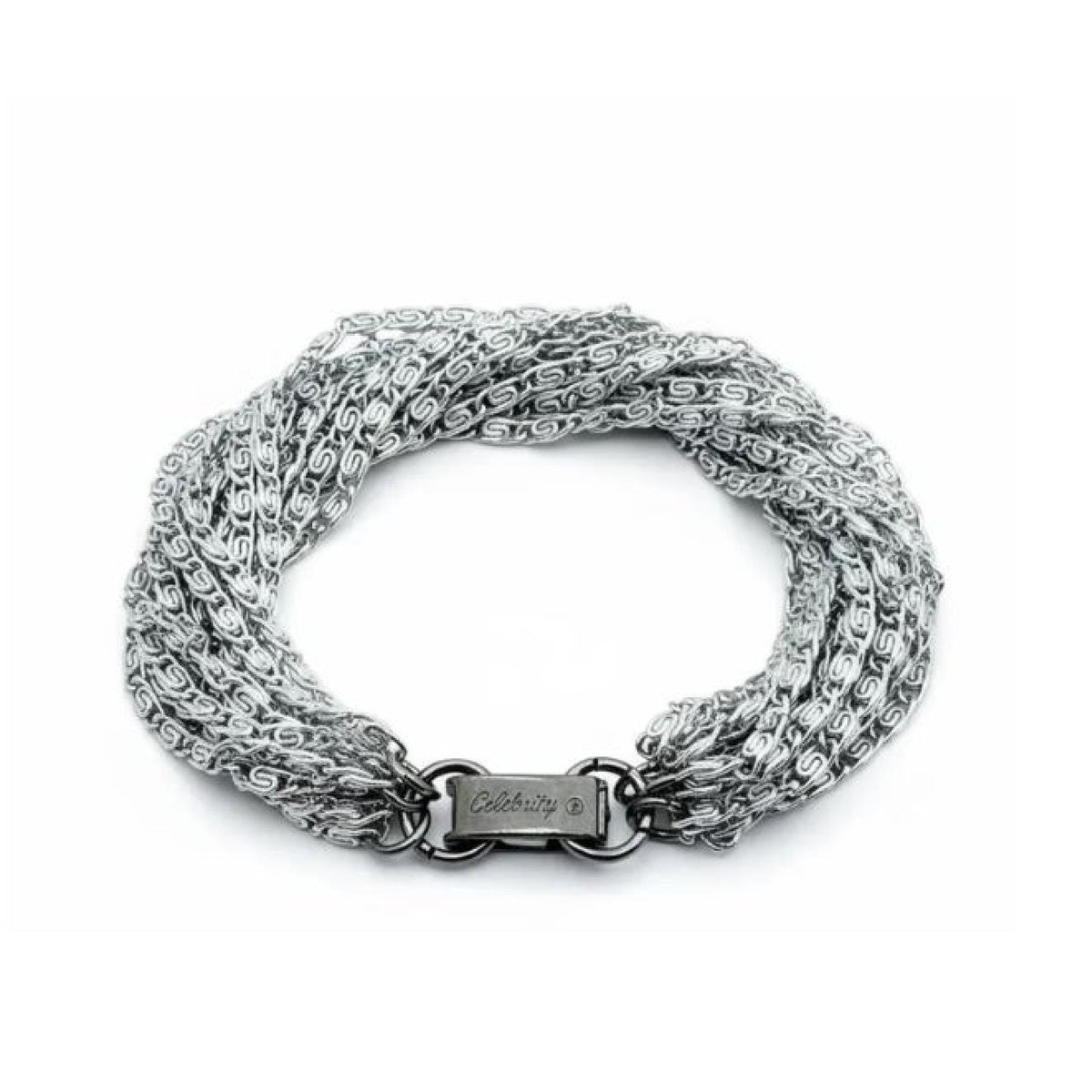
Vintage Celebrity Silver Tone Bracelet: 1960s Mod Swirl Multi-Strand Scroll Chain tuppu.net/fa7b0221 #JunkYardBlonde #Etsy #MultiStrand
7
2
26
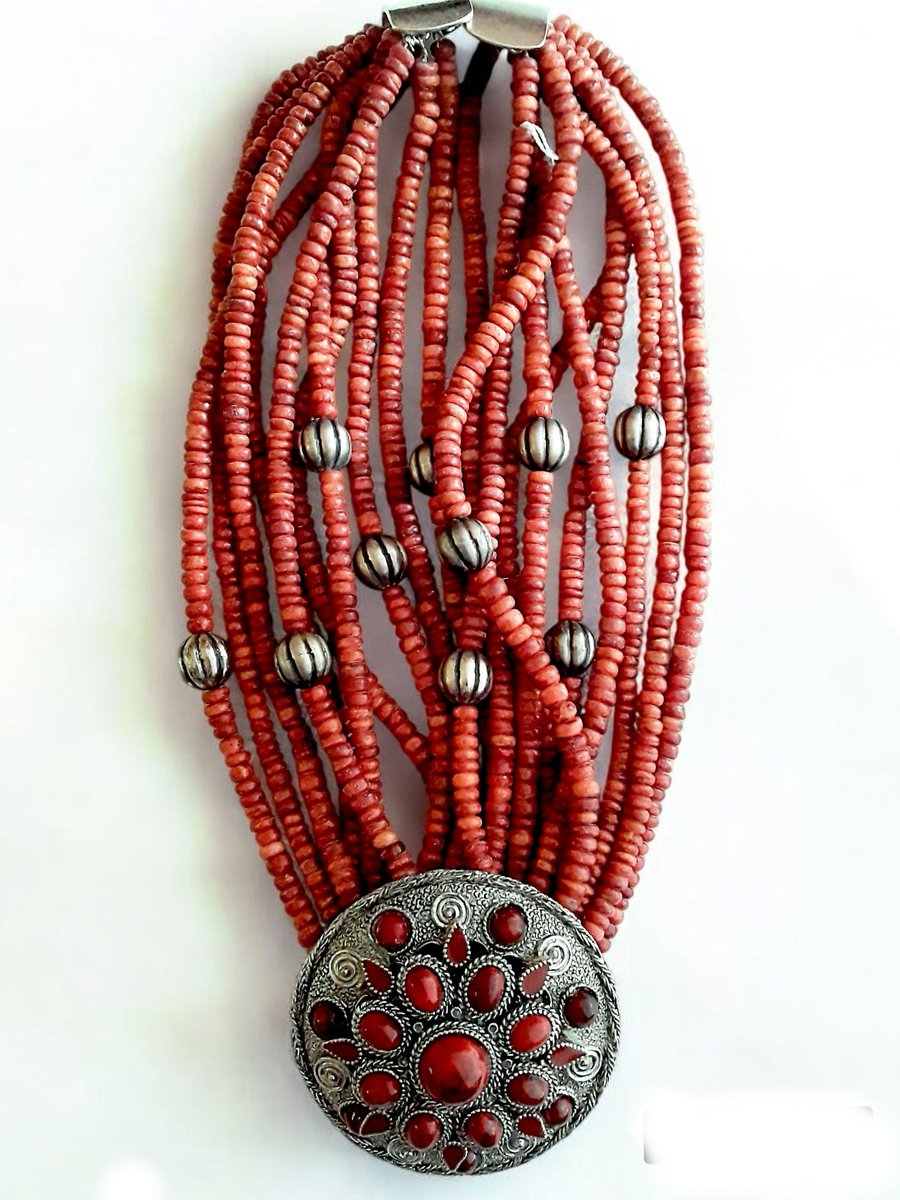
intage JAY FEINBERG Statement Bib Necklace, Multi-Strand Earth Tone Beads, Silver Medallion
etsy.com/listing/4457234008/…?
#necklace #pendantNecklace #vintage #JayFeinberg #designer #signed #multiStrand #10strands #silvertone #medallion #earthtone #heavy #extrawide #chunky #strongwater
8
7
143
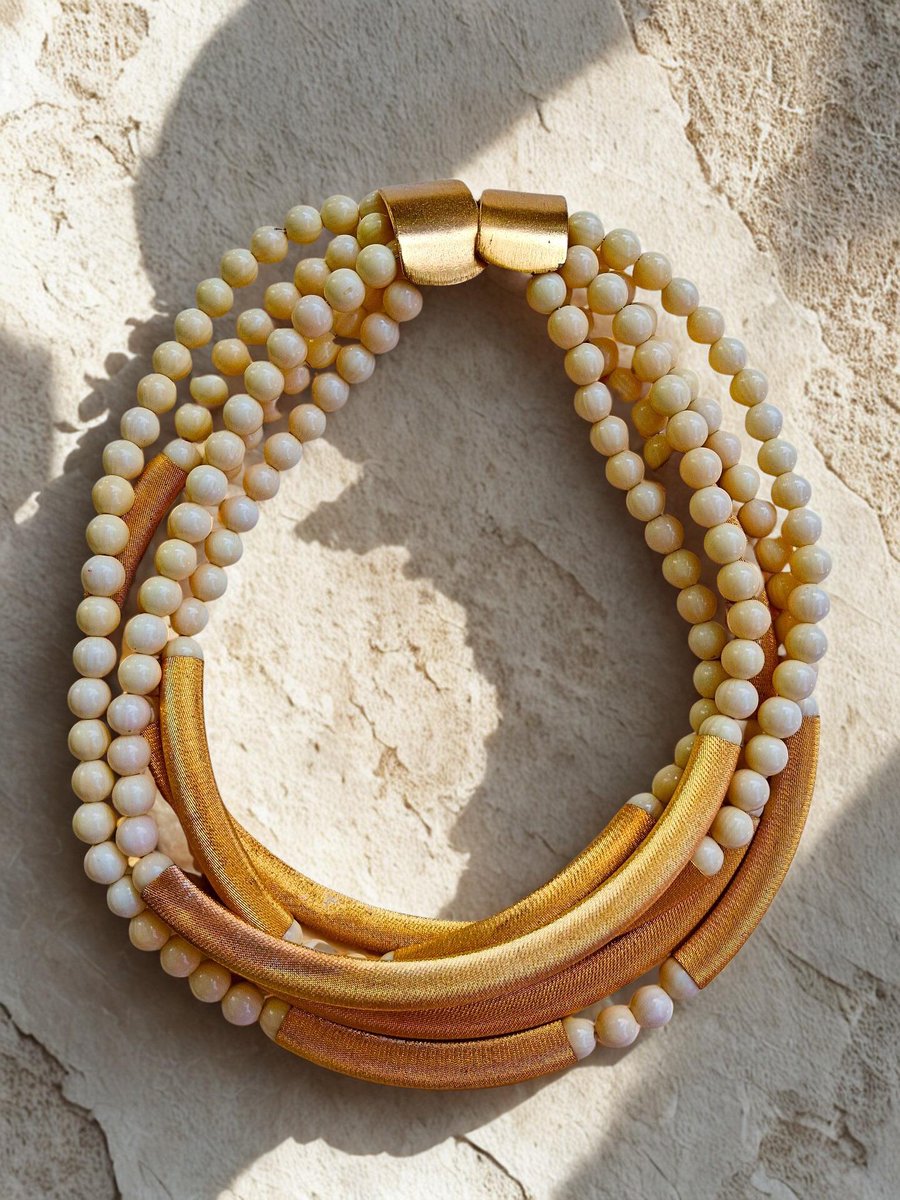
Vintage Jay Feinberg 5-Strand Statement Necklace, Gold & Cream Beaded Layered Choker
etsy.com/listing/4447642027/…?
#necklace #choker #designer #signed #JayFeinberg #multistrand #hautecouture #Strongwater #goldtone #drapping #statement #cream #beige #beaded #curvedBars #collectible
3
8
168