
1 Nov 2024
Spin models and psychological systems
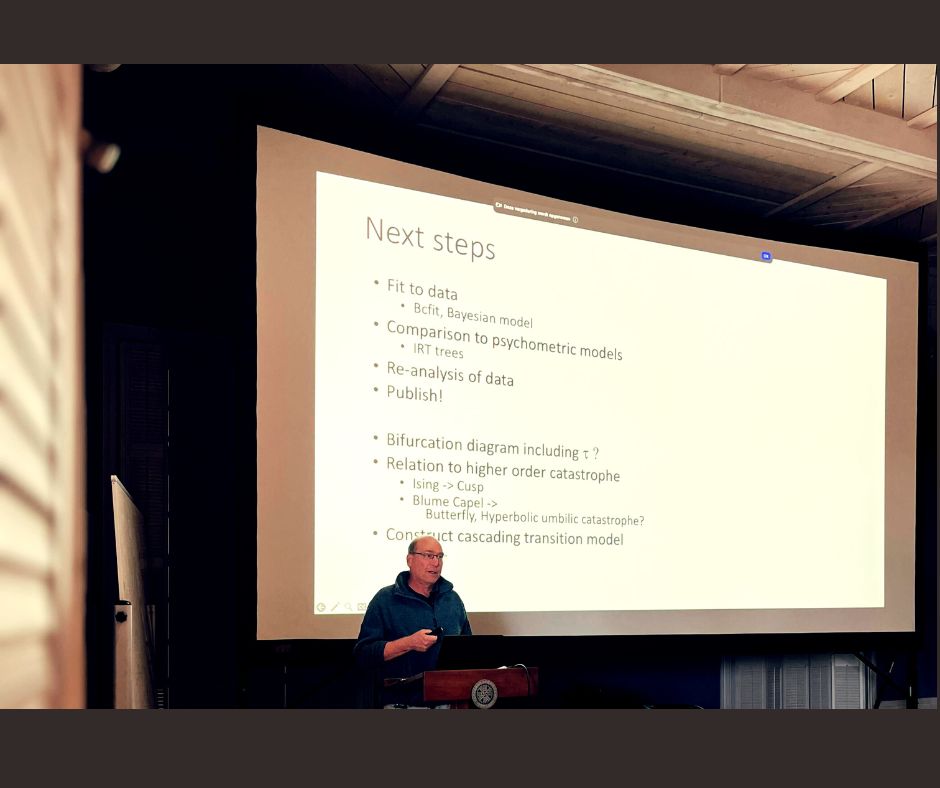
Psychologists have been exploring network models as fresh alternatives to traditional theories like the g-theory of general intelligence. In studies on major depressive disorder and attitude shifts, they’ve applied advanced models like the Ising model to uncover fascinating dynamics—like what causes sudden relapses or polarization in beliefs.
Now, they are leveling up by using the Blume-Capel model to capture more nuanced responses, which is a big win for studying behaviors and complex attitudes. Plus, they’ve introduced new R packages to make this model accessible for psychological data analysis.
Tune into SFI External Prof Han van der Maas’ (@UvA_Amsterdam) talk to learn new insights and research tools that help better understand human behavior!
youtube.com/watch?v=tSGFTh0M…
#PsychologyResearch #NetworkModels #Complexity
2
8
31
3,986

25 Oct 2022
#PeerReview from @eLife of 👉🏿 Task-driven hierarchical deep neural networkmodels of the proprioceptive pathway biorxiv.org/content/10.1101/… #biorxiv_neursci #reviewedpreprint
1
2

25 Oct 2022
#PeerReview from @eLife of 👉🏿 Task-driven hierarchical deep neural networkmodels of the proprioceptive pathway biorxiv.org/content/10.1101/… #bioRxiv #reviewedpreprint
2

22 Sep 2022
🚨 #InterpreterFinalConference is coming!
Distributors will share experiences on how the project's tools have helped improve #networkmodels.
Listen Martin Wagner from @Atos on exploitation perspectives for @Interpreter2020 solutions.
#EUSEW2022
Register! bit.ly/3LwZ8iX
1
1

26 May 2022
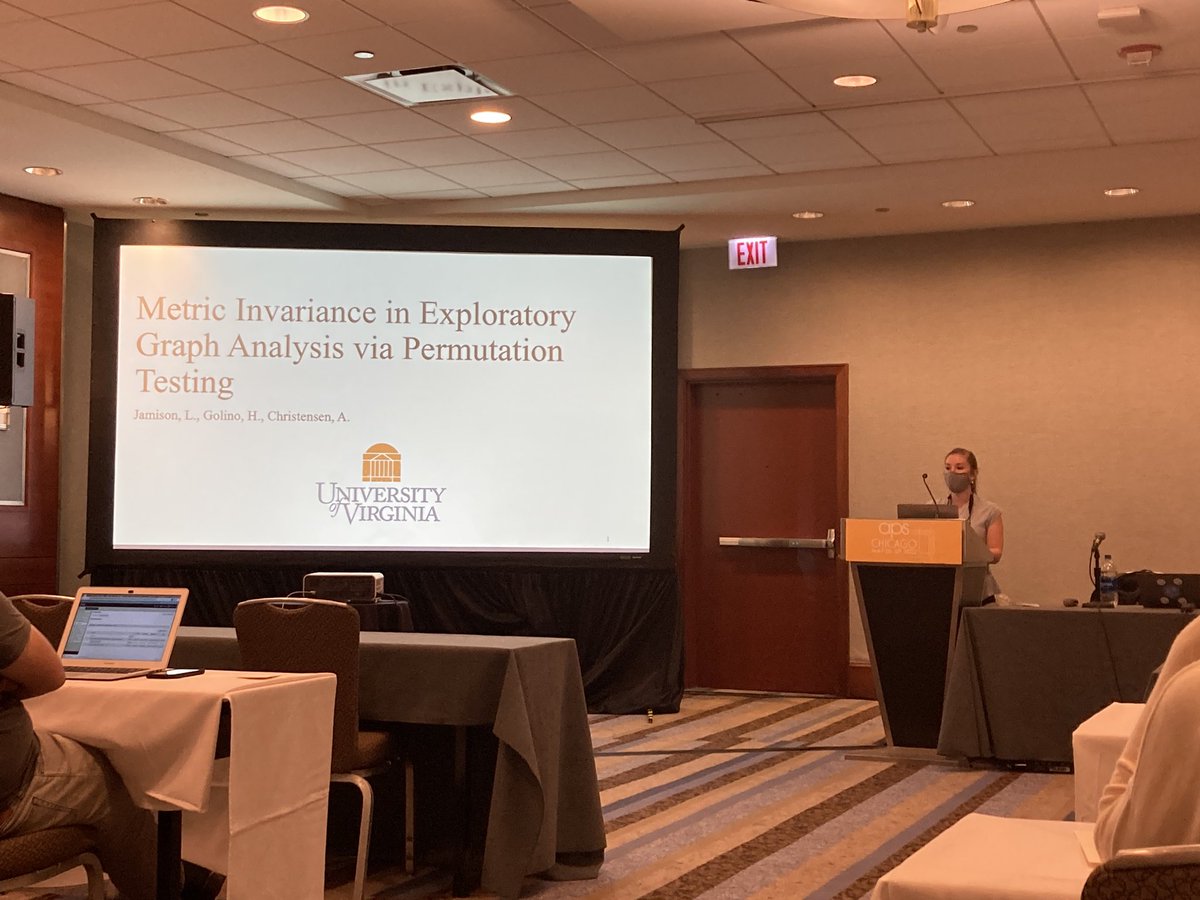
Now Laura takes over the EGA workshop to discuss metric invariance! #networkmodels #statistics #measurement
5

3 Jan 2022
New Blog Post 📣
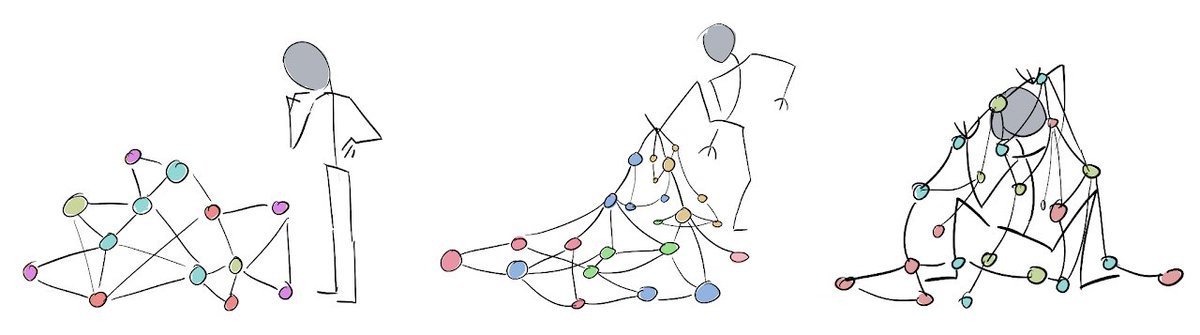
Professor @BorsboomDenny writes an engaging post about brain diseases and psychology traps. @UvA_Amsterdam @FMG_UvA @UvA_IAS
Read it here: ow.ly/IRie50Hm0Ka
#psychology #brain #disease #blog #mentalhealth #networkmodels
14
35

3 Aug 2021
Can we use #networkmodels to shed new light on #globalarms trading?
Using #statistical network models to understand the driving forces in arms #trading in the last decades and today.
Watch the animation to learn more:
youtube.com/watch?v=kxzJ9RFS…
2
10
599

14 Jul 2021
Seminar Details:
Second Wednesday of each month. The next is tomorrow, July 14th
Time: 9 AM PT (12 PM ET | 6 PM CEST)
Register: washington.zoom.us/meeting/r…
Format: 2 x 20-minute talks, 20-minute discussion.
#biomodeling #networkmodeling #networkmodels #systemsbiology #science
7/7
14 Jul 2021
Dr. König will present on a set of #Python utilities that facilitate work with #SBML models on tasks such as model creation, annotation, or generating easy to understood reports.
#biomodeling #networkmodeling #networkmodels #systemsbiology #science
6/7
1
14 Jul 2021
We invite you to participate in our seminar on Wednesday, July 14th at 9 AM PT. We will hear from Dr. Jin Xu from the @UWBioE and Dr. Matthias König (@konigmatt) from the Humboldt-Universität zu Berlin.
#biomodeling #networkmodeling #networkmodels #systemsbiology #science
1/7
1
4
6
9 Jul 2021
Date: July 14th, 2021
Time: 9 AM PDT (12 PM EDT | 6 PM CEST)
Speakers: Dr. Jin Xu of @UWBioE and Dr. Matthias König of Humboldt-Universität zu Berlin
Register at:
washington.zoom.us/meeting/r…
#networkmodels #networkmodeling #systemsbiology #science #biomodeling

1
2
9 Jul 2021
Join us on Wednesday, July 14th to hear Dr. Jin Xu discuss her work to create a plugin API for #RKViewer - a visualization tool for #reactionnetworks.
#networkmodels #networkmodeling #systemsbiology #science #visualizationtools
washington.zoom.us/meeting/r…

1
2
6

1 Jul 2021
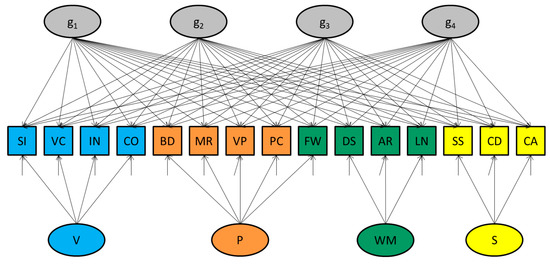
📈Top Cited Publication of Volume 8, Issue 4!👇
"How to Compare #Psychometric Factor and #NetworkModels" is available at doi.org/10.3390/jintelligenc…
@KeesJanKan
@SachaEpskamp
1
5
17

22 Dec 2020
The #networkmodels of water, wastewater, energy and telecommunications companies must be “smart” in the sense that they functionally describe how flows can logically be managed over the #assetsystem. lnkd.in/dXa-hEn
2

18 Dec 2020
The #networkmodels of water, wastewater, energy and telecommunications companies must be “smart” in the sense that they functionally describe how flows can logically be managed over the #assetsystem #AppsMgt #Utilities lnkd.in/eFYnujv
3

2 Oct 2020
Found a great resource to get started with #NetworkModels! Register before Oct 31st to view all video lectures from the Psych Net Amsterdam Sum School 2020 by @SachaEpskamp & co. Cool tool to explore the structure & interactions of multivariate data sets🤩 eventbrite.com/x/psychologic…
4
8

2 Jun 2020
As communication and #networks become ubiquitous and #missioncritical, the next frontier for network models is embedded network #digitaltwins. Learn about the primary differences between an embedded network digital twin and #offline #networkmodels. Blog:bit.ly/3dt15Lp

7
2

8 May 2020
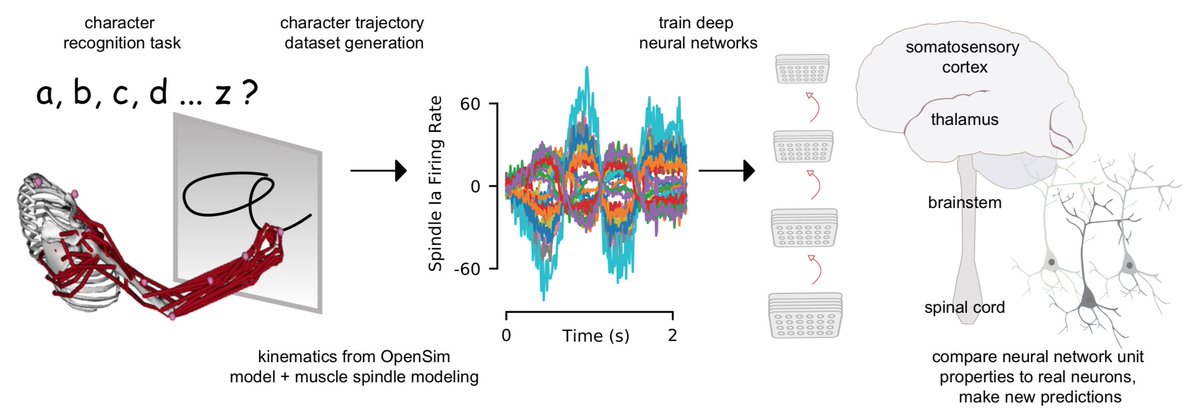
Task-driven hierarchical deep neural networkmodels of the proprioceptive pathway
Sandbrink et al.: biorxiv.org/content/10.1101/…
Project page: mathislab.org/deepdraw
#Proprioception #DeepLearning #NeuralNetworks #Cortex #CuneateNucleus
8
10
8 May 2020
Task-driven hierarchical deep neural networkmodels of the proprioceptive pathway biorxiv.org/cgi/content/shor… #biorxiv_neursci
3
7
8 May 2020
Task-driven hierarchical deep neural networkmodels of the proprioceptive pathway biorxiv.org/cgi/content/shor… #bioRxiv
1