
A long noncoding RNA activated by TGF-β promotes the invasion-metastasis cascade in hepatocellular carcinoma - PubMed share.google/UsJVNMny2DzdZDk…
39

Jun 13
DNA is eternal, this we know well. with all the diverse nature of DNA based life and it's eternity, i suspect something somewhere controls the DNA eternity. DNA is not eternal. it has lifespan, maybe millions of years (or cosmically speaking - in light years).
noncoding DNA is mysterious, may have some clue. i asked gemini about the connection between noncoding DNA and behavioural sink in humans ! no specific answer. but, here is something which is intriguing. look at this.
"noncoding DNA and behavioural sink, is there a connection?
"The short answer is no direct, scientifically established connection exists between the two concepts.
Noncoding DNA refers to the ~98% of the genome that doesn’t code for proteins. It is heavily involved in gene regulation, epigenetics, and brain development.
A behavioral sink is a sociological/ethological term coined by researcher John B. Calhoun in the 1960s. It describes the catastrophic collapse of social behaviors, mating habits, and societal structures resulting from extreme overpopulation in a confined space (e.g., his famous "Universe 25" mouse experiments).
However, while there is no direct causal link, a conceptual connection can be explored through two related fields:
1. Epigenetics and Gene Expression
Modern neurobiology reveals that extreme chronic stress—like the overcrowding and social trauma that causes a behavioral sink—alters the way genes are expressed.
The Link: Noncoding DNA acts as the cellular "switchboard" that turns genes on and off in response to the environment. Stress can trigger the noncoding regions to change our neurochemistry, which over time physically alters how an individual responds to stress.
2. Epigenetic Inheritance and Intergenerational Trauma
The most profound connection to Calhoun's work comes from transgenerational epigenetic inheritance. [1]
The Link: Calhoun's "behavioral sink" resulted in future generations of mice becoming "beautiful ones"—passive, non-mating, socially withdrawn animals. Modern genetic science has shown that high stress levels can chemically modify noncoding DNA sequences (like microRNAs). These modifications can actually be passed down to offspring, predisposing subsequent generations to anxiety, depression, and altered social behaviors.
Summary: While noncoding DNA doesn't cause a behavioral sink, it acts as the biological mechanism that translates chronic stress (overcrowding) into physical and neurochemical changes, which can then be inherited by future generations"
2
1
2
238

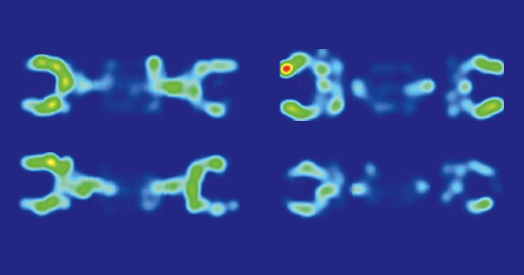
Immune microenvironment and noncoding RNA shape early colorectal carcinogenesis in patients with premalignant lesions | Science Translational Medicine science.org/doi/10.1126/scit…
1
12



Jun 11
This is fascinating! Understanding the role of adaptive immune surveillance and noncoding RNA in preventing premalignant polyps could lead to novel therapeutic strategies for #ColorectalCancer. How might this influence early detection methods? As we uncover the immune microenvironment's role in carcinogenesis, could these mechanisms apply to other cancer types? For more comprehensive insights and reviews on such topics, check out Sci-Quest, a one-stop platform for every biomedical question: sciqst.com. #Medicine #CancerResearch
11

Jun 11
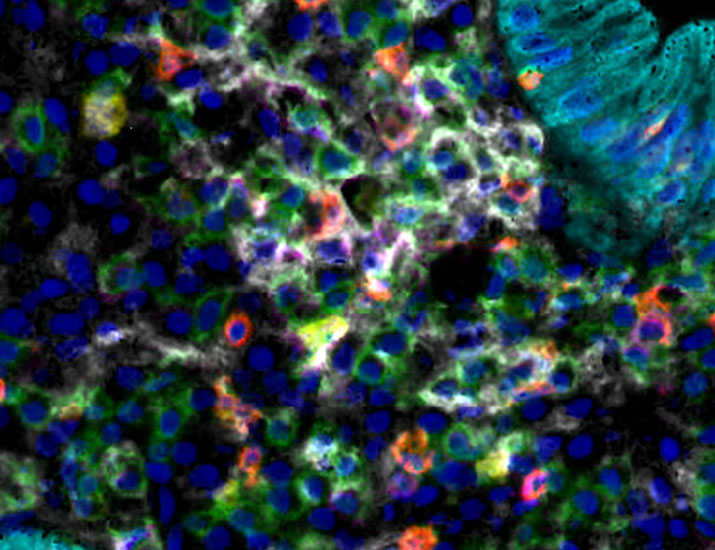
A longitudinal analysis of patients with colorectal cancer ties lower development of premalignant polyps to robust adaptive immune surveillance and elevated noncoding RNA—decrypting how the immune microenvironment shapes early carcinogenesis. @ScienceTM scim.ag/4ey2DWi
1
12
35
10,251

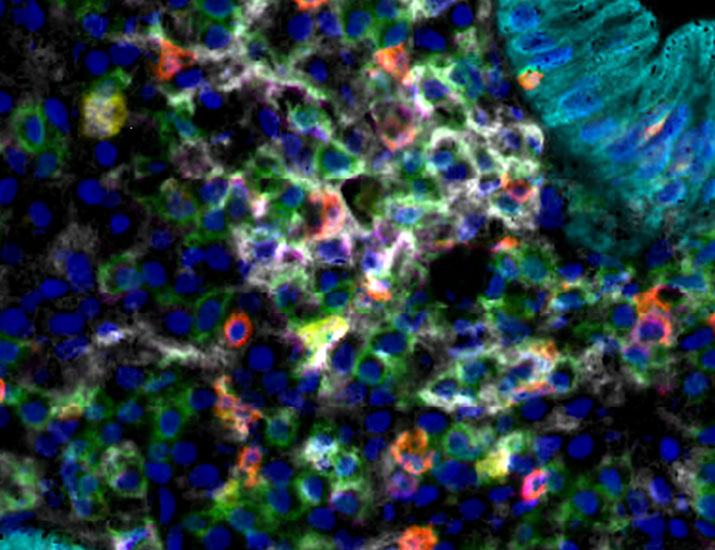
A longitudinal analysis of patients with #ColorectalCancer ties lower development of premalignant polyps to robust adaptive immune surveillance and elevated noncoding RNA—decrypting how the immune microenvironment shapes early carcinogenesis. @Inserm scim.ag/3Q9obPM
1
4
8
714

Code and model weights are open. GitHub: github.com/Genentech/decima
Worth a look if you work on gene regulation, noncoding variation, or are thinking about cell-type-targeted synthetic enhancer design.
Questions? trinobia.com/contact/
#scRNAseq #GeneRegulation #Bioinformatics
11
The gap Decima fills: existing models (Enformer and similar) can't tell you how a noncoding variant affects monocytes vs. hepatocytes vs. neurons. They give you one answer. Decima gives you one per cell type.
nature.com/articles/s41592-0…
@AlexKarollus
1
2
Biancastella Cereser retweeted

Could a noncoding SNP mediate #LungCancer progression? 🤔
nature.com/articles/s41388-0…
1
111

Jun 9
What noncoding inquires are you running? Want to join the hype but I don’t code.
21

Jun 9
Your post is easy to falsify.
"Nobody observed de novo genes arise".
Wrong, with receipts: Zhao & Begun, Science 2014: de novo genes segregating within one fly species, from identified noncoding ancestors.
1/x
1
5
58

Jun 9
Excited to share a new paper on sex-aware genome-wide assessment of de novo variants (DNVs) in autism. Analyzed >41,000 parent-child trios using newly developed tools (HAT-FLEX and SNOW) to generate a high-confidence DNV callset across autosomes, X, Y, and PAR regions. Find support for the female protective effect, identify sex-specific patterns of coding DNV enrichment, and implicate the noncoding RNA gene RNU2-2 in ASD risk. The complete DNV callset and extensive supplementary analyses are available in the Supplement to the paper.
Paper: link.springer.com/article/10…
#genomics #genetics #denovo #autism @WashUGenetics
1
7
16
1,517

You continue to perseverate over a non issue.
The first genetic replicators to undergo selection pressures were NONCODING MEANINGLESS RANDOM stings of nucleotides.
You claimed that ‘blind natural processes cannot produce information’
Grok showed you’re full of shit.
The first replicators underwent selection to:
change sequnces to only contain the most abundant nucleotides
Don’t form secondary structures that block replication
Form sequences that are stable yet separate easily
Form secondary structures that show some enzymatic activity.
From there it took billions of years of intense competition for survival to create the type of organism we would recognize as a cell today.
No machinery necessary, nucleobases auto ligate, rna strands autocatalize, and free fatty acids form stable semipermeable mebranes naturally at a wide range of temperatures and pH values.
All the complex pumps, enzymes, dna synthases, etc would have evolved, just like those examples I gave you
The first life contained NO INFORMATION
it didn’t require any INFORMATION because the competition for resources was much smaller. Today such a life form could never occur, because all freely available resources in our environment are readily consumed by microbes. Which cover the entire surface of this planet.
1
15

Long Noncoding RNA Associations Define an Interferon-Myeloid Immune Axis in Kawasaki Disease pubmed.ncbi.nlm.nih.gov/4223…
47

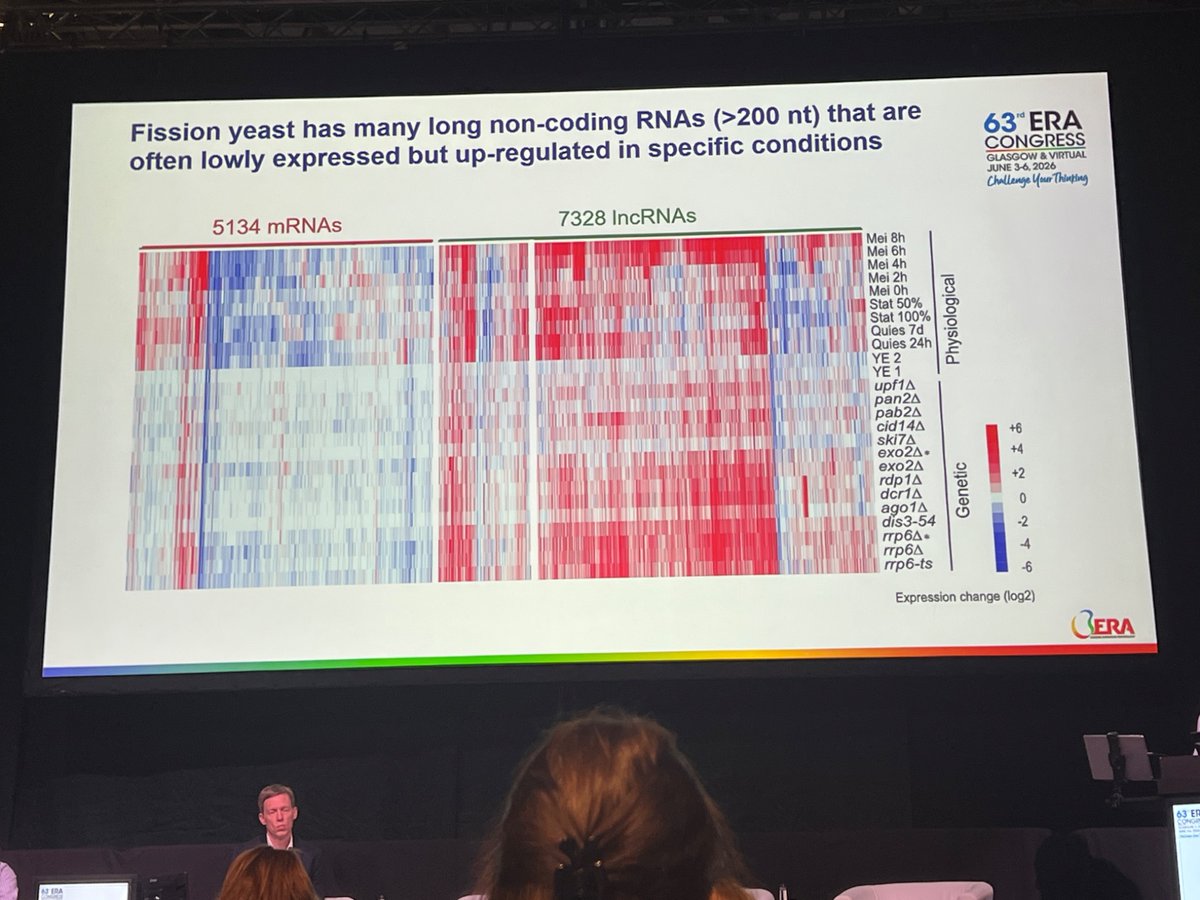
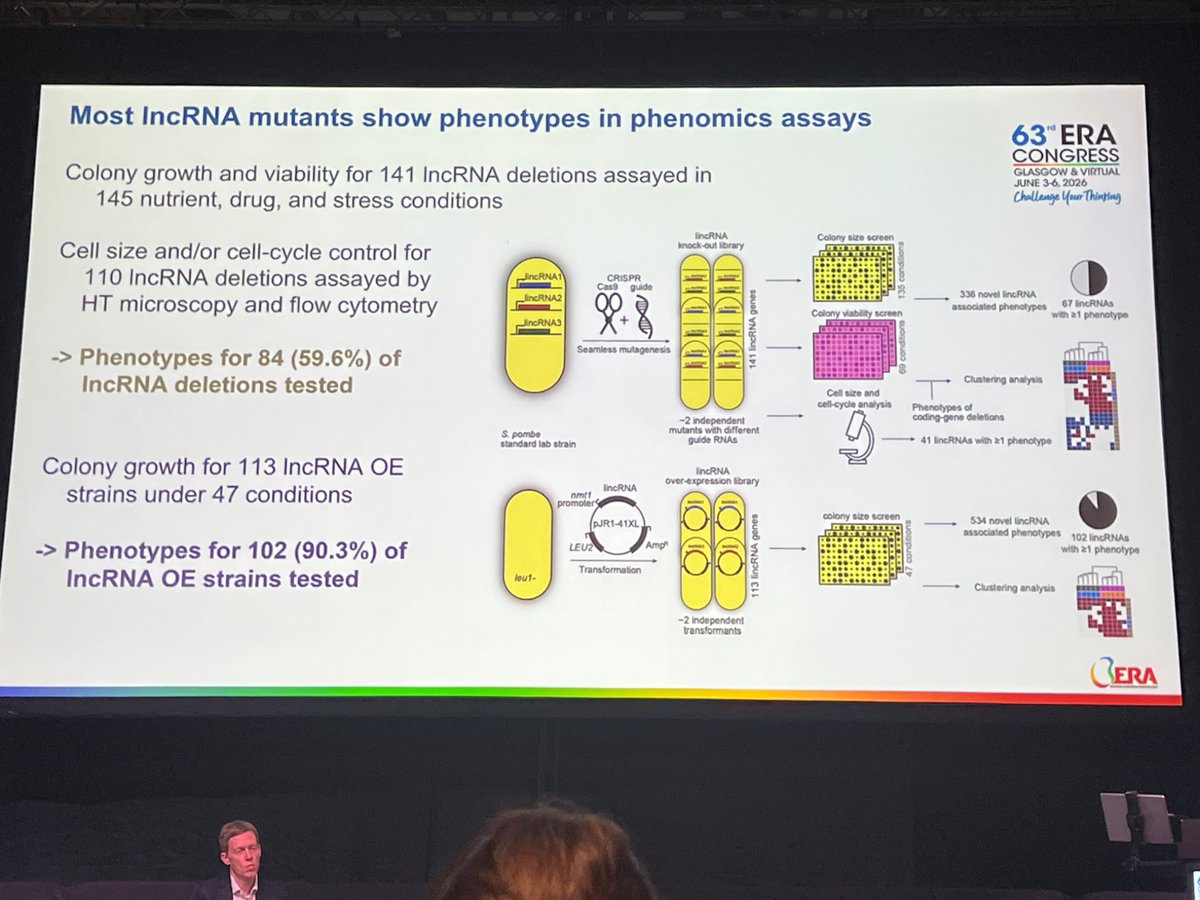
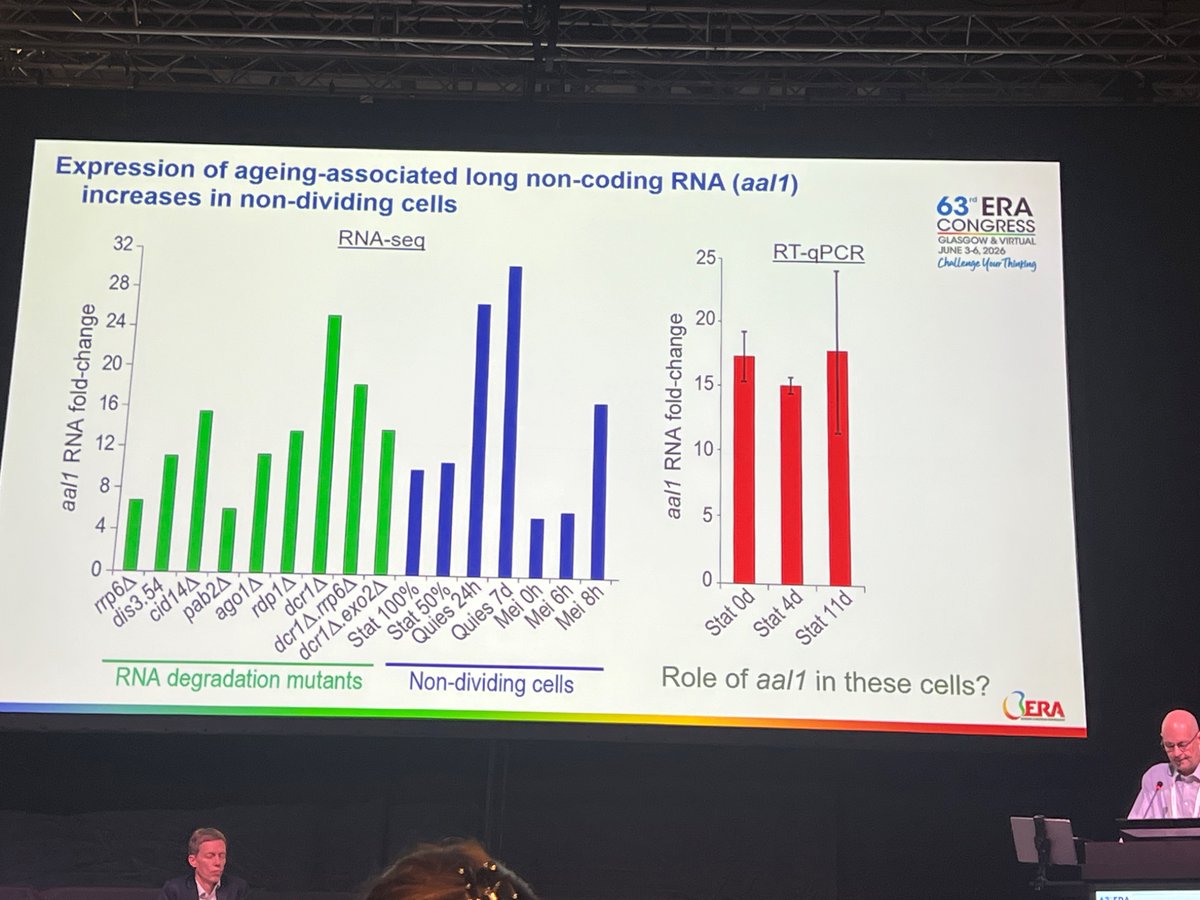
2/🧪 🧬80% of genom is noncoding and long-coding rna’s contribution highly unknown.
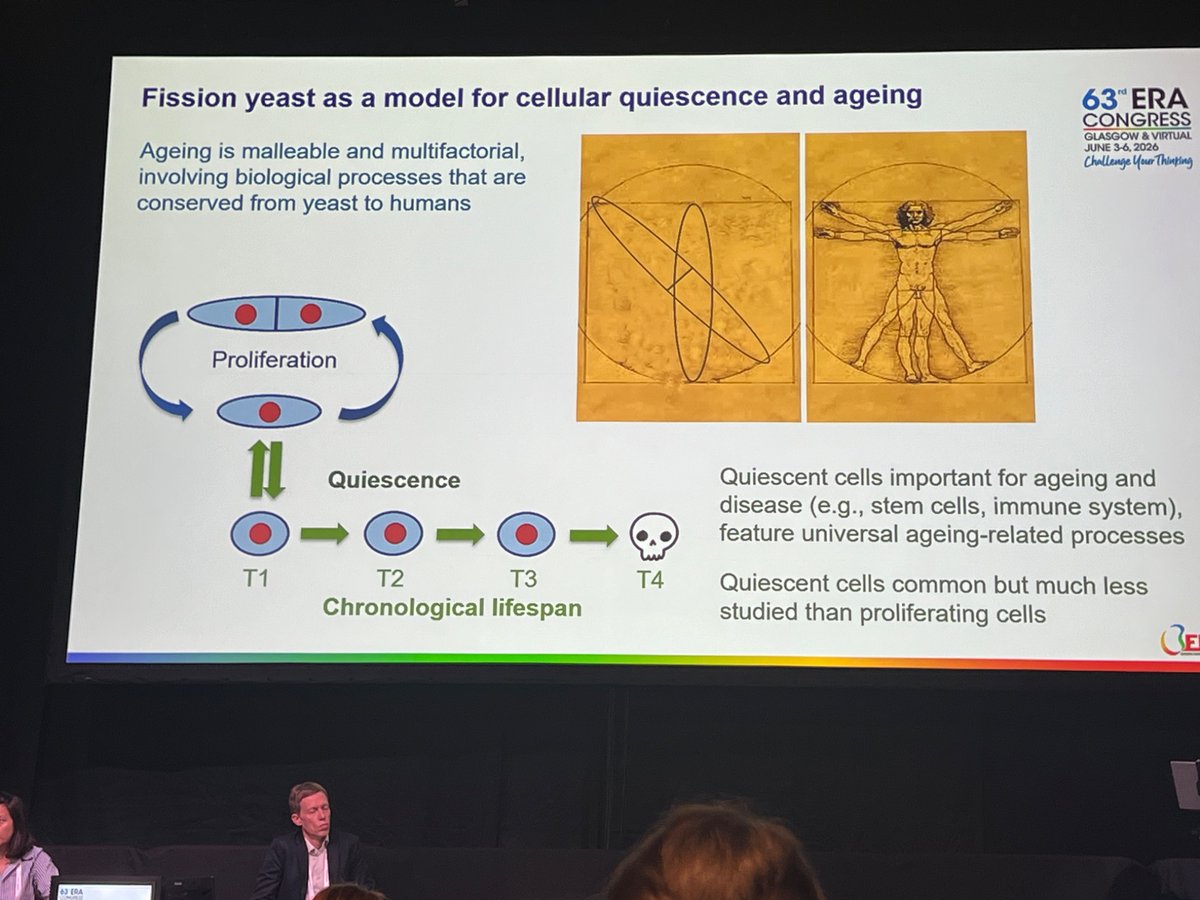
But long non coding RNAs are found to be related to aging. #ERA26
1
2
188

We’re excited to share our latest publication in @NatComputSci “MetaSTAARlite: an all-in-one tool for biobank-scale whole-genome sequencing meta-analysis” 🧬
Sincere thanks to Yohhan Kumarasinghe (UNC, co-lead), Jacob Williams (NCI, co-lead), Yuxin Yuan, Wenbo Wang, @AlexiaDiasF, @AndrewHaoyu, @muzizimumu1, and the study participants from @uk_biobank and @AllofUsResearch.
Biobank-scale WGS/WES studies are transforming rare variant discovery, but pooled individual-level analyses across biobanks are often limited by data-sharing restrictions. MetaSTAARlite is designed to overcome this challenge by providing a scalable, resource-efficient, summary statistics–based pipeline for functionally informed rare variant meta-analysis across the coding and noncoding genome.
MetaSTAARlite provides an all-in-one workflow to:
• Generate resource-efficient study-specific summary statistics, including variant-level summary statistics sparse LD matrices
• Perform functionally informed coding, noncoding, ncRNA, and custom-mask rare variant meta-analysis
• Dynamically incorporate multiple variant functional annotations to improve power and interpretation
• Exactly reconstruct the variance-covariance matrix of score statistics (referred to as the LD matrix), so meta-analysis results closely mirror pooled individual-level analysis
• Account for population structure and relatedness using sparse GRM / mixed-model framework
• Support conditional analysis, Manhattan/QQ plots, and analytical follow-up to identify annotations and variants driving associations
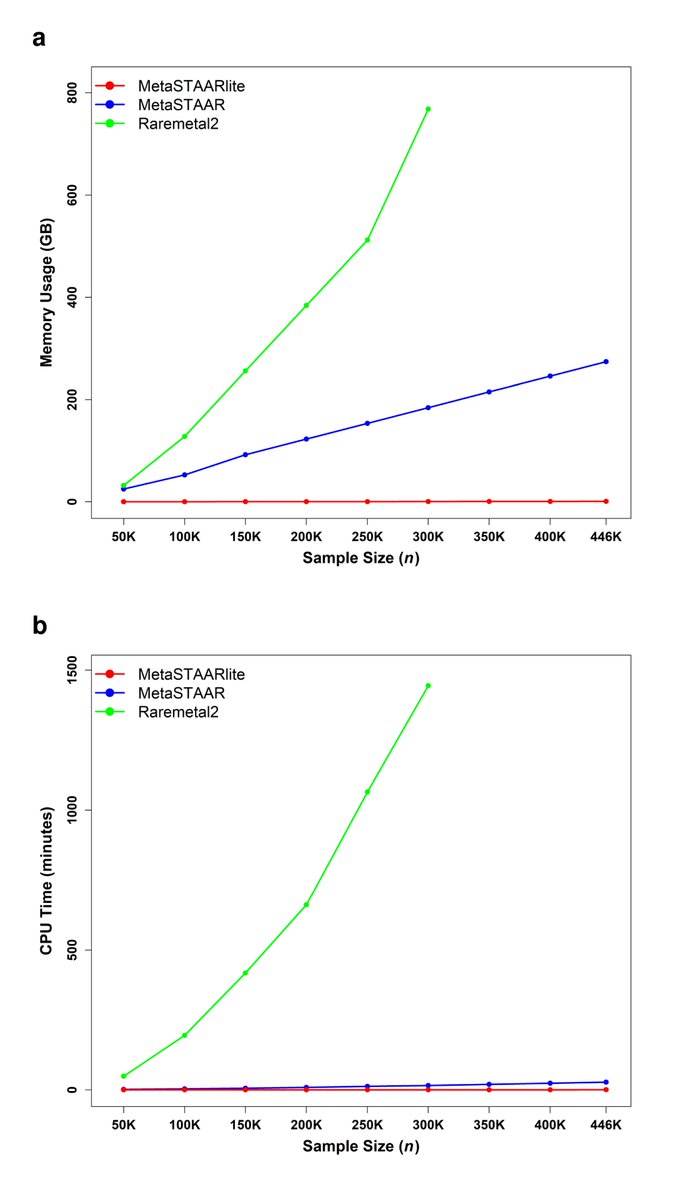
A key advantage of MetaSTAARlite is scalability. By leveraging sparse GRM and directly operating on sparse genotype dosage matrices, MetaSTAARlite greatly reduces runtime, memory, and storage. Benchmarking on UK Biobank WES data for TTN missense variants (the largest gene in the human genome) and total cholesterol phenotype:
• At n = 300K, MetaSTAARlite achieved 332× and 1,386× lower peak memory than MetaSTAAR and Raremetal2, respectively
• It also achieved 24× and 2,206× lower computation time than MetaSTAAR and Raremetal2
• At n = 446K with 22,994 variants, summary statistics generation finished in 48.82 seconds with <1 GB peak memory
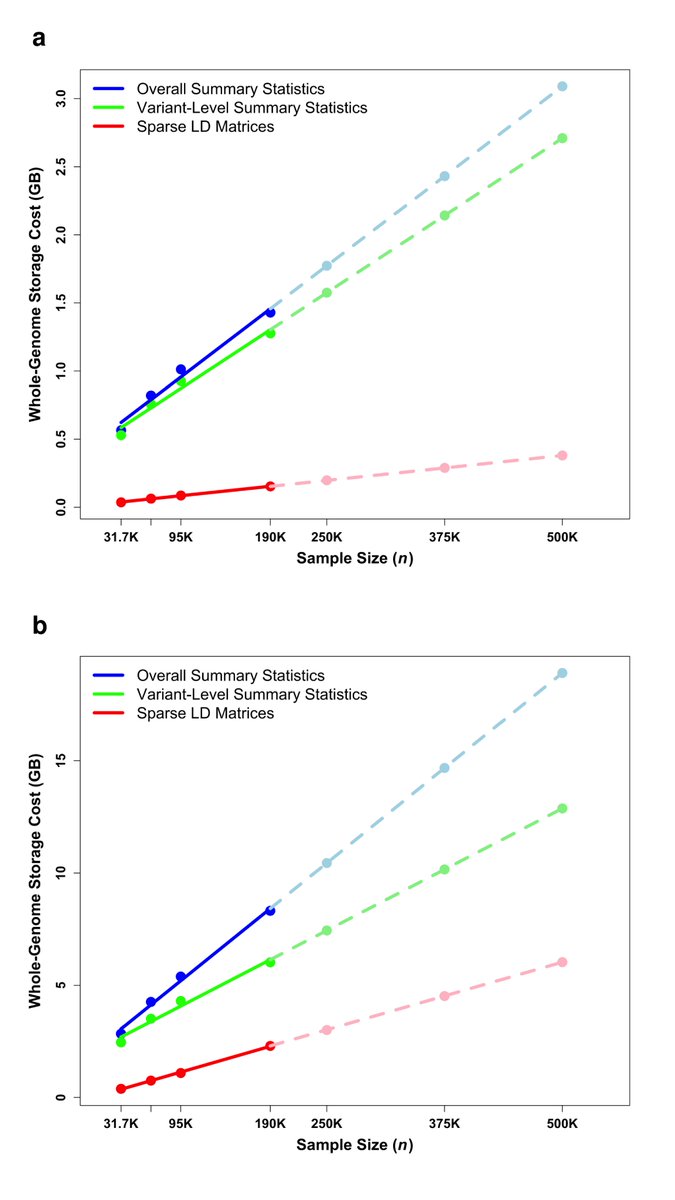
Another important challenge in rare variant meta-analysis is the storage of LD matrices. MetaSTAARlite substantially reduces this burden. In a UK Biobank WGS total cholesterol benchmark, we randomly partitioned 190,110 participants into three studies and generated genome-wide summary statistics with 12 functional annotations. MetaSTAARlite required only:
• 0.48 GB total storage per mask for genome-wide coding meta-analysis summary statistics
• 1.67 GB total storage per mask for genome-wide noncoding meta-analysis summary statistics
Notably, the sparse LD matrices accounted for only 7.7% and 17.8% of the total storage for coding and noncoding analyses, respectively. This means that, in MetaSTAARlite, LD matrix storage is no longer a bottleneck for rare variant meta-analysis.
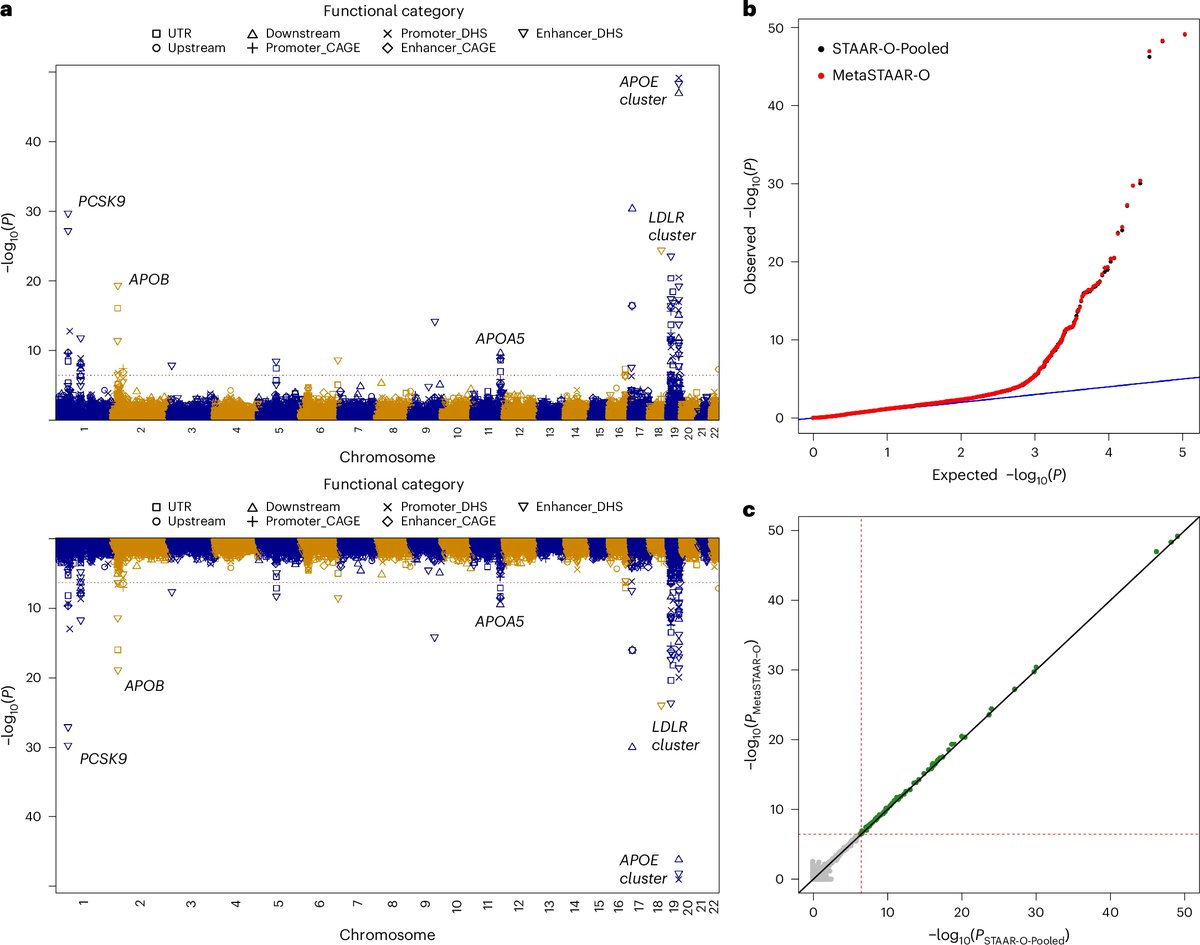
In UK Biobank WGS total cholesterol analyses, we compared MetaSTAARlite meta-analysis with pooled STAARpipeline analysis using the same individual-level data. The results were nearly perfectly concordant:
• Pearson r² > 0.999 for log10-transformed P values across genome-wide significant and suggestive masks
• 58 genome-wide significant coding associations
• 88 genome-wide significant noncoding associations
• Signals included known lipid biology: PCSK9, APOB, APOA5, LDLR and APOE clusters
We further applied MetaSTAARlite to cross-biobank meta-analysis of UK Biobank (in the Research Analysis Platform) and All of Us (in the Research Workbench) data for five traits: total cholesterol, height, eGFR, calcium and elevated LDL-C (a binary trait). These analyses included up to 692,445 diverse participants. Across these traits, MetaSTAARlite identified 165, 536, 117, 38 and 94 genome-wide significant coding associations, respectively, while keeping average peak memory below 1 GB.
For these cloud-based analyses, in the UK Biobank RAP, for example, the genome-wide summary-statistics generation per trait had theoretical costs of ~£3.60–£3.90 and actual costs typically below £7, never exceeding ~£8.20, for a total of 5 masks across the genome.
We hope MetaSTAARlite will make cross-biobank rare variant discovery more accessible, scalable and privacy-preserving for large WGS/WES consortia.
Software and tutorial are open source:
Paper: nature.com/articles/s43588-0…
MetaSTAARlite: github.com/li-lab-genetics/M…
Tutorial: github.com/li-lab-genetics/M…
Manuscript code: github.com/li-lab-genetics/M…
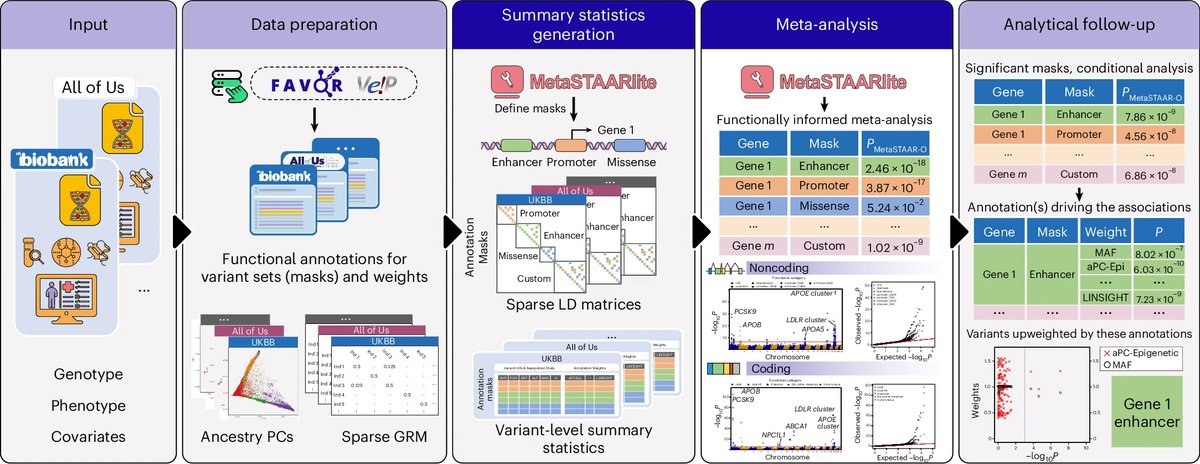

📢Out now! @xihaoli, @muzizimumu1, @AndrewHaoyu, and colleagues present an all-in-one pipeline for computationally efficient meta-analysis of multiple biobank-scale whole-genome/whole-exome studies. nature.com/articles/s43588-0…
🔓rdcu.be/fmkDd
2
10
41
3,919