
Cutting-edge research, news, commentary, and visuals from the Science family of journals. Follow @NewsfromScience for stories from our News team.
Joined April 2009
- Tweets 47,720
- Following 458
- Followers 4,671,053
- Likes 4,406
24,923 Photos and videos

Pinned Tweet

Jun 11
The Venus flytrap is renowned for its ultrafast snap traps, which can capture insects in a fraction of a second.
New research reveals that trap closure is triggered by a rapid softening of the epidermal cell walls, uncovering the physical mechanism behind this remarkable movement.
Learn more this week in Science: scim.ag/4fG2Bg3
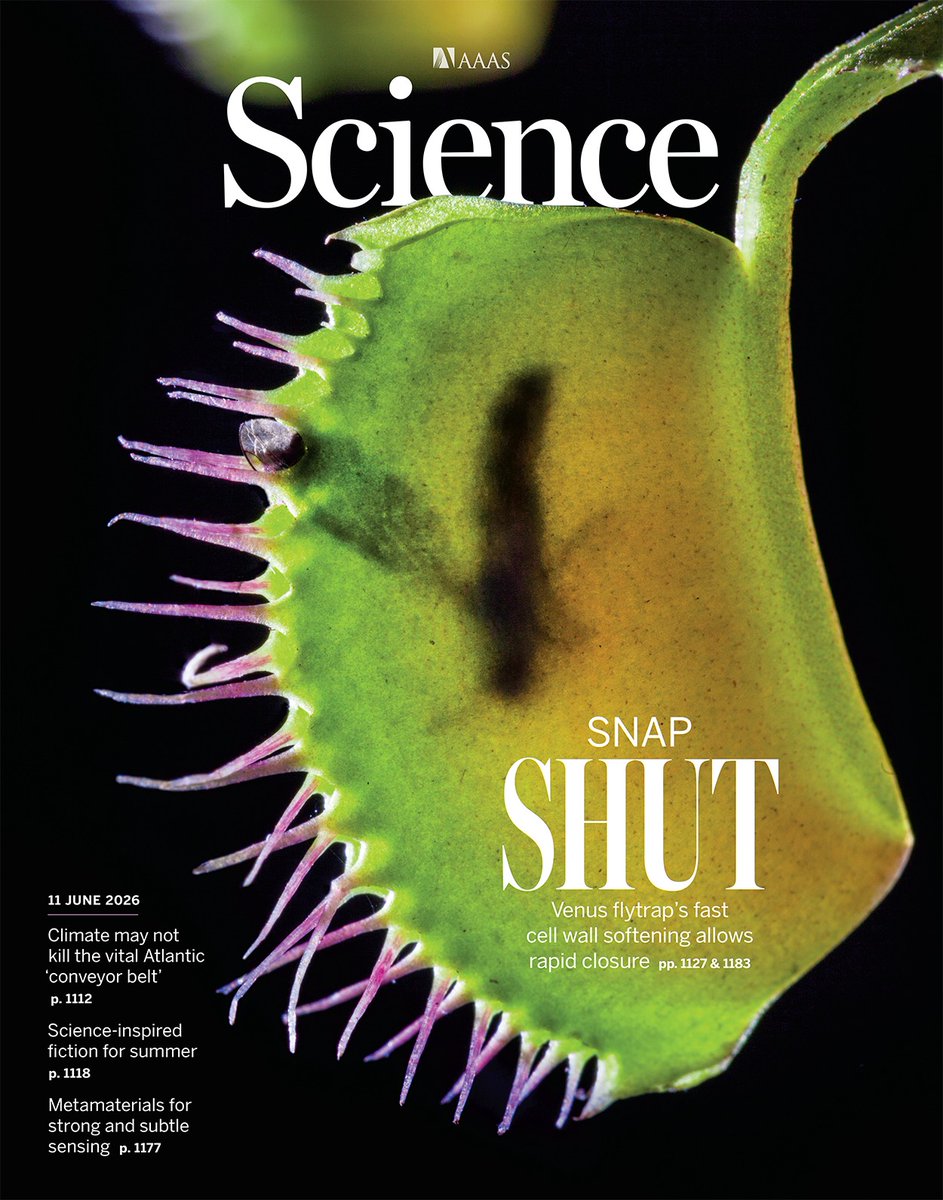
ALT A Venus flytrap (Dionaea muscipula) leaf closes around a trapped fly. Photo: Alex Hyde/NPL/Minden Pictures
7
76
223
25,428
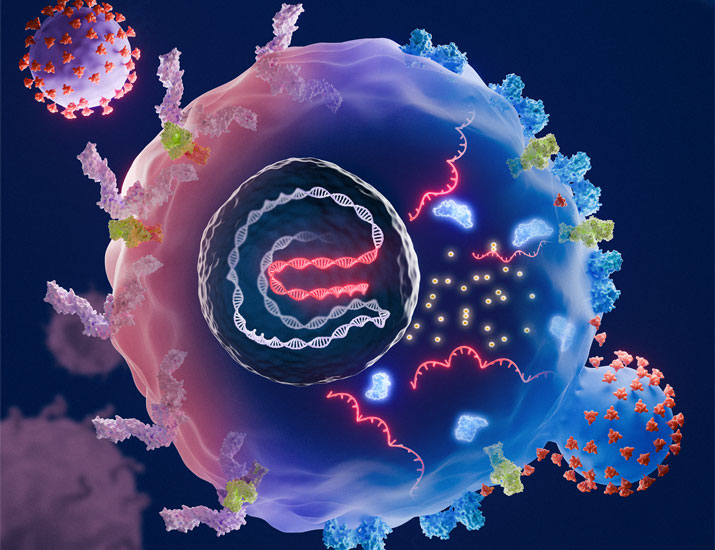
A landmark @ScienceTM study shows that latent #HIV can convert CD4 T cells to CD8 T cells and identifies the latter as a previously overlooked component of the viral reservoir—a surprising finding with critical implications for HIV cure efforts.
📄: scim.ag/4482ouU
2
6
38
11,526
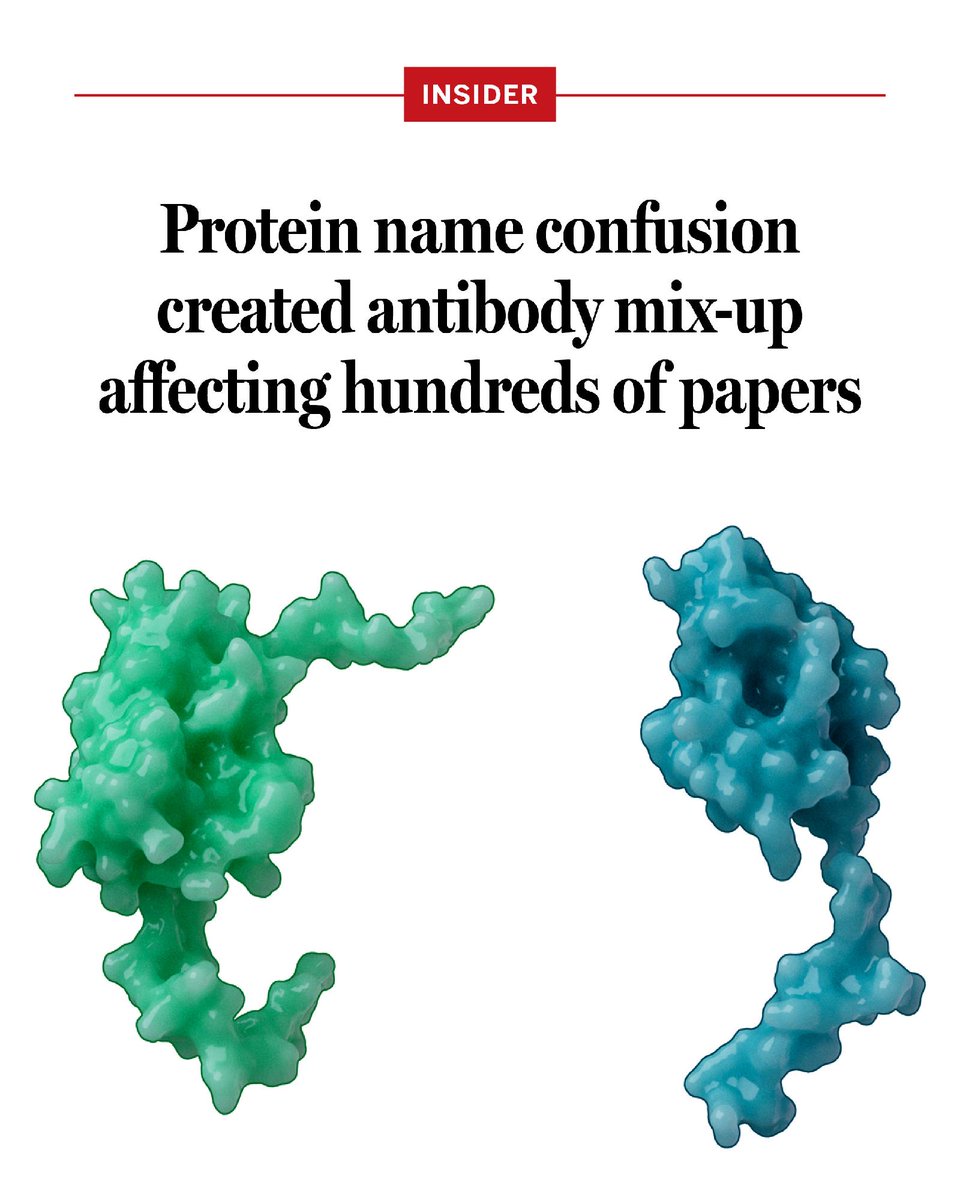
Hundreds of scientists who study cancer and aging have made an easily avoidable but significant mistake, deploying the wrong antibody to test for a key protein, according to a researcher who exposes errors in the biomedical literature.
Learn more: scim.ag/4akPaP4 @NewsfromScience
ALT Protein name confusion created antibody mix-up affecting hundreds of papers
12
50
161
25,951
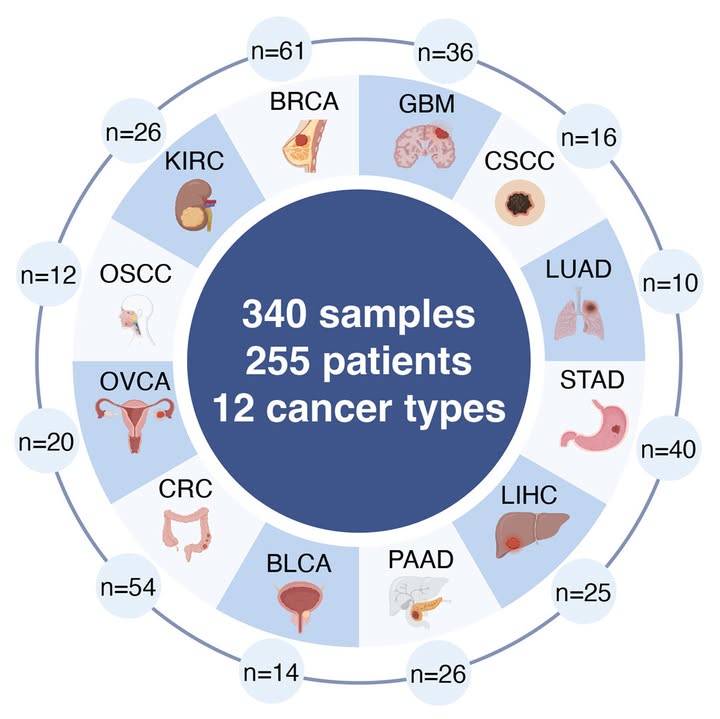
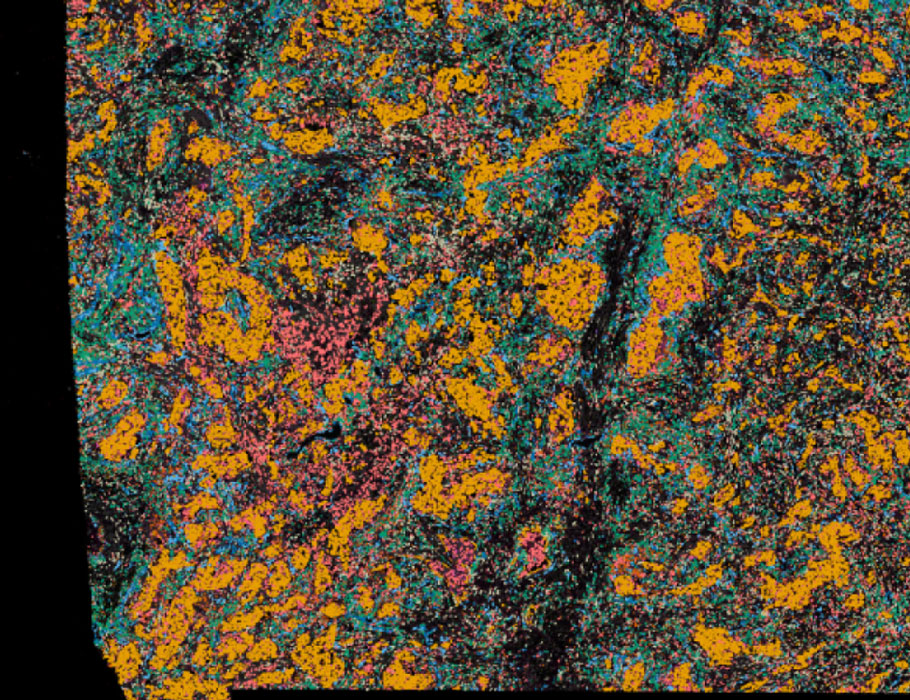
Tertiary lymphoid structures (TLSs) form local immune hubs inside tumors, but they are diverse and not all are equally functional.
In a new Science study, researchers built a pan-cancer atlas and developed an #AI–based framework to detect and characterize TLSs in human tumors.
The study provides insights into TLS biology and may offer a path toward integrating TLS features into future clinical trials.
Learn more: scim.ag/4uA1sdQ
2
12
60
14,611
Jun 13
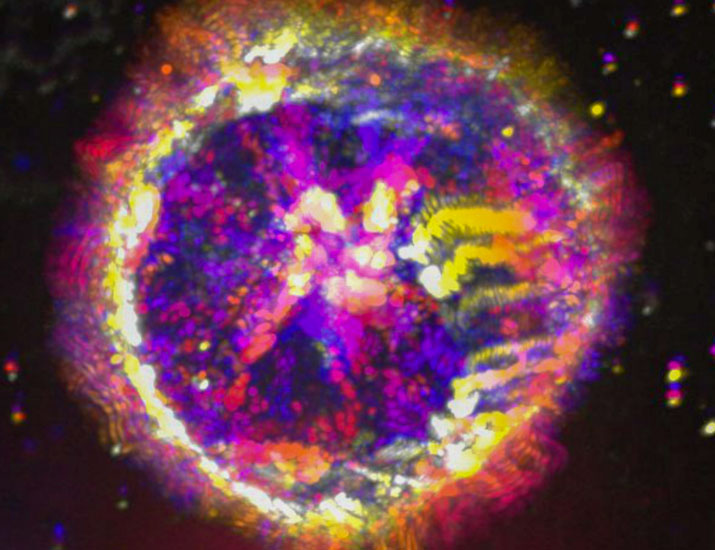
How do T cells restrain their activation?
A new imaging analysis identifies how the protein PTPN22 controls how #TCells remodel their cytoskeletons to form synapses with their targets—and suggests that defects in this constraint mechanism may contribute to #autoimmunity. @SciSignal scim.ag/4g91zcv
6
20
61
14,848
Jun 13
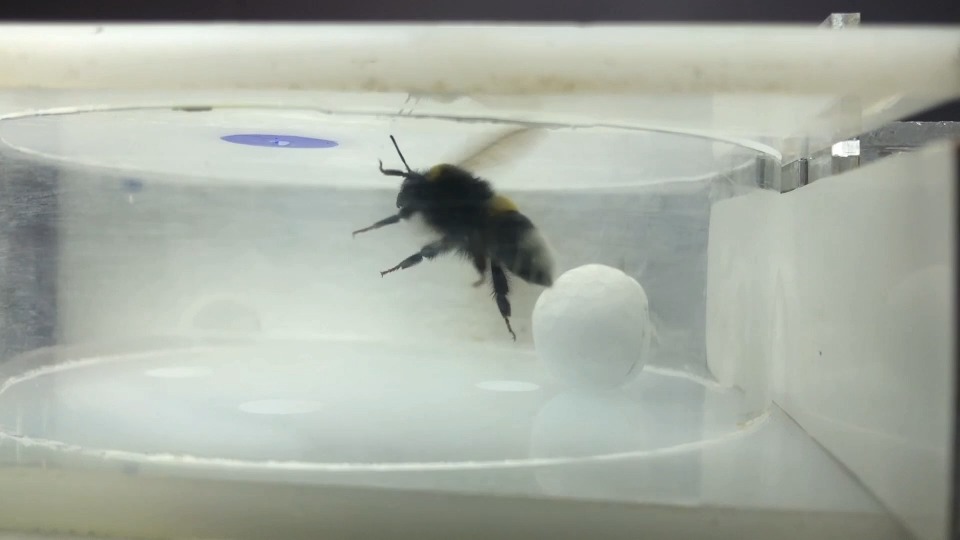
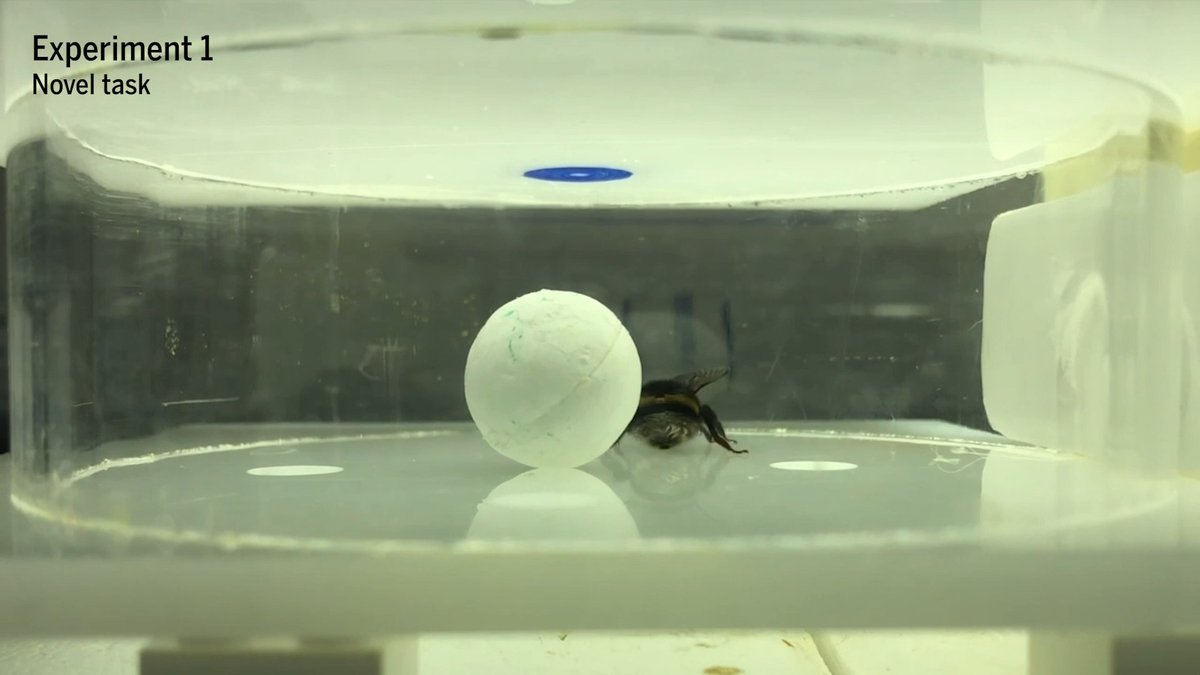
A new Science study shows that bumble bees can position a ball underneath a fake “flower” to reach a reward, suggesting they can exhibit spontaneous problem-solving and challenging the notion that such advanced cognitive abilities are exclusive to large-brained vertebrates.
Learn more: scim.ag/4vvcNwr
74
594
3,433
312,364
Jun 12
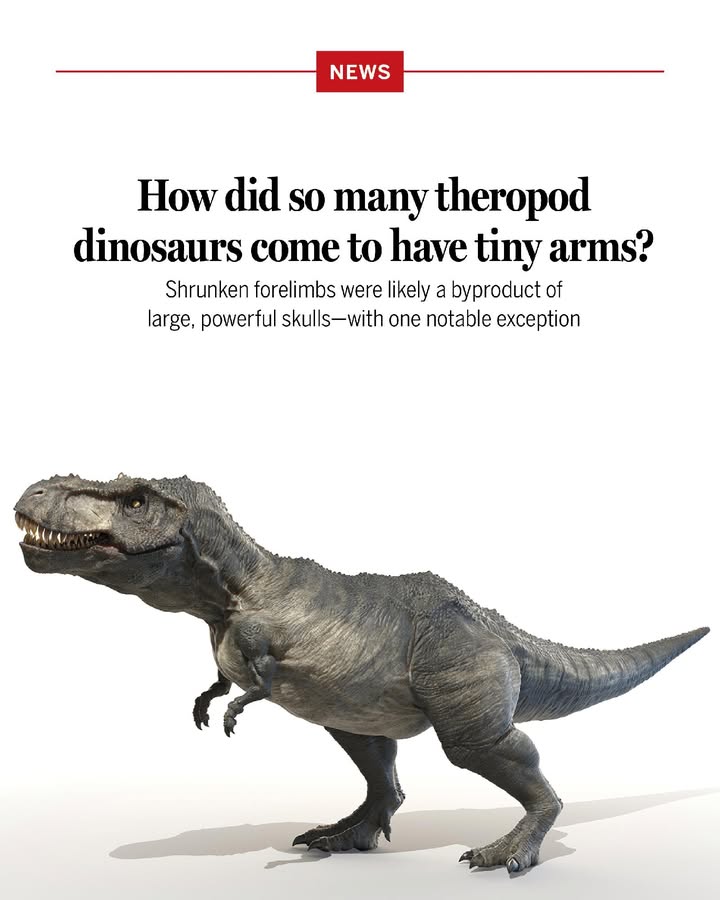
For one of the biggest and most ferocious predators to ever live, Tyrannosaurus rex sure had puny arms, not much longer than our own. Several other members of its lineage—the diverse group of two-legged dinosaurs known as theropods—had similarly wimpy appendages, and new analyses of the beasts now suggest why.
Learn more: scim.ag/3Q1wFbH @NewsfromScience
11
26
100
20,077
Jun 12
Works of fiction with strong science themes—some far-fetched, others eerily familiar—once again populate Science’s summer reading list, offering readers carefully refracted views of reality and creative glimpses into possible futures.
Learn more about the roundup’s 10 featured titles: scim.ag/4uC5TF1
1
18
11,506
Jun 12
Some animals and plants, such as oysters and trees, serve as cornerstones for their ecosystems. Now, a new @ScienceAdvances study examines how the influence of these foundational species continues after death—finding both negative and positive effects. scim.ag/4vHFExN
1
6
38
11,377
Jun 12
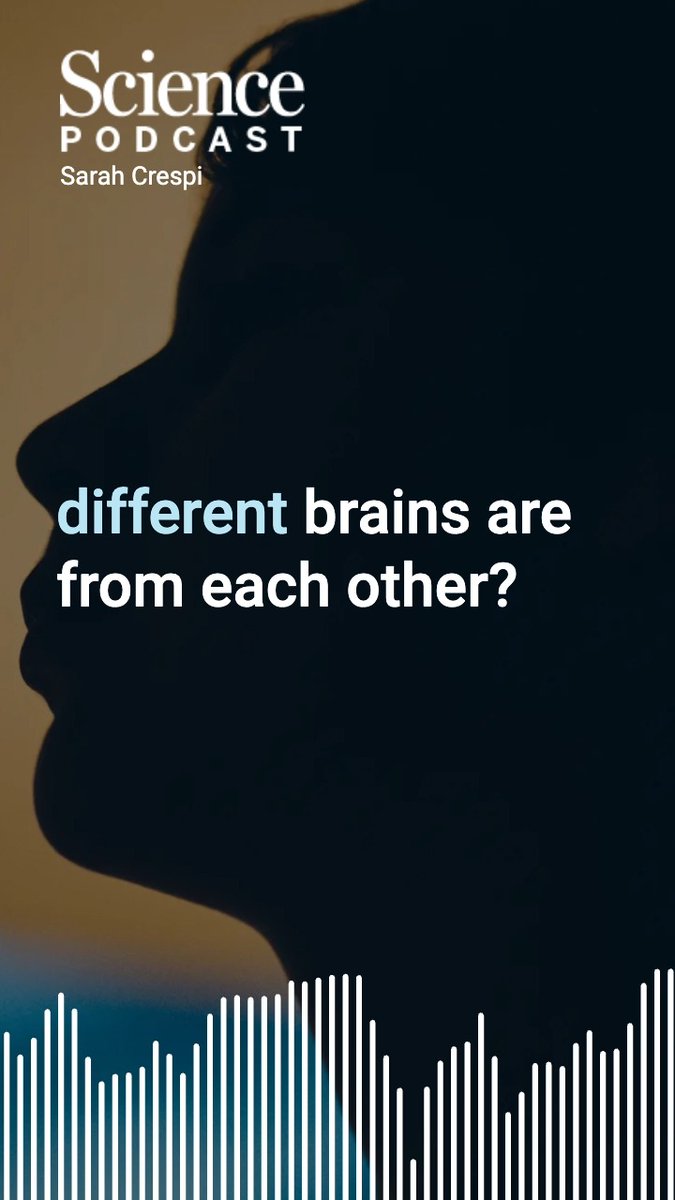
How do childhood environments shape the brain?
In the latest #SciencePodcast🎙️, researcher Scott Marek sheds light on brainwide association studies for childhood brain development.
🎧 Listen here: scim.ag/4vCiEAa
1
19
61
13,014
Jun 12
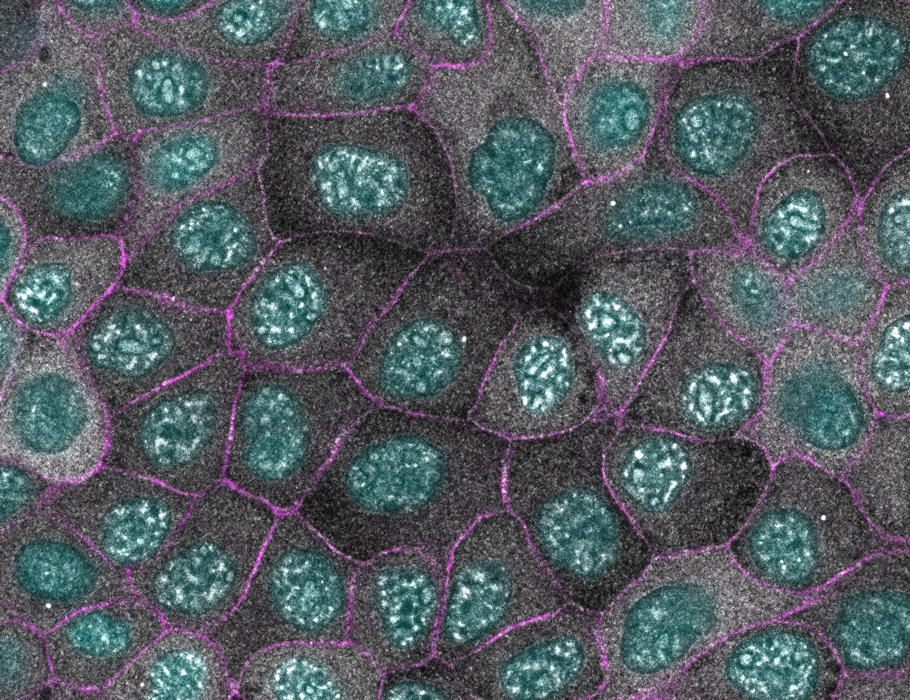
Scientists uncover a surprising function for the cell cycle protein CDK1, according to a @SciSignal study that shows the protein also regulates how cells in the epithelium adhere to each other. scim.ag/43QCNXD
2
17
60
13,698
Jun 12
Science is publishing an Editorial Expression of Concern for the September 2024 Research Article “Durably reducing conspiracy beliefs through dialogues with AI.” scim.ag/49U3nlW
3
5
17
12,701
Jun 12
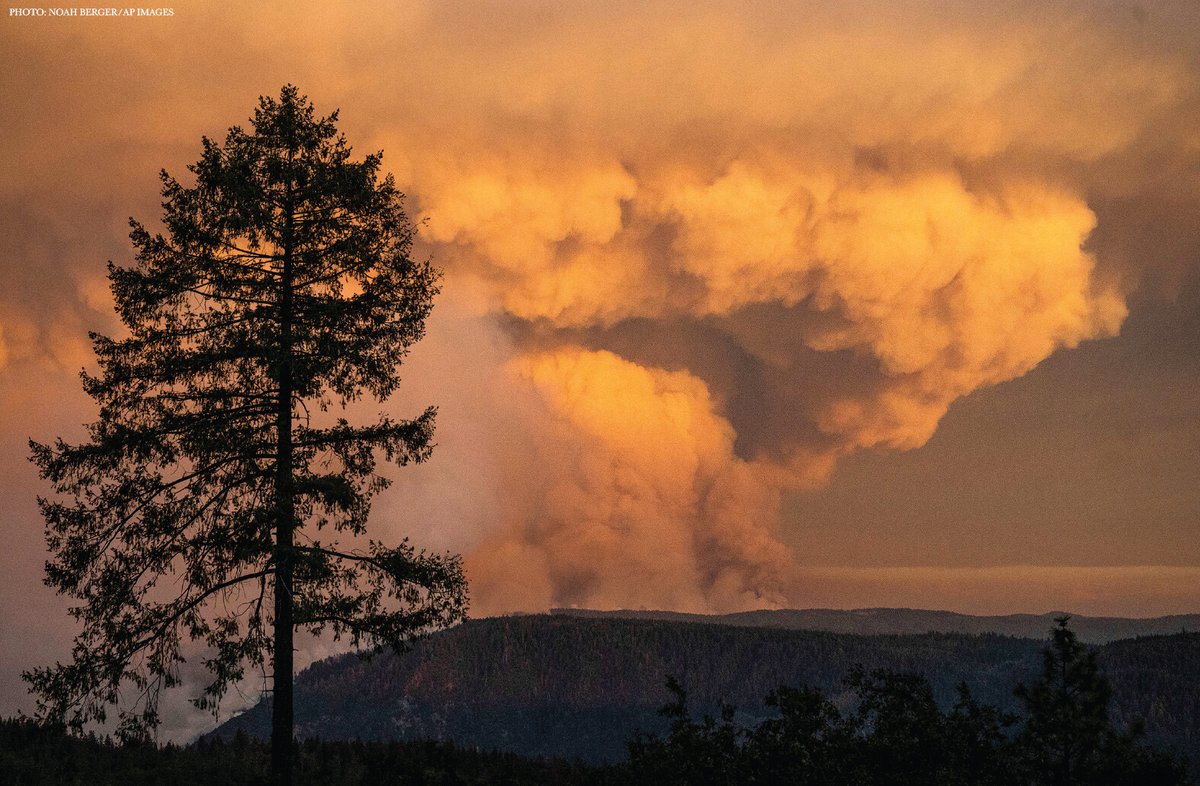
Decades of improvement in surface ozone exposure in the United States risk being reversed by wildfires, according to a new study in Science.
📄: scim.ag/3RLhLa5
#SciencePerspective: scim.ag/3Sbb8xI
4
6
33
10,750
Jun 12
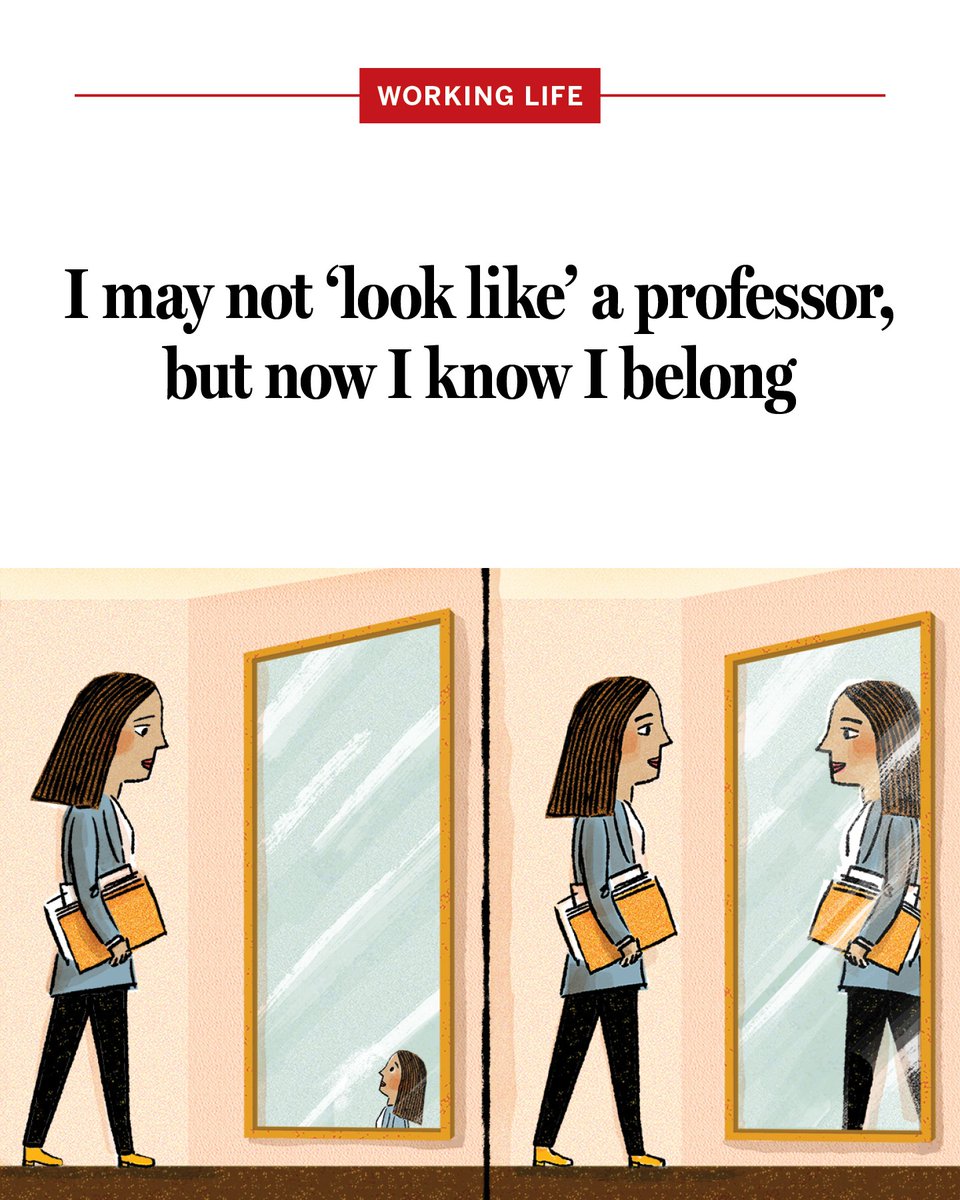
"The real work is not convincing myself I belong, as though this were a confidence problem I could fix with enough willpower. Instead, the challenge is rewiring my own perspectives and my responses to the subtle and persistent messages telling me I’m not what a professor looks like." #ScienceWorkingLife scim.ag/4dTmRcV
ALT An illustration of a woman looking at herself in two mirrors, in one she looks small and in the other she looks life size. The text reads: I may not ‘look like’ a professor, but now I know I belong
10
11
74
17,062
Jun 12
Picture reaching for something on a high shelf and coming up short. You don’t give up; instead, you find a stool, carry it over, and climb up. Buried in that action is something remarkable: You held the goal in your mind, identified what you needed, and executed a plan. No training required.
A study suggests bumble bees can do the same—the first demonstration of this kind of goal-directed problem-solving in an insect.
Learn more: scim.ag/49Craqw @NewsfromScience
11
78
450
65,458
Jun 12
A subset of tumor-associated natural killer cells show enhanced cytotoxicity and respond to inhibitory checkpoint blockades, showcasing their potential as immunotherapeutic targets for lung cancers.
Learn more in @SciImmunology: scim.ag/4enkQ8P
3
10
36
12,883
Jun 12
Will #AI replace astronomers?
In the latest #SciencePodcast🎙️, journalist Joshua Sokol explores the intense discussion happening in the astrophysics community as AI and machine learning become increasingly powerful.
🎧 Listen here: scim.ag/4enIouf
2
2
19
14,169
Jun 11
In April 2026, #SciencePodcast🎙️ host and producer Sarah Crespi launched a three-part series on a topic she had been thinking about since March 2023: healthy human subjects.
A new #ScienceVisualsBlog post discusses how she incorporated visuals such as archival documents, letters, and personal journal entries into the Normals. Read more: scim.ag/4oeUCZz
1
10
11,325
Science Magazine retweeted

Jun 11
🌱🦠New in @ScienceMagazine !
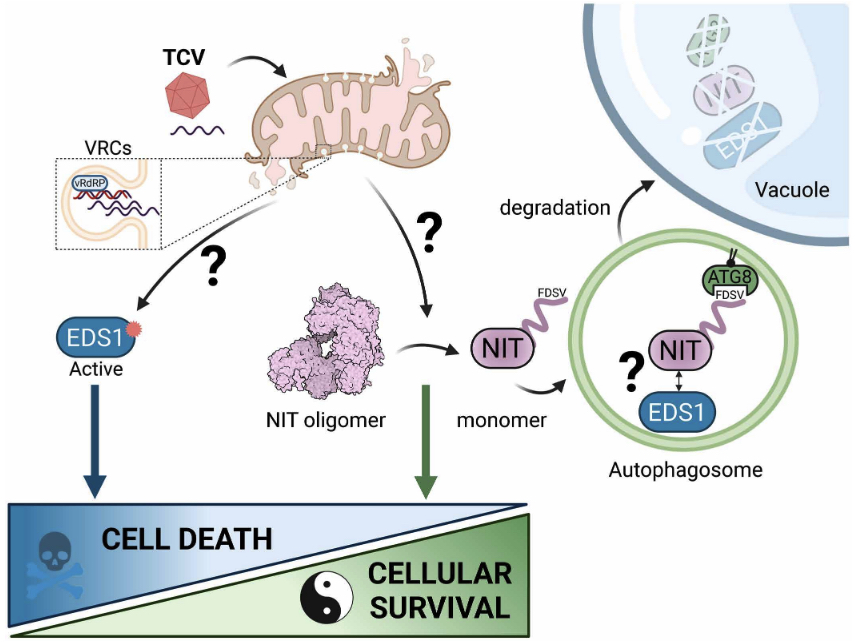
Selective autophagy helps plants survive viral infections by fine-tuning immune responses and limiting excessive cell death by M. Clavel (@MarionClavel4) & Y. Dagbas (@PlantoPhagy). Congrats to all, including IBMP members involved !
2
6
16
12,617
Science Magazine retweeted

Jun 11
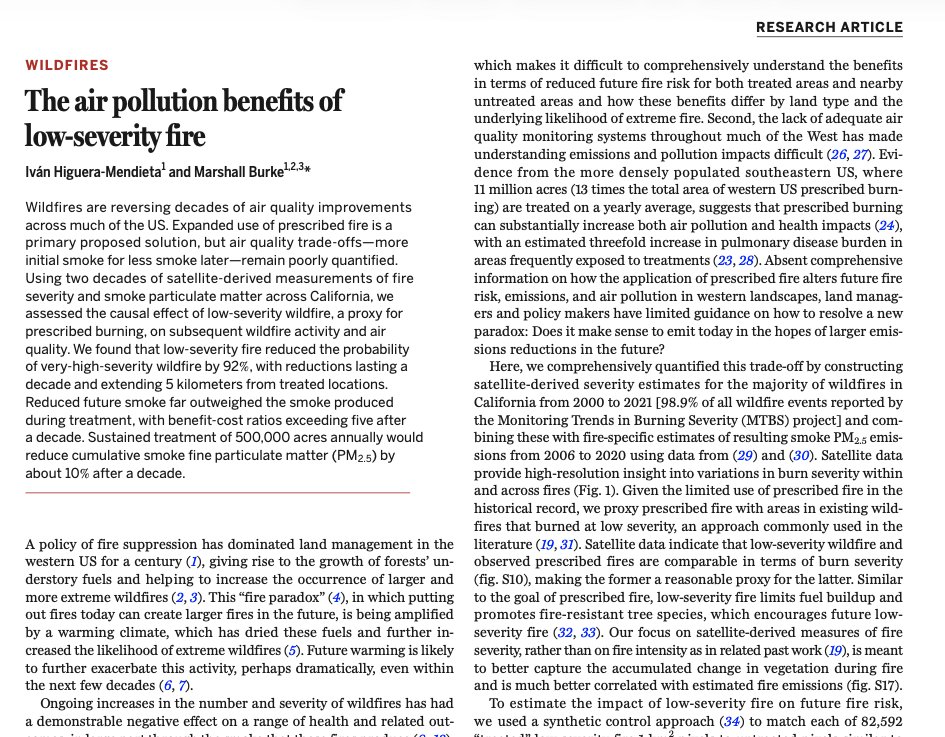
We have a new paper in @ScienceMagazine today on the air quality benefits of expanded use of prescribed fire, capably led by @ivanhigueram. Rx fire can lead to substantial net reductions in smoke, but effects will take years to be realized. Link/ deep dive in thread below
1
17
55
21,092
Jun 11
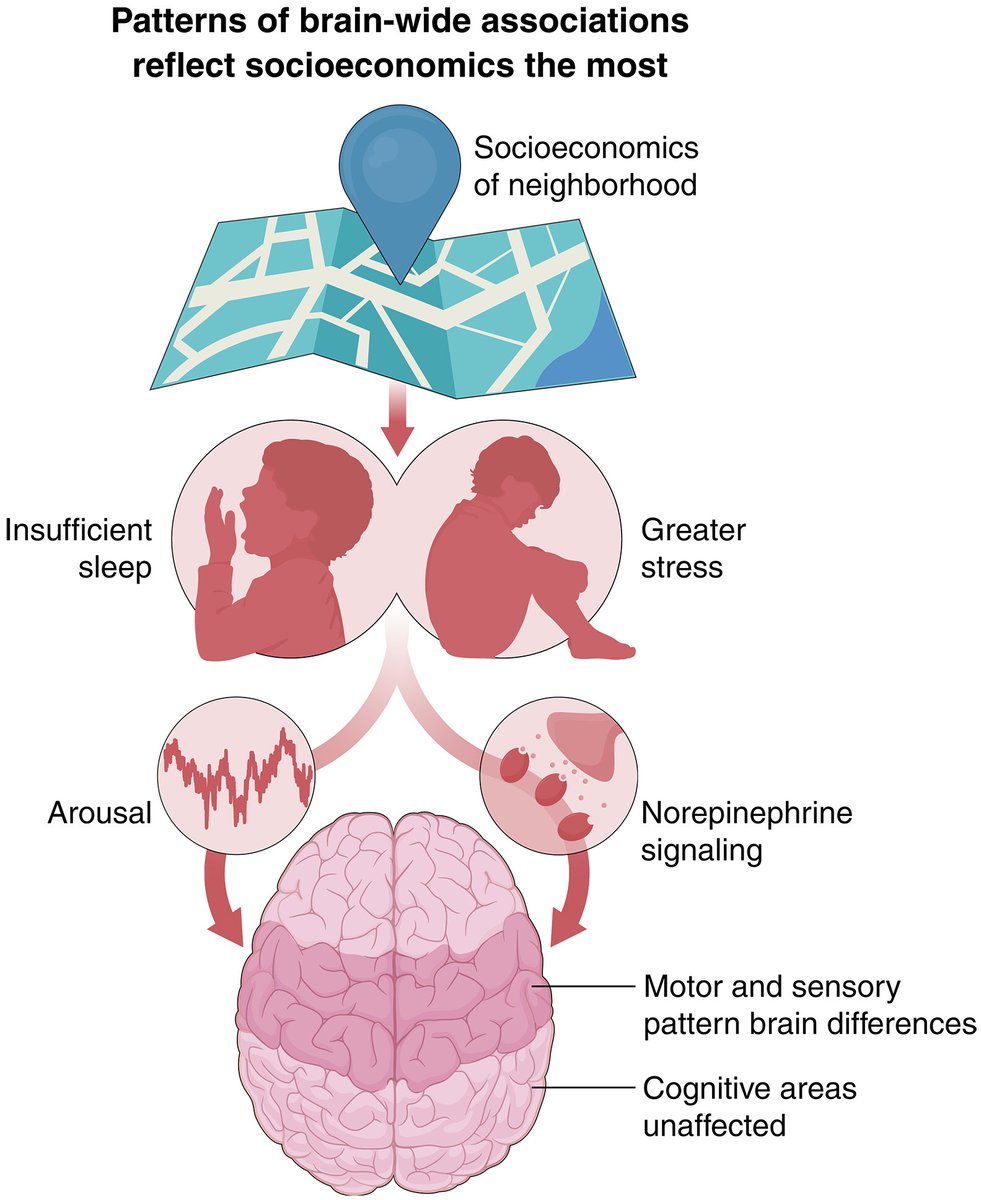
A new Science study suggests that variables linked to socioeconomic status—such as increased stress and reduced sleep—have strong relationships to brain structure and function in children.
The brain differences observed are unrelated to genetic ancestry, say the authors. They also may not be permanent. scim.ag/4ouWxcM
7
72
207
24,990